Solar thermal can reduce the energy used for hot water in a Lisbon house when the roof has useful sun exposure, the cylinder fits in an accessible place and the backup system is designed as part of the whole installation. Do not begin with a collector brand. First establish when the household uses hot water, which shadows affect the roof through the year and where pipes, valves and discharge routes will run. That early work avoids a badly placed cylinder, long pipe runs and a system that only works well on paper.
Contents
- When is solar thermal worth considering?
- What to check on the roof before choosing collectors
- Where should the cylinder go, and why does the water route matter?
- How should solar thermal work with the backup system?
- Common mistakes in a seemingly simple installation
- What to bring to the first technical visit
When is solar thermal worth considering?
This option is most relevant for a house with regular hot-water demand, available roof area and room for a technical area close to the points of use. Lisbon has many months with strong solar availability; at the Instituto Geofísico station, the 1991-2020 climate normals show average maximum temperatures of 28.2 °C in July and 28.8 °C in August. That does not remove the need for backup during less favourable periods or replace system design, but it explains why orientation and shade should be checked from the outset.
Portugal’s building-energy framework allows renewable solutions for domestic hot water and provides for alternatives where justified technical or functional constraints exist. Read the building energy performance framework before finalising a project that forms part of wider works.
- It is a strong candidate where the roof is free from persistent shade.
- It becomes less attractive when the cylinder must sit far from bathrooms and kitchen.
- It needs extra care on older roofs, roofs with unsafe access or waterproofing near the end of its service life.
What to check on the roof before choosing collectors
Ask for a clear reading of the roof: orientation, pitch, obstructions, condition of tiles or waterproofing, access route and suitability for fixings. A tree, chimney or neighbouring building may cast shade precisely during the hours when the collector would be most useful. Taking roof photographs at different times helps reveal the issue, though it does not replace a technical assessment.
For new construction, urban design rules may require architectural integration: on pitched roofs, collectors should follow the roof pitch; on flat roofs, their angle should be set for system performance and an orderly appearance. See the relevant provisions in the technical SCE regulation.
Do not use the installation as a reason to drill through a roof with known defects. Repair the base, flashings and drainage first, then define the supports. If the house has a very exposed roof, link the decision to planning light-coloured roof finishes that can help limit overheating.
Where should the cylinder go, and why does the water route matter?
The collector is on the roof, but everyday performance depends greatly on the cylinder, the backup heat source and the pipework. The technical location needs suitable floor support, maintenance access, a safe relief-valve discharge route and enough space for proper pipe insulation. A cramped compartment without drainage or a usable access door can turn a straightforward intervention into future demolition work.
The longer the route between cylinder and tap, the longer the wait for hot water is likely to be and the more water is run off before the required temperature arrives. Grouping kitchen, cloakroom and bathrooms remains a sound renovation decision. Where walls and ceilings are being opened, coordinate routes with the planning of services within a suspended ceiling, without concealing valves that must remain reachable.
Avoid placing the cylinder in a sleeping area, beside a lightweight wall or inside a cupboard with neither ventilation nor service clearance. Occasional noise, inspection needs and the possibility of discharge should all influence the choice.
| Decision | Why it matters | Practical response |
|---|---|---|
| Roof with partial shade | It reduces solar gain | Map obstructions and set the position before ordering |
| Cylinder far from taps | It increases waiting time and pipe losses | Place the technical area nearer wet rooms |
| Roof due for repair | Fixings can compromise aged flashings | Repair waterproofing and drainage before installation |
| Electric or heat-pump backup | It keeps hot water available in less favourable weather | Define controls, circuits and maintenance in the same project |

How should solar thermal work with the backup system?
Solar thermal should not be treated as a stand-alone appliance. The backup system maintains hot-water availability when solar input does not meet household demand. It may be an immersion heater, a compatible boiler or another project-specific appliance; the choice depends on the existing system, electrical capacity, space and patterns of use.
The technical regulation states that in solar thermal systems the collector heats only the colder part of the storage cylinder and the backup heats the warmer part. It also requires a mixing valve in thermosiphon systems to control water temperature at outlets. These are safety and performance details, not optional budget cuts. Confirm them in the technical provisions for domestic hot water.
- List the permanent occupants and usual shower times.
- Identify the existing hot-water equipment and its condition.
- Request a diagram showing collector, cylinder, backup, valves, discharge and controls.
- Confirm who will provide servicing and how components will be accessed.
Common mistakes in a seemingly simple installation
The most frequent mistake is buying a kit before checking the house. Others include choosing a cylinder that does not match actual habits, fitting collectors without allowing for seasonal shade, leaving pipe insulation incomplete and making valves inaccessible. Ignoring compatibility with existing backup equipment is another costly error.
It is also useful to distinguish solar thermal from photovoltaic panels. Solar thermal captures heat to prepare hot water; photovoltaic panels produce electricity. Both can share a roof, but they compete for area, routes and unshaded zones. Plan them together if the house is being prepared for solar energy, rather than assigning the best roof area to one system and improvising the next.
Climate normals provide helpful context, but they cannot predict shade on your particular street or your household’s hot-water pattern. Use the 1991-2020 Lisbon climate normal as a local reference and obtain a design for the actual property.
What to bring to the first technical visit
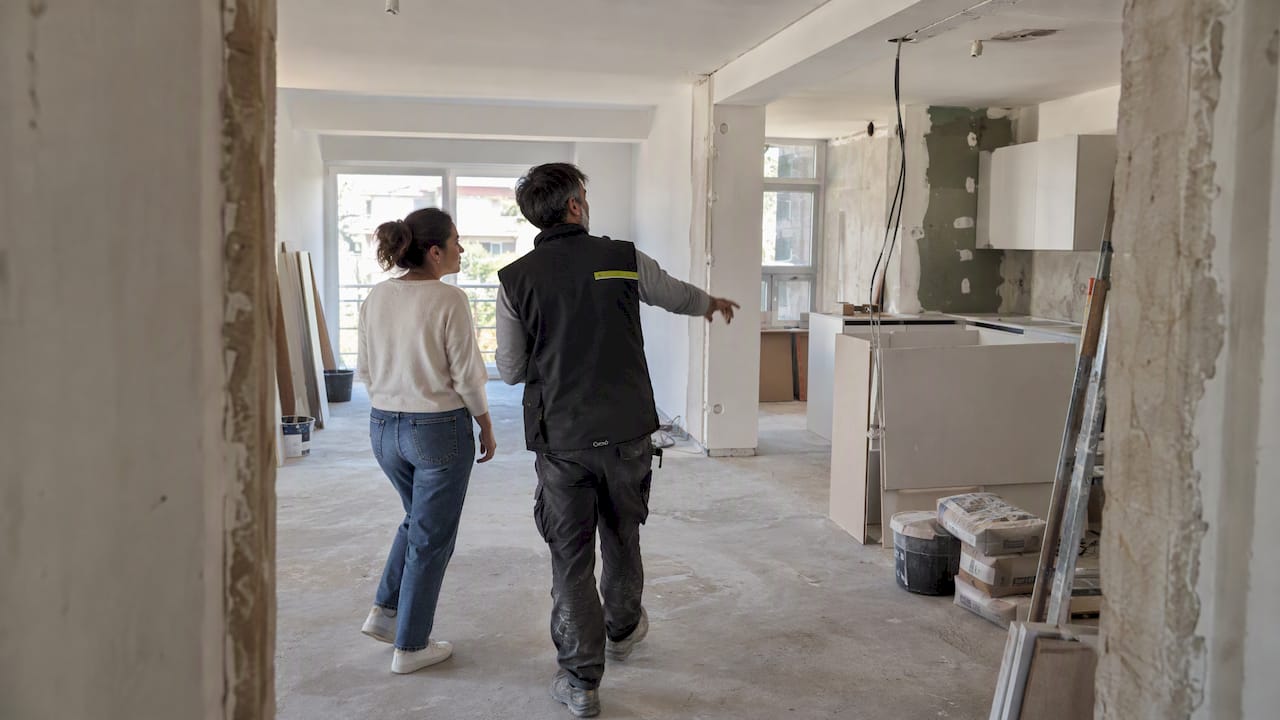
A visit will be more useful if you prepare roof photographs, an approximate house plan, recent energy bills, details of the current hot-water equipment and a list of planned roof works. Also mention whether you intend to add photovoltaics, renew tiles, install air conditioning or convert a loft: each can affect access and technical routes.
Ask for a proposal that separates equipment, roof work, pipework, electrics, weatherproofing details, commissioning and maintenance. Do not accept a solution that fails to show where the relief-valve discharge will go, how the roof will be protected and which access routes will remain. With proper coordination, solar thermal becomes part of the house’s hot-water system rather than an object placed on the roof with avoidable losses and compromises.
Key takeaways
- Check shade, roof condition and access before comparing equipment.
- The cylinder location and pipe runs affect daily comfort as much as the collector does.
- Request a complete scheme showing backup heat, valves, discharge, insulation and maintenance.
- Coordinate solar thermal, roof works and future photovoltaics in one plan.
If this installation forms part of a Lisbon house renovation, Obra Lisboa can help coordinate the roof, technical space, services and finishes before work starts. A sensible next step is to gather plans, photographs and details of existing equipment, then request a proposal with a clearly defined scope.
Sources and further reading
Editorial image; it does not depict an Obra Lisboa project.

Obra Lisboa