
A dehumidifier can make a genuine difference in a Lisbon apartment: it can reduce that heavy feeling in the air, speed up laundry drying and limit window condensation. It becomes a poor fix, however, when it runs every day to compensate for a leak, a cold external wall, an uninsulated shutter box or a bathroom with ineffective extraction.
The right decision starts by separating moisture created indoors from water entering through the building fabric. A dehumidifier removes water vapour from air; it does not repair failed window seals, dry a wall that is still receiving rainwater or replace fresh-air ventilation. Portugal’s Directorate-General of Health advises daily ventilation and extra ventilation while cooking, bathing, cleaning, washing and drying clothes indoors. Read the DGS guidance on indoor air.
Identify the type of damp before buying anything
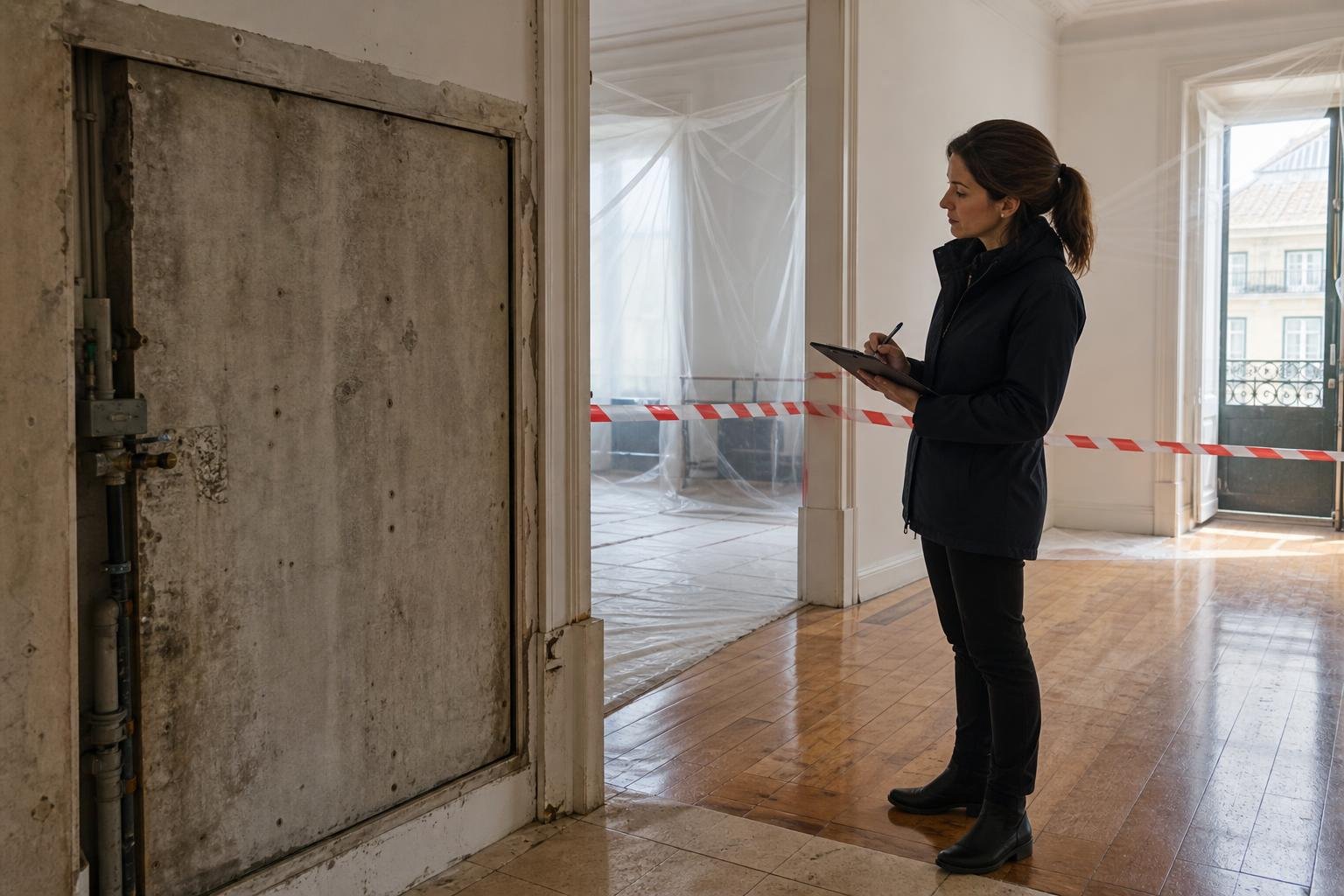
Before comparing tank sizes, extraction figures or app controls, look at the pattern. Condensation commonly appears on cold corners, behind furniture placed against façades, on morning window glass and in rooms used for indoor drying. A leak is more likely to leave a localised stain, blistering paint, salts, a persistent smell or a clear deterioration after wind-driven rain.
Keep notes for two or three weeks: where the issue appears, at what time, in what weather and after which household activity. A basic hygrometer makes it easier to link humidity peaks to showers, cooking or drying clothes. If a mark expands after rain, water is visible around window frames or plaster is deteriorating, treat it as a building diagnosis rather than an appliance-shopping problem. The DGS technical sheet on damp and mould in homes identifies occupants’ habits, building defects and inadequate ventilation among the possible causes.
In an apartment block, notify the building manager as well when the likely source could be a façade, roof, shared pipe stack or neighbouring property. Emptying a tank is not a substitute for addressing shared defects.
Size the unit for the room and the way you live
Do not select a machine only by total apartment area. A one-bedroom flat where laundry dries in the living room, two people shower close together and windows are rarely opened may need more effective moisture removal than a larger, well-ventilated home with a tumble dryer. Consider the room where the unit will operate, air movement between rooms and the main source of vapour.
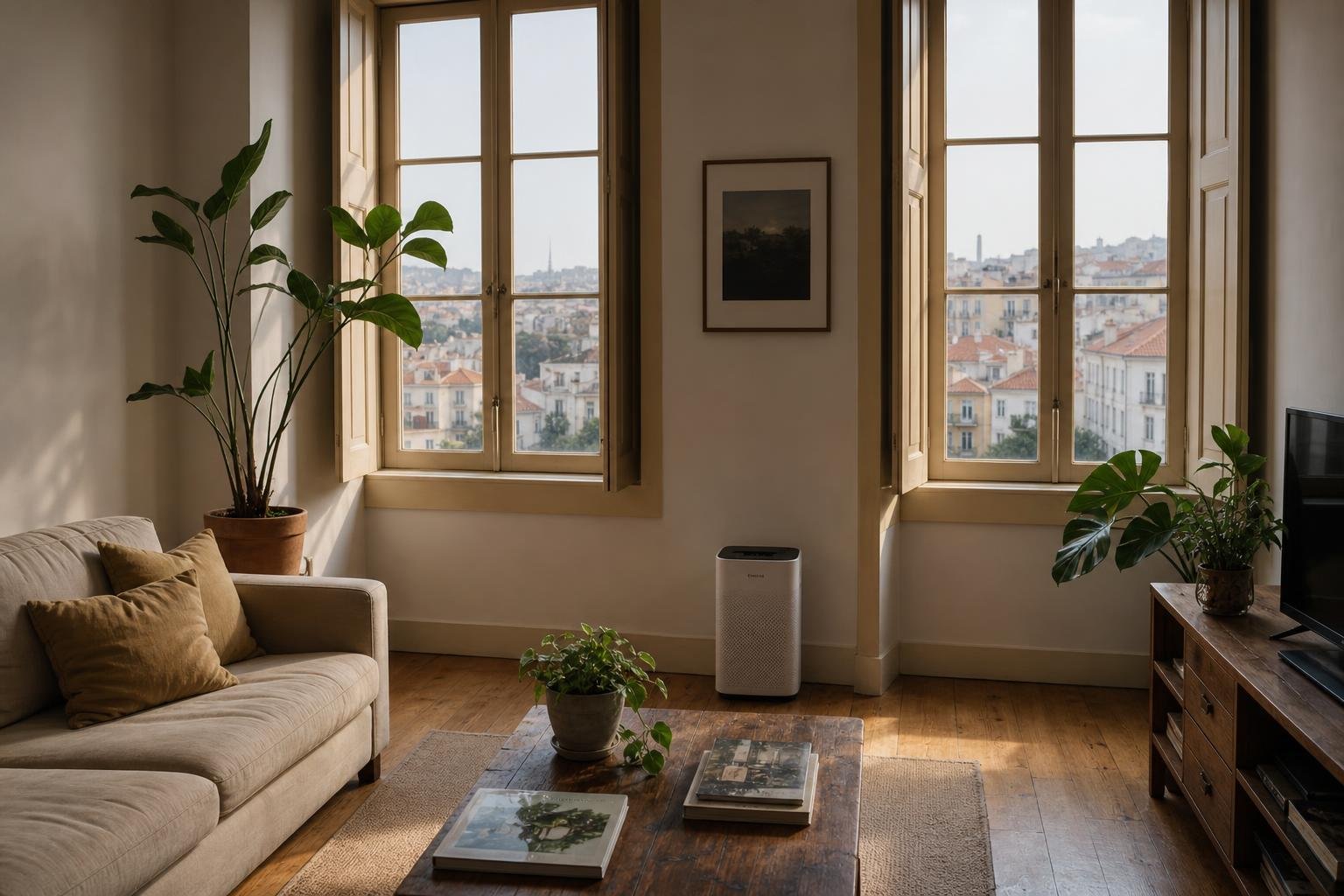
For a bedroom with occasional condensation, quiet operation and a timer may matter most. For a living room used to dry clothes, look for a laundry mode, an easy-to-empty tank and a position that does not obstruct circulation. Where damp is recurrent, continuous drainage can avoid daily lifting and emptying, but it needs a safe hose route and a suitable drain point.
Do not expect one unit, shut in one bedroom, to solve the entire apartment. Keep it clear of curtains and walls, follow the manufacturer’s clearance instructions and use open internal doors only when that suits the situation. If moisture is concentrated in a laundry area or bathroom, reducing it at source is usually more effective than trying to dry the hallway.

Set sensible targets instead of chasing very dry air
The aim is not excessively dry air. Set a moderate humidity target, observe comfort and adjust according to the room’s behaviour. If the dehumidifier runs almost continuously and the reading barely changes, do not simply buy a more powerful model: check for water ingress, poor ventilation, indoor drying or routinely open windows and doors.
Lisbon has cool, damp periods as well as dry, hot summers. The Portuguese Institute for Sea and Atmosphere records a January mean temperature of 11.5 °C at Lisbon’s Instituto Geofísico station in its climate normal, conditions in which poorly insulated surfaces can become cold enough to encourage indoor condensation. See the IPMA Lisbon climate normal.
During warm months, the need for dehumidification may fall sharply. Clean and dry the appliance before storing it when it is not needed; running it by habit does not repair the building or necessarily manage comfort efficiently.
Pair moisture removal with ventilation and source control
A dehumidifier recirculates and treats room air; it does not bring in fresh air. Use it alongside a simple routine: run bathroom extraction during and after showers, cover pans, use kitchen extraction where appropriate, dry clothes outdoors whenever possible and air rooms in a controlled way. DGS guidance recommends at least ten minutes of daily ventilation, with more ventilation during moisture-producing activities.
Avoid pressing sofas, beds and wardrobes tightly against cold external walls. A small gap allows air movement and makes early warning signs easier to spot. For wider decisions about condensation, fresh-air renewal and comfort, see Obra Lisboa’s guide to ventilation in renovated homes.
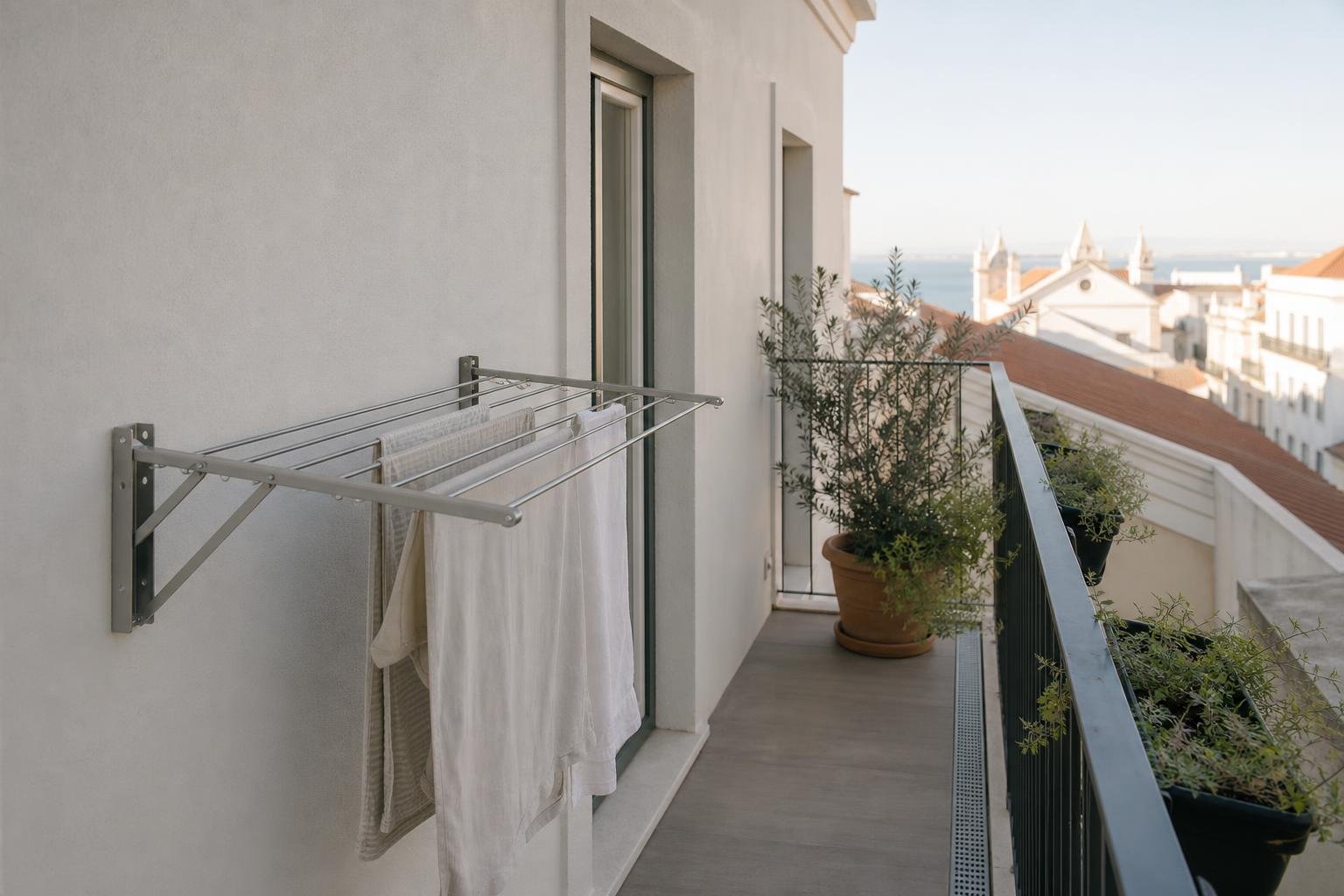
If clothes must dry indoors, keep them in one room that can be ventilated and treated rather than spreading racks through bedrooms and corridors. This operational change often reduces the issue more effectively than changing appliance model.
Know when an appliance is no longer the answer
Some signs call for inspection rather than extra running time: mould that returns after cleaning, marks that follow rainfall, walls that feel damp, swollen skirting boards, cracks associated with water, musty wardrobes or constant condensation despite sensible ventilation. In kitchens and bathrooms, also check traps, seals, connections and appliances for leaks.
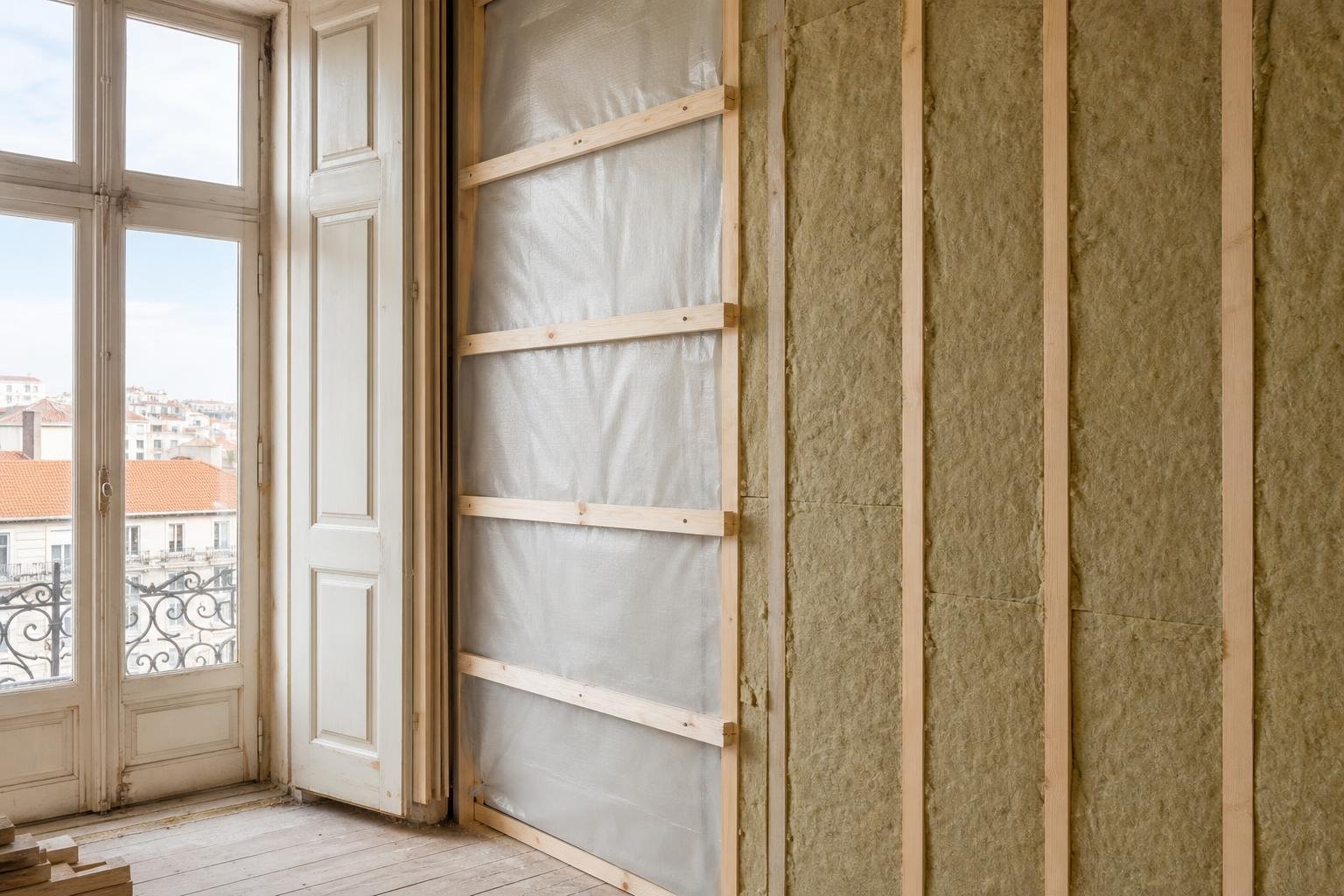
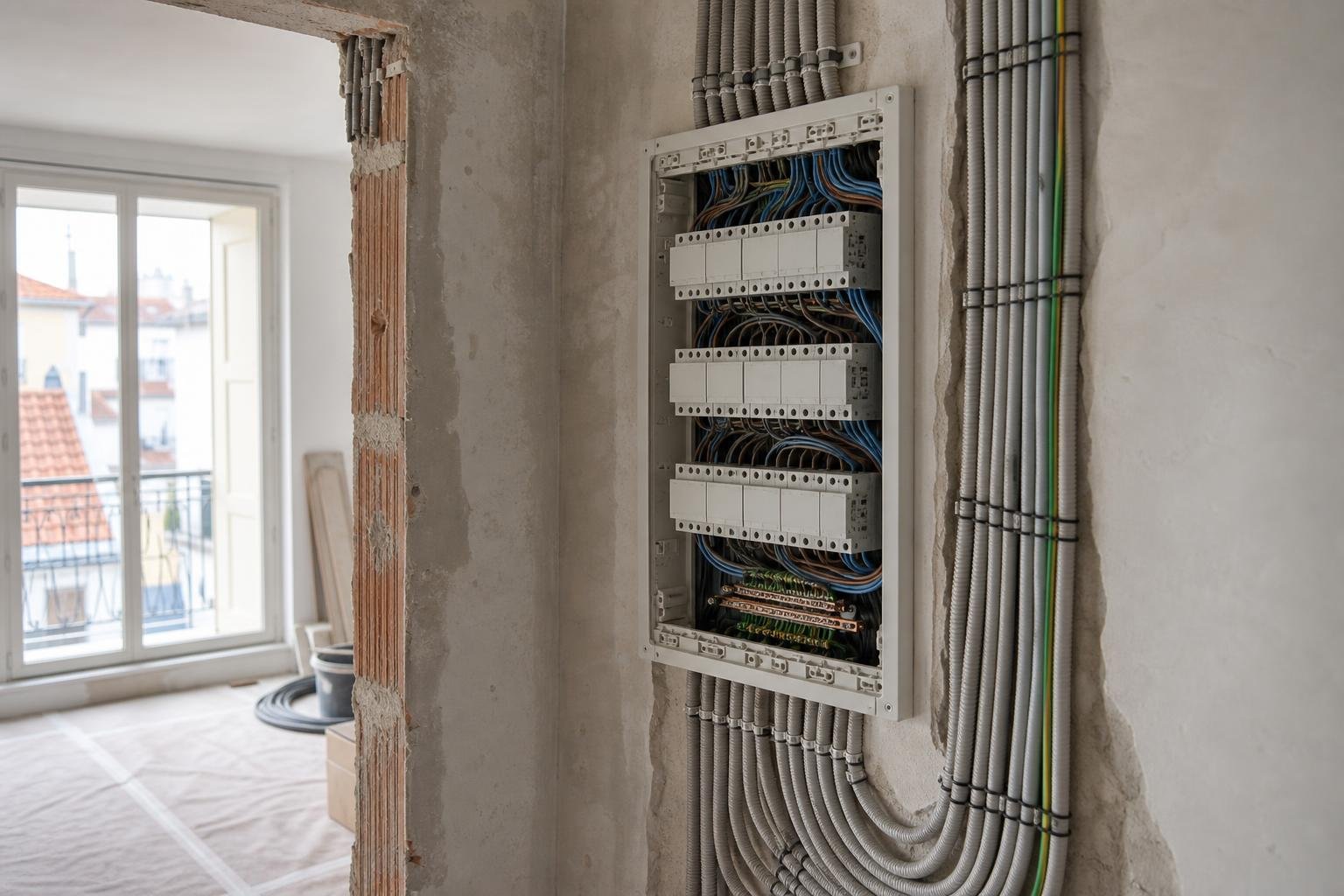
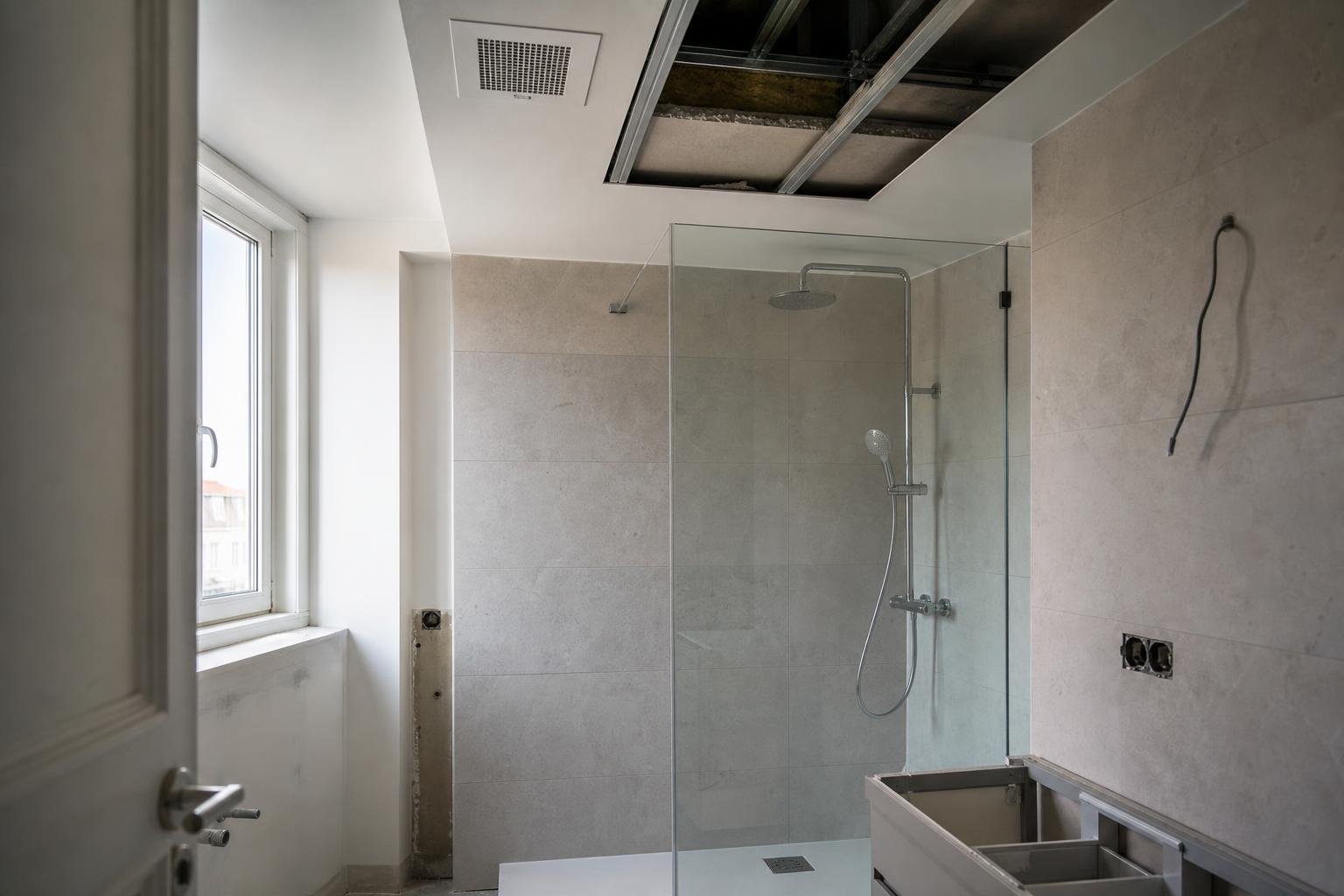
During renovation, it is worth dealing with causes while walls, ceilings, window openings or services remain accessible. Correcting water ingress, planning extraction, reducing thermal bridges or improving seals can matter more than installing a larger appliance. If your work includes windows, read the Obra Lisboa guide to replacing windows during a Lisbon renovation.
A dehumidifier is a useful tool for improving comfort and handling temporary moisture loads. It should not become the reason to accept a building defect that is developing behind a wardrobe or beneath a fresh coat of paint.
If damp keeps returning or you are planning an apartment renovation, Obra Lisboa can help structure the diagnosis and intervention priorities before money is spent on solutions that merely conceal the cause.
AI-generated editorial image; it does not depict an Obra Lisboa project.

Obra Lisboa