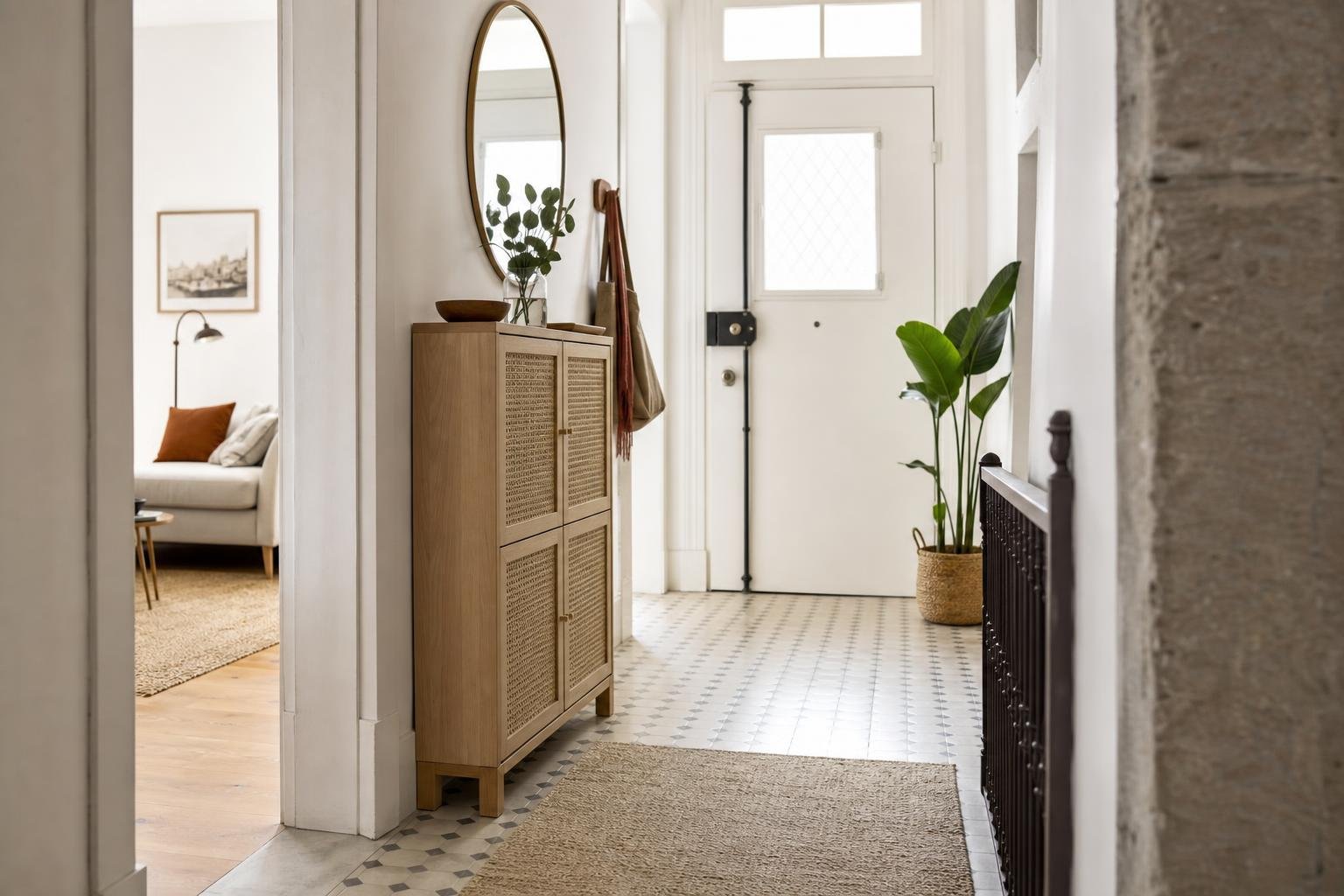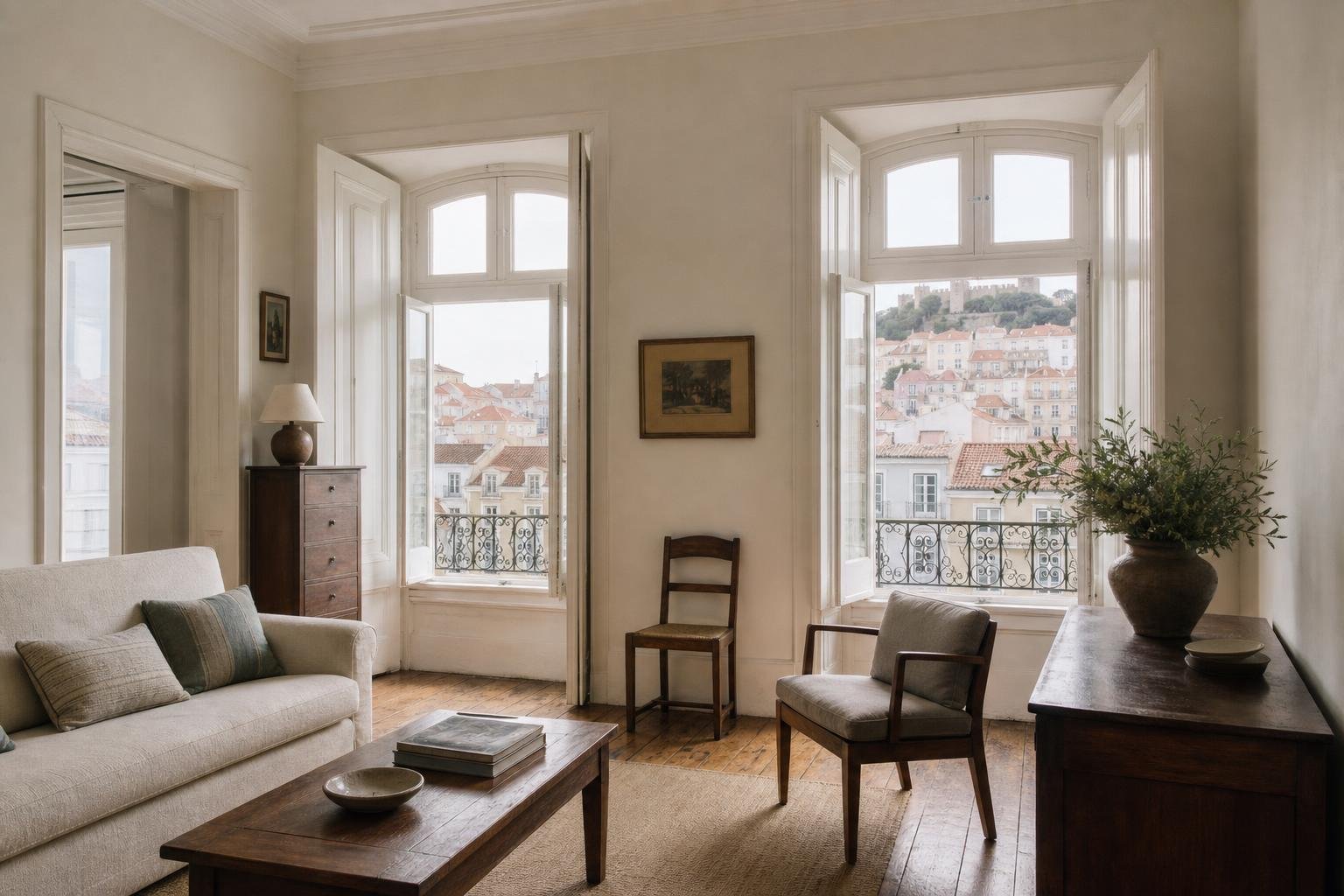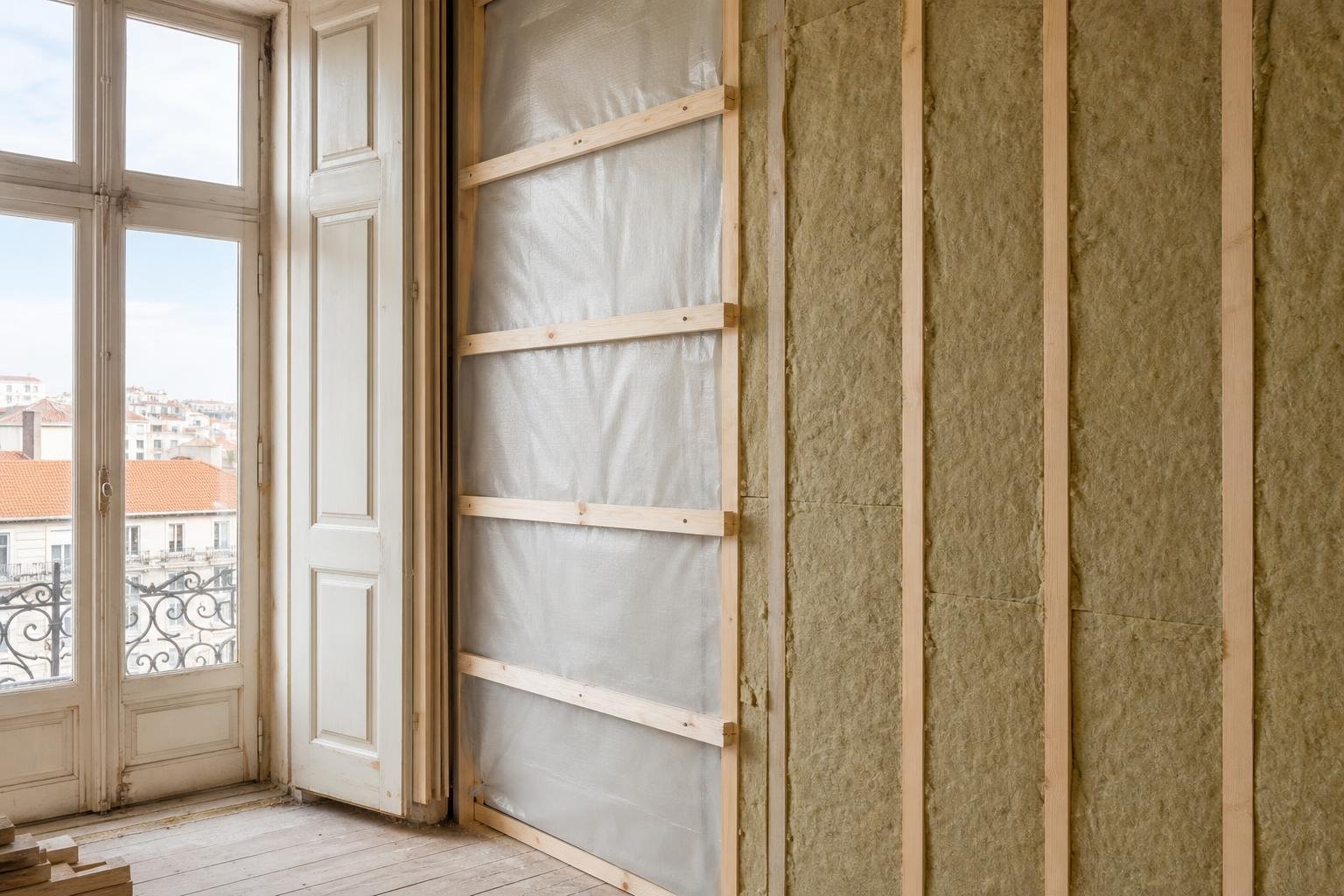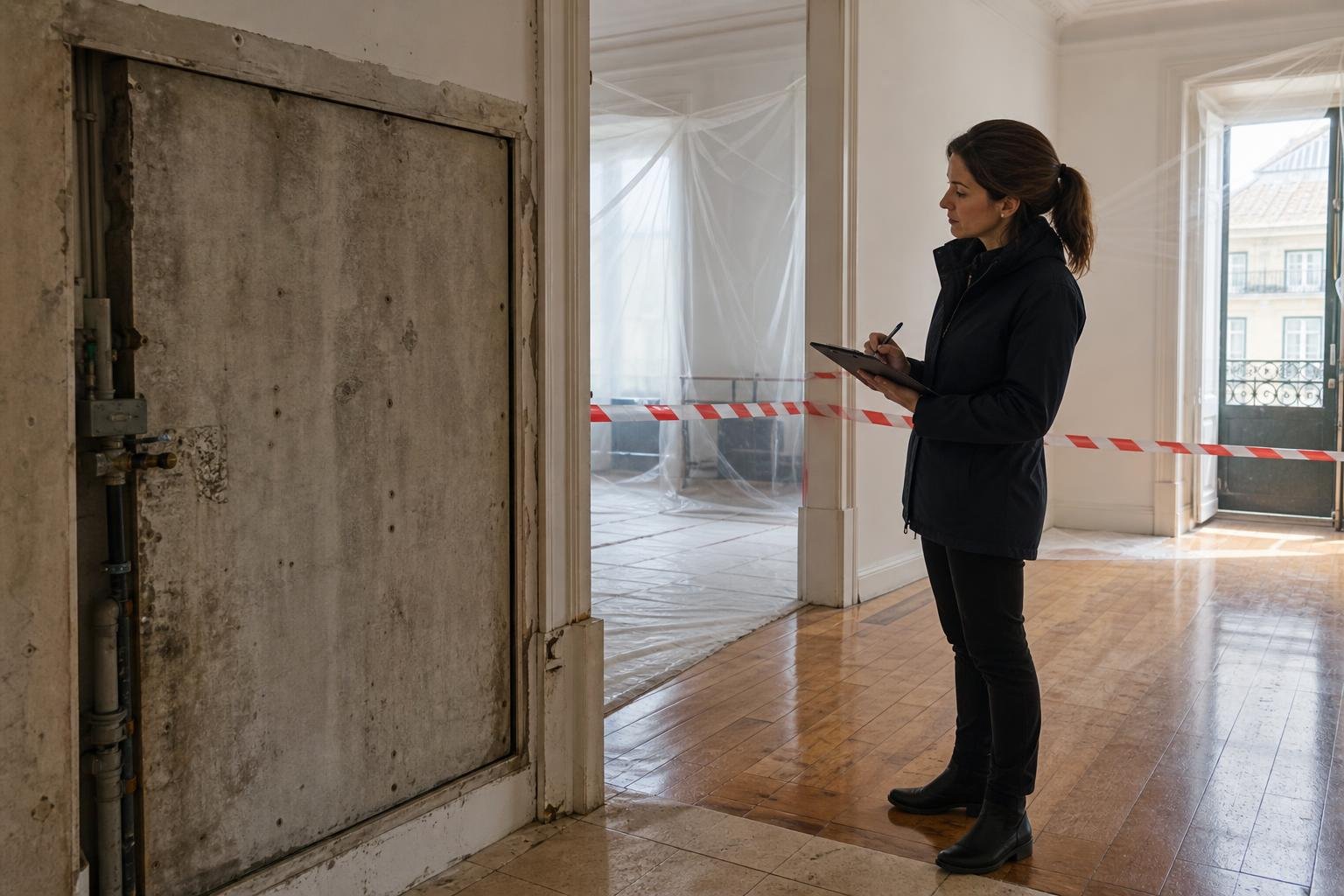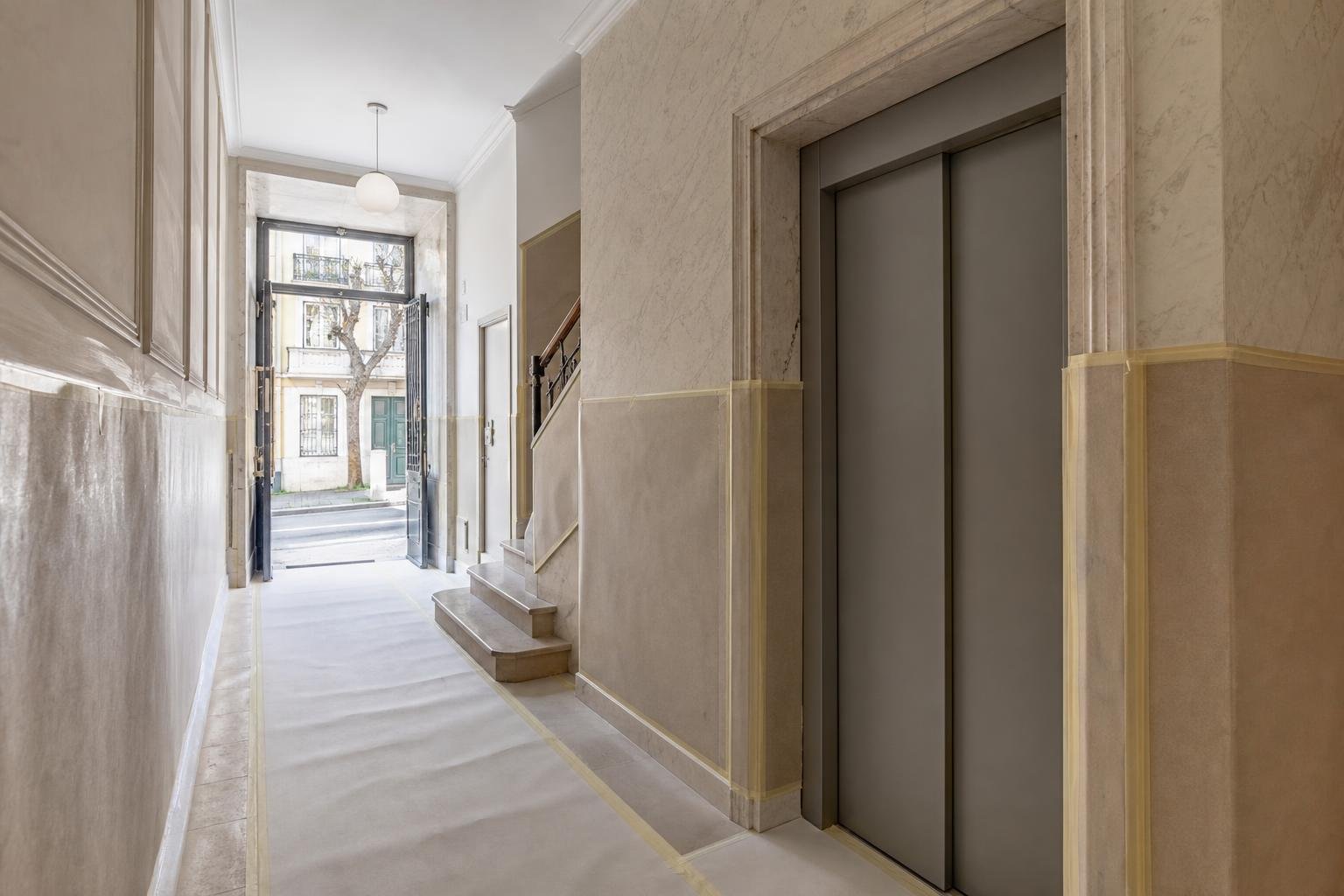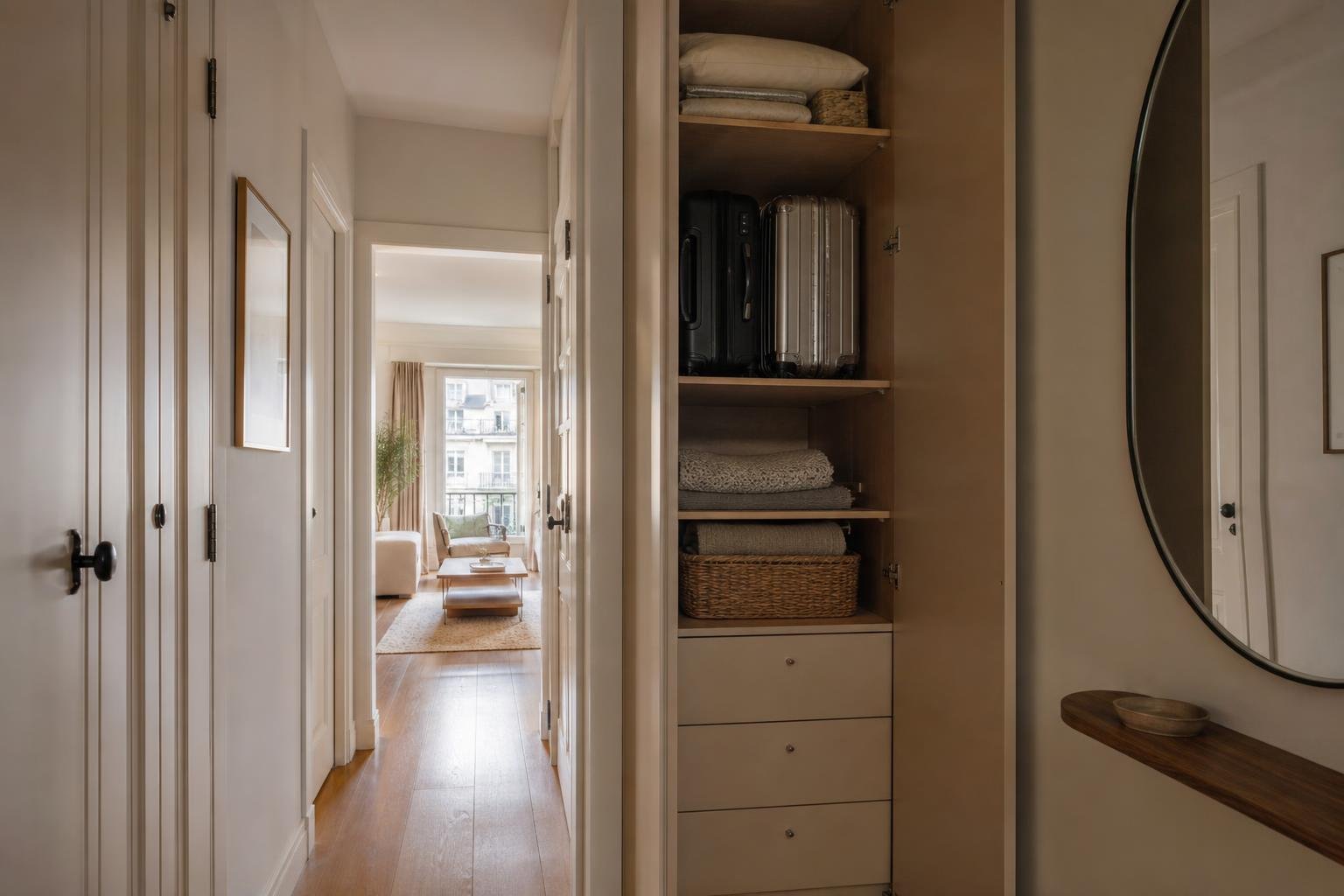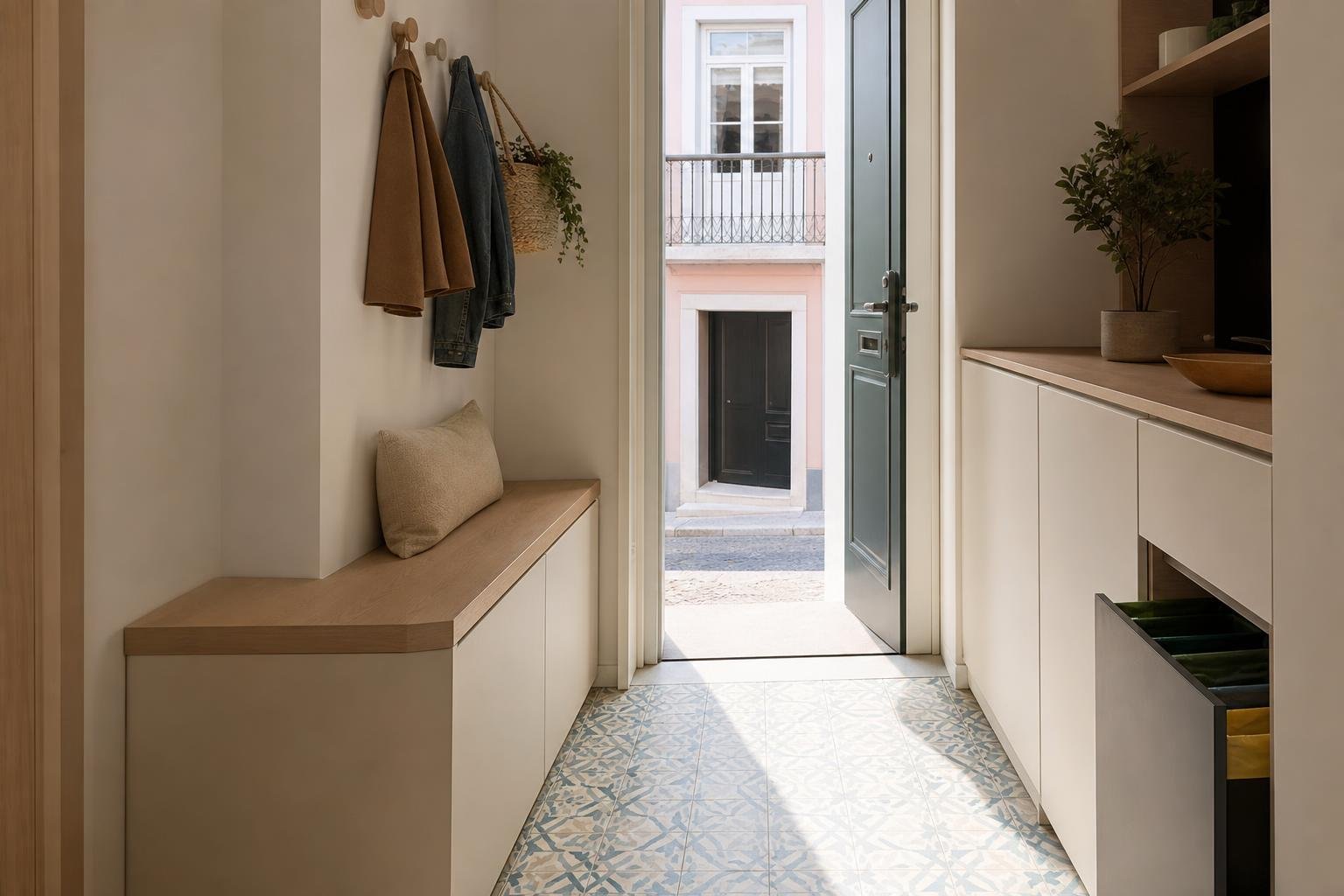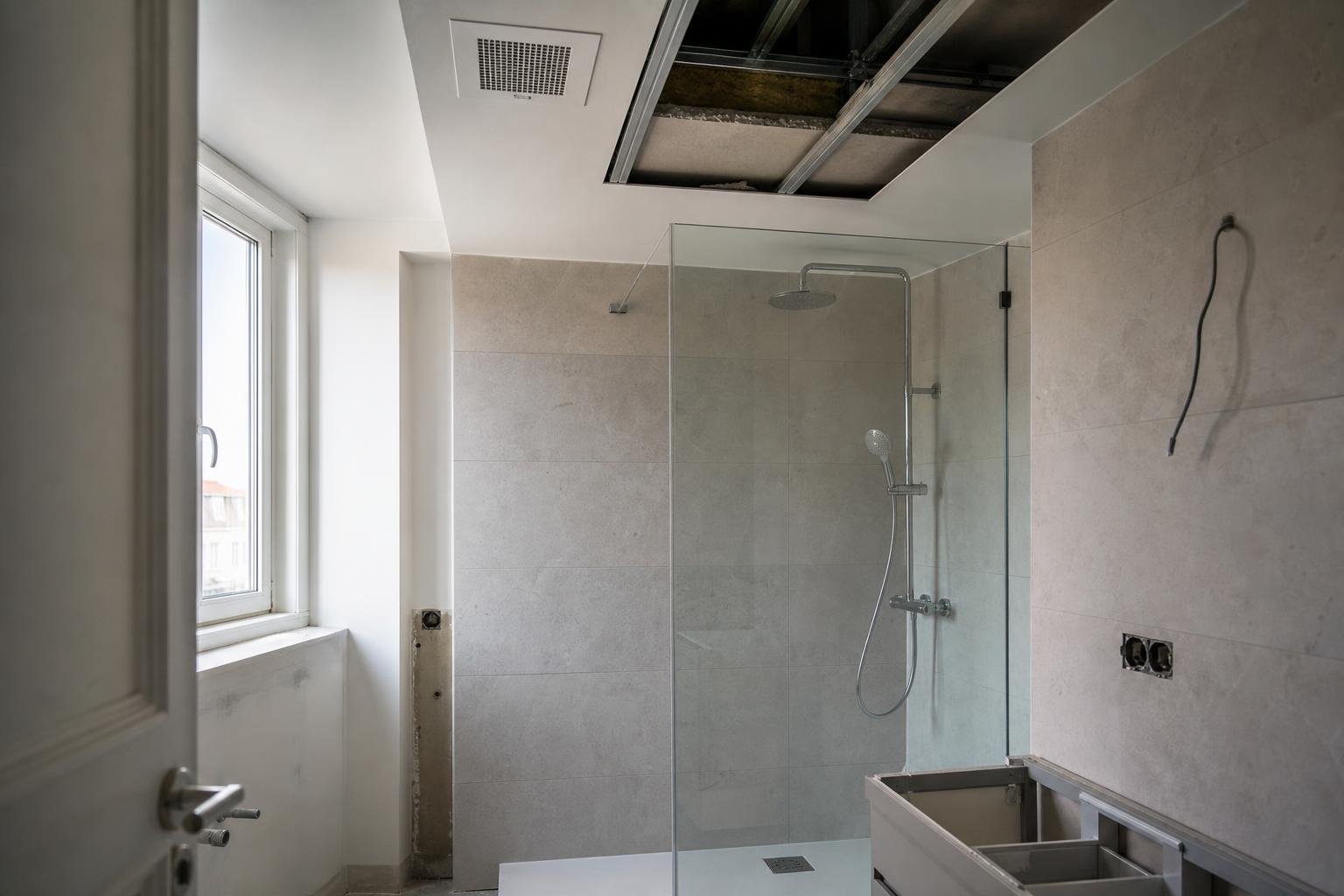
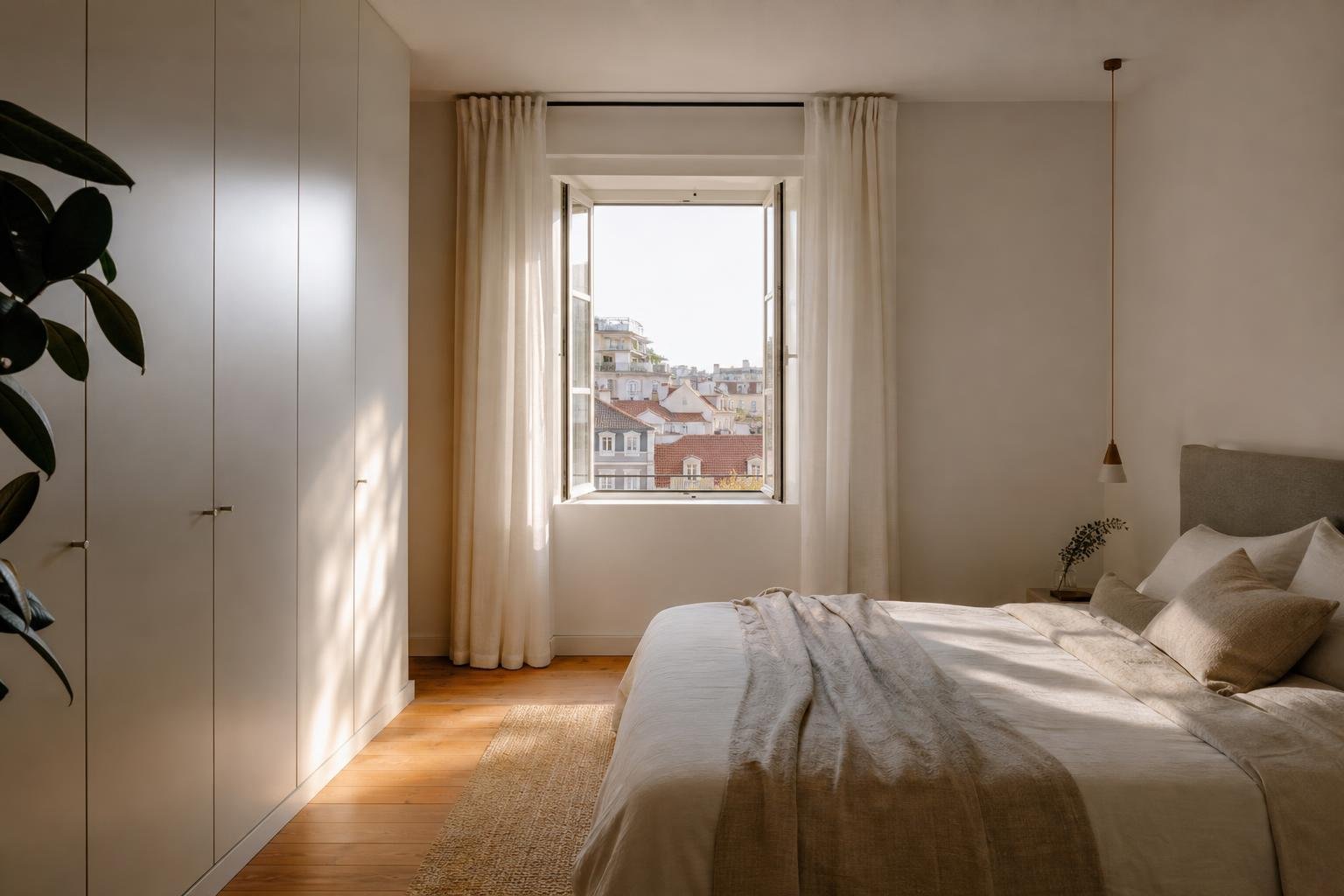
A comfortable bedroom is not defined only by the bed, wall colour or acoustic insulation. It is also the room where people spend many consecutive hours, often with doors and windows closed. During a renovation, apparently minor details — unsuitable paint, a wardrobe pressed against a cold wall, a poorly sealed shutter box or storage that traps dust — can become long-term problems after handover.
The aim is not to make the room sterile or to buy equipment without a clear purpose. It is to reduce predictable sources of dust, material emissions, condensation and mould while preserving comfort and character. Portugal’s Directorate-General of Health notes that excessive humidity can cause condensation on cold surfaces and encourage mould, and it identifies materials, furniture, cleaning products and everyday activities as potential indoor-air sources. Review the DGS guidance on indoor air quality before finalising the build.
In a Lisbon flat — particularly an older building with cold external walls, uneven openings or limited sun — it helps to treat the bedroom as one system. Air, temperature, surfaces, textiles and storage need to work together rather than compete.
First, tell dust, condensation and water ingress apart
Dark marks behind the bed, a stale smell inside a wardrobe and water on the glazing do not automatically have the same cause. Dust mostly comes from fibres, outdoor particles, textiles and daily use. Condensation occurs when humid air meets a cold surface. Water ingress, meanwhile, may relate to the façade, roof, window frame, pipework or sill. Painting over the evidence without identifying the cause only postpones the repair.
Before selecting finishes, look at the pattern. Does the mark appear after rain, around a window or on an internal wall? Is it worse in winter or after drying clothes? Is it only present behind furniture? Record dates, photographs and conditions. This makes it easier to judge whether the answer is better air movement and furniture clearance, an envelope repair, or investigation of a water defect.
Do not treat a dehumidifier as an automatic fix. It can be useful while materials dry or during short humid periods, but it does not replace repairing a leak, providing adequate ventilation or designing insulation correctly. For a more informed approach to readings, see this guide to using a hygrometer at home.
Plan ventilation before choosing furniture
Bedroom ventilation starts with the real ability to replace indoor air: a window that opens properly, working hardware, an air path that is not blocked and a routine that fits the household. The DGS advises airing a home for at least ten minutes a day, and during or after activities that add moisture, including cooking, bathing, washing and drying laundry indoors. Read the DGS general recommendations and adapt them to how the home is actually used.
In a bedroom, avoid placing a large bed or a full-height wardrobe in front of the only window that provides effective ventilation. Keep enough room to open the leaves, access shutters and clean the frame. Where the bedroom connects to a windowless bathroom, check that extraction exists, discharges correctly and still works with the door closed. Humid air leaving the bathroom and entering the bedroom is a frequent contributor to condensation on textiles and cold walls.
For deeper renovations, the ventilation strategy should be coordinated with the airtightness of replacement windows and any technical systems. Portuguese energy rules set requirements for building envelopes and technical systems; Portaria No. 138-I/2021 is a useful reference when discussing the approach with the design team.
Choose materials with emissions and maintenance in mind
A bedroom is the wrong place to decide solely from the nicest sample board. Paints, varnishes, adhesives, vinyl floors, engineered timber panels and fabrics can release compounds into the air, especially when new. Favour products clearly intended for indoor use, and follow the manufacturer’s drying and airing times. A good product choice loses its value if the room is occupied the day after a heavy application of paint or varnish.
Rather than layering many decorative finishes, limit the number of different materials. A properly prepared wall, suitable paint and a well-finished skirting board are usually easier to clean than surfaces with numerous joints and grooves. Where timber is used, check that the finish tolerates gentle damp cleaning without deteriorating. If you choose carpet, do so knowingly: it needs regular vacuuming and maintenance, and it is not the simplest option for a household trying to reduce trapped dust.
Painting should be scheduled before curtains, mattresses and upholstered furniture are brought in. For more detail on product selection and room preparation, read low-emission paints and materials for bedrooms.
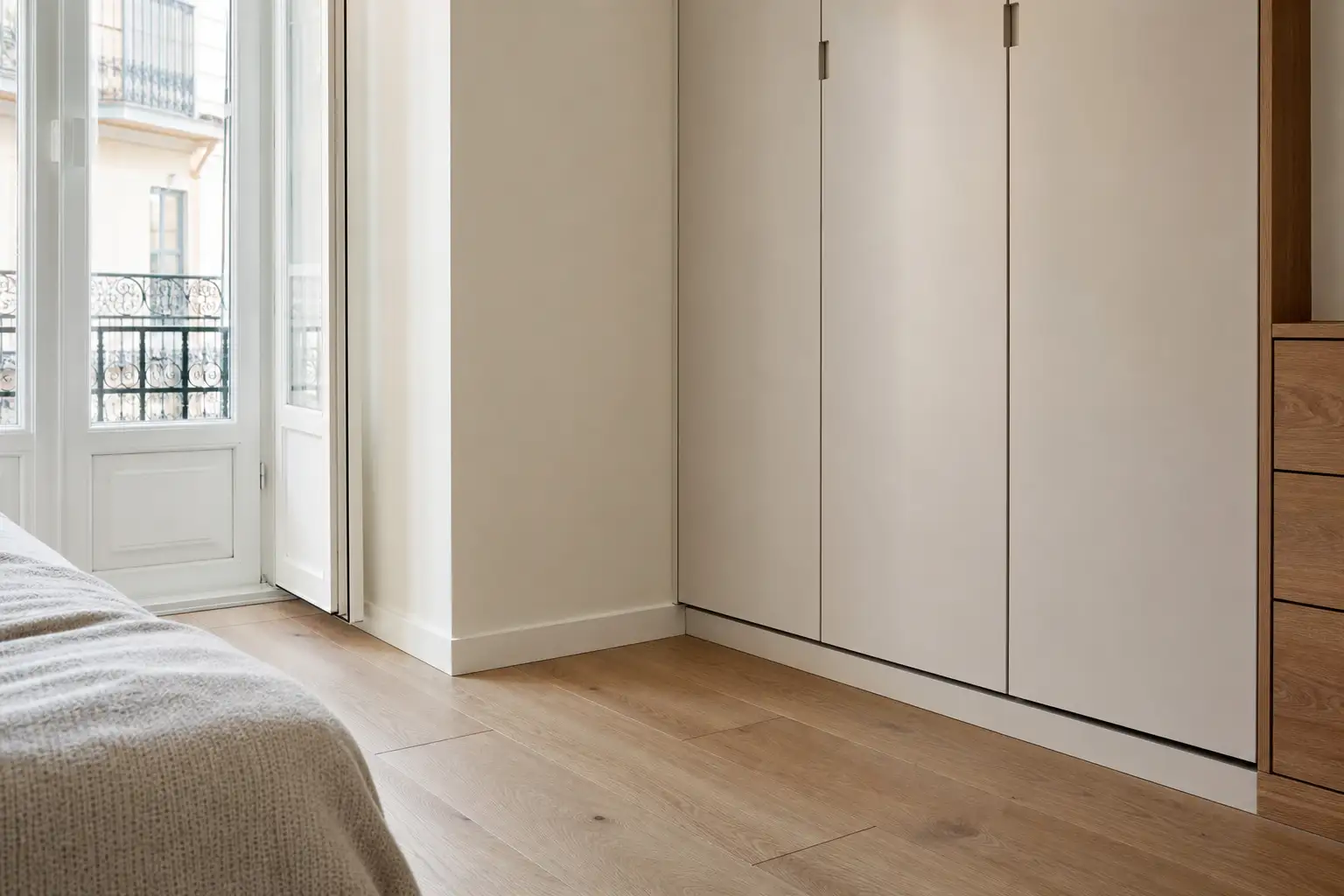
Design storage so it does not create dust and damp pockets
Floor-to-ceiling wardrobes can free up valuable bedroom space, but only work well when they can be cleaned, their doors are properly adjusted and air can move where needed. A wardrobe pushed against a cold external wall, packed to its limit and left with no allowance at all is likely to develop stale odours or condensation. This does not mean every door needs a visible grille; it means the wall, cupboard volume, household habits and overall room ventilation should be assessed together.
Set aside different areas for clean clothing, worn clothing, luggage and seasonal bedding. Avoid putting away damp items, storing cardboard boxes directly on the floor or compressing duvets tightly against a wall. Adjustable shelves and fully extending drawers make proper cleaning possible; very deep niches and inaccessible high shelves tend to become dust stores.
The outer design matters too. Smooth fronts, easy-clean handles and a carefully resolved skirting detail simplify upkeep. If the wardrobe is built in, keep any inspection points, sockets and technical components behind or beside it accessible. Good storage is not just capacity; it is capacity that remains usable and hygienic over time.
Manage textiles, flooring and dust entry points
Textiles are essential to bedroom comfort, but they also collect fibres and particles. Choose curtains that can be removed or vacuumed without complicated dismantling. Favour a headboard arrangement that allows cleaning behind and beneath the bed. If you use a rug, restrict it to the area where it genuinely improves comfort and choose a size that does not prevent cleaning the surrounding floor.
For flooring, think about the routine rather than only the finished photograph. Continuous, stable surfaces with careful edges at walls and doorways are easier to vacuum and clean. Timber or cork floors can be very comfortable when the substrate is dry, level and compatible with the selected system. Do not hide unevenness or damp below floating flooring: noise, warping and odours may emerge later.
Also reduce avoidable dust paths. Check window seals, shutter boxes, pipe penetrations and the junction between skirting and wall. This is not about sealing the home indiscriminately; it is about removing accidental gaps while preserving a deliberate fresh-air strategy. Vacuuming and damp dusting, rather than dry sweeping, helps prevent particles from becoming airborne again.
Sequence the work and move back in deliberately
The quality of the completed bedroom depends heavily on sequencing. Resolve leaks, cracks and degraded surfaces first; then carry out services, insulation and wall preparation; only afterwards install sensitive floors, final paint, wardrobes and textiles. Protecting completed materials is not over-caution: it prevents late work from creating dust or forcing costly repainting.
Ask for final cleaning to include wardrobe interiors, window tracks, accessible shutter boxes, outlets, skirting boards and the space below radiators or indoor units. Before bringing in the mattress and clothing, air the room, check that no strong construction odours remain, test the window opening and watch for moisture marks during the first days of use.
A healthier bedroom does not come from a single product. It comes from compatible decisions: a dry wall, workable ventilation, appropriate materials, less accumulation and a simple cleaning routine. Where the renovation includes replacement windows, external walls, mechanical ventilation or persistent damp defects, coordinate architecture and building services before ordering made-to-measure furniture.
Planning a bedroom renovation in Lisbon? Obra Lisboa can help turn ventilation, storage, finishes and work sequencing into one coherent plan before work begins.
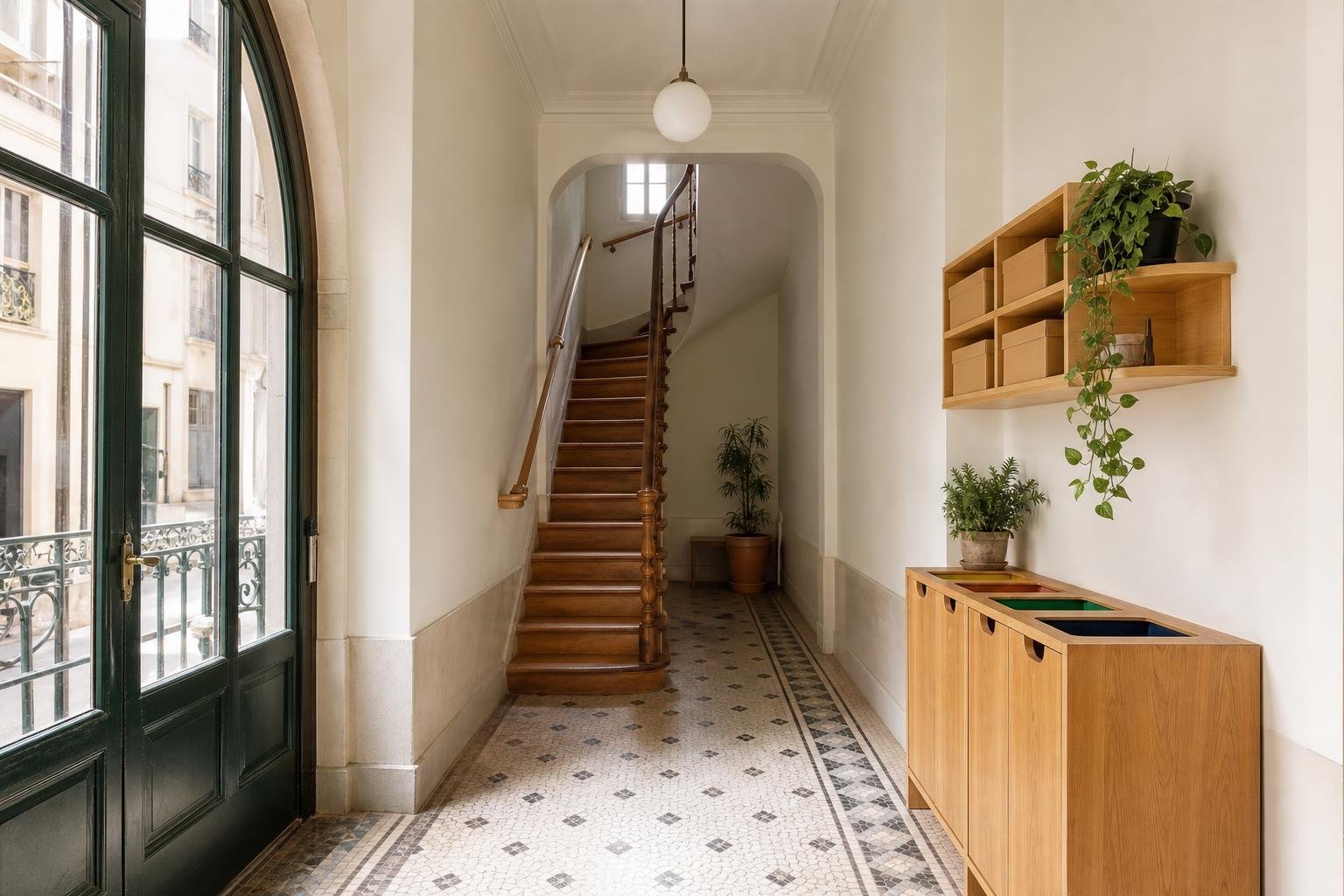
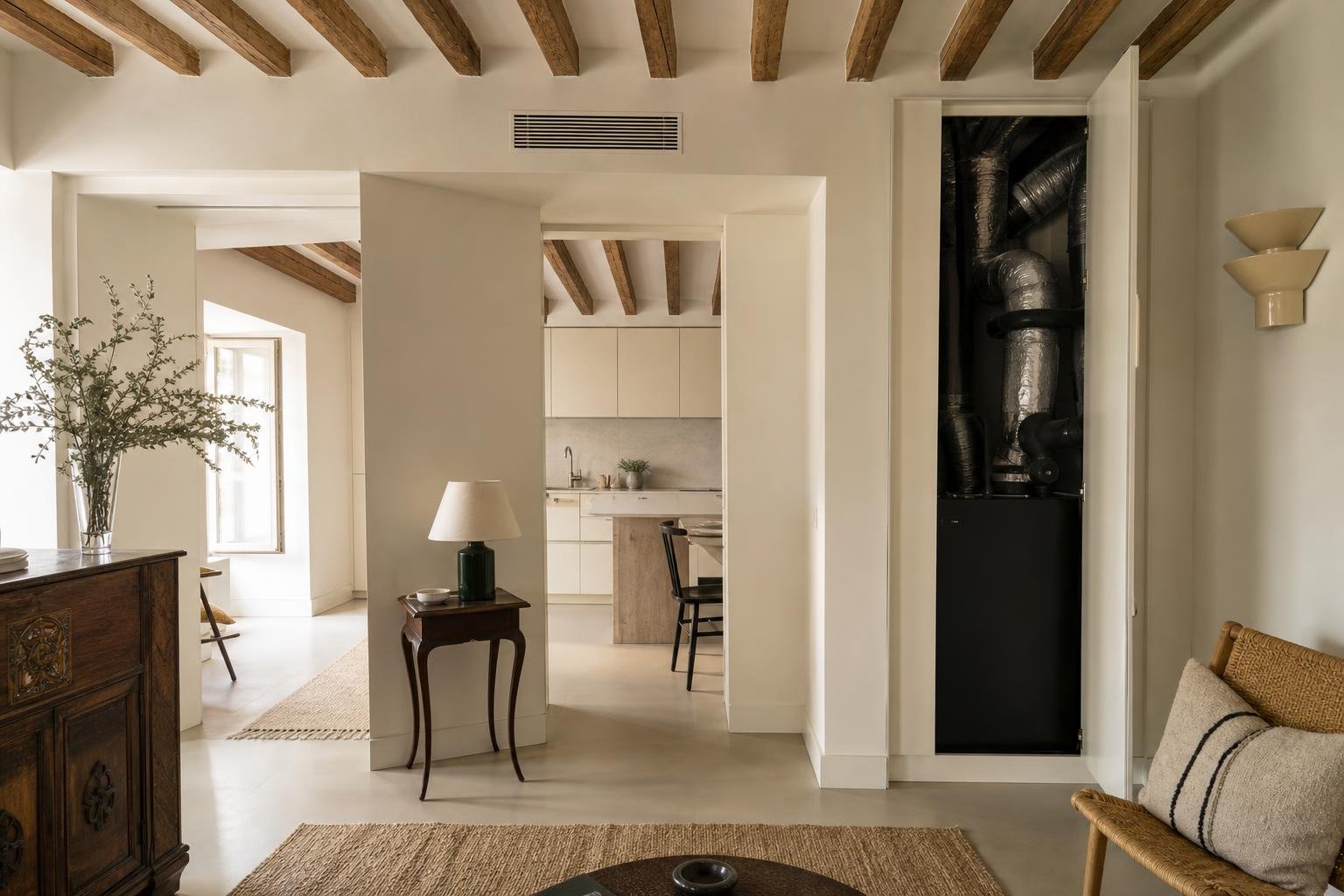
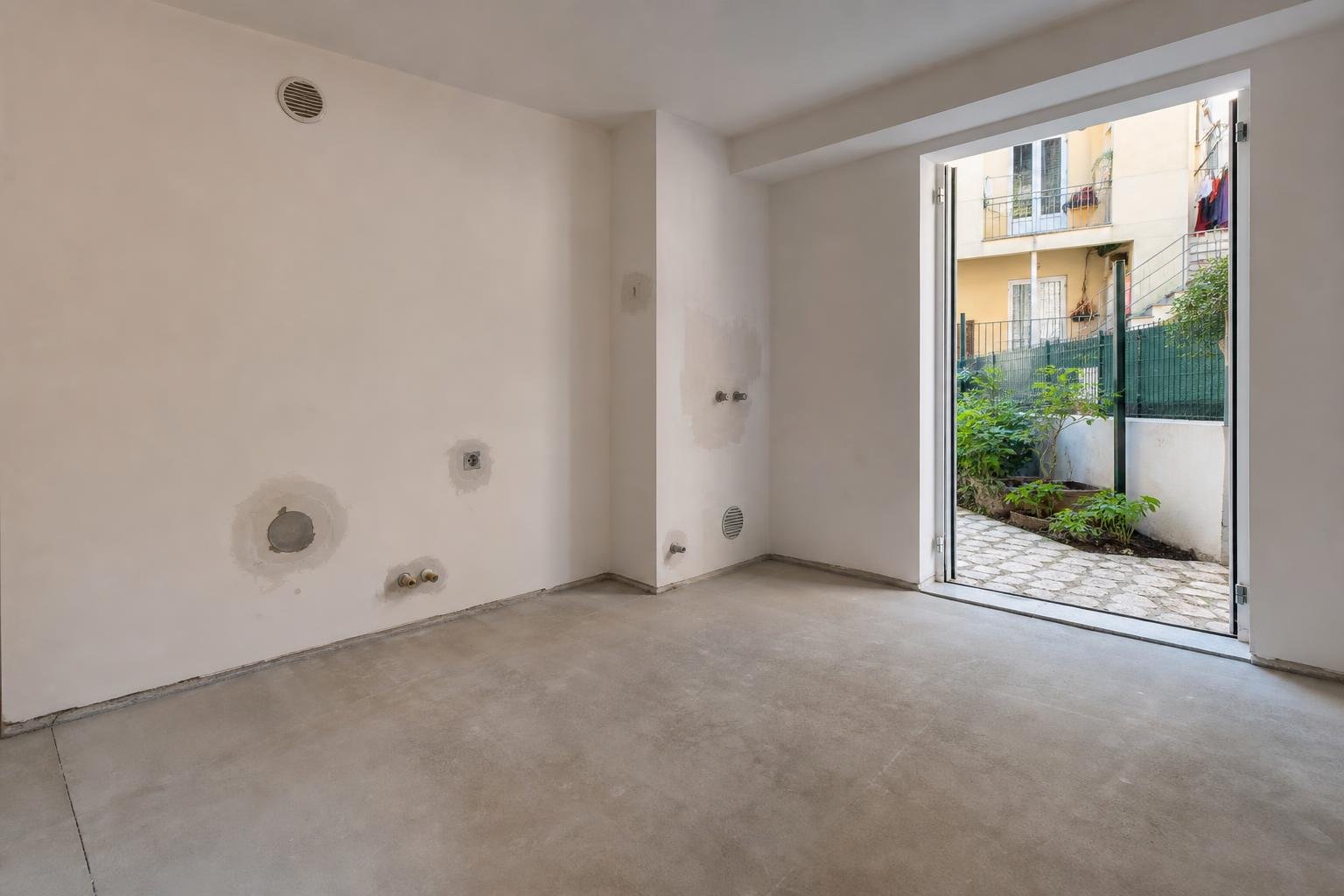
AI-generated editorial image; it does not depict an Obra Lisboa project.

Obra Lisboa