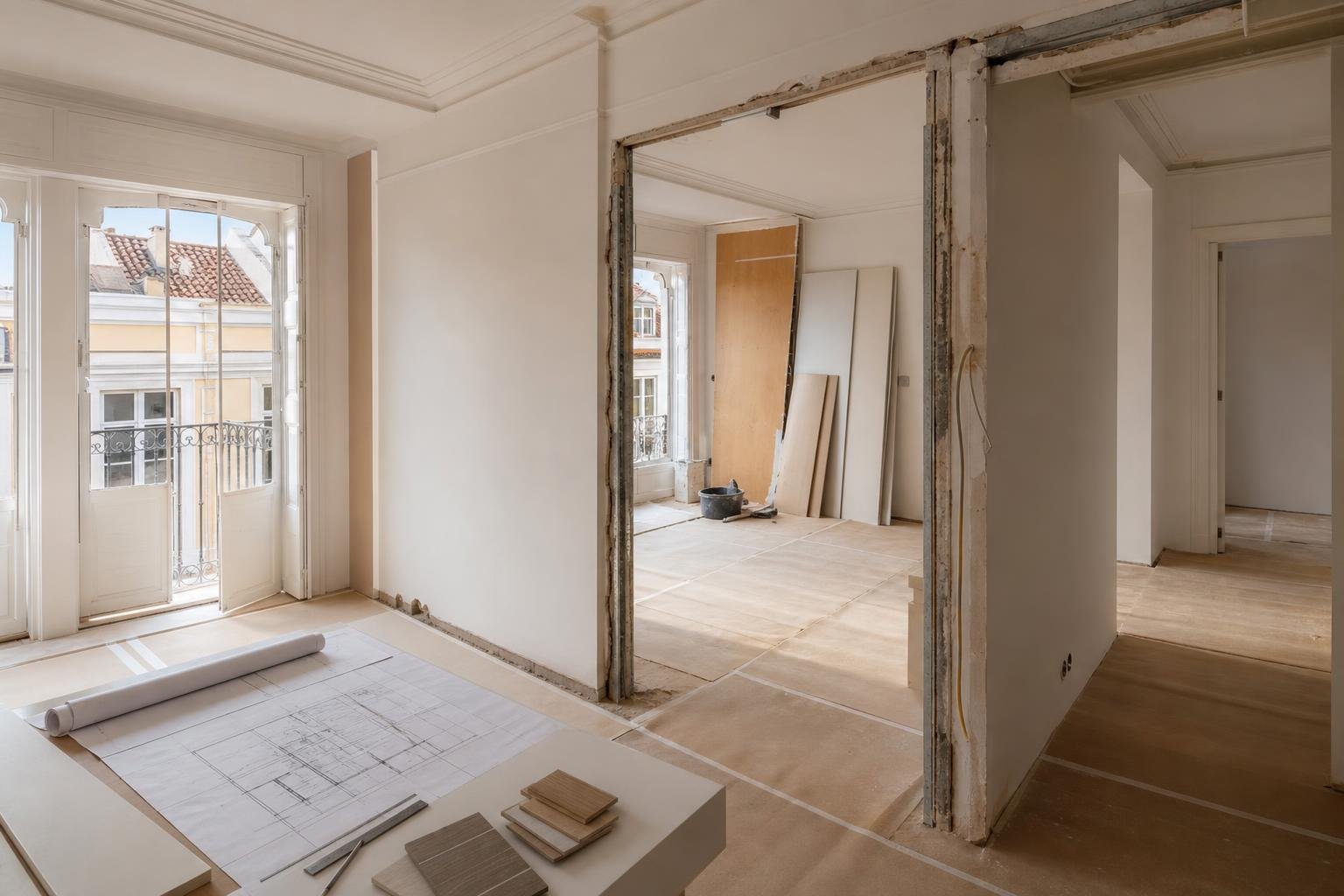
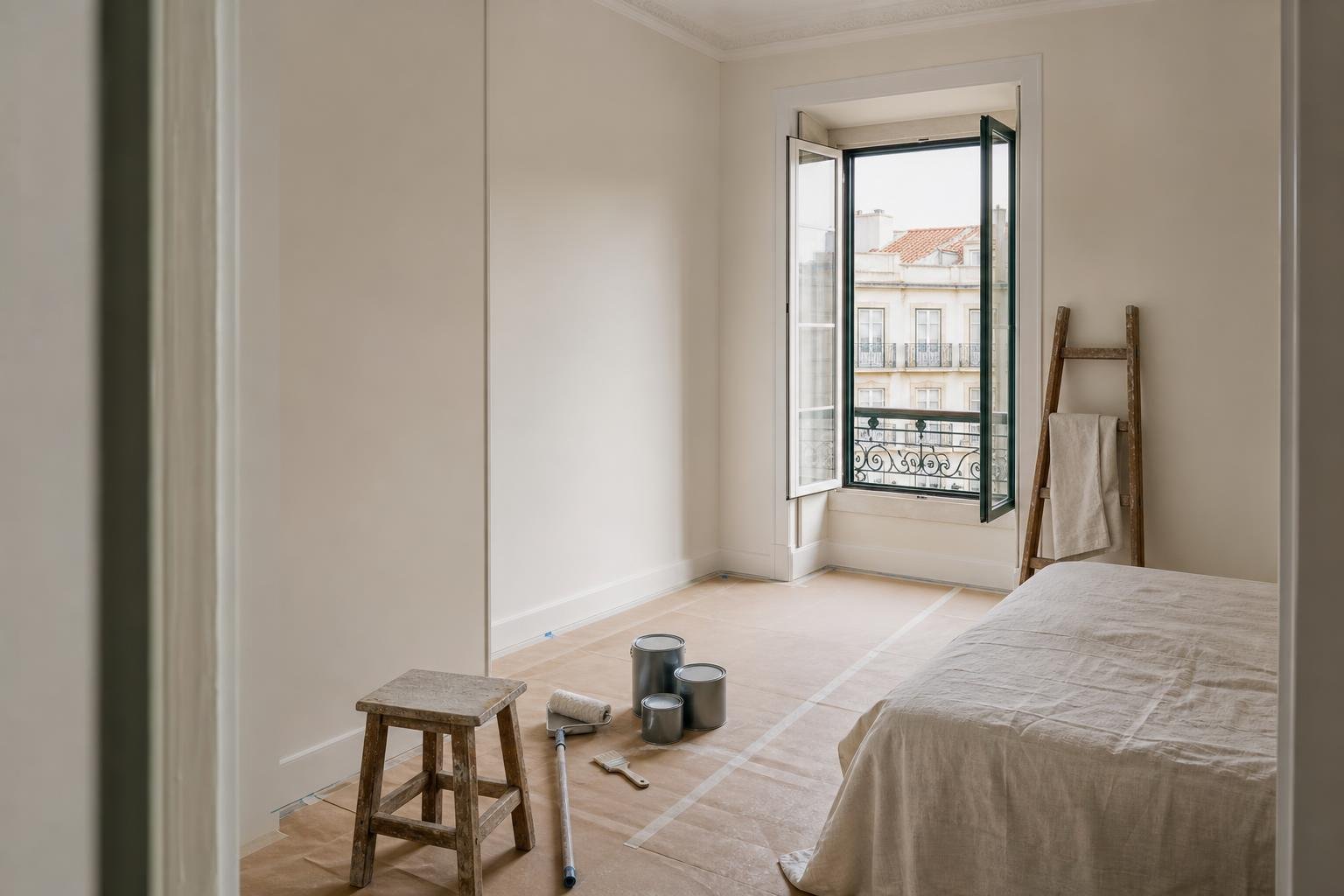
A newly renovated bedroom can look finished while still needing time before it becomes a proper place to sleep. Paints, primers, adhesives, sealants, floating floors, new furniture and cleaning products can all release compounds into indoor air. This is not about treating every paint tin as a hazard; it is about making more informed choices and organising the work so the room is dry, ventilated and easy to maintain.
In Lisbon, where many flats have bedrooms facing busy streets, enclosed balconies or limited cross-ventilation, the decision goes far beyond wall colour. A low-emission finish works best when it is paired with realistic drying times, effective ventilation and humidity control. The Portuguese Directorate-General of Health notes that construction materials, furniture and decorative items can contribute to indoor-air pollution, so it is worth assessing the whole room rather than the final coat alone.
Start by separating “low odour” from “low emission”
“Odour-free” is not a technical specification, and a faint smell does not prove that a product is harmless. When comparing paints, primers, varnishes, adhesives or sealants, ask for the technical data sheet, safety data sheet and clear information on VOC emissions. VOCs, or volatile organic compounds, are a broad group of substances that may be present in many finishing products. The Portuguese health authority identifies VOCs, particles and formaldehyde among pollutants relevant to indoor-air quality.
In practical terms, request documents for the exact product being supplied — including the selected base and colour — rather than relying on a broad claim about a range. Also check the intended substrate: a product suited to mineral plaster may not be appropriate for timber, MDF or metal. For a bedroom, favour compatible systems: preparation, primer, finish coat and, where needed, repair filler.
The reference values published by the DGS for total VOCs and formaldehyde apply to indoor-air assessment, not as a shopping label for a paint tin. They still explain why reducing avoidable indoor sources is sensible.
Choose the painting system before choosing the colour
In a bedroom with sound walls, a water-based matt or satin paint with a low-emission declaration is often a balanced option. Yet the finish coat is only one layer in the system. If there are nicotine marks, treated mould, historic leaks or extensive repairs, the primer and filler may affect the outcome more than the colour itself.
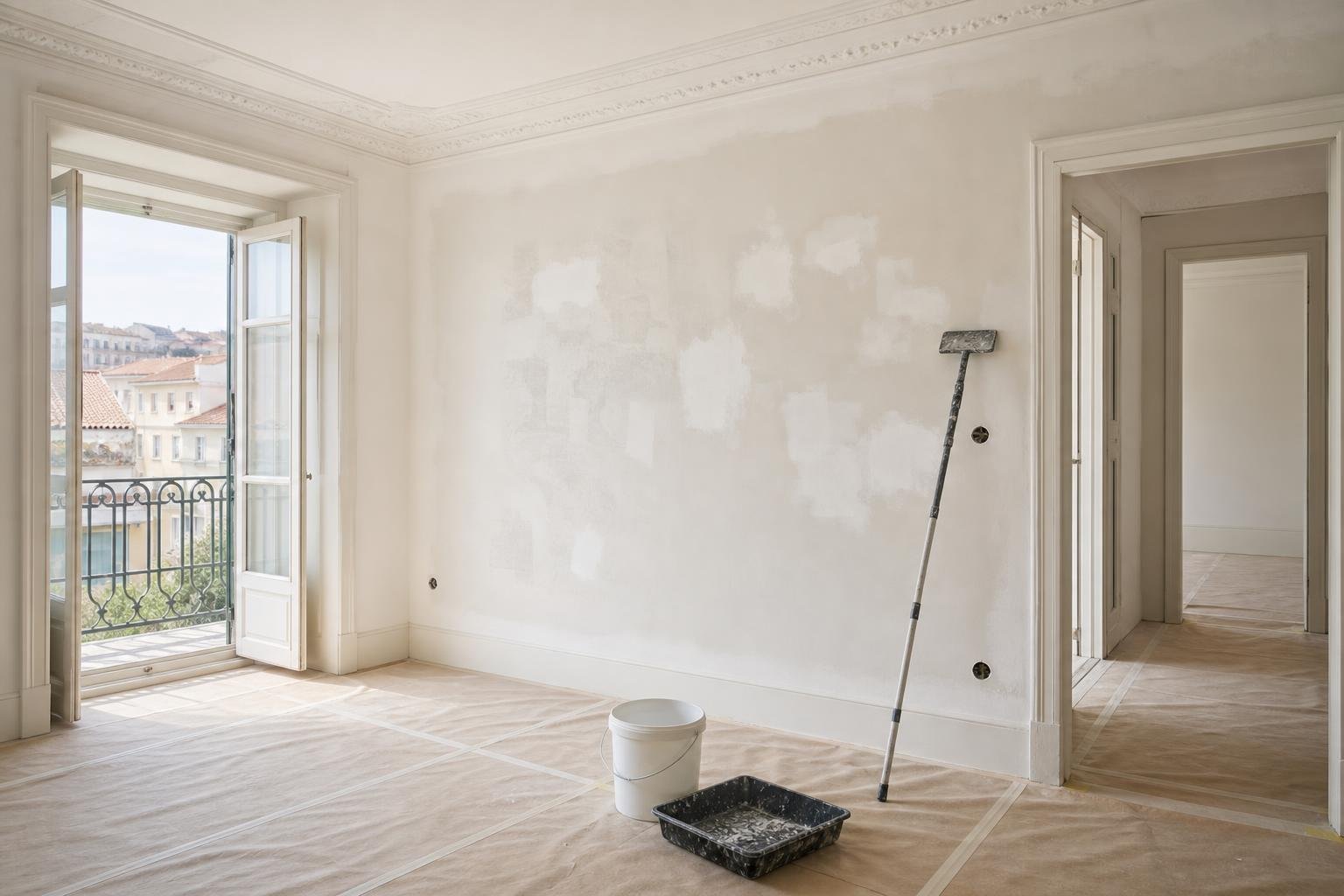
Avoid using a “universal” product without identifying the cause of a stain. A wall with active damp is not fixed by stain blocker and new paint; the coating may hide the symptom temporarily, but the fault will return. Before painting, check that the wall is dry, cracks are stable and ventilation is adequate. Obra Lisboa’s guide to preparing interior walls before painting helps put those checks in the right order.
- Use samples to test colour and sheen in the bedroom’s real light.
- Check the number of coats and intervals between them.
- Avoid combining painting, silicone application, flooring installation and scented cleaning on the same day.
- Keep containers and technical sheets for future touch-ups.
Do not overlook adhesives, flooring and new furniture
A bedroom may have low-emission painted walls and still receive several new sources within a few days. Skirting-board adhesives, wallpaper paste, levelling compounds, installation foam, varnishes, vinyl finishes, mattresses, curtains and furniture made with wood-based boards all deserve attention. The aim is not necessarily to remove every one of these materials, but to avoid accumulating poorly documented products and to allow the room to air before it is occupied.
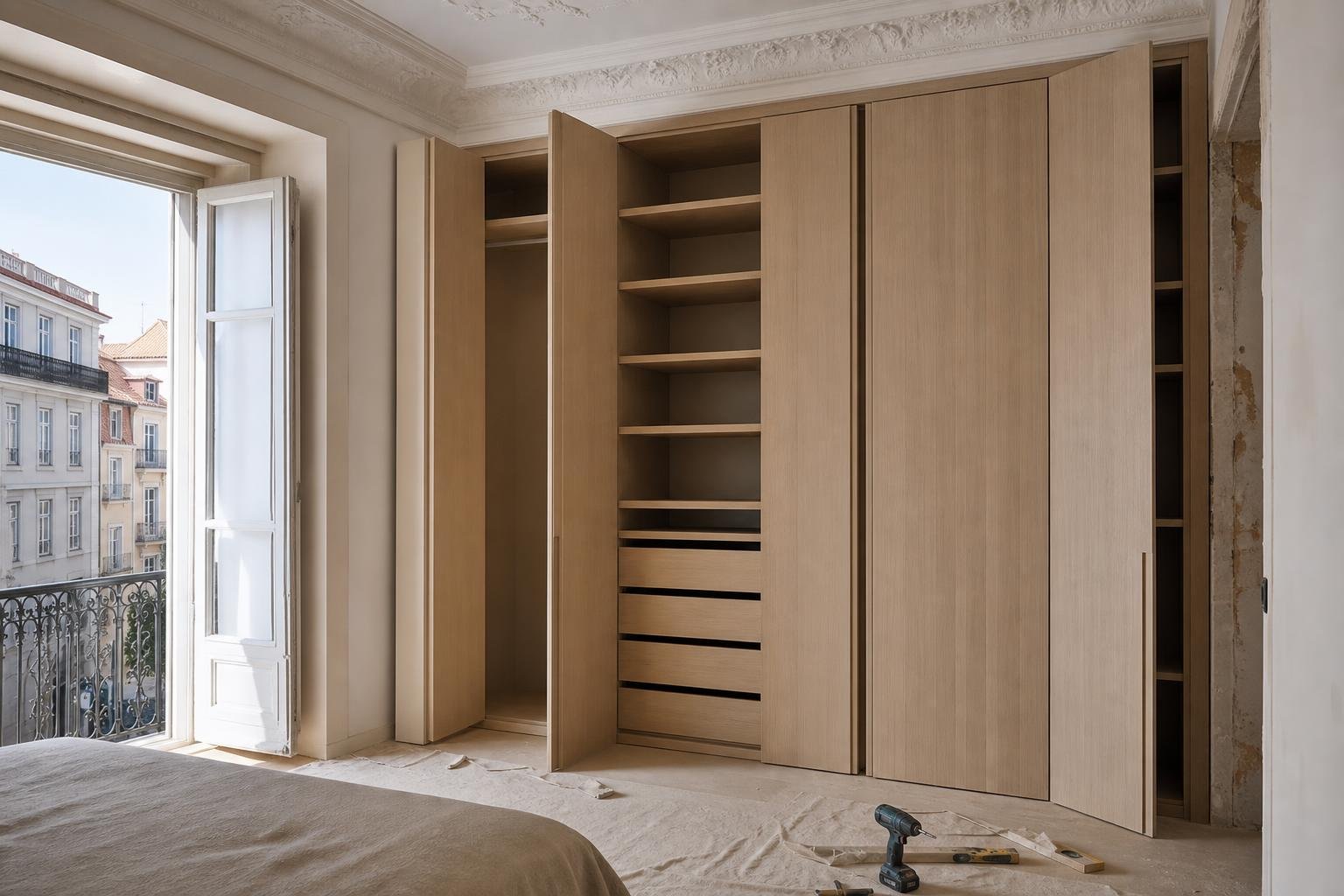
When selecting flooring, compare the finish, underlay, adhesive — where relevant — and trims. For made-to-measure wardrobes, confirm the materials used for the carcasses, backs, doors and finishing pieces. It is better to define one coherent solution early than to make last-minute substitutions because an adhesive or finish arrives without documentation.
Where refurbishment includes lightweight partitions or built-in furniture, plan access and sequencing before closing everything up. Durable, well-specified materials reduce early repairs and waste; this follows the ADENE approach linking construction quality, comfort and indoor-air quality in building upgrades.
Plan ventilation during and after the work
The best specification loses value if the bedroom is shut immediately after application. Ventilate regularly, but thoughtfully: open windows when street noise and outdoor dust are lower, keep internal doors open when that creates useful airflow, and do not block existing vents. If the bedroom has only one window, air renewal may improve by opening a window in a nearby room, provided this is safe and does not create condensation elsewhere.
Avoid drying laundry in a freshly painted bedroom, and do not use air fresheners, incense or candles to disguise renovation smells. They add sources to indoor air rather than addressing the cause. The DGS notes that household activities, cleaning products and burning candles or incense can also worsen indoor-air quality.
A more airtight home, particularly after window replacement, needs more deliberate ventilation habits. See Obra Lisboa’s guide to ventilation in renovated homes if the bedroom has condensation on glazing or a persistent stale smell.
Treat humidity as a diagnostic signal, not a minor detail
A bedroom should feel comfortable, but it should not remain excessively humid. High humidity encourages condensation on cold surfaces and can contribute to mould; the DGS specifically highlights this relationship between excess moisture, condensation and fungal growth. If an external wall is cold, a bedhead sits tightly against it or a wardrobe occupies an unventilated corner, better paint alone will not remove the risk.
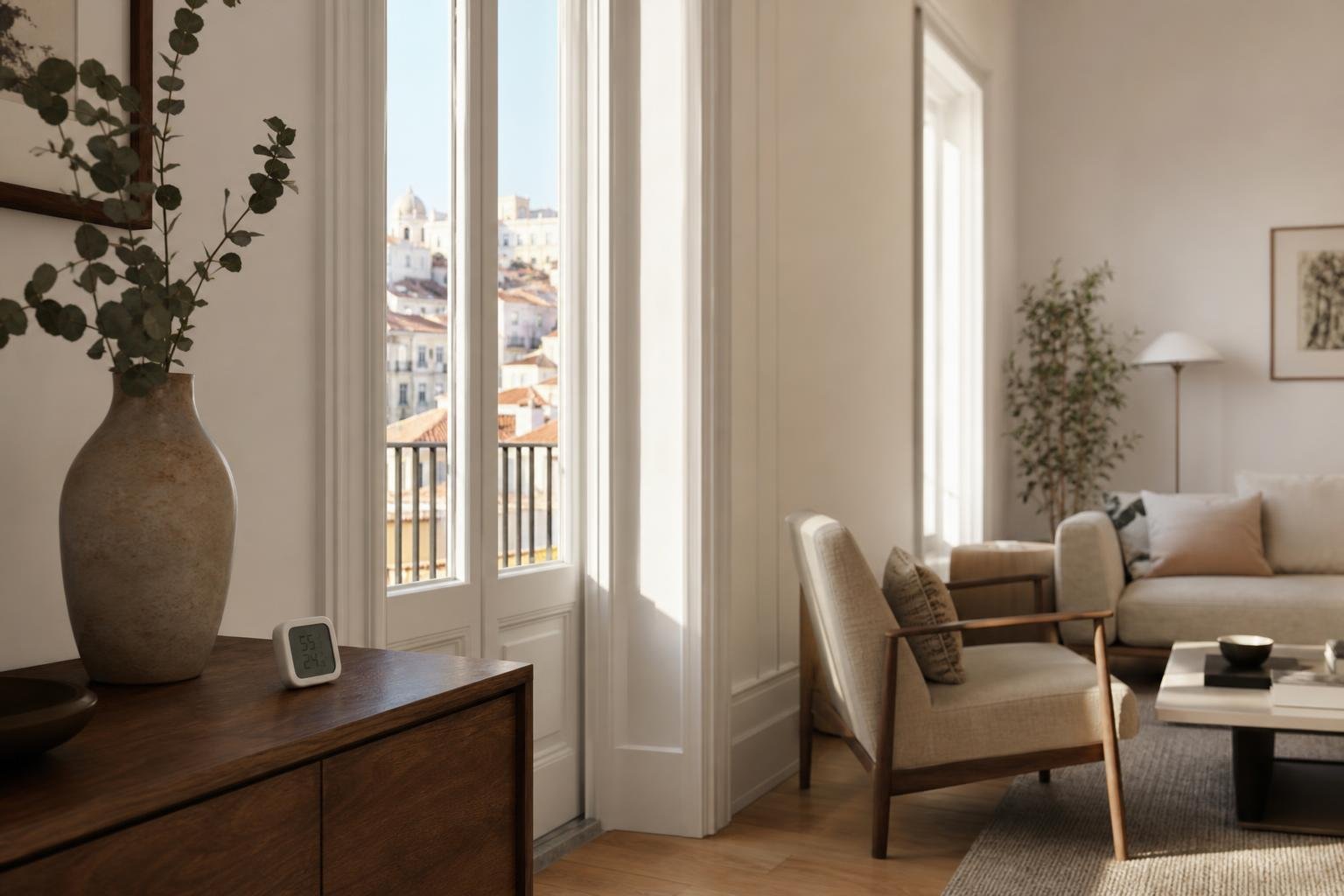
Leave a modest gap behind large furniture placed against external walls, do not fully obstruct radiators or vents, and look for changes after cold nights. A hygrometer can reveal patterns, but it cannot identify the cause on its own: the issue may be limited ventilation, laundry drying, a leak, a thermal bridge or rainwater ingress. Obra Lisboa’s article on using a hygrometer at home explains how to read results without jumping to conclusions.
Set a work sequence that reduces emissions and rework
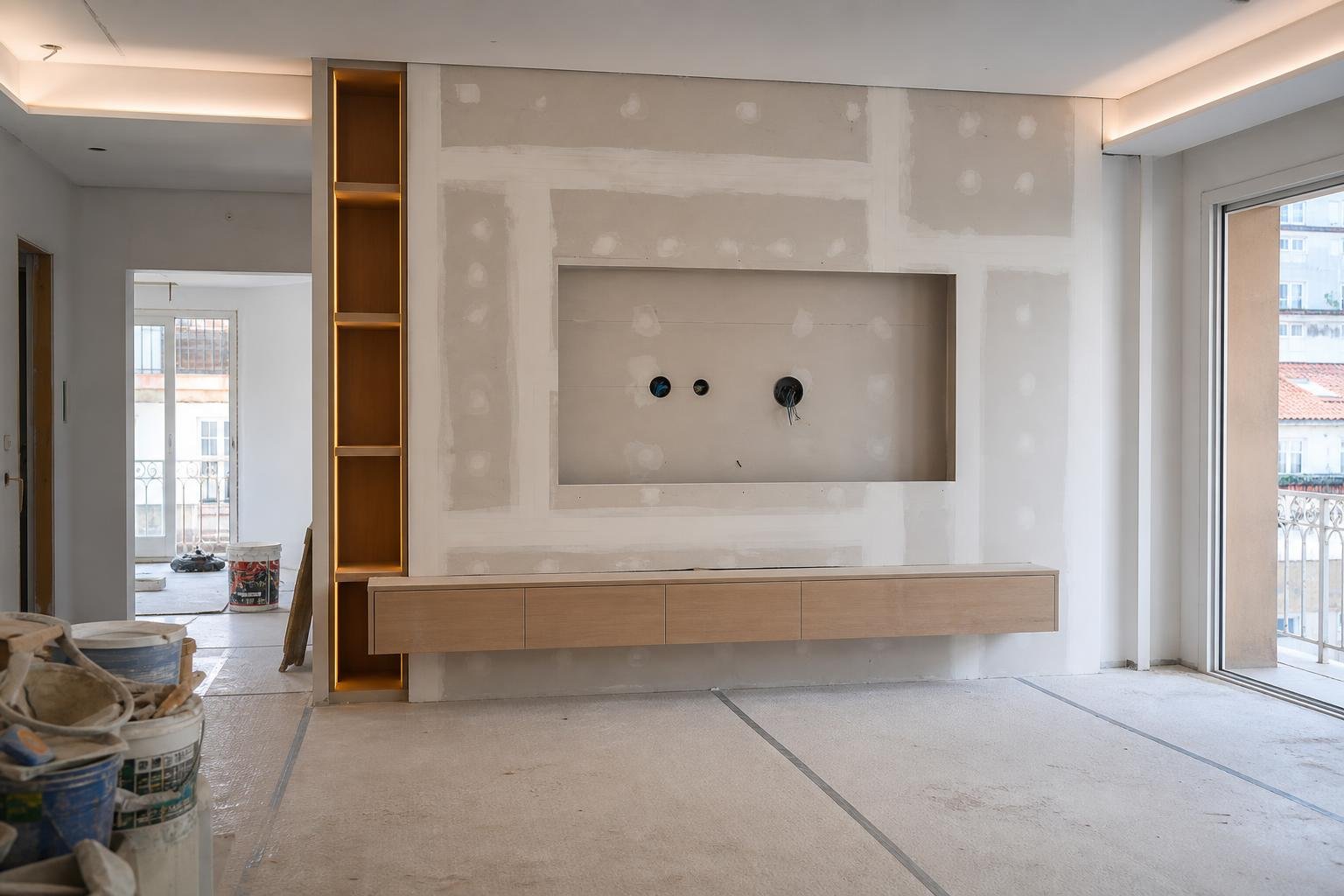
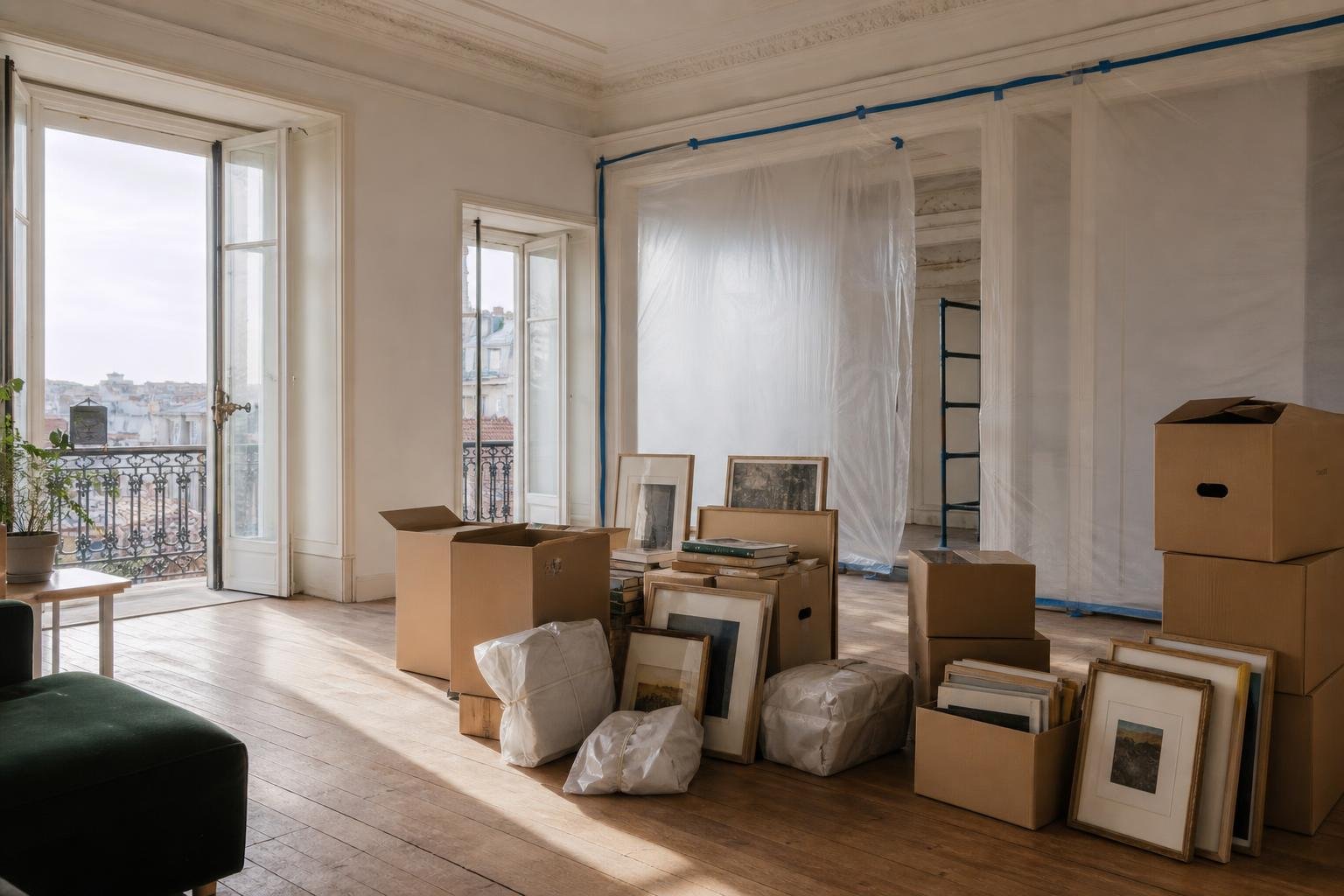
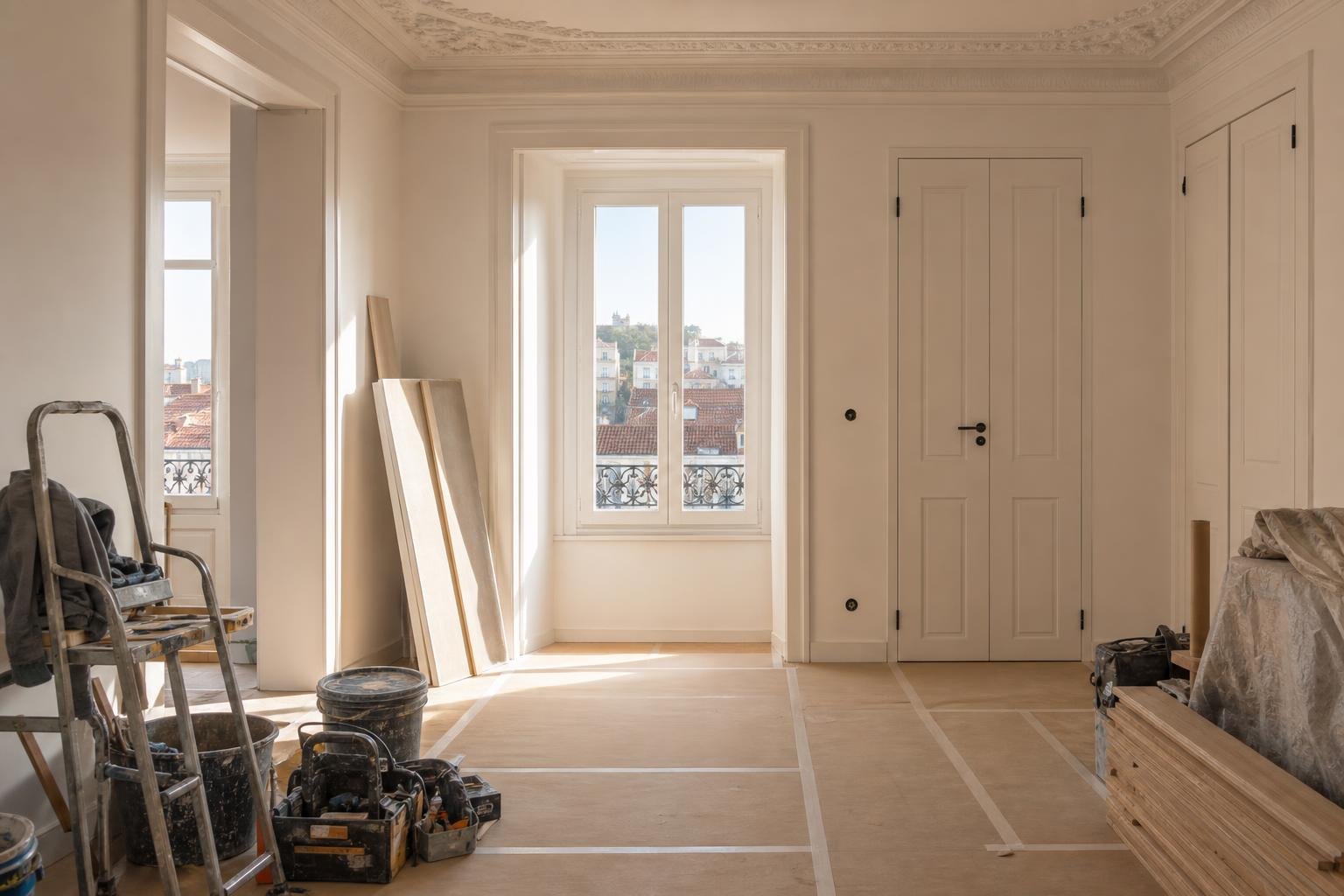
A sound sequence prevents a bedroom from being painted twice or newly finished walls from being exposed again to cutting dust. First resolve leaks, cracks, electrical work and substrate repairs; then carry out levelling, priming and painting; finally install sensitive elements such as finished flooring, curtains and bedding. Where possible, unpack new furniture and strong-smelling materials in a ventilated area before taking them into the bedroom.
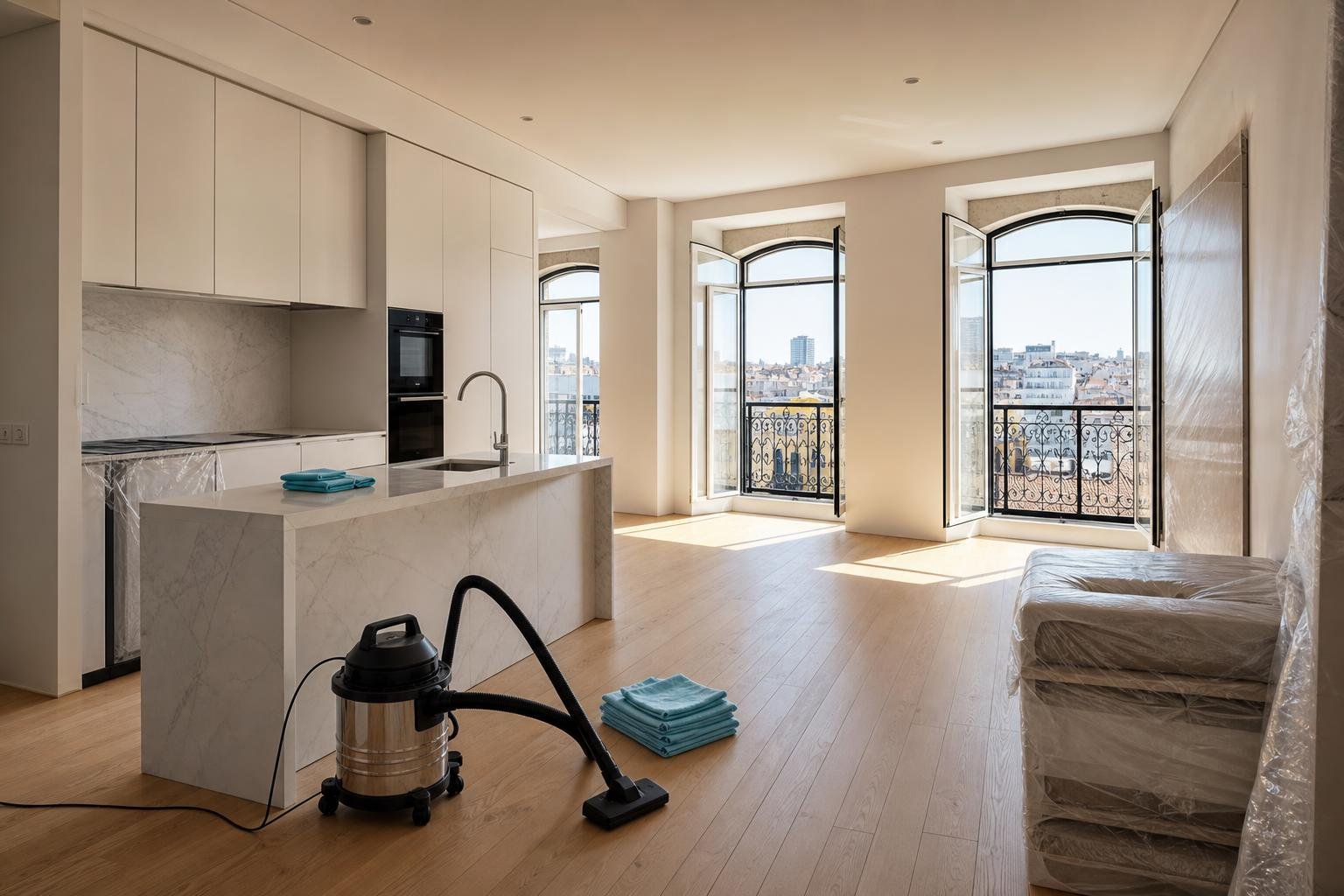
Schedule occupation only after coats are complete, stated curing times have been respected and careful damp cleaning has taken place. Vacuuming with suitable equipment and wiping surfaces reduces renovation dust; a strong fragrance is neither proof of cleanliness nor healthy air. Portugal’s Ordinance No. 138-G/2021 sets out indoor-air assessment requirements for commercial and service buildings and includes VOCs, formaldehyde, particles and other parameters. It is not a domestic renovation manual, but it reinforces the fact that air quality depends on several factors, not smell alone. Read the full text of Ordinance No. 138-G/2021 for that framework.
If you are renovating a bedroom, treat materials, ventilation and wall preparation as connected project decisions. Obra Lisboa can help turn that list into a clear work sequence, with compatible choices and details considered before work starts.
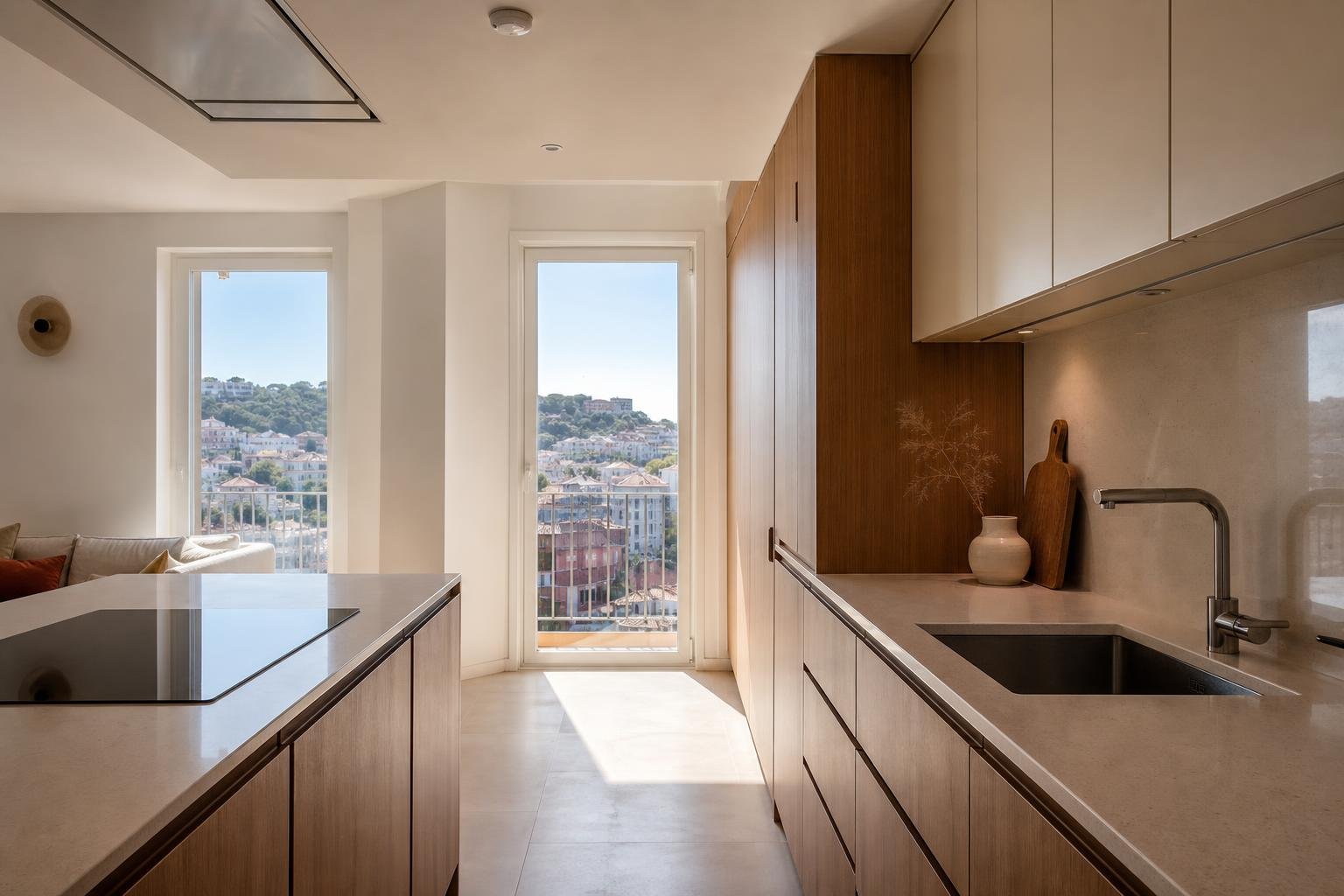
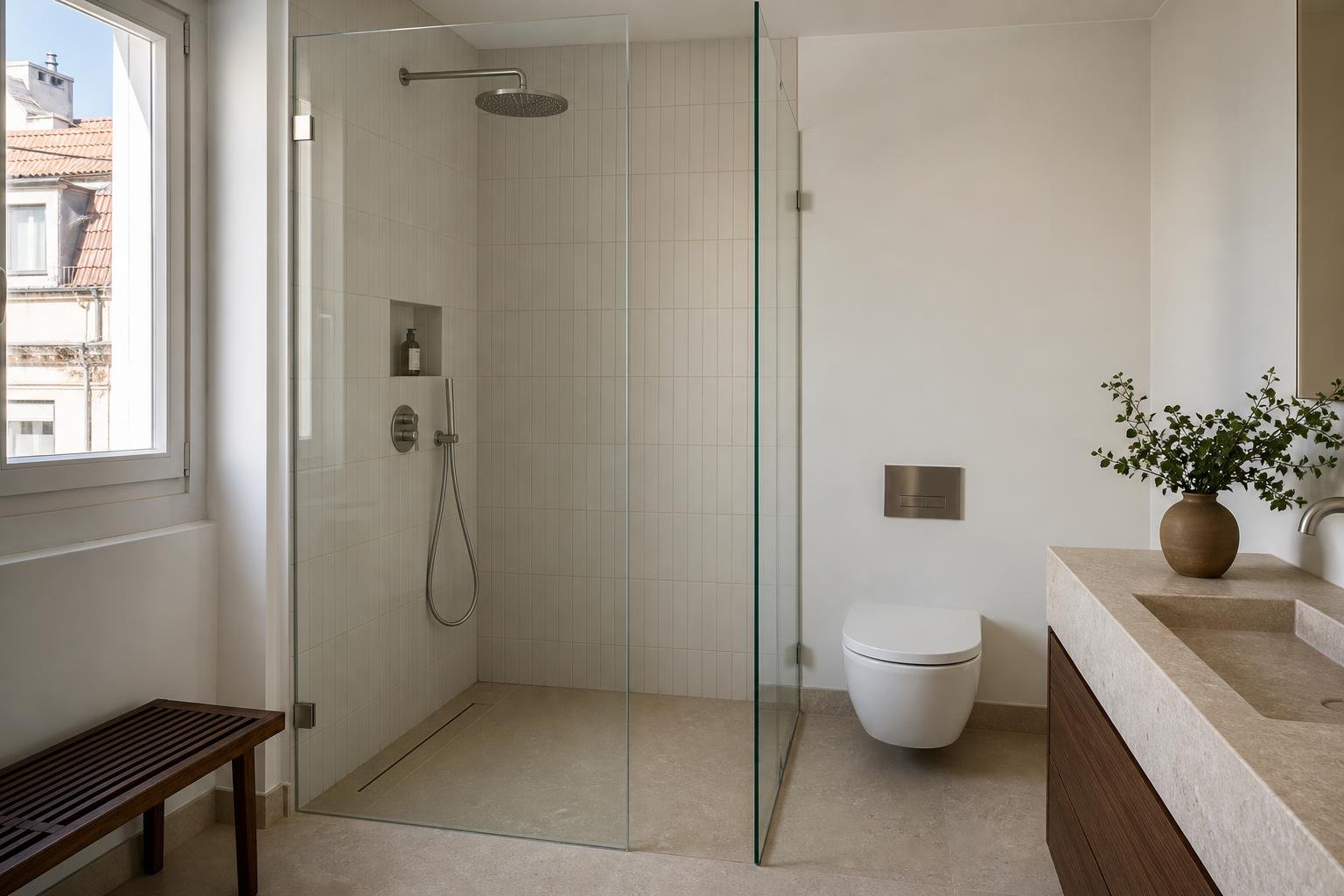
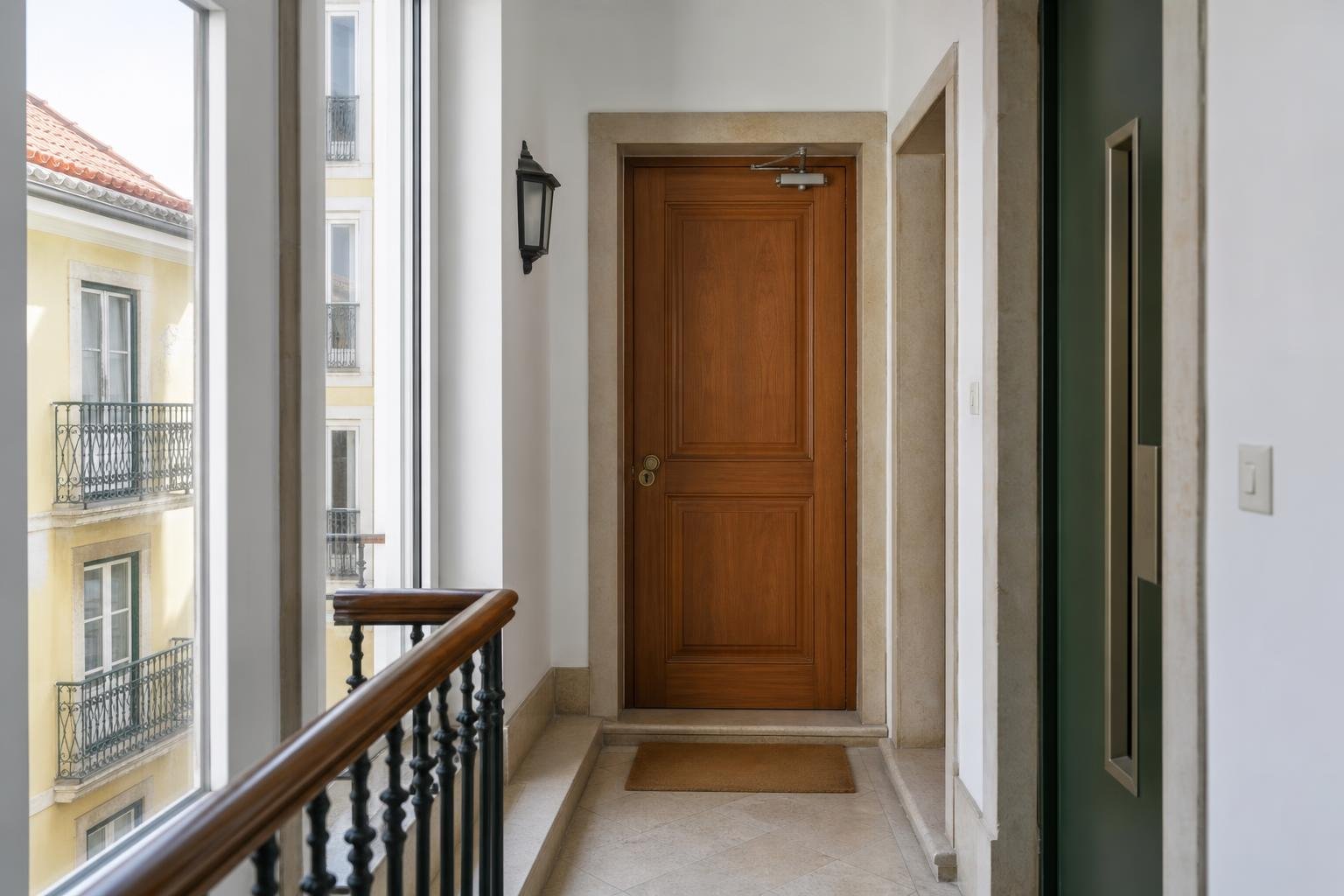
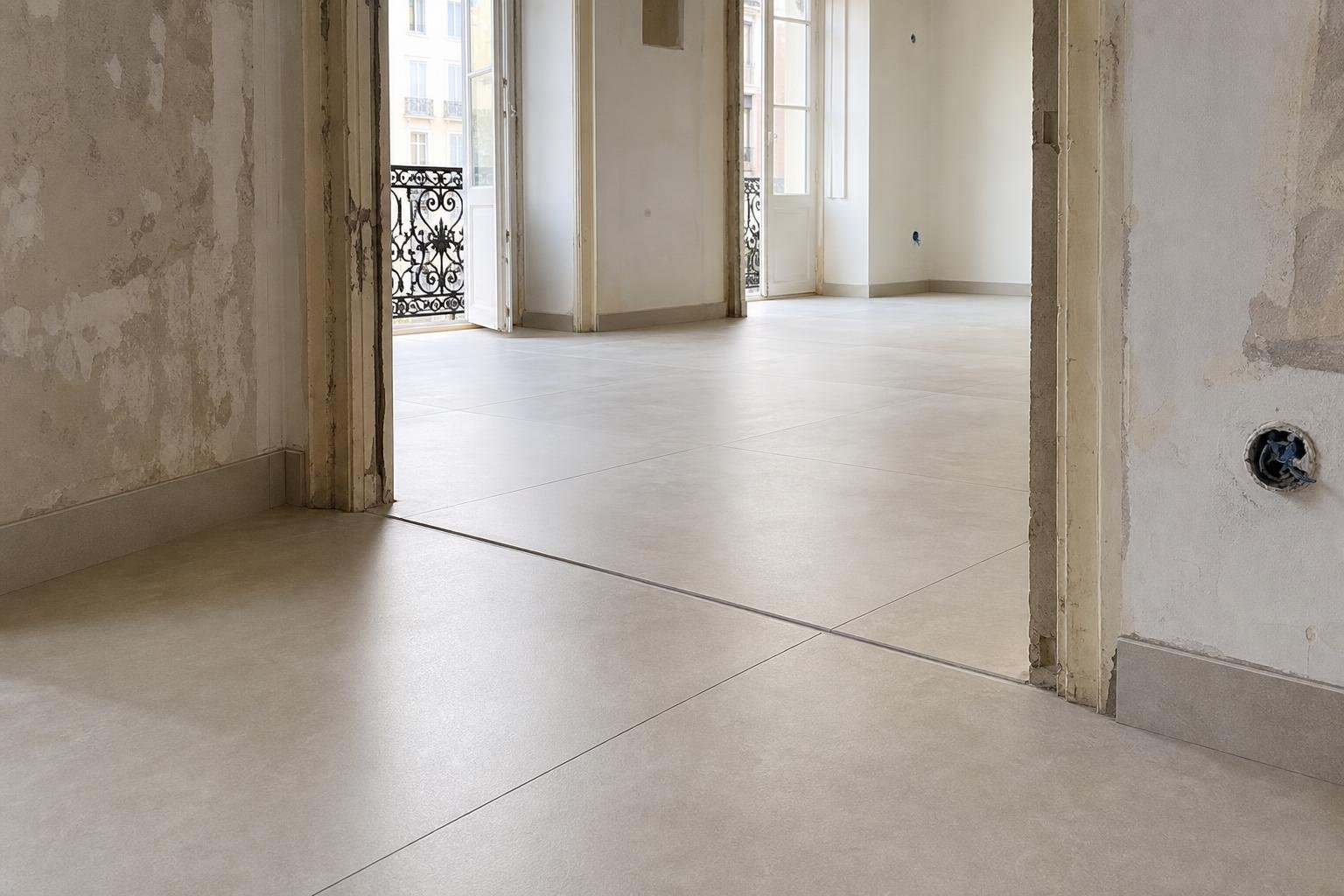
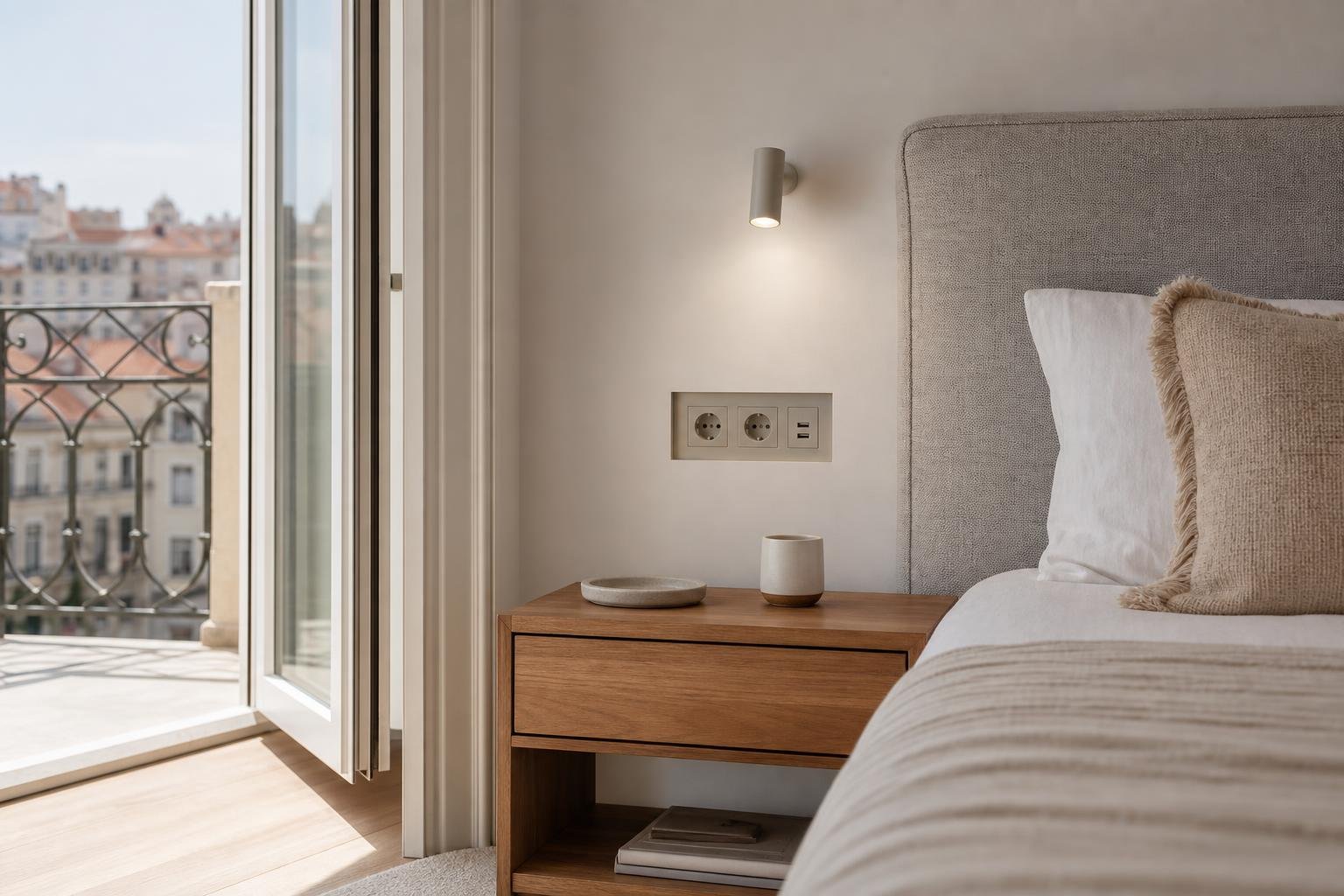
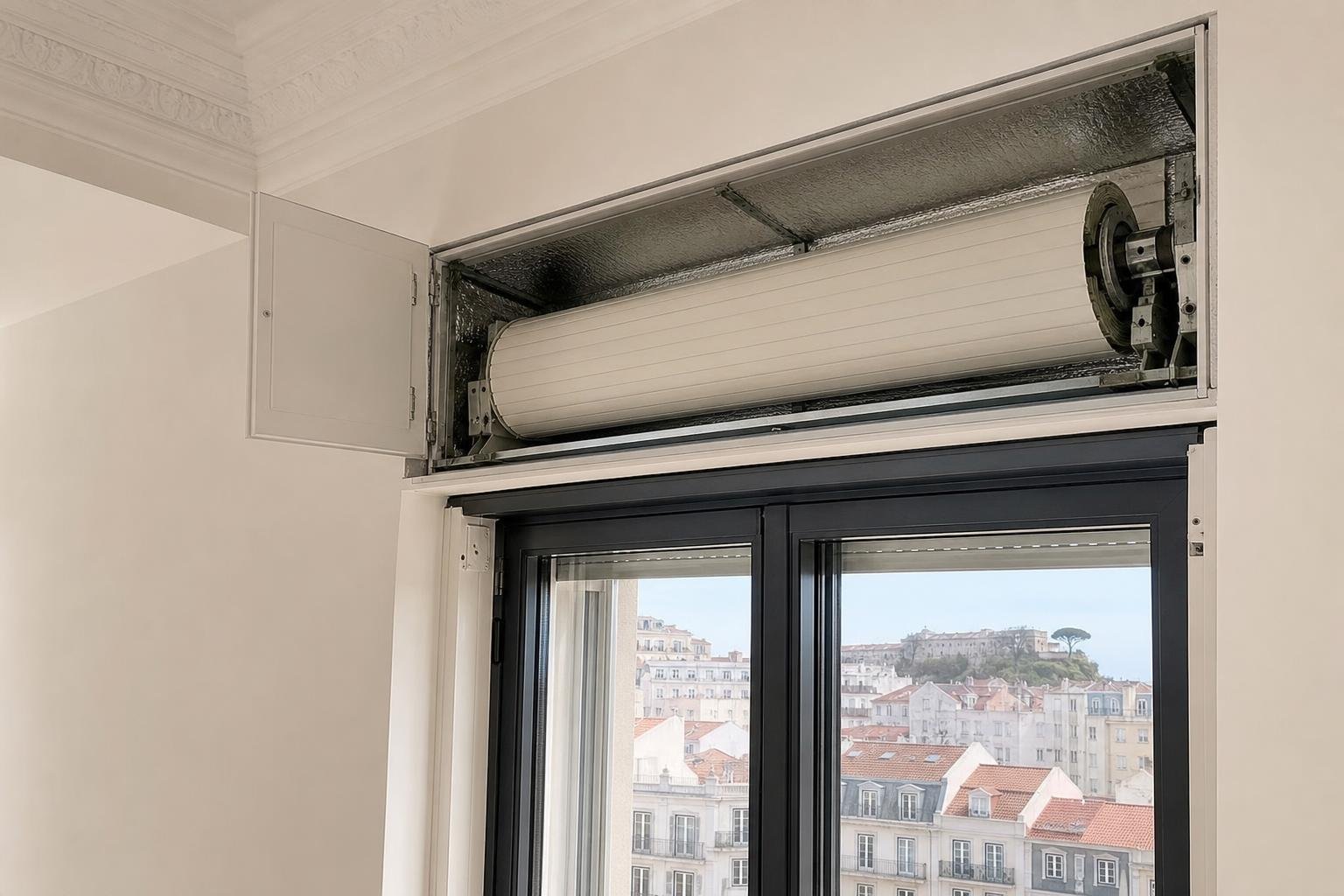
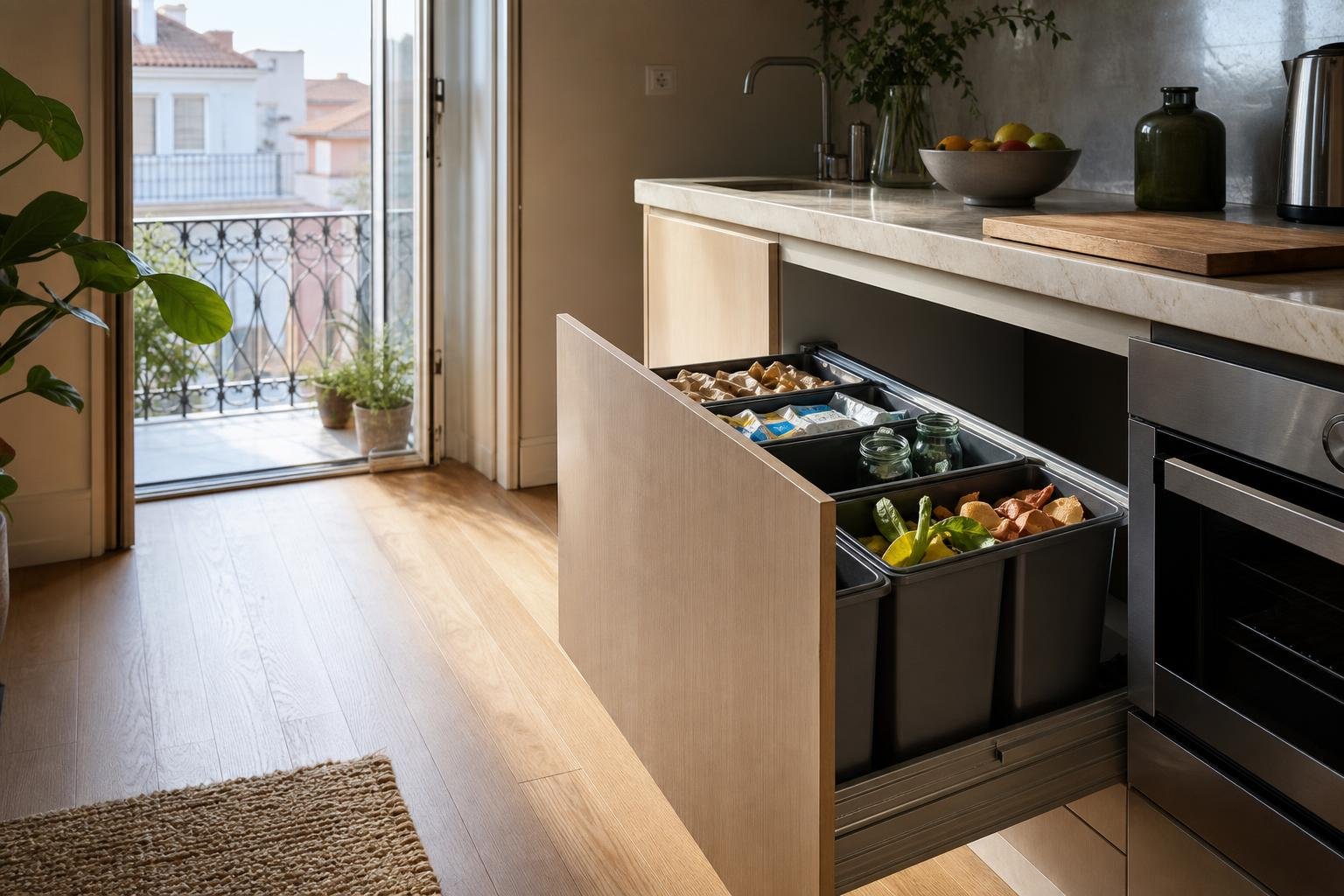
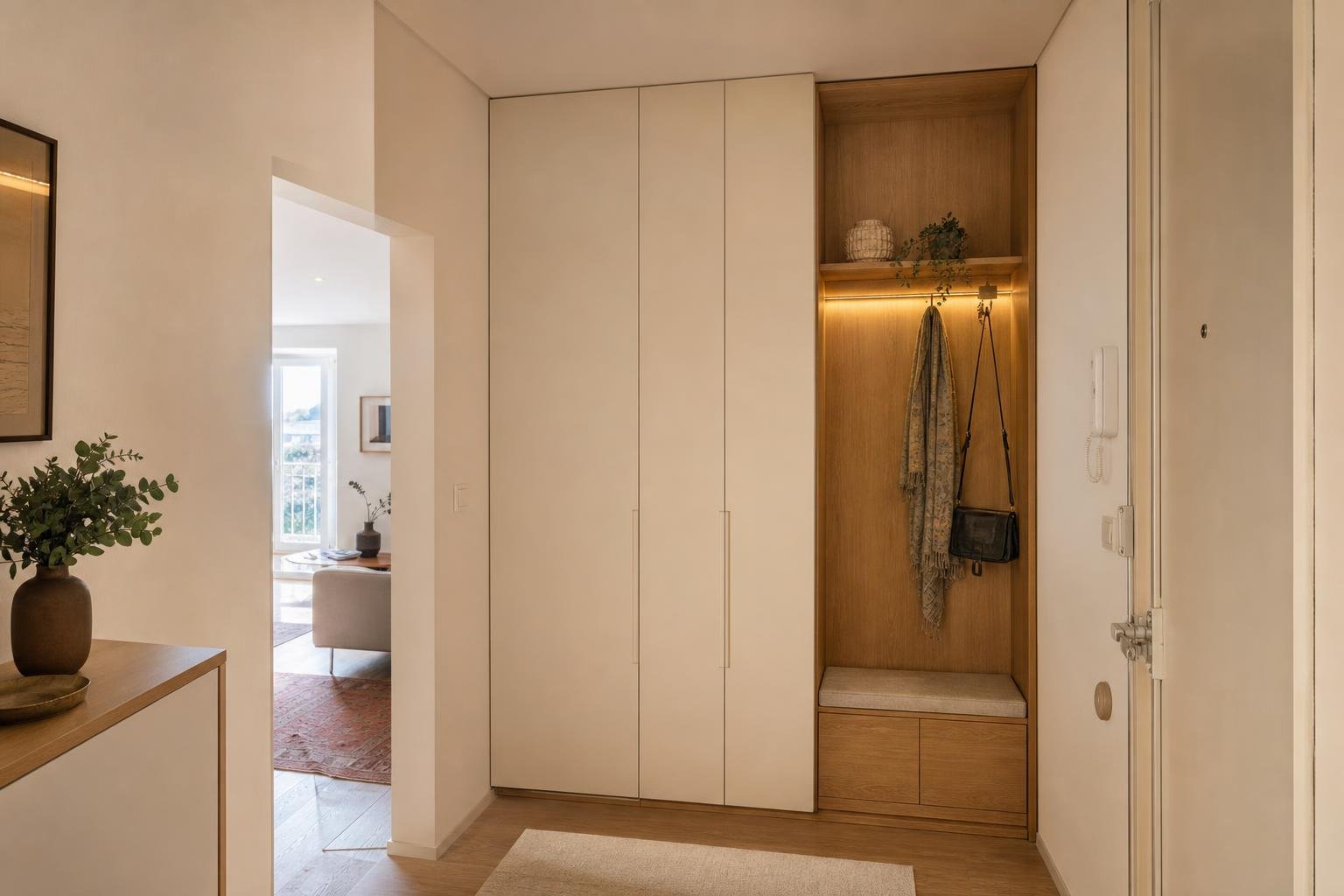
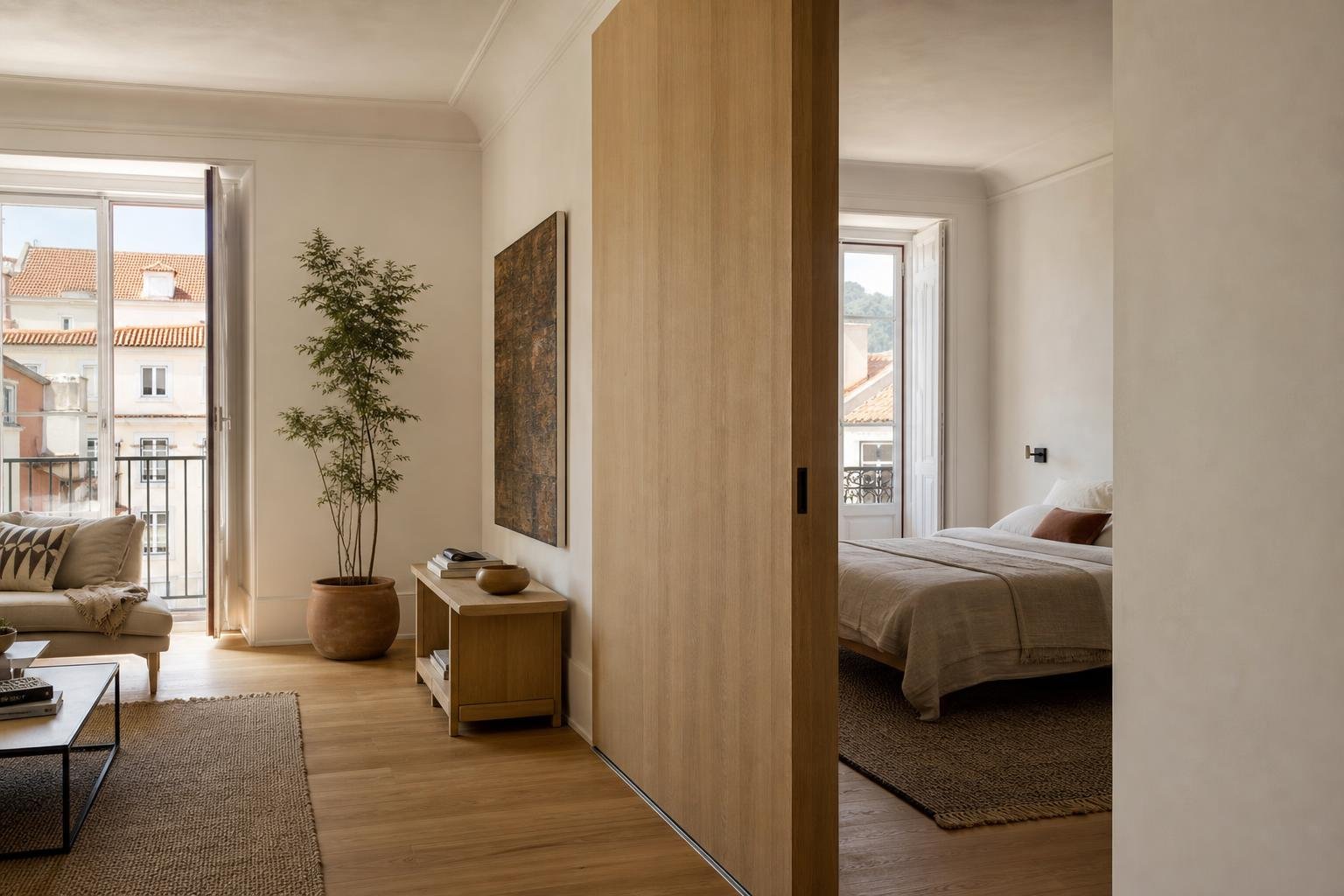
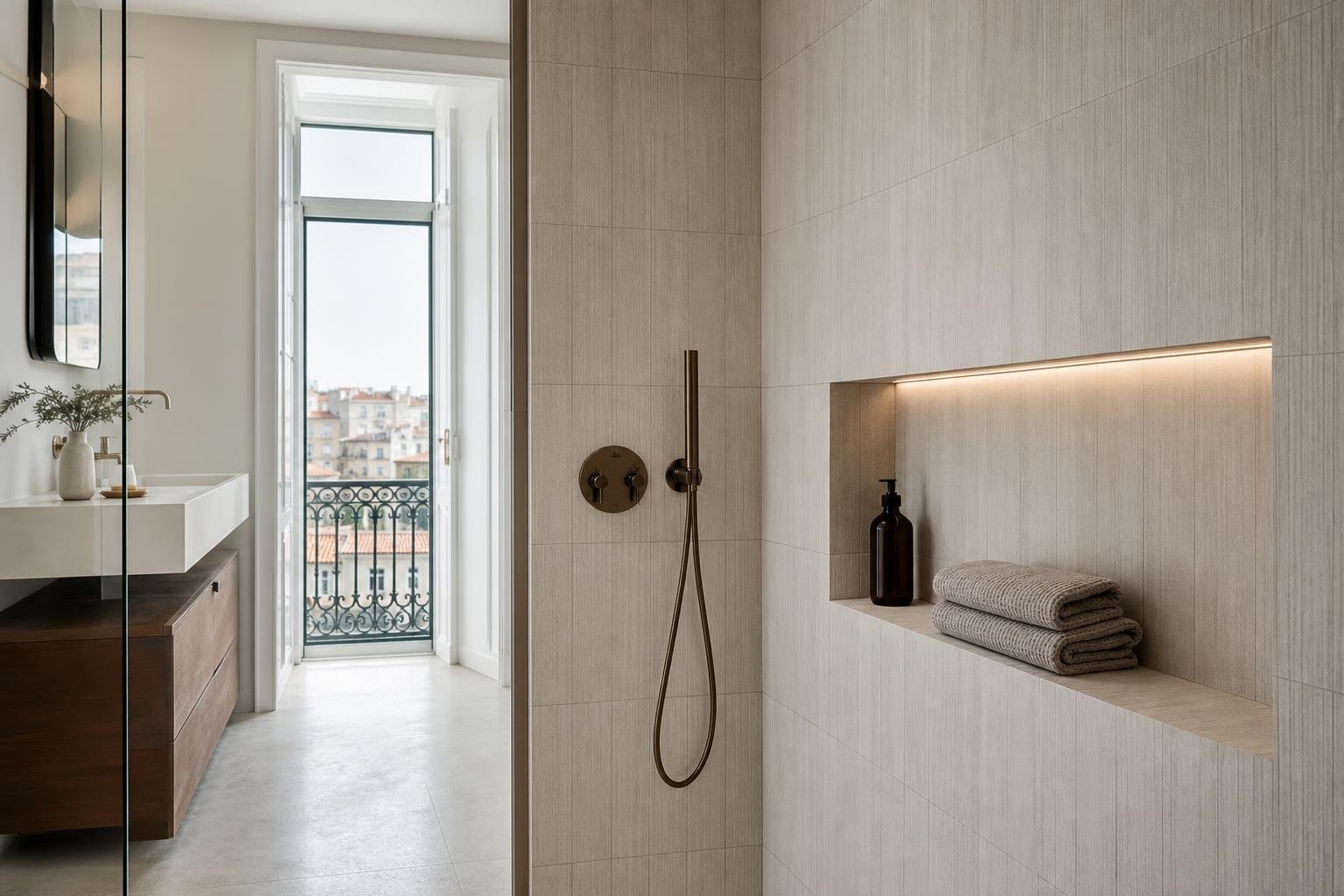
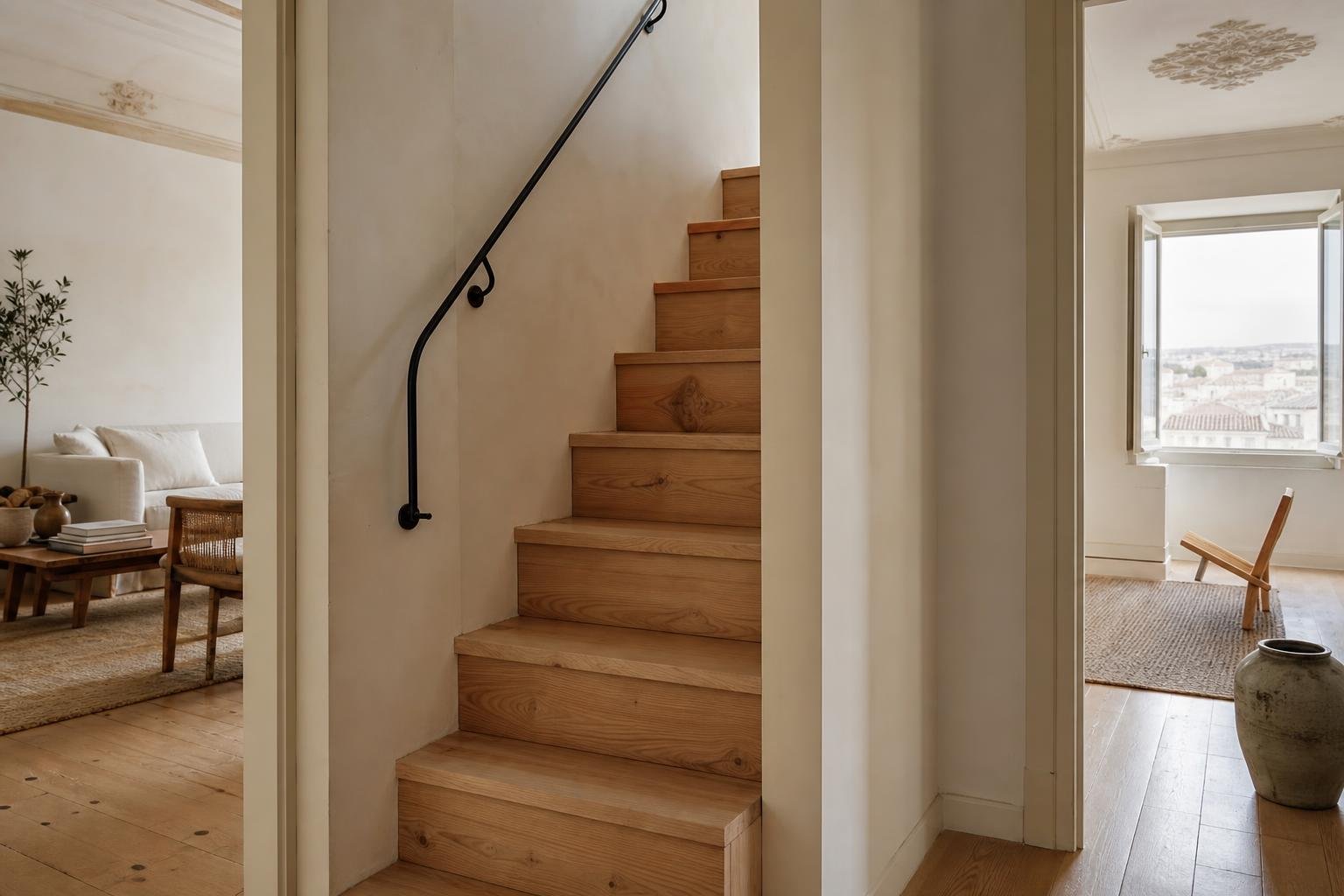
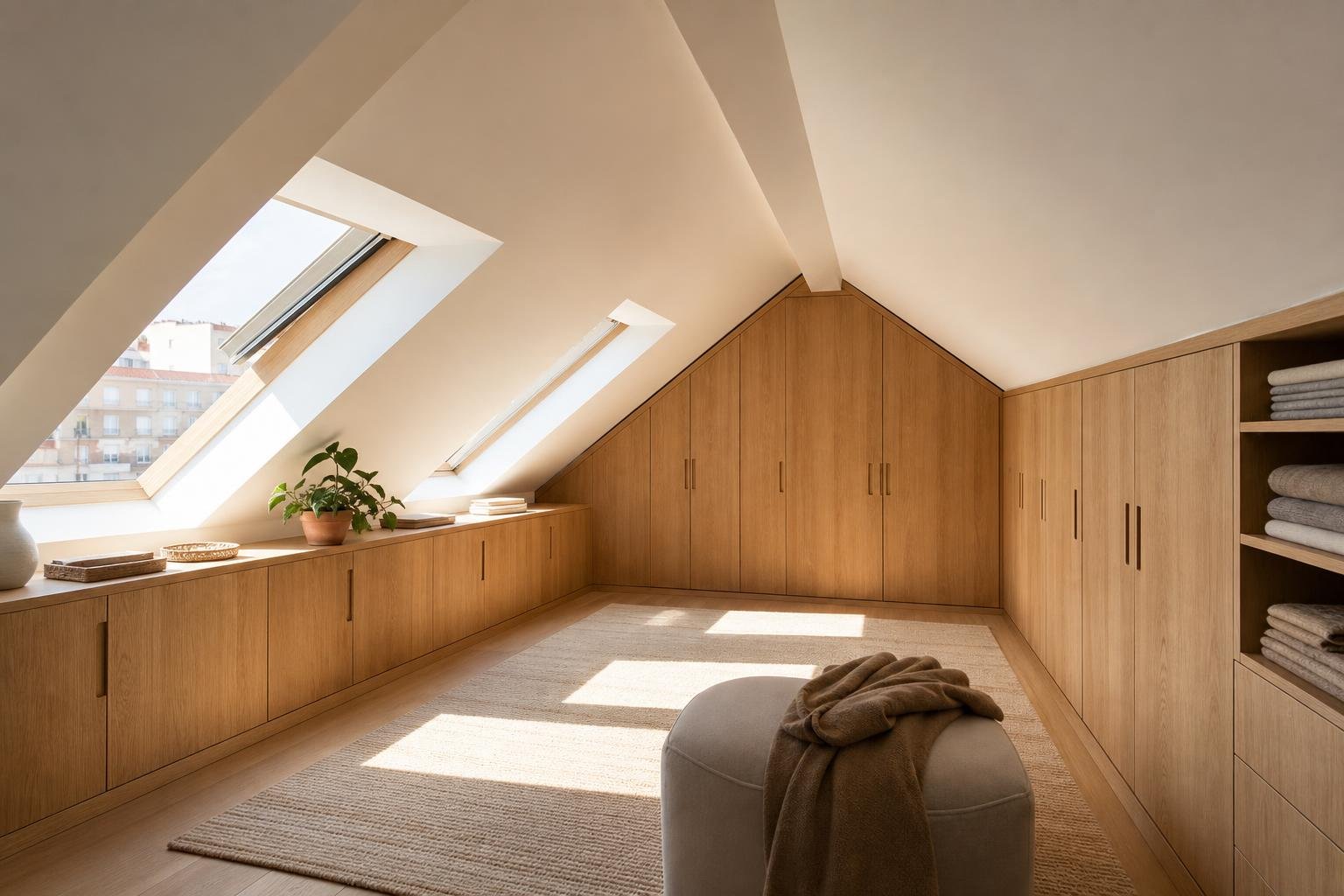
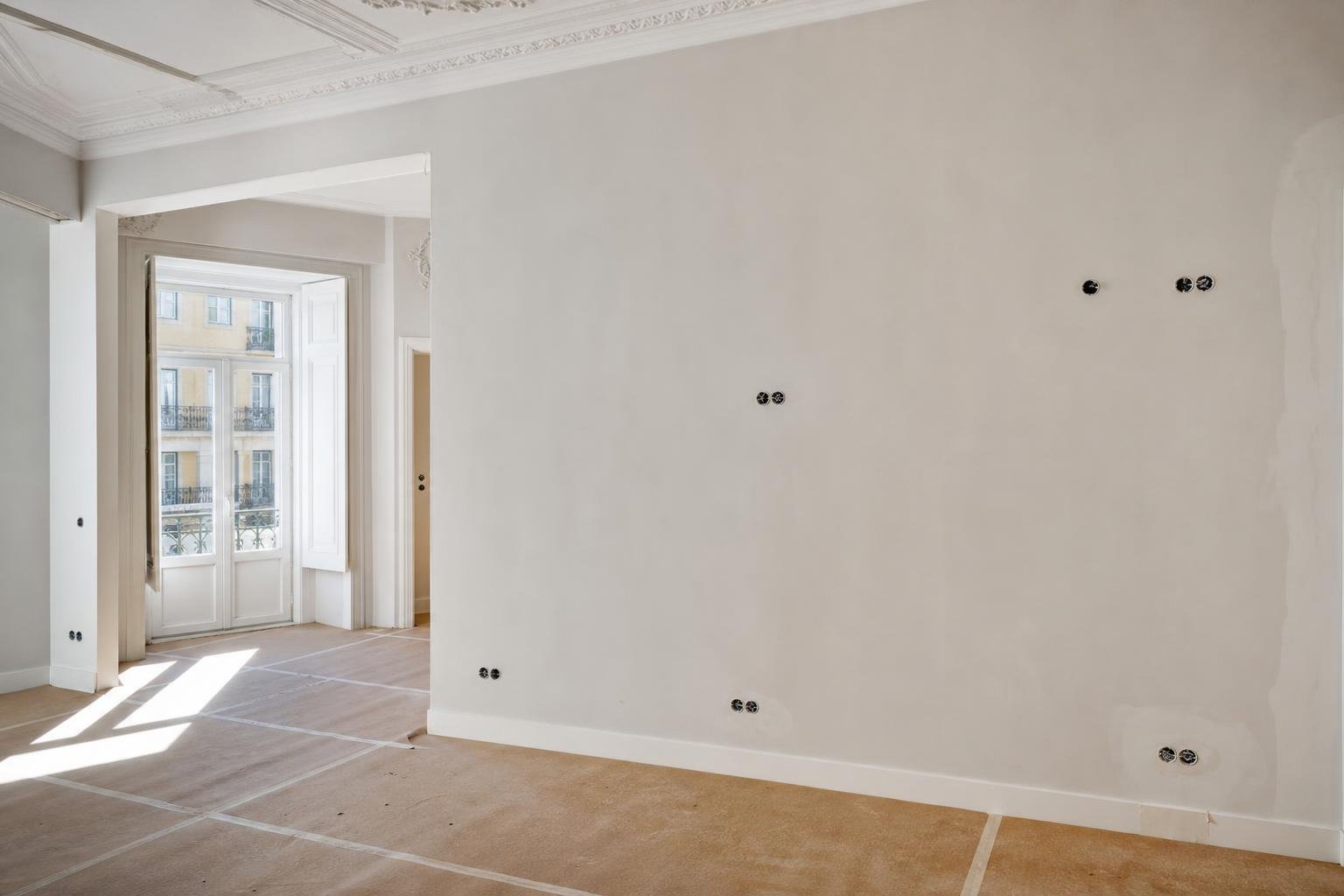
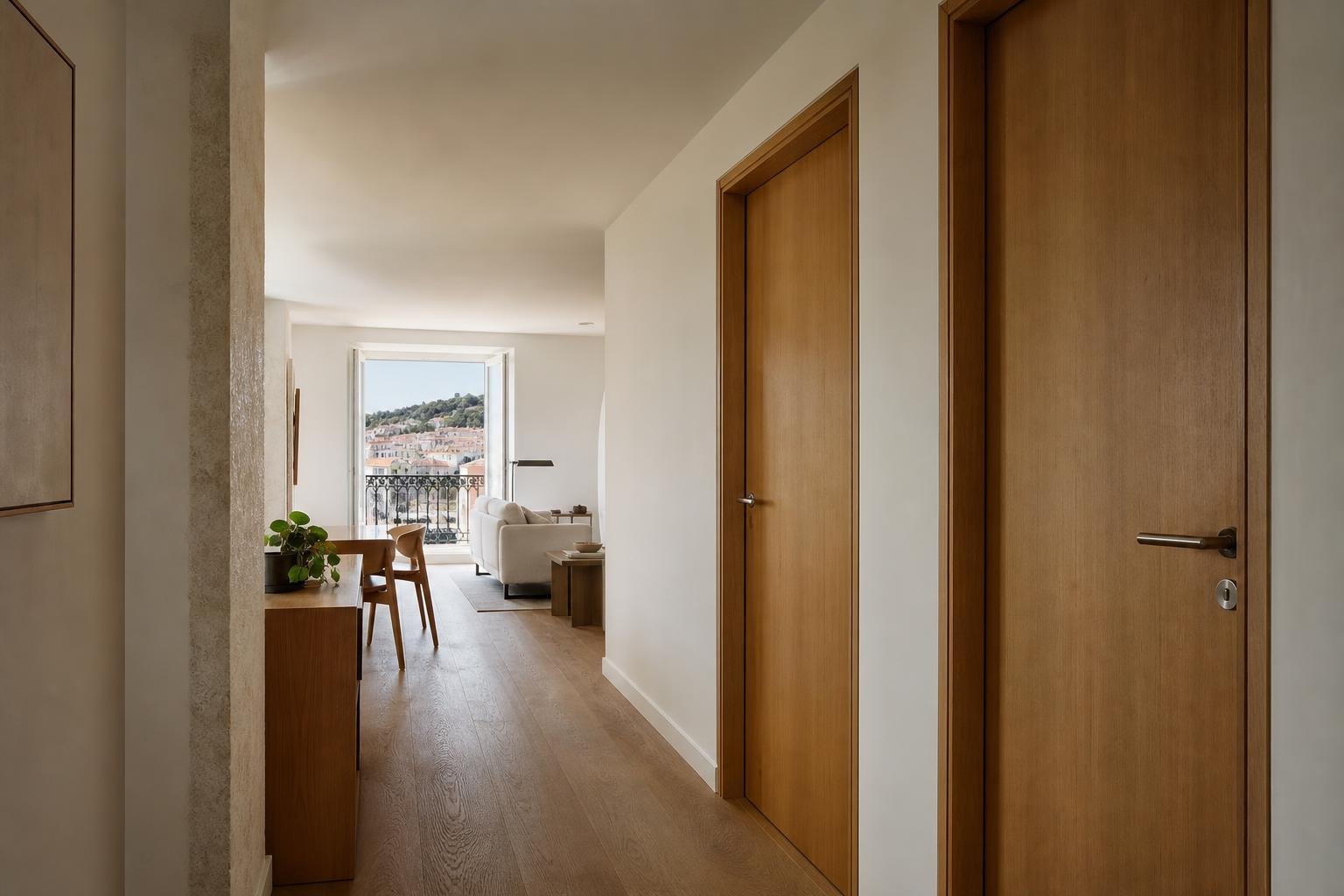
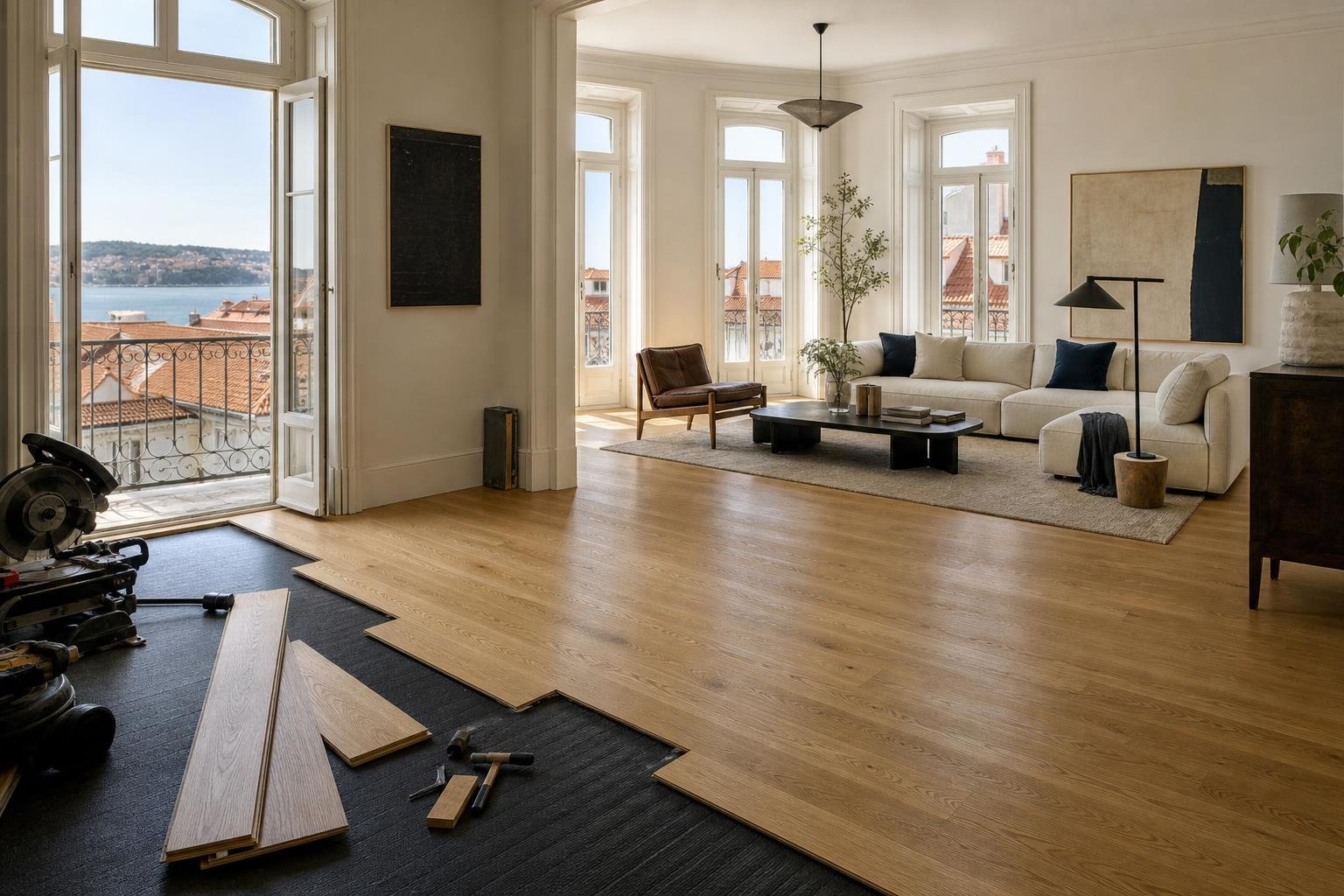
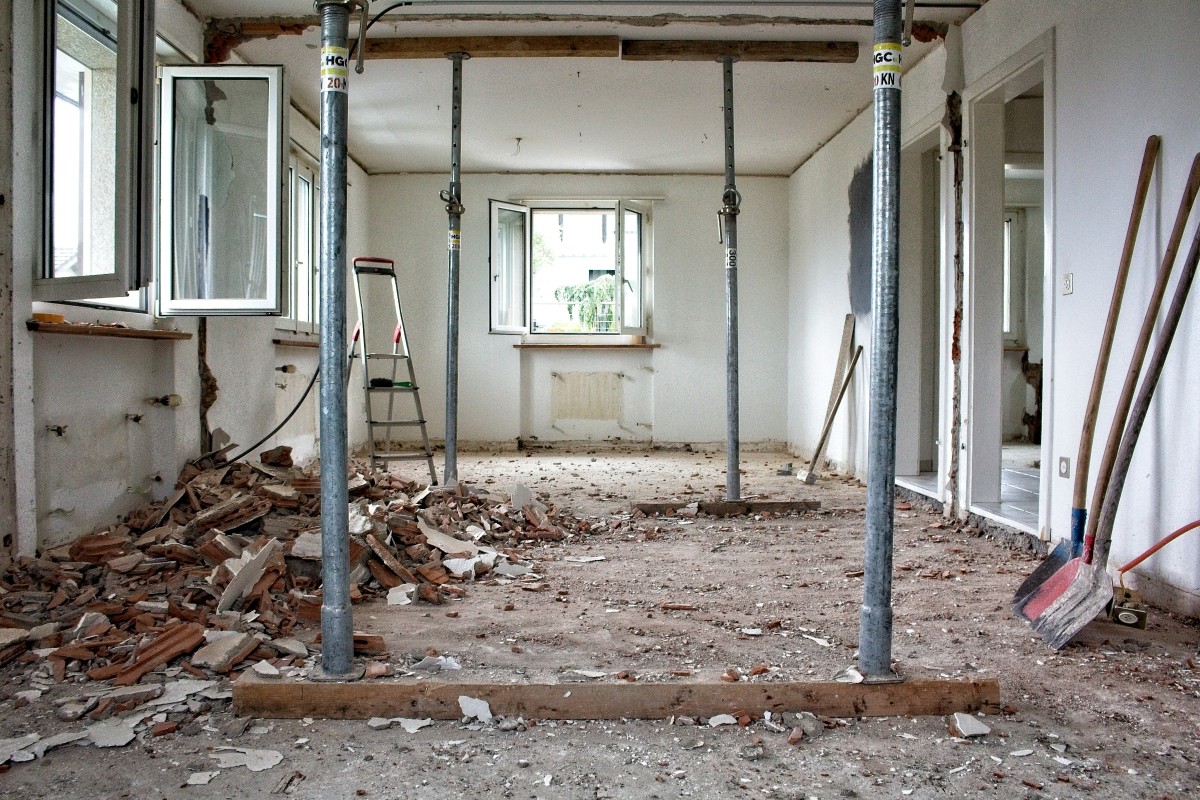
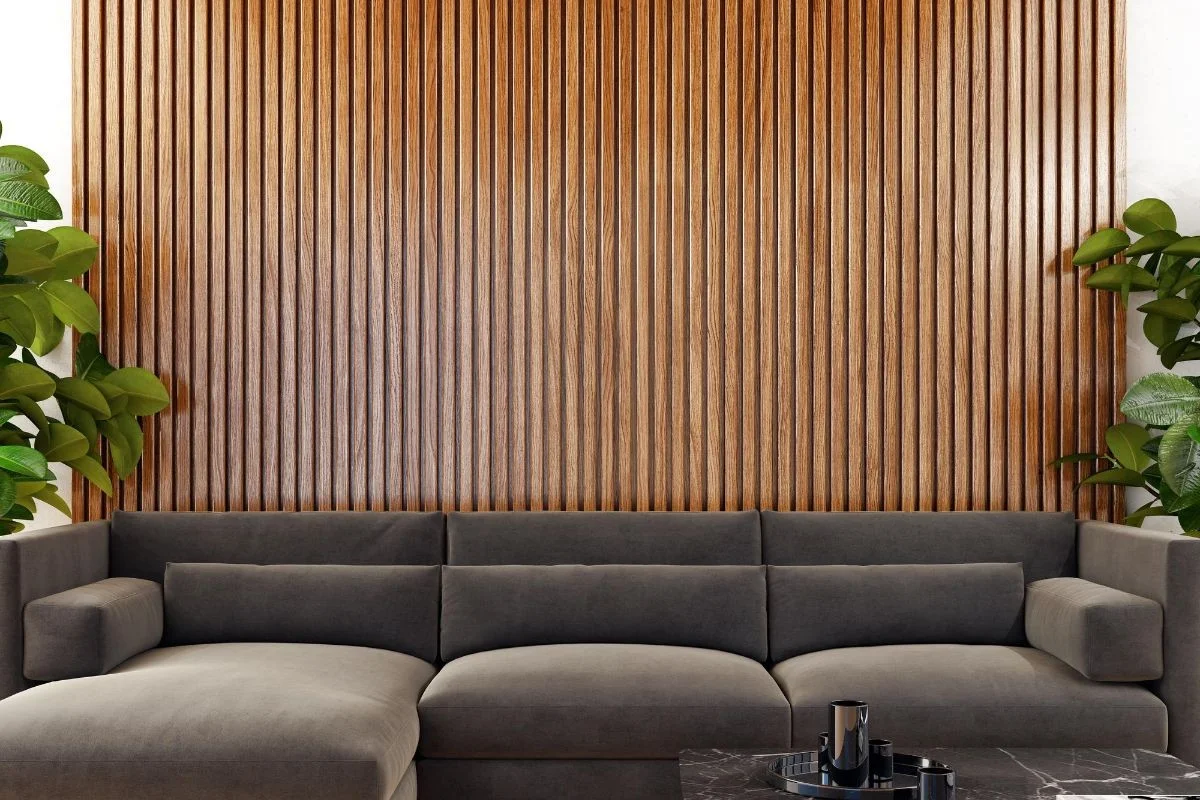
AI-generated editorial image; it does not depict an Obra Lisboa project.

Obra Lisboa