
Leaving a home empty for two weeks does not require an elaborate shutdown. It does require clear decisions about water, ventilation, electricity and access while nobody is there. In Lisbon, periods of heavy rain, older pipework and exposed balconies can turn a small unnoticed fault into a costly problem before anyone returns.
The aim is not to switch everything off without thought. It is to reduce the risks that remain active in an unoccupied home and make any abnormal situation easier to spot early. This checklist is useful for winter holidays, weekend homes and properties between moves. For a longer absence, start preparing a few days ahead so there is time to investigate a stain, test a shut-off valve or arrange professional help without rushing.
Match the checklist to the length of the absence and the property
A weekend away calls for a simpler routine: close the home properly, avoid leaving laundry drying and unplug portable heaters. For several weeks, add sensible water isolation, drain checks and a planned visit. A flat in a Lisbon building and a detached house do not have the same weak points. Flats tend to require close attention to internal plumbing, appliances and shared building systems; houses add roofs, outside drainage, gates, annexes and planting.
Winter in Lisbon does not usually mean persistent freezing conditions, but it can bring wind, moisture and intense rainfall. The IPMA climate normal for Lisbon/Instituto Geofísico provides useful local context for rainfall and temperatures. Check the short-term forecast before departure. A wet spell is a good reason to inspect exposed windows, accessible gutters, terraces and balcony drains one more time.
Think through dependencies too. A home alarm, a monitored router, a refrigerator or a heating system with frost-protection requirements may need power or water. Record those decisions rather than relying on memory at the front door.
Water: limit the possible damage without creating a new problem
A minor leak can run for days behind a cabinet or inside a service void. First locate the property’s main water shut-off valve and make sure it can be operated. If the home will be empty for a meaningful period, turning off the main supply is often the most effective way to reduce leak damage, provided no essential system relies on it.
Before doing so, switch off washing machines, look for dripping taps and observe the water meter. Where there should be no intended consumption, continued movement is worth investigating. Do not block safety valves or improvise caps on drains. Homes with irrigation, boilers, hydronic heating or equipment with specific shutdown instructions need a suitable sequence confirmed with the manufacturer or a qualified professional.
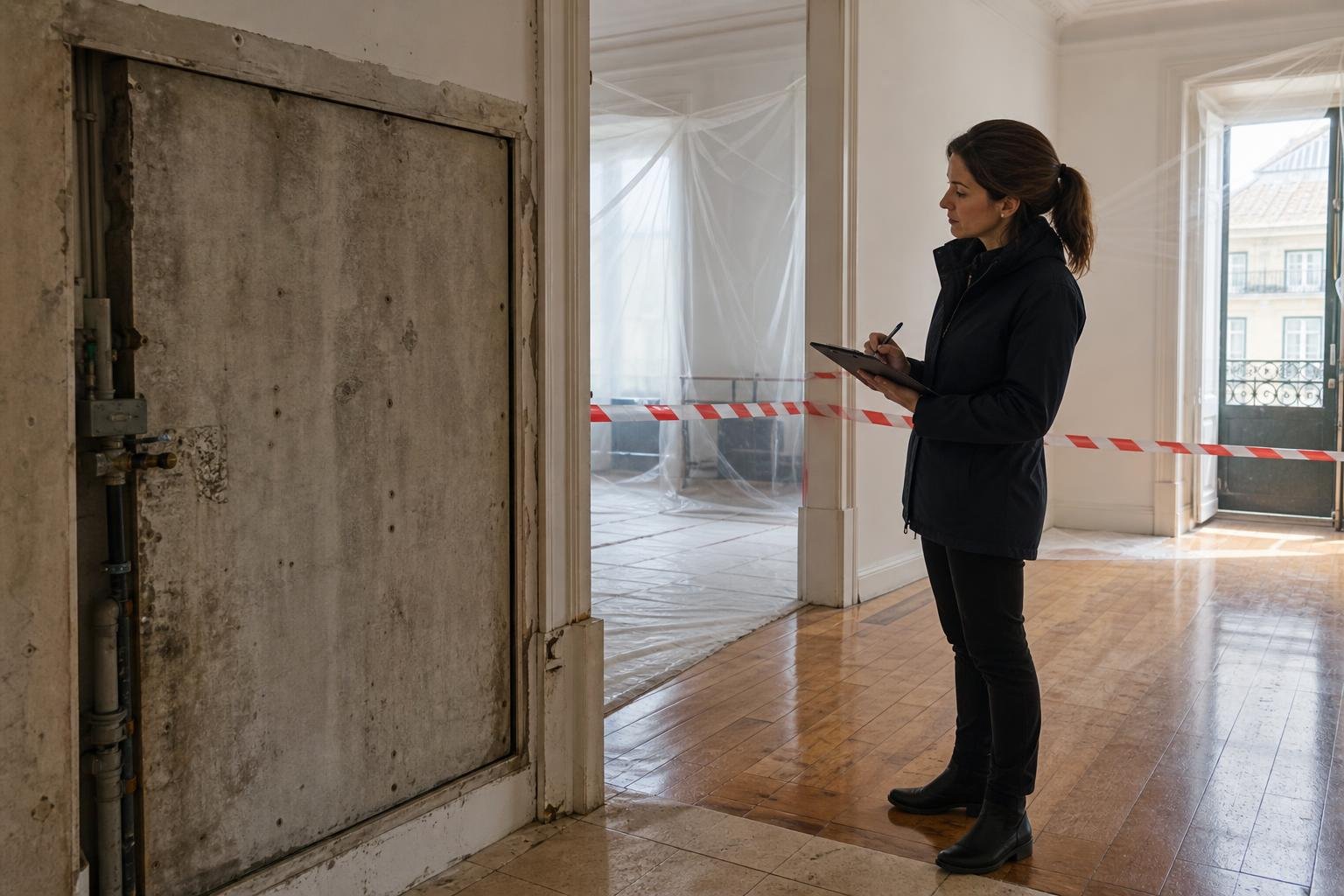
Keep traps wet. Run a little water into rarely used basins, shower trays and floor drains so the water seal can continue to limit odours from the drainage system. If there is damp beneath the kitchen sink, failing sealant or a suspected leak, do not assume an empty home will let it “dry out”. Address the cause first. For a practical inspection approach, see how to detect and reduce water losses in an apartment.
Ventilation is not the same as leaving windows open
An empty home should not become sealed up beyond all air movement, but leaving a tilt-and-turn window open without supervision is not a ventilation plan either. Portugal’s Directorate-General of Health advises airing a home for at least ten minutes daily and increasing air renewal during moisture-producing activities such as cooking, laundry and bathing. See the DGS indoor-air recommendations.
Before leaving, air the rooms thoroughly, dry wet surfaces and remove damp towels, mops, buckets and laundry. Close windows and balcony doors properly; check that seals are not trapped around objects and that window drainage channels are clear. In rooms prone to condensation, such as internal bathrooms and laundry spaces, position internal doors to support the intended air path where this remains compatible with security and the existing ventilation system.
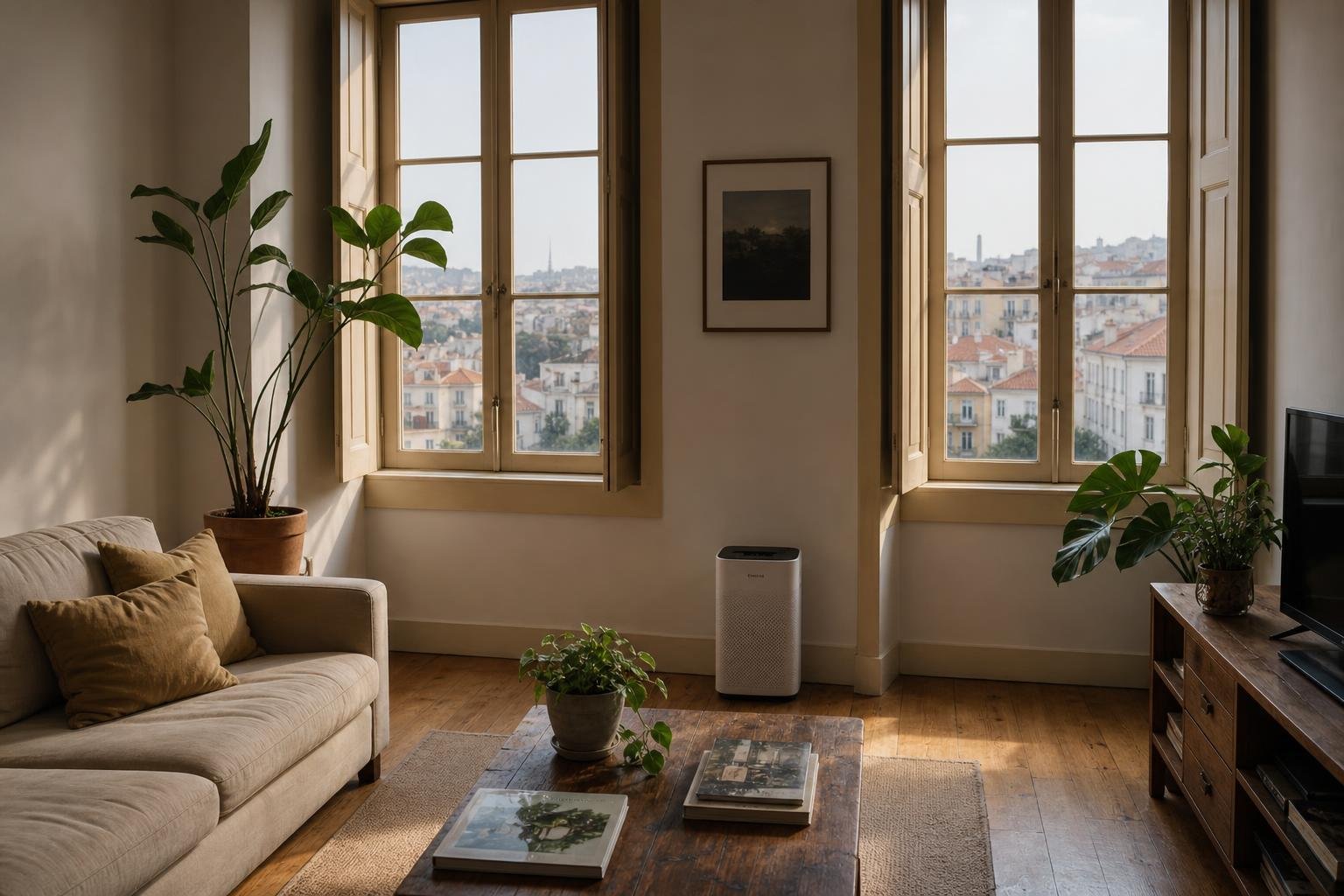
A dehumidifier is not a substitute for fixing a leak or inadequate extraction. Do not leave a portable unit operating unless its drainage arrangement is safe and its instructions clearly allow it. If damp keeps returning, read our guide to ventilation in renovated homes.

Heating and electricity: switch off what does not need to remain on
Unplug small appliances that do not need continuous power: portable heaters, temporary extension leads, chargers, kettles and countertop equipment. Do not blindly disconnect refrigerators, alarm systems, monitoring equipment or heating systems that require electricity for a safe operating mode.
The DGS advises checking heating equipment, ensuring adequate ventilation where combustion is involved and avoiding the use of heating appliances while sleeping. Before an absence, make sure braziers, stoves and fireplaces are fully extinguished, with no hot ash and no fuel stored against the appliance. Its cold-weather prevention advice also highlights the carbon-monoxide risks linked to combustion heating.
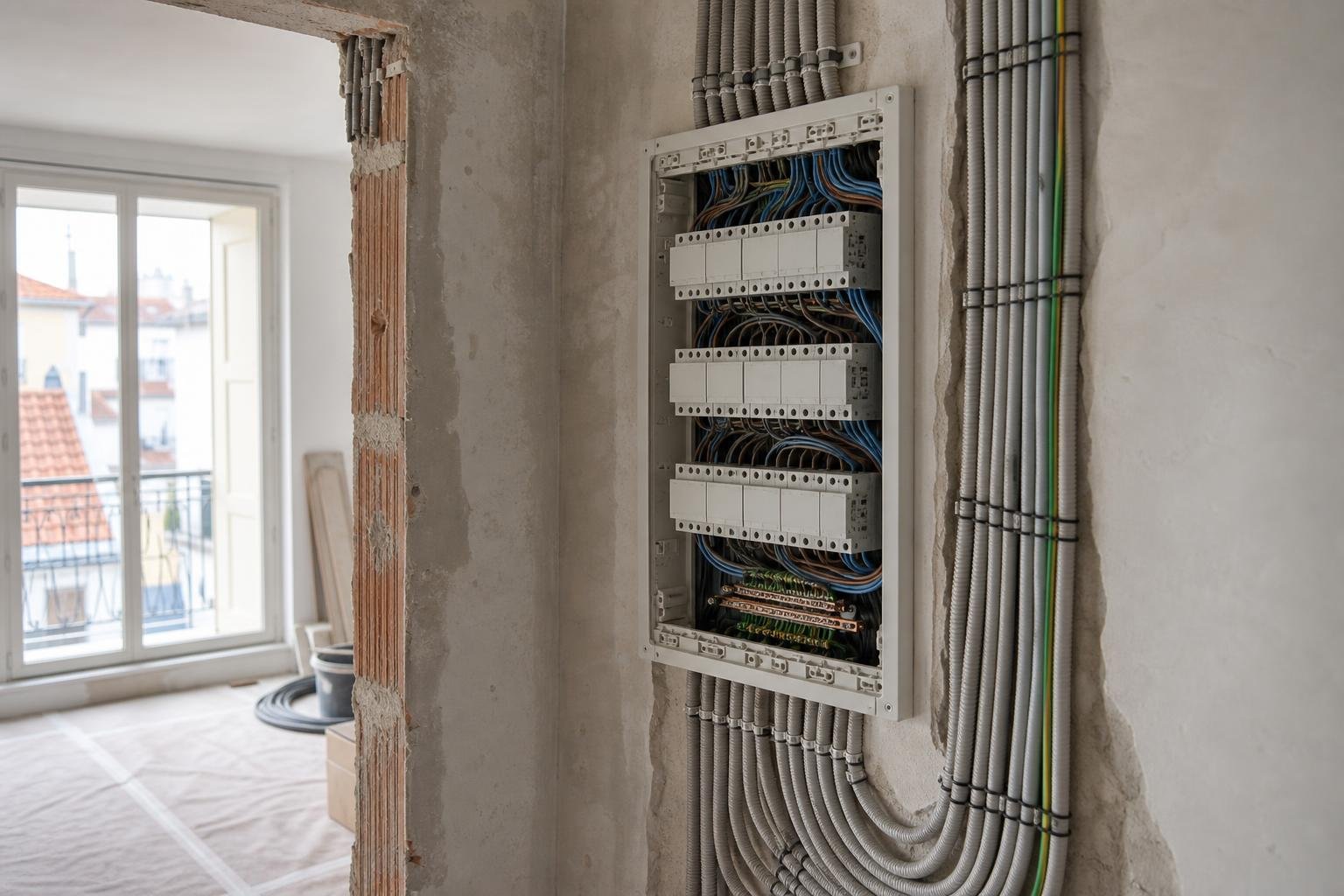
If you isolate some circuits at the electrical panel, take a photograph first and label the circuits. This makes the return safer and calmer: you can restore power deliberately rather than switching everything back on at once. Never cover electrical panels, sockets or appliances to protect them from dust.
Openings, outdoor areas and shared spaces need one final walk-through
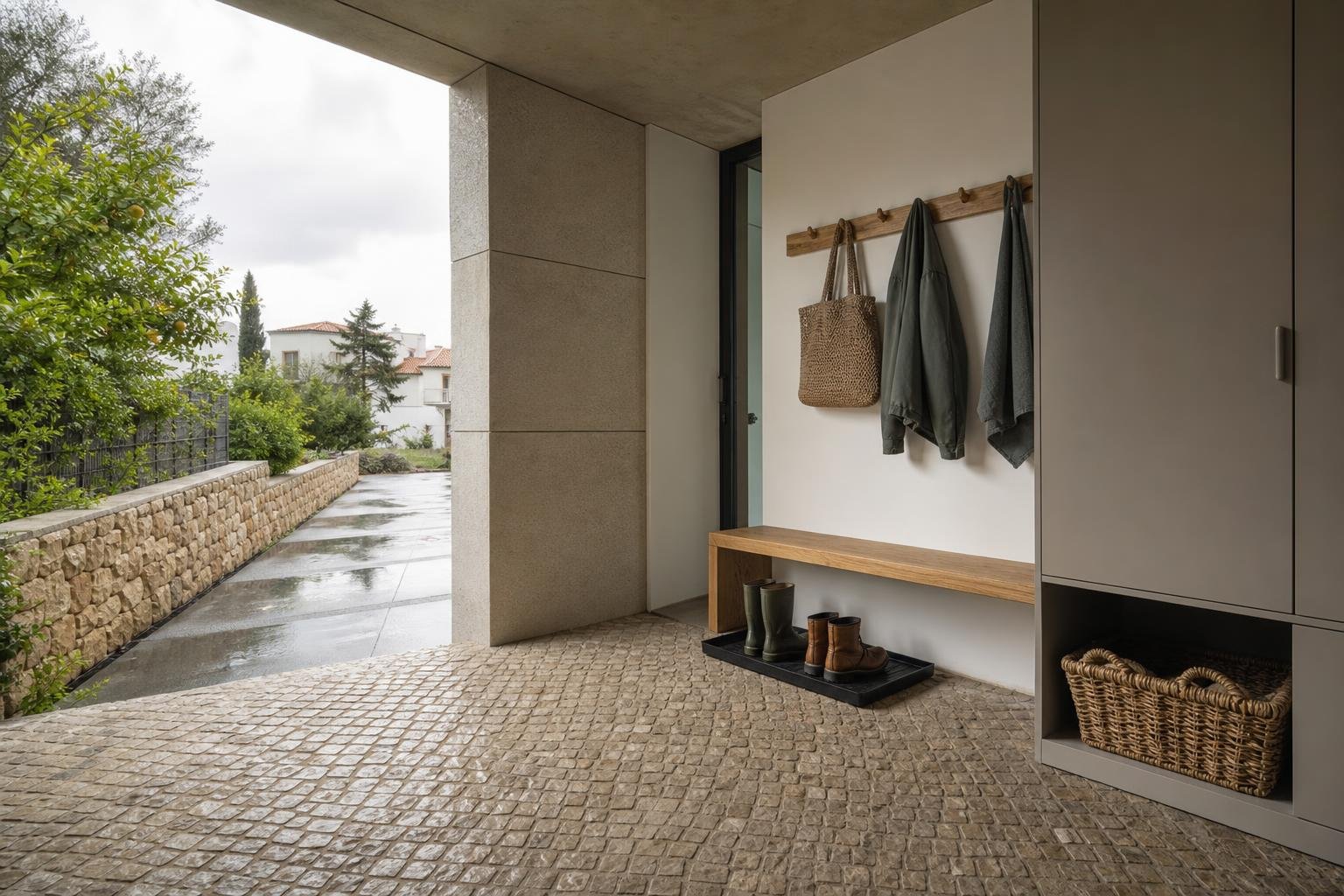
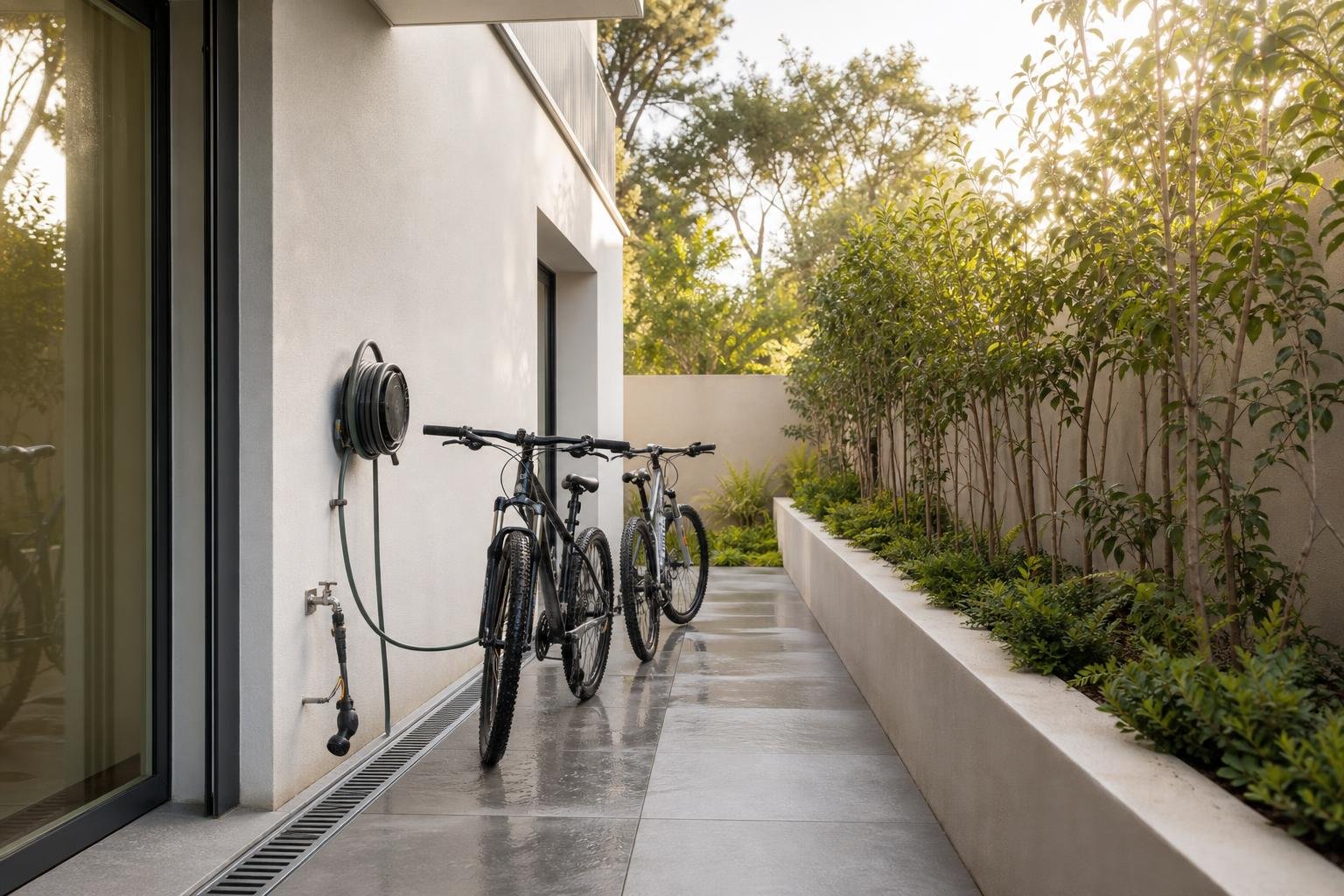
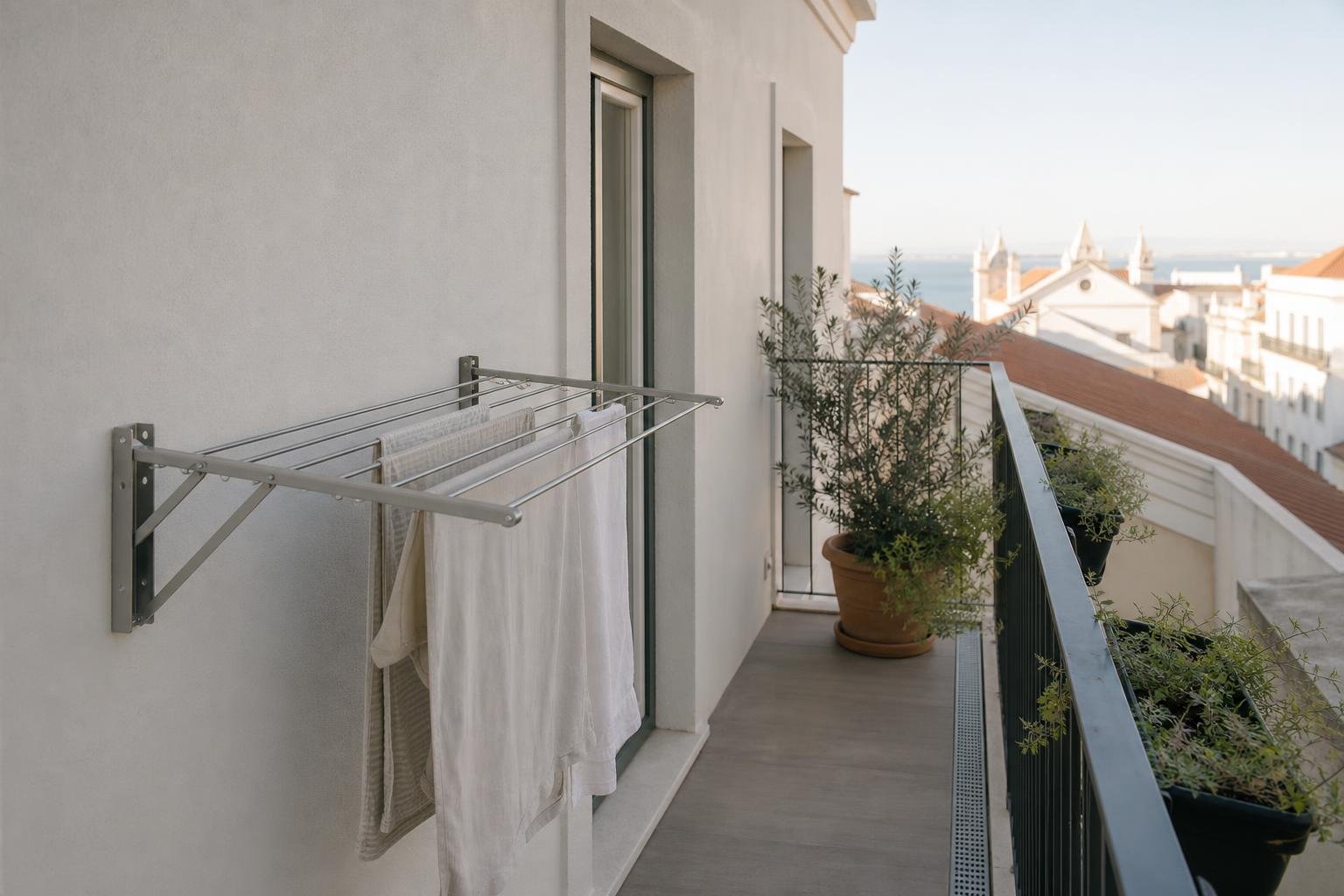
Walk the property from the inside out. Check doors, windows, shutters, skylights, balconies and patio access. Bring in light objects that wind could move, and do not leave pots, toys or boxes blocking drains. On a balcony, make sure rainwater has a clear route to its outlet. If drainage is unreliable, the answer is not to seal the drain; it is to clean it, assess falls and correct the underlying issue.
In an apartment building, do not use corridors, landings or technical areas for temporary storage. Apart from narrowing access, items left outside the flat can delay an inspection or cause friction with neighbours. If building works are planned during your absence, provide the manager with current contact details and check whether water, electricity or access interruptions are scheduled.
Keep documents, spare keys and remotes in a dry, raised location known to one trusted person. Do not hide a key outdoors or publicise travel plans in a way linked to your address.
Give a trusted visitor a short, workable inspection plan
A trusted visitor does not need to conduct a technical survey. They need to know what to look for and what to do next. Leave a contact number and the locations of the water shut-off valve, electrical panel and any fire extinguisher. Ask them to notice unusual smells, constant water noise, new stains, alarms, open windows or puddles around equipment.
A concise list is better than vague instructions:
- enter, air briefly only if conditions are safe, then close up properly;
- check the kitchen, bathrooms, utility area and window frames;
- look at ceilings below wet rooms and floors near drains;
- photograph changes and contact the responsible person before altering any installation.
If you are renovating before the trip, or the home already has known weaknesses, build these checks into the scope of work. Our guide on avoiding common renovation problems explains why access, valves, drainage and simple inspections matter as much as the finishes that remain visible.
Preparing an empty home, planning a renovation or tackling damp before winter? Obra Lisboa can help turn these control points into a clear, property-specific intervention plan.
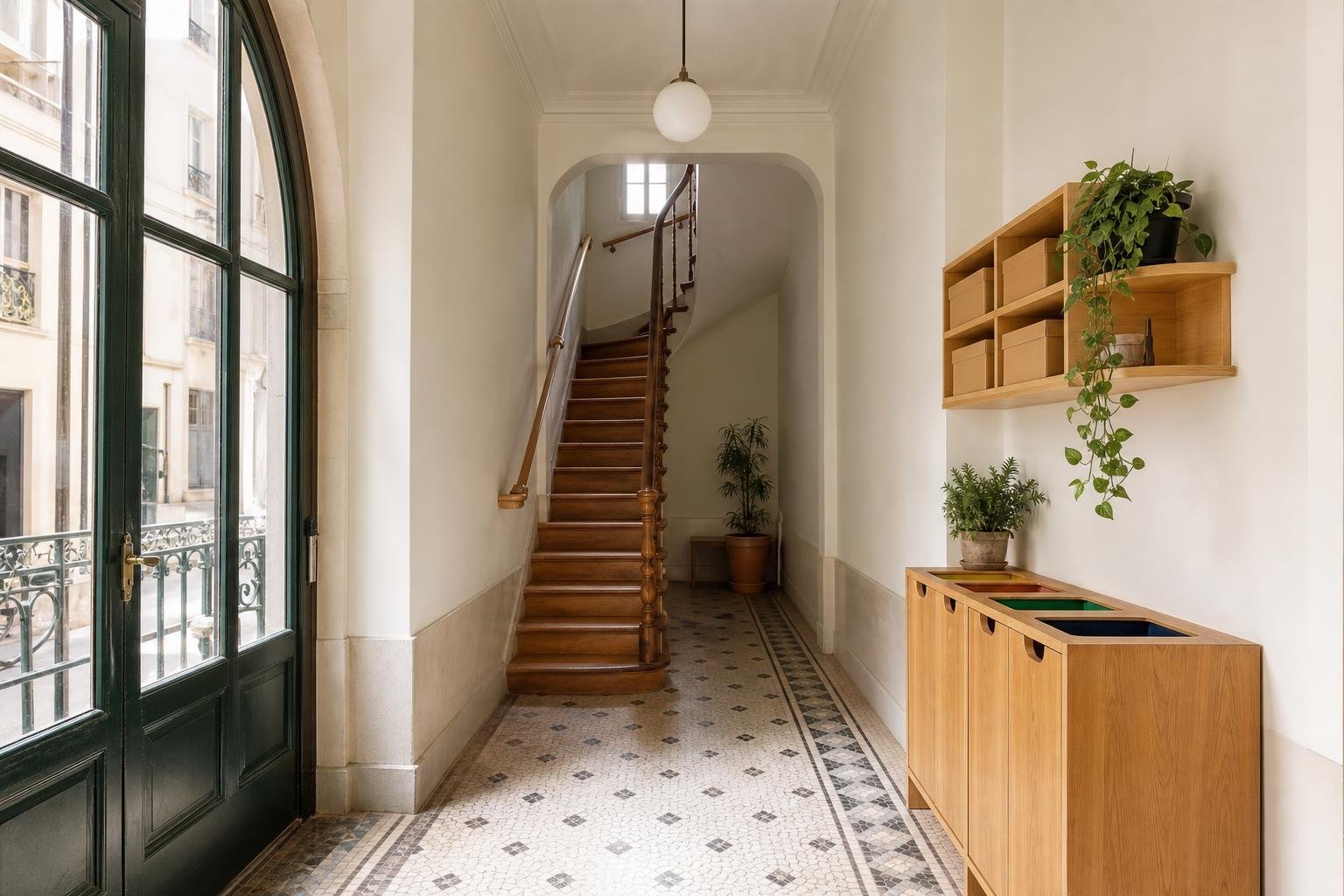
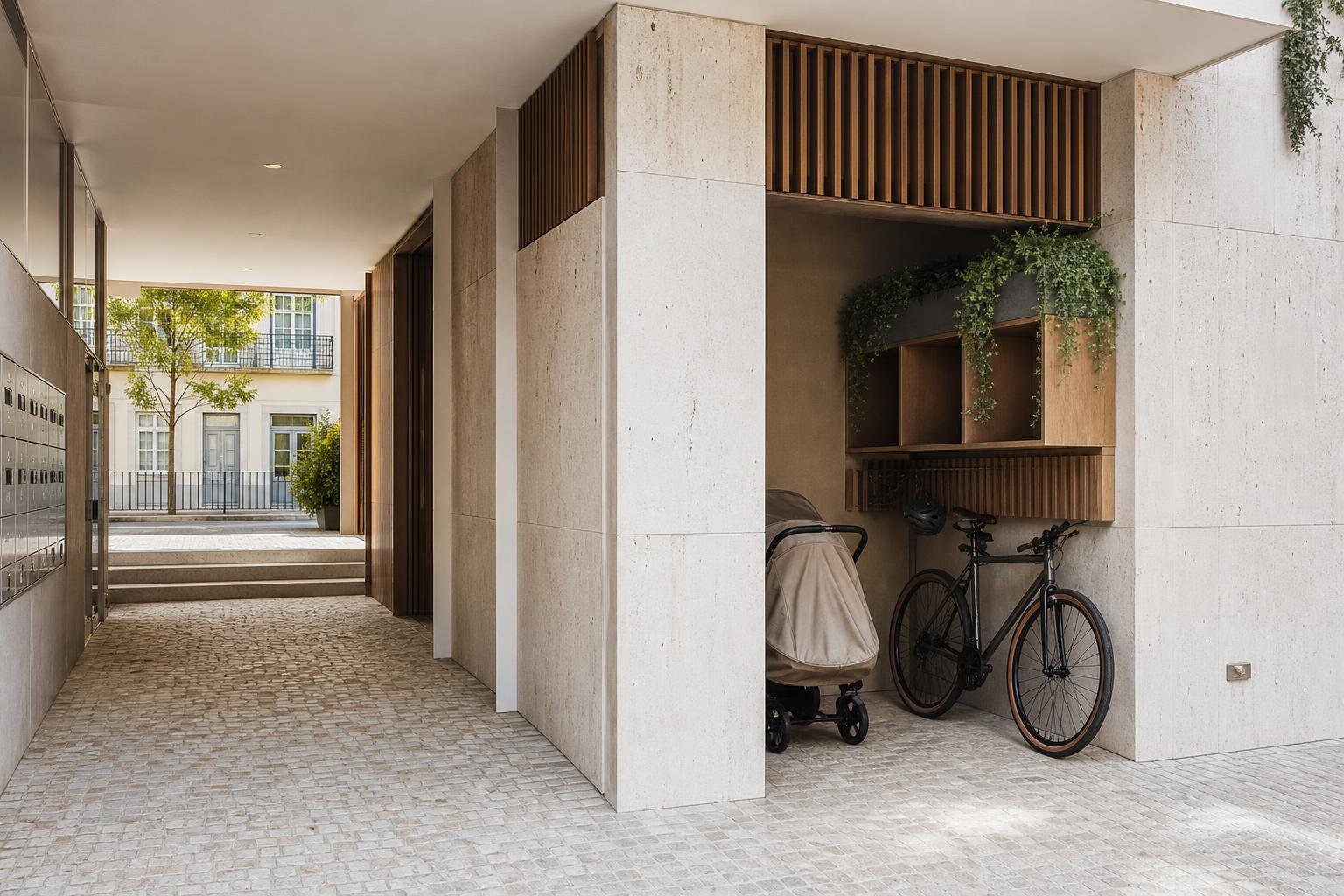
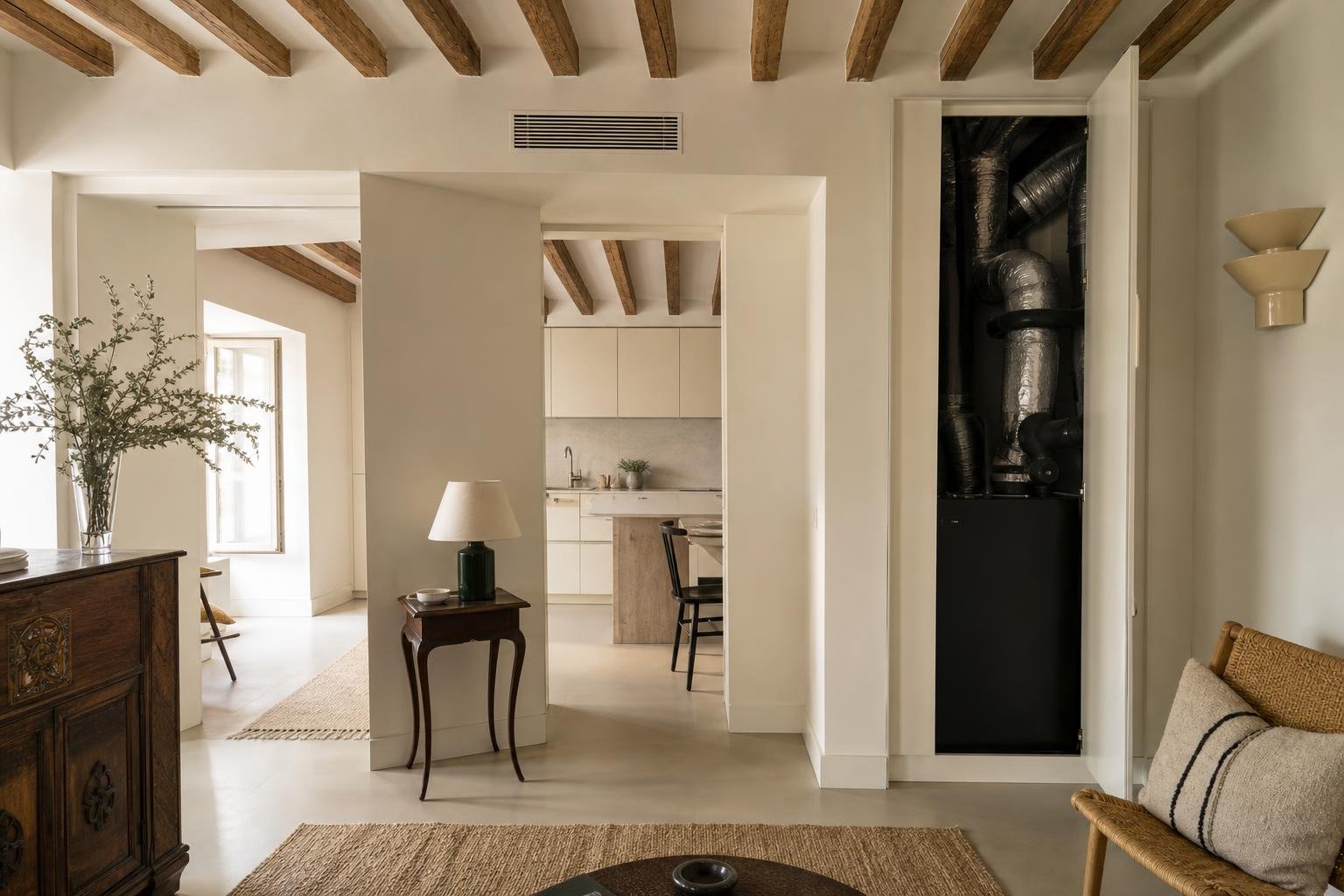
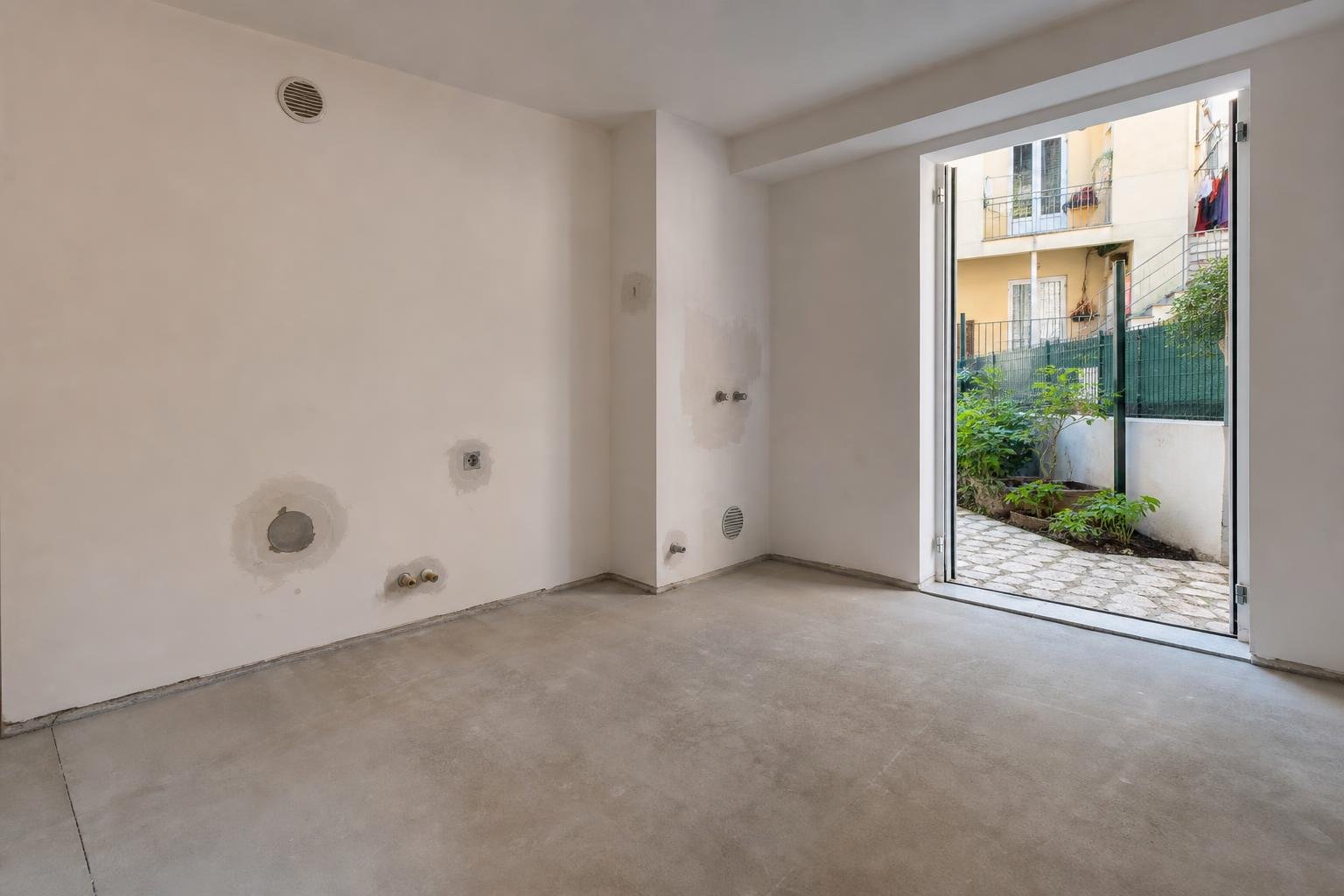
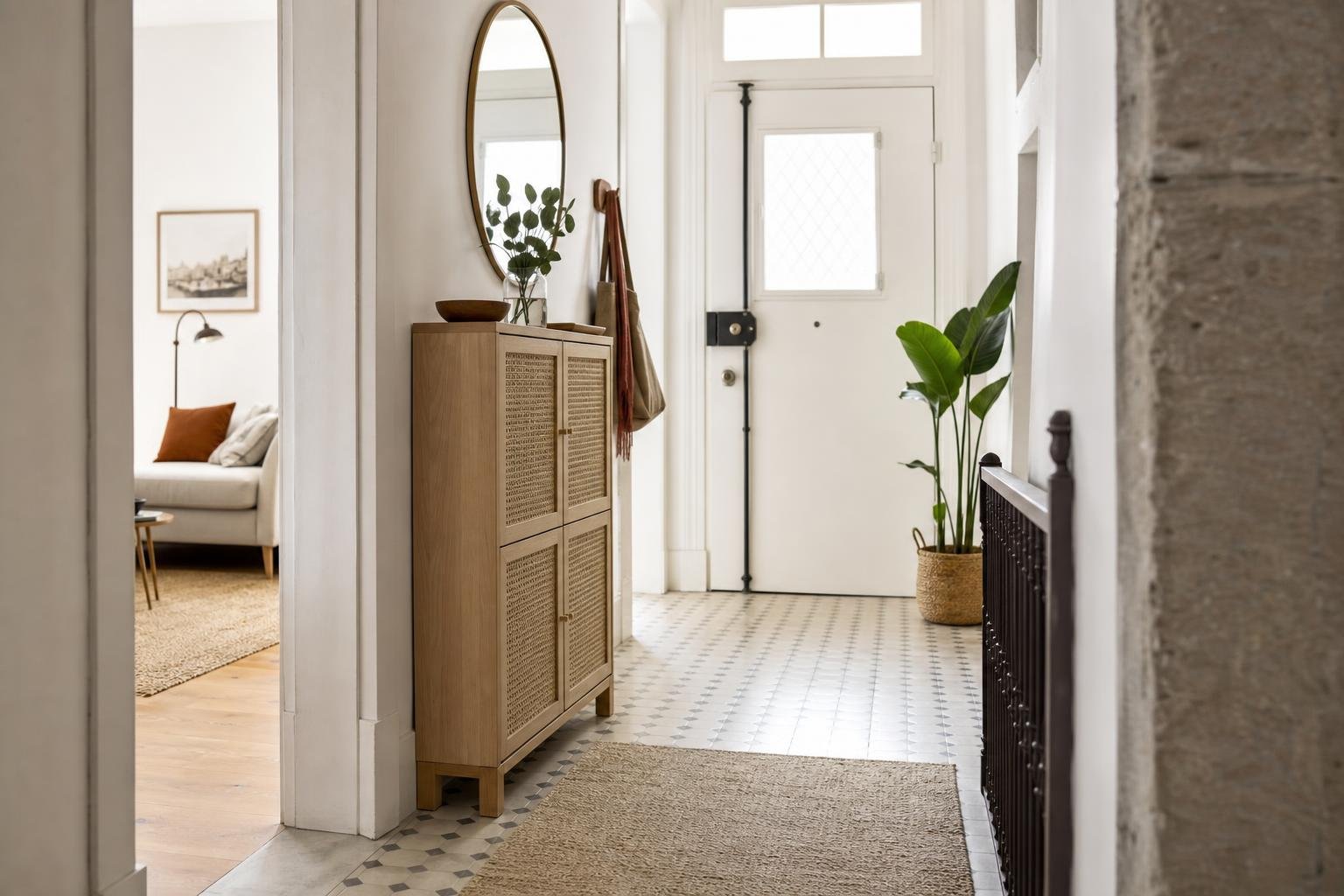
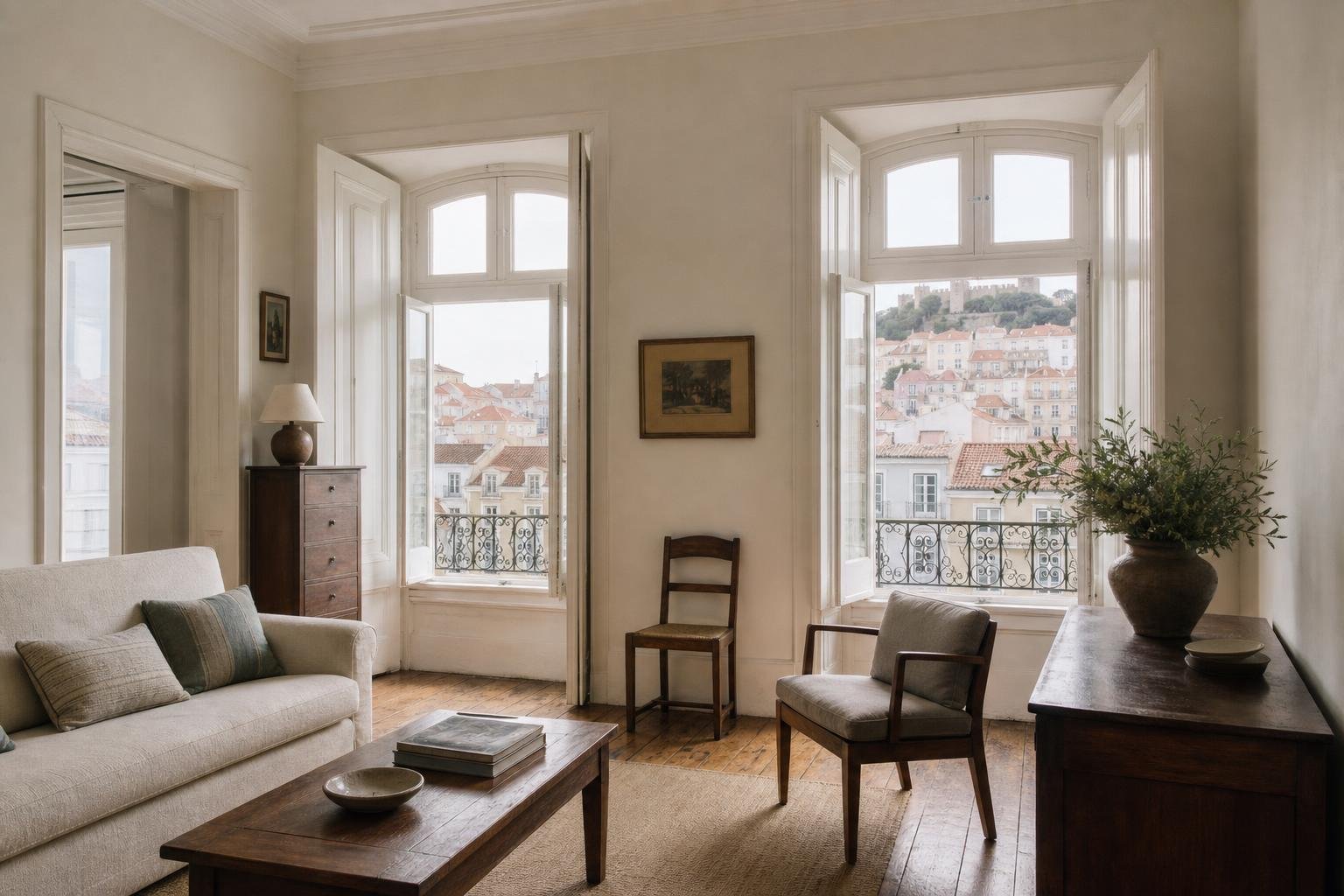
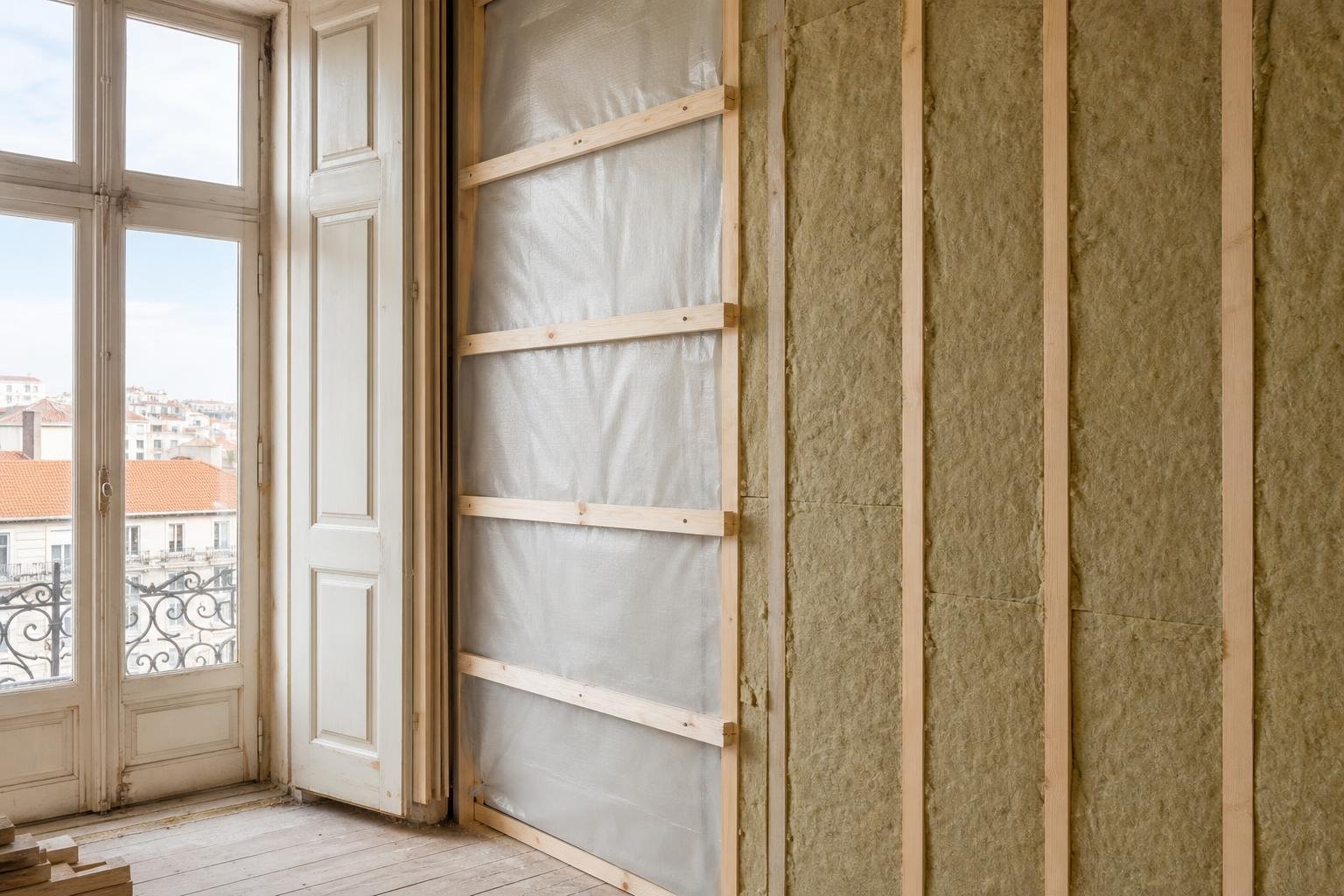
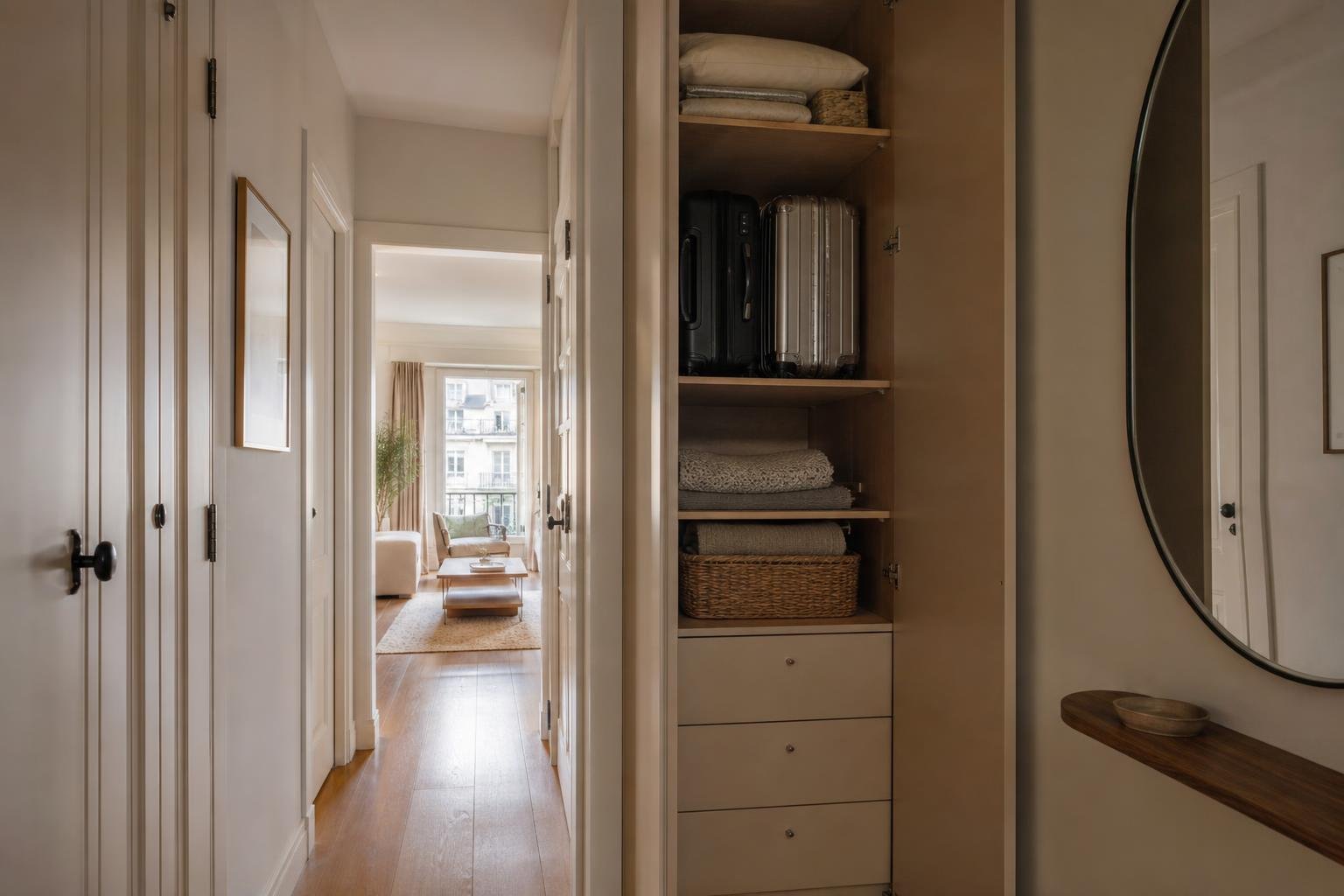
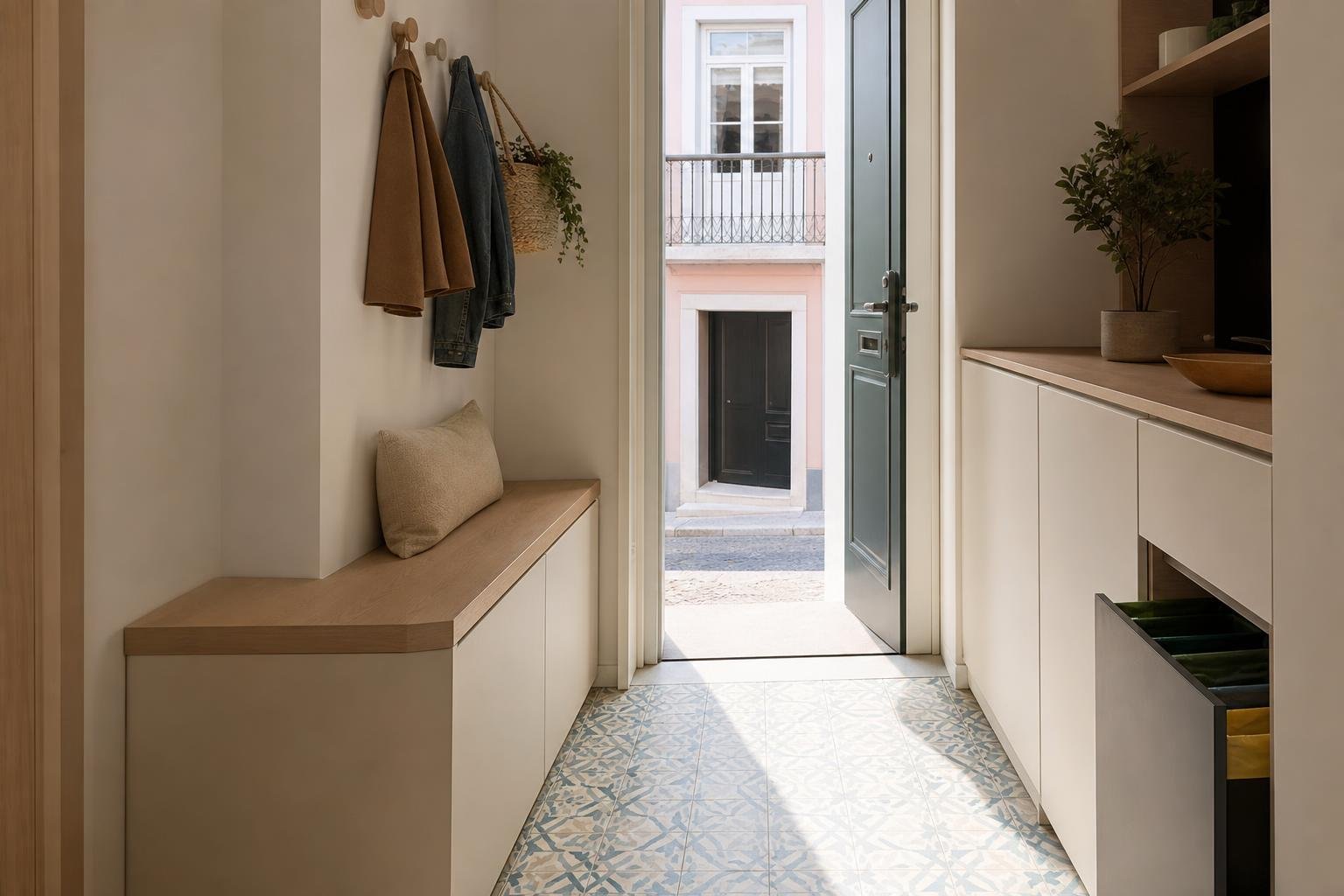
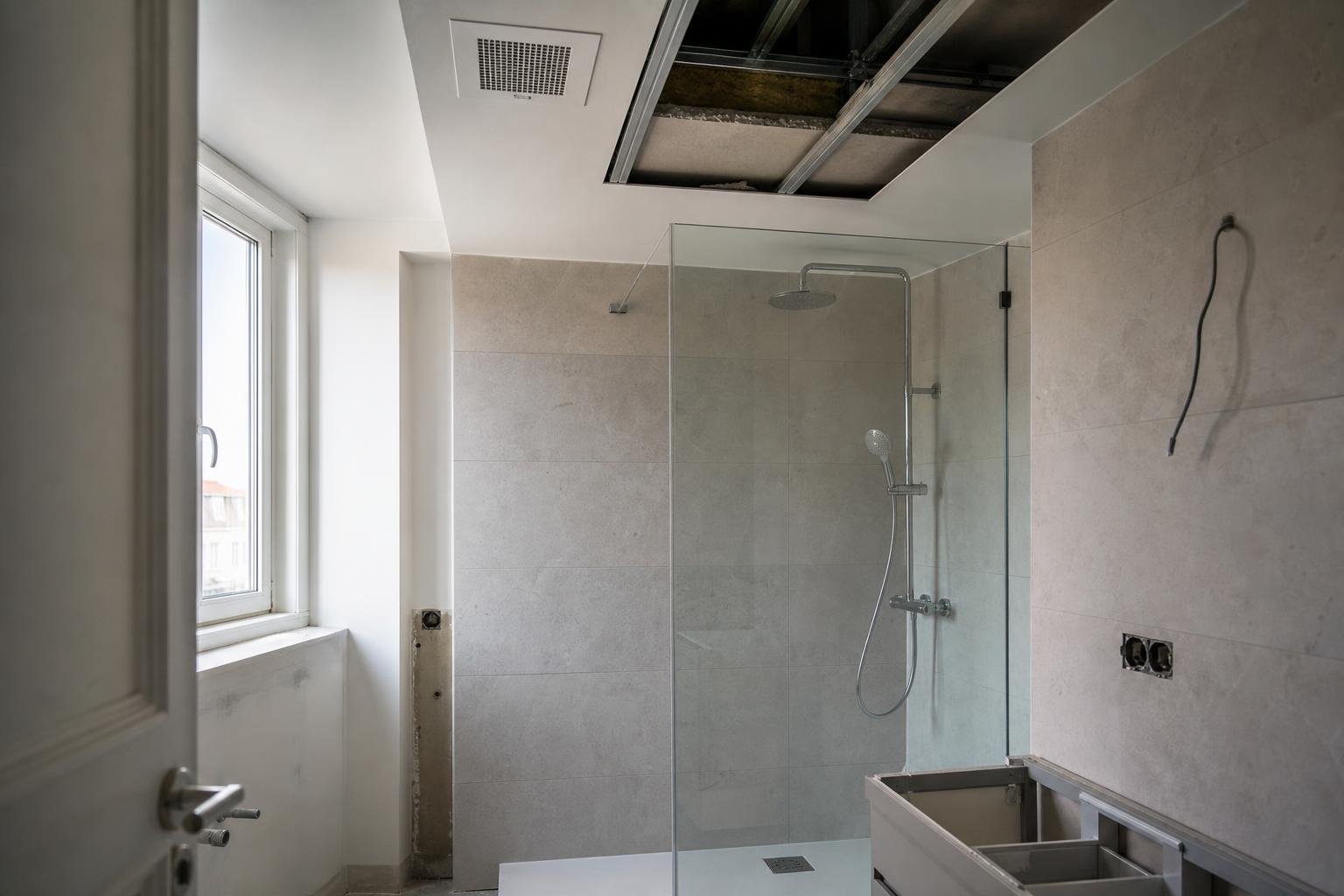
AI-generated editorial image; it does not depict an Obra Lisboa project.

Obra Lisboa