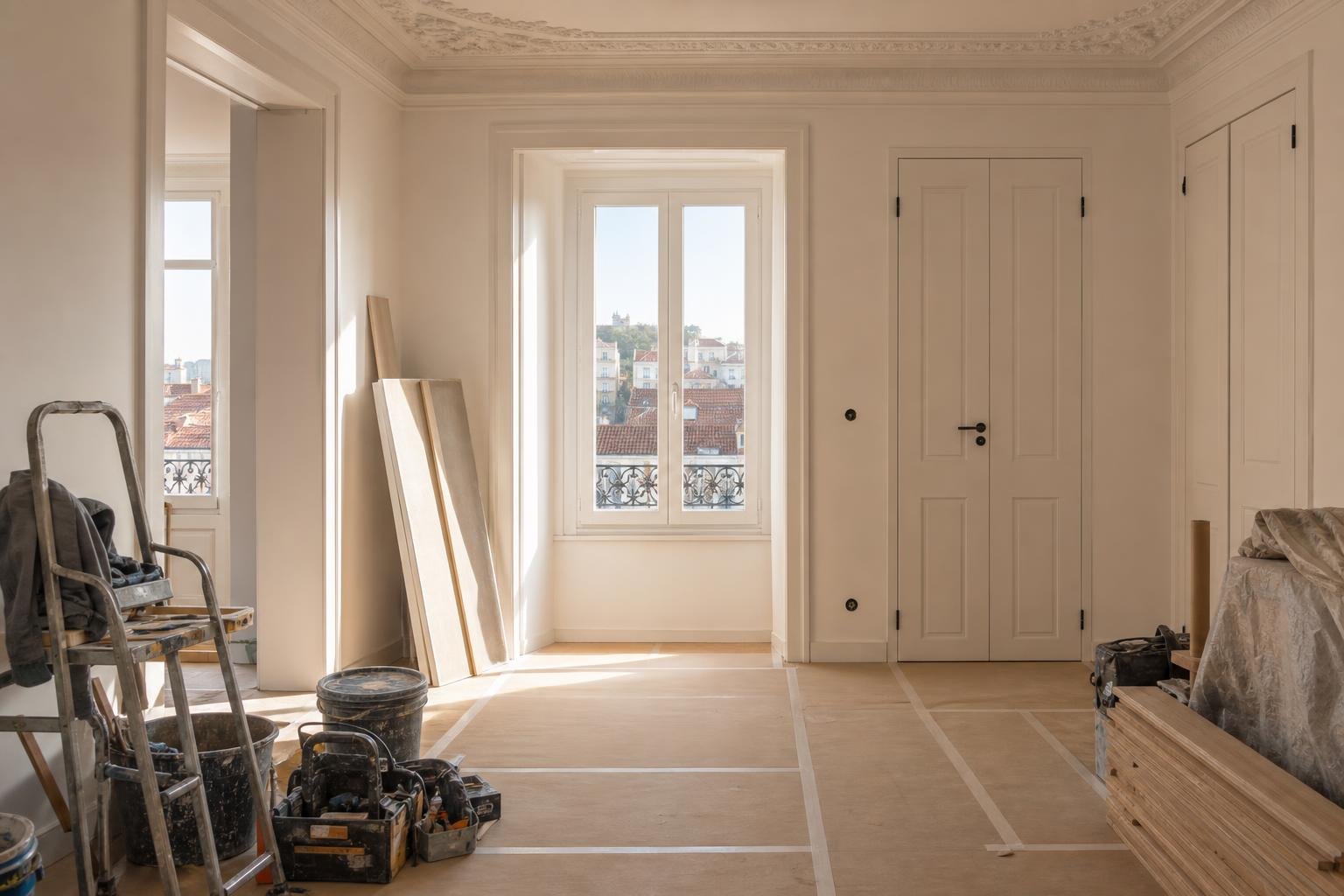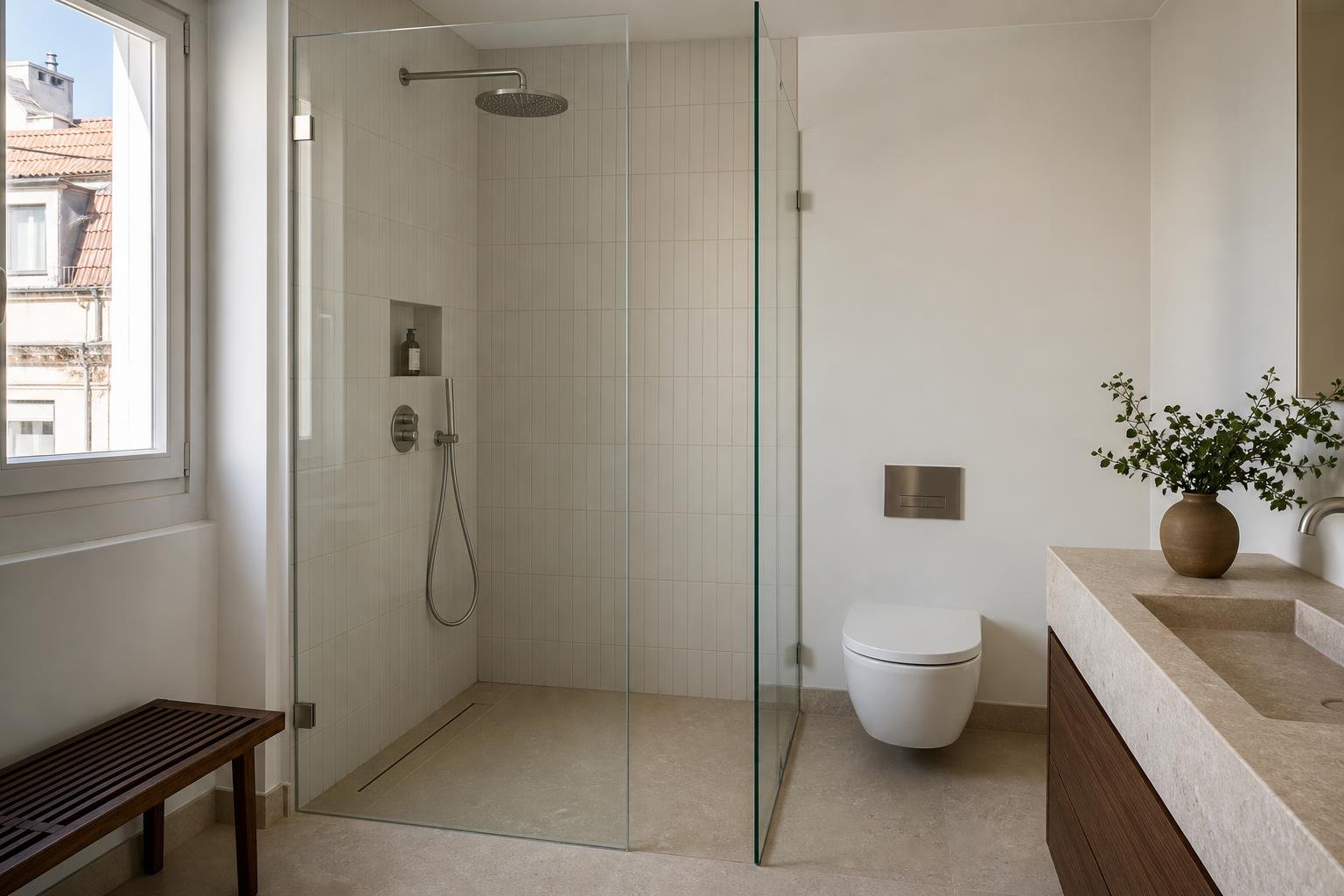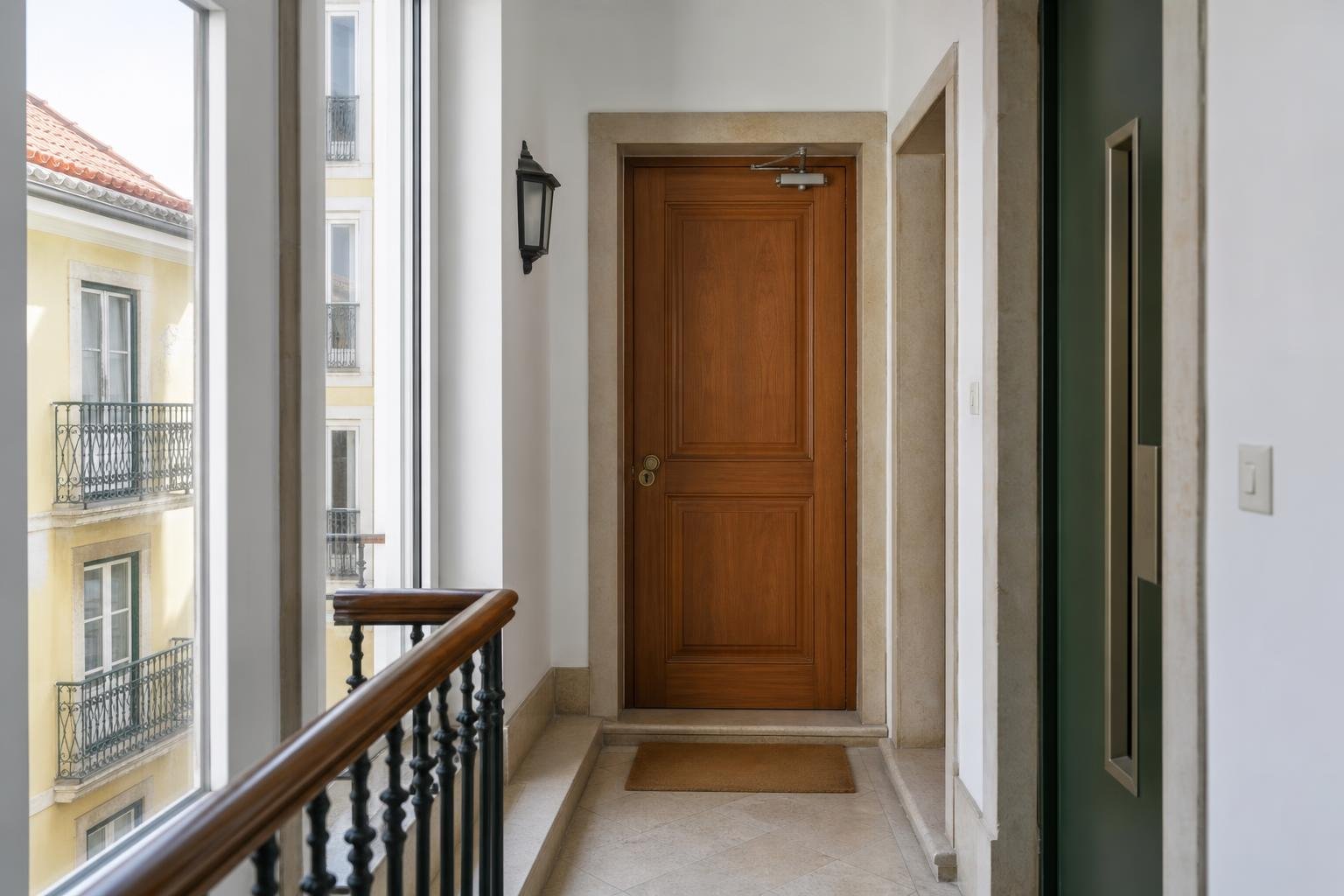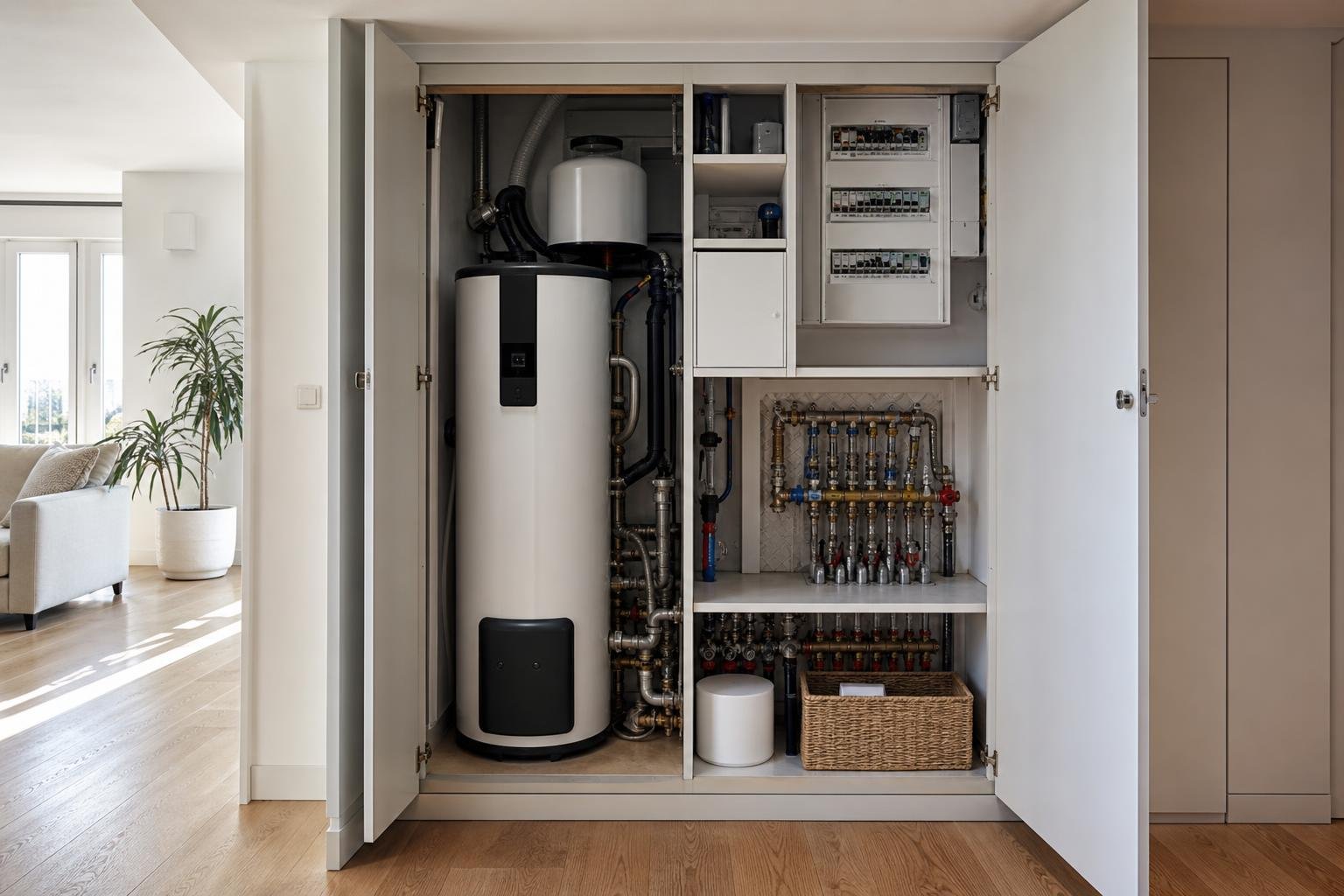

A well-planned medicine cabinet is not simply a tidy drawer. It is a small technical zone in the home: it needs protection from heat and moisture, limited access for children and visitors, clear visibility for everyday use, and a system that does not encourage old packs to accumulate. In many Lisbon flats, the obvious answer—the bathroom or a low kitchen cupboard—is often the one most likely to create problems.
The starting point is straightforward: choose the location before choosing the cabinet. A high, closed unit in a hallway, internal entrance or dry storage area usually works better than an improvised shelf beside the basin. Portugal’s Directorate-General of Health advises keeping medicines locked, out of children’s reach and in their original packaging; that principle should shape both the layout and the renovation decisions around it.
Start with the location, not the cabinet size
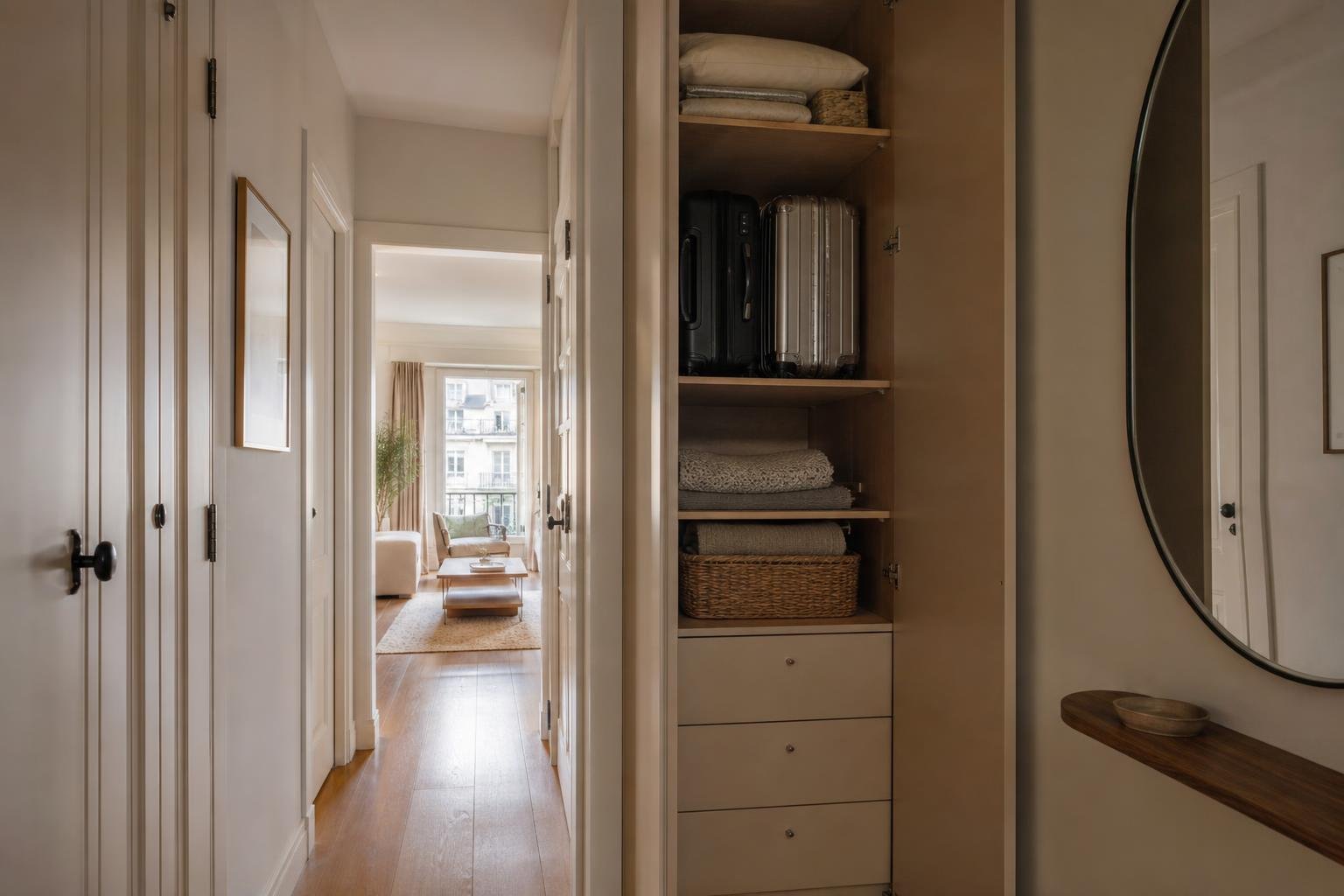
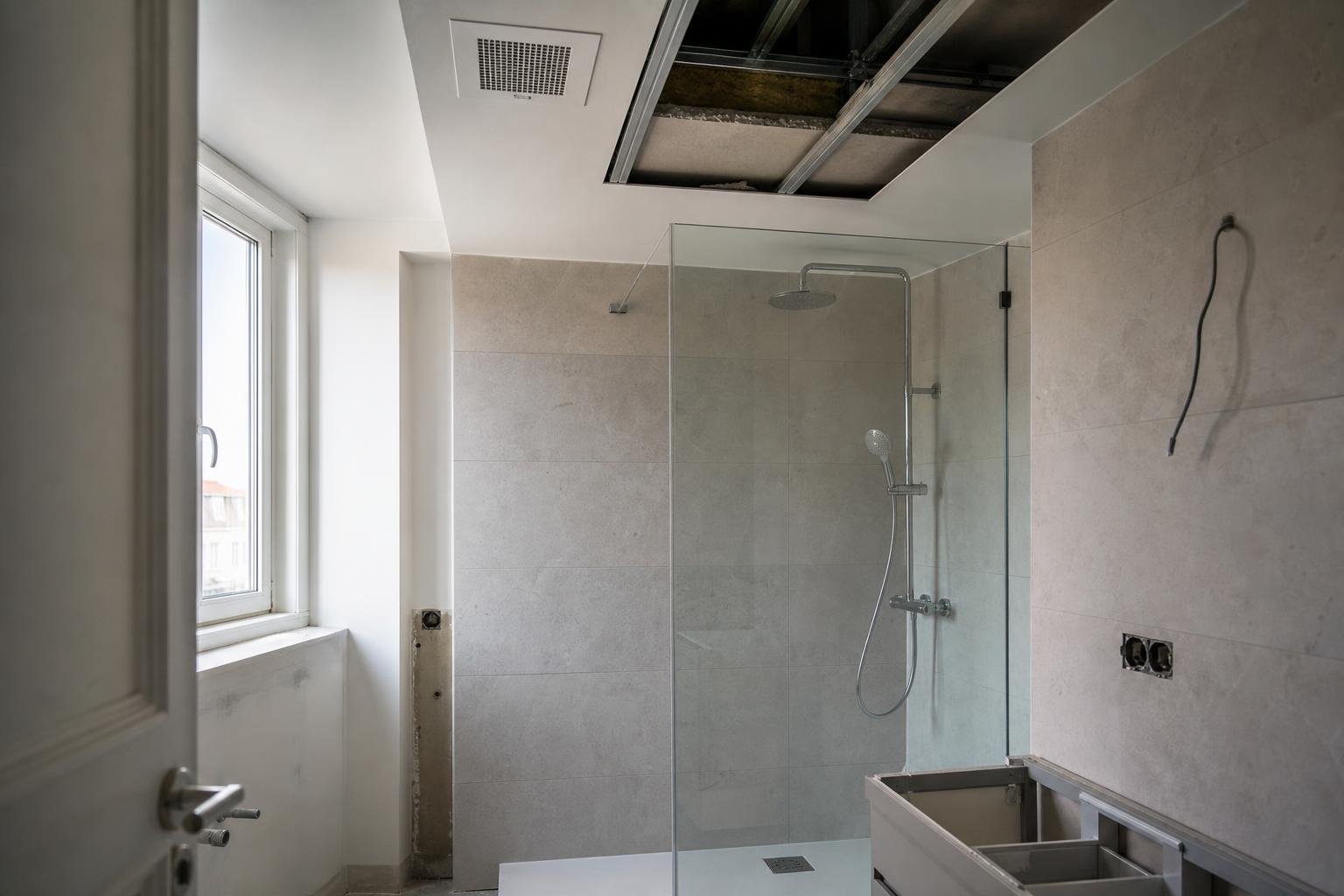
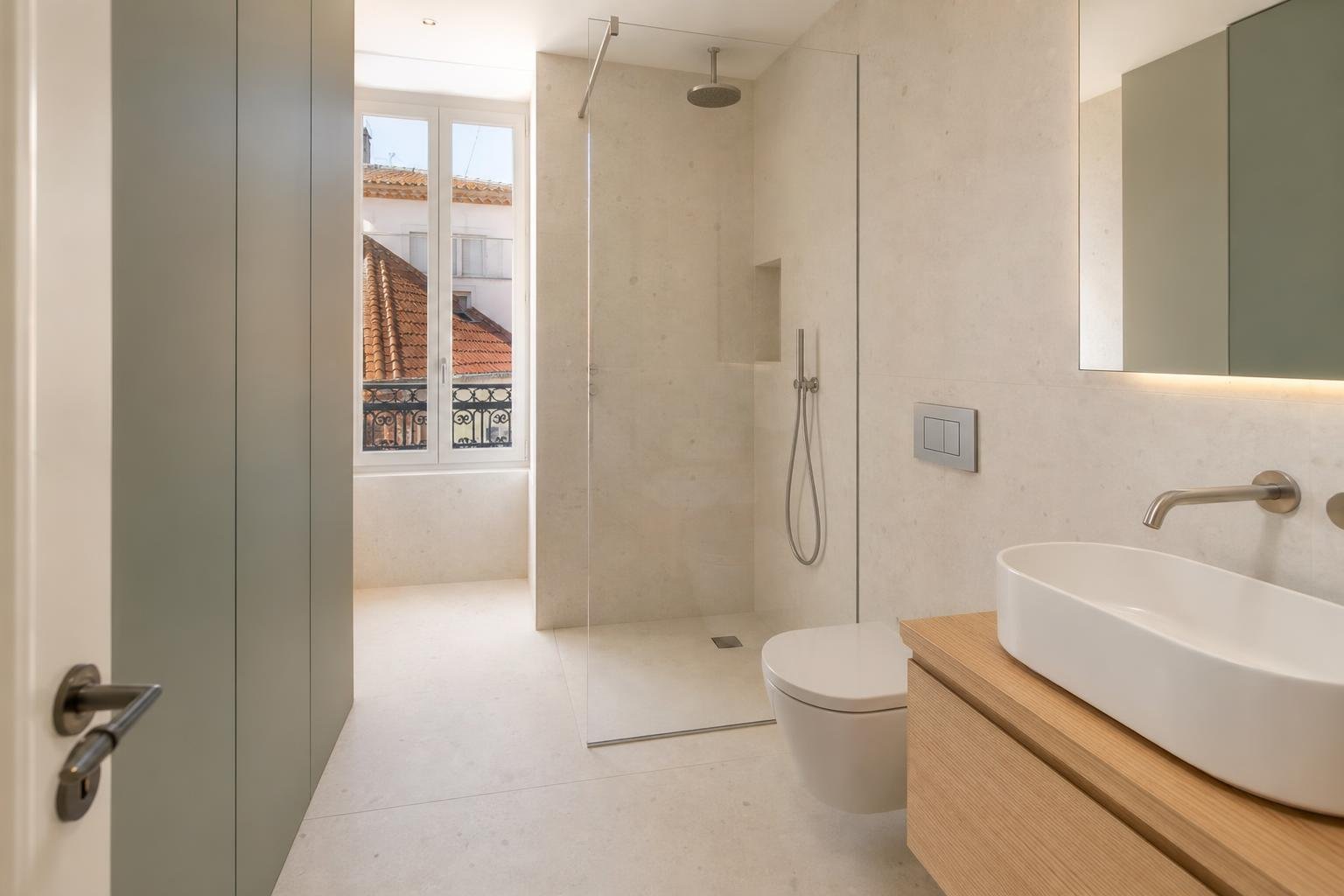
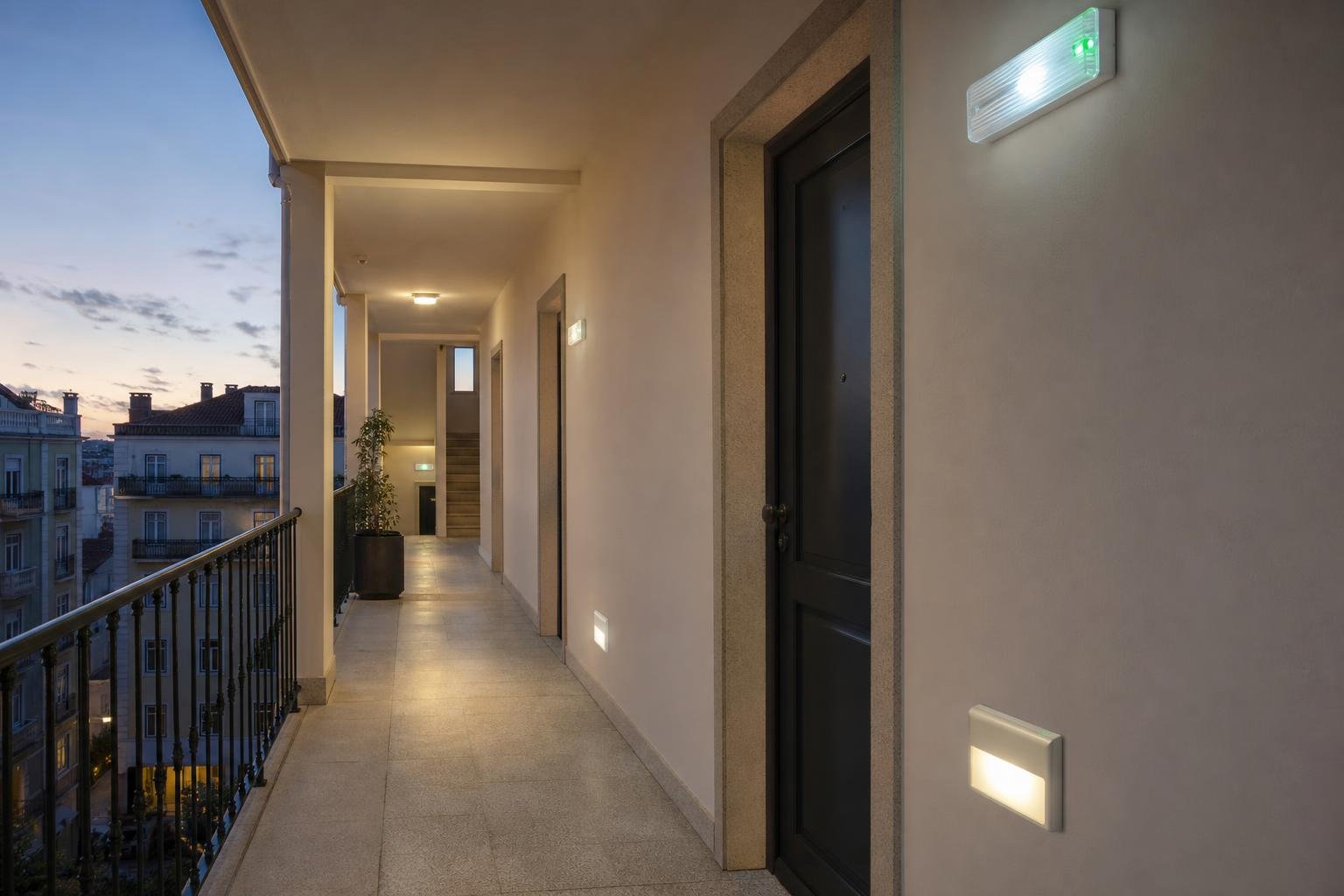
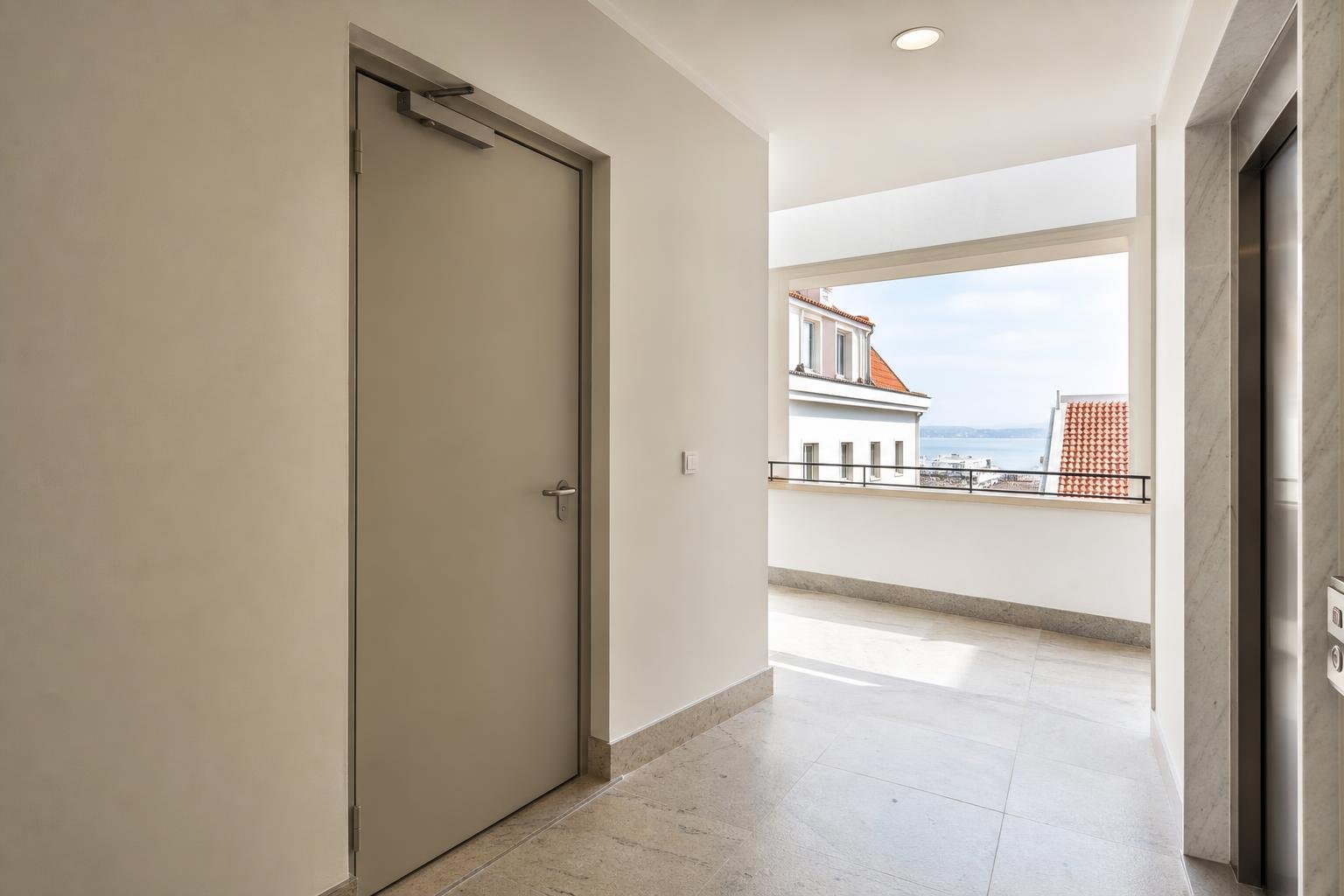
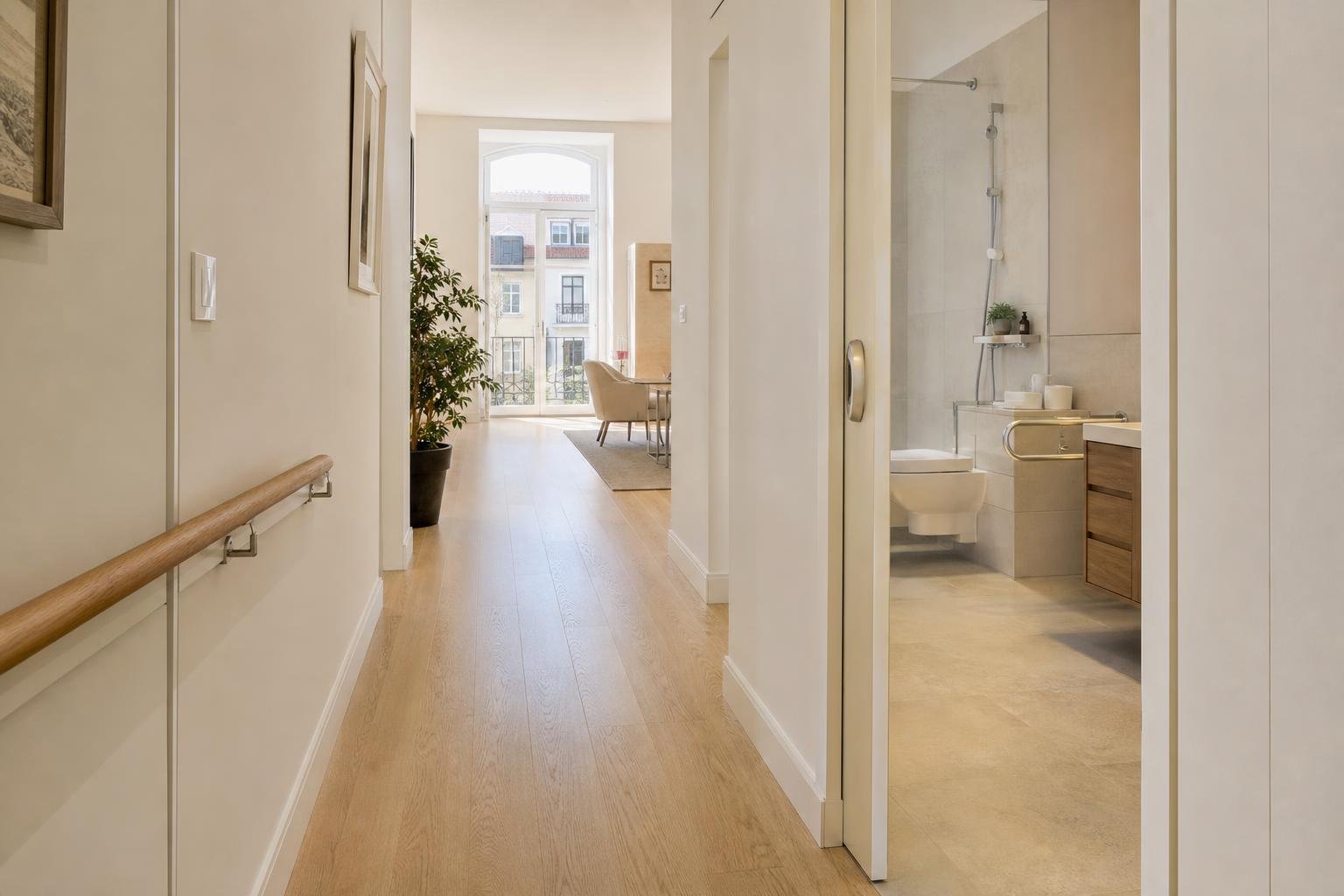
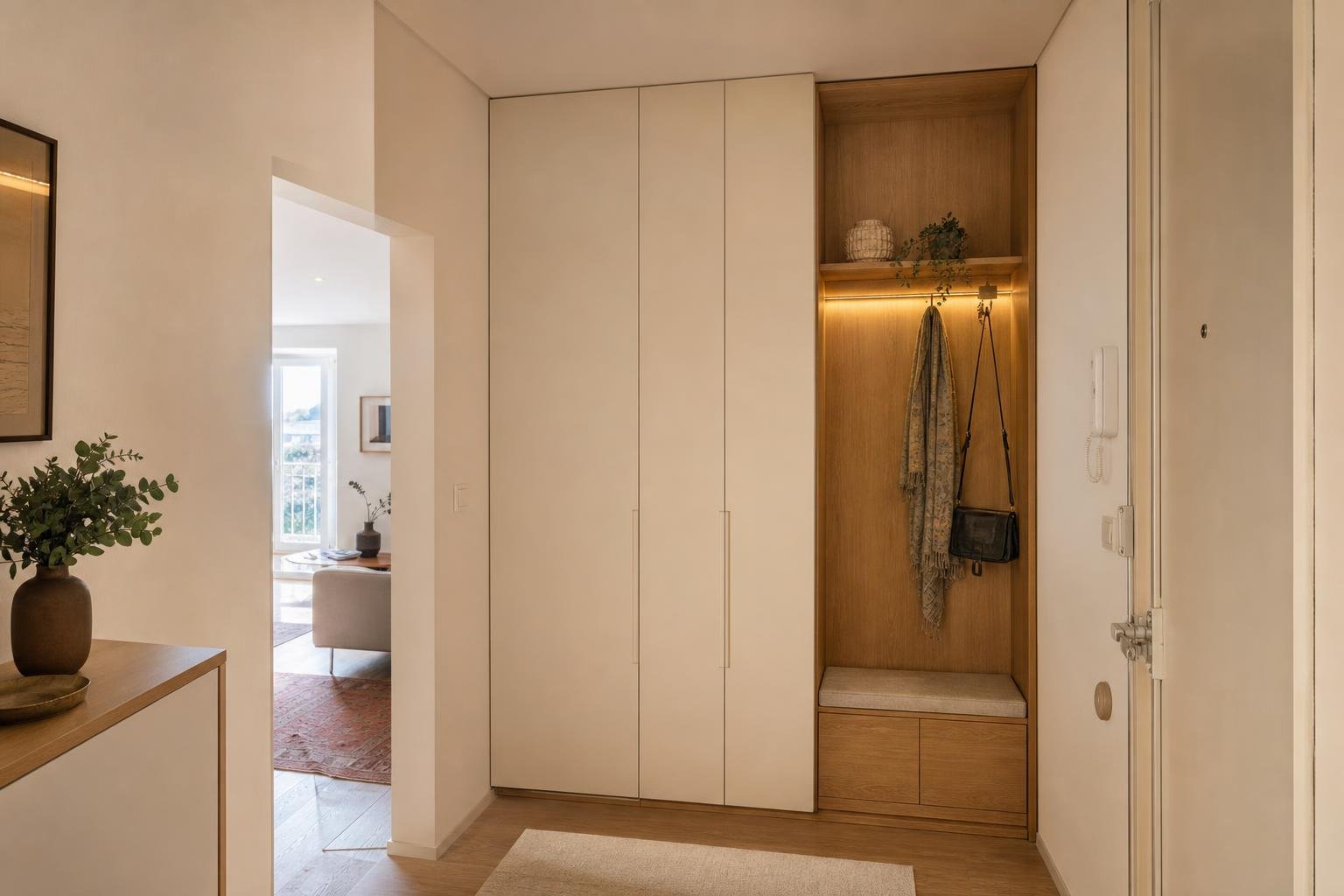
Before measuring shelves, walk through the home looking for a stable spot: no regular steam, no direct sun, and no nearby radiators, ovens or appliances that release heat. A bathroom may seem convenient for plasters and creams, but showers raise humidity; a kitchen brings steam, grease and changing temperatures. Instead, consider an internal corridor wall, a high cabinet in the entrance hall or a tall storage unit away from wet rooms.
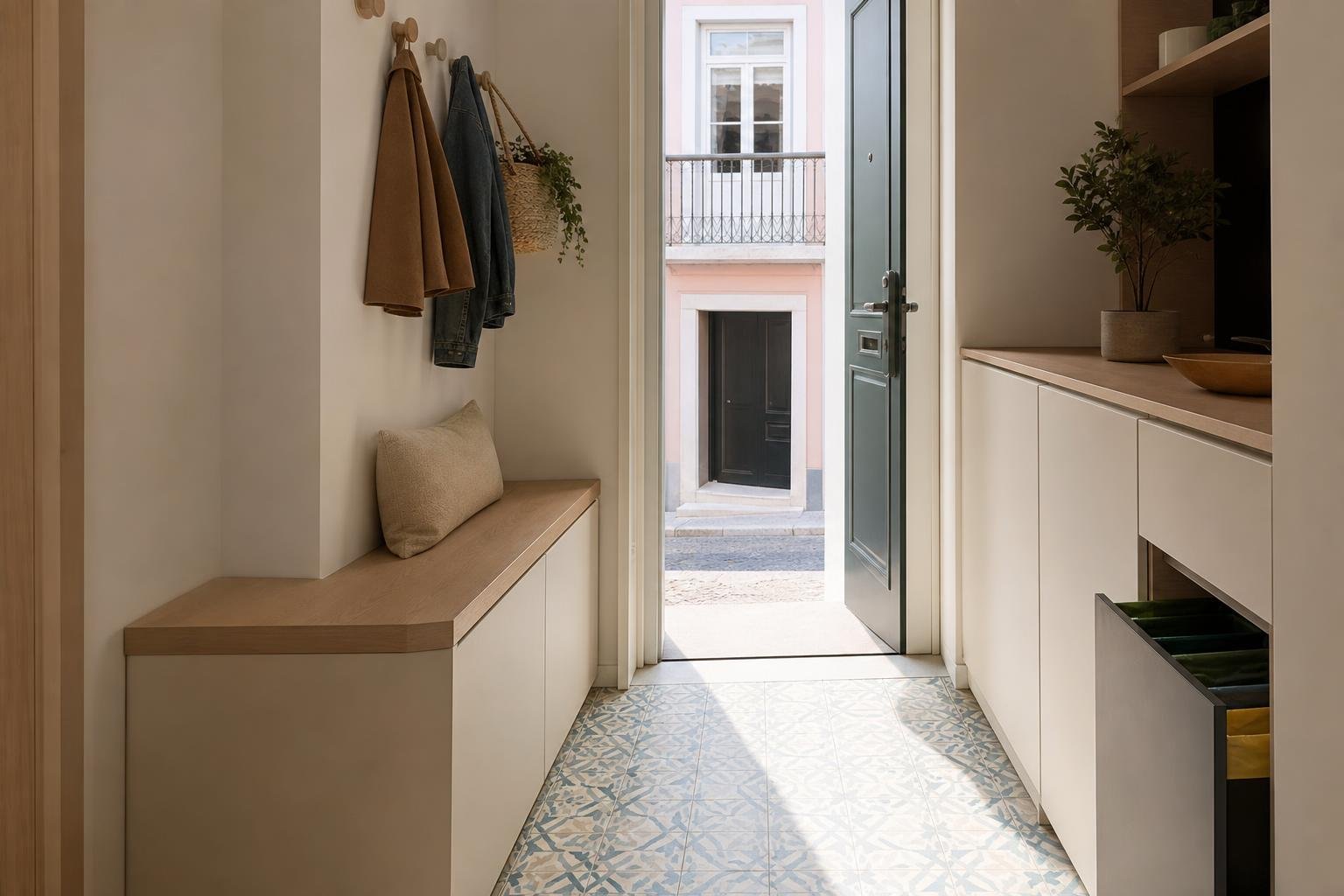
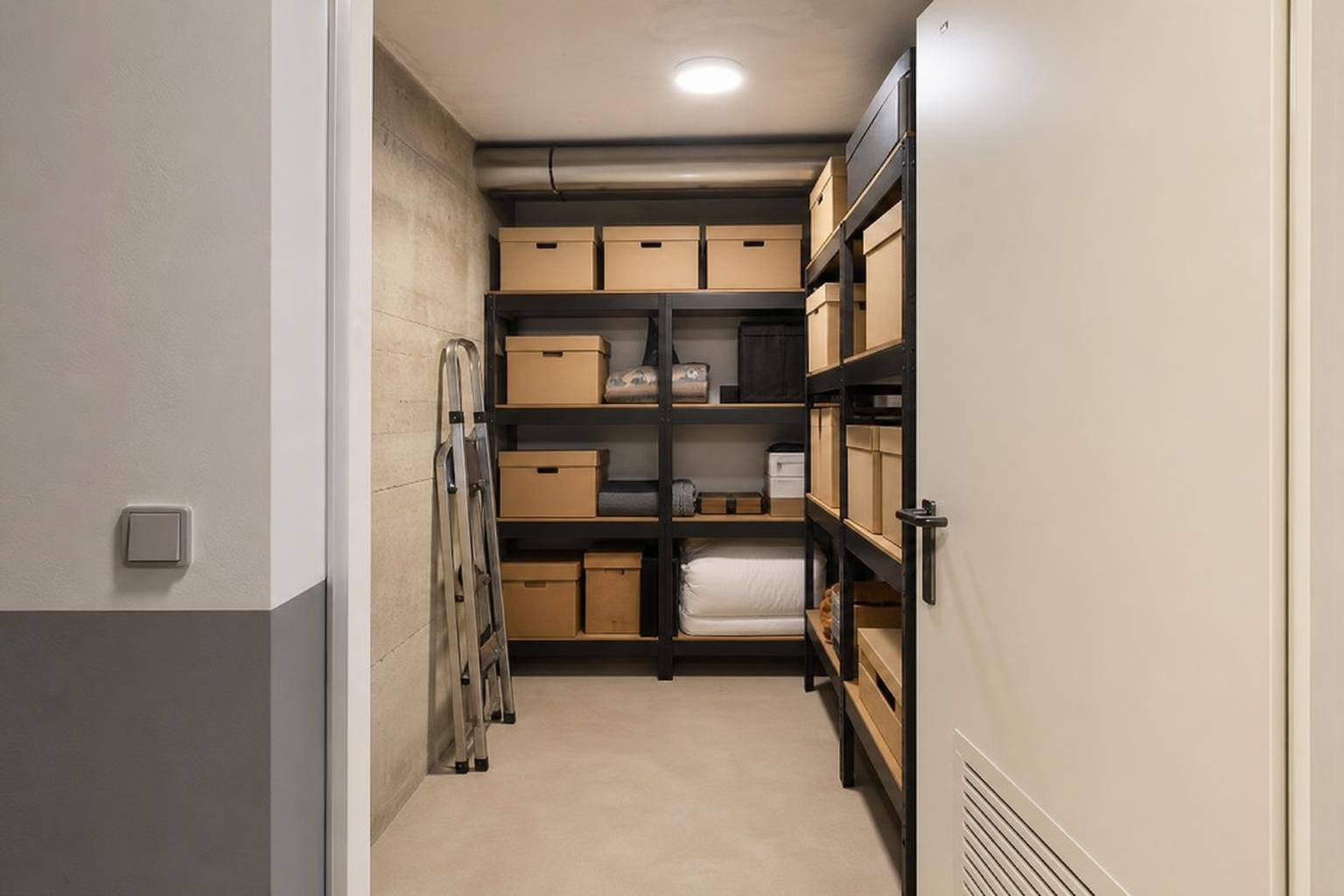
In a compact flat, the upper part of an entrance cupboard can be a sensible choice, provided it is not above a cooker, beside a heat source or close to plumbing. Enclosed balconies, sunrooms and unconditioned storage rooms are also poor choices: Lisbon’s summer overheating can turn them into unsuitable places for sensitive items. The DGS guidance on coping with hot weather is useful for identifying the parts of a home that heat up fastest.
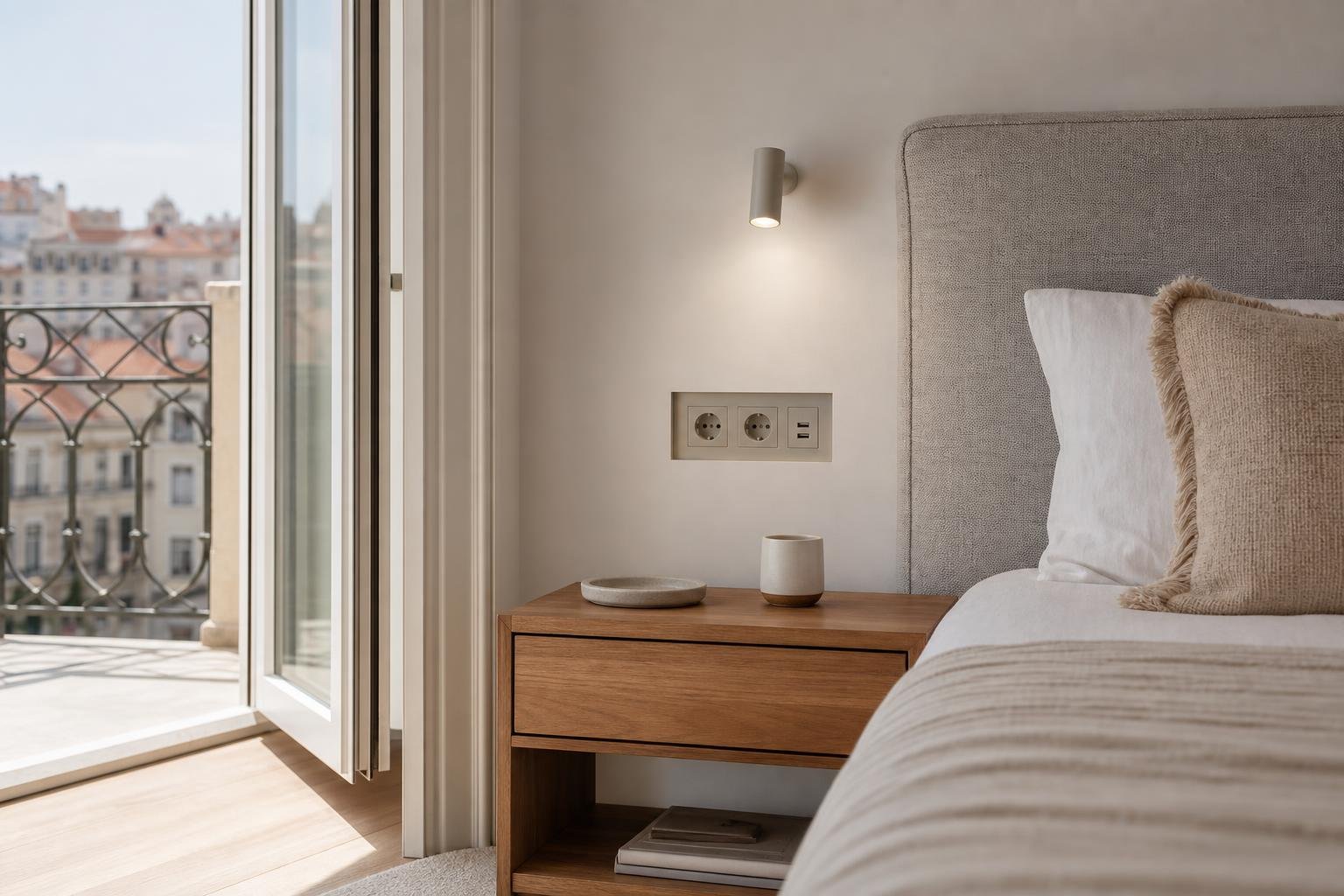
If the renovation includes new joinery, reserve a position that is easy for adults to reach without being on a child’s daily route. The right position should avoid the need to climb onto a chair while keeping medicines neither on display nor within easy reach when a low cupboard is opened.
Safety means a closed door, planned access and no mixed storage
A simple but reliable lock matters more than an elaborate organiser. The DGS advises that medicines, cleaning products and pesticides should be kept locked and out of children’s reach. Read its full advice on preventing accidents in children before deciding where the cabinet will go.
Do not share this storage area with detergents, paints, insecticides or washing-machine capsules. Even where space is tight, separating categories is a practical safeguard against mix-ups and spills. Do not transfer tablets, syrups or creams into decorative jars, food containers or unmarked boxes either. The original packaging carries the medicine name, dose, batch, expiry date and directions; without it, a cabinet that looks tidy can become less safe.
In homes with children, the lock should be fitted to the cabinet itself, rather than relying on a portable box left inside a drawer. For someone with limited mobility, the solution may combine a lockable door with a height that remains workable for the adult managing the medication. Safety does not mean hiding everything somewhere impossible to reach in a genuine need; it means controlling access and making identification unambiguous.

Ventilation and materials: protect medicines without making a stuffy box
A medicine cabinet does not need open vents to the outside. It does need a dry, clean setting without persistent condensation. A standard cabinet door with normal manufacturing gaps, placed in a well-ventilated home, is generally better than a sealed box pushed against a cold wall. Do not place packs directly against an external wall where there are signs of mould, staining or condensation.
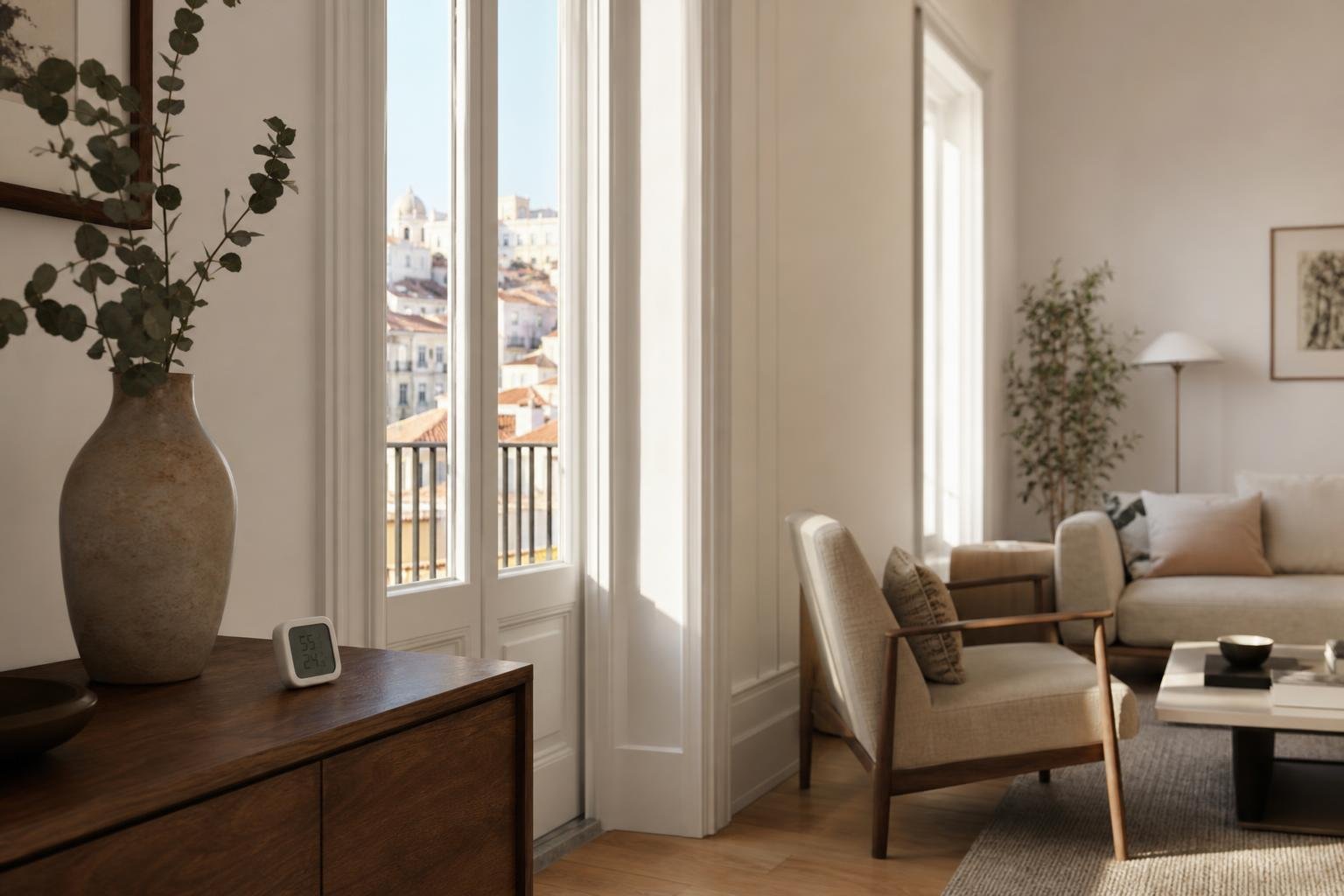
Choose stable, wipeable surfaces. Good-quality melamine, finished timber and painted metal can all work if the cabinet interior stays dry. Avoid fabric baskets, accumulated cardboard and absorbent linings. If the unit is in a windowless hallway, first consider how the home behaves by using a hygrometer at home, especially where there are musty smells or marks in corners.
Each medicine’s specific storage instructions always override the general rule of using a dry cabinet. In its guidance on medicines kept at home, the DGS highlights the need to manage space, light, temperature, humidity and security. Consult the DGS standard on storage in the home, then check the packaging and leaflet for every product.
Shelves and organisation that reduce mix-ups
Organise by use, not by colour or package shape. One shelf can hold first-aid supplies; another can hold an adult’s regular medicines; a third can hold children’s products, which should remain clearly separate. Keep frequently used items at the front, but do not combine medicines belonging to different people in one container. Where several people live together, an open tray for each person, marked with a first name and stored inside the locked cabinet, can reduce errors without removing any information from the original packs.
Do not fill the unit to the back. Moderate shelf depth lets you read packaging without emptying everything out; adjustable shelves accommodate tall bottles and low boxes; a small lip helps prevent tubes and bottles rolling when the door opens. Keep thermometers, dosing syringes and instructions with the relevant product, rather than mixing them with tools, batteries or cosmetics.
It is also helpful to allow for a clearly separate temporary area for products that need checking or disposal. This stops expired packs from accidentally returning to the active storage area. An arrangement is safer when everything can be seen at once, rather than having to identify loose medicines in a drawer.
Fridge storage, expiry dates and regular checks
Not every medicine belongs in the refrigerator. Only products whose packaging or leaflet specifies refrigerated storage should be kept there. The DGS explains, for example, that a vaccine taken home should remain in its packaging, between 2°C and 8°C, on a middle fridge shelf rather than in the door; see the DGS advice on storing the vaccine. The distinction matters: refrigeration without an instruction does not automatically improve preservation.
Carry out a calm review twice a year, such as before summer and at the start of winter. Check expiry dates, damaged packaging, medicines no longer needed, and products whose opening date affects how long they can be used. Do not use the review as a reason to create excessive reserves: a home medicine supply should meet real needs and current treatments, not operate as a warehouse.
When a medicine is no longer required, has expired or cannot be identified safely, do not keep it “just in case”. Ask a pharmacist for guidance on appropriate disposal. For wider decisions about storage, damp and upkeep, it is also worth connecting this small cabinet with the home’s overall ventilation rather than treating it as an isolated compartment.
Reorganising your home or planning new built-in storage? Obra Lisboa can help integrate technical storage, ventilation and day-to-day usability into a coherent renovation project. You can also explore ventilation in renovated homes before cabinets and finishes are closed up.
AI-generated editorial image; it does not depict an Obra Lisboa project.

Obra Lisboa