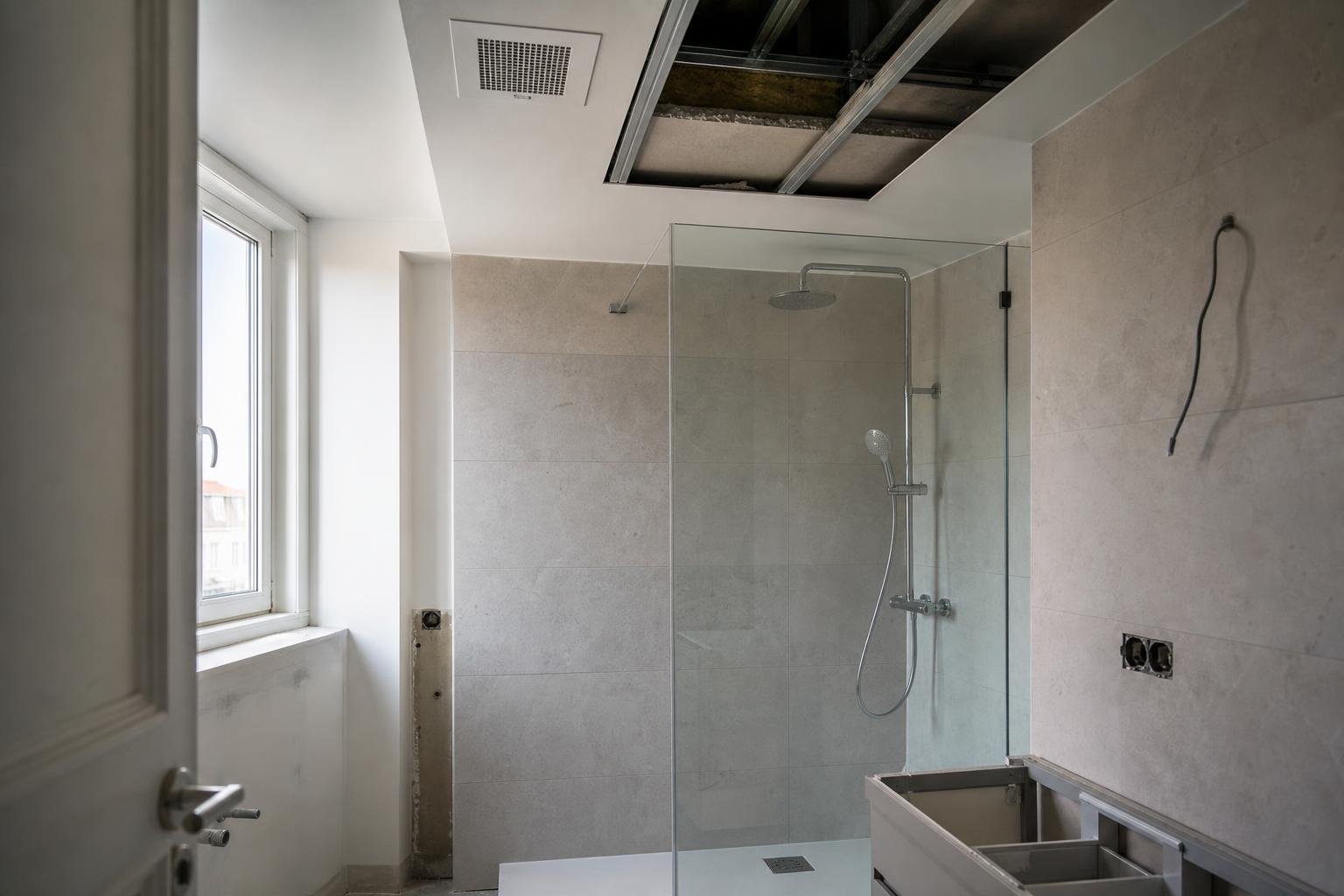

An empty home is not a paused renovation. It remains exposed to rain, heat, power cuts, slow leaks, unauthorised entry and rushed decisions made when nobody is there. In Lisbon, where many refurbishments take place in occupied apartment buildings with narrow access routes, one box left on a landing, one poorly secured window or one unattended temporary tap can turn a small oversight into an expensive problem.
The answer is not simply adding more locks or switching everything off. It is a practical plan: decide who may enter, which services must remain live, where materials are stored, how the property is checked and what happens when something is wrong. Portugal’s health and safety rules for temporary or mobile construction sites place planning at the centre of site safety. In an unoccupied home, that same discipline should cover access, temporary services and the relationship with the condominium.
Decide who holds keys and who can approve access
Before demolition begins, make a named list of people with access: the owner, site manager or foreman, each trade team, the condominium manager and, where useful, a nearby emergency contact. Avoid keys handed out without a record or left in letter boxes, plant pots and service cupboards. A lost key often means changing the cylinder at the exact moment the property is most exposed.
Set approval rules as well. A delivery should not provide entry for an unplanned team; a technician attending to measure should not automatically keep permanent access. If you use a coded key box, change its code when the project moves to a new phase or a team changes. Record the date, purpose and responsible person for any out-of-hours entry in a shared log or message thread.
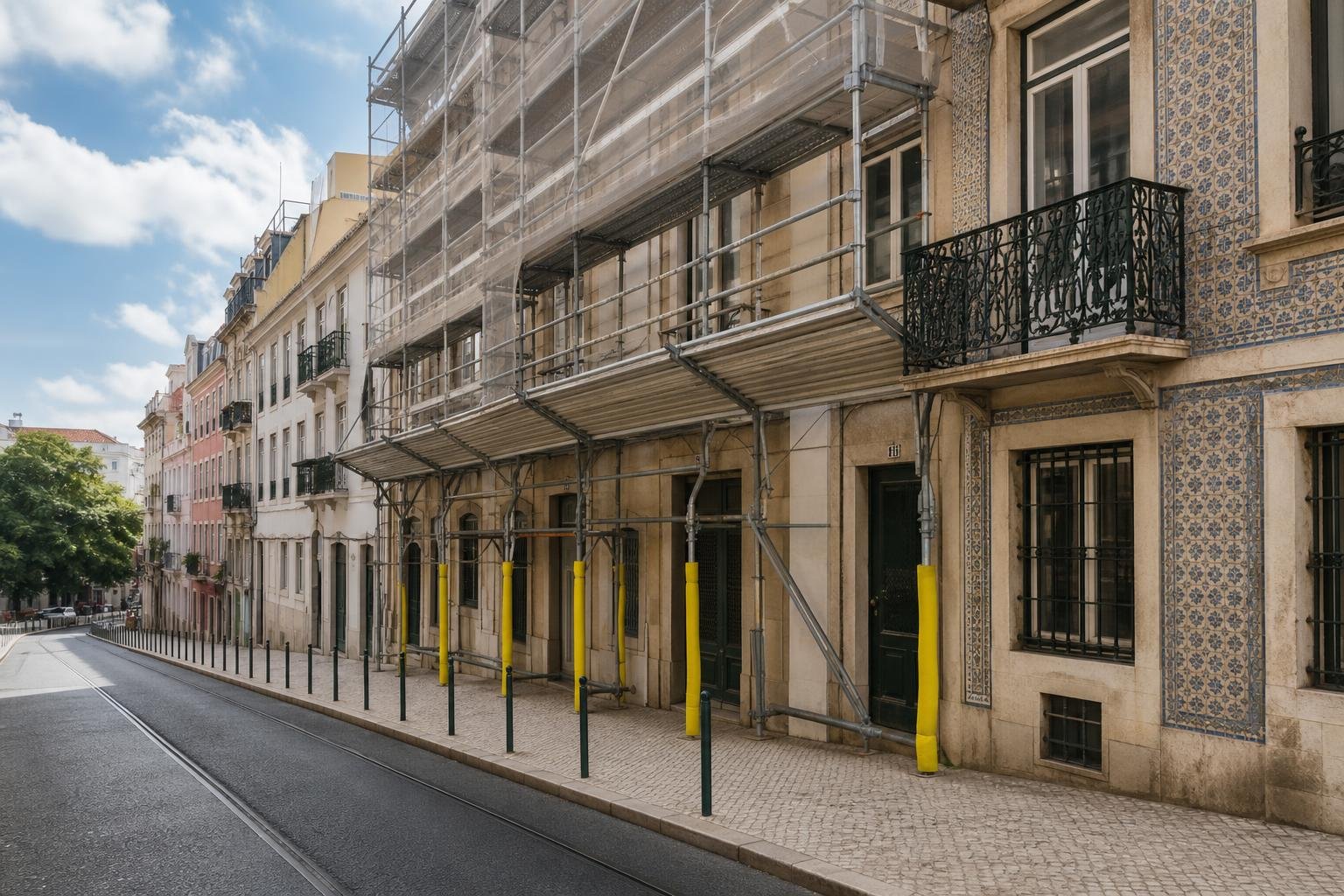
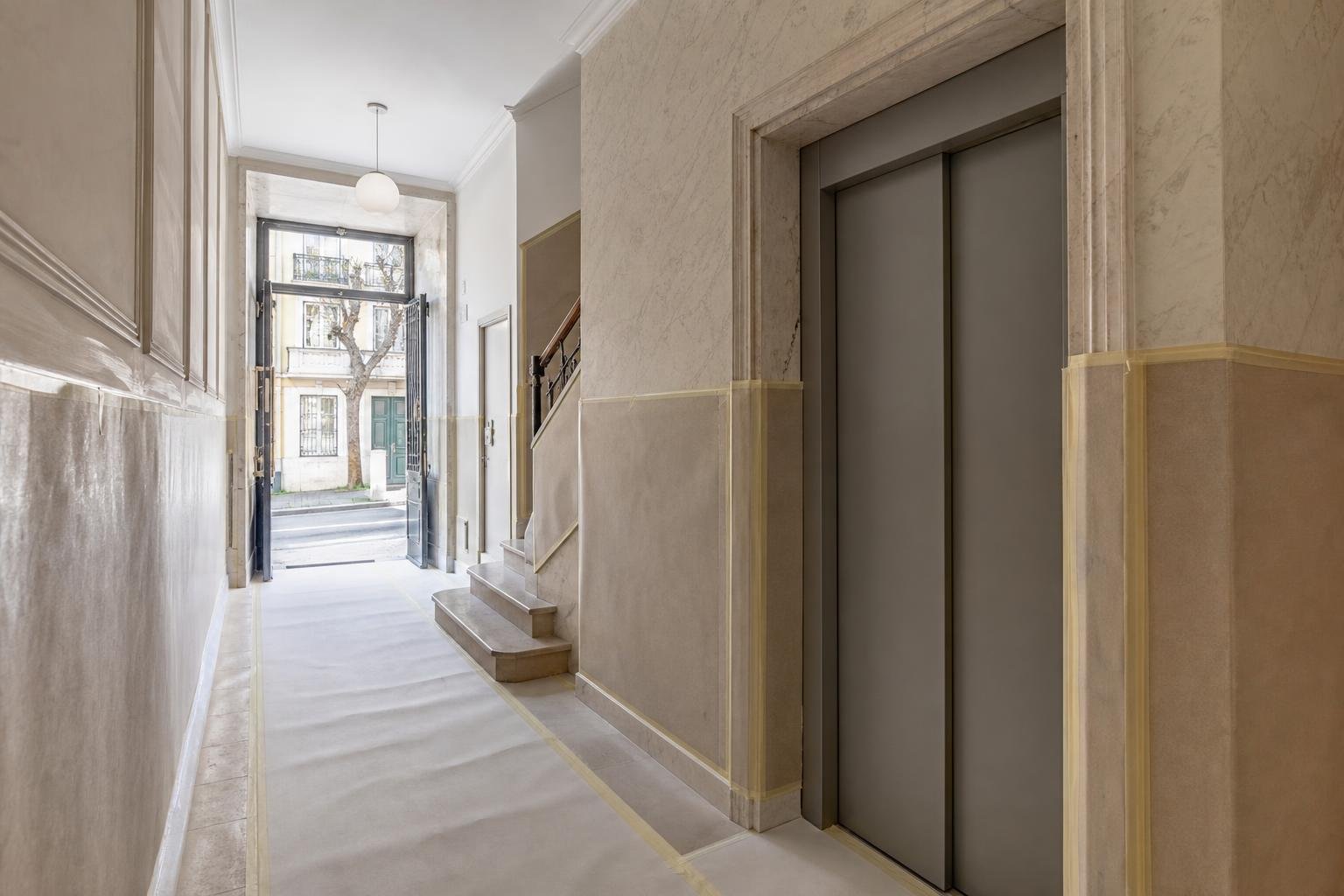
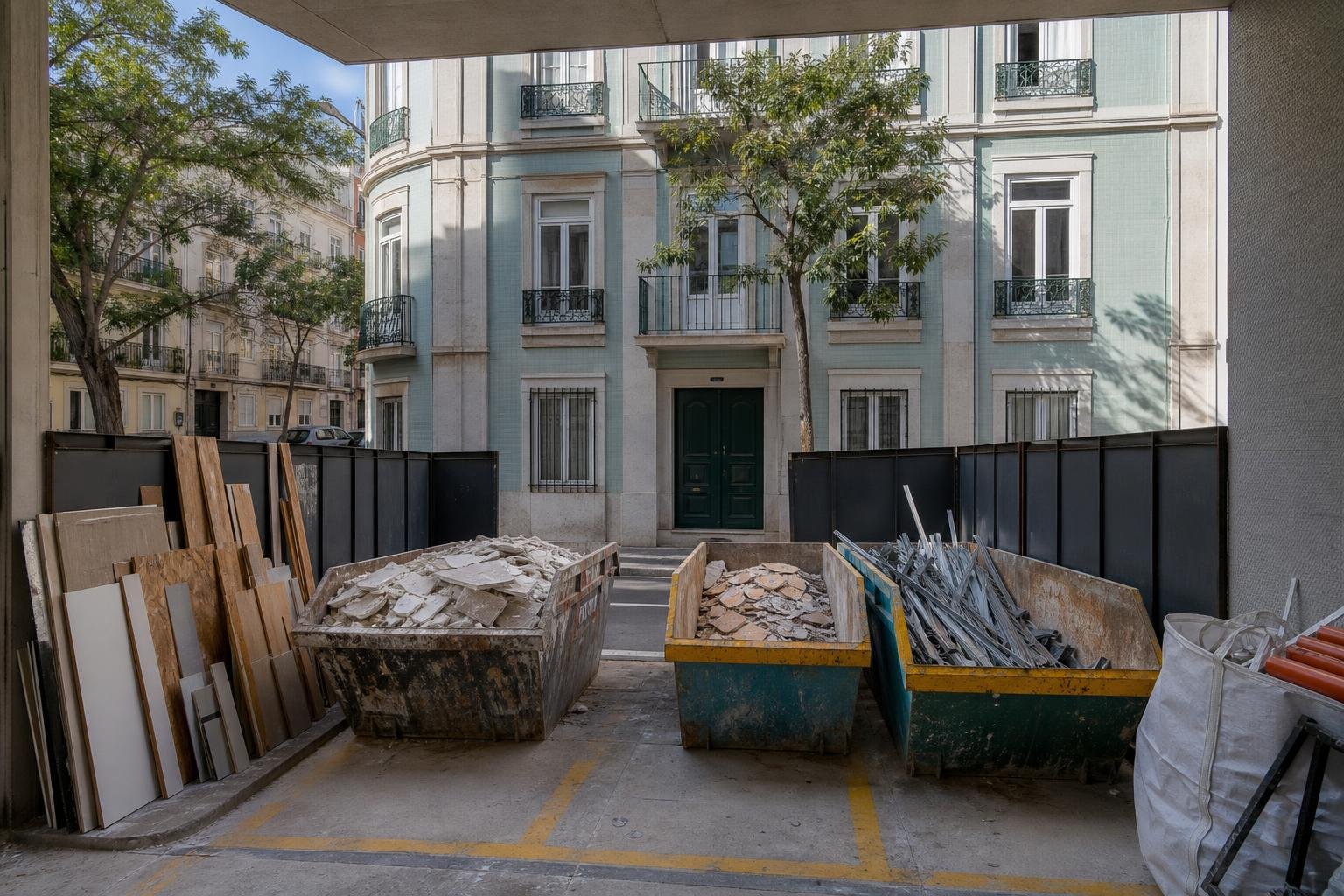
In apartment buildings, agree routes, lift use and protection of shared areas in advance. Where work involves materials, skips, barriers or equipment on the pavement, Lisbon City Council explains that even works exempt from prior planning control may require a licence or a public-space occupation notice. Check the position before the delivery vehicle arrives.
Well-managed access is not needless administration. It tells you who can respond quickly if an alarm goes off, a downstairs neighbour reports a leak or a door is found open after a technical visit.
Keep water and electricity on only where they are needed
Turning off the main water supply can make sense when a home will be inactive for several days, but it should not be automatic. Some projects require water for controlled cleaning, curing materials or testing installations. The key is to separate essential supply from supply that can be isolated. Identify the main stopcock, local isolation valves and points that remain live; label them clearly and keep them accessible.
If plumbing is open or being altered, do not leave temporary caps, exposed runs or improvised connections without a final check. Before leaving, inspect taps, toilets being fitted, appliance connections and the areas beneath sinks. A minor leak can go unnoticed in an empty flat and only become visible after it has damaged floors, ceilings or neighbouring homes.
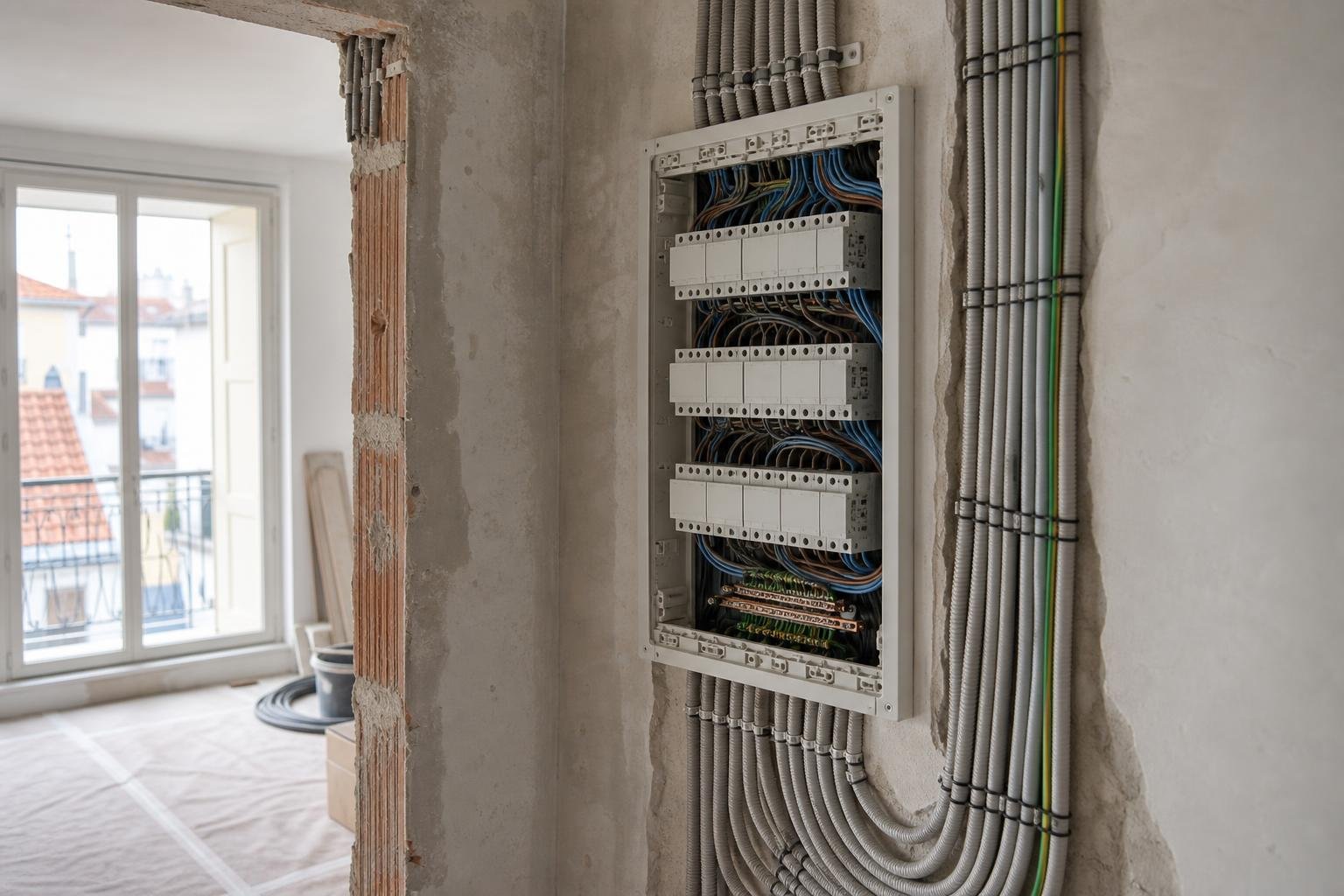
With electricity, retain only circuits with a clear purpose: safety lighting, a justified alarm system, monitoring equipment or tools that genuinely need power. Coiled extension leads, chargers left connected and an unlabelled consumer unit create risk and make a quick response harder. Everyone working there should know where the electrical panel is and how to isolate the installation safely. Site organisation and protection for anyone moving through the work area are central themes in Decree-Law no. 273/2003.
Protect the property from rain, wind and overheating
Renovation creates temporary weak points: removed windows, altered downpipes, partially exposed roofs, unfinished openings and drains without their final grilles. Do not rely on a favourable forecast as a reason to leave a critical point unfinished. Use suitable temporary protection, while checking that it does not direct water indoors, block drainage or become loose in wind.
Lisbon combines hot summers with periods of rain that demand proper attention to openings and drainage. IPMA climate normals for Lisbon show the seasonal variation in temperature and rainfall; use the 1991–2020 Instituto Geofísico climate normal as a planning reference, not as a forecast for the coming days.
If new windows are in place but exterior finishing is incomplete, do not leave the home empty without checking sills, tapes, seals and drainage points. If roof work is underway, confirm the fixing of membranes, temporary water discharge and the absence of loose materials. In summer, close openings exposed to direct sun where this does not compromise ventilation or security: an empty apartment can still overheat enough to affect adhesives, paint, timber and stored products.
Arrange an inspection after heavy rain or strong wind whenever the external envelope is still incomplete.

Store materials as stock, not as a pile of building supplies
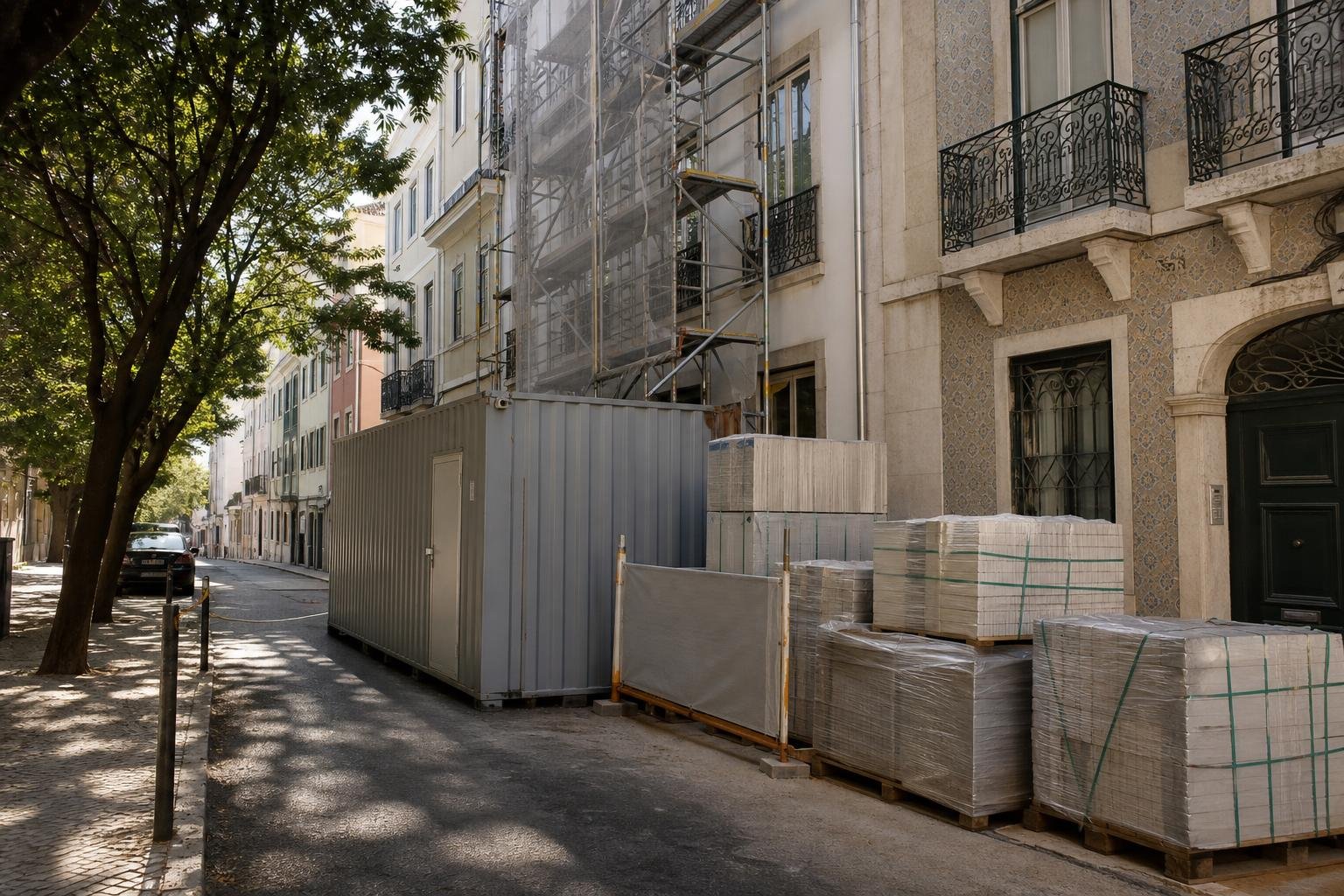
Materials delivered too early obstruct circulation, make inspections harder and increase exposure to theft, damp and accidental damage. Schedule deliveries around installation sequence: tiles and sanitaryware close to the fitting stage; hardware, equipment and small parts in locked storage; timber, doors and furniture away from damp walls and traffic routes.
Create a simple inventory with a delivery photograph, quantities, product reference, storage location and the person who accepted it. You do not need to turn the property into a professional warehouse, but you should be able to tell whether 20 boxes of tile arrived or 18, and whether the package beside the entrance contains a critical item or disposable supplies.
Do not place materials directly on newly finished floors or lean boards and doors against unprotected walls. With timber, vinyl or continuous finishes, trapped moisture under unsuitable plastic can be as damaging as an impact. See our guide to temporary floor protection during renovation before choosing what to cover and for how long.
Flammable products, solvents, foams and chemicals should remain in suitable, identified packaging and away from heat sources. Never store them in escape routes, landings or electrical cupboards.
Set a short inspection routine with fixed checks
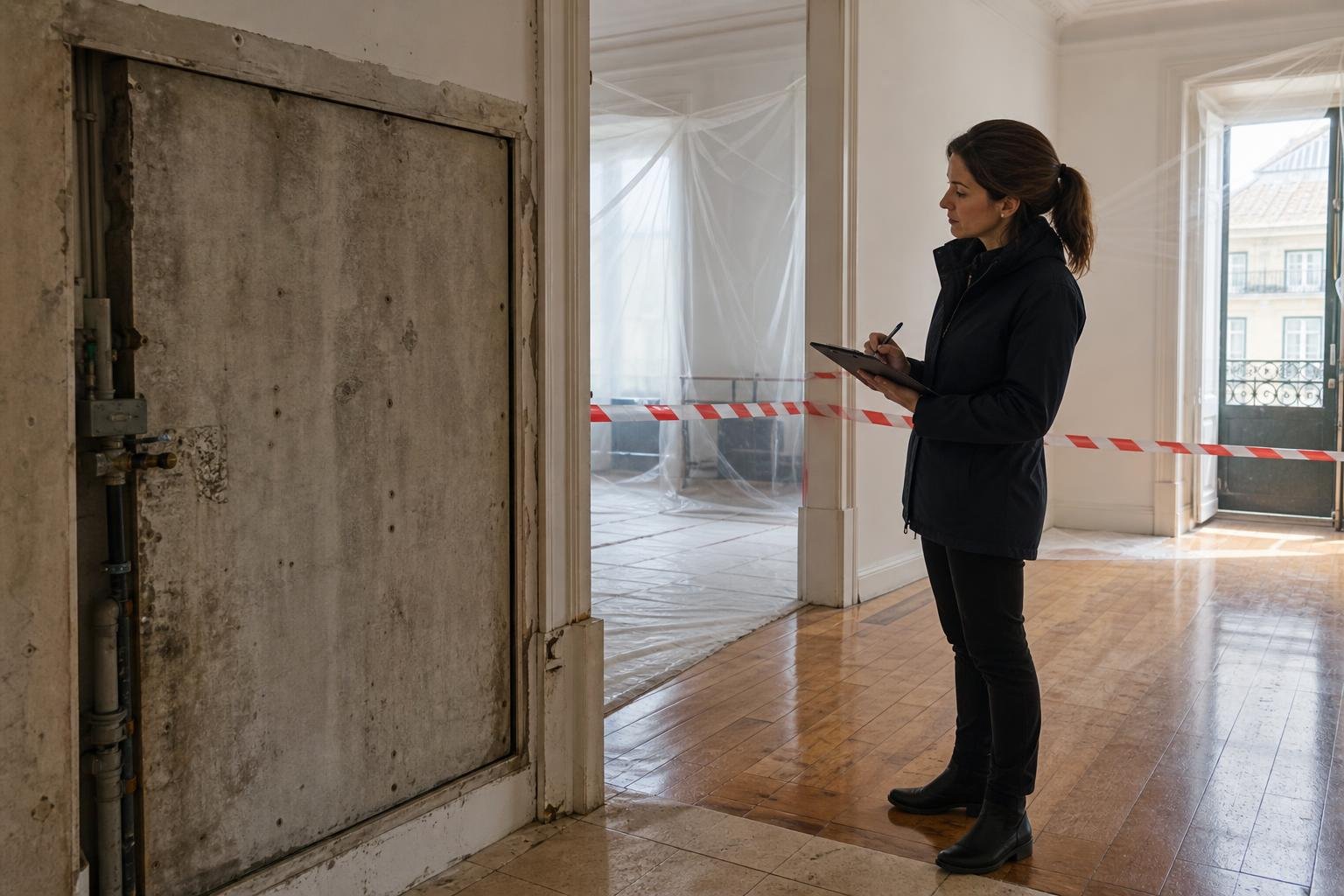
A useful visit is not a quick walk-through to see whether everything “looks fine”. Use a repeatable checklist: entrance door and locks, windows and openings, signs of water on floors or ceilings, drain odours, electrical panel, water stopcock, sensitive materials, shared circulation and the condition of temporary protection. Photograph key points from the same angle each time; it makes changes easier to spot without relying on memory.
Frequency depends on the phase. During demolition, service installation or external work, the property may need a daily check or a visit after specific events. In a stable phase, weekly may be enough where no active hazards remain. The mistake is keeping the same routine after conditions have changed: a closed property before window installation has different needs from one with chased walls, a newly fitted shower tray or an exposed roof.
Leave updated emergency contacts clearly available to authorised visitors. The responsible company must be identifiable at the site; IMPIC notes that, where applicable, the company should display a visible sign showing its business name and contractor licence number. Read the IMPIC inspection activity FAQs and confirm what applies to your project.
Protect neighbours and close every day as if work might stop
An empty home does not remove the effect of construction on the building. Noise, dust, open doors, poorly protected lifts and supplies in the lobby affect people who are still living there. Agree loading times, keep routes clear and notify the condominium manager when work may affect water, electricity or access.
At the end of each day, the team should store tools, close openings, remove loose waste, check taps and switch off equipment that does not need to remain energised. Do not leave ladders, blades, buckets of water or cables in accessible areas. This discipline reduces accidents and prevents an unplanned visitor — from the condominium, a delivery or another trade — entering an unsafe space.
If the project uses pavement space for supporting equipment, do not improvise its placement. Lisbon City Council’s information on public-space occupation for works exempt from prior control sets out specific procedures and refers to an information sign in a visible position where applicable.
Finally, review the contract and project plan: who is responsible for securing the site, accepting materials, reporting incidents and calling emergency support? These responsibilities should be clear before the home is left unattended for days at a time.
Planning to leave a Lisbon property empty during refurbishment? Clear responsibilities in a renovation contract help turn this checklist into a practical plan suited to the building and the stage of work.
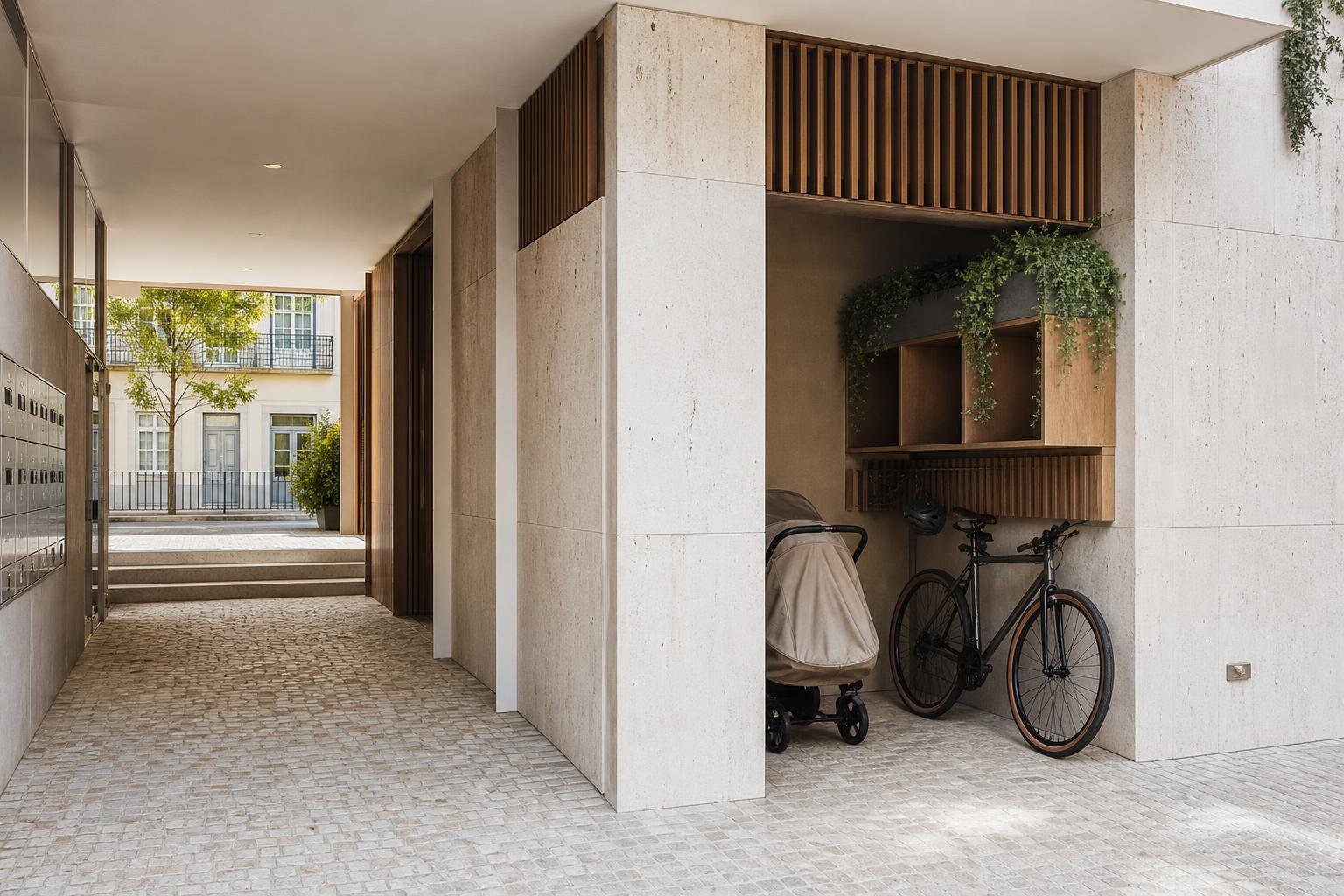
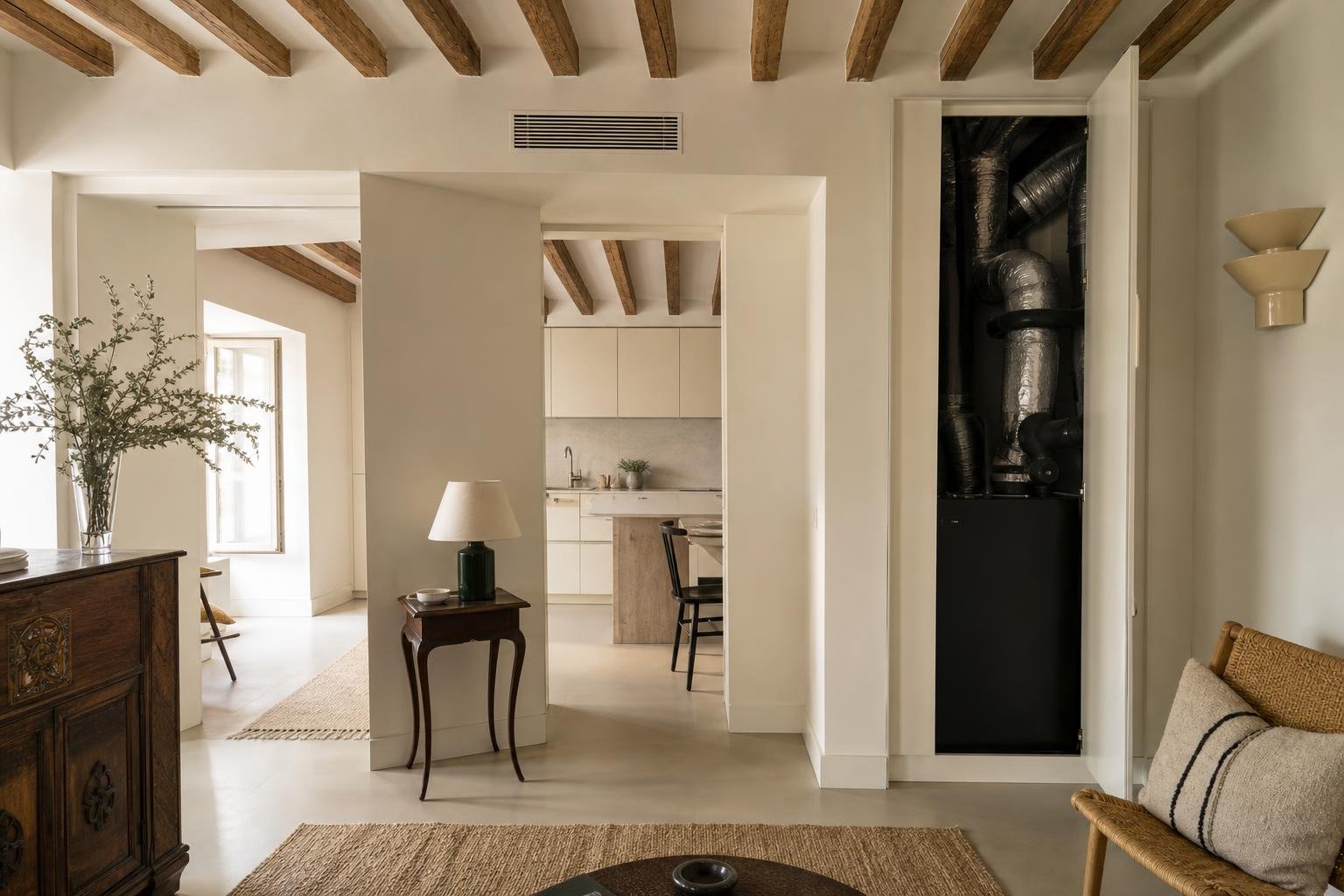
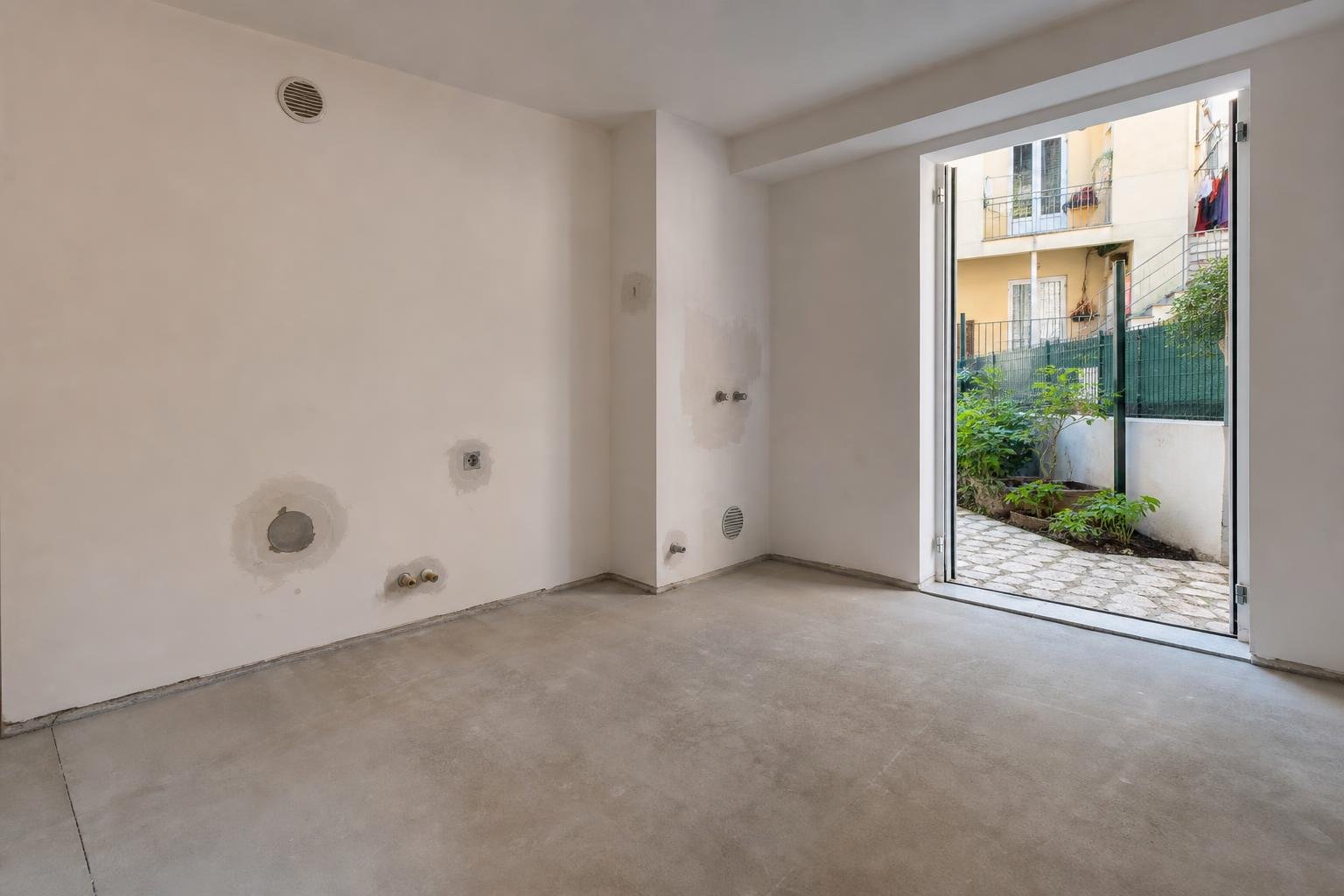
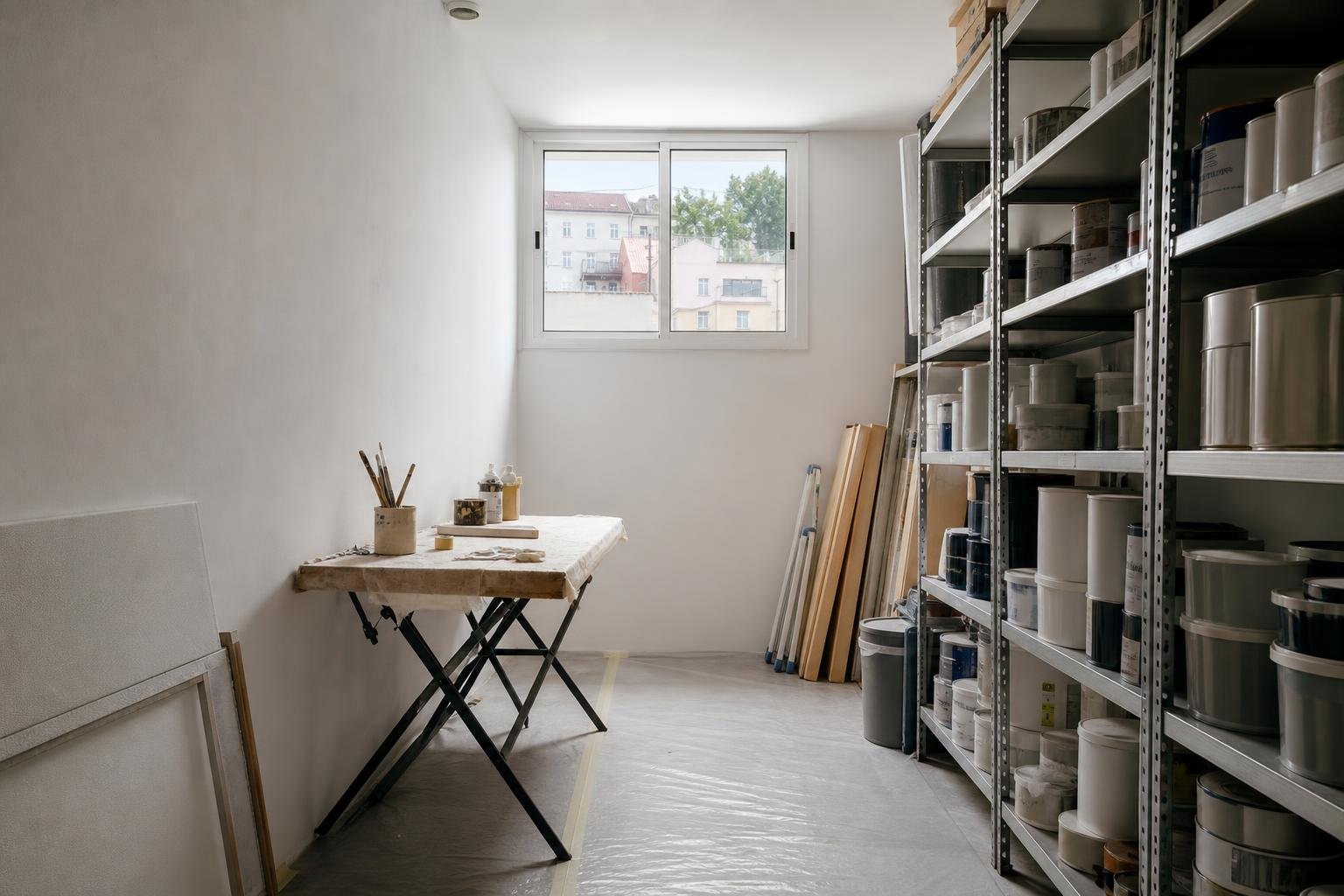
AI-generated editorial image; it does not depict an Obra Lisboa project.

Obra Lisboa