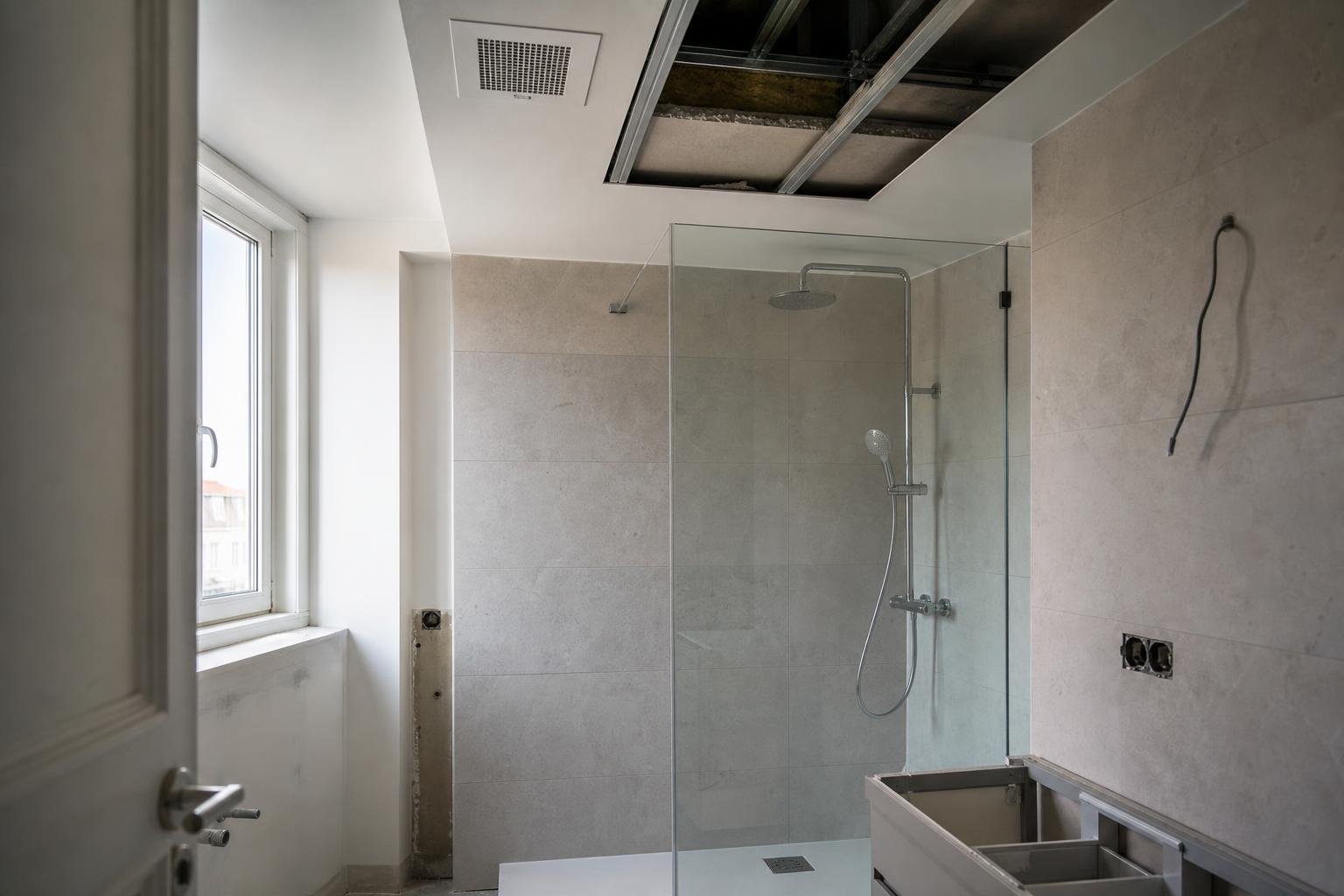
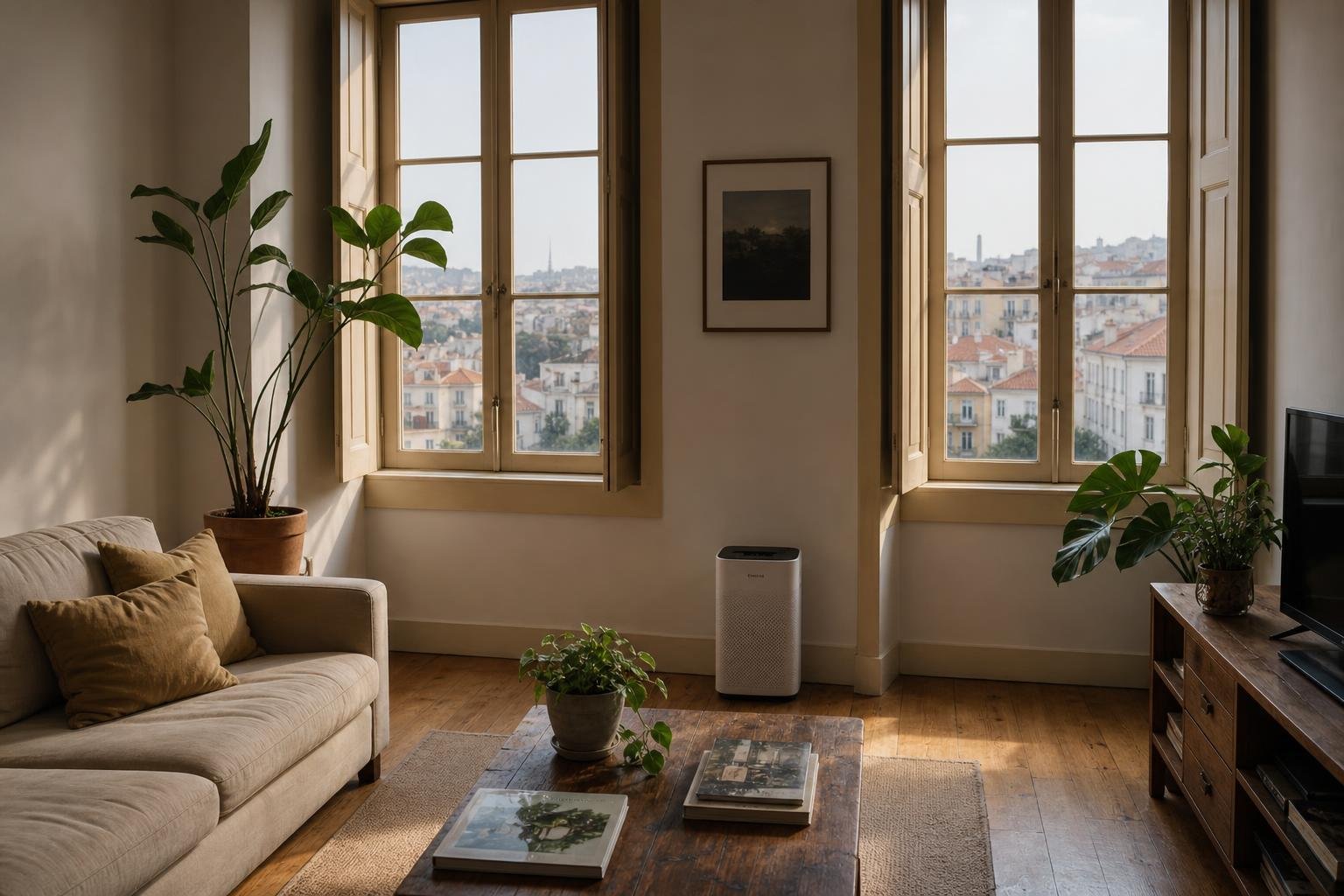
When wildfire smoke reaches Lisbon, simply closing a window does not solve everything. Outdoor air can enter through window gaps, roller-shutter boxes, ducts, doors facing shared areas and the normal daily use of the home. Yet keeping a flat completely closed for long periods can also make it hot, humid and uncomfortable. The useful response is not to turn the apartment into an airtight box: it is to prepare a temporary strategy that reduces particle entry without creating other indoor-air problems.
Portugal’s Directorate-General of Health advises people exposed to smoke to stay indoors with doors and windows closed, keep the space cool and use air-conditioning on recirculation where possible. It also advises avoiding combustion sources and activities that worsen indoor pollution. Read the DGS guidance on wildfire-smoke health effects.
This guide is for people living in Lisbon apartments who want to decide what they can do now, what to check at the next maintenance visit and which measures are worth including in a renovation. It does not replace official advice during a severe smoke event, or medical assessment if breathlessness, chest pain, dizziness or worsening respiratory symptoms occur.
Find the routes through which outdoor air actually enters
Start on a windy day, well before a smoke episode. Run your hand around opening sashes, the junction between frame and wall, shutter boxes, window sills and the entrance door. Noticeable draughts, excessive outside noise, dust collecting along trims or curtains moving when windows are shut are useful clues. They do not automatically prove a major defect, but they show where further checking is worthwhile.
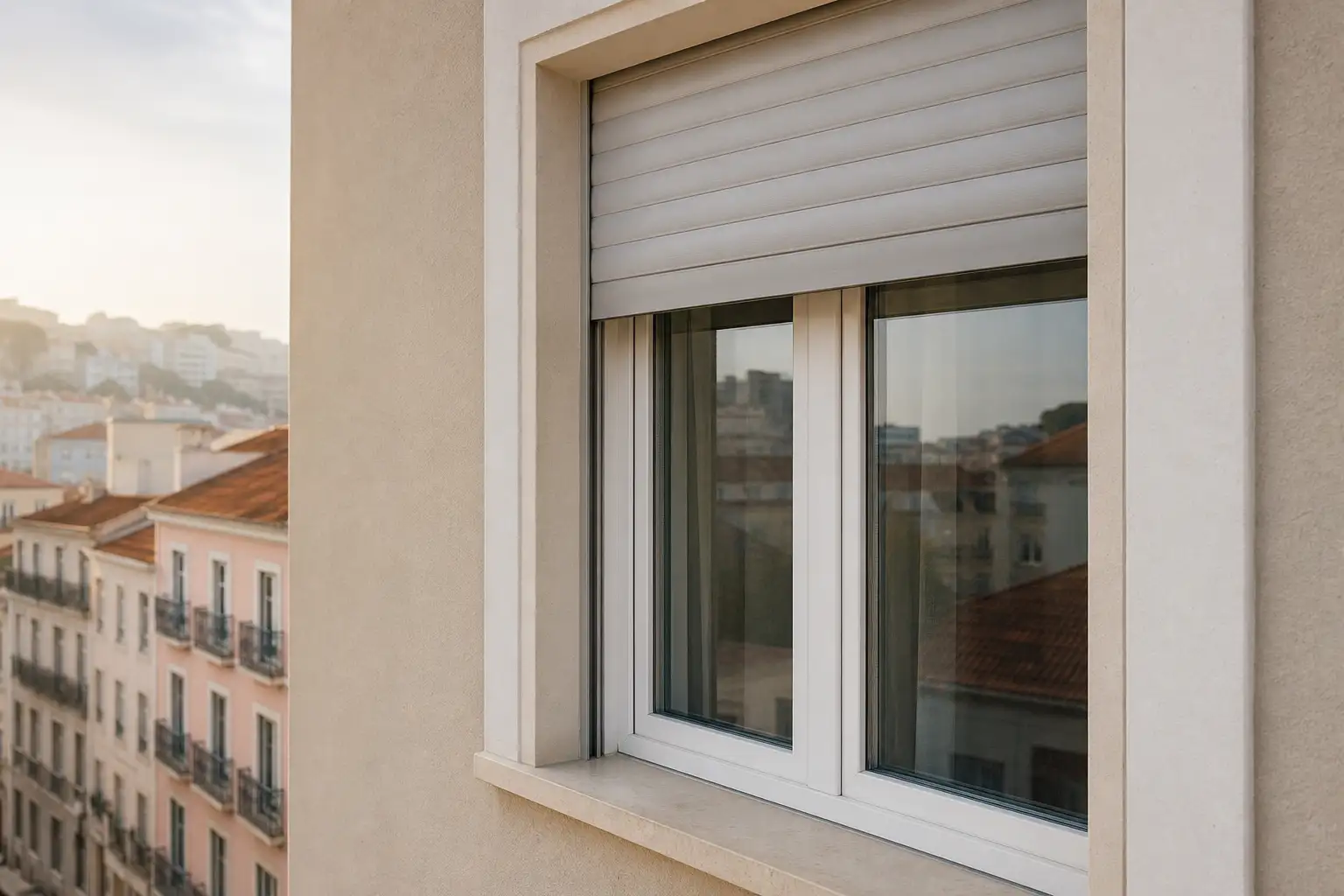
In older Lisbon homes, smoke and draughts often enter through several small gaps rather than one obvious opening. An uninsulated or poorly fitting roller-shutter box can matter as much as a worn exterior seal. Before replacing windows, establish where air leakage comes from and inspect the condition of surrounding finishes. Our guide to window sealant joints explains why cracking, detachment and loss of flexibility should be addressed without concealing drainage or fixing faults.
Do not block permanent air grilles or extract outlets with tape, foam or cloth. They may be part of the safe operation of gas equipment, kitchens or shared building systems. Instead, have them identified and focus on uncontrolled leaks: failed seals, gaps around frames, poorly finished service boxes and unsealed cable penetrations.
Set a routine for days when smoke is outside
During a smoke event, the priority is to reduce exposure without adding new pollutants indoors. Close windows, balcony doors and fireplace dampers where present. If you use air-conditioning, select recirculation only when the system genuinely offers that function, and keep filters and equipment properly maintained. Recirculation is not a remedy for a neglected or dirty unit.
Postpone frying, indoor grilling, candles, incense, smoking and DIY work involving paint, adhesives or solvents. The DGS notes that cooking, cleaning, smoking and burning candles or incense also degrade indoor air quality; the air in a home is shaped both by what enters from outdoors and by what happens inside. See the DGS overview of indoor air quality.
On very hot days, do not compromise the thermal comfort of vulnerable people simply to keep every opening shut. Young children, older residents and people with cardiac or respiratory conditions may need a different solution: a cooler room, well-maintained cooling or, where official advice calls for it, temporary relocation to a place with better conditions. Keep the household plan simple: who closes what, where official information is checked and which room stays most comfortable.
Use air cleaning and housekeeping without false reassurance
A portable air cleaner may help in the room where people spend most of their time, but it does not replace reducing polluted-air entry. Choose it according to the manufacturer’s stated room coverage, give it clear space around it and keep doors and windows shut while it runs. Do not hide it behind a sofa, inside furniture or beside curtains. If several bedrooms are occupied, set priorities rather than assuming one unit protects the entire flat.
Cleaning also needs a method. During smoky conditions, avoid dry sweeping because it lifts particles back into the air. Use a damp cloth on surfaces and maintain filters according to the manufacturer’s instructions. Vacuuming may be appropriate later if the appliance is in good condition and does not release dust back into the room; while outdoor air remains poor, limit tasks that create particles indoors.
Do not rely on strong air fresheners to cover the smoke smell. Smell is not a reliable measure of risk, and adding fragrances or aerosols makes indoor air more loaded. The sound approach is a combination of temporary closure, fewer indoor sources and careful maintenance. The DGS recommends ensuring the proper cleaning and operation of ventilation and air-conditioning systems. Read the DGS general indoor-air recommendations.
Include windows, shutters and ventilation in the renovation brief
A renovation is the best moment to solve details that would otherwise remain hidden. When work affects a façade opening, window or roller-shutter box, ask for the whole assembly to be considered: frame, sill, exterior drainage, seals, box insulation and future maintenance access. A high-performing new window loses part of its benefit if it is installed with gaps or if the shutter box remains a route for air and noise.
There is an important balance to keep. Improving airtightness reduces unwanted infiltration, but it does not remove the need for fresh-air renewal under normal conditions. Plan ventilation that can operate in a controlled way rather than relying on random gaps. In apartments with ongoing condensation, mould or odour issues, identify the cause before sealing everything. See Obra Lisboa’s guidance on ventilation in renovated homes.
If proposed work changes visible façade elements, windows, ducts or shared components, check condominium requirements and the applicable planning framework first. Technical decisions need to respect the building, neighbours and urban rules, especially where façades are historic or visually coordinated.
Make a short checklist before the next fire season
You do not need to buy a large collection of equipment to be better prepared. Begin with maintenance and decisions:
- check seals, hardware and closing pressure on windows and balcony doors;
- service and test air-conditioning before hot weather, including recirculation where available;
- confirm that roller-shutter boxes close properly and remain accessible for maintenance;
- identify grilles that must not be blocked;
- keep filter and equipment instructions somewhere accessible;
- choose a cooler room for children, older people or residents with greater respiratory sensitivity;
- schedule repairs to leaks, cracks and worn finishes before summer.
The goal is not to live with the home permanently sealed. Under normal conditions, a home needs adequate ventilation; during exceptional smoke conditions, it needs to reduce outdoor-air entry for a few hours or days. Keeping those two situations separate avoids two common and ineffective responses: leaving everything open out of habit, or indiscriminately sealing elements needed for safety and ventilation.
If you are planning work on windows, roller-shutter boxes, ventilation or cooling in a Lisbon apartment, Obra Lisboa can help organise the technical decisions before walls are closed or materials are ordered.
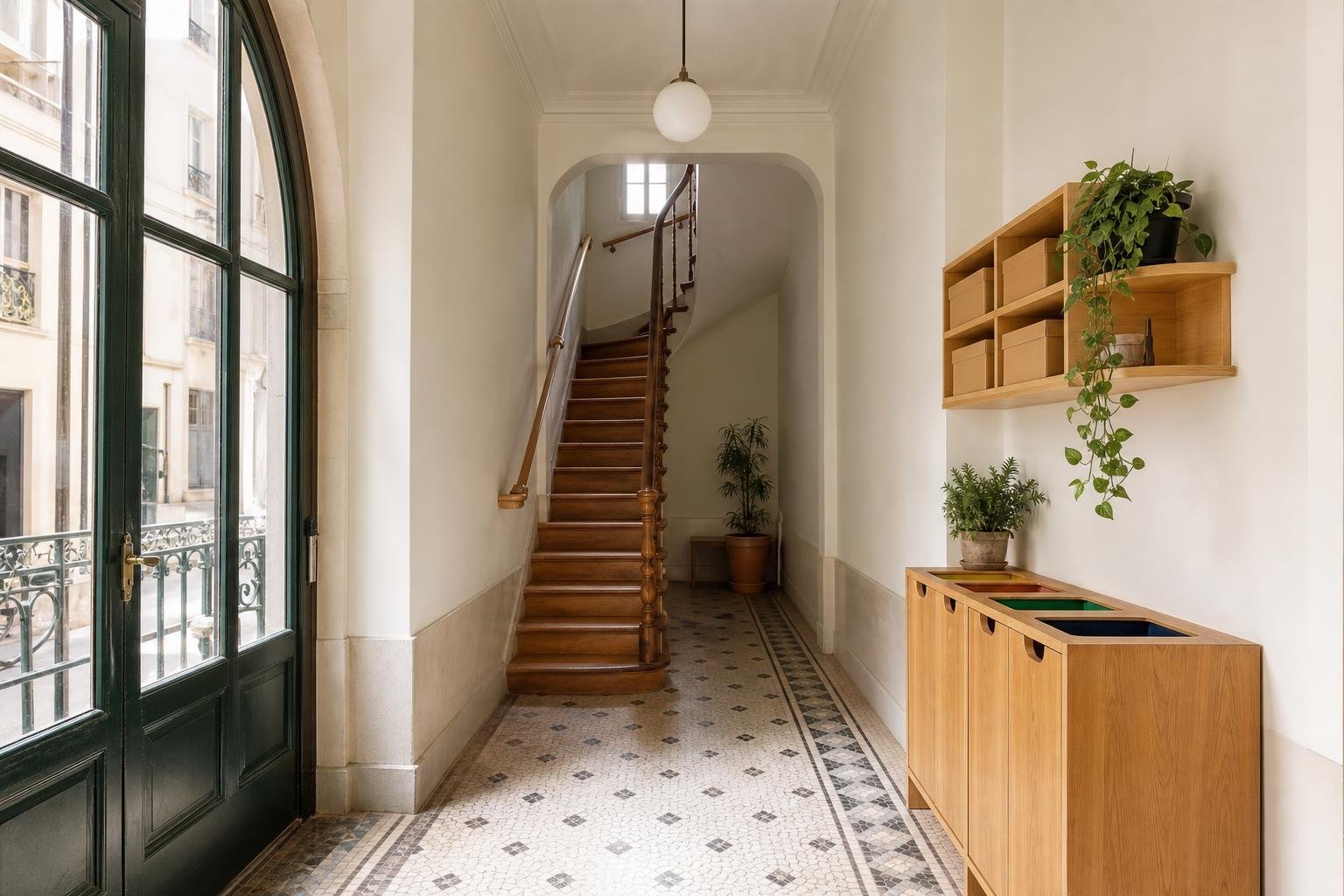
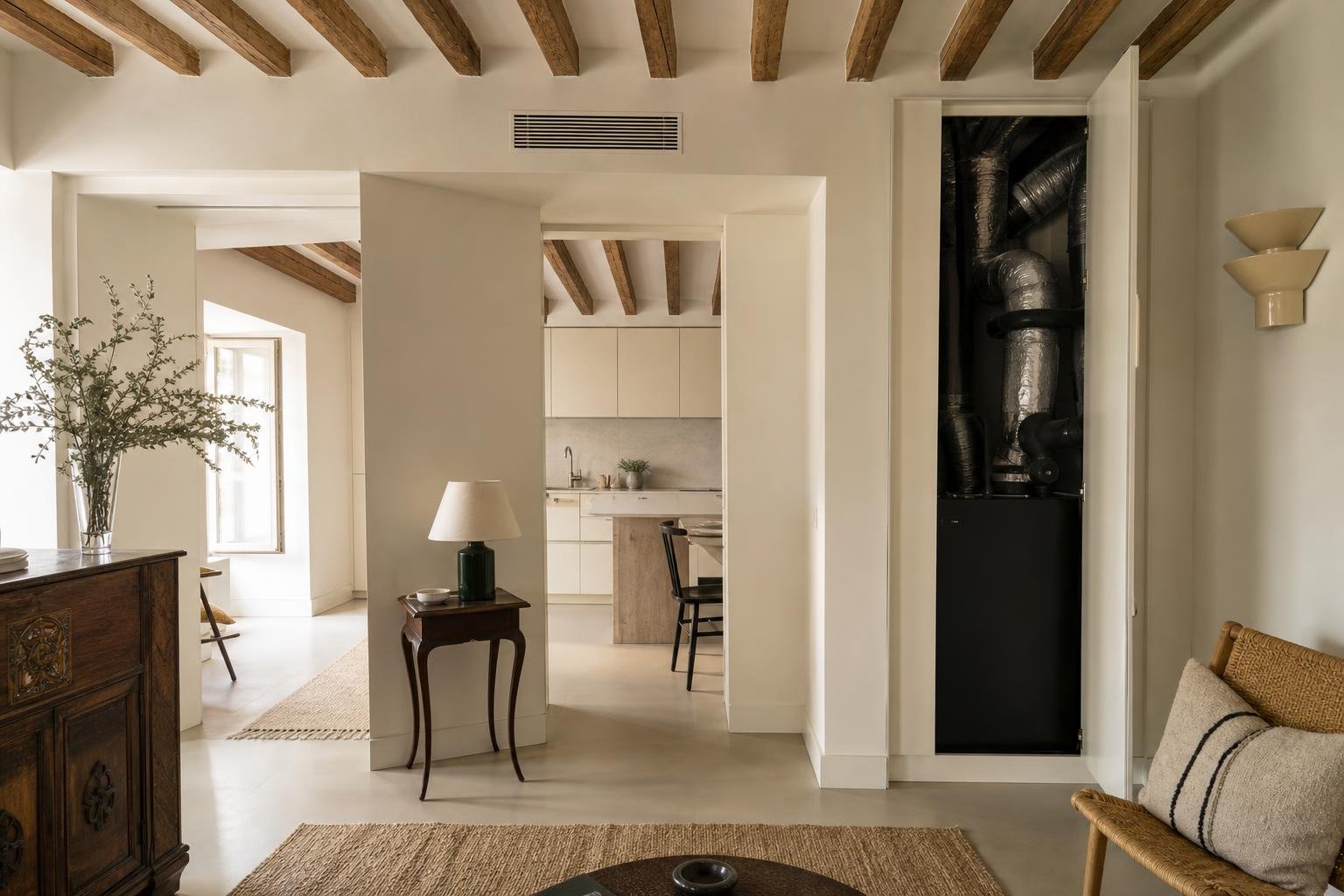
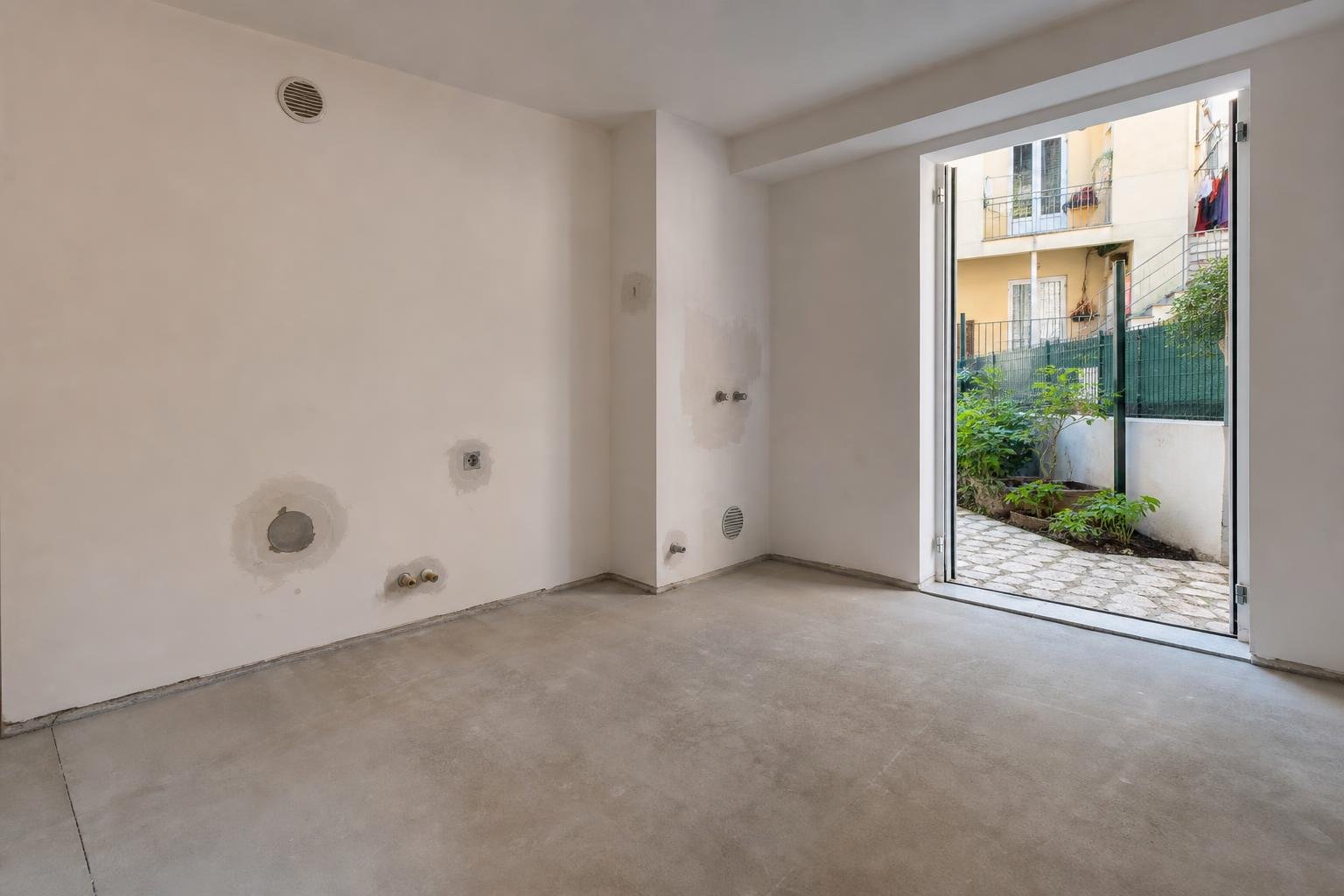
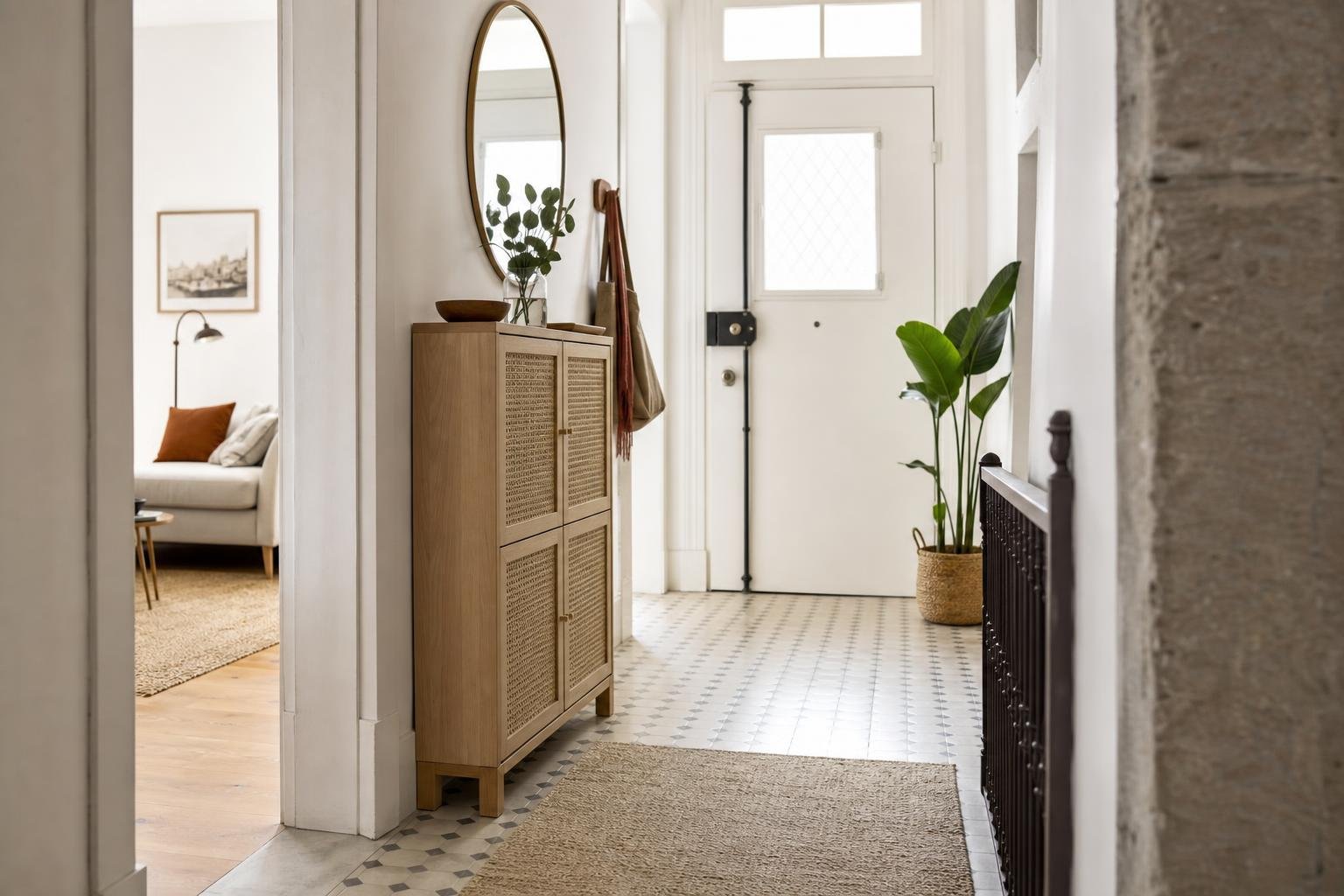
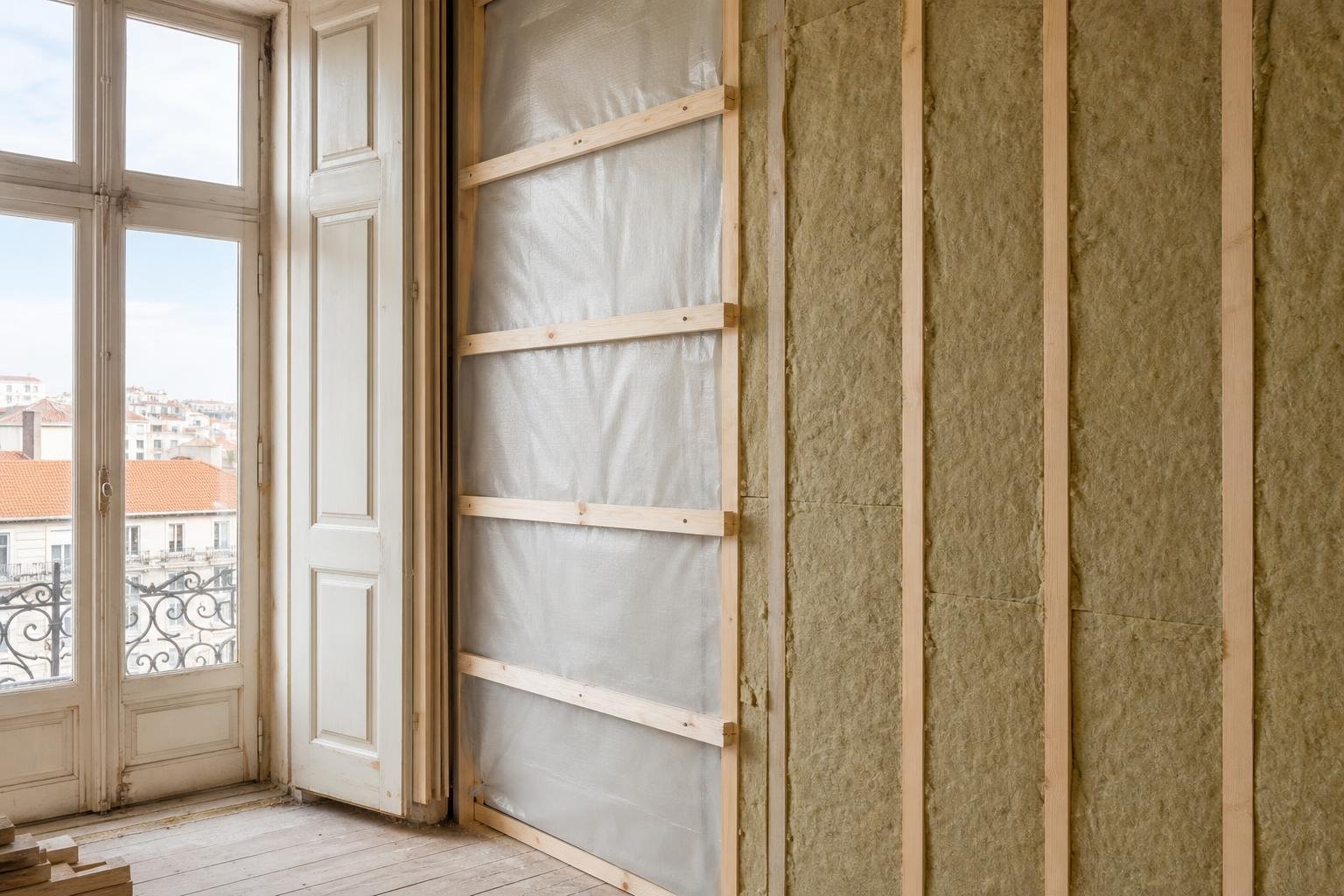
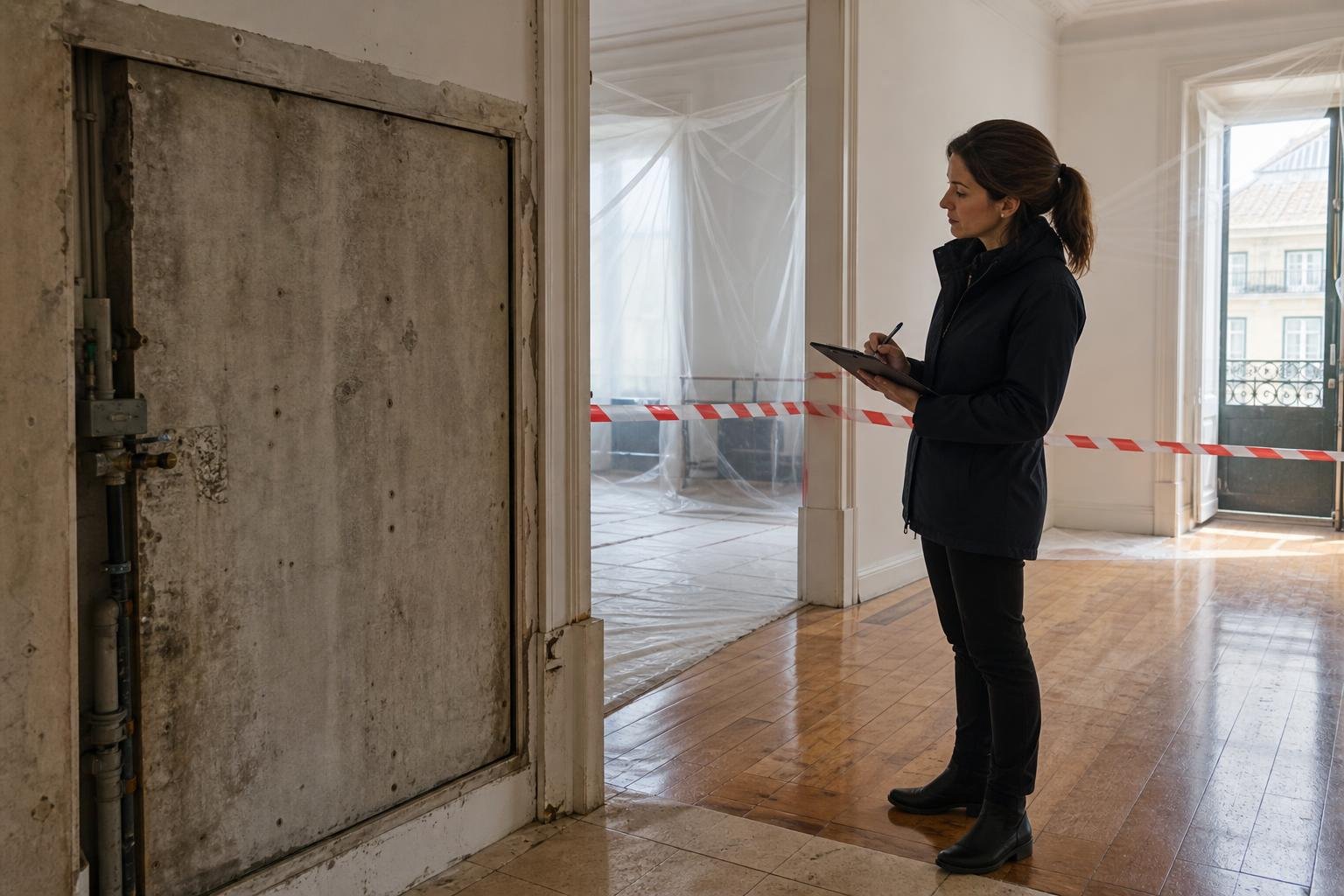
AI-generated editorial image; it does not depict an Obra Lisboa project.

Obra Lisboa