
A bedroom that holds heat late into the evening will not usually be fixed by buying a fan in a hurry. In many Lisbon flats, the issue starts with sunlight on the glazing, continues through shutter boxes and exposed walls, and becomes impossible to ignore at bedtime. A well-planned renovation should reduce heat gains before it uses more energy to remove them.
This is an increasingly practical concern. The IPMA climate bulletin for summer 2026 classified it as Portugal mainland’s third hottest summer since 1931. The useful approach is not to copy a catalogue solution. It is to establish when the room warms up, where the heat enters, and which works suit the building, the condominium and the budget.
Map the heat before you buy equipment
During a few hot days, note the bedroom temperature in the morning, late afternoon and before bed. Record which windows receive direct sun, whether outside air cools down at night, and whether the room sits below the roof. This simple exercise separates very different situations: a west-facing façade receives late heat; a room below a roof slab is affected chiefly from above; an internal room may retain heat because air is not renewed.
Look for straightforward clues: curtains that feel hot to the touch, a wall that still releases heat after sunset, stagnant air when the door is opened, or a window receiving direct sun for hours. Photograph these weak points before requesting quotations. It helps create a combined solution rather than treating window replacement as the answer to every problem.
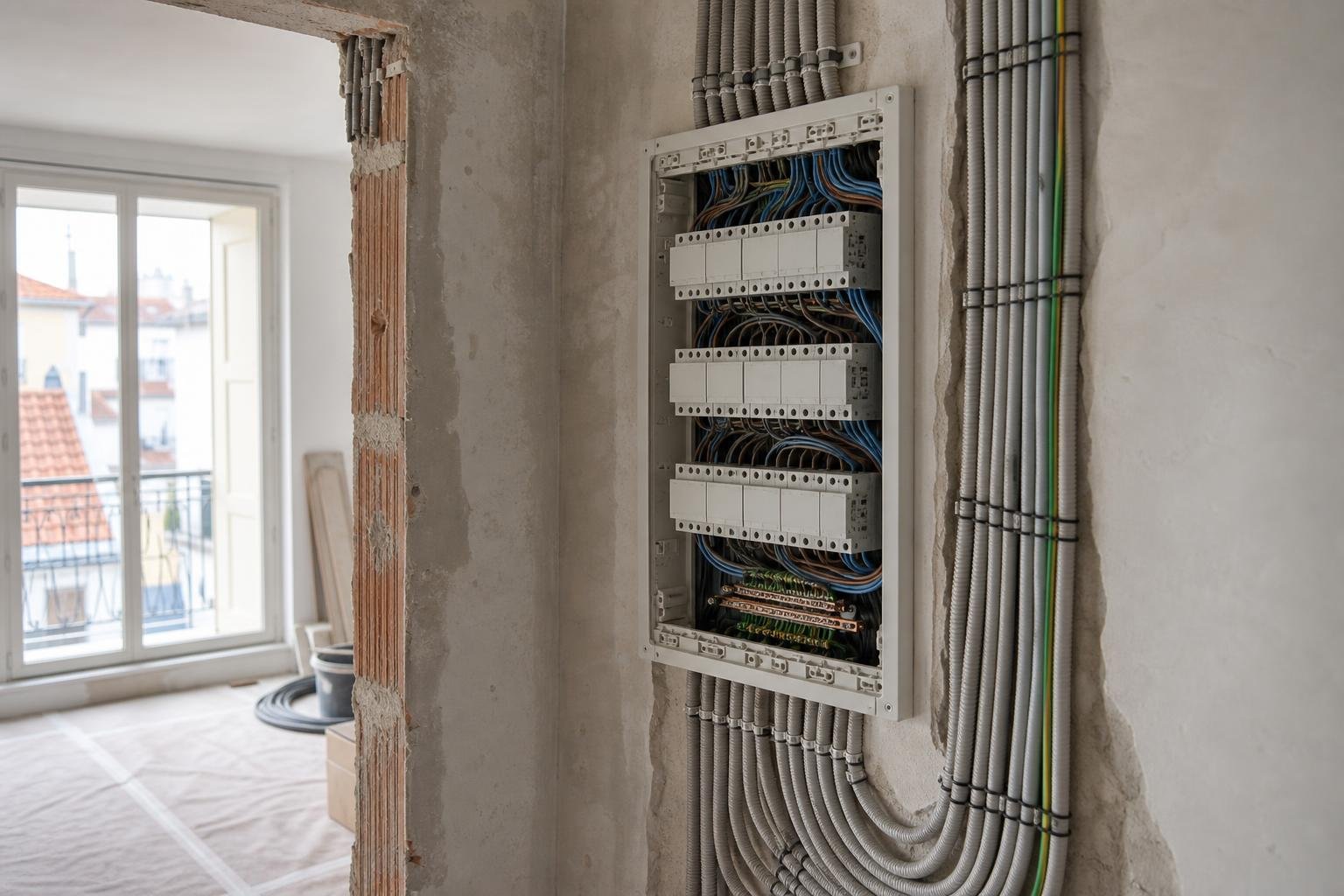
Where work involves several trades, coordinate this assessment with the layout of outlets, lighting and furniture. See Obra Lisboa’s guide to planning sockets and switches before walls are closed.
Stop sunlight outside the glass whenever possible
For a bedroom with glazing facing east, south or west, external protection is generally the first measure to consider. Shutters, timber shutters, external screens or carefully integrated awnings intercept solar radiation before it passes through the glass. Internal curtains, by contrast, improve glare control and privacy but receive heat once it is already in the room.
ADENE identifies shading as a key strategy for limiting summer solar gains, combined with natural ventilation when outdoor air is cooler. Read its explanation of summer thermal comfort. In an apartment, check first whether the proposal alters the façade, external colour, balcony fixings or shared elements. A smart-looking option that cannot be approved or maintained is not a sound renovation decision.
West-facing windows deserve particular attention to adjustable shading: low late-afternoon sun is difficult to manage with a fixed horizontal overhang.
Use night ventilation as a deliberate sequence
Cross ventilation needs both an air inlet and an air outlet; a single half-open window is not automatically enough. If the bedroom is on one façade and the hallway connects to another, cooler opening, test a temporary air route through the home. Close the windows in the morning, before outside air warms up again and before direct sun reaches the glazing.
Do not rely on this approach when outdoor air remains hot, noise is excessive, smoke or dust is present, or security is compromised. Renovation work can help by allowing suitable under-door clearance, discreet transfer grilles where justified, and accessible shutter controls beside the bed. If acoustic privacy matters, explore interior doors and acoustic seals.
Portugal’s energy-performance rules consider the building envelope, ventilation, comfort and cooling needs together; they should not be treated as unrelated parts. See the Energy Performance Regulation for Buildings.

Assess the window as a complete assembly, not just the glass
Replacing windows may be justified, but the decision needs to include glazing, frames, shutter boxes, sills, sealants and the opening method. A new window with a poorly resolved shutter box or failed perimeter seals can leave the main discomfort untouched. Before ordering, ask how water-tightness, shutter-box insulation, planned ventilation and future maintenance access will be handled.
Choose the opening type for everyday use. A tilt-and-turn window can support measured ventilation; a sliding window saves space beside a bed but offers a different effective opening area. In a bedroom facing a noisy street, compare acoustic performance too, as well as whether solar protection can work without forcing the window fully open.
When replacement forms part of wider work, read our practical guide to replacing windows during a Lisbon renovation before the specification is finalised.
Do not overlook the roof, walls and thermal weak points
On a top floor, a bedroom can overheat even with a good window. The roof, slab, gable wall or a poorly integrated enclosed balcony may store heat for hours. The priority is not to add material indiscriminately. It is to identify the existing construction, check for water ingress, and study insulation continuity.
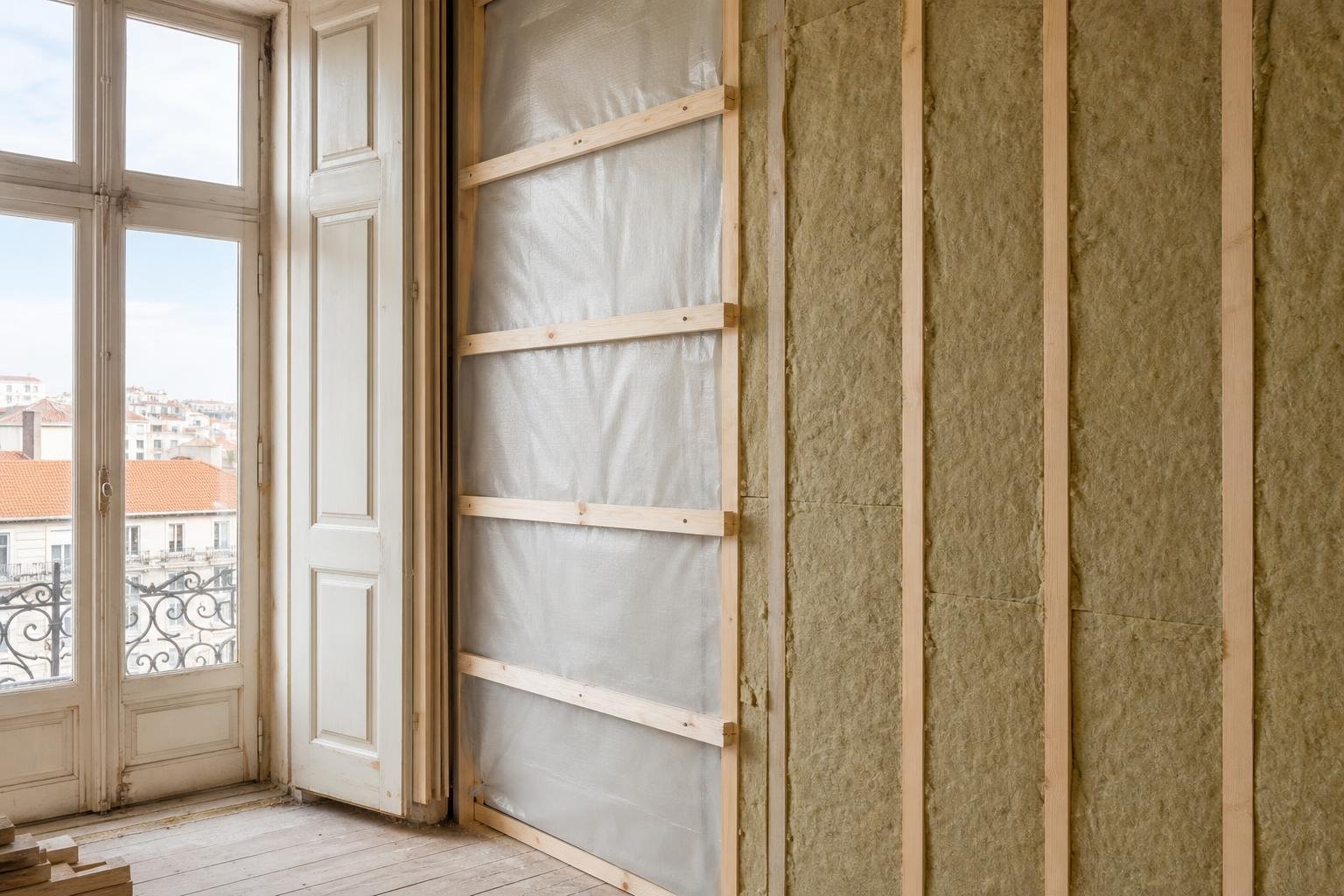
Internal insulation can reduce heat gains, but it changes how a wall handles moisture and requires care at ceilings, partitions and window reveals. Where there is damp, mould or cracking, establish the cause before closing the area with lining boards. A measure that reduces heat while trapping water in a wall simply creates a different problem for the next season.
Ask for a solution that clearly shows build-ups, junctions, electrical boxes and curtain positions. These details determine whether the room genuinely becomes more stable or merely looks finished on handover day.
Air conditioning and fans come at the end of the sequence
Once sunlight has been controlled, ventilation improved and weak points in the envelope addressed, it is easier to size air conditioning sensibly. The indoor unit should be positioned with the bed in mind: sleeping in a direct air stream is rarely comfortable. Plan pipe runs, condensate drainage, electrical supply, cleaning access and an outdoor location that respects noise and building rules.
A ceiling or portable fan can improve perceived comfort when used well, but it does not lower the room’s air temperature. For people more vulnerable to heat, renovation choices should sit alongside safe routines. The Directorate-General of Health heat guidance recommends protective measures during periods of intense heat, including avoiding exposure during the hottest hours and using cooler places where necessary.
The aim is straightforward: stop relying on a system running at full stretch every night.
Planning a renovation because your bedroom becomes too hot in summer? Obra Lisboa can help turn what you observe in the space into a coordinated scope of works, bringing shading, windows, ventilation, electrical planning and finishes together.
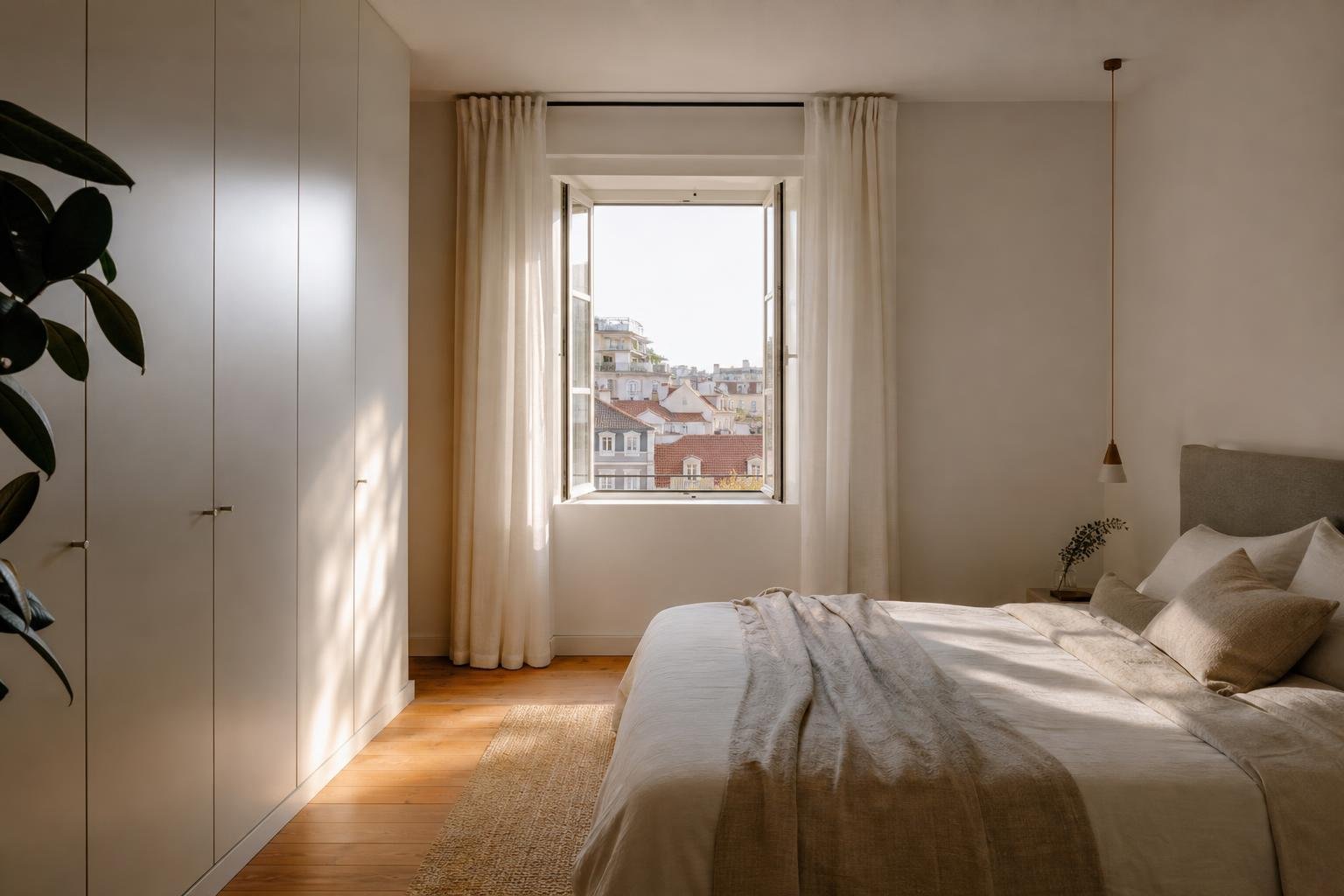
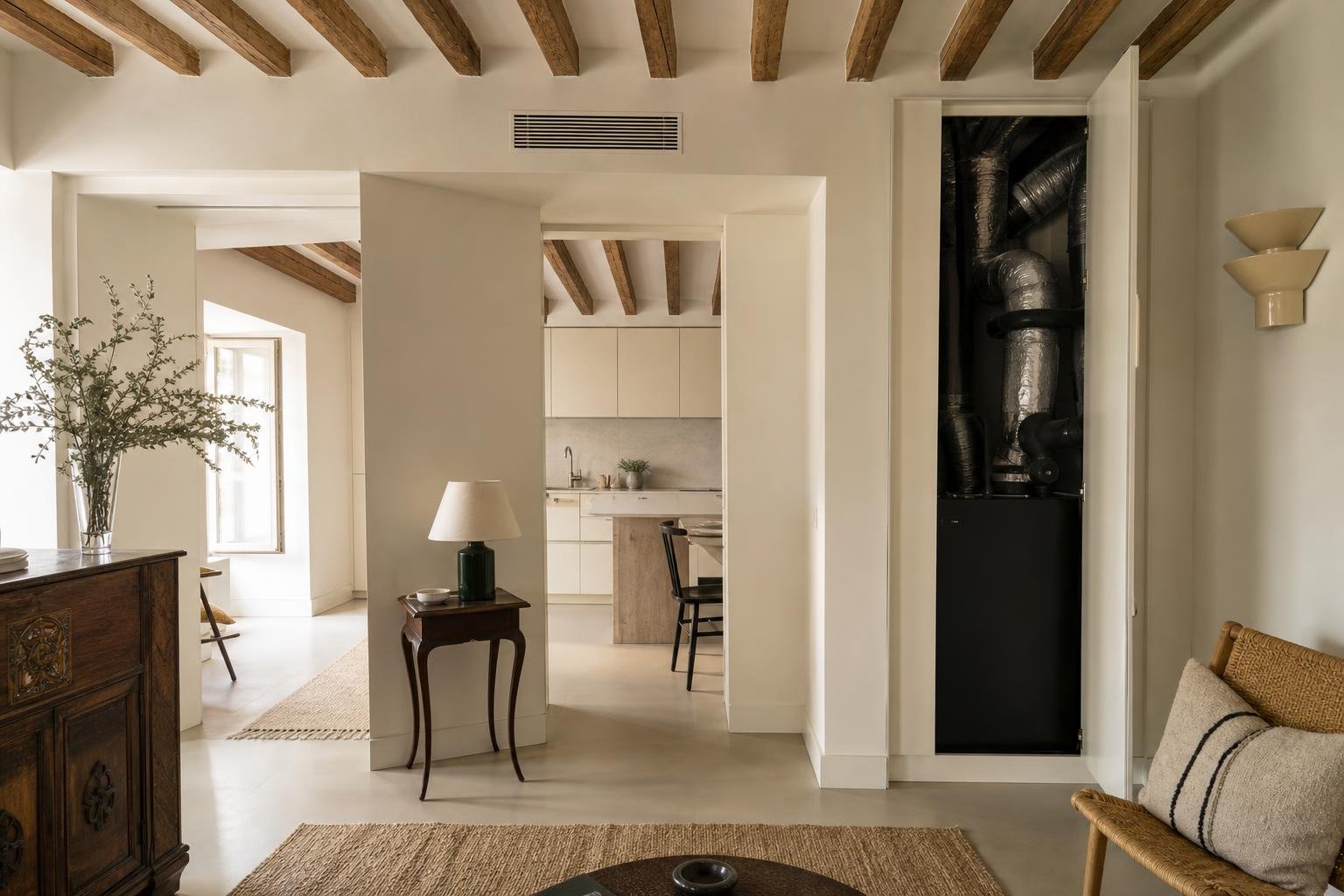
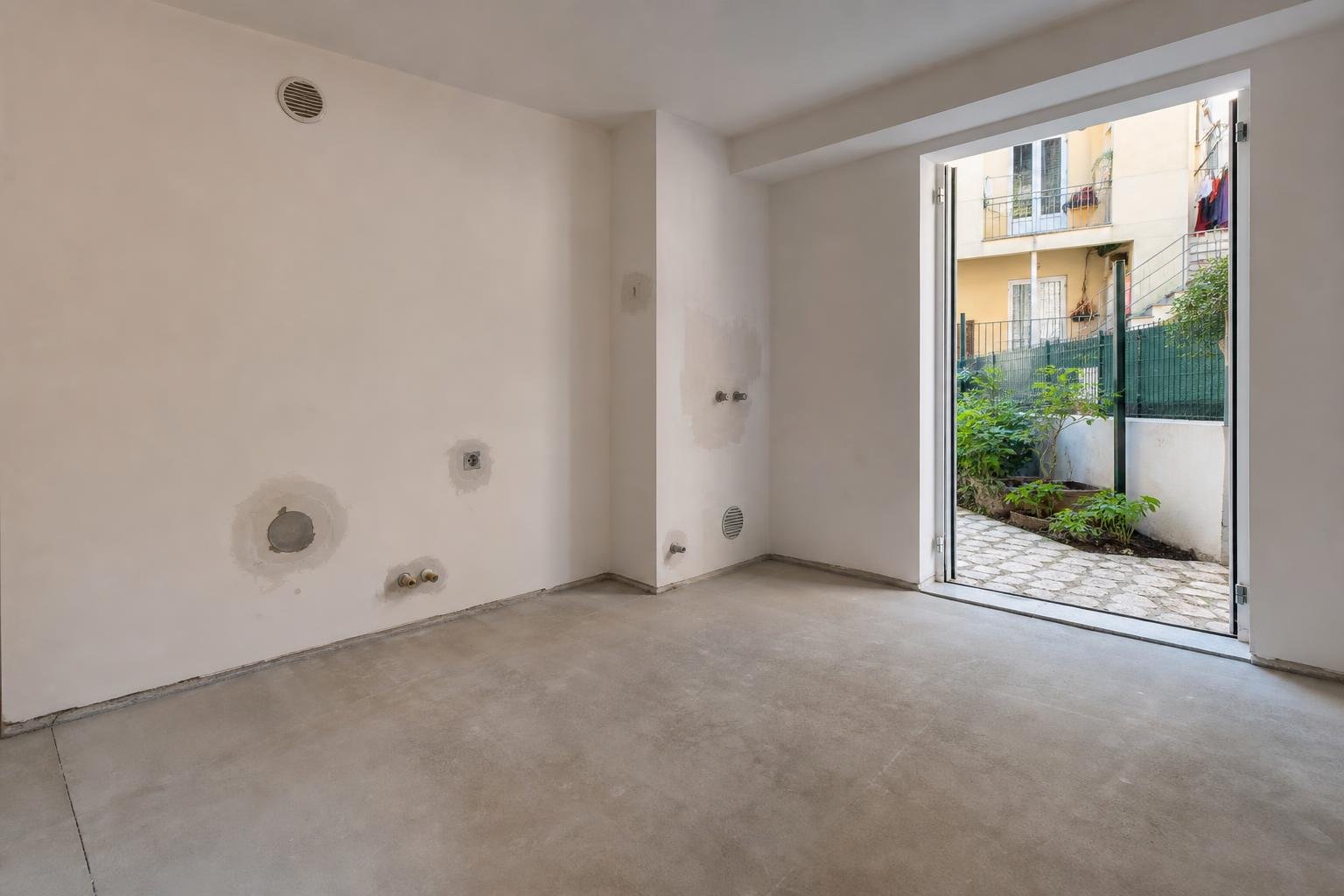
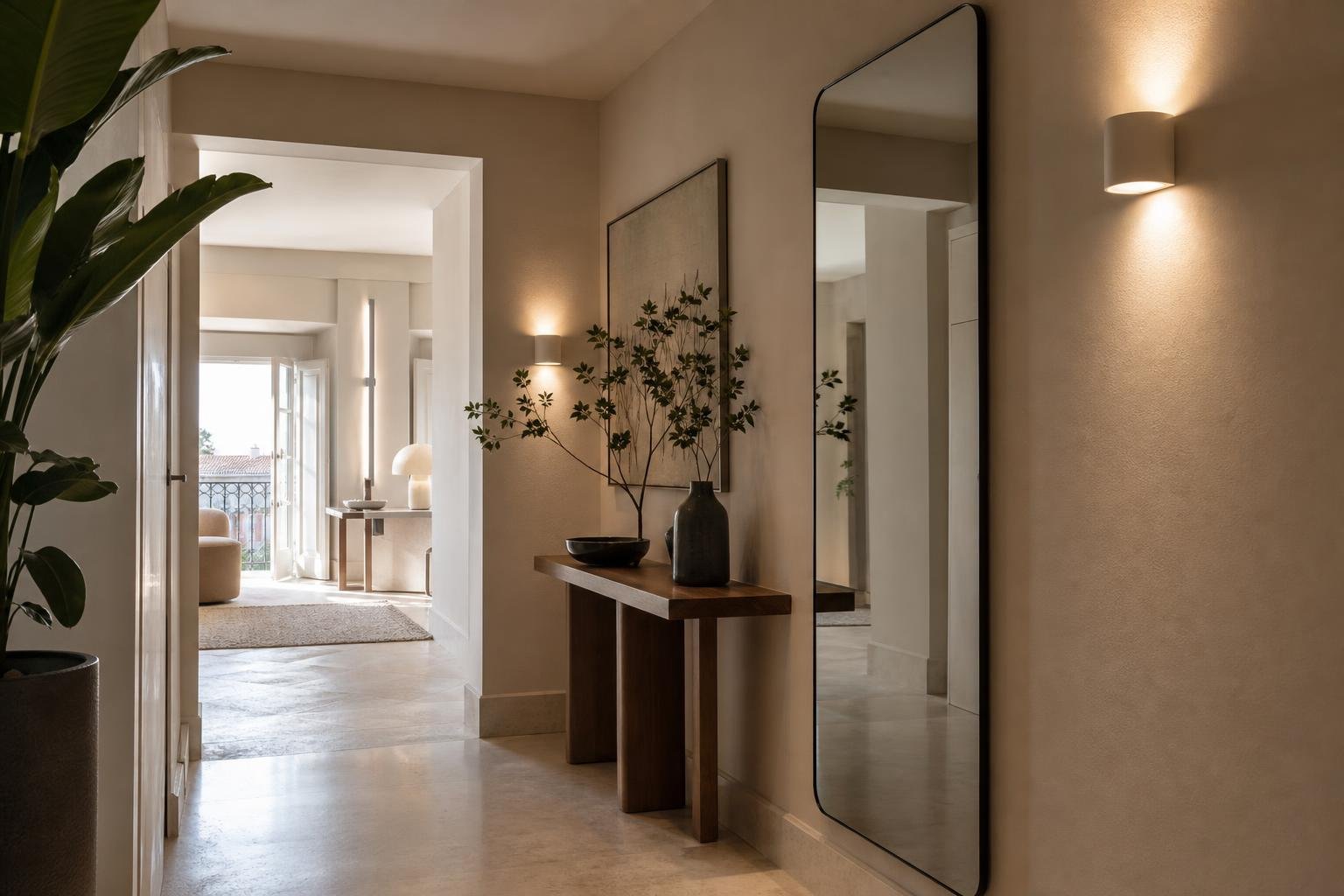
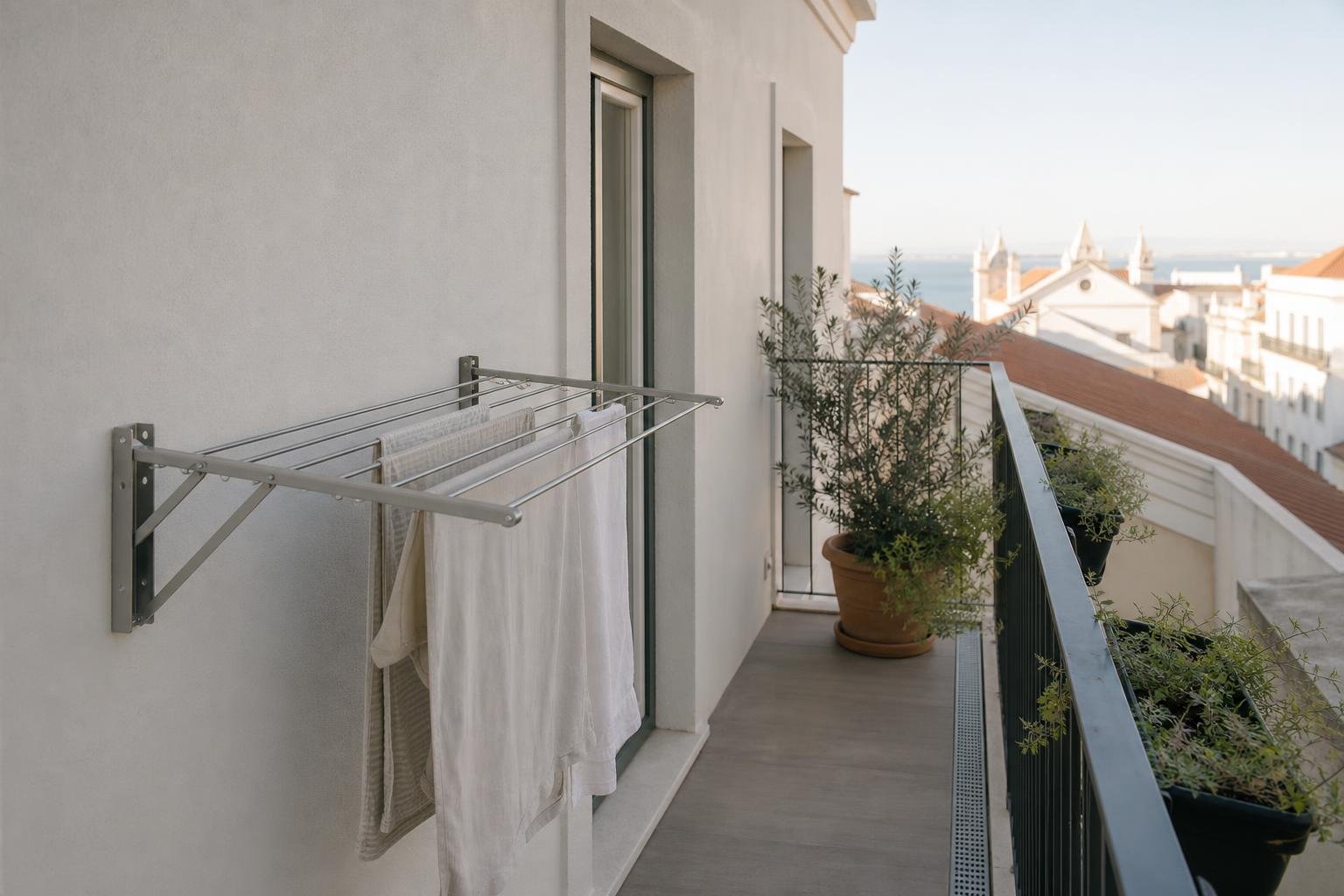
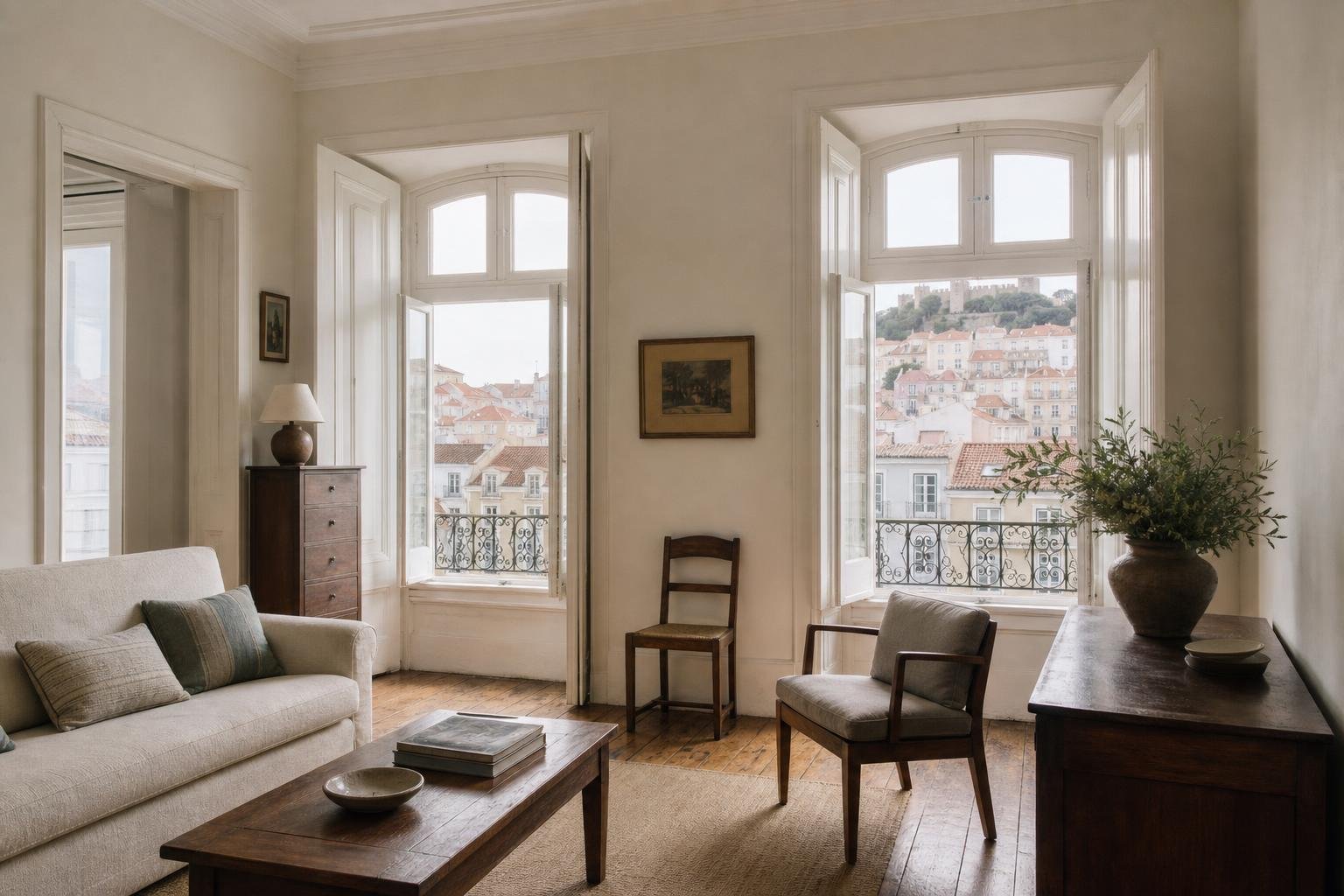
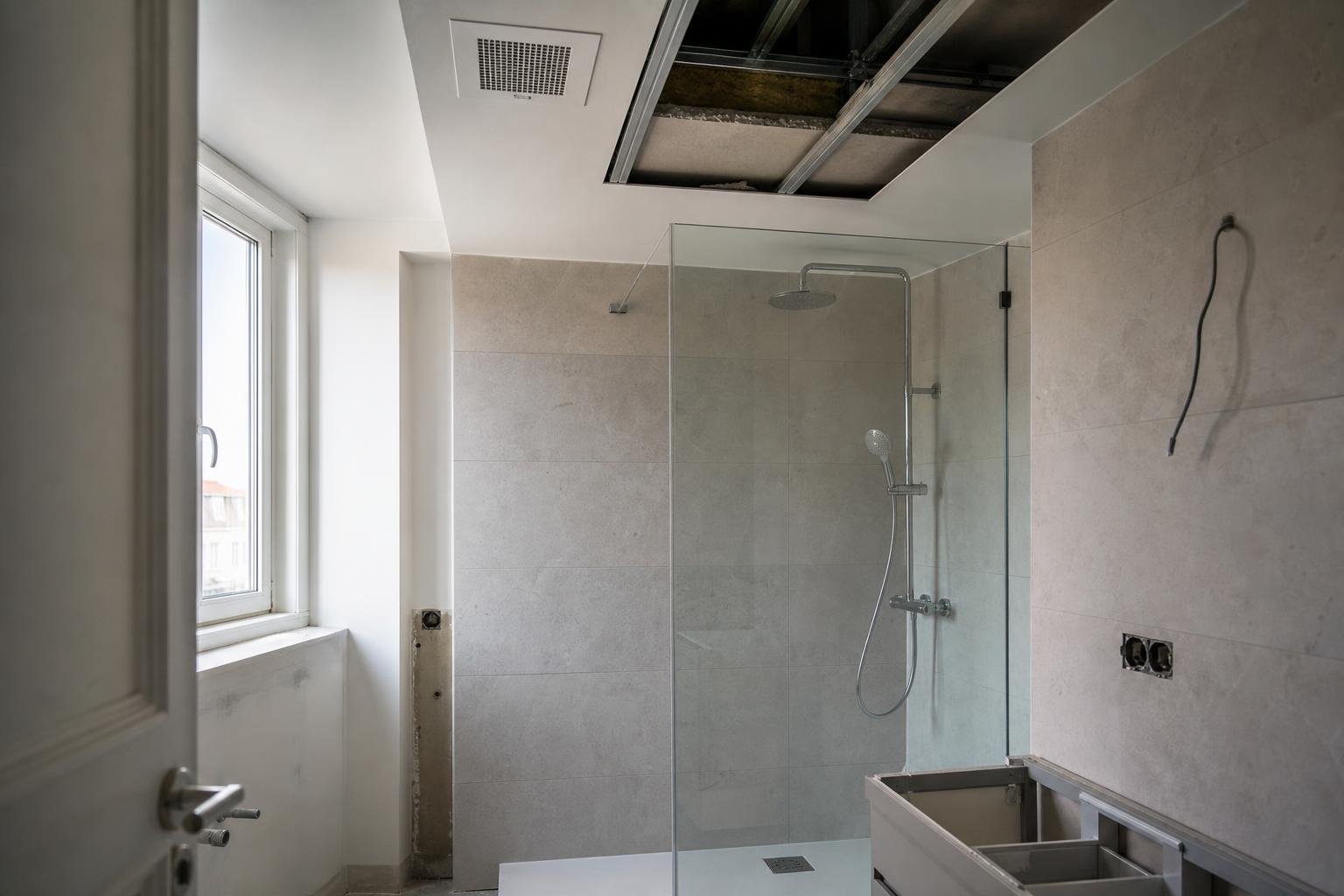
AI-generated editorial image; it does not depict an Obra Lisboa project.

Obra Lisboa