
A domestic hot-water heat pump can be a sound choice for a house, but day-to-day performance is not decided by the energy label or cylinder size alone. It depends on where the unit sits, how it is supported, which rooms and walls are nearby, and how pipework, condensate drainage and electrical supply are arranged.
A common mistake is to select the only apparently spare corner of the plot once the renovation is nearly complete. The unit may then end up against a lightweight wall, below a bedroom window, in a side passage that amplifies sound, or on a slab that carries vibration indoors. Putting that right later can mean dismantling the installation, rebuilding drainage or adding ineffective screening.
This guide answers a practical question: how can you install a hot-water heat pump in a house without creating noise, vibration or everyday usability problems? The key is to design the whole arrangement — equipment, support, air, water, electricity and neighbours — before choosing the final model.
Start with the job the system must do, not an empty corner
A domestic hot-water heat pump extracts heat from air to warm the cylinder water. It therefore needs air volume, clear circulation around the appliance and maintenance access. Do not treat an outdoor or monobloc unit as a small technical box: its fan and compressor create sound and vibration, while the discharged air can make a narrow side route unpleasant in cooler weather.
Begin with a simple survey of the house: bedrooms, living rooms, plot boundaries, neighbours’ windows, the electrical panel and hot-water outlets. Mark places where people actually spend time too: the outdoor dining table, entrance, clothes-drying area, route to the car or children’s play area. A technically feasible space is not always a sensible one.
Portugal’s noise framework covers neighbour-related activities; review the General Noise Regulation published in the Diário da República before accepting an arrangement that may cause disturbance. The aim is not simply to place the appliance as far from the cylinder as possible, but to balance noise, pipe heat losses, access and drainage.
- Avoid walls shared with bedrooms, studies and quiet living spaces.
- Do not treat a narrow courtyard as an open plant room.
- Keep clear space at the front and sides for cleaning, inspection and future replacement.
Choose a position that will not amplify sound
Perceived sound is not determined solely by the decibel figure in a product sheet. Two parallel walls, a low ceiling, a hard canopy or a closed corner can reflect noise and make it much more noticeable. A unit in a passage between the house and boundary wall may sound more intrusive than exactly the same unit in an open location.
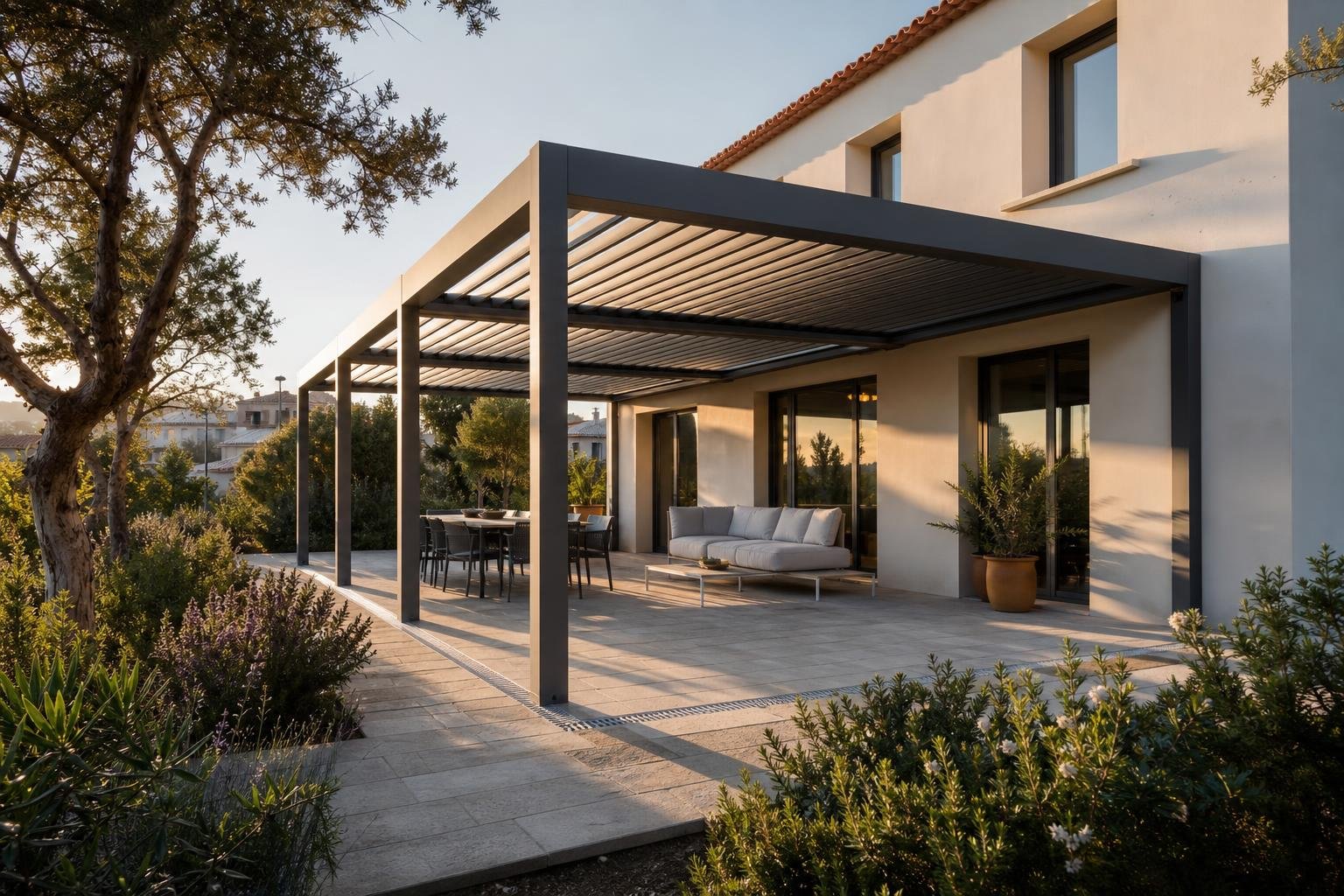
Choose a well-ventilated outdoor position away from bedroom windows and regularly used doors. Direct discharged air towards open space, not a nearby wall, dining area or adjoining plot. If installation close to the house is unavoidable, design an acoustic screen as part of the arrangement: it should interrupt the direct sound path without restricting the appliance’s air intake or discharge.
In Lisbon, visible external changes deserve extra care. Municipal rules place restrictions on exposed ducts, cabling, equipment and machinery; check the Lisbon Municipal Urbanisation and Building Regulation, together with any estate or condominium rules that apply to the property.
A fully enclosed canopy, decorative box tight against the grille or overly dense planting may improve the appearance while undermining performance. Respect the manufacturer’s clearances and airflow directions first; develop visual screening afterwards.
Provide a stable base and isolate vibration
Many complaints described as “noise” begin as vibration. When an appliance sits directly on a slab, flexible deck, lightweight balcony or poorly braced metal support, the building fabric can become a loudspeaker. The effect may be heard indoors, particularly during higher-load cycles or at night when the house is quiet.
A durable solution starts with a level, stable base capable of carrying the appliance without settlement. That may be a properly designed concrete pad, an existing slab verified for the purpose, or purpose-made supports on a rigid base. Between the appliance and structure, use anti-vibration mounts suitable for the equipment’s mass and geometry; do not improvise with loose rubber, timber offcuts or uneven packers.
Pipework matters as well. Allow for insulated clips where appropriate, and prevent rigid pipes from passing through walls without tolerance or continuously touching lightweight elements. A tidy installation should not rely on pipework as a structural support or conceal joints where they cannot be inspected.
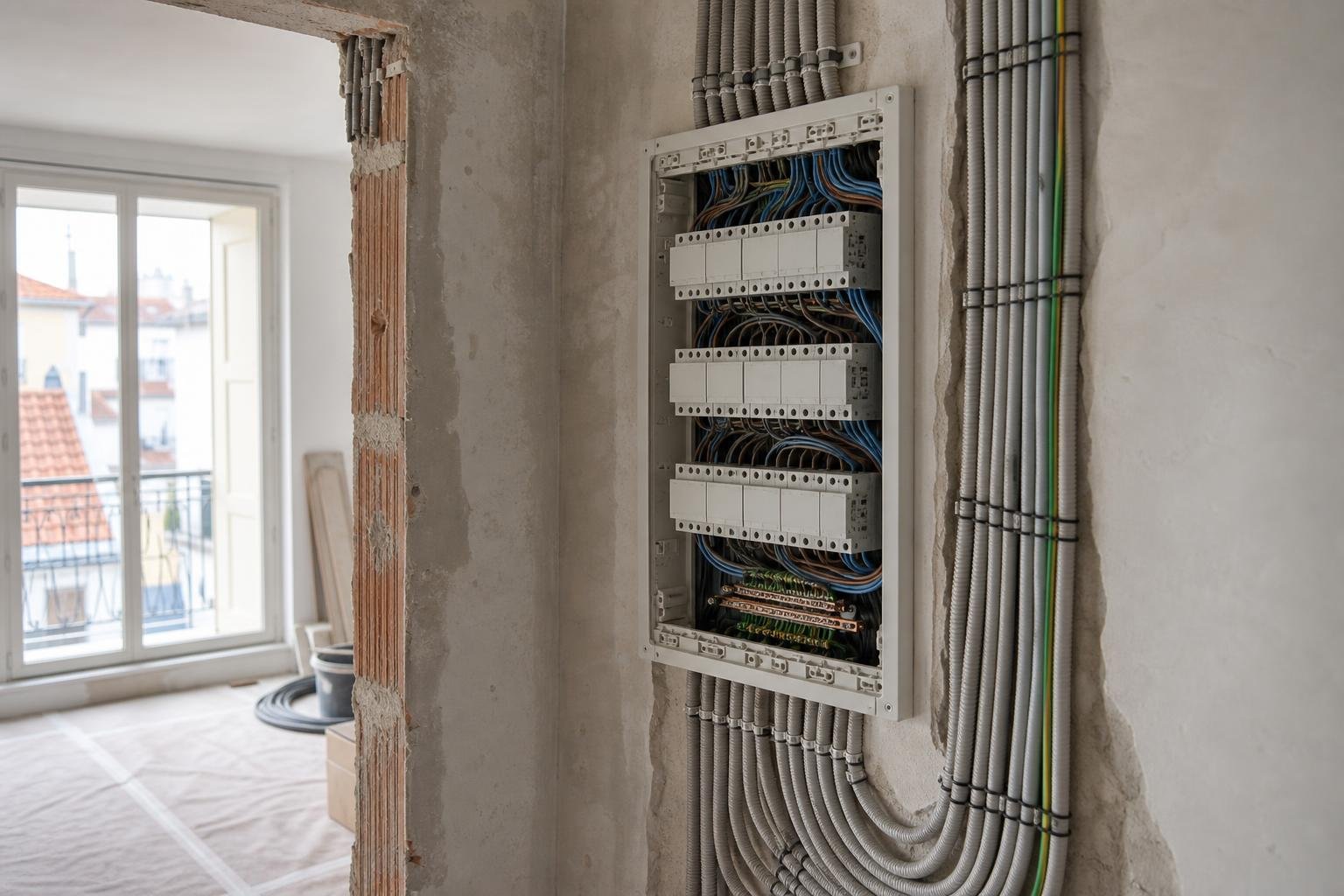
This detail sits alongside planning the electrical panel for a house renovation: the dedicated supply, protection devices and cable route should be decided before external finishes or paving are closed up.

Treat condensate, safety valves and leaks as design items
A heat pump produces condensate. If the discharge ends at a point with no fall, beside a threshold or on paving that directs water back towards the house, the installation acquires a recurring fault. The route should take water to a suitable drainage point, remain cleanable and avoid runoff near façades, entrances and pedestrian routes.
Do not discharge casually into a planting bed beside foundations, an area that becomes muddy or an improvised gutter. Consider the route in colder conditions, when condensate can be more evident, and ensure it will not create an icy surface where that is relevant. The same principle applies to the cylinder safety-valve discharge: it needs a planned, safe route that can be checked when necessary.
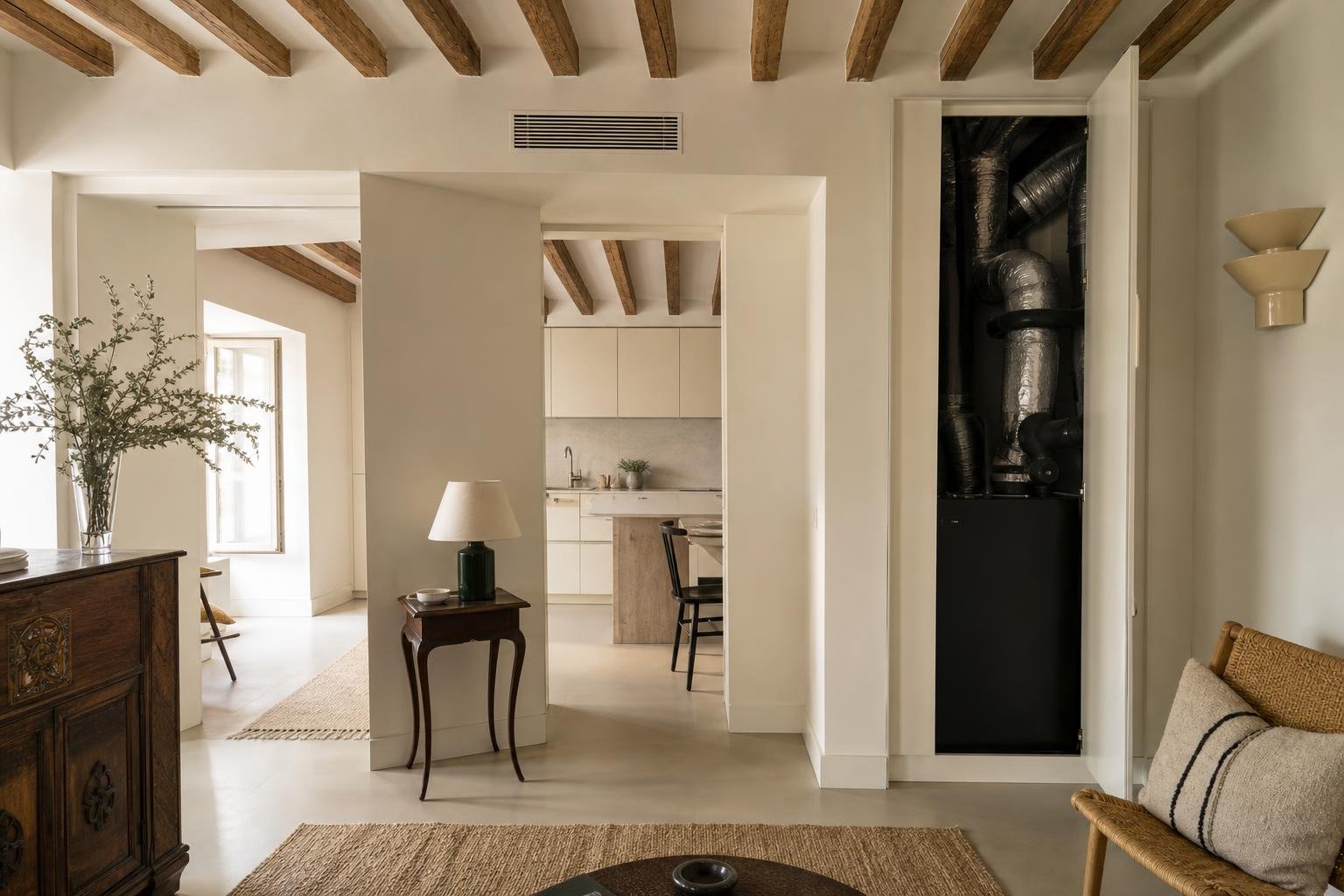
Indoors, the cylinder needs water-resistant flooring, access to the valve, inspection space and ventilation suited to the appliance type. A laundry or utility room can work well, but it should not be packed so tightly that maintenance requires removing cabinetry. For equipment integration without sacrificing access, see our guidance on technical utility cupboards and maintenance access, then adapt those principles to a house-scale installation.
Plan the electrical work and appoint competent installers
Before buying, confirm available electrical capacity, the required dedicated circuit, panel protection and the distance to the proposed location. A permanent extension lead routed outdoors is not an answer for fixed equipment. Where the heat pump includes cooling functions or involves fluorinated gases, installation should be undertaken by suitably qualified professionals for the work involved.
The IMPIC guidance on qualifications for work involving fluorinated gases and climate systems sets out relevant competence requirements. Ask the quotation to identify who installs the equipment, who completes the electrical connection, who provides the drainage, which warranty conditions rely on installation quality and what maintenance is included.
Compare quotations as complete installation proposals, not merely as appliance prices. A sound proposal identifies the model, location, support system, approximate connection lengths, condensate route, electrical works, finishing works and commissioning. If any of these are left as “to be agreed on site”, costs or compromises may emerge too late.
Carry out a proper handover check before accepting the work
At handover, test the system rather than simply confirming that it heats water. Listen with the house windows and doors closed; look for vibration in nearby walls; check drainage while the appliance is operating; make sure grilles are unobstructed and that maintenance access genuinely exists. Keep manuals, appliance data, installer details and a record of any commissioning adjustments.
It is also sensible to judge the decision in the wider context of home comfort. INE housing, energy and environment findings for 2025 show that cost is a major barrier to energy-efficiency renovations. That supports a useful principle: spending slightly more on installation design can prevent costly and disruptive alterations later.
If two possible locations remain, choose the one that offers straightforward maintenance, good airflow and the least transmission towards resting spaces — even if it requires a few additional metres of properly insulated pipework. The appliance should serve the house for years, not dominate the patio or set the sound level of its rooms.
Renovating a house or replacing its hot-water system? Obra Lisboa can help coordinate location, electrics, drainage and finishes before installation begins. You may also find our guide to planning a heat pump for domestic hot water during renovation useful.
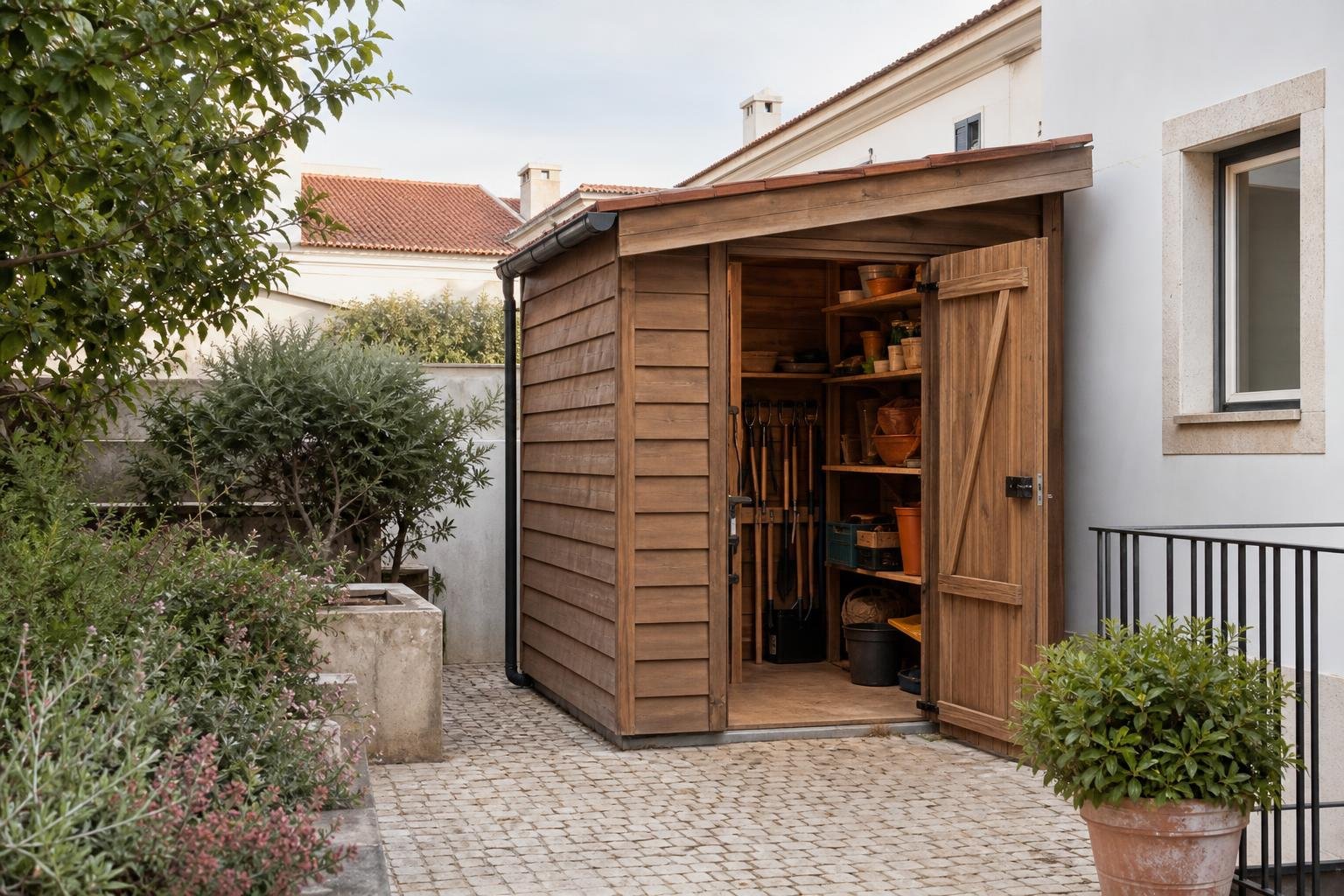
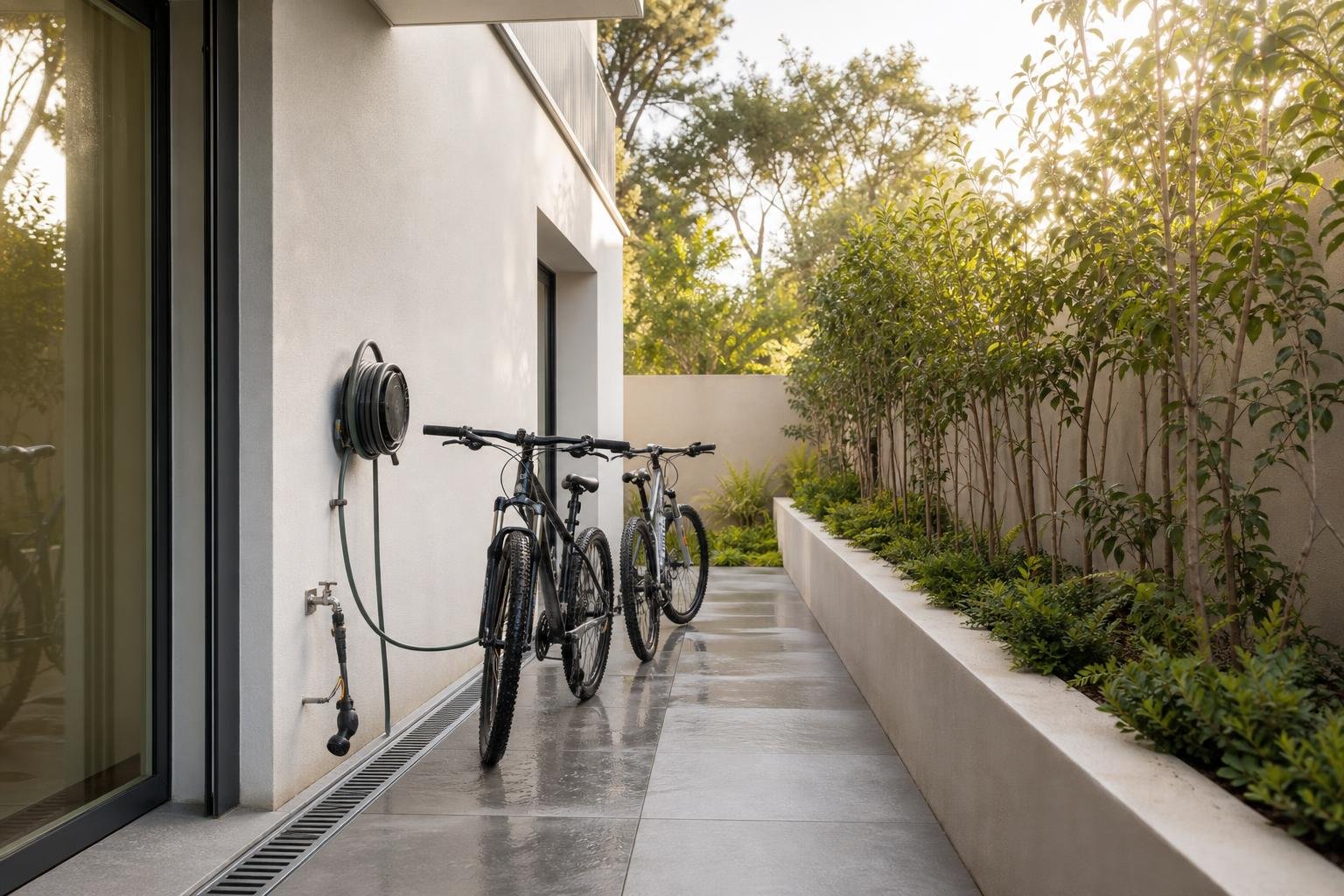
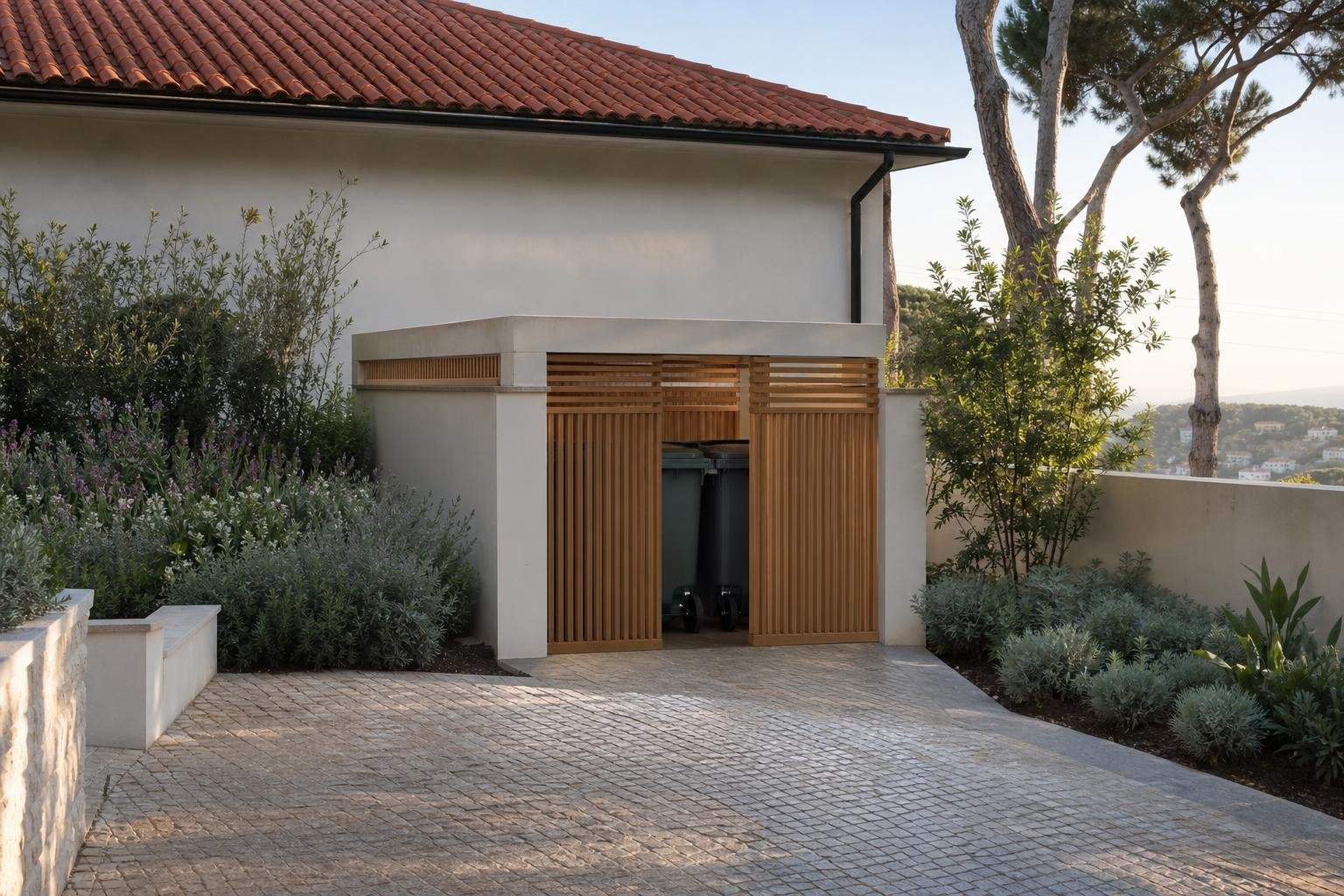
AI-generated editorial image; it does not depict an Obra Lisboa project.

Obra Lisboa