
A chimney left unused for months should not be treated as a decorative detail. A blocked terminal, failed joint or lack of combustion air can be enough to send smoke back into the room, create persistent odours or let rainwater enter through the roof. In Lisbon and the surrounding area, where dry spells can alternate with heavy rain and strong wind, it makes sense to prepare the whole system before cold days arrive—not on the first evening the fire is lit.
The aim is not to dismantle a chimney every year. It is to follow a sensible sequence: understand whether the appliance, flue and roof outlet work as one system; address visible defects; and bring in a competent professional when the warning signs cannot be resolved with a household check. Portugal’s Directorate-General of Health warns that fireplaces and other combustion heaters need adequate ventilation because carbon monoxide build-up can be dangerous. Read the DGS cold-weather guidance before using the fireplace again.
Tell the difference between poor draught and a chimney defect
When a fireplace sends smoke into the room, the flue is not automatically to blame. Draught depends on the temperature of the chimney, the height and continuity of the smoke path, the room’s air supply and outdoor conditions. A highly sealed house, a covered air vent, a running kitchen extractor or even an open window on the wrong side of the house can upset the balance.
Start with the appliance cold: is there a strong stale-smoke smell? Do the door and damper operate freely? Are there black marks around the stove, fireplace opening, wall or ceiling? At the first lighting, use a small amount of dry wood and observe carefully. Smoke entering only during the first minutes may mean a cold flue; persistent smoke, an unstable flame or odours beyond the fireplace zone are reasons to stop and investigate. Do not try to overcome poor draught by burning more fuel or leaving doors open.
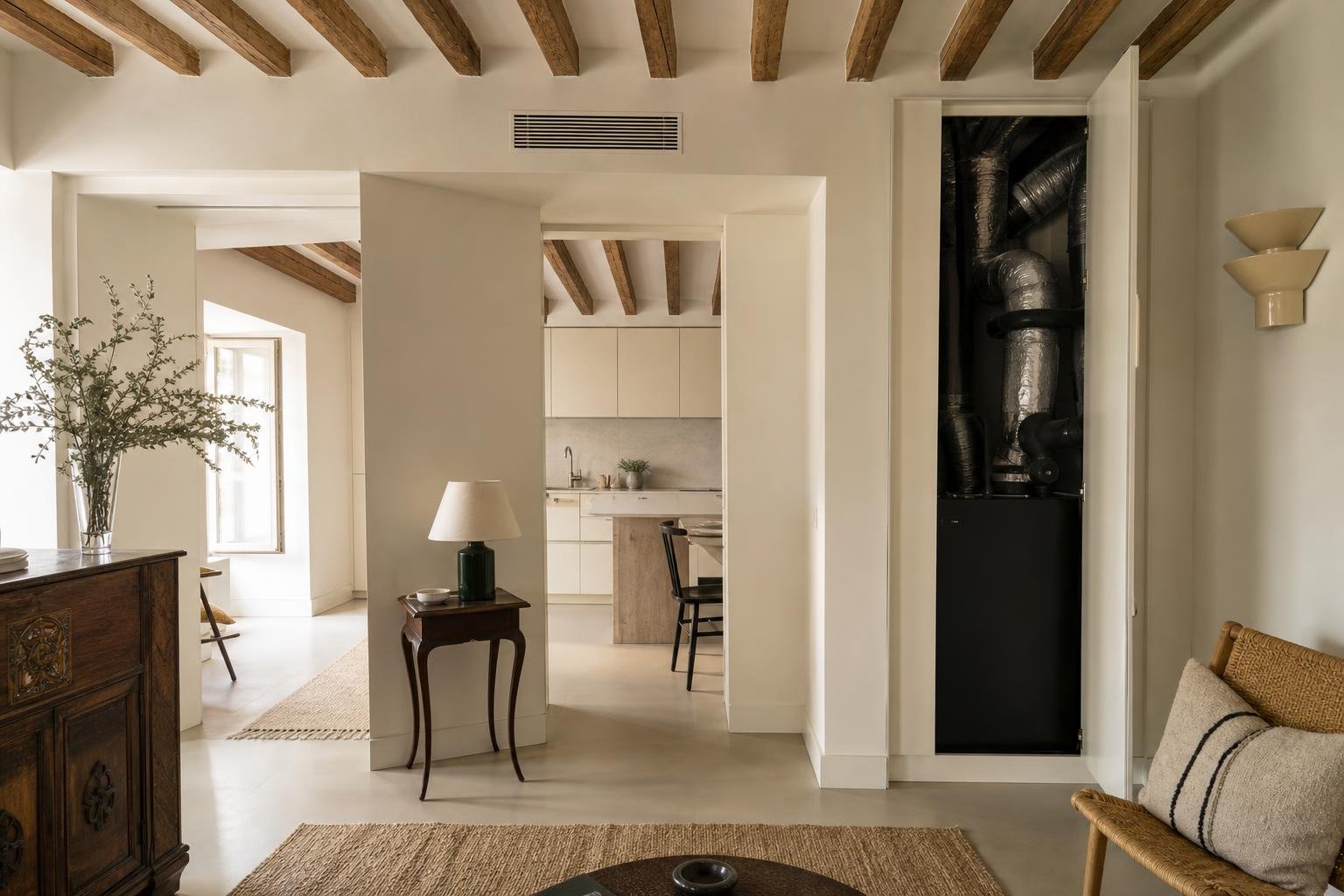
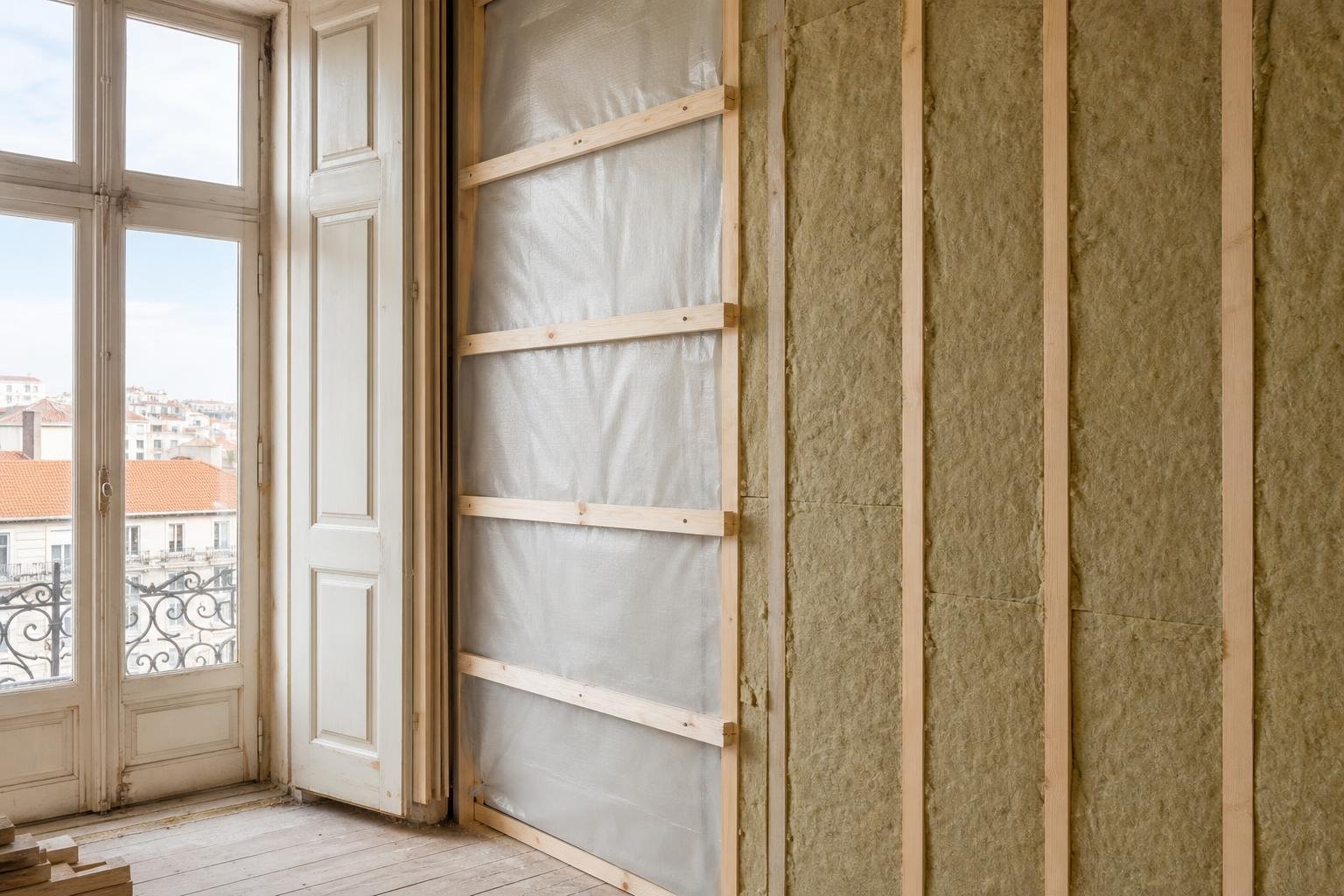
Before changing internal finishes, also consider ventilation in renovated homes: fresh air and thermal comfort need to be planned together.
Cleaning is not only about removing visible soot
Burning wood leaves soot inside the system and, particularly when wood is damp or fires are run slowly, can create stubborn deposits. These reduce the usable flue section, restrict the movement of combustion gases and raise the risk of a chimney fire. Cleaning should cover the accessible flue route, the appliance, the baffle where fitted, the smoke chamber and the terminal at roof level.
Do not push improvised rods up from the living room without knowing where the flue runs or protecting the space. You may dislodge components, spread fine debris and leave an obstruction partly loose. Collect fully cooled ash in a non-combustible container; never put it into plastic bags next to the house.
Specific obligations can vary by municipality and building type in Portugal. As one example, a regulation published in the Diário da República requires periodic cleaning of ovens and chimneys to help prevent fires. Rather than relying on one universal date, set the interval according to use, fuel and the condition found at inspection.
Inspect the roof without turning the check into a hazard
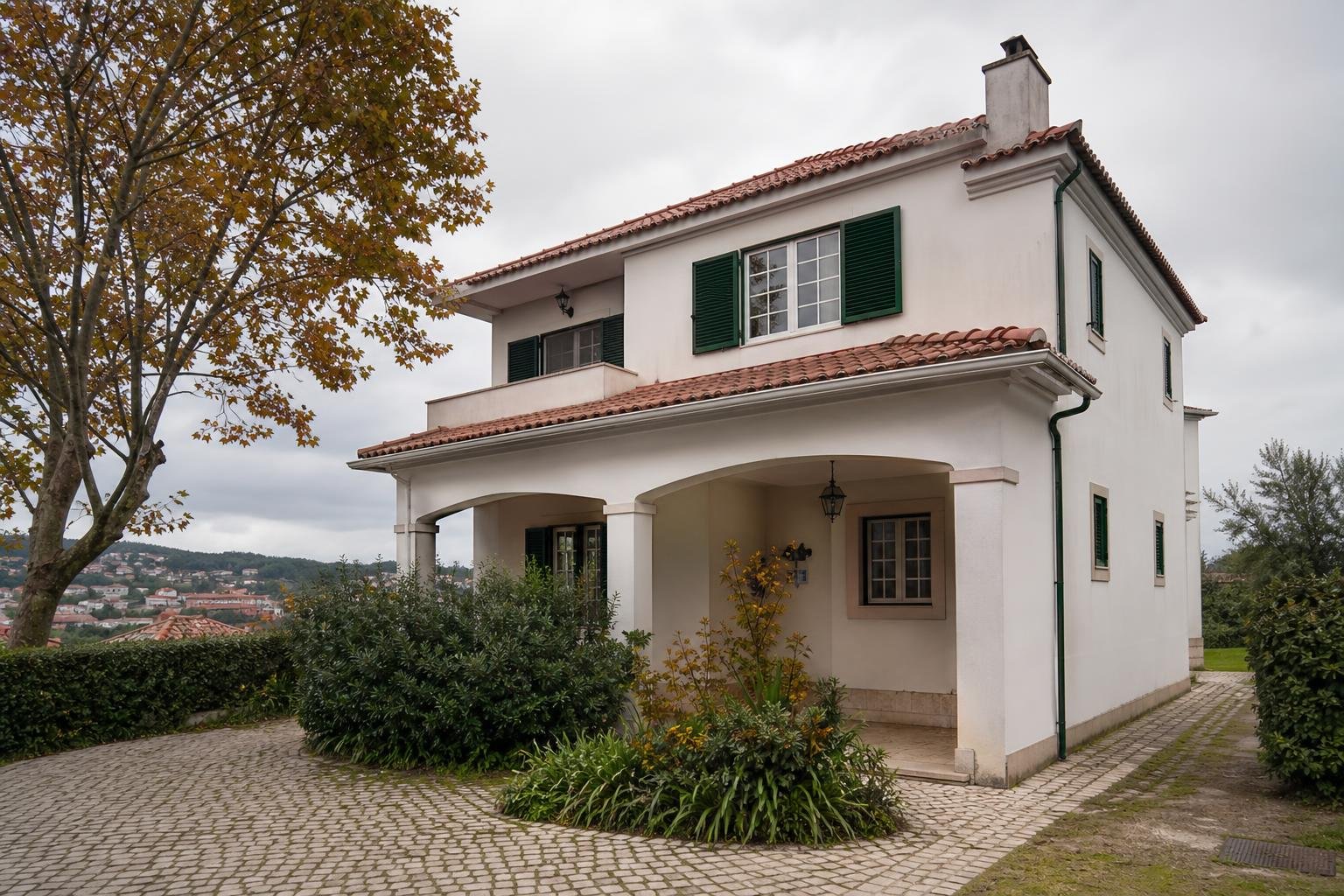
The chimney stack passes through one of the most exposed parts of a house. From ground level, a safe window or with binoculars, look for shifted roof tiles, a tilted cowl, a blocked bird guard, loose mortar, cracks in the crown and water streaks on the outer face. Nearby trees also matter: leaves, nests and branches can interfere with the outlet.
Do not climb onto a pitched, wet roof or a roof without safe access simply for a quick look. A minor crack at the flashing may be straightforward to repair, but a loose terminal or water ingress around the flue penetration needs proper assessment and access equipment. If marks appear in the loft, ceiling or around the fireplace wall after rain, do not assume they are condensation: the cause may be roof coverings, joints or the chimney detail itself.
To include this in a wider routine, see our guide to preventive building maintenance.

Cracks, joints and finishes: what needs prompt attention
Not every crack means structural movement, but cracks that widen, run through masonry, appear at the roof junction or are accompanied by damp need diagnosis before cosmetic repair. In older stacks, worn render and joints washed out by rain can let water in; inside the home, that moisture can damage finishes and intensify odours when the flue heats up.
Avoid covering the outside face with a thick layer of mortar without addressing the cause. Equally, do not close ventilation openings intended for the appliance or smoke chamber simply because they let cold air in. The right solution depends on the chimney type: traditional masonry, a metal liner inside an existing flue, an insert stove or a freestanding stove with a visible flue pipe.
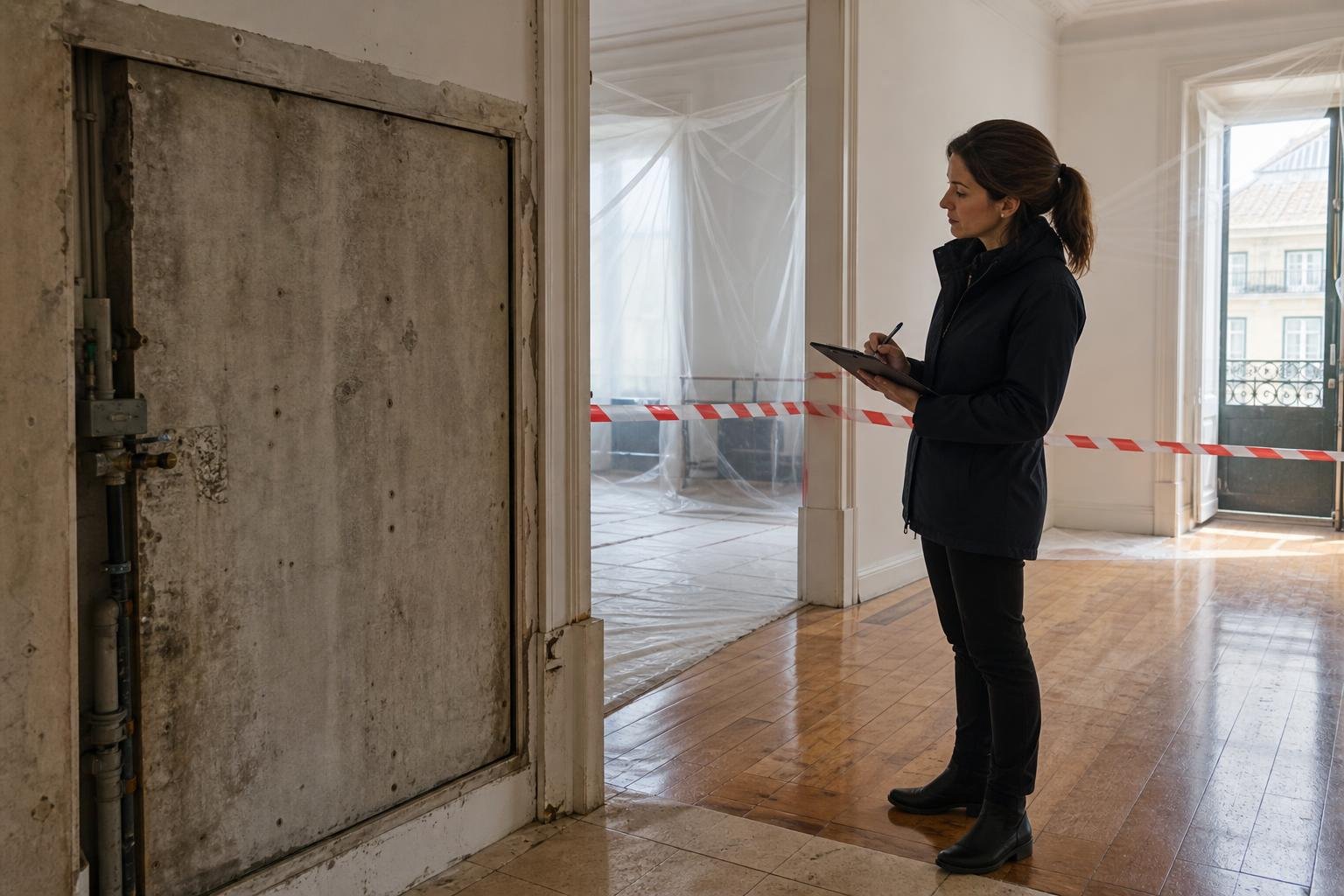
If work involves walls, roof coverings or penetrations, record the starting condition and specify compatible materials. Good planning protects the house and avoids repeated patching—an approach that supports the quality and durability of construction work.
Firewood, combustion air and daily use all matter
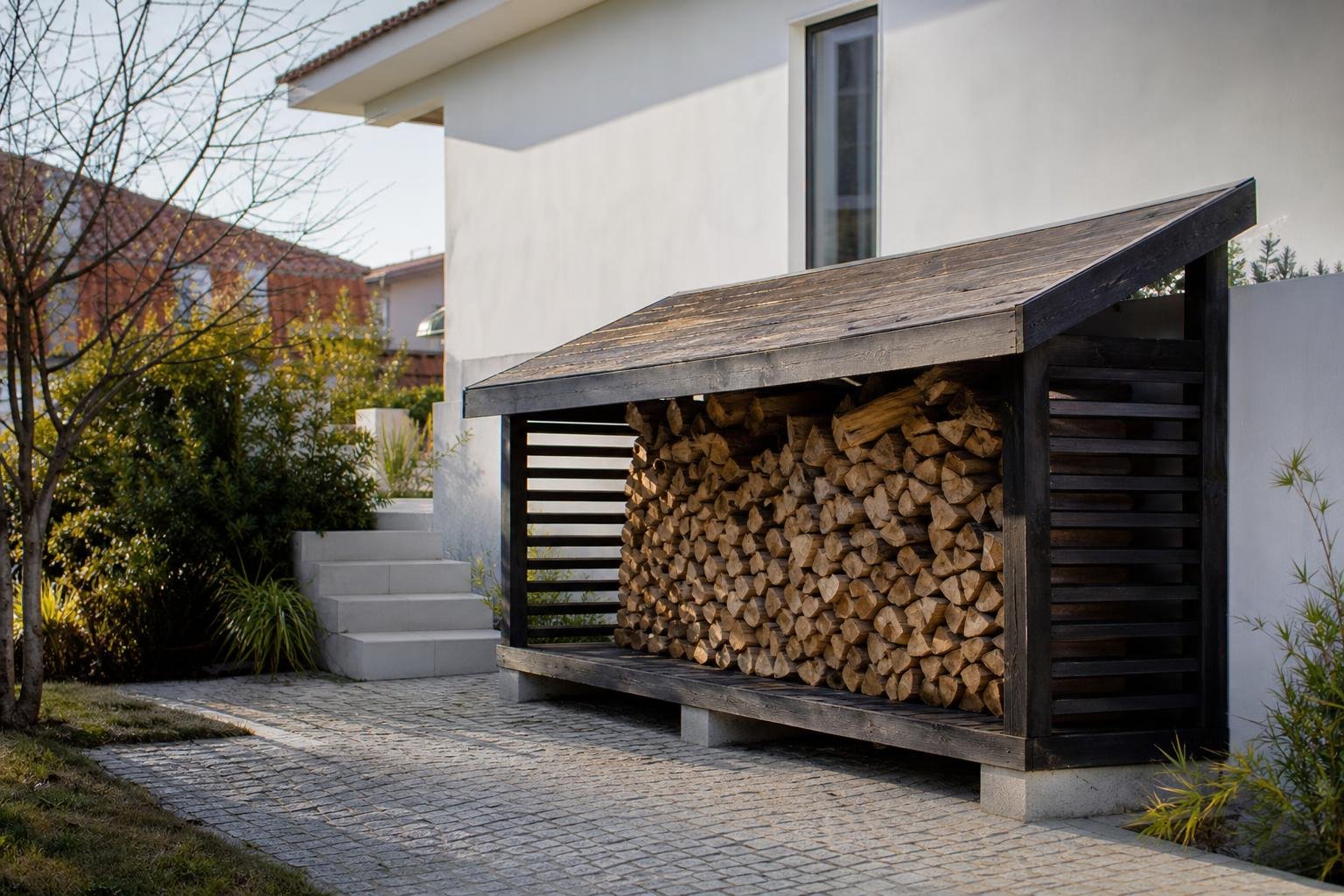
A clean chimney cannot compensate for poor use. Burn properly seasoned wood, stored out of direct rain but with airflow around it. Damp wood produces more smoke, soils the system faster and provides less useful heat. Do not burn painted or treated timber, engineered boards, household rubbish or packaging: besides potentially releasing pollutants, they can leave aggressive residues in the flue.
Light a moderate fire using suitable firelighters, never flammable liquids. Keep combustible items—baskets, curtains, throws, toys and firewood—away from hot areas. Also check that air can enter the room; an existing vent should not be hidden behind furniture or sealed for winter.
The DGS identifies incomplete combustion as a source of carbon monoxide in its information on air-pollutant sources. Headache, dizziness, nausea or unusual sleepiness during use mean leaving for fresh air, turning the appliance off if it is safe to do so, and seeking appropriate advice.
Act early, before winter makes the work urgent
The right time to clean, repair joints or review the roof terminal is before the fireplace becomes part of the daily routine. That allows for drying times, replacement parts, roof access and any necessary work without urgency. Do not wait for a cold forecast: the IPMA seasonal outlook is updated regularly, but a safe chimney should never depend on rushed work between rainy spells.
Keep the checklist short: confirm cleaning, inspect inside and outside, test doors and dampers, check ventilation, store dry firewood and confirm that carbon-monoxide detection is appropriate for the space. If the chimney has never been cleaned, there has been a flue fire, smoke enters the home or the roof shows damage, treat it as a technical priority rather than maintenance to postpone.
Planning to restore a fireplace, install an insert stove or solve water ingress around a chimney? Obra Lisboa can help frame the work around the roof, ventilation and the wider renovation before walls are closed or finishes are chosen.
AI-generated editorial image; it does not depict an Obra Lisboa project.

Obra Lisboa