
Installing air conditioning does not start with choosing capacity. In a Lisbon apartment, it starts with where the outdoor unit will sit, how the pipework will run and where condensate water will go. Leave those choices until the end and the usual outcomes are a conspicuous façade, drips onto the balcony below, vibration through a bedroom wall, or equipment that cannot be serviced properly.
Local conditions make cooling a reasonable consideration, but not a reason to rush. At Lisbon’s Instituto Geofísico station, the 1991-2020 climate normal records an average of 25.2 July days and 27.4 August days with maximum temperatures at or above 25 °C. Read the IPMA climate normal for Lisbon before turning a hot spell into a permanent building decision.
This guide covers the practical questions: choosing a viable position, limiting noise, routing condensate and clarifying what should be discussed with the condominium, installer and municipality.
Start with the façade, balcony and shared building elements
An outdoor unit is not merely technical equipment. It affects the outside appearance of the building and may occupy a balcony, roof, wall or enclosed space that is part of the common property. In an apartment building, check the condominium title documents, internal rules and previous resolutions first. Present a specific proposal: a photo of the location, unit dimensions, pipe route, fixings, drainage and expected work schedule.
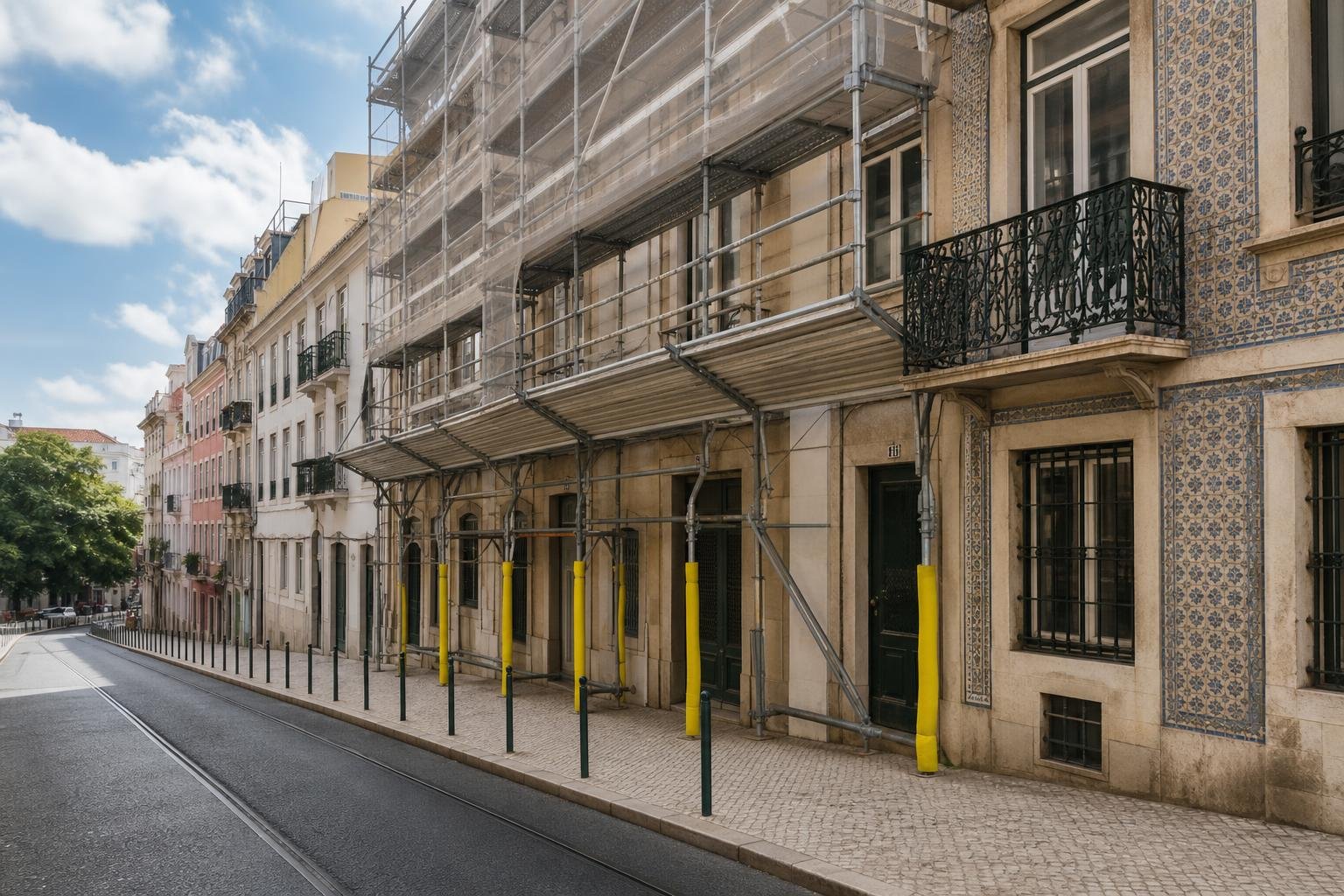
In Lisbon, building works and alterations may require urban-planning review depending on the proposal and the property. The municipality’s page on building-work licences is a useful starting point, but it does not replace confirmation for your particular case. Take extra care with tiled façades, listed buildings, protected areas and equipment visible from public streets.
Do not choose solely by the shortest route from the living room. A narrow external wall may put the fan beside a neighbour’s window; a balcony may look convenient but lose its clear route or maintenance space. The right location balances integration, airflow, access and respect for the building.
Choose a position that can breathe and be serviced
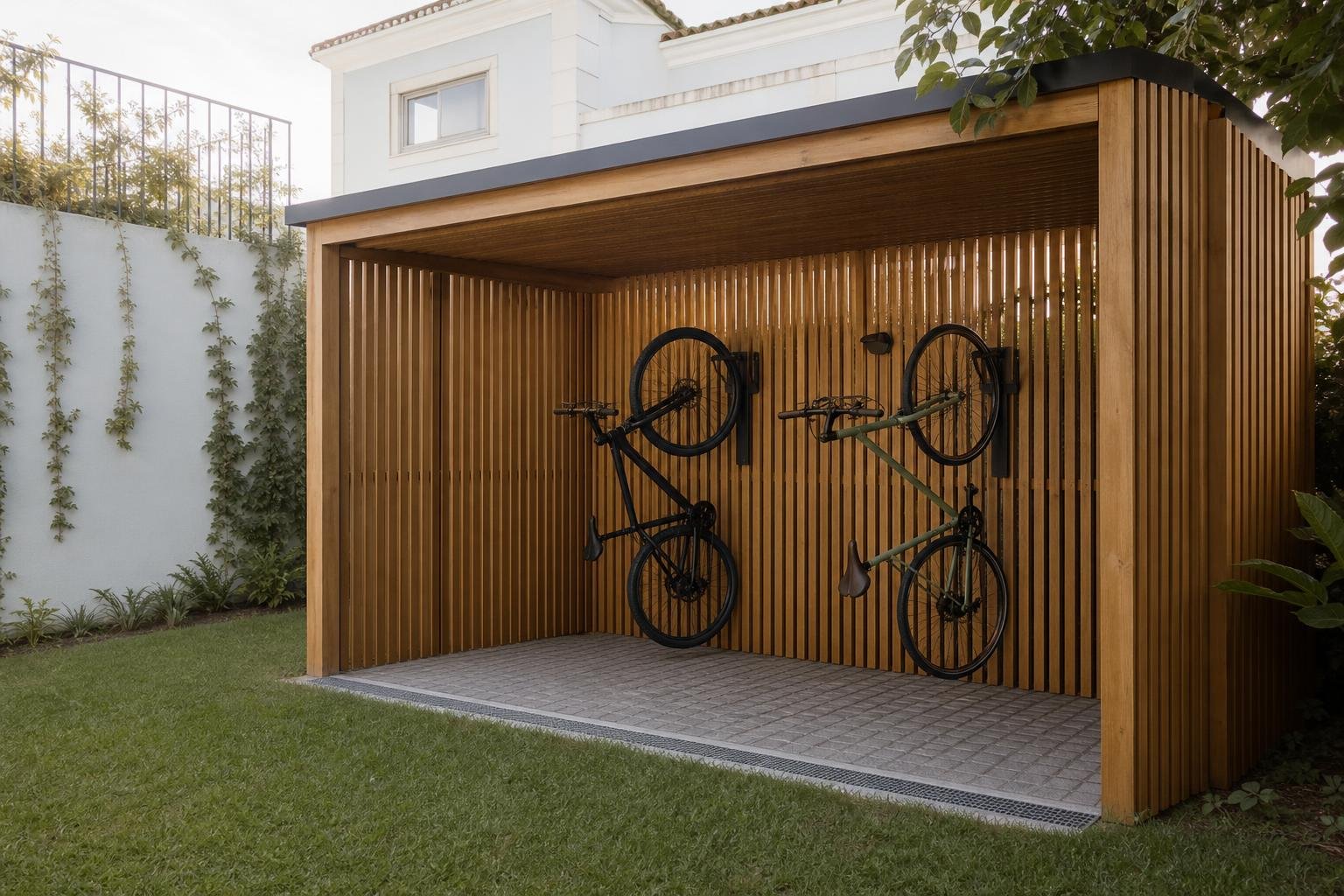
An outdoor unit needs clear space around it for heat exchange and future servicing. Placing it in a sealed enclosed balcony, hiding it in an unventilated cabinet or screening it too closely reduces performance and can increase noise. If a grille or technical enclosure is planned, follow the manufacturer’s required clearances and leave genuine access to screws, connections and filters.
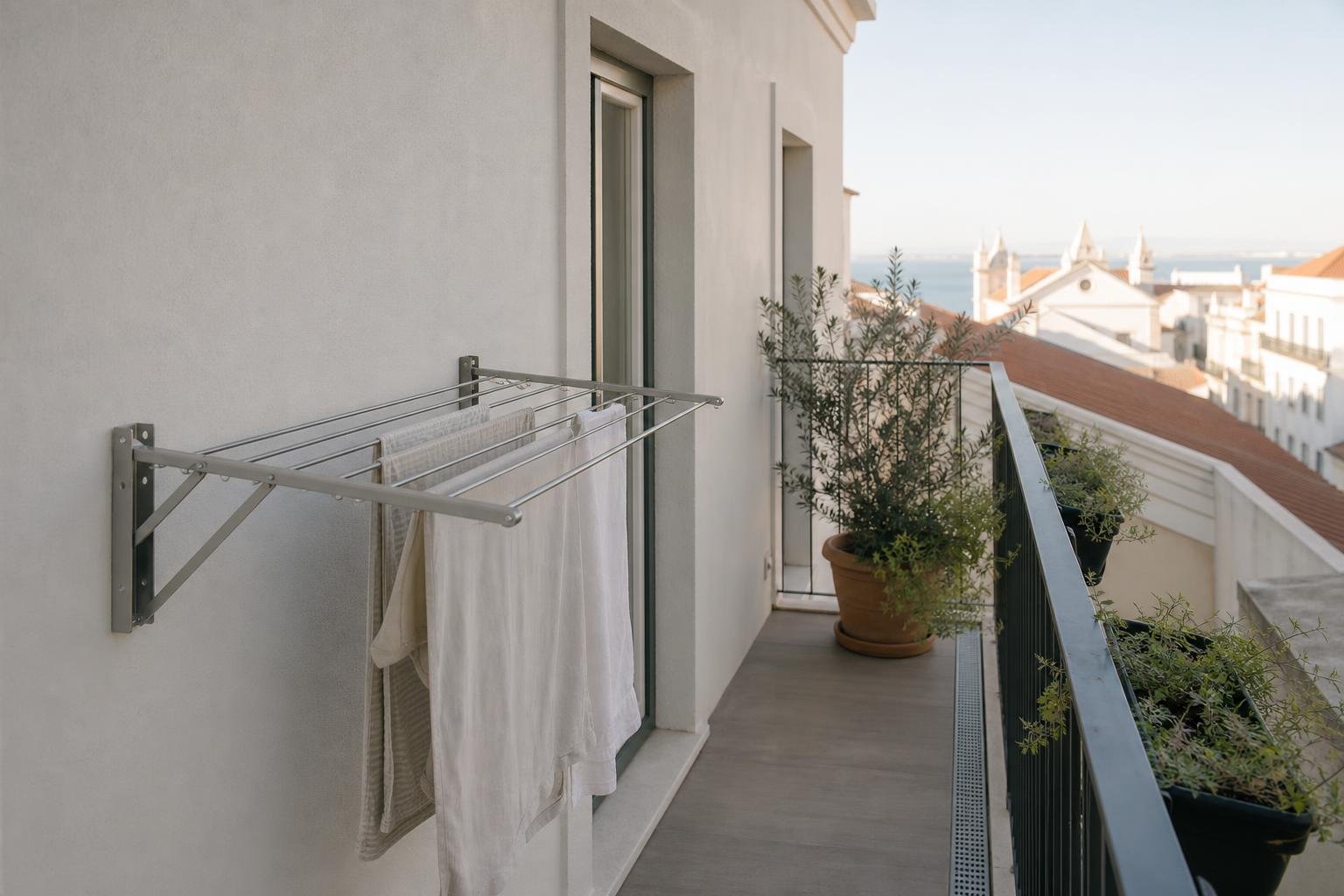
On a balcony, favour a position that does not obstruct doors, clothes drying, escape routes or normal use. On a shared roof or terrace, consider the technician’s route, protection of pipework against sun and impact, and how waterproof layers will be crossed without creating future leak points.
Do not place the equipment directly on the floor without a plan. A stable, level support suited to the load reduces movement and helps drainage work properly. If the wall is lightweight, old or cracked, assess the fixing method before drilling.
Treat noise and vibration as design decisions
The sound that causes problems is rarely just fan noise. It may be vibration transferred through metal brackets, a loose cover, rigid pipework touching the wall, or a confined recess that amplifies sound. Position the unit as far as reasonably possible from bedroom windows—your own and your neighbours’—avoid highly enclosed corners, and do not fix brackets to a sensitive wall without suitable anti-vibration measures.
Portugal’s General Noise Regulation covers neighbourhood noise and sources capable of causing disturbance. Municipal provisions published for air-conditioning equipment also refer to equipment integration, the preferred collection of condensate into the building drainage system and compliance with the noise regime. See the relevant Diário da República publication for the technical and regulatory context.
Ask the installer to explain where supports will sit, how pipework will be isolated from the structure and how abnormal vibration will be checked after commissioning. It is far easier to correct those details before a false ceiling is closed or an external wall is repainted.

Do not allow condensate water to drip freely
In cooling mode, the indoor unit produces condensate; the outdoor unit can also release water in certain modes and conditions. The practical rule is straightforward: water needs a controlled route, visible for inspection where needed, with no discharge onto pedestrians, lower balconies, windows or façades.
Connecting to drainage requires a suitable route, trapping where applicable and access for cleaning. An improvised hose with backfalls or hidden behind furniture often results in smells, overflow and damp marks. If drainage relies on a pump, plan for power, noise, access and a failure warning from the outset.
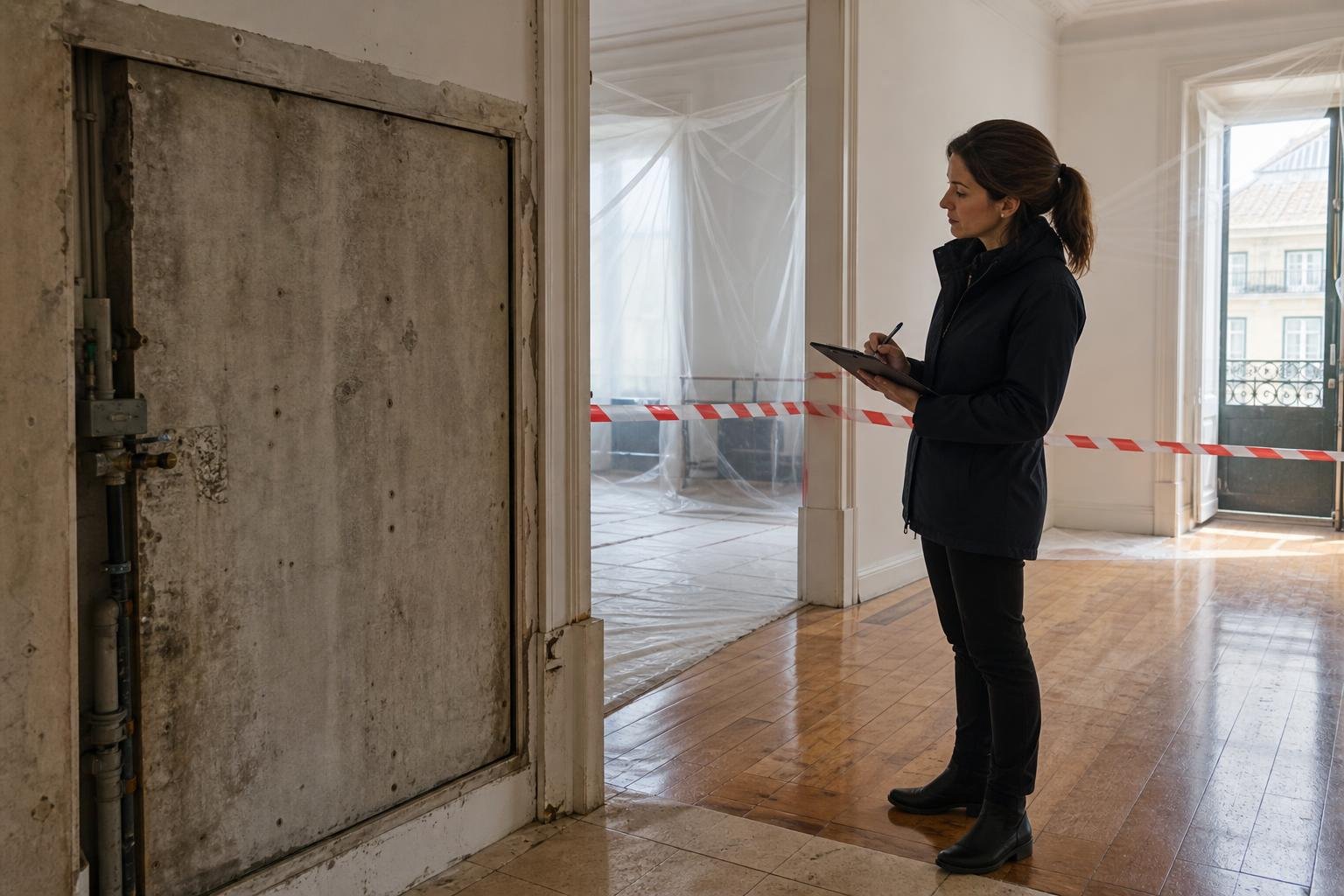
Do not mistake condensate routing for a cure for an existing leak. If a wall already shows staining, cracks or failed joints, diagnose that cause first. To improve system efficiency without overlooking the building envelope, place air conditioning within a broader comfort-and-running-cost plan, as discussed in How Renovation Can Help Reduce Running Costs.
Size the system only after reducing heat gains
A larger unit will not solve a room that receives direct sun through unshaded glazing, has a poorly insulated shutter box or stores heat beneath a roof. Before choosing capacity, consider orientation, glazing area, external shading, insulation, room use and the number of spaces to be cooled. A west-facing Lisbon living room may need a very different approach from a north-facing bedroom.
Blinds, approved awnings, glazing films assessed for the existing glass, window sealing and controlled night ventilation may reduce the cooling load. Only then is it sensible to compare single-split, multi-split or wider renovation options. ADENE’s climate-control efficiency calculator can help frame efficiency measures, although it is not a substitute for professional sizing.
If the project includes new windows, insulation or changes to room layouts, coordinate the air-conditioning design early. That avoids buying a system sized for a home that will be different once the renovation is complete.
Finish with a short, precise work specification
Before appointing an installer, request a written proposal identifying the model, efficiency, positions of both units, brackets, pipework, trunking, electrical supply, protection, drainage, penetrations, finishes, tests and warranty. Add photos or a route drawing. Phrases such as “complete installation” do not explain how the façade will look or what happens when maintenance is needed.
Also agree who will contact the condominium manager, how common areas will be protected and how operation will be checked: no excessive vibration, drainage without drips, working controls and maintenance access. If the installation includes electrical work, read our guide to sockets and switches before walls are closed before finishes begin.
A well-installed outdoor unit is almost unnoticed. Not because it has been hidden at any cost, but because its location, fixing, drainage and access were resolved in advance.
Planning to include air conditioning in a Lisbon renovation? Obra Lisboa can help coordinate placement, drainage, electrical work, finishes and compatibility with the building before work starts.
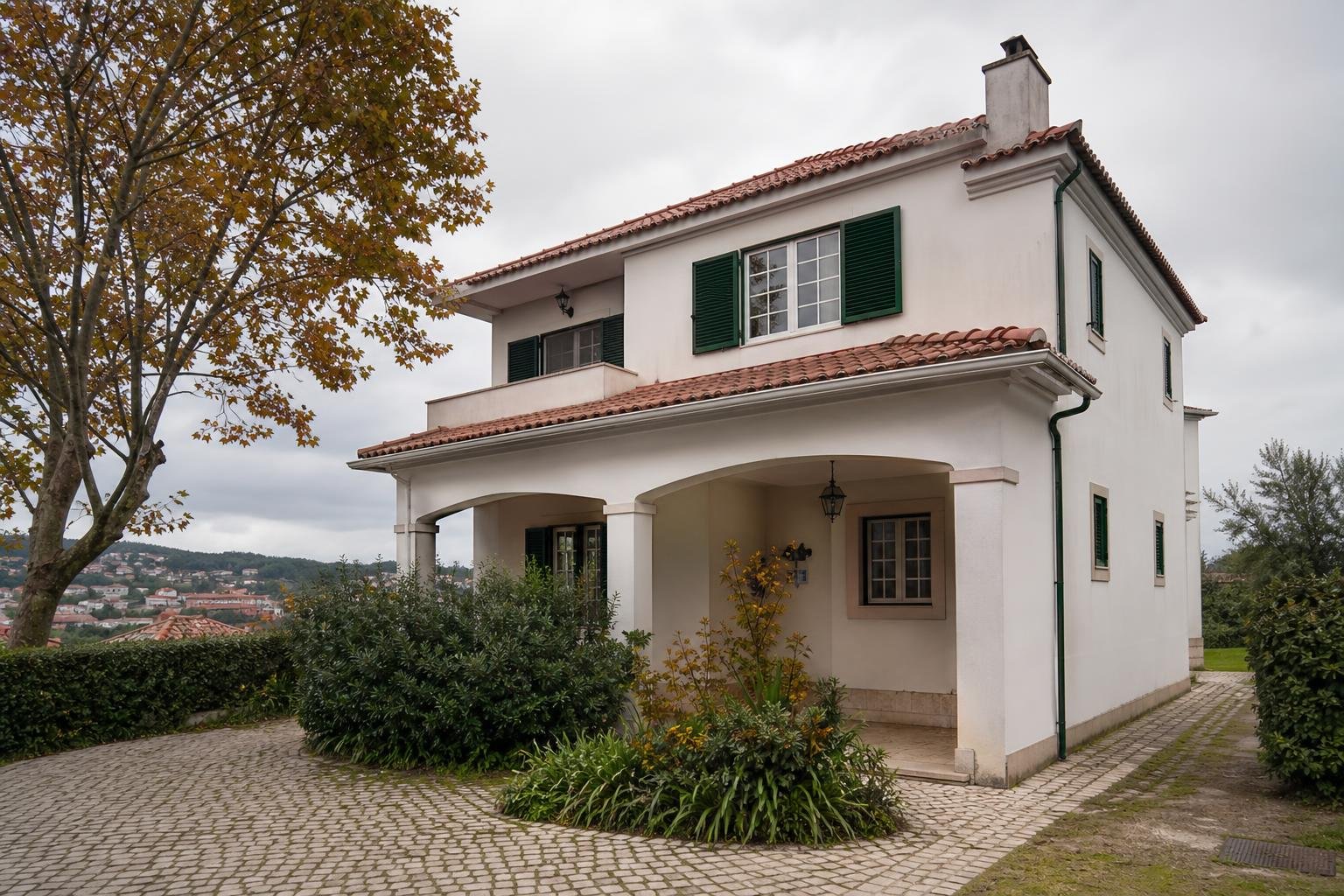
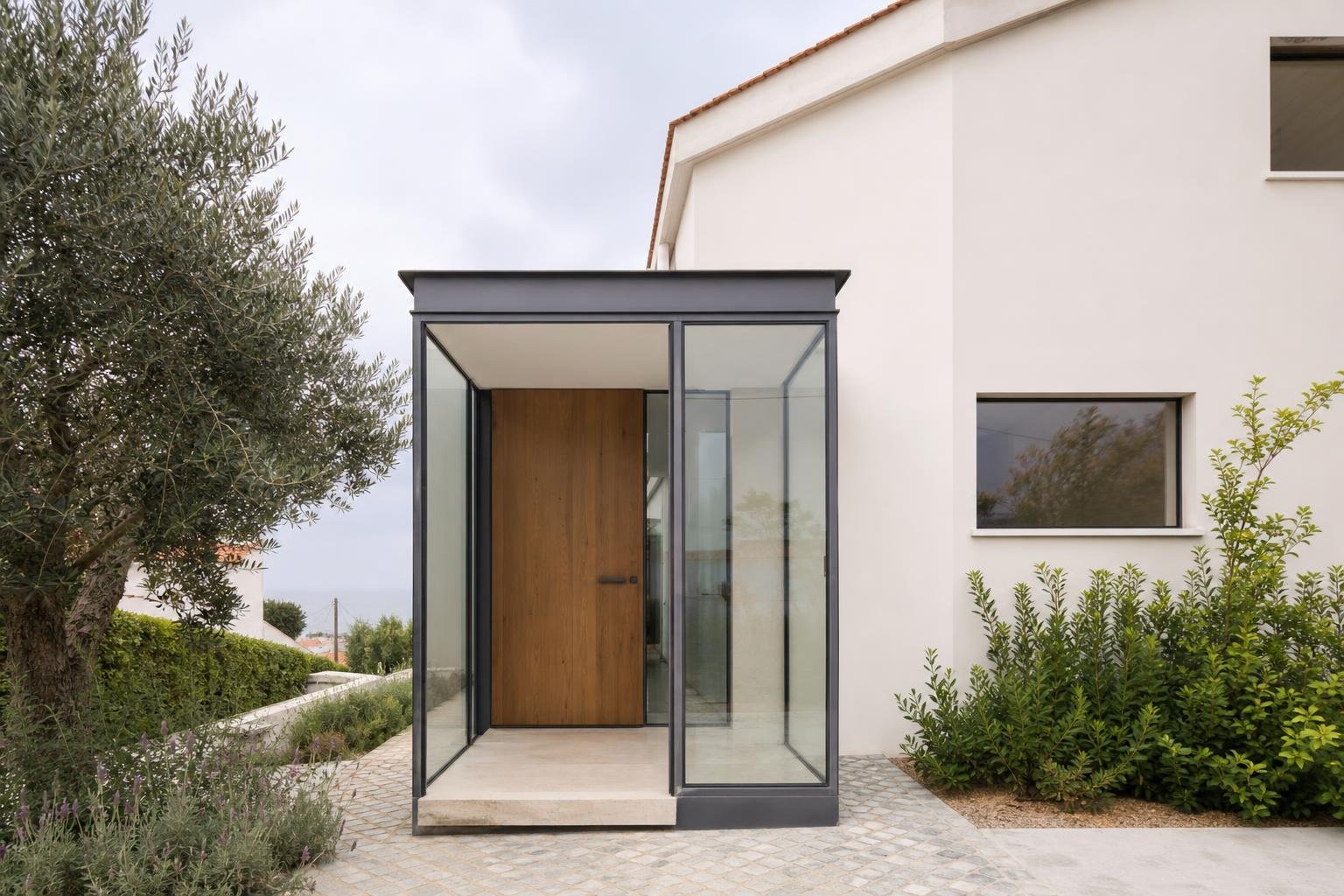
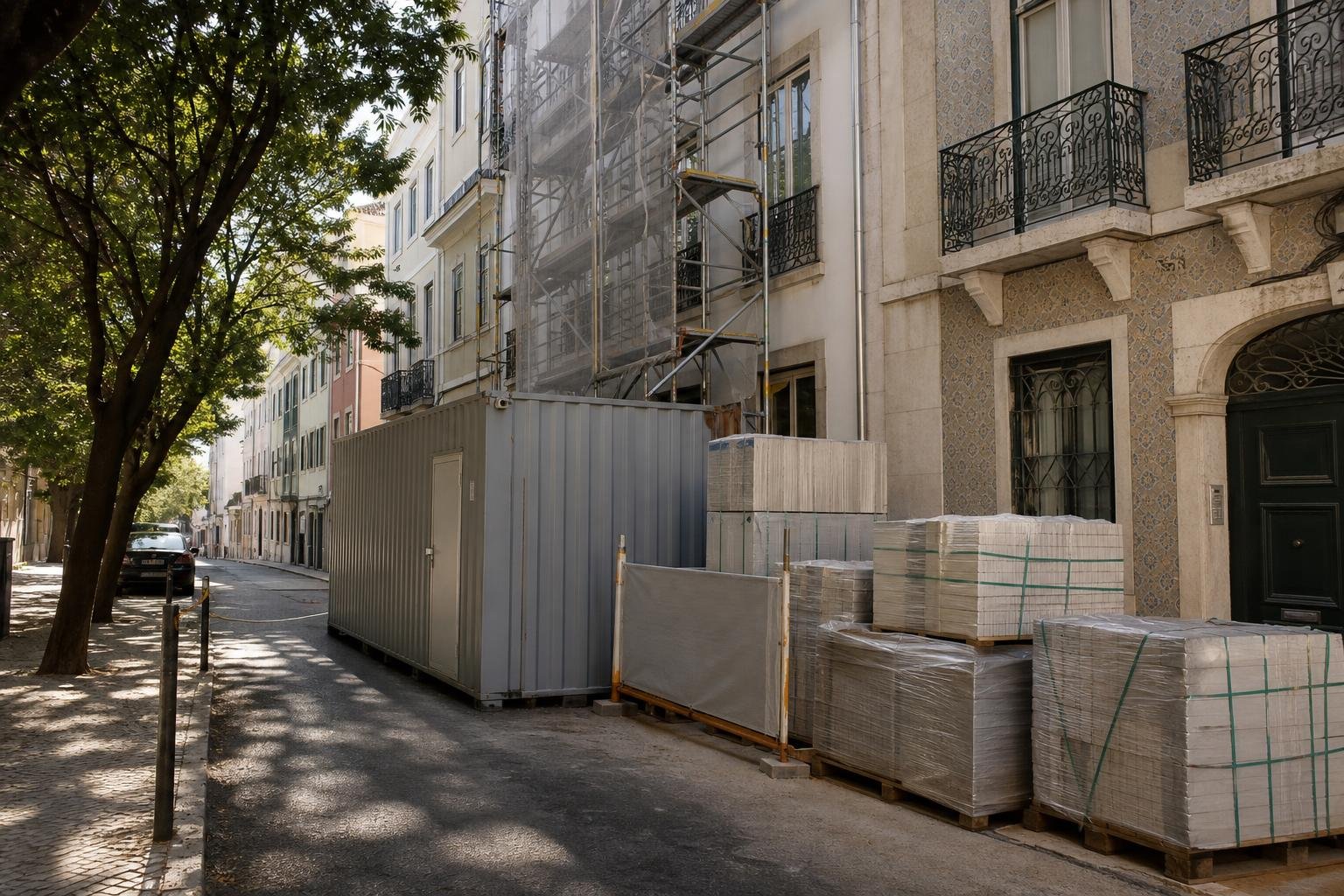
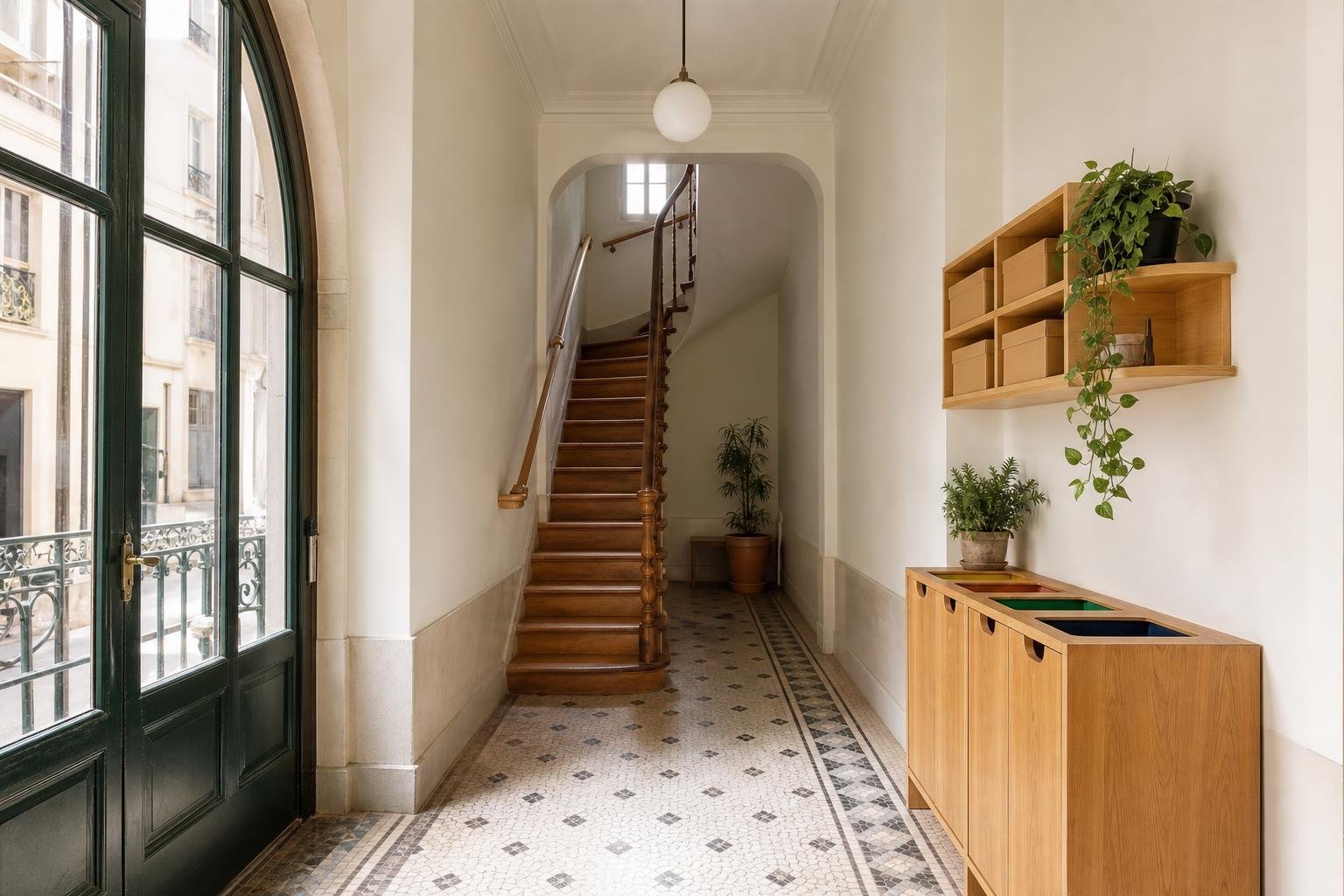
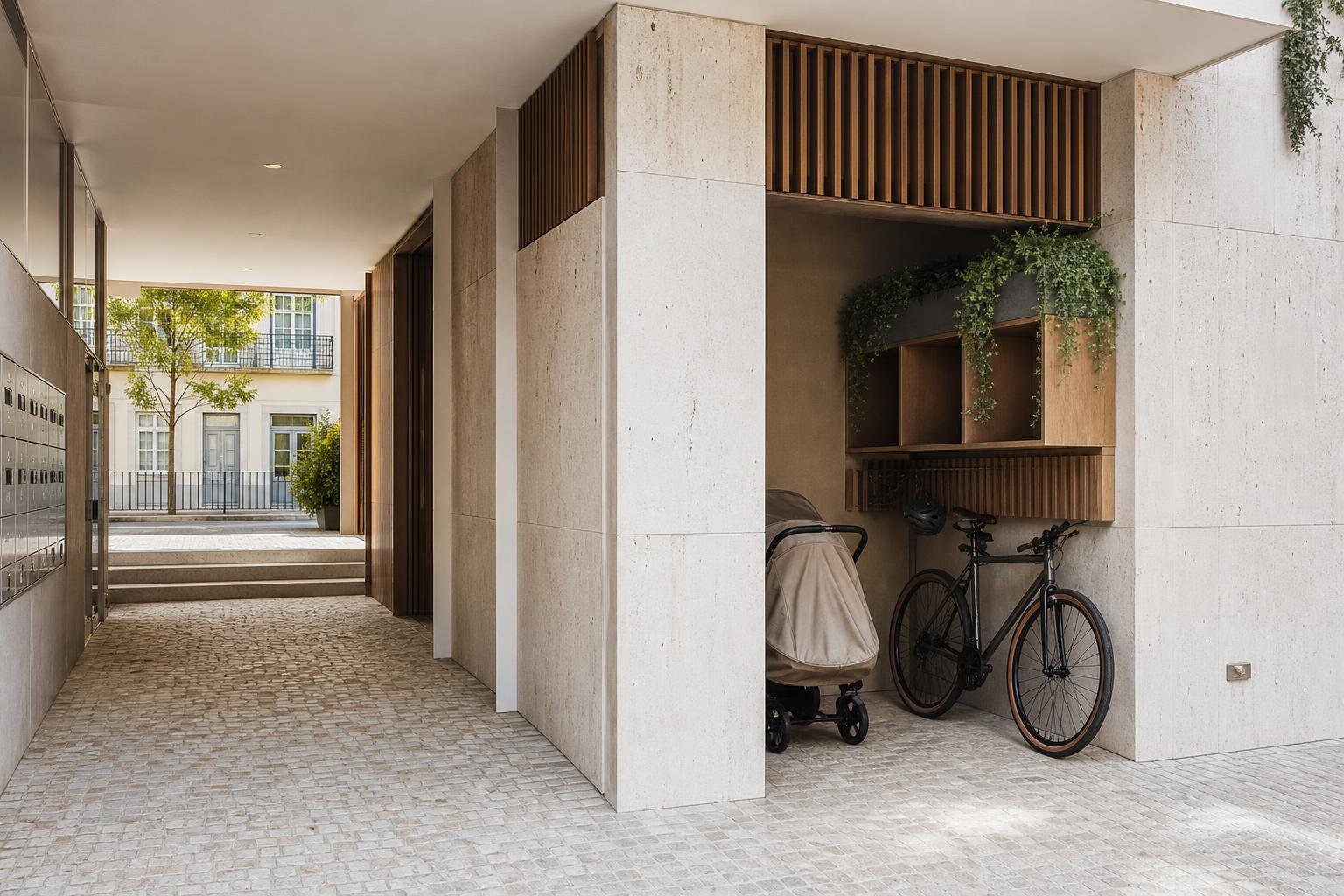
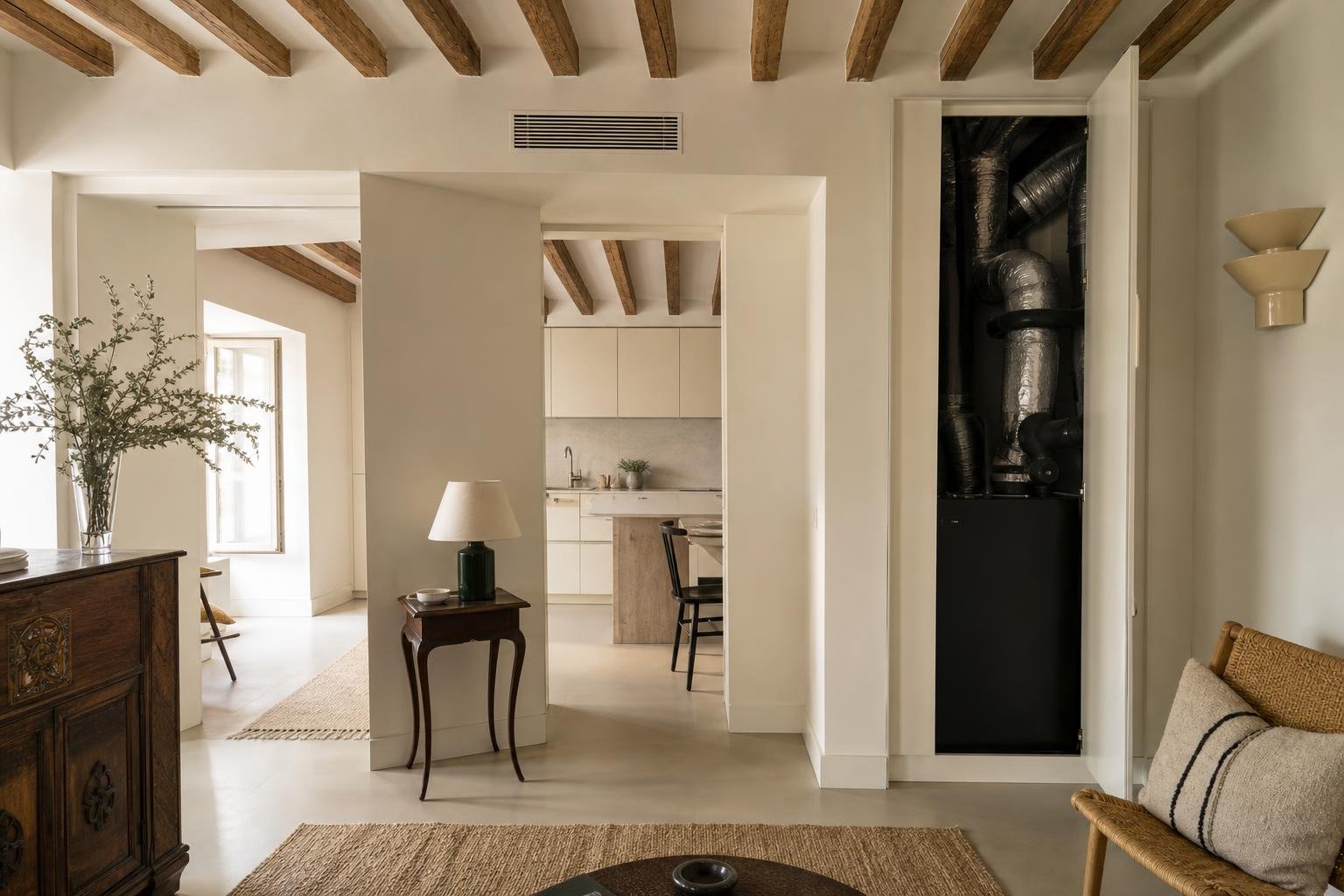
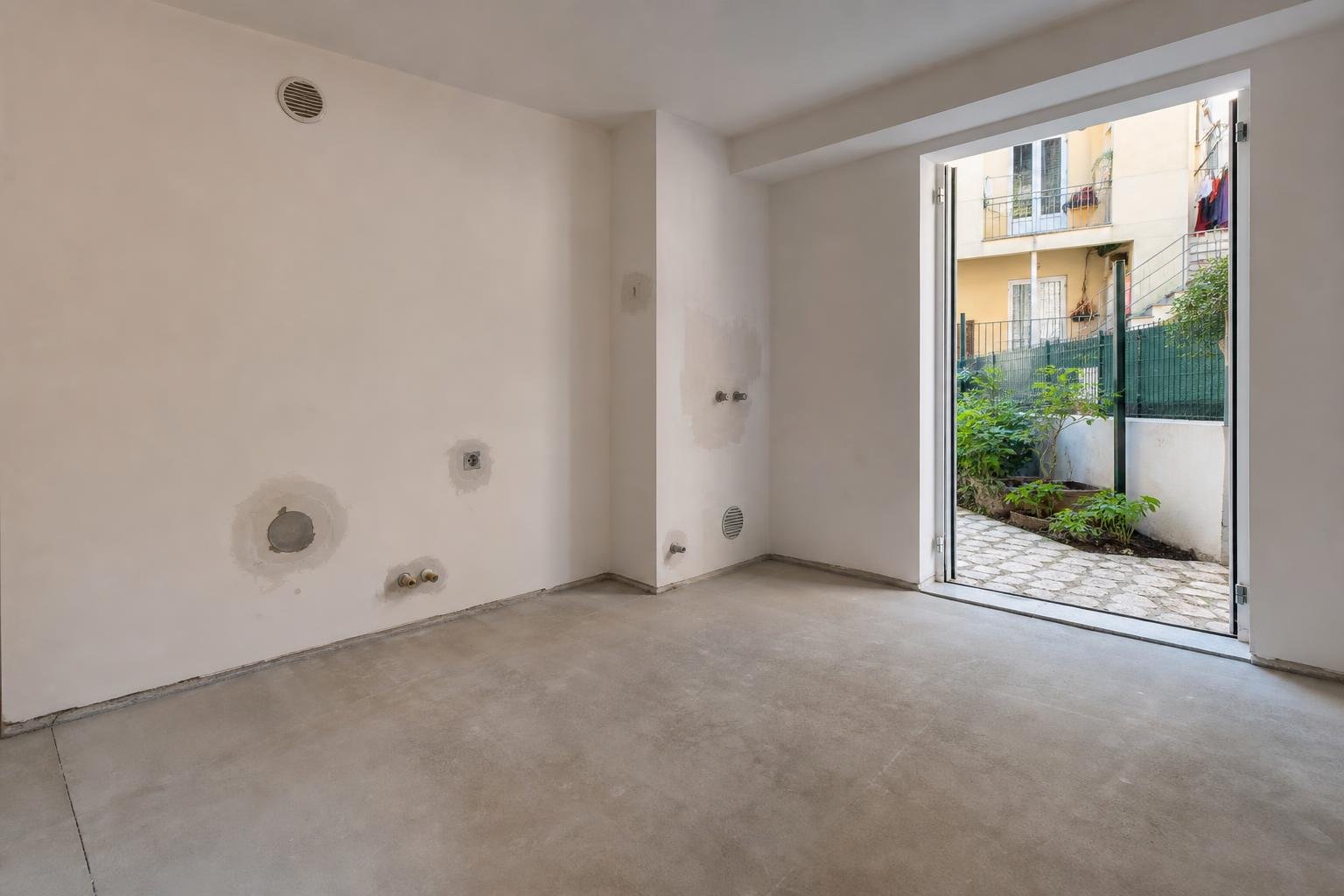
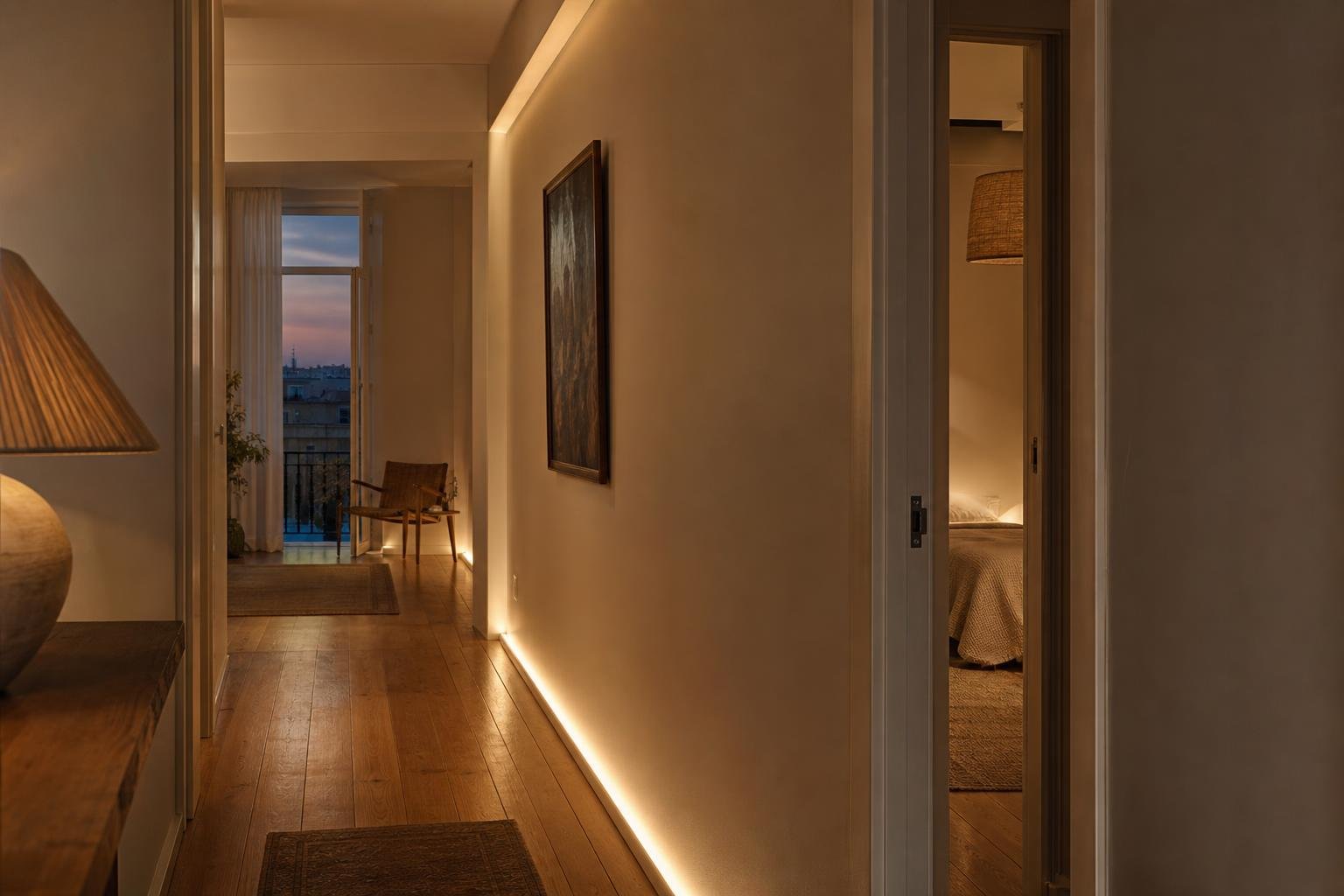
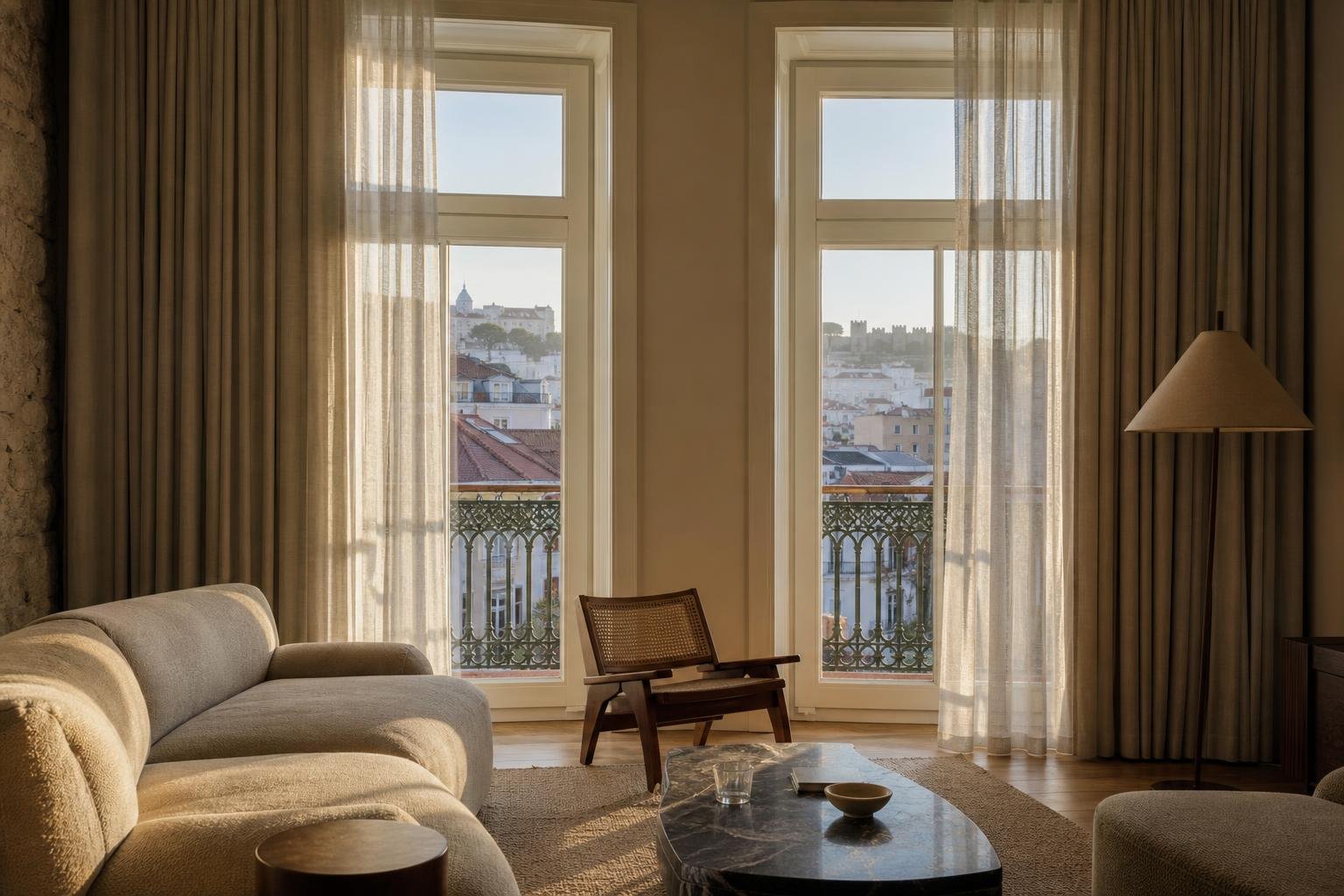
AI-generated editorial image; it does not depict an Obra Lisboa project.

Obra Lisboa