
A portable generator may look like an easy answer to a power cut, yet most risks are created before the engine starts: it is placed too close to the house, runs on a surface that floods, feeds overloaded extension leads, or is connected to the electrical installation without the right equipment. At a Lisbon house, where side passages, storage rooms and service doors are often close together, the key decision is not the output printed on the machine. It is creating a safe outdoor operating point and deciding in advance which loads are genuinely essential.
This guide concerns fuel-powered portable generators used for occasional backup. It is not a substitute for designing a permanent emergency supply or for qualified electrical work where fixed house circuits are to be supplied. The starting rule is unequivocal: a generator must never run in a garage, storage room, basement, enclosed balcony or any other enclosed or partly enclosed space, even with doors and windows open. The Portuguese Directorate-General of Health guidance on safe generator use also highlights the carbon-monoxide risk and advises keeping generators at least 6 metres from the home.
First, decide whether a generator is the right solution
A portable generator is most useful where there is a clear continuity need: basic lighting, a fridge during a longer interruption, a necessary gate, communications, a drainage pump or a key support device. It is not a safe way to keep an entire house running as if nothing had happened.
Make a short, realistic list and rank it:
- Priority 1: safety lighting, phone charging, router, fridge or freezer if needed.
- Priority 2: gate, well pump or drainage pump where the house depends on them.
- Usually unsuitable for a small generator: electric hob, oven, immersion heater, resistance heating, air conditioning and several high-load appliances at once.
Check the starting demand of motors and compressors too. A fridge may use modest power while running but need more when its compressor starts. Rather than guessing at generator capacity, prepare a table with each appliance’s label rating, its priority and whether it can be switched on at a different time.
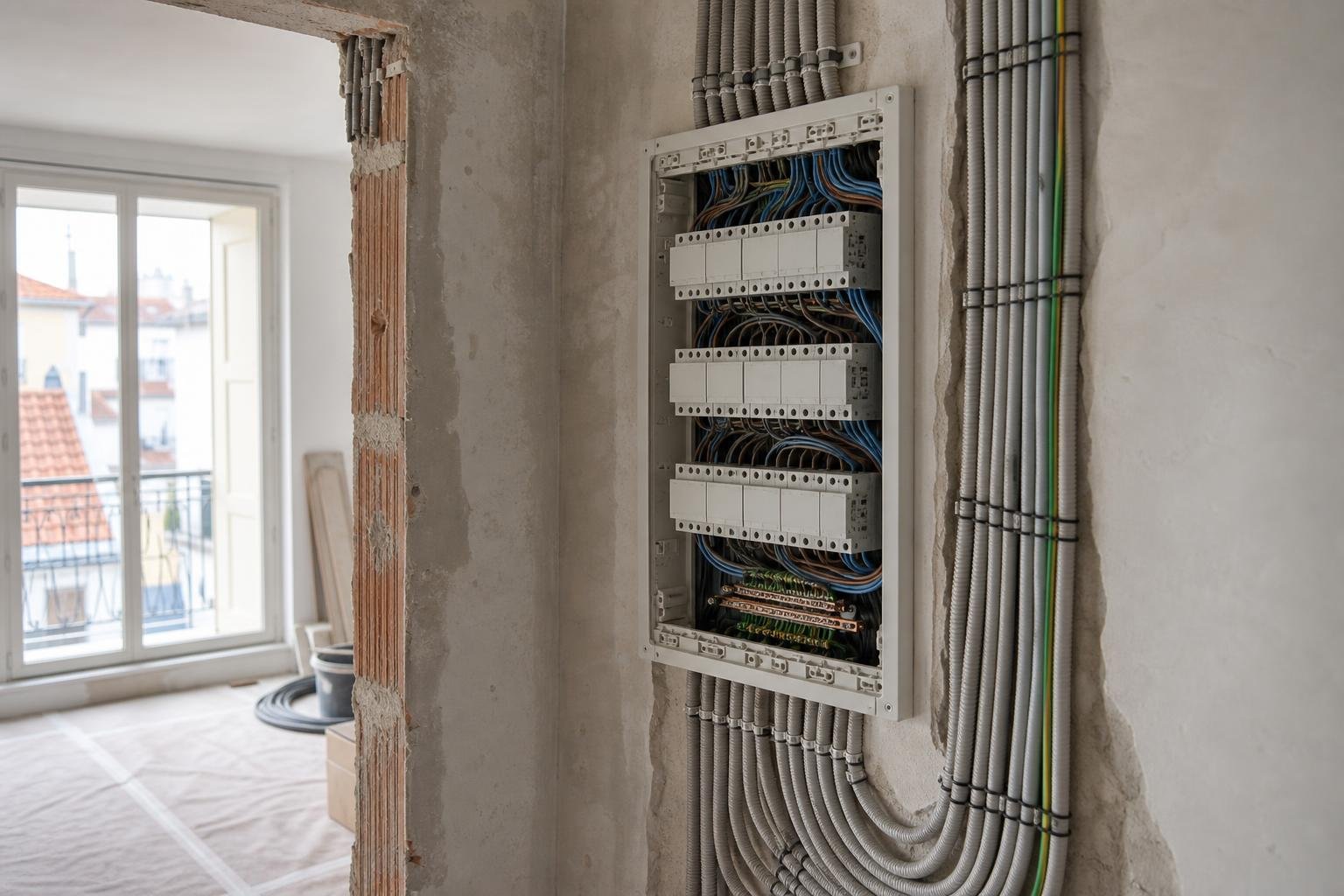
If the intention is to supply lighting, sockets or appliances through the consumer unit, do not improvise with a plug connected to a household socket. That can energise circuits in an unsafe way and create a danger for people and equipment. Review electrical panel planning for a house renovation before considering any changeover arrangement between mains power and a generator.
Choose an outdoor location that keeps exhaust away from the house
The location must be outdoors, open and considered in relation to the prevailing wind, rather than simply being where the cable reaches most easily. Portugal’s DGS advises directing exhaust away from doors, windows, ventilation grilles and air intakes, as well as keeping the unit at least 6 metres from the home. Read the DGS advice for storms and power disruptions before deciding on the setup.
In practical terms, do not place the machine against a façade, beneath an enclosed balcony, or in a narrow side passage between tall walls. Such spaces may retain exhaust, amplify noise and direct fumes towards open windows. A service door, kitchen window or low ventilation grille matters just as much as the front door.
Create a firm, level, non-combustible base, with clear space around it for refuelling, opening covers and removing the machine quickly if needed. Do not use a fully enclosed box to “quiet” the generator: the engine needs airflow and exhaust must disperse outdoors. If weather protection is necessary, use a stable, purpose-designed shelter open at the sides, without obstructing air intakes or sending exhaust towards the building.
Plan for rain, wind and ground conditions before an outage
Generators and extension leads should not be arranged in haste during heavy rain. The ground needs to remain dry, without standing water, mud or blocked drains; the cable must not cross a route where vehicles, gates or people can crush it or trip over it. Store the machine in a dry place when not in use, but always move it outside before starting it.
For Lisbon households, IPMA weather warnings are issued by district and use a colour scale to communicate risk. The IPMA guide to weather warnings explains that yellow warnings call for monitoring developments, while orange and red warnings require closer attention to civil-protection guidance. That matters when deciding whether conditions are safe for temporary outdoor cable runs, opening gates or refuelling.
Before the wetter season, carry out a daytime test in dry weather. Check the cable route, lighting, drainage and distance from openings. Photograph the correct setup and keep the images with the manual. During an emergency, a simple sequence that has already been tested prevents rushed decisions.

Power selected appliances, not the whole house, unless it is designed for it
For occasional use, the clearest approach is often to power a small number of appliances directly through extension leads suitable for the load and the setting. Choose leads in good condition, fully unwind them when carrying a meaningful load, and keep plugs and connections away from wet ground and water.
Avoid chains of adaptors, thin leads and domestic power strips hidden behind furniture. A connection that appears minor can overheat when chargers, a fridge and lights are all running for hours. Where possible, reserve one lead for each important load and do not leave routes crossed by cables.
When the aim is to keep fixed circuits operating — selected lighting, a fridge and a router, for example — the proper solution needs a dedicated inlet, suitable protection and a changeover device that prevents any back-feed to the public supply. This is qualified work, especially where the house includes sensitive systems such as a heat pump, automatic gate, solar generation or electric-vehicle charging.
It is also worth planning permanent electrical loads in advance. Obra Lisboa’s guide to surge protection during a renovation helps explain why the panel, protective devices and sound connections deserve attention before domestic electronics are connected to a temporary source.
Treat fuel, heat and maintenance as part of the installation
Refuel only with the engine switched off and cool. Keep fuel in suitable, closed containers, clearly identified and away from ignition sources, food, children and circulation routes. Do not fill the tank until it spills, and do not leave fuel-soaked cloths, packaging or flammable liquids near the exhaust.
The DGS recommends following the stated procedures for DIY products such as paints and varnishes, and ensuring suitable ventilation where polluting sources are present. Its general indoor-air recommendations are useful here: they reinforce why a storage room should not become a mixed store for fuel, thinners, paints and electrical equipment.
Set a short routine:
- check oil, fuel and overall condition before each use;
- ensure engine ventilation and the exhaust outlet are clear;
- test it periodically in line with the manufacturer’s manual, always outdoors;
- replace damaged cables instead of repairing them with insulating tape;
- record maintenance dates, running hours and fuel replacement.
A machine left idle for years is not a dependable reserve. Scheduled maintenance is more useful than a rushed purchase on the eve of severe weather.
Add carbon-monoxide detection and a simple household plan
Carbon monoxide has no colour or smell. Distance from the building and the direction of the exhaust therefore do not remove the need for additional precautions. Consider suitable carbon-monoxide alarms in the interior locations recommended by their manufacturer, particularly where the home has combustion appliances. An alarm must never be treated as a substitute for ventilation, maintenance or correct outdoor generator placement.
See Obra Lisboa’s guide to carbon-monoxide detectors at home, which sets out what these devices may alert you to and what they cannot solve. If anyone develops headache, dizziness, nausea or malaise while the generator is in use, switch it off if safe to do so, move people into fresh air and seek emergency guidance where necessary.
Finally, leave brief instructions beside the equipment: approved operating location, distance from the house, start-up sequence, permitted loads, electrician’s contact details and the rule that it must never be moved into the garage “just because of rain”. An effective plan fits on one page. Safety depends on following it when there is no power and every decision feels urgent.
Planning emergency power, reorganising an electrical panel or adapting a house for greater resilience? Obra Lisboa can help bring safety, building services and everyday use together in a well-planned intervention.
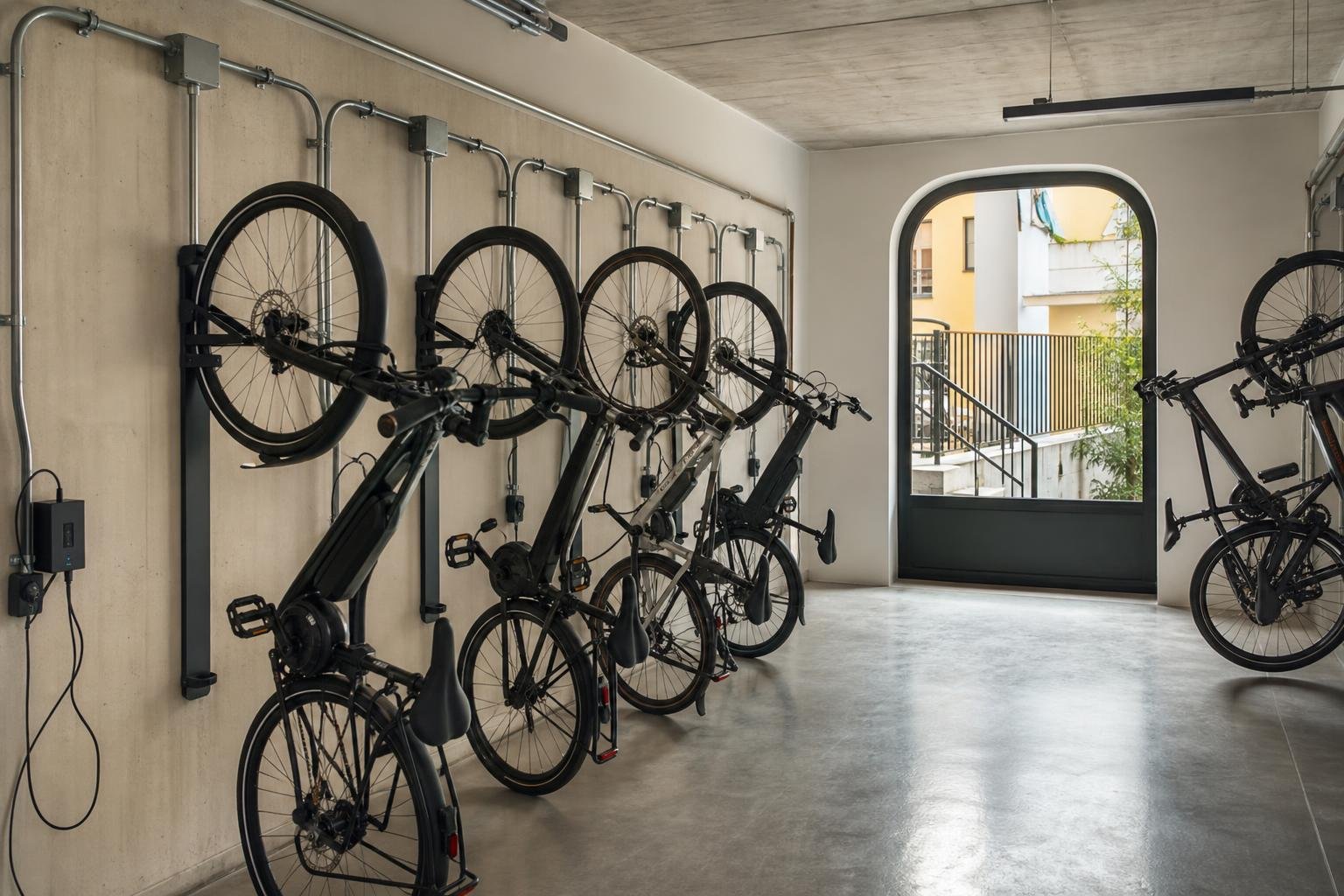
AI-generated editorial image; it does not depict an Obra Lisboa project.

Obra Lisboa