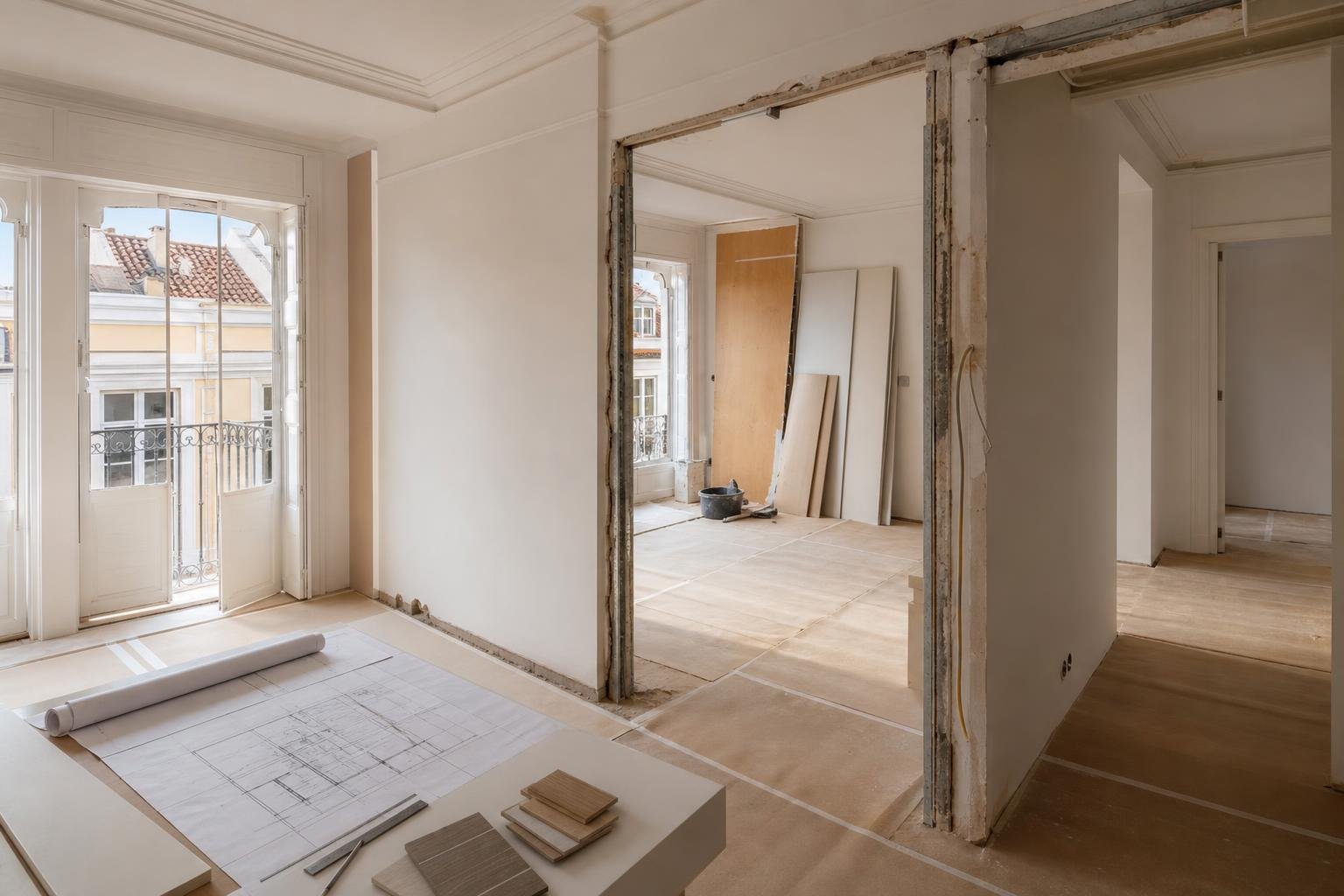
A renovation can improve a home while temporarily turning every room into a place for deliveries, cutting, drilling, carrying materials and cleaning. For books, photographs, documents, textiles, electronics, artwork or sentimental objects, the main risk is not always a dramatic accident. More often, it is the combined effect of fine dust, moisture, scratches, knocks and hurried decisions.
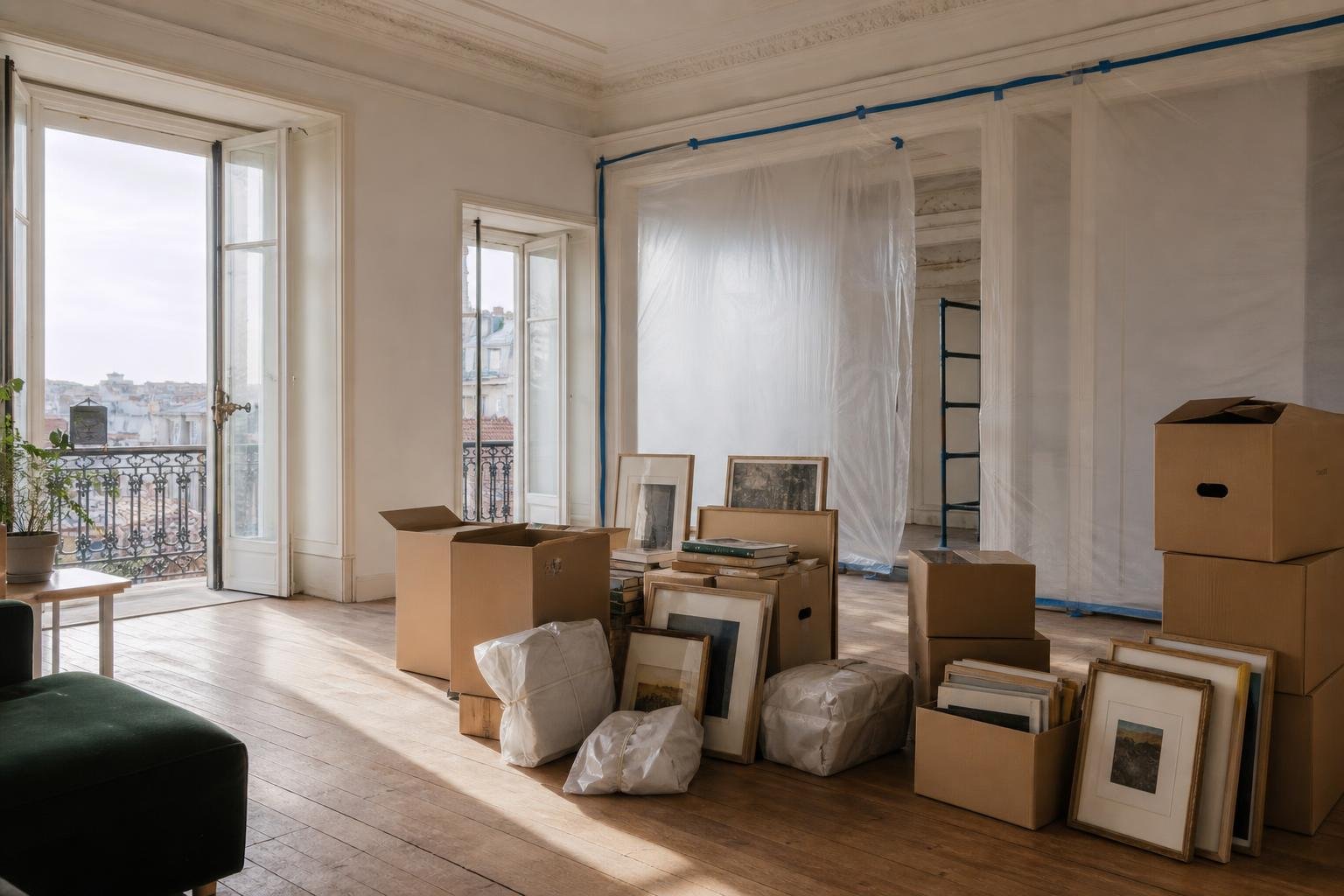
Protecting sensitive belongings does not mean wrapping everything in plastic or trying to store an entire home inside cupboards. It means deciding what must leave the site, what can remain in a properly protected area, and who may enter that area. Good preparation also makes the work easier, keeps routes clear for the trades, and prevents an important item from being forgotten in a room that merely appears closed off.
Portugal’s Directorate-General of Health recommends controlling indoor pollution sources, ensuring suitable ventilation and taking care with products such as paints and varnishes that may release compounds into the air. During works, this supports creating a clear physical separation between the active work zone and the belongings being kept safe. Review the DGS recommendations on indoor air before setting out your plan.
Separate irreplaceable items from items that simply need storage
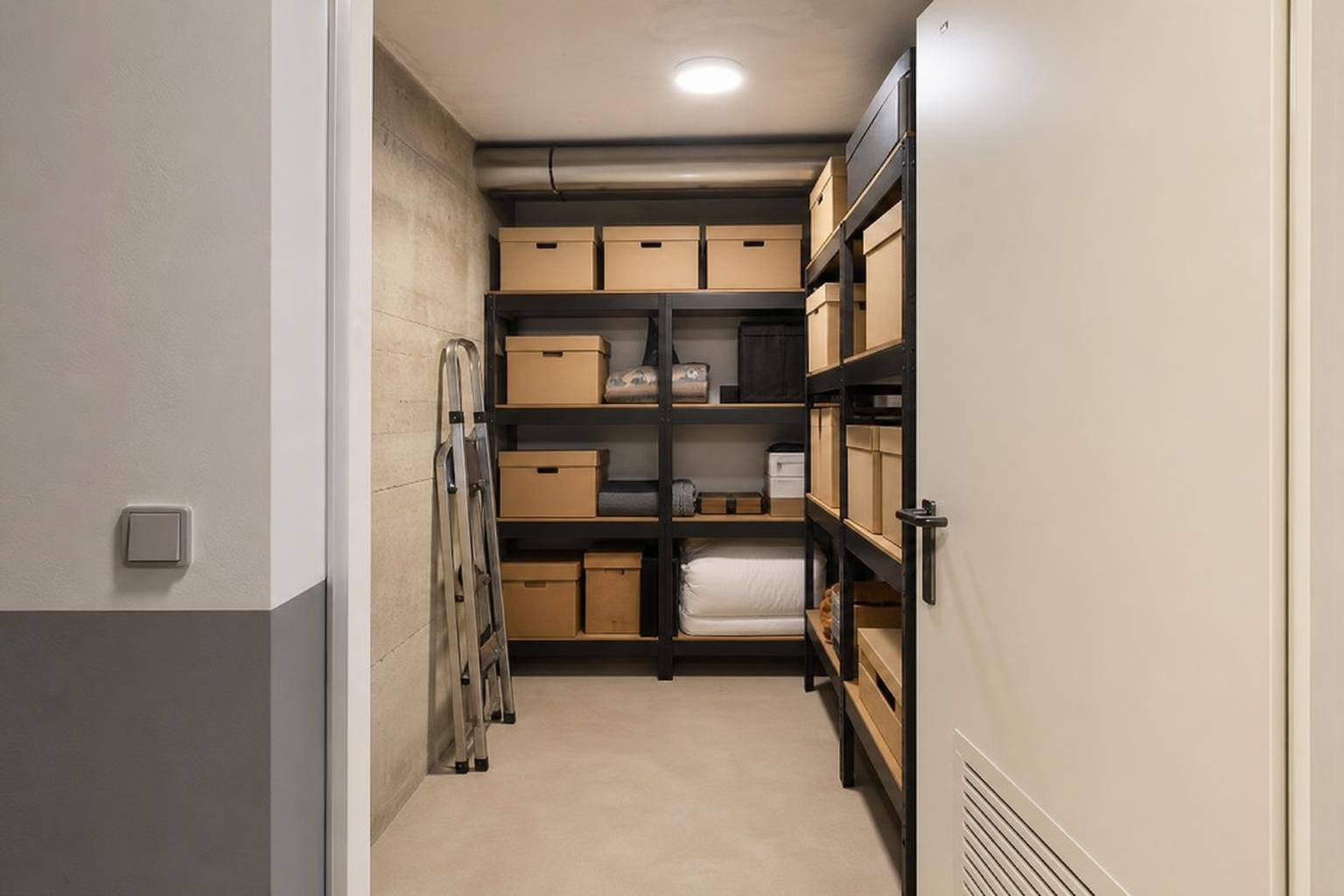
Before buying boxes or protective blankets, make a short and useful inventory. Separate original documents, photographs that have not been digitised, old books, computers holding local data, jewellery, small collections, artwork, instruments and fragile belongings. These should not be treated as ordinary decorative items: they should leave the home or remain in a genuinely isolated room.
Photograph valuable pieces, note their existing condition and keep a list of what each box contains. For paperwork, scan anything essential and retain copies somewhere secure. Avoid writing detailed descriptions on the outside of boxes that may pass through shared areas; use a simple code and keep the key yourself.
Create three groups:
- Remove from the home: original paperwork, small high-value items, digital media and irreplaceable belongings.
- Keep in a clean room: books, lightweight furniture, textiles and décor that can be protected.
- Move with the contractor: large items that obstruct the works or cannot be protected reliably in place.
Make this decision before the site setup begins. Where works are taking place inside an apartment building, confirm moving routes and timings too: logistics are part of protection, as explained in our guide to the hidden logistics of renovation work inside buildings.
Use the right packing method for each material
Clean, sturdy cardboard boxes work well for many books and lightweight objects, provided they are not overloaded. Spread the weight: large books should lie flat, while heavy boxes should remain small enough to carry without dragging. Fill empty spaces with plain paper, corrugated card or clean fabric so contents cannot shift.
Documents, photographs and digital media need greater care. Use sleeves, envelopes or closed boxes, and keep them away from external walls, damp floors and windows. Do not place plastic directly against wood, leather, paper or canvases for weeks at a time: condensation can trap moisture against the surface. For these materials, use a breathable first layer and a separate outer dust barrier.
Frames, mirrors and sharp-edged objects need corner protection, rigid card on the faces and a clear fragile label. Rugs and curtains should be vacuumed before being rolled or stored; do not fold them in damp conditions. For furniture, remove loose drawers, glass shelves and vulnerable handles whenever that makes moving safer.
Create a clean, sealed room with controlled access
If removing everything is not possible, choose a room away from demolition, mortar mixing and delivery routes. Remove anything that does not need to remain, group stored items in the centre and leave a clear strip beside the walls for inspection. Cover belongings with blankets, card and protective film only as an outer layer, without sealing delicate materials airtight for extended periods.
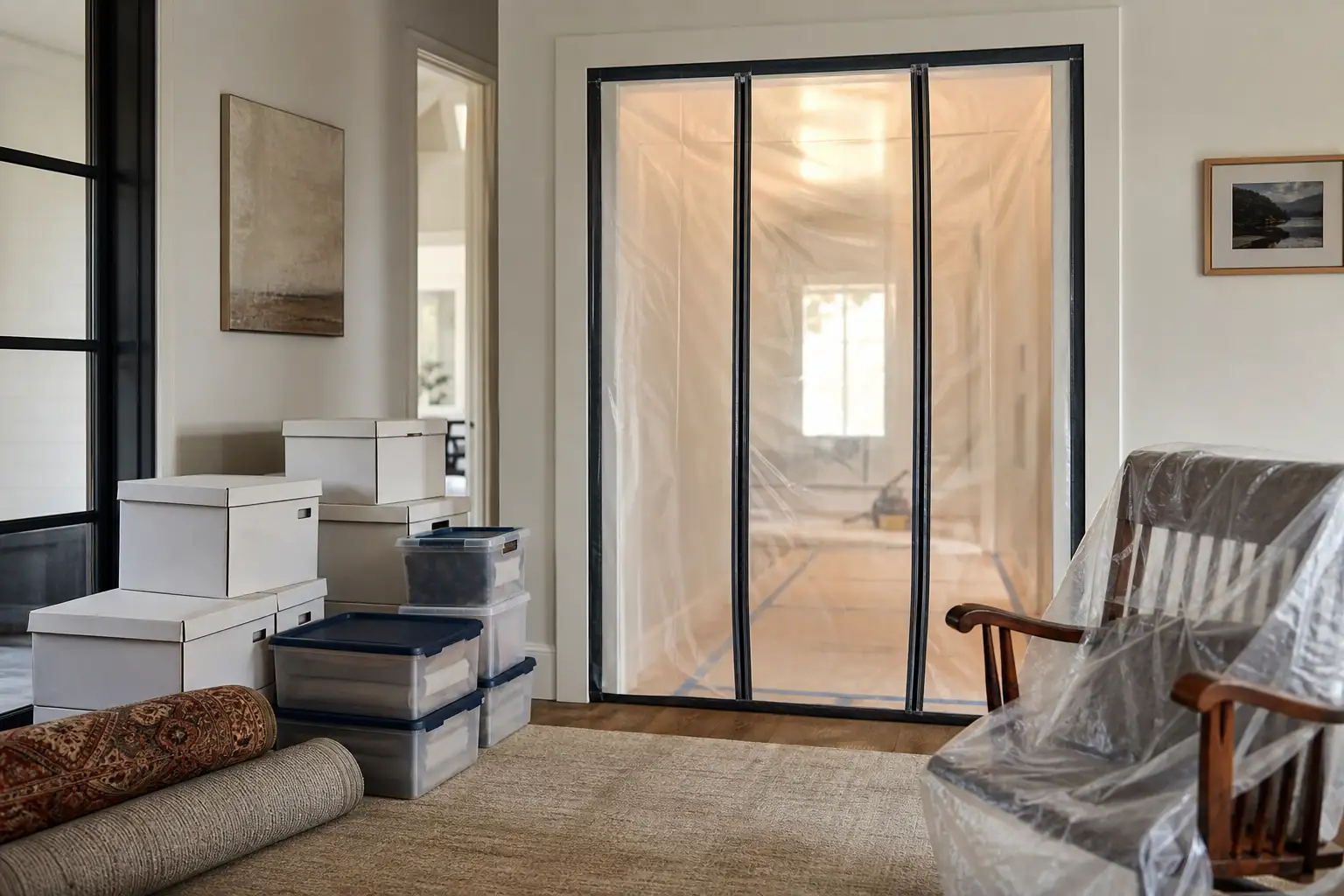
The door should become a boundary. Install a well-fitted temporary dust barrier and agree with the contractor that the room is not storage for tools, packaging or materials. In its guidance on environmental control during works, the DGS highlights assessing expected dust production and using sealed barriers to contain dust and waste. Although that guidance is aimed at healthcare settings, the basic principle is valuable at home: controlling dust at source is better than trying to clean it all up afterwards.
If the work requires skips, material storage or special vehicle access outside, Lisbon City Council provides for public-space occupation plans that identify support areas, rubble, containers and vehicle access, among other items. Check the Lisbon rules for public-space occupation during controlled works when logistics affect access to the building.
Manage dust, vibration and moisture every day
Initial protection only works if it is maintained. Agree on regular cleaning of routes, frequent waste removal and checks on dust barriers. Do not use the protected room as a shortcut and do not drag boxes across the floor. On cutting, sanding or demolition days, confirm that doors, vents and openings are properly protected before work begins.
Avoid storing books and documents directly on the floor, even where it appears dry. Raise boxes on clean pallets, rigid plastic supports or a simple raised platform that allows possible leaks to be spotted. Keep them away from plumbing, removed radiators, replacement windows and walls showing signs of water ingress.
In older buildings, drilling or demolition of certain materials needs additional caution. The DGS notes that asbestos-containing materials may occur in housing components and that removal can release particles. If there is any suspicion, do not cut, drill or attempt removal yourself. Read the DGS guidance on asbestos in homes and obtain specialist assessment before proceeding.
Protect floors and furniture without creating fresh damage
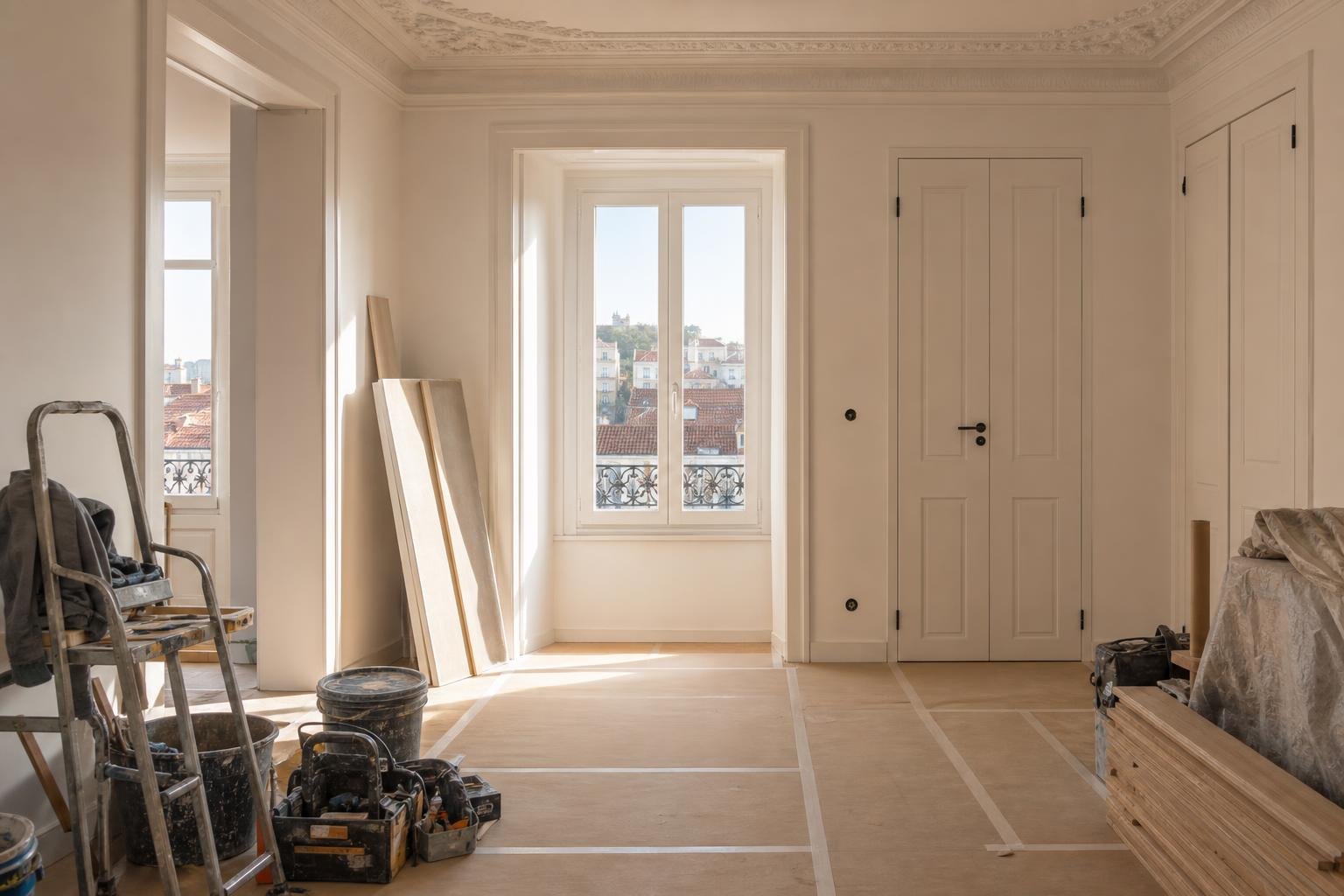
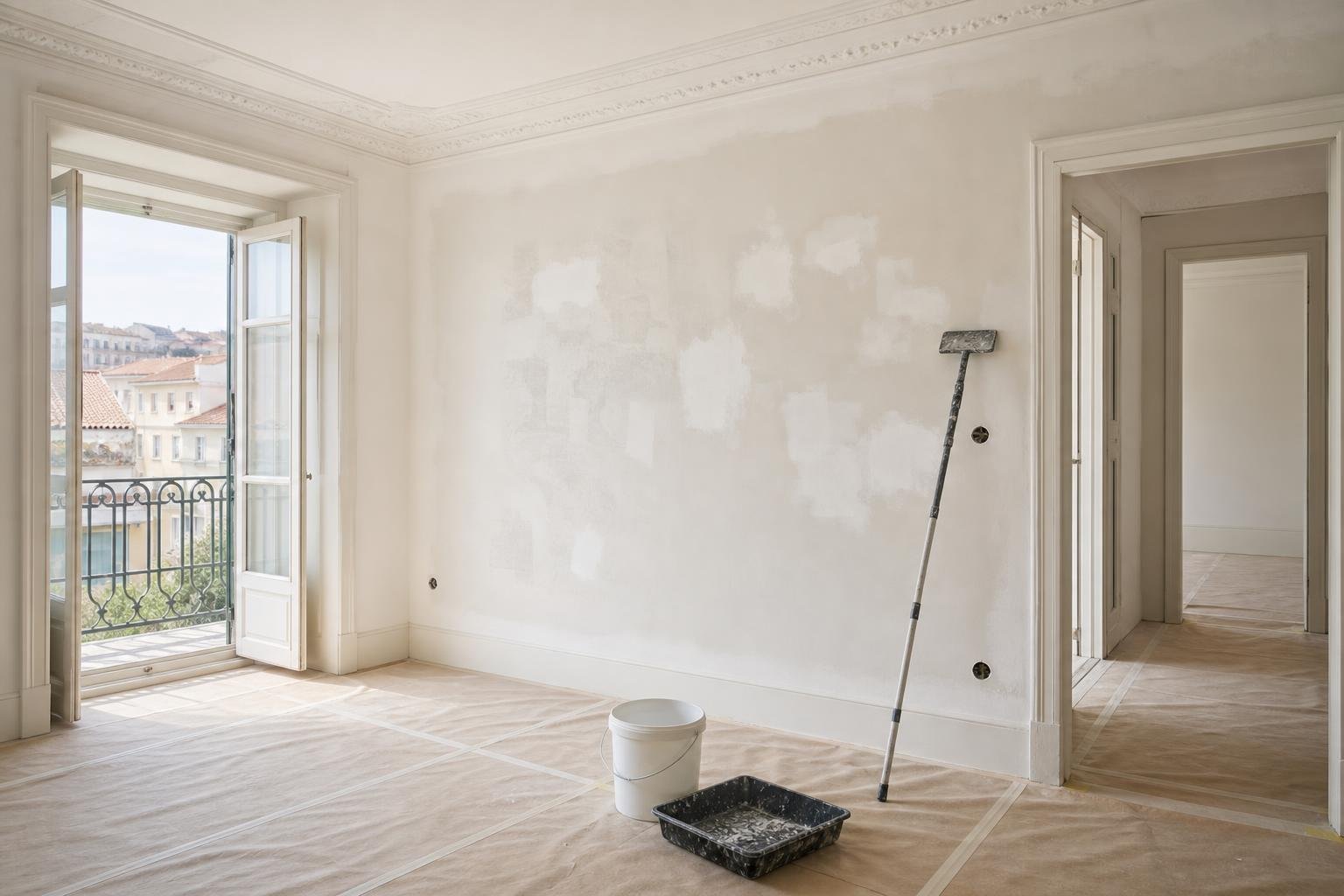
Poorly chosen protection can cause damage itself. Unsuitable adhesive films may leave residue, trap moisture or mark finishes; loose blankets can become trip hazards; thin card breaks down when wet. The approach should suit the floor, the project duration and the type of work. Timber, natural stone, ceramic and vinyl all respond differently to water, impact and abrasion.
For furniture that stays on site, a cover alone is not enough. Move it away from active walls, raise its feet where washing or water exposure is possible, and protect exposed corners. If a piece has a stone, glass or lacquered top, it needs rigid protection where impacts could occur. See our guide to temporary floor protection during renovation to plan materials and sequencing without sacrificing the final finish.
Review protection at the end of each phase. Risk changes when a project moves from demolition to services, finishes or painting; leaving the same cover in place until the end can be inadequate or counterproductive.
Set responsibilities in writing and plan re-entry
Before works begin, send the contractor a straightforward list of rooms that are off limits, possessions the owner will remove, and items needing particular care. It does not replace insurance or a contract, but it reduces uncertainty. For private construction contracts above the applicable legal threshold, the agreement must be put in writing and include, among other items, identification of the parties, the scope, value, timescale and payment terms, according to the IMPIC frequently asked questions on construction contracts.
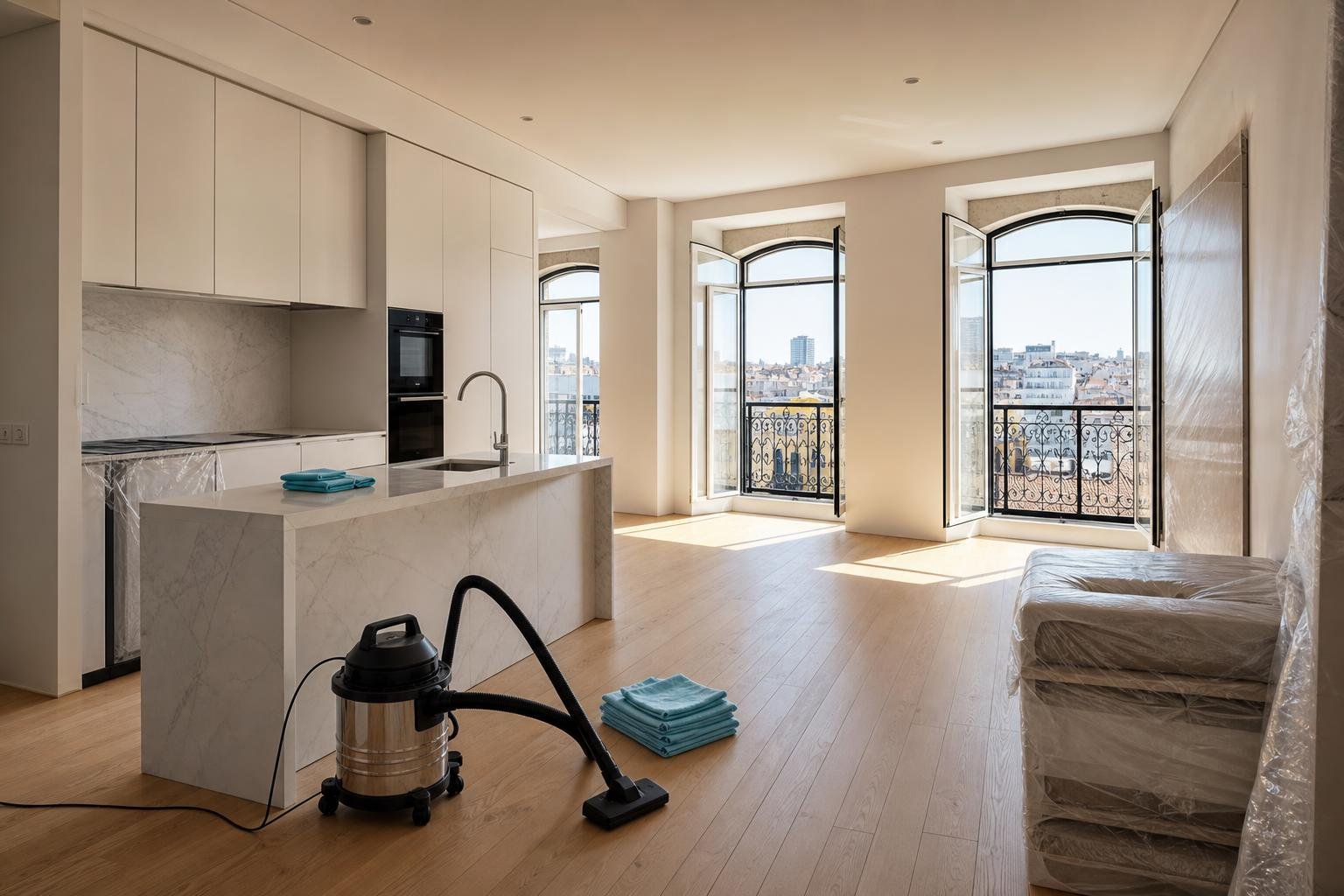
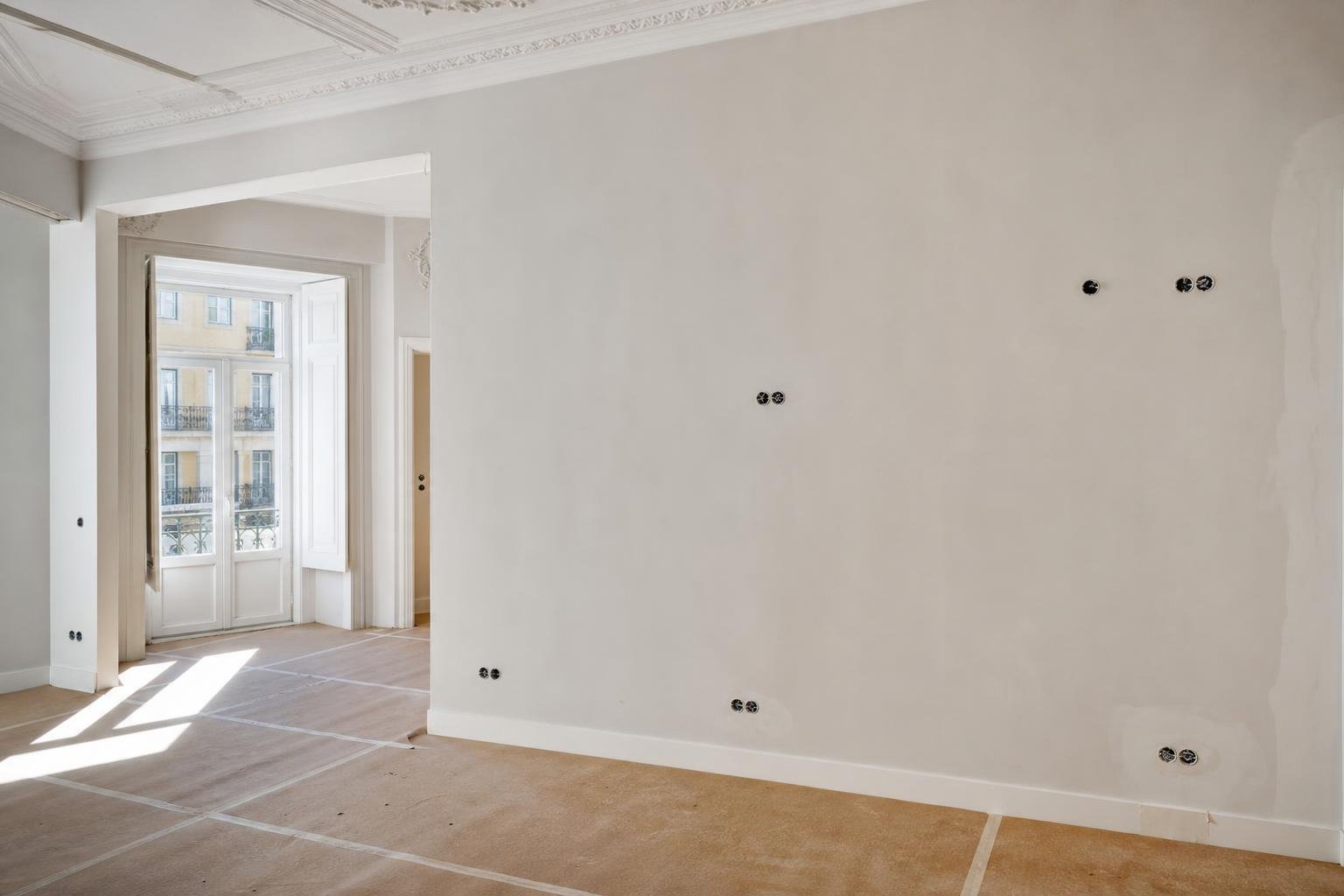
At final cleaning, do not put belongings back as soon as the work looks complete. First remove protection in stages, vacuum dust with suitable equipment, clean surfaces from top to bottom and ventilate the home. Then inspect boxes, furniture corners, book spines and photographs. Rugs, bookcases and artwork should only return once no touch-ups, drilling or installation tasks remain.
A proper handover includes time for that inspection. Use our post-renovation cleaning and handover checklist to organise this final stage.
An organised renovation starts before the first demolition task. Obra Lisboa can help plan work phases, protection for occupied areas and site logistics, so that both the home and its belongings reach the end of the process in good condition.
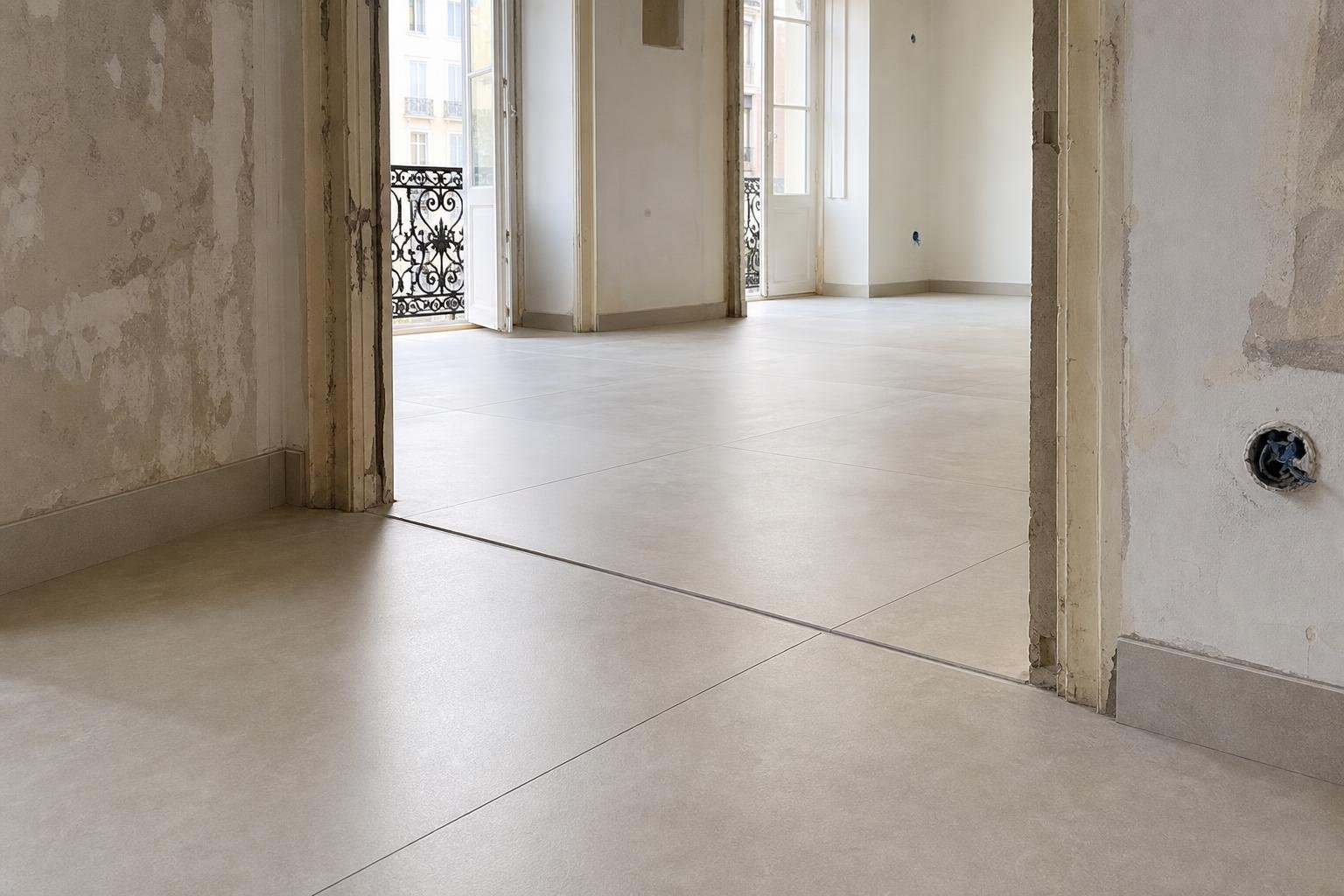
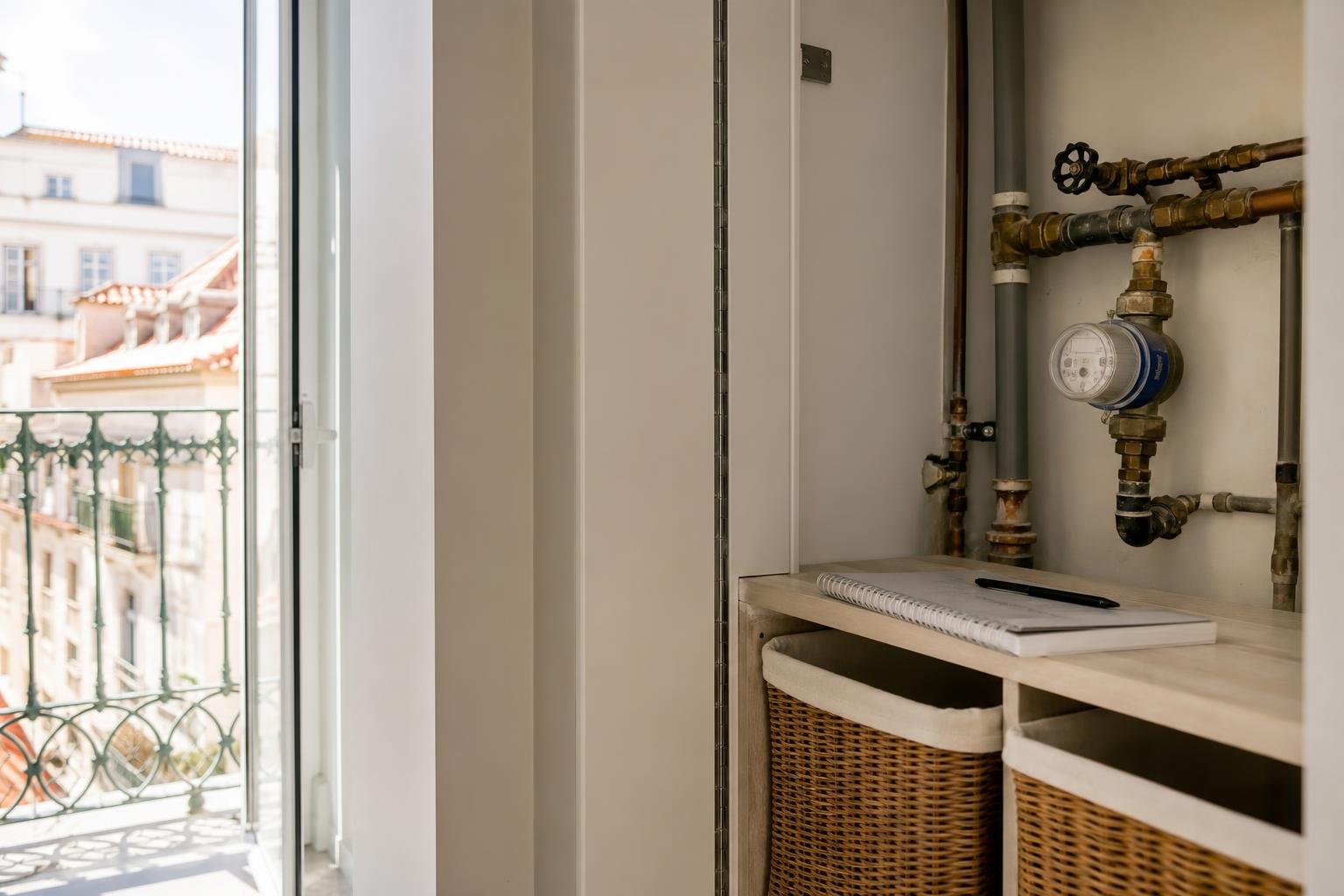
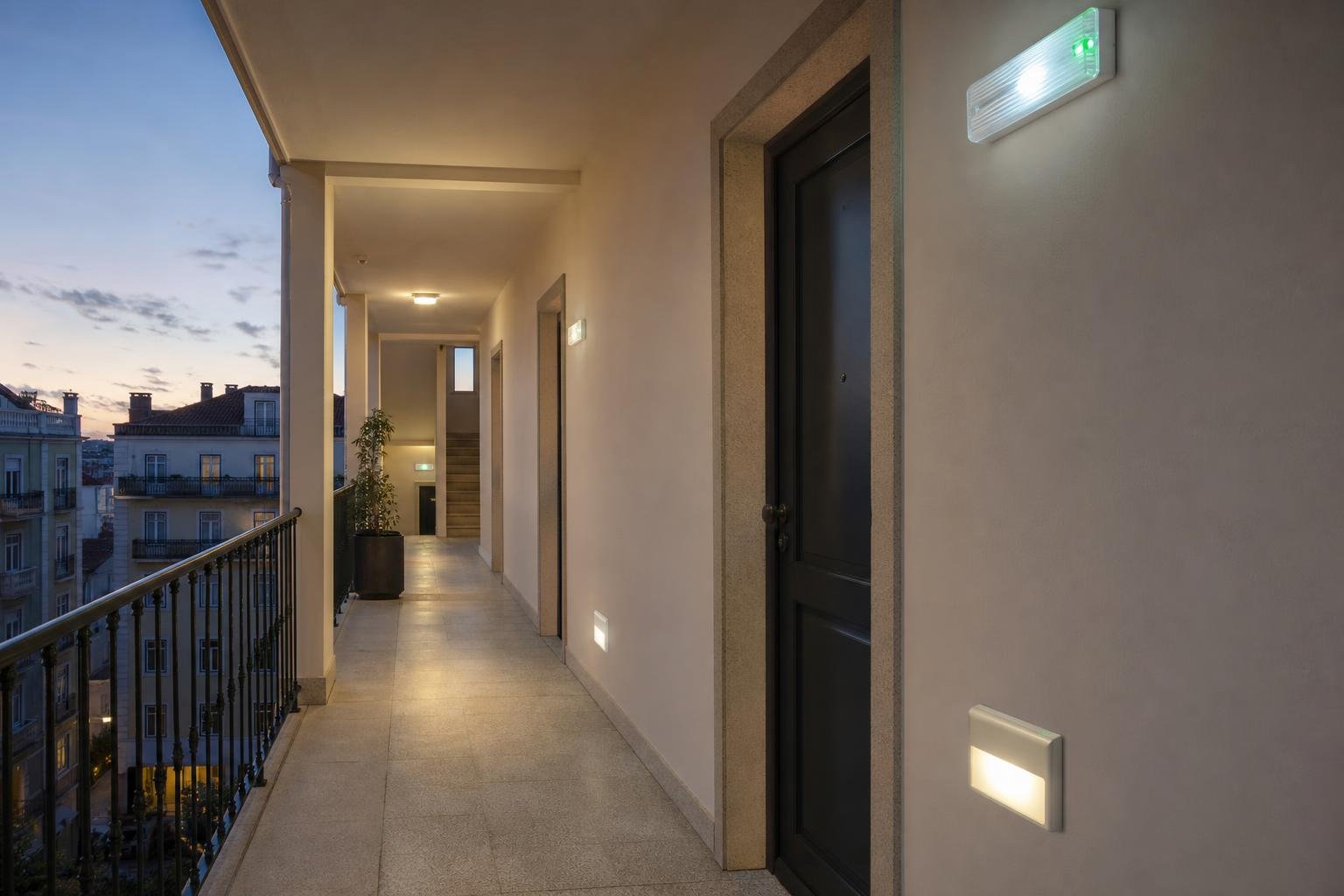
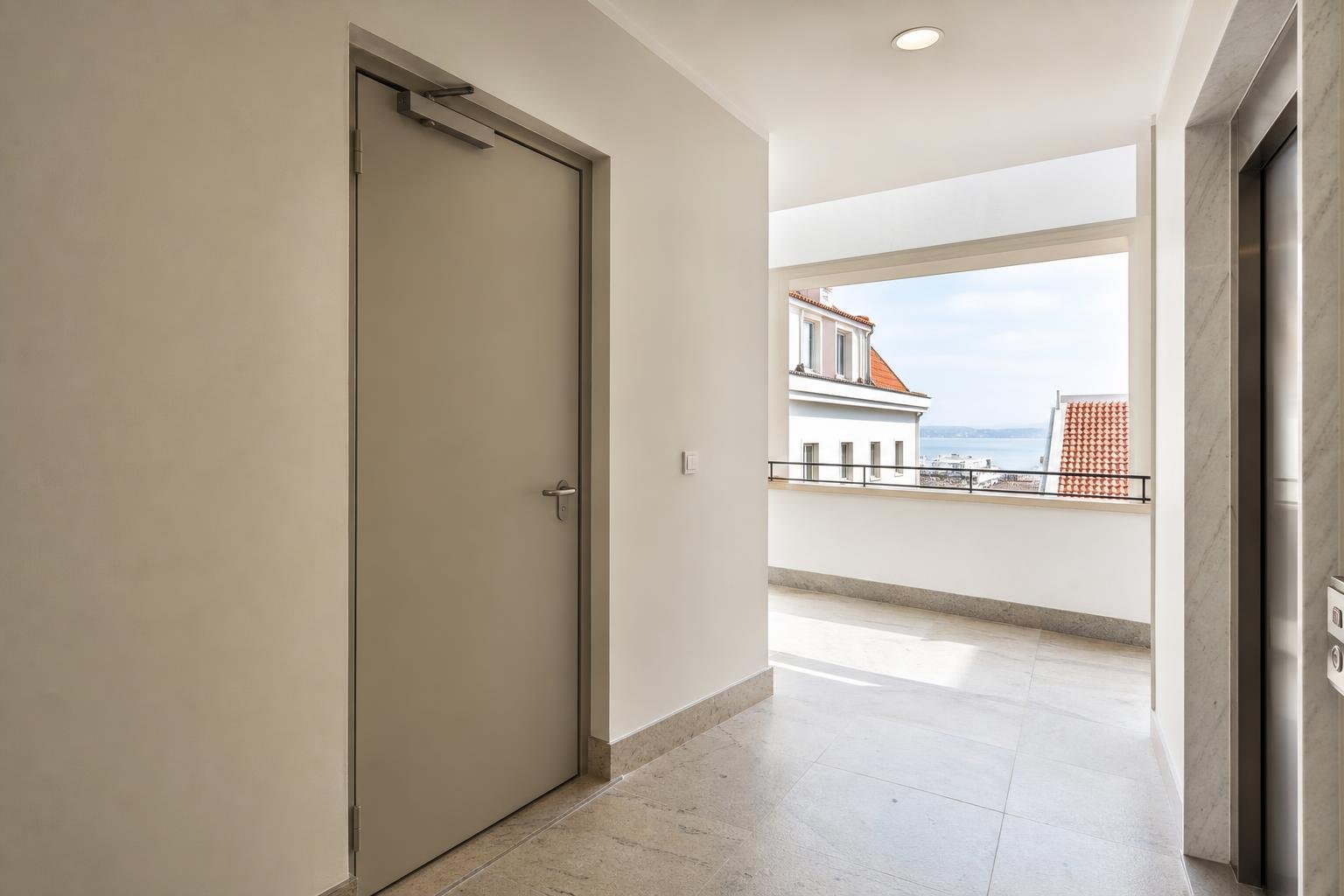
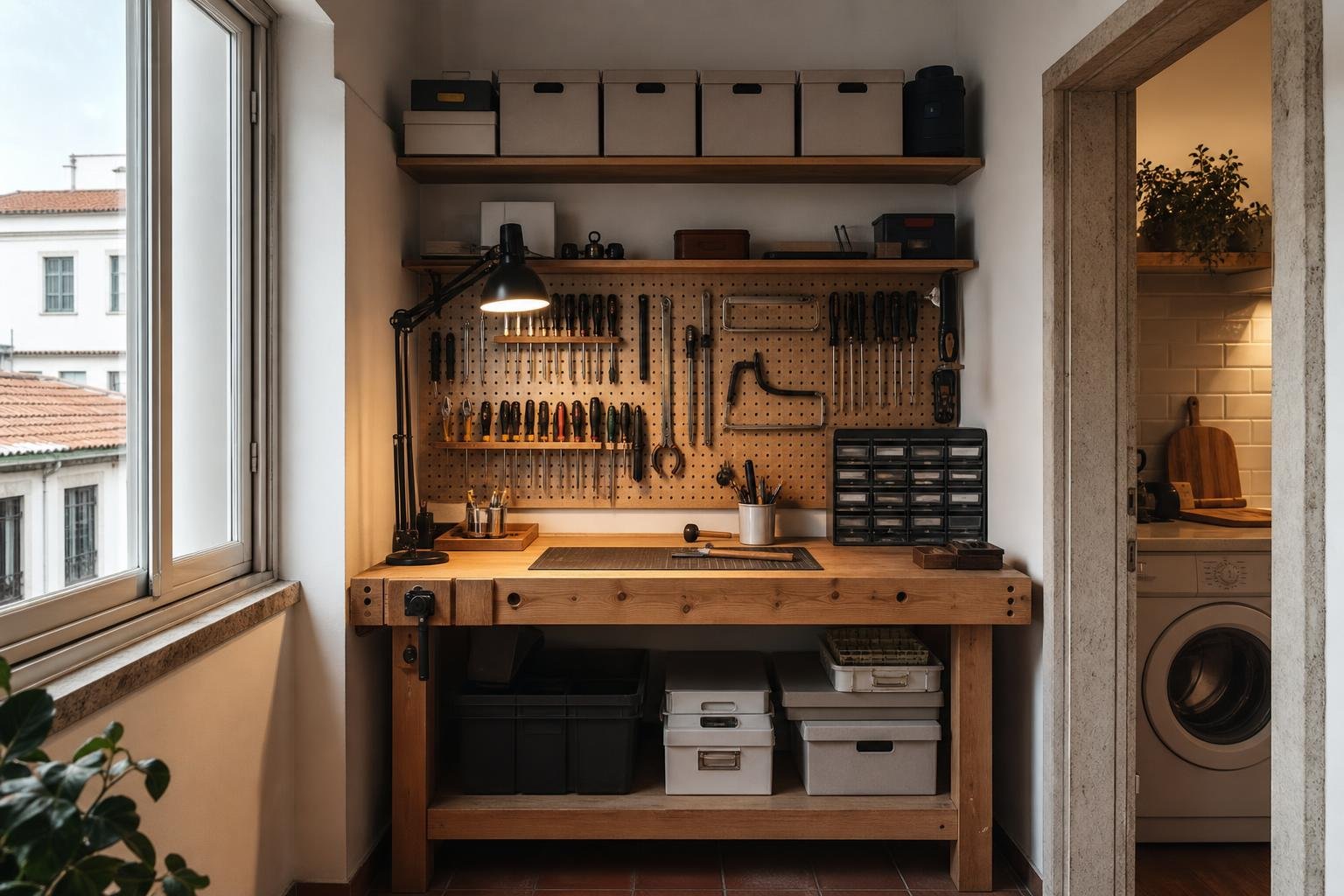
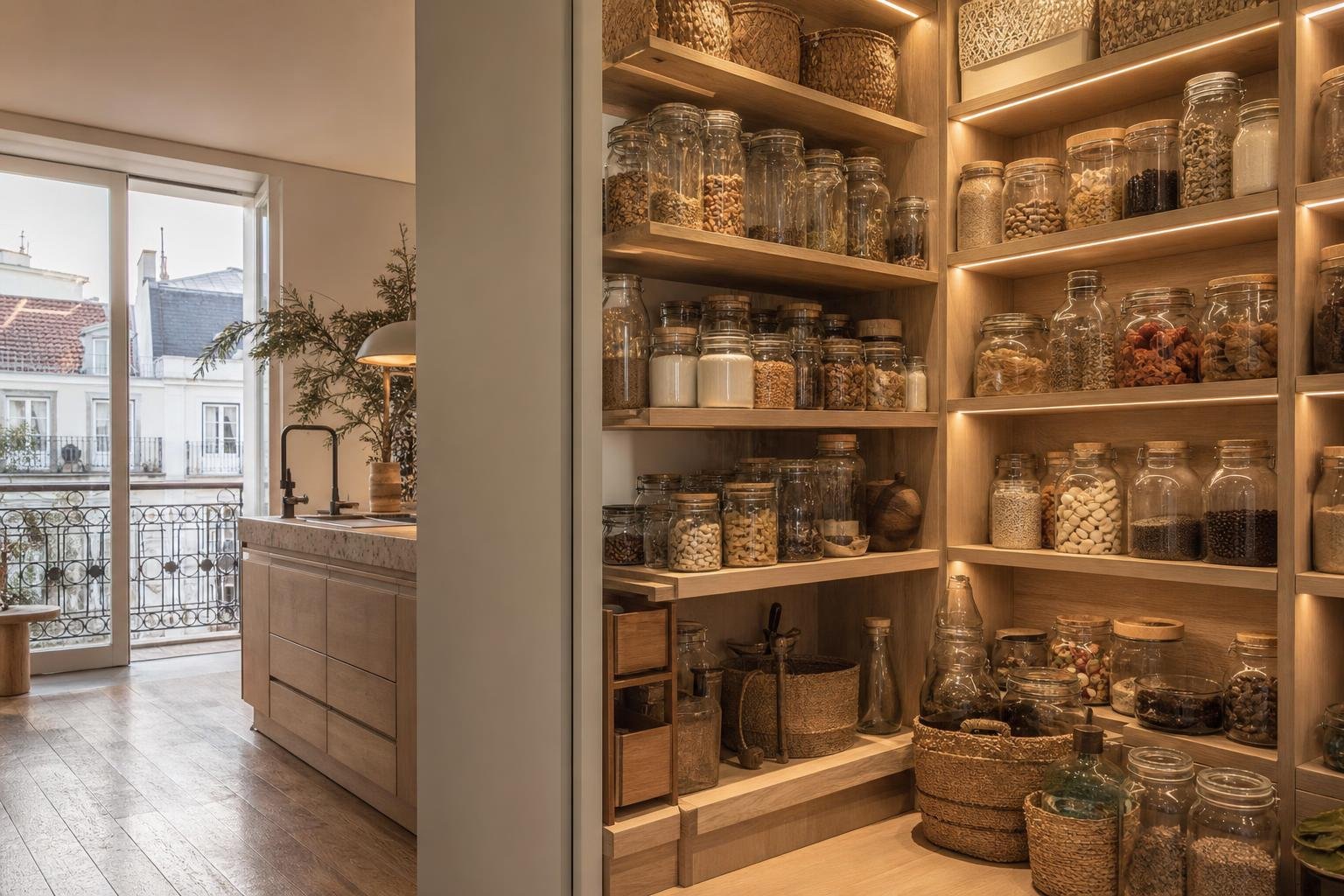
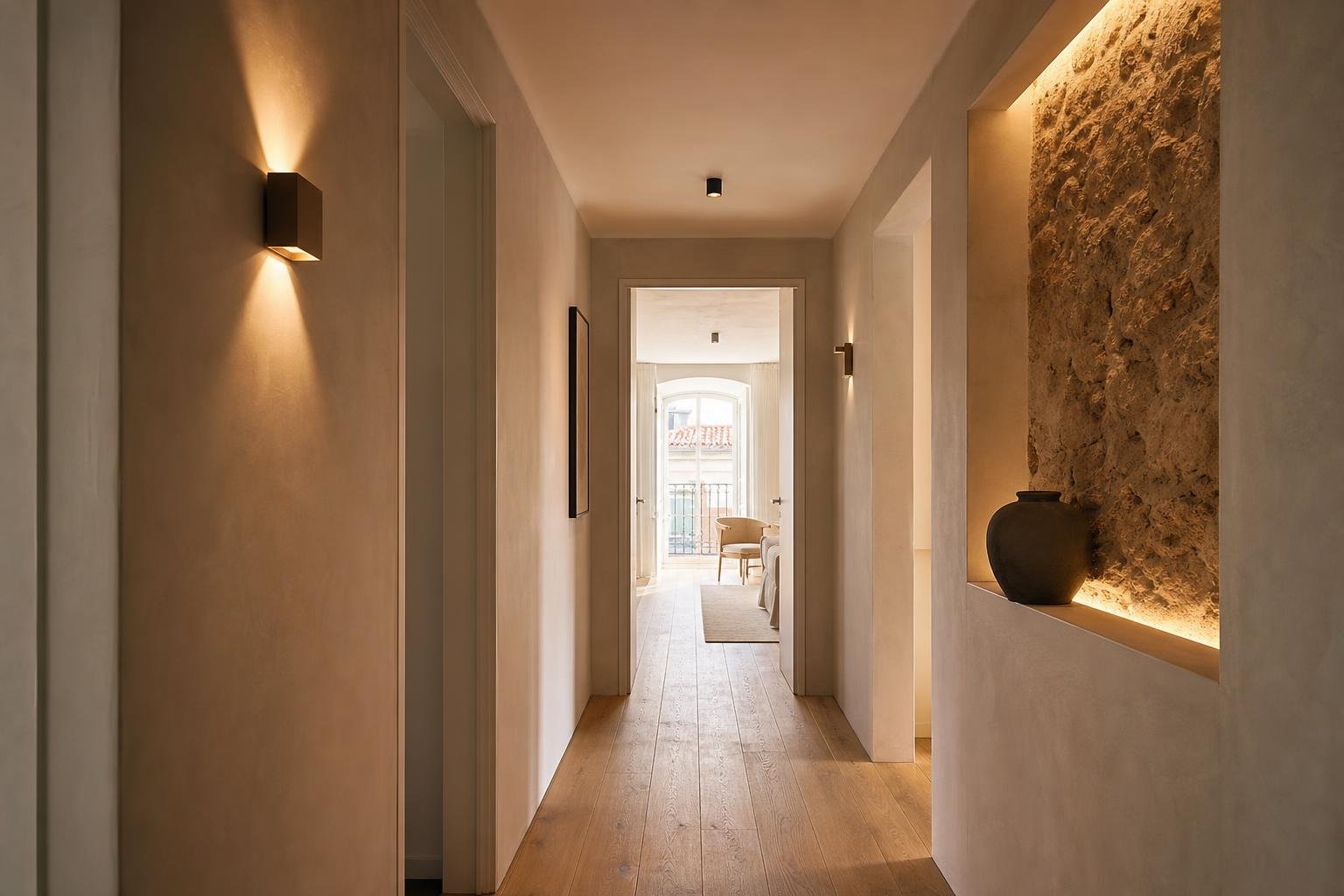
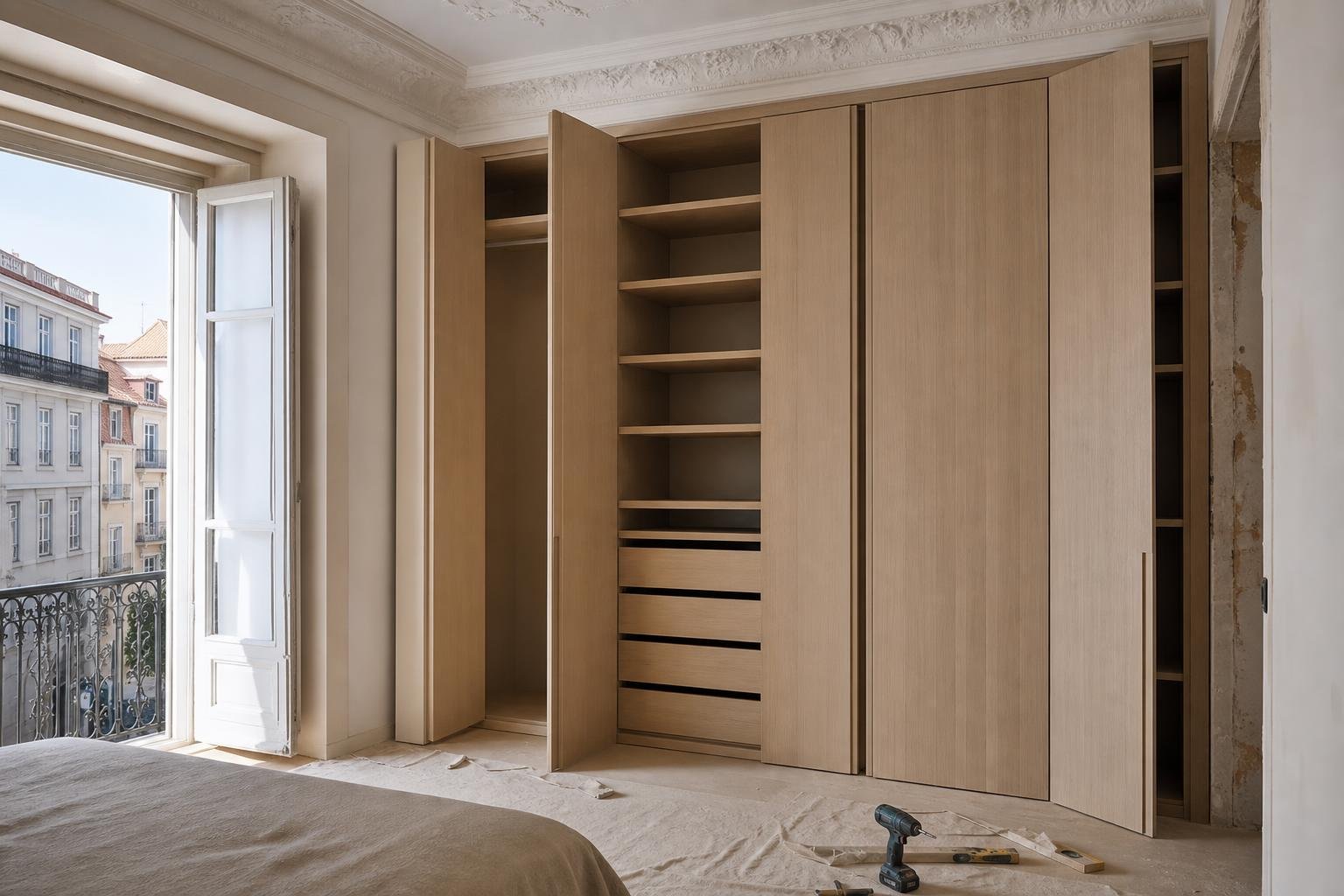
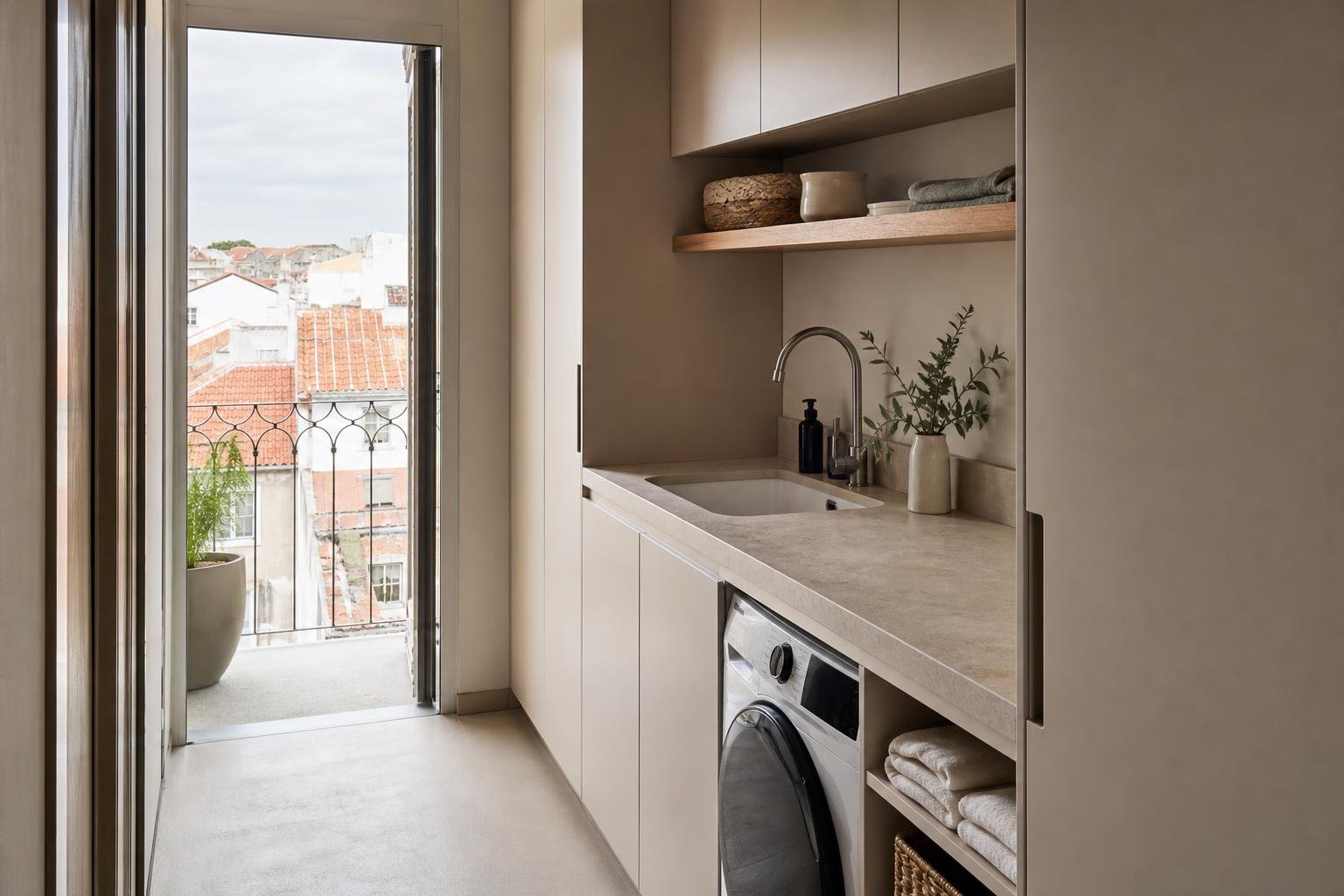
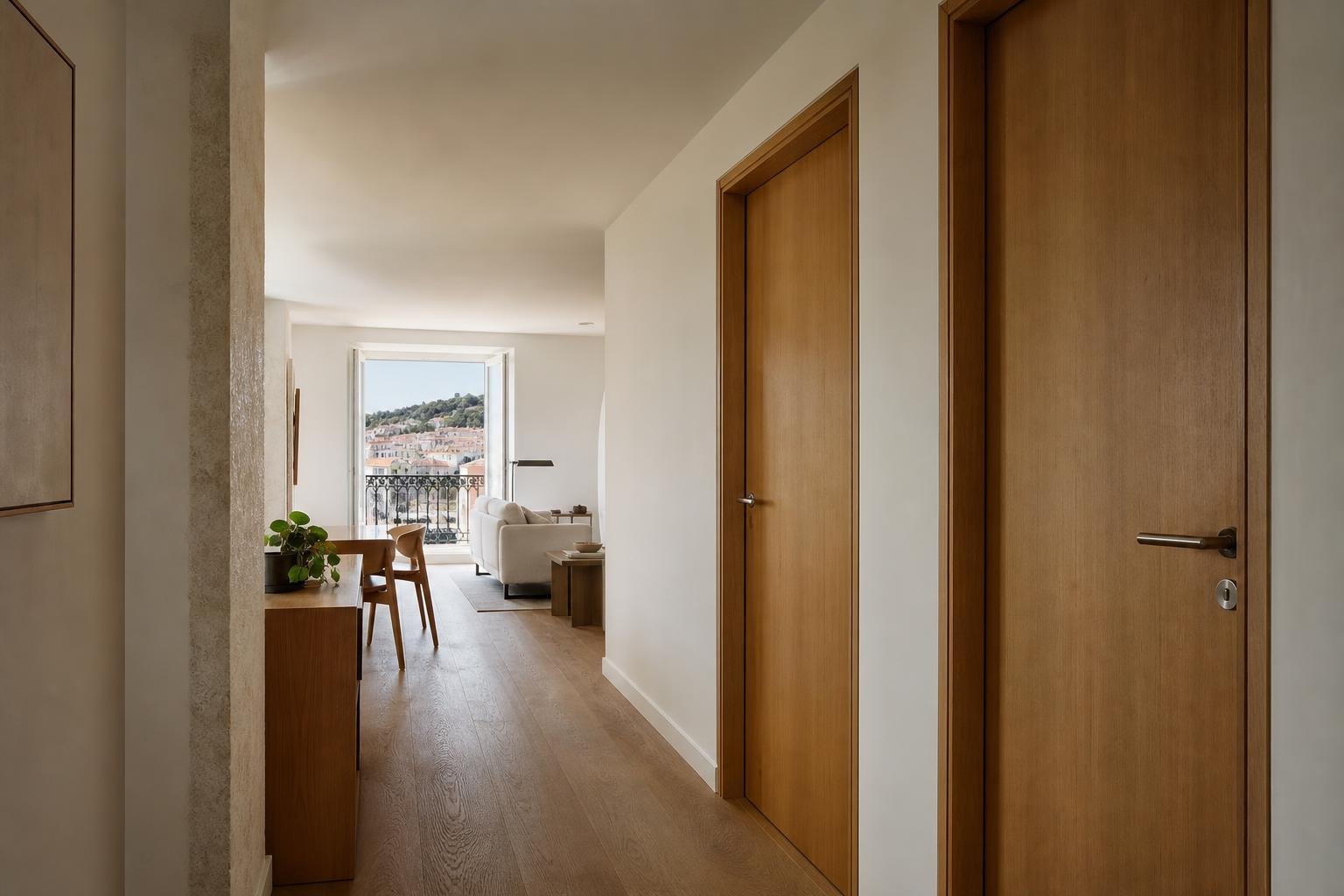
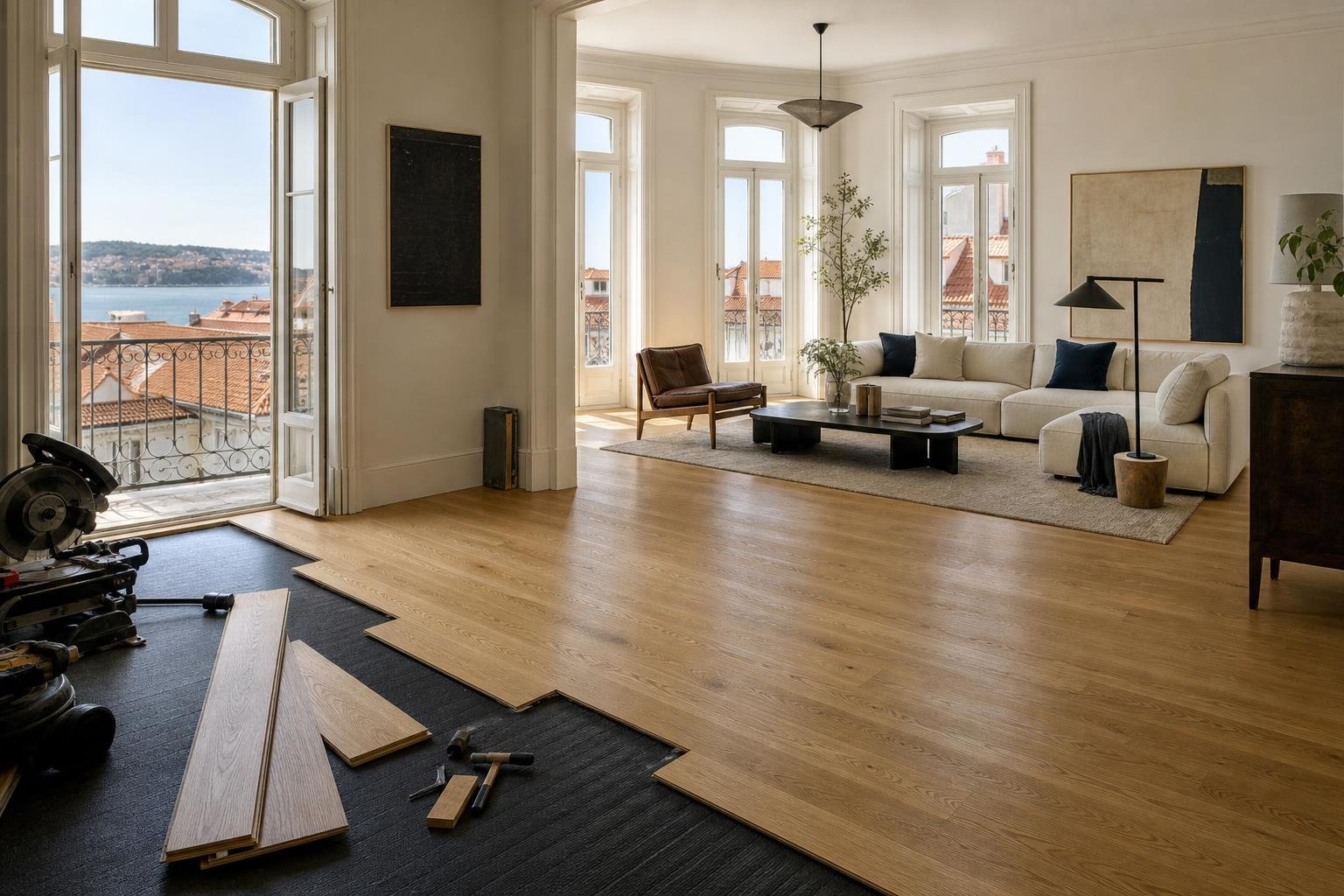
AI-generated editorial image; it does not depict an Obra Lisboa project.

Obra Lisboa