
A simple smoke detector can provide the extra minutes needed to wake up, leave the home and call for help. It only works properly, however, when it is placed well, suited to the room and kept in working order after installation. Putting one directly above the hob, forgetting it for years or disabling it after a nuisance alarm turns a useful device into false reassurance.
In Portugal, individual dwellings are exempt from the mandatory alarm-system requirement that applies to other building areas and risk categories; residents may still install standalone detectors as a voluntary prevention measure. The practical approach is straightforward: consider the escape route, sleeping areas and likely causes of nuisance alarms before buying. The legal technical framework is set out in Portuguese Ordinance no. 1532/2008 in the Diário da República.
Start with risk and the escape route
A home detector is not there to put out a fire or replace a quick evacuation. Its role is early warning. The first priority is therefore that the alarm can be heard from bedrooms, particularly at night, and that smoke can be detected before it fills the corridor leading to the exit.
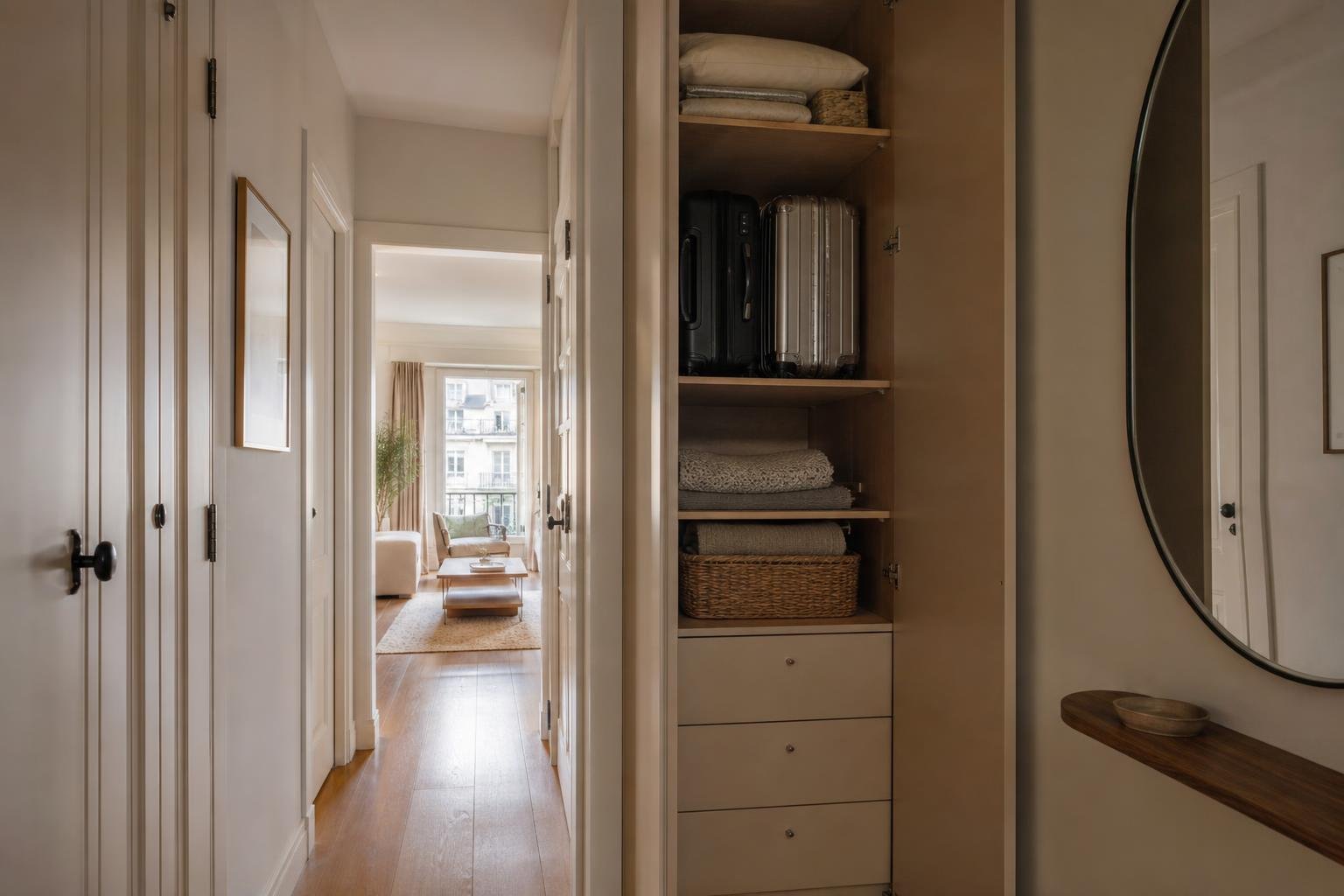
In a typical one- or two-bedroom Lisbon flat, the hallway serving the bedrooms is often a sensible starting point. In a two-storey house, consider at least one device on each level, near the main circulation route. In an open-plan home, look at the distance between the living area and bedrooms: where a closed door or long corridor could muffle the alarm, a second detector may be more valuable than one more expensive unit.
Do not treat the detector as an isolated accessory. Review clear escape routes, the entrance door, keys and how children, older people or anyone with impaired hearing will be alerted. Portugal’s Directorate-General of Health includes monthly smoke-detector testing among its home accident-prevention measures, alongside kitchen and heat-source precautions. Read the DGS home accident-prevention guidance.
Choose the device type before comparing prices
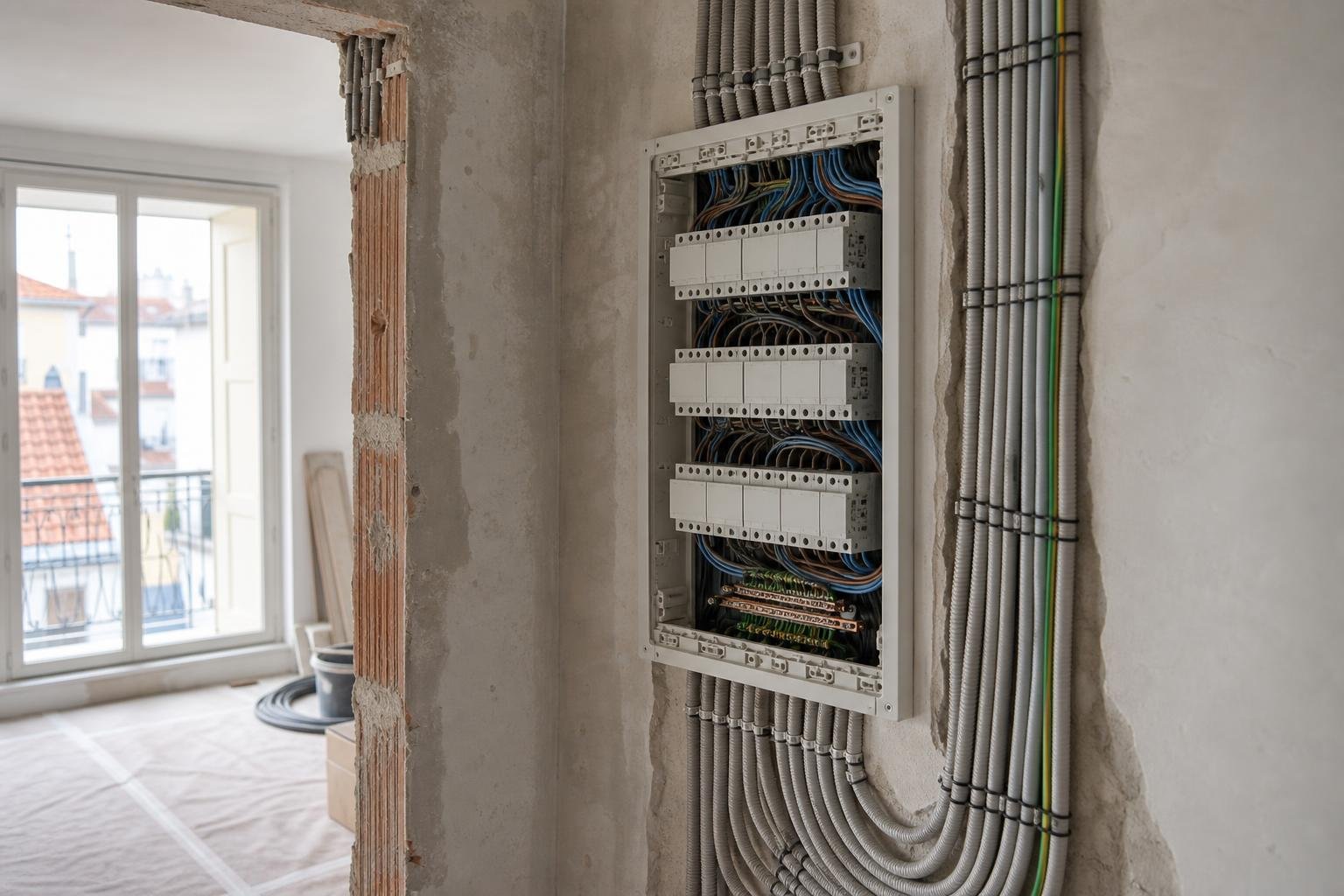
For domestic use, look for a detector intended for homes, with its own audible alarm, clear instructions and visible information about power supply, service life and testing. A battery-powered device is easy to add to an occupied home; a mains-connected model can be suitable during a major renovation, when electrical work is already planned.
Interconnected devices are another option: when one detects smoke, the others sound too. This can be particularly worthwhile in long apartments, duplexes and houses because it reduces reliance on hearing a single alarm from a distance. Check that the selected units are compatible with one another and that the interconnection still works during a power failure, as described in their instructions.
Avoid choosing purely by the number of advertised functions. A phone app may help when the home is empty, but it does not replace a local alarm or guarantee an emergency response. If you choose a connected product, establish who receives alerts, what happens when Wi-Fi fails and how the app will be kept updated. Safety that depends on a forgotten password needs simplifying.
Where a renovation involves shared systems, garages, stairwells or technical areas, the decision is no longer a simple household one. Portuguese rules distinguish individual dwellings from requirements applying to the building and shared areas; do not alter or connect private equipment to condominium systems without technical assessment.
Where to install it — and where not to
Install the detector on the ceiling, in a circulation area and away from corners, deep beams, ventilation grilles, windows and doors that create air currents. Hot smoke rises, but air movement around openings and air-conditioning equipment can delay smoke reaching the sensor or make its behaviour less reliable.
The hall outside bedrooms is usually more dependable than the kitchen itself. In kitchens, steam, grease and normal cooking fumes make nuisance alarms more likely. Rather than moving the only detector above the hob, protect the escape circulation and, if the kitchen needs additional protection, choose a solution suited to that room and the manufacturer’s instructions.
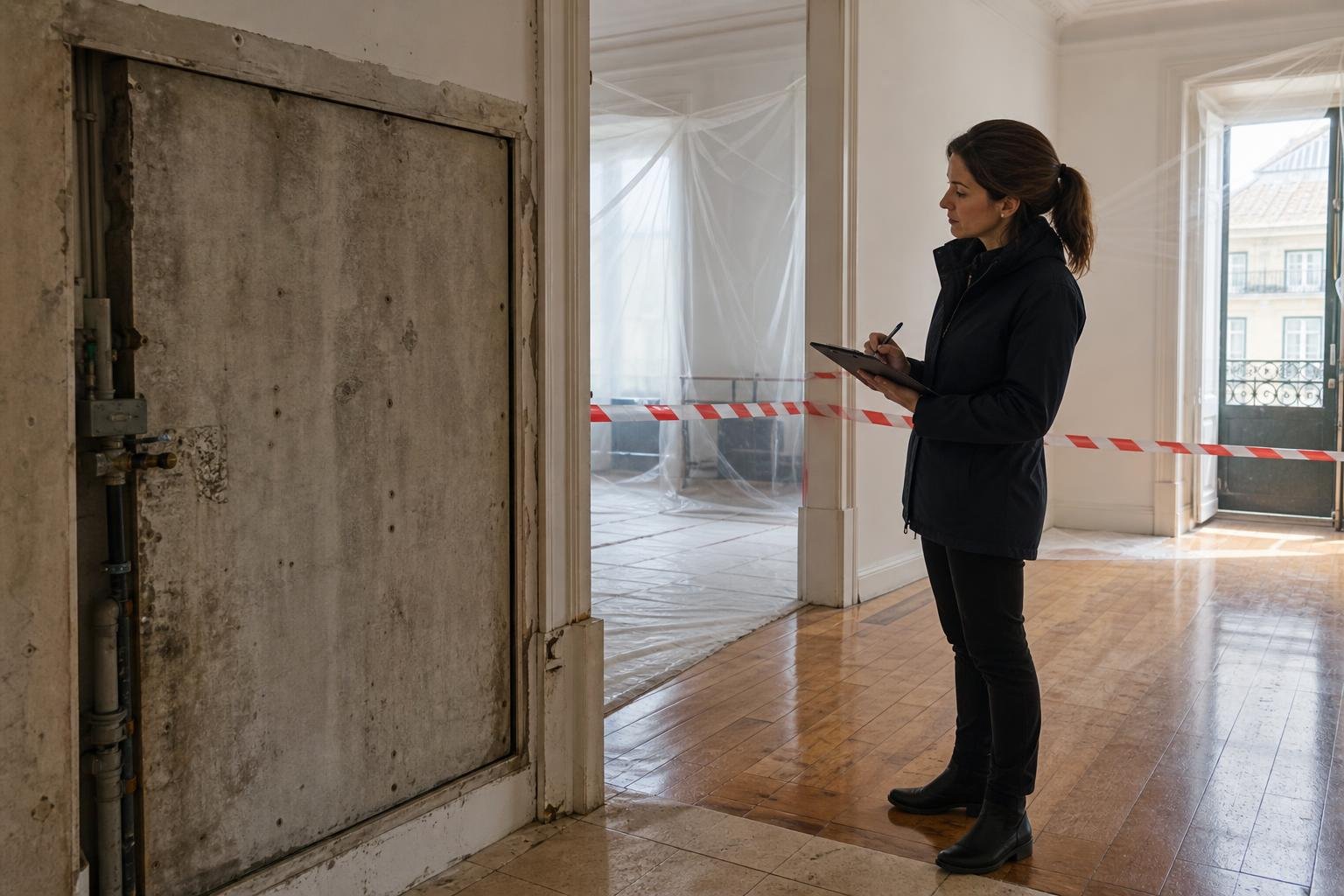
Bathrooms, very humid enclosed balconies, poorly ventilated laundry rooms and dusty work areas should also be avoided. During renovation, cover or temporarily remove the unit only where its instructions allow it, then return it to service at the end of each work period. Sanding dust, sprayed paint and cleaning vapour can contaminate sensors or trigger unwanted alarms.
If you are reconfiguring rooms or closing a corridor with a sliding door, reassess both sound coverage and detector placement. A seemingly minor change may separate bedrooms from the warning signal. For other decisions best made before walls are closed, see sockets and switches in a renovation.

Install carefully: secure, test and record
Read the instructions before marking the ceiling. Some models use a screw-fixed base; others permit particular adhesive systems, but a ceiling with loose paint, damp or heavy texture may not provide durable adhesion. Do not drill without checking what sits behind the surface, especially in suspended ceilings containing cables, pipes or insulation.
Once installed, use the test button. That test mainly confirms that the power supply, circuit and siren respond; it does not necessarily prove that the sensor will recognise smoke in every condition. Record the installation date, power type and anticipated replacement month. A discreet label inside a utility cupboard or a shared note on a phone prevents uncertainty years later.
If the alarm sounds with no obvious cause, do not begin by permanently removing it. Ventilate the room, check for steam, cooking fumes, aerosols or dust, and consult the instructions for temporary silencing. If it happens repeatedly, reconsider the location. A poorly placed detector is not fixed by removing its battery.
For larger projects, plan safety and installation sequencing with the same care given to finishes. Our guide on avoiding common renovation problems can help organise decisions before they become difficult to change.
Maintenance: a short routine that matters
Test every unit monthly, as recommended by DGS. Choose a time when everyone knows it is a test, particularly in an apartment building where the sound may concern neighbours. Also check whether the indicator light shows the normal condition specified by the manufacturer and whether the alarm can be heard in bedrooms with doors closed.
Clean the outside gently and dry, without painting over it, taping it up or using sprays near the sensor. Do not use vacuum cleaners or cleaning products unless the instructions permit them. Replace batteries and the detector itself at the intervals specified by the manufacturer; sensors age, and a device that still beeps during a test may already be approaching the end of its stated service life.
Carry out an extra check after a long absence, renovation work, a leak, a power cut or a period of heavy dust build-up. If the home includes people with reduced mobility, small children or hearing-aid users, the test should answer the key question: can everyone recognise the warning and begin to leave?
Preventive maintenance does not need to be complicated. It needs to be repeated. The same principle applies to other parts of a home, as covered in preventive building maintenance.
Understand the limits and add simple measures
A smoke detector does not detect carbon monoxide, repair an ageing electrical installation, open a blocked door or replace calling 112 in an emergency. It should not be used to justify risky habits either, such as leaving pans unattended or charging damaged electrical equipment overnight.
Prepare a simple household response: when the alarm sounds, leave by the agreed route, do not use lifts, do not go back for belongings and call 112 from a safe place. In buildings with shared areas, follow condominium instructions and keep corridors, landings and fire doors clear.
A short home drill can reveal very practical issues: who wakes first, where the keys are, whether the door opens easily and whether the route is obstructed by boxes or bicycles. Lisbon City Council describes a drill as a prevention exercise that tests readiness and response to scenarios including fire. See the council information on running an emergency drill.
Planning a house or apartment renovation and want to incorporate safety decisions without making the project more complicated? Obra Lisboa can help coordinate the work, installations and details that disappear behind the finished surfaces.
AI-generated editorial image; it does not depict an Obra Lisboa project.

Obra Lisboa