Structural Work
·
Joinery
·
Decoration
·
Consultancy
·
3D Design
·
Interior Design
·
Construction
·
Full Renovations
·
Architecture
·
Engineering
·
Demolition
·
Painting and Finishes
·
Electrical and Plumbing
·
Wall and Floor Finishes
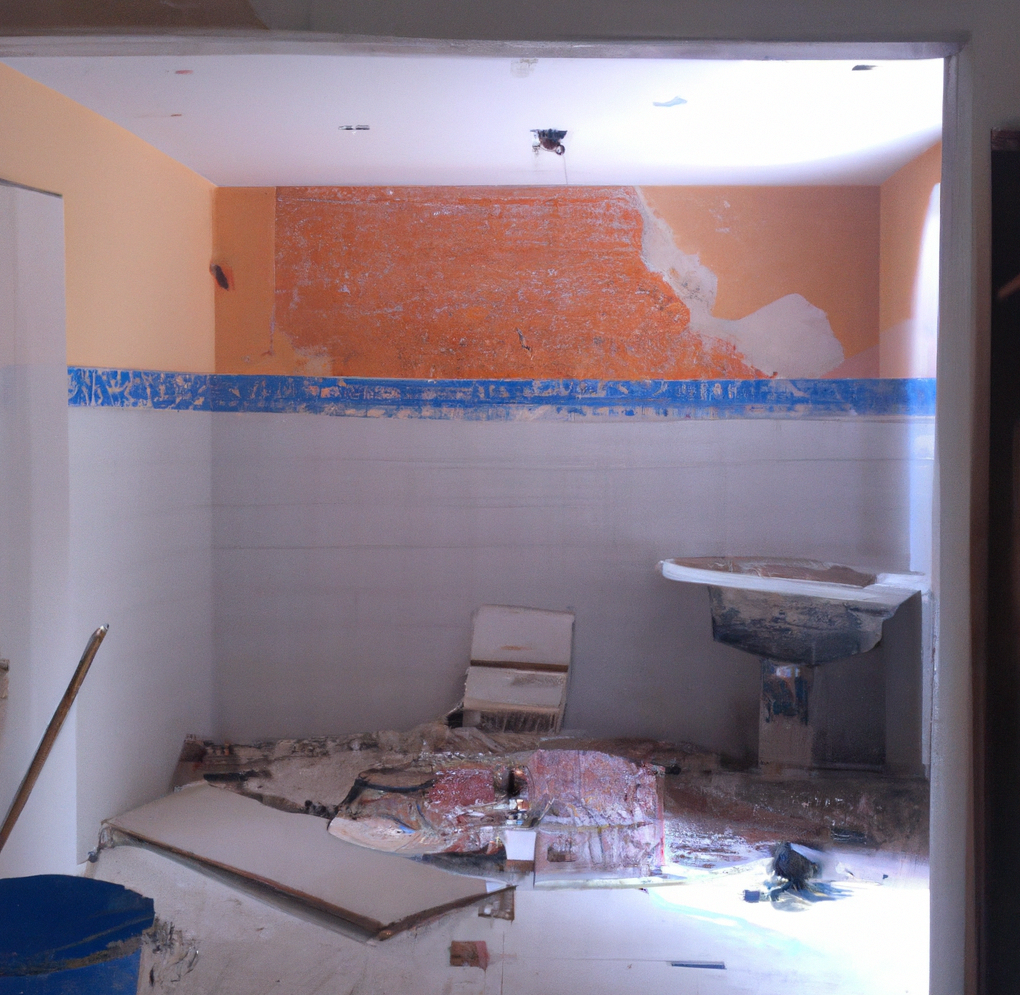
13 useful facts about interior renovation
Interior renovation is more than replacing finishes. The following facts explain why early planning and technical coordination matter.
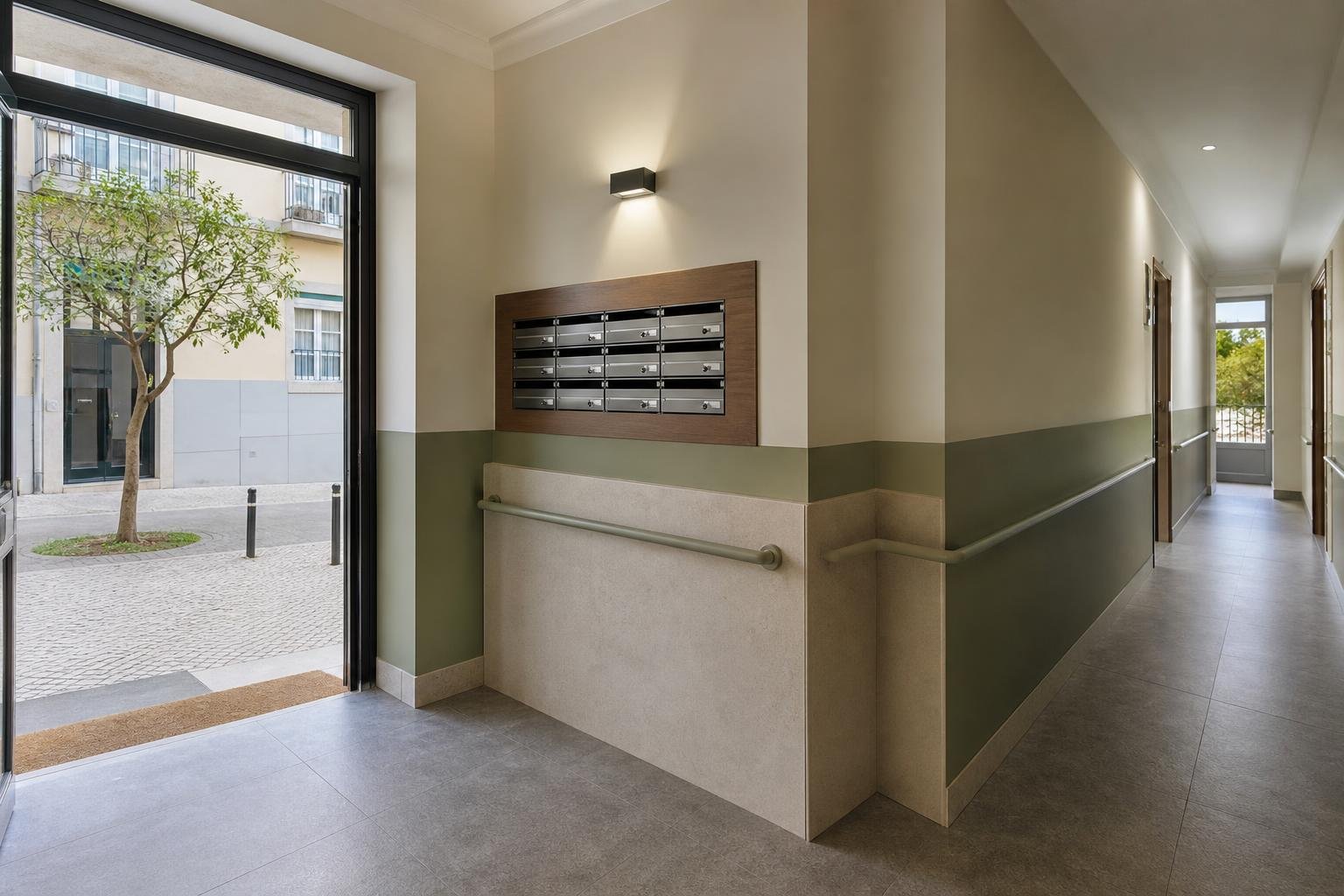
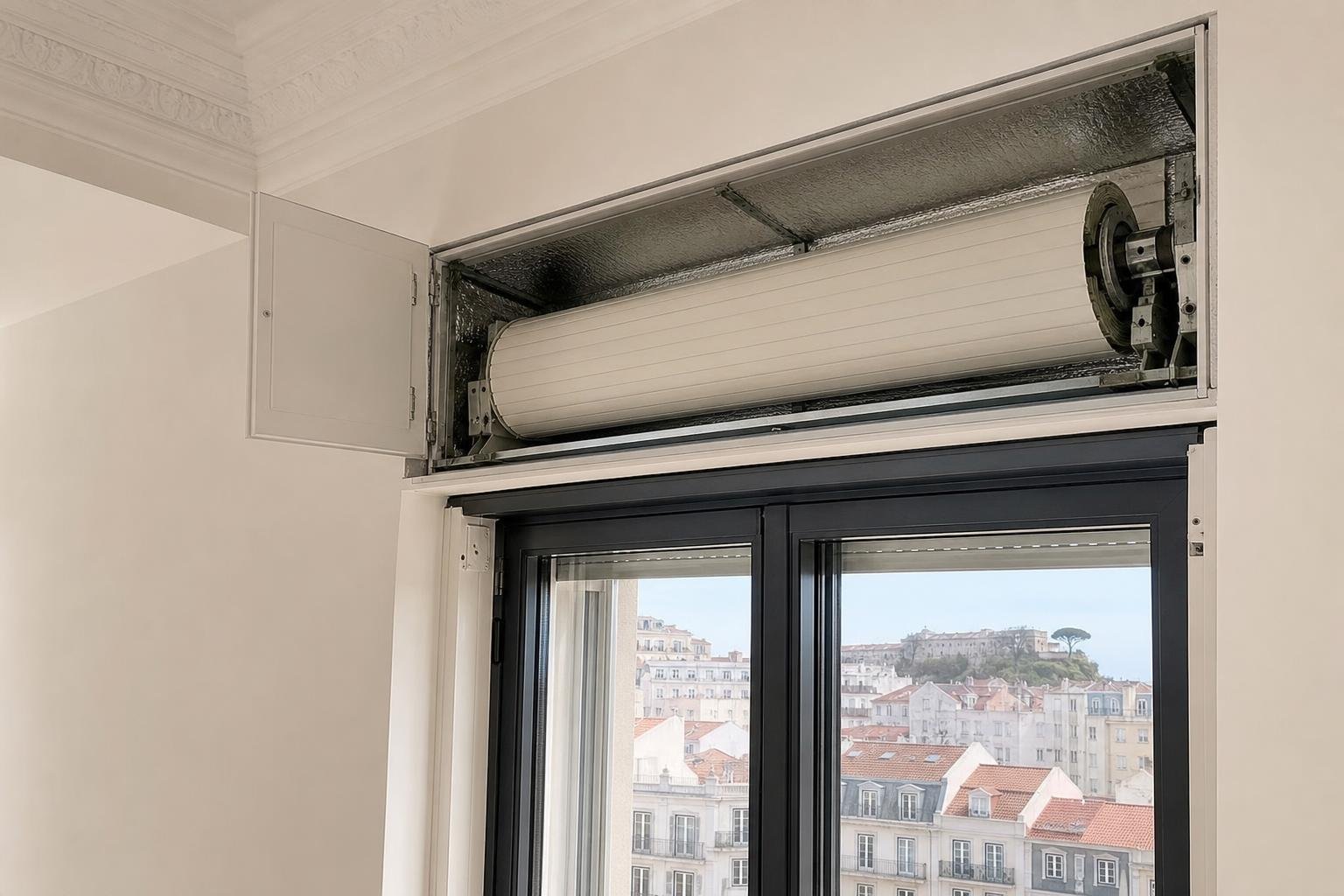
- The existing building sets the rules. Structure, services, moisture and access can limit what is practical.
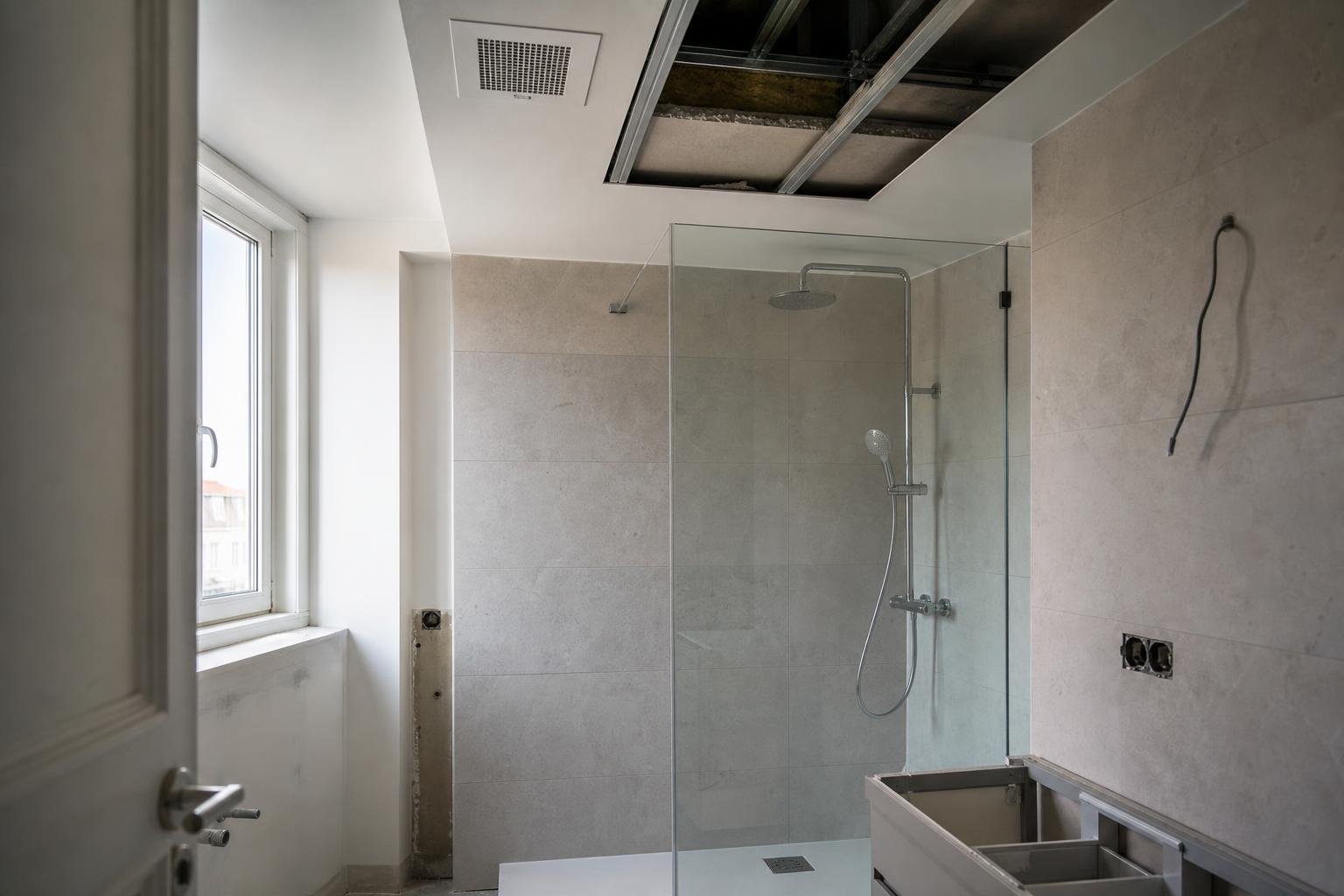
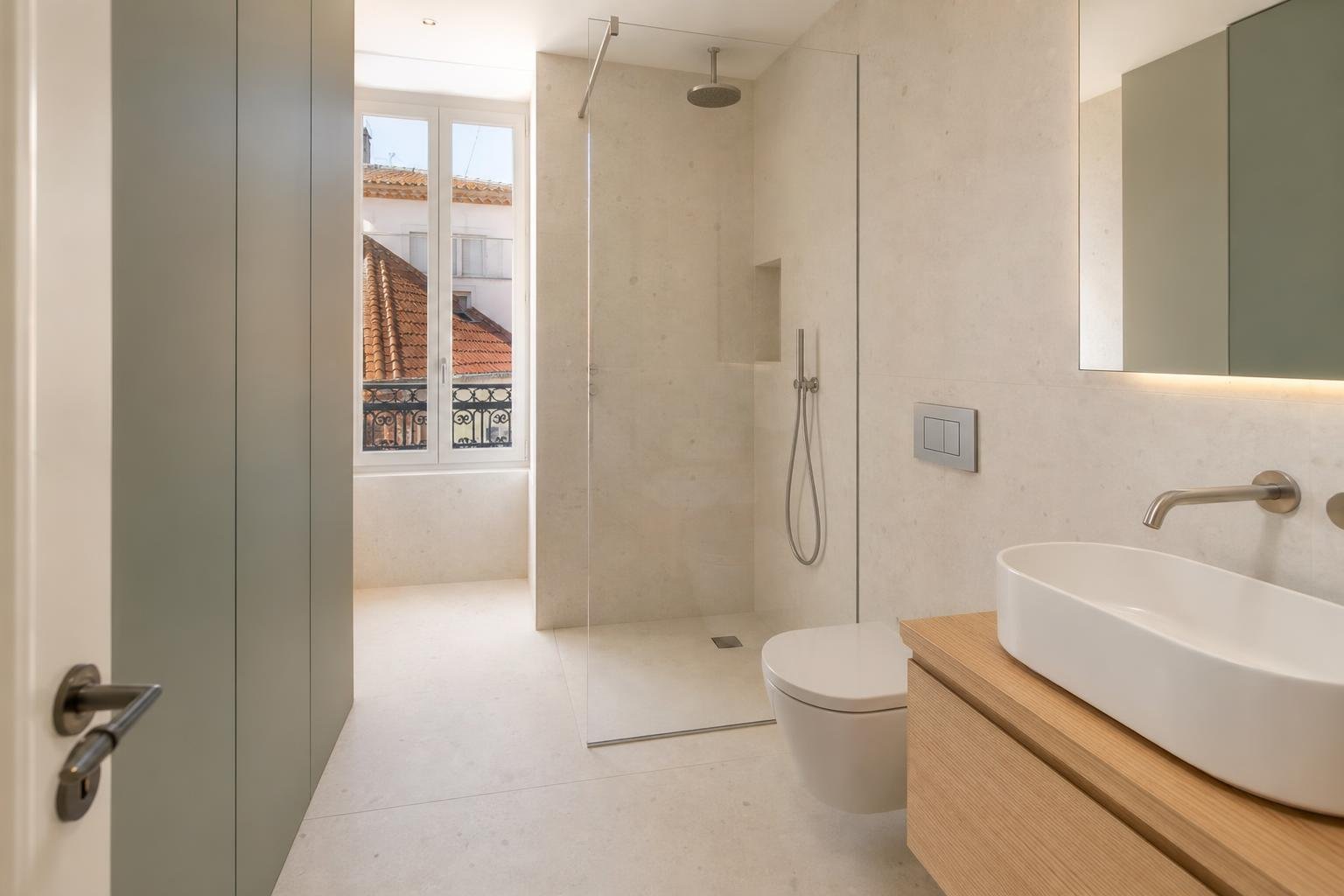
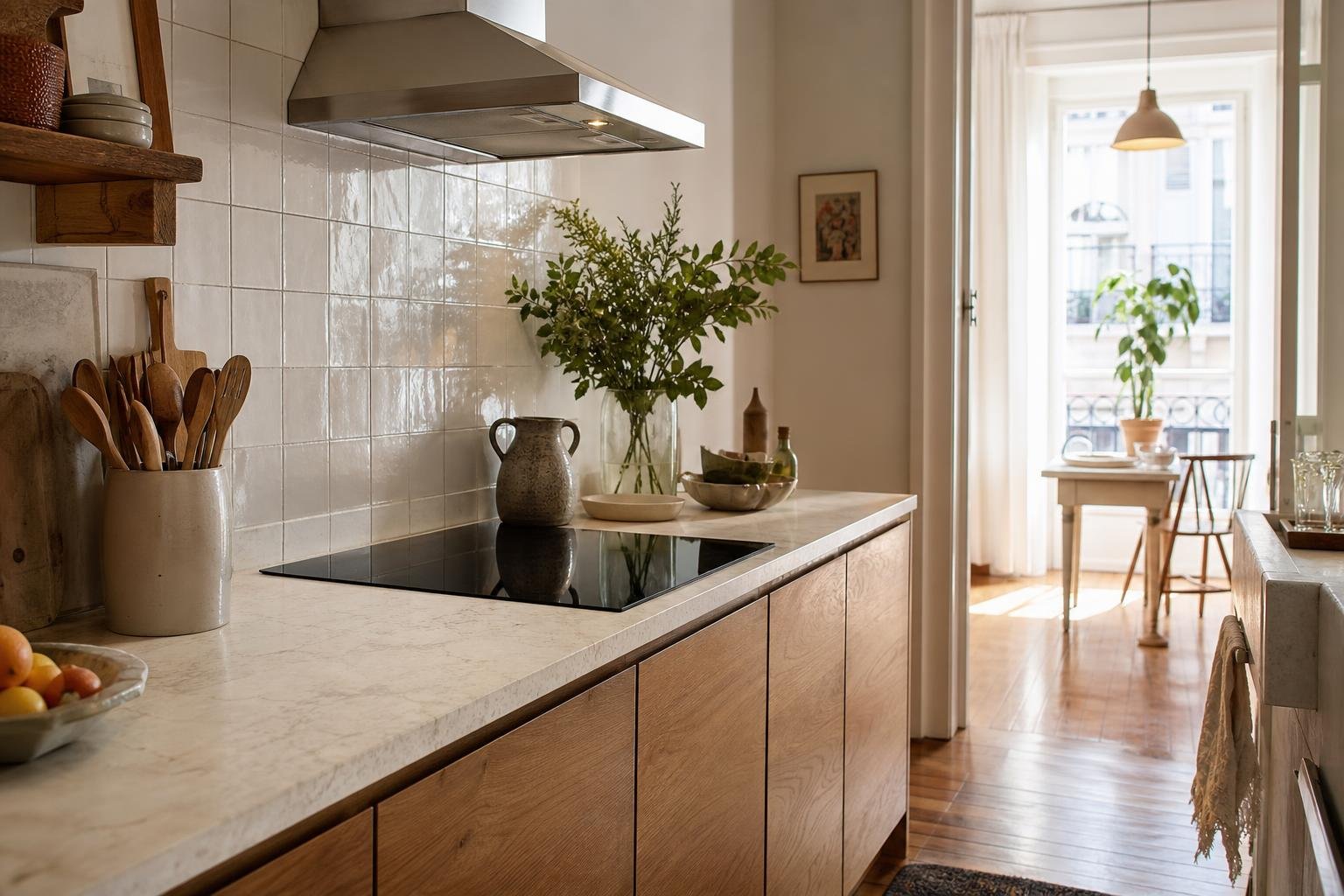
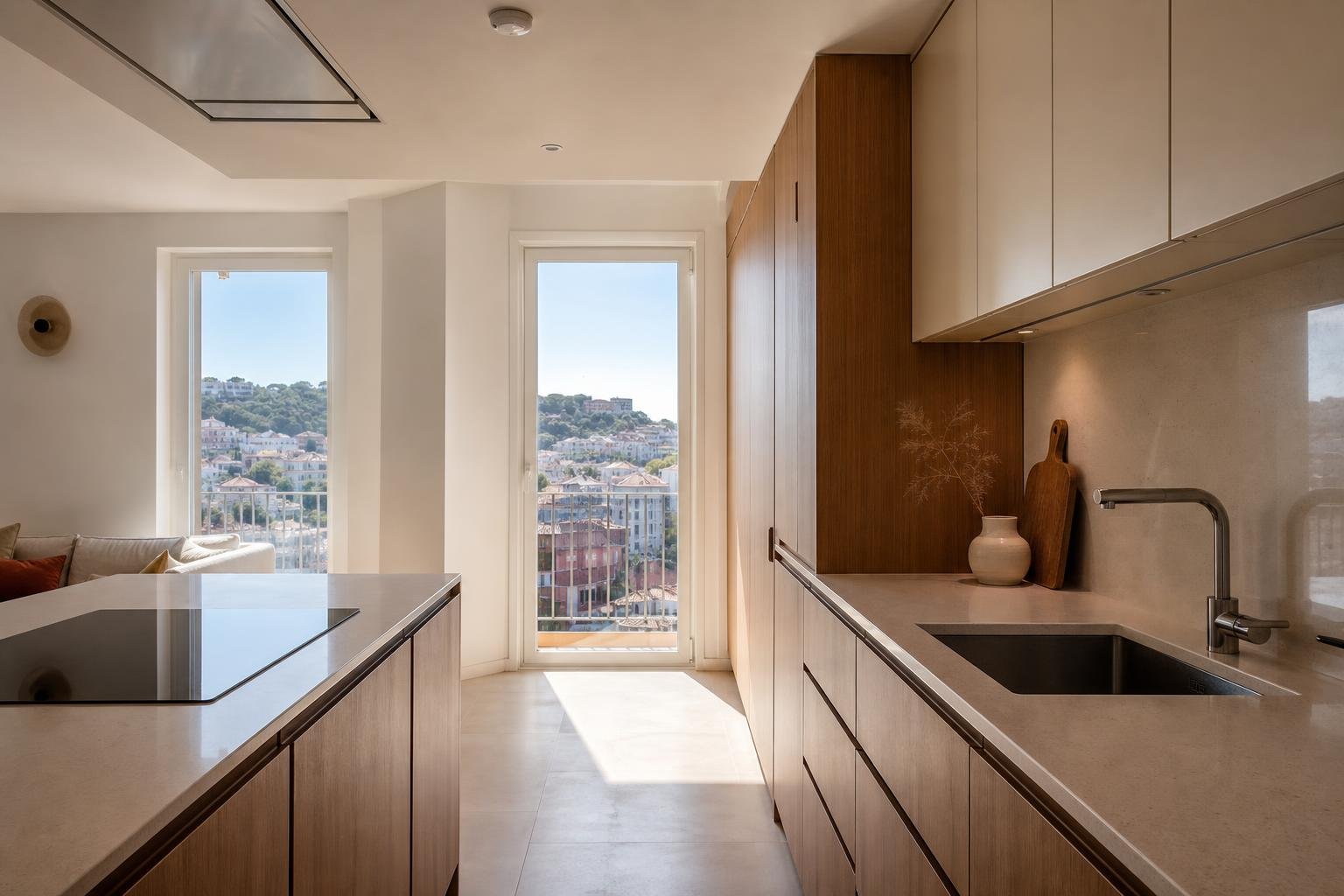
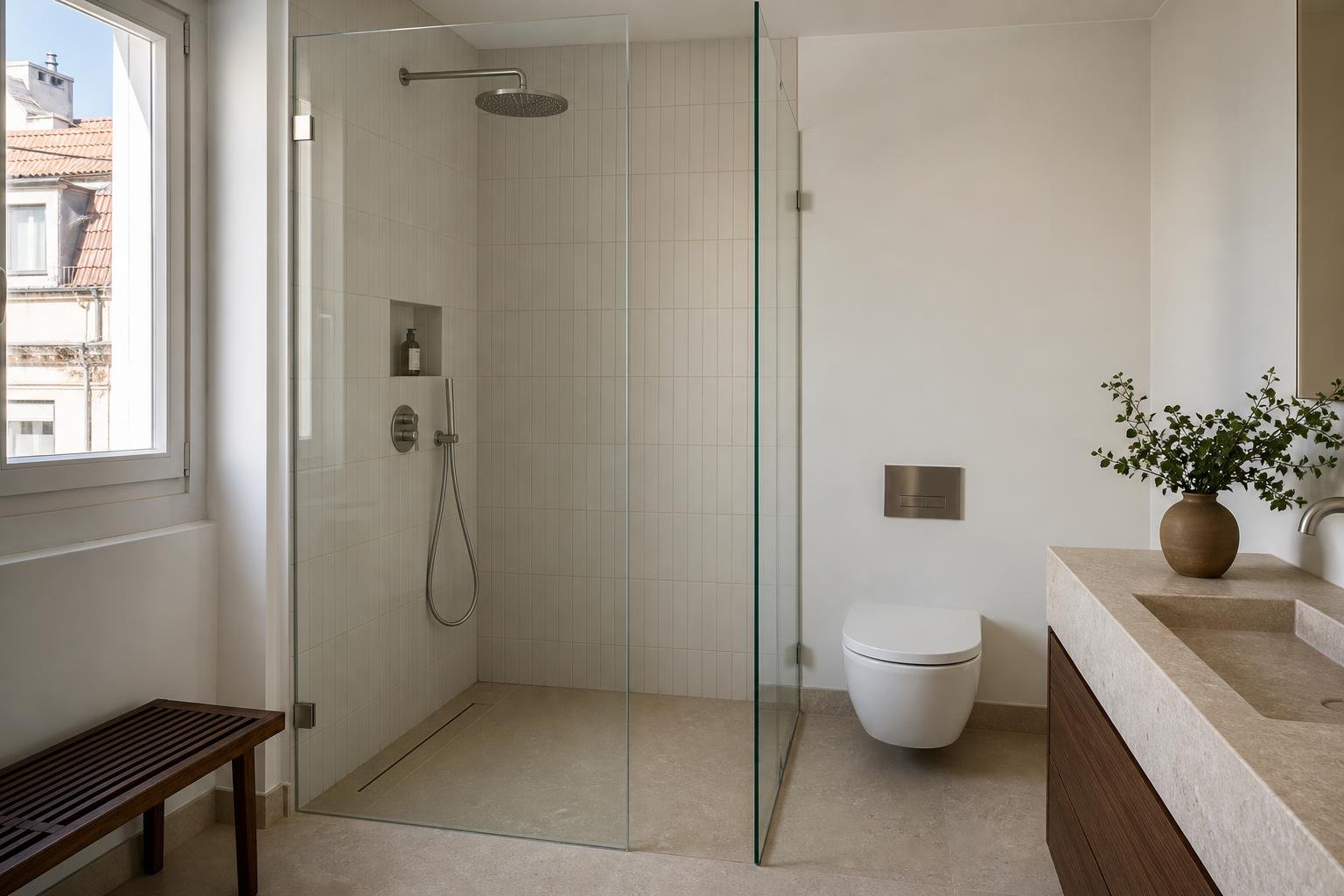
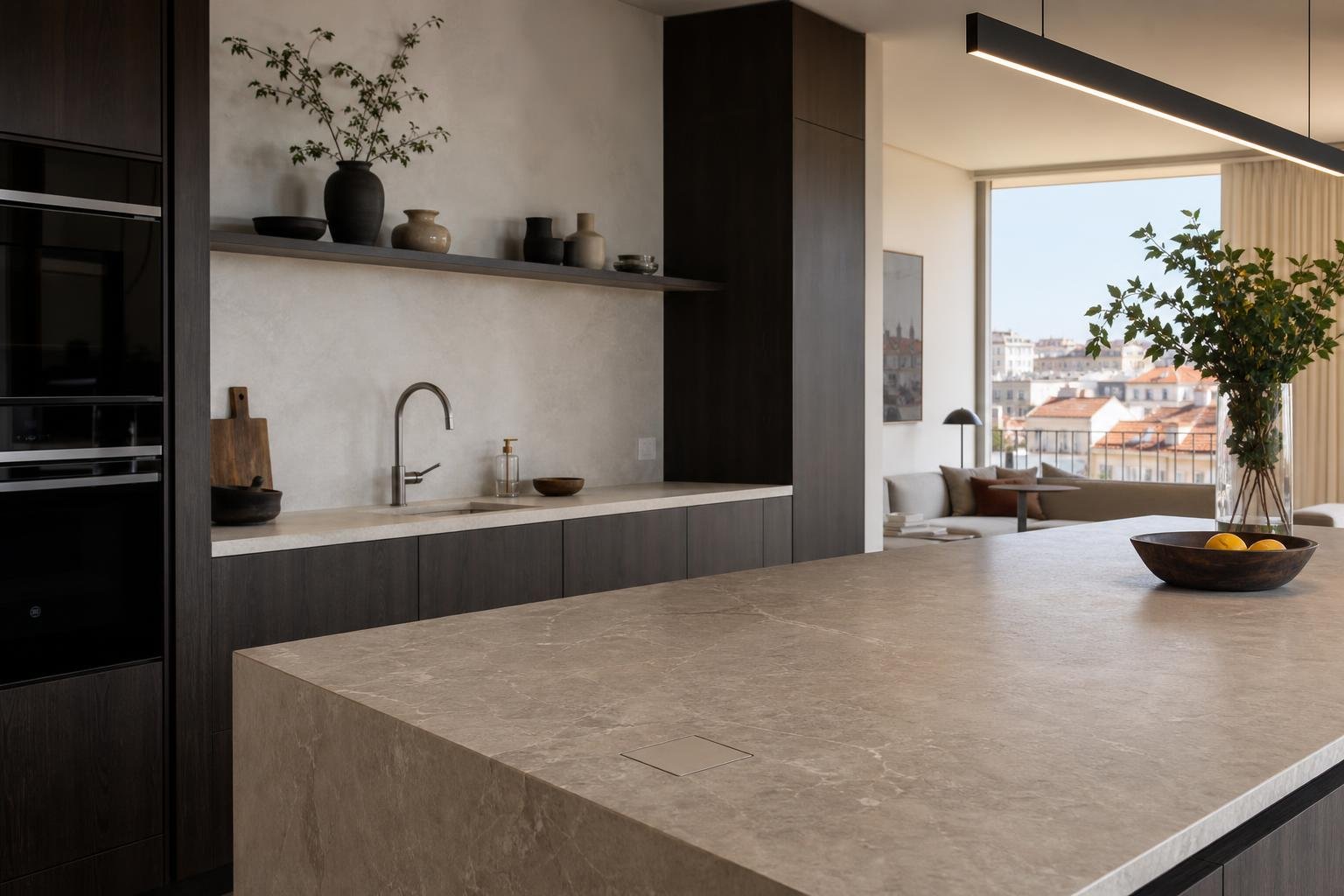
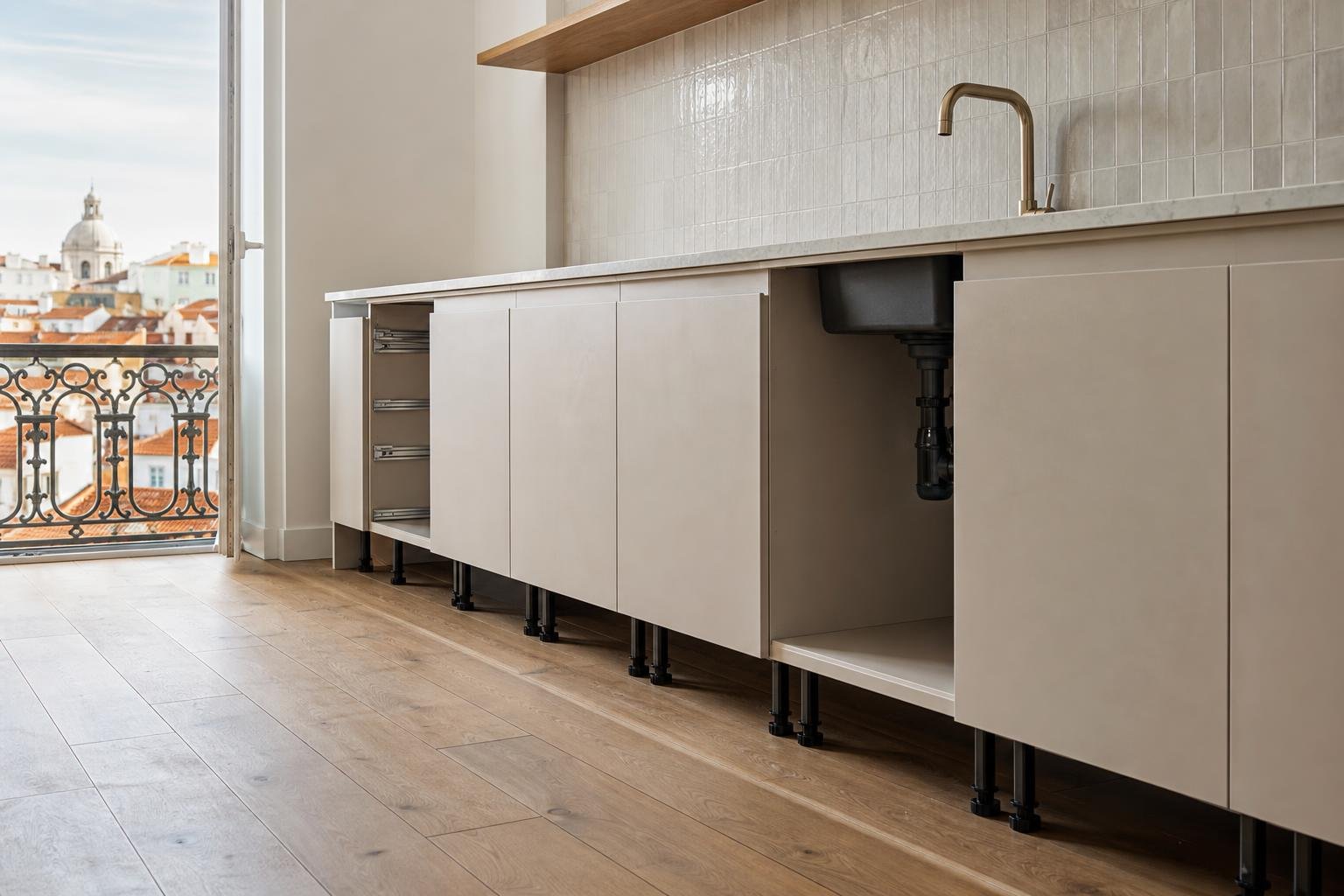
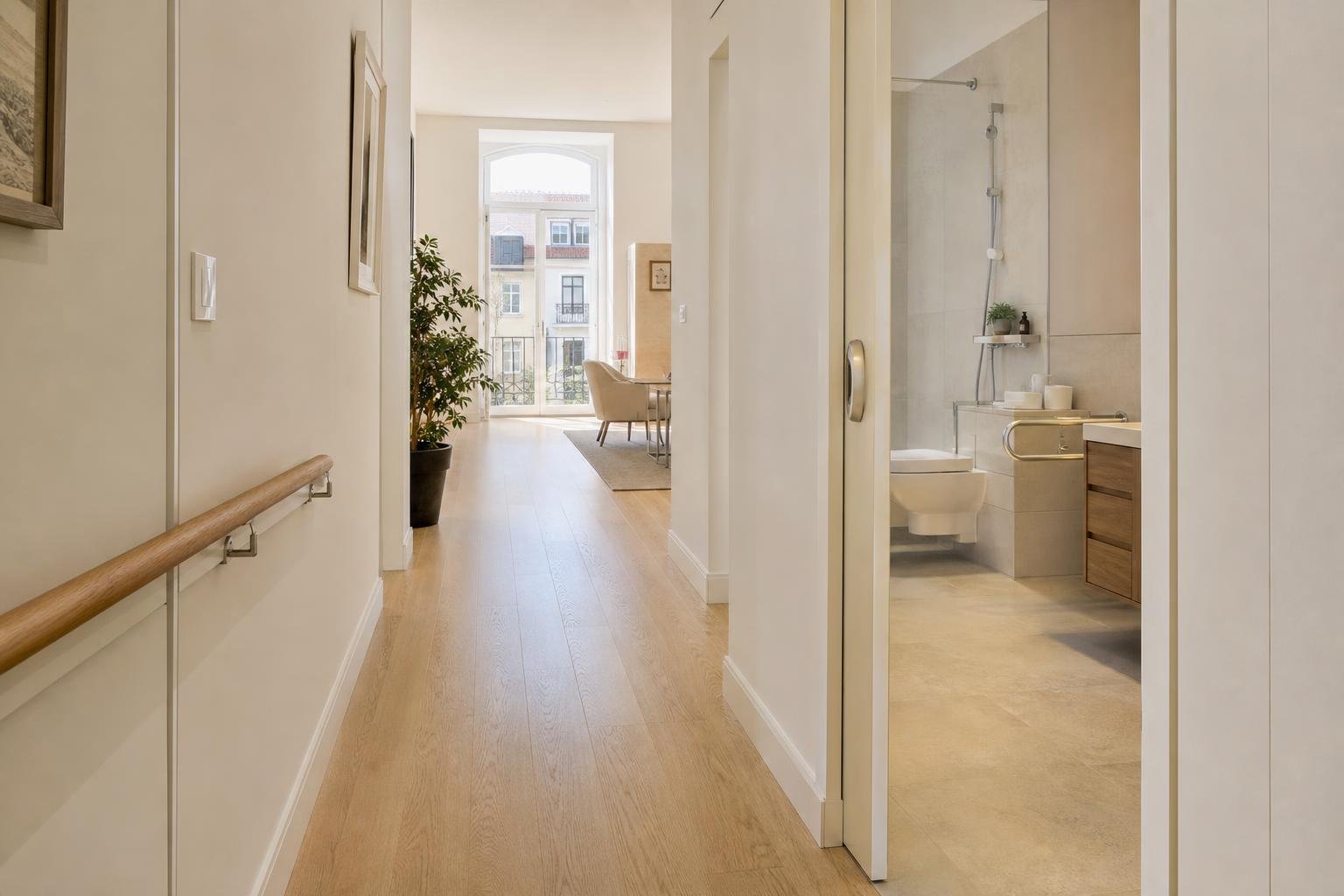
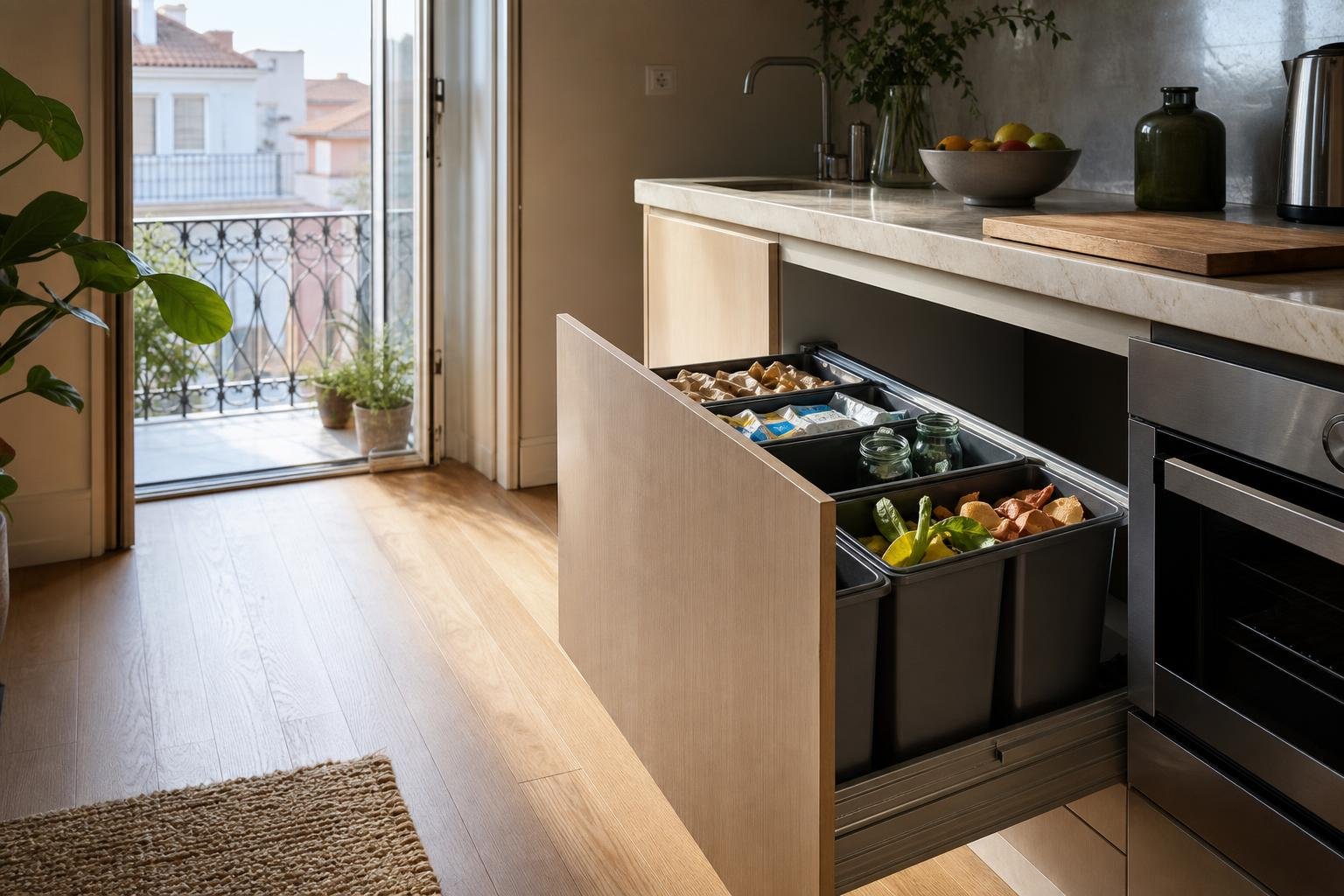
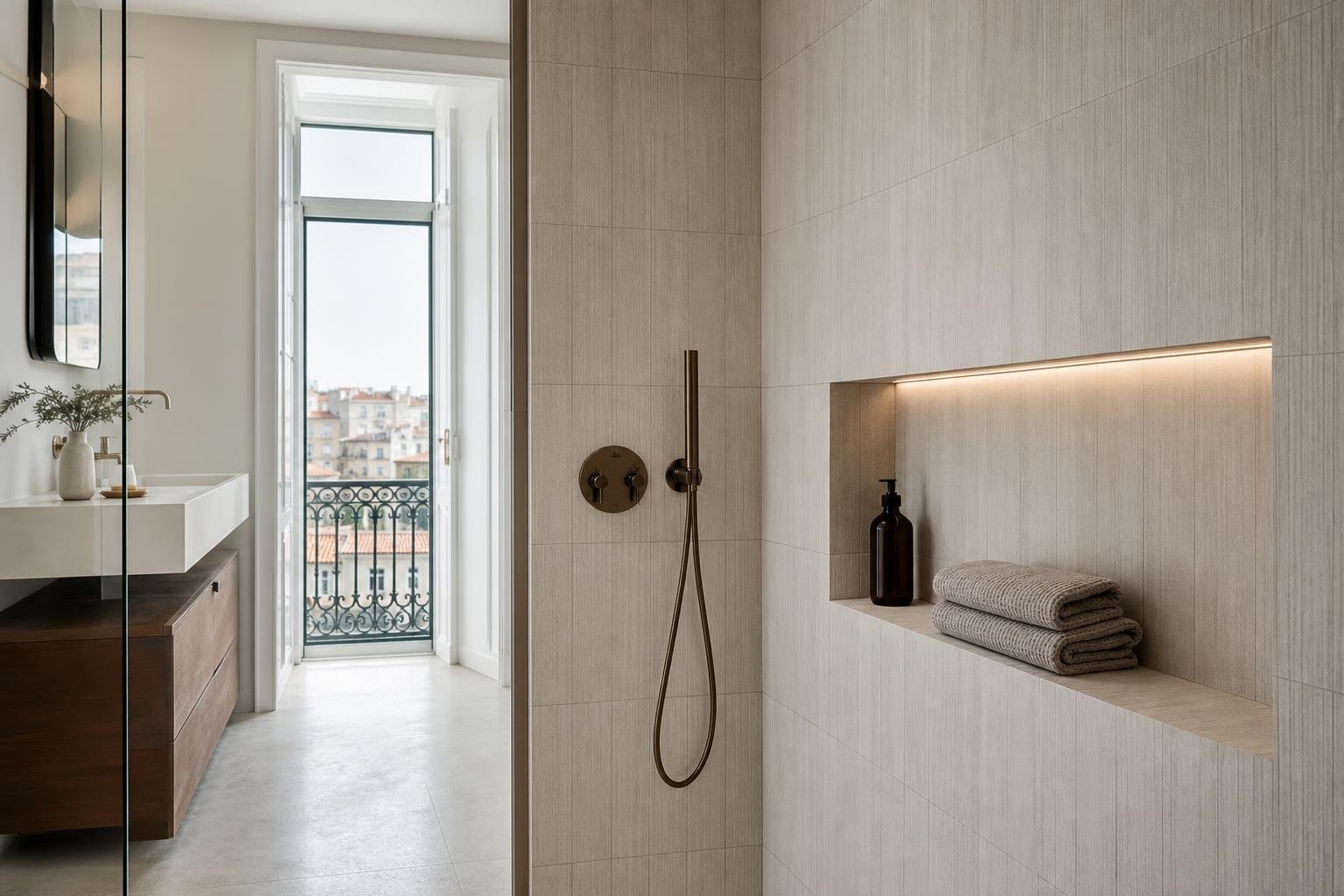
- Kitchens and bathrooms involve the most interfaces. Layout, waterproofing, ventilation, electricity, plumbing, furniture and finishes must work together.
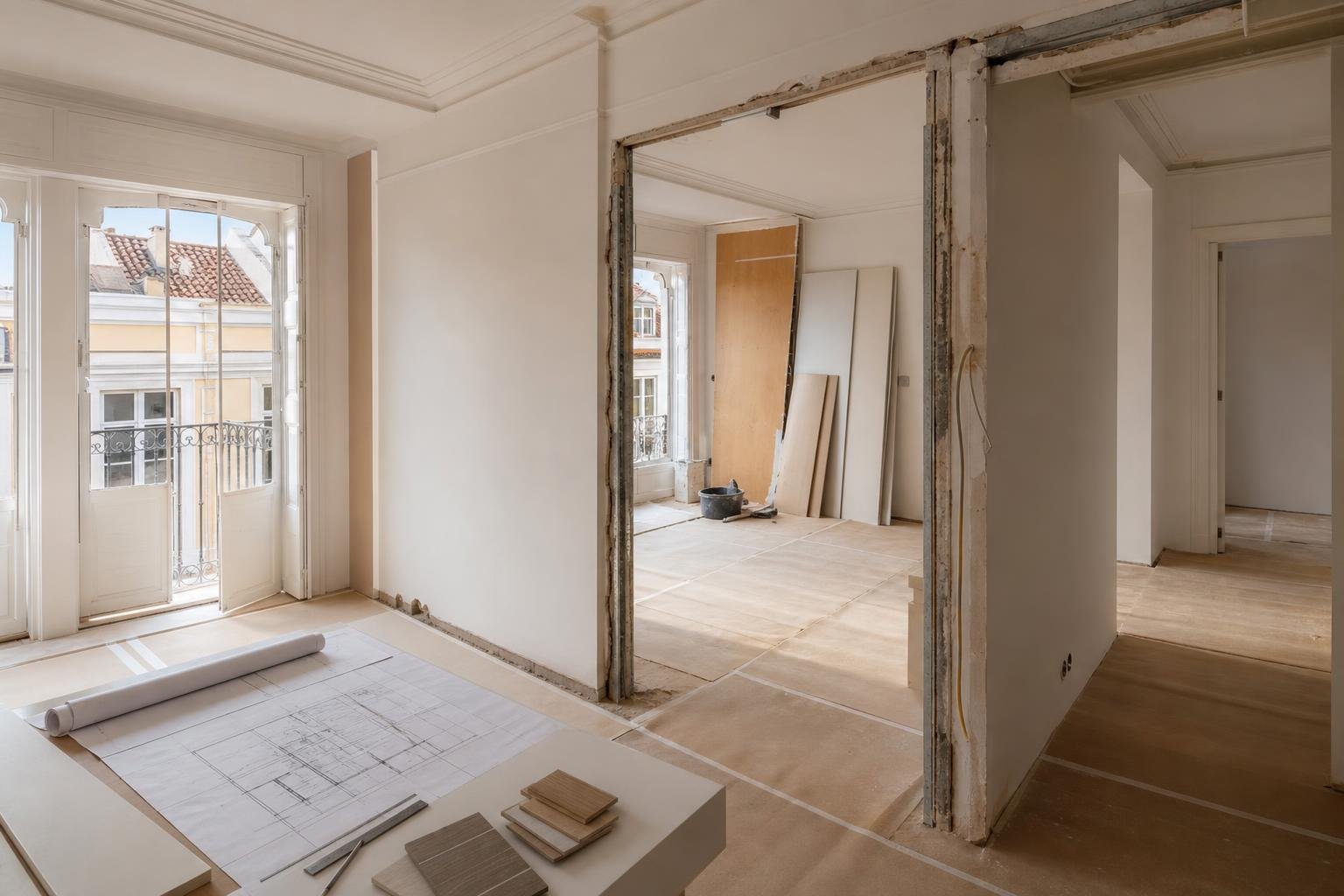
- Removing a wall is not only a visual decision. Structural, acoustic, fire and service implications need assessment.
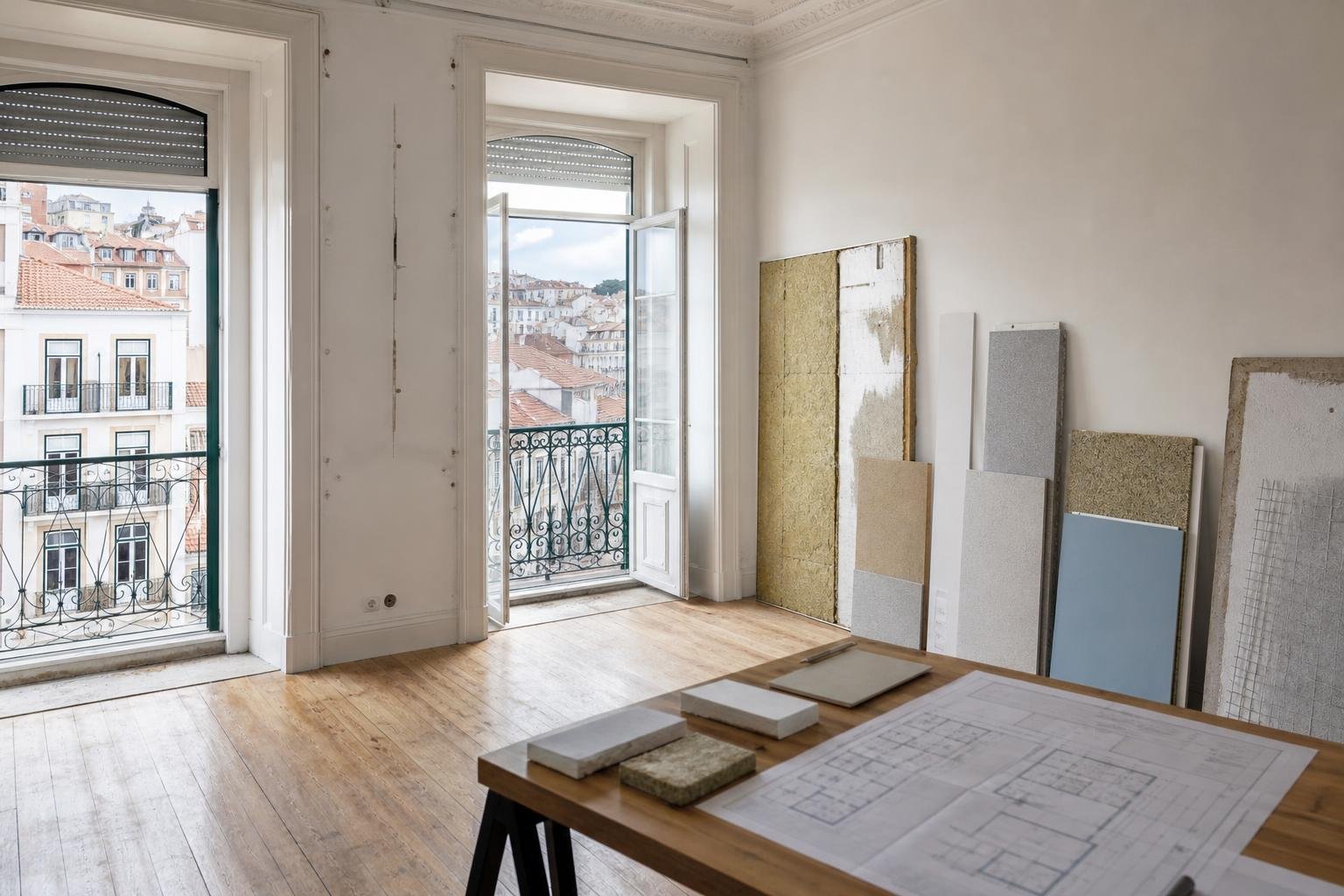
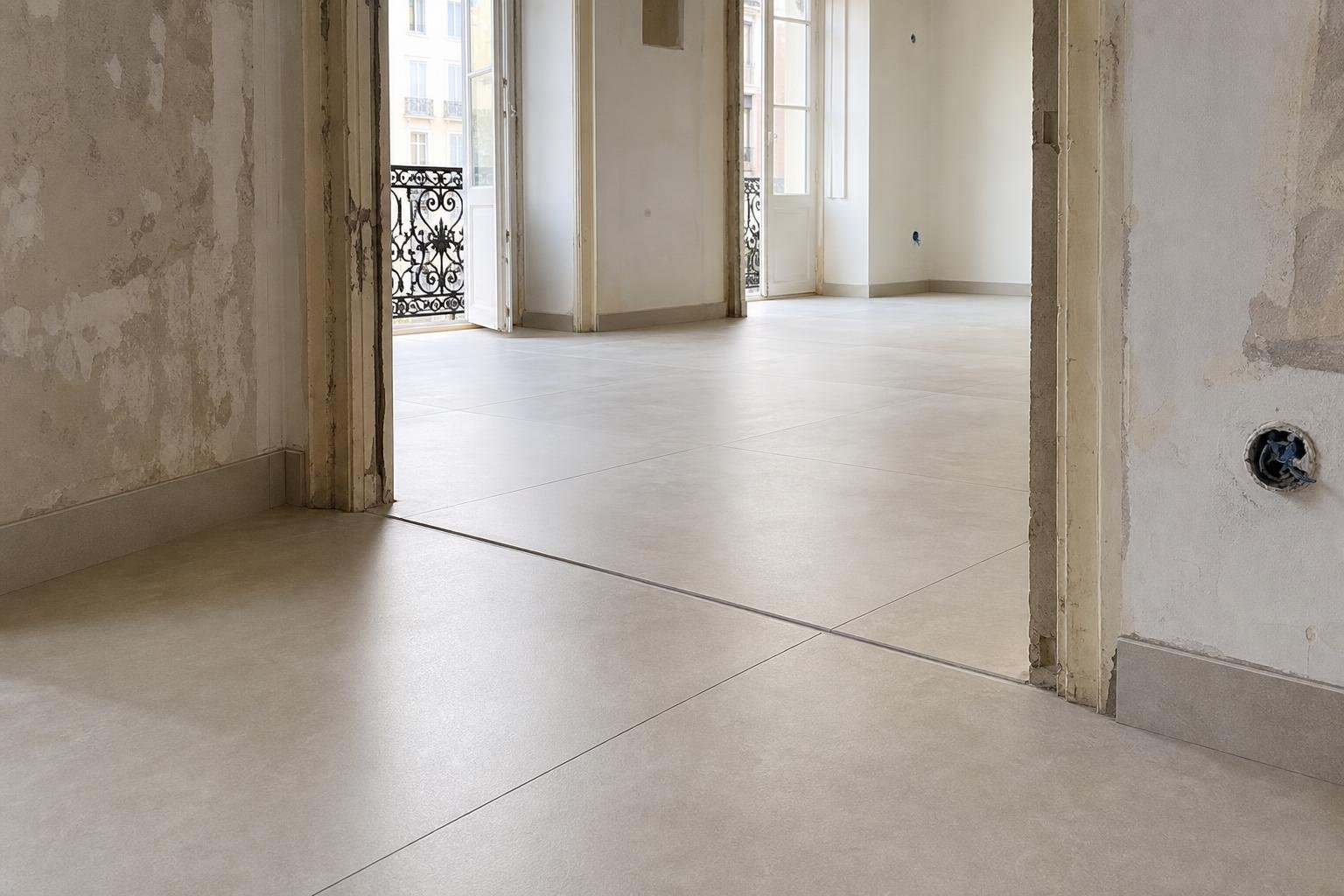
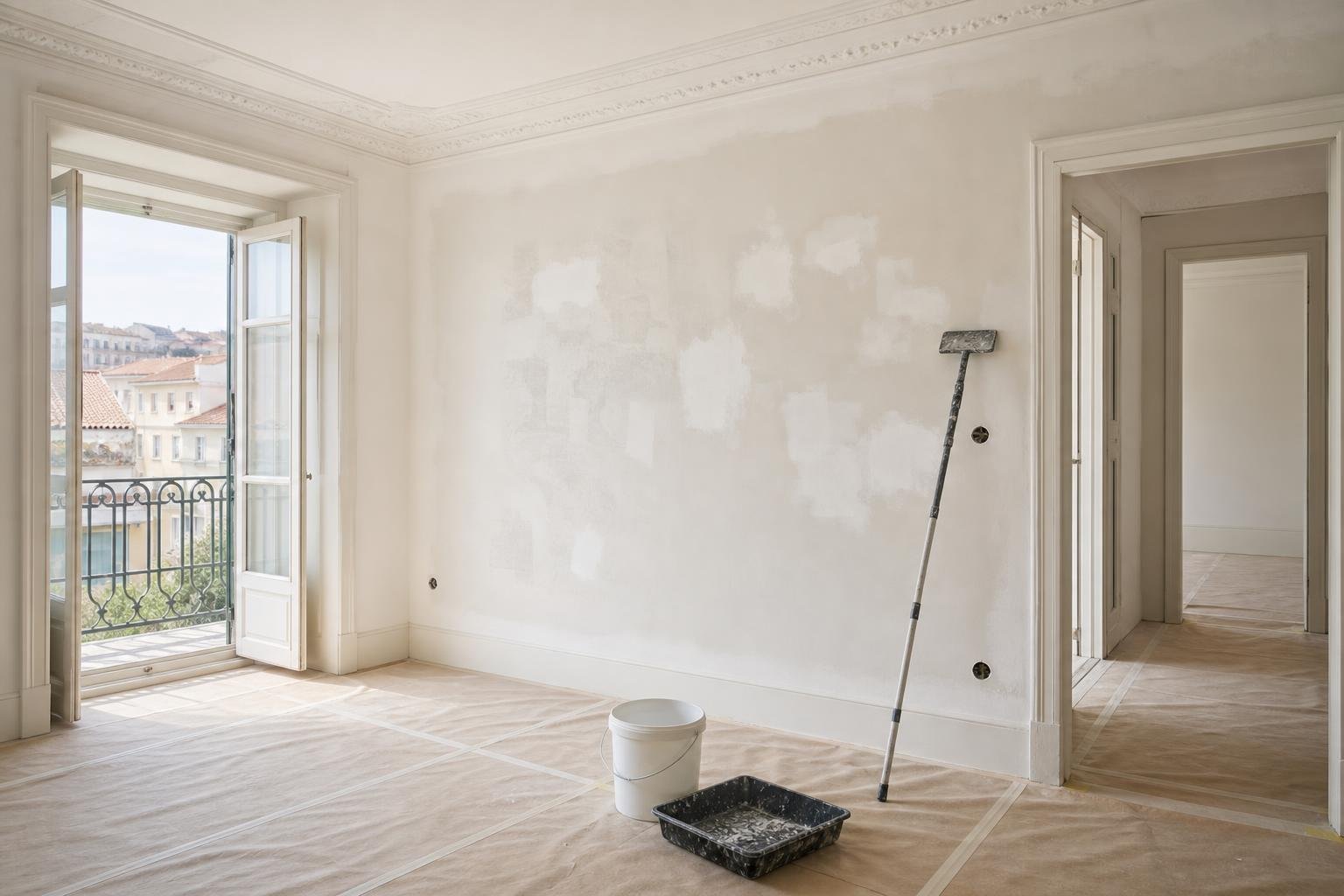
- Most quality problems begin before the finish is installed. Substrate condition and preparation are critical.
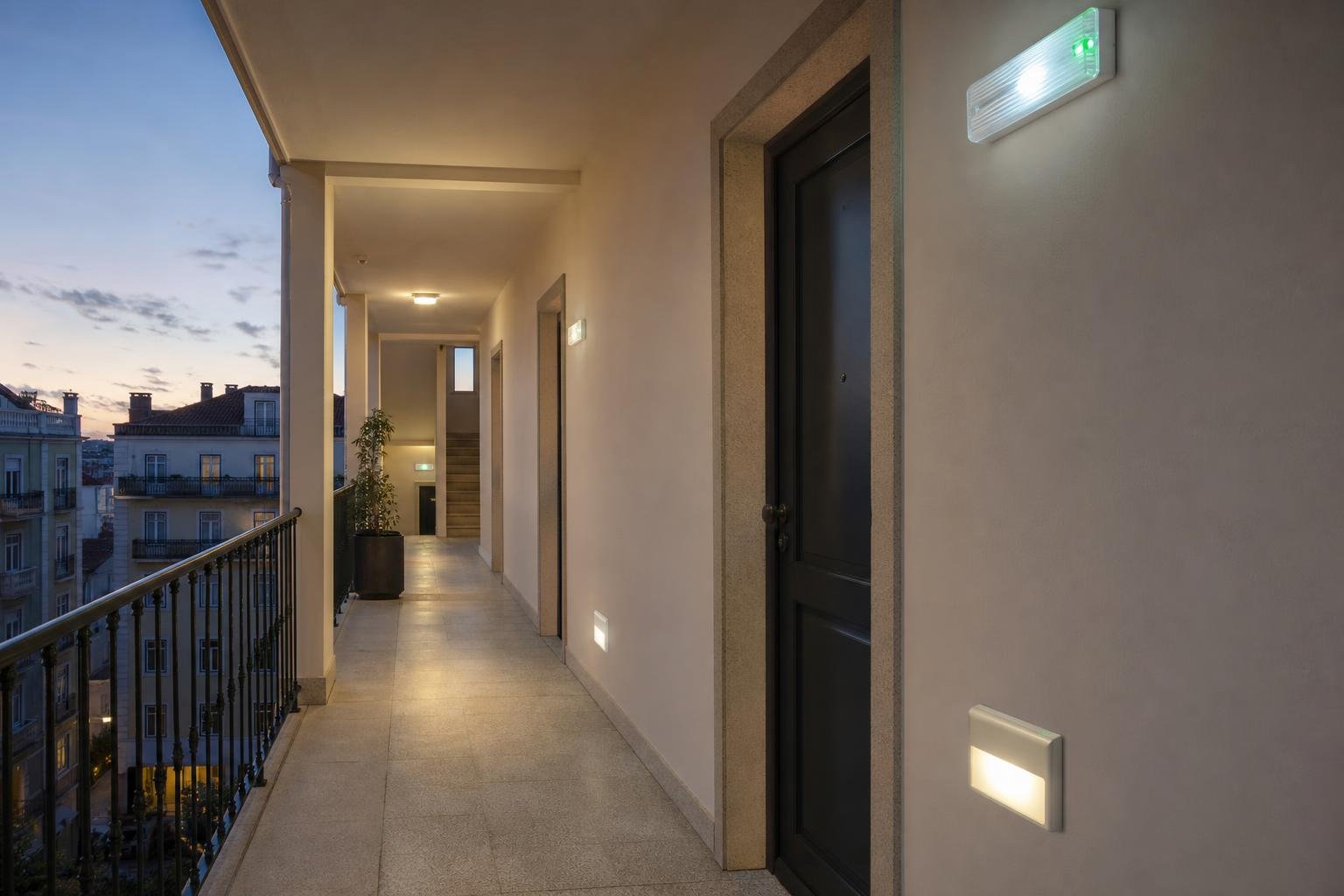
- Lighting should be planned around activities. General, task and accent lighting serve different purposes.
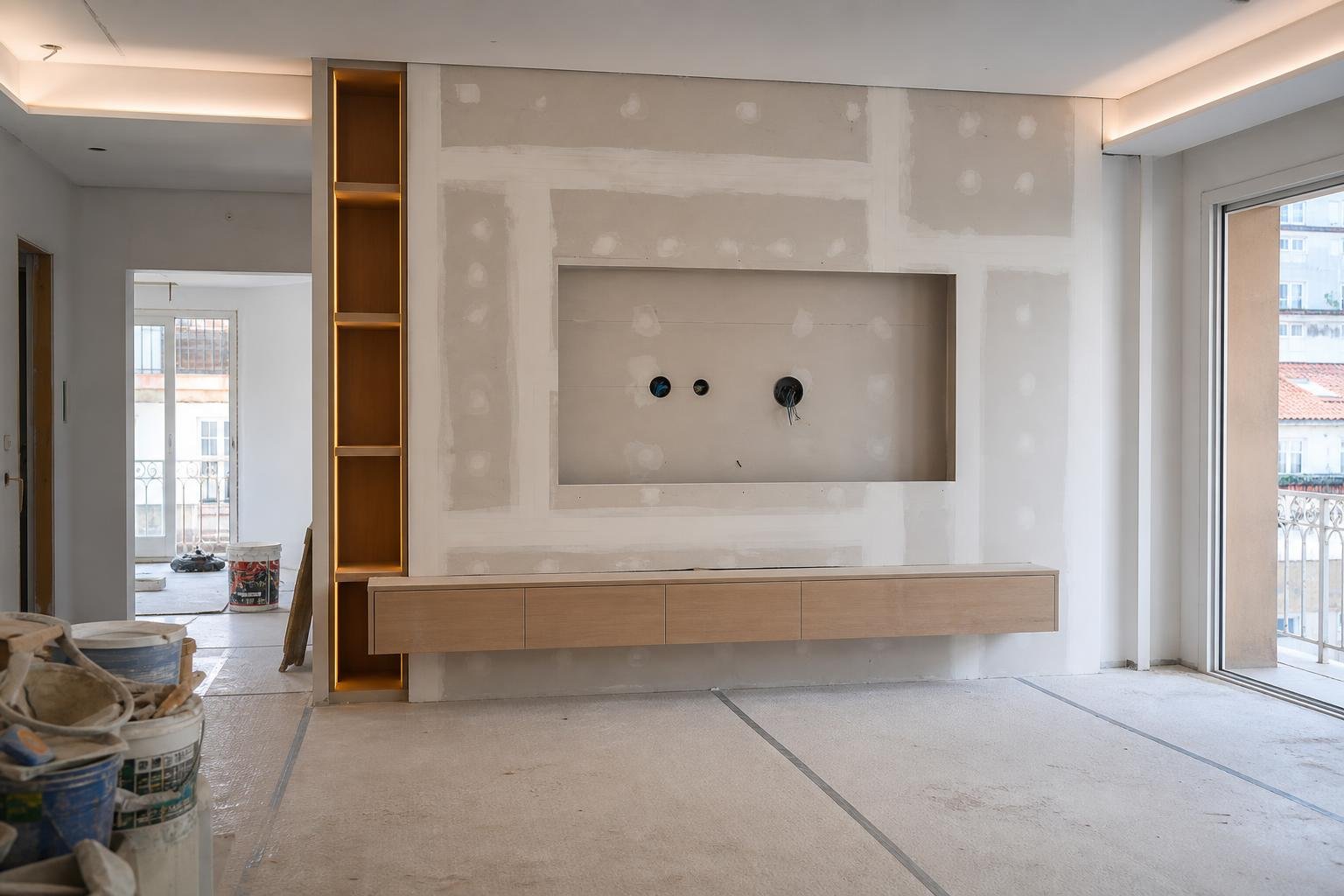
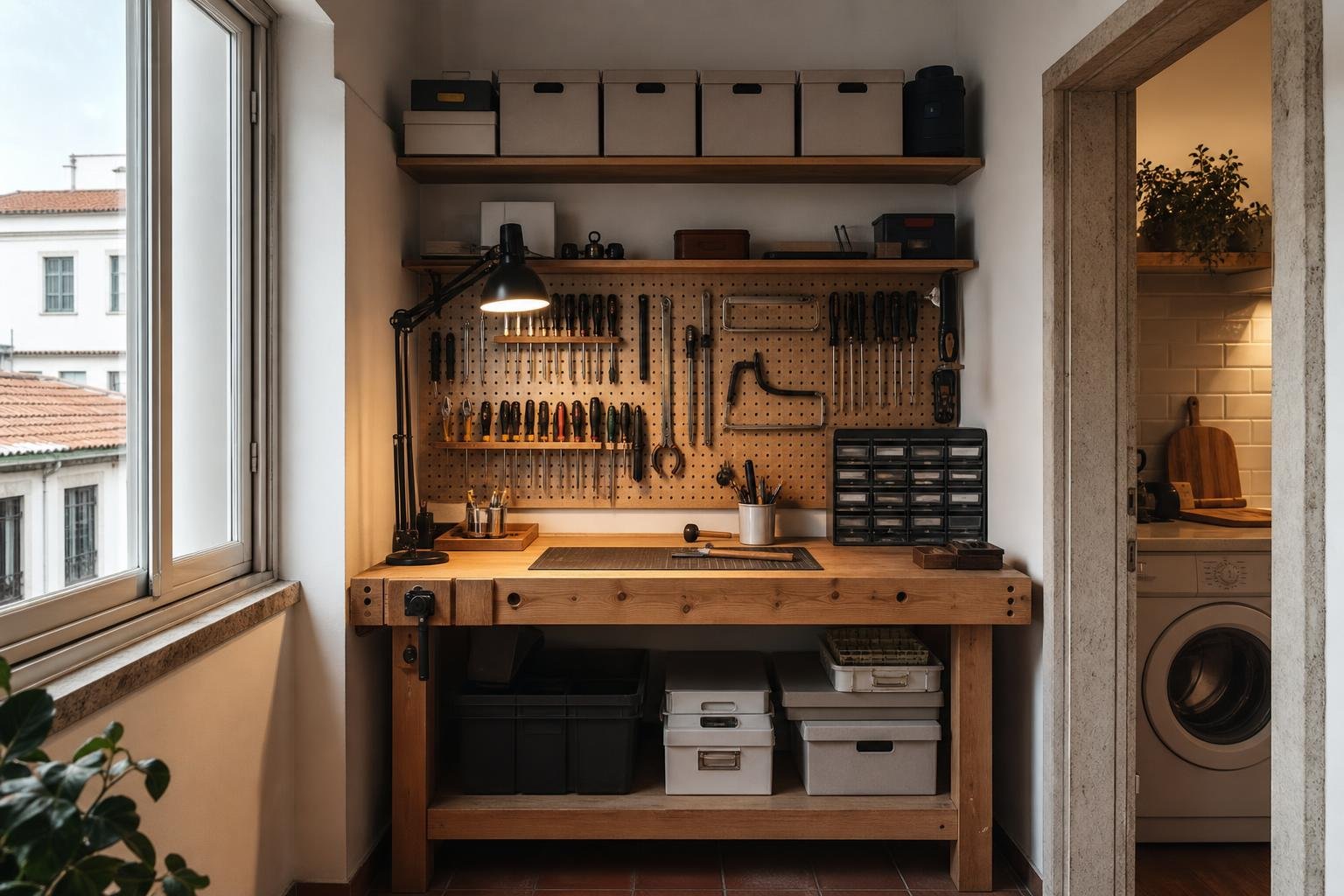
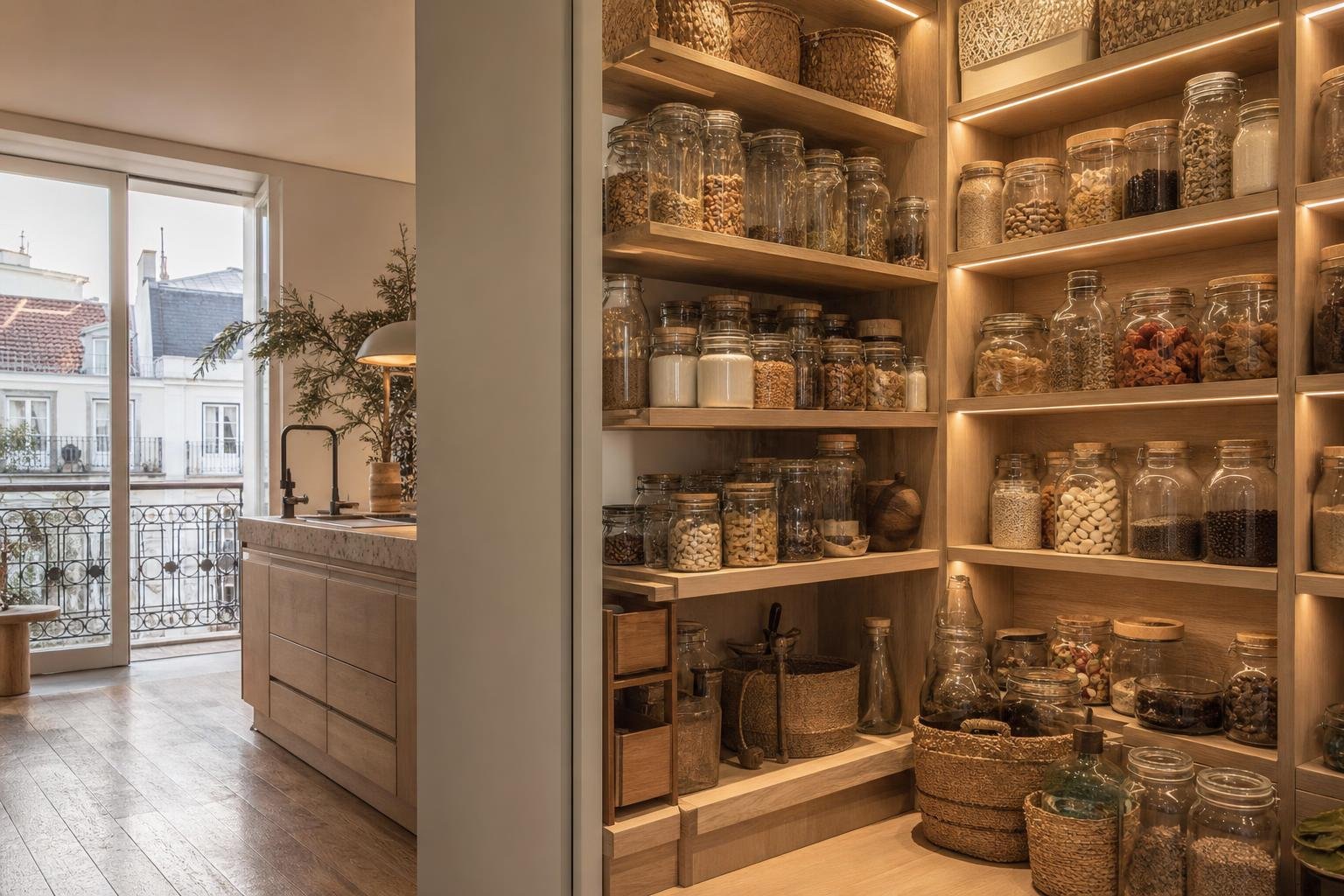
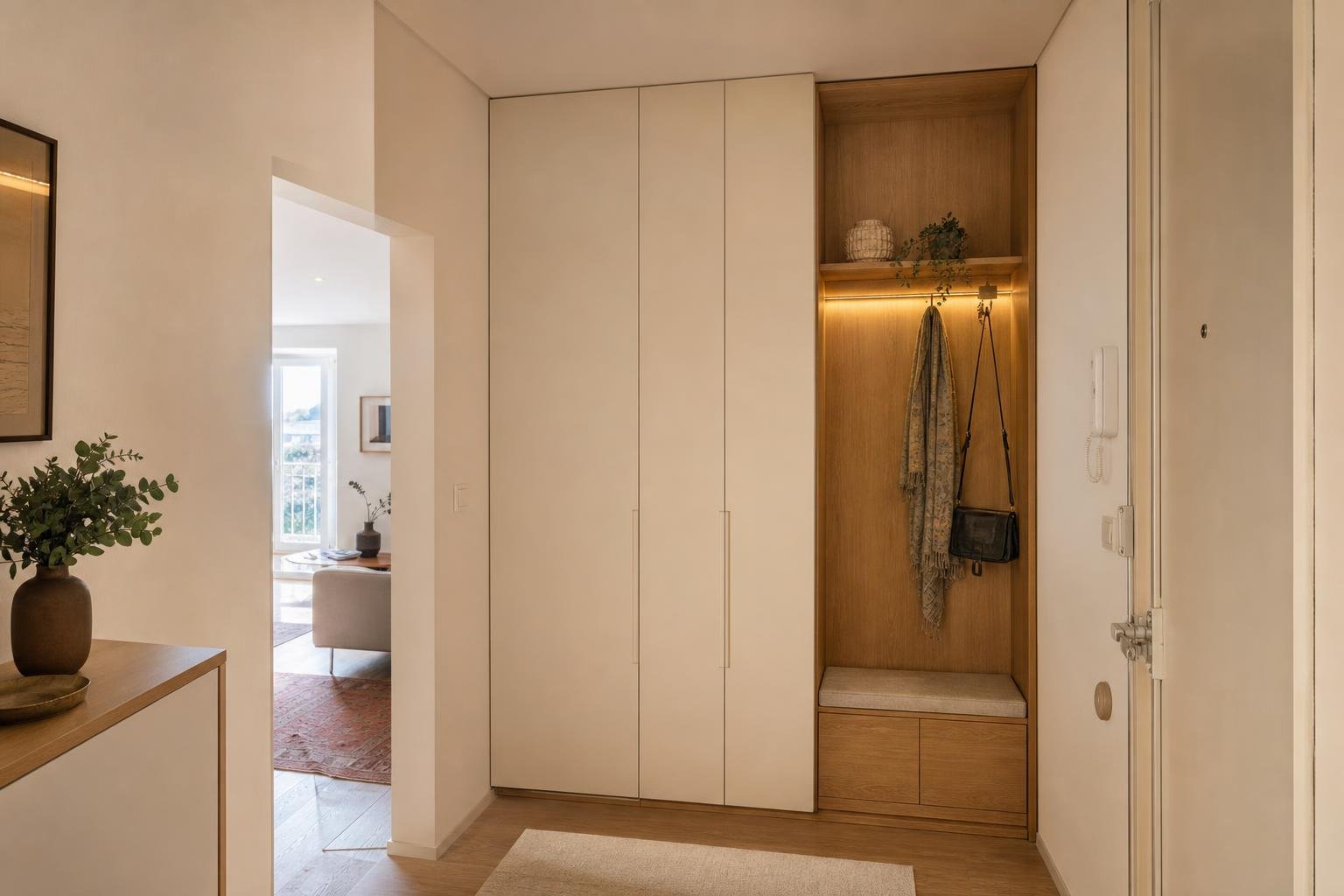
- Made-to-measure furniture can recover awkward space. It is most effective when designed early enough to coordinate power, lighting and finishes.
- Material samples change under real light. Review colours and textures inside the property before approval.
- Lead times can control the programme. Windows, joinery, specialist finishes and equipment may need early decisions.
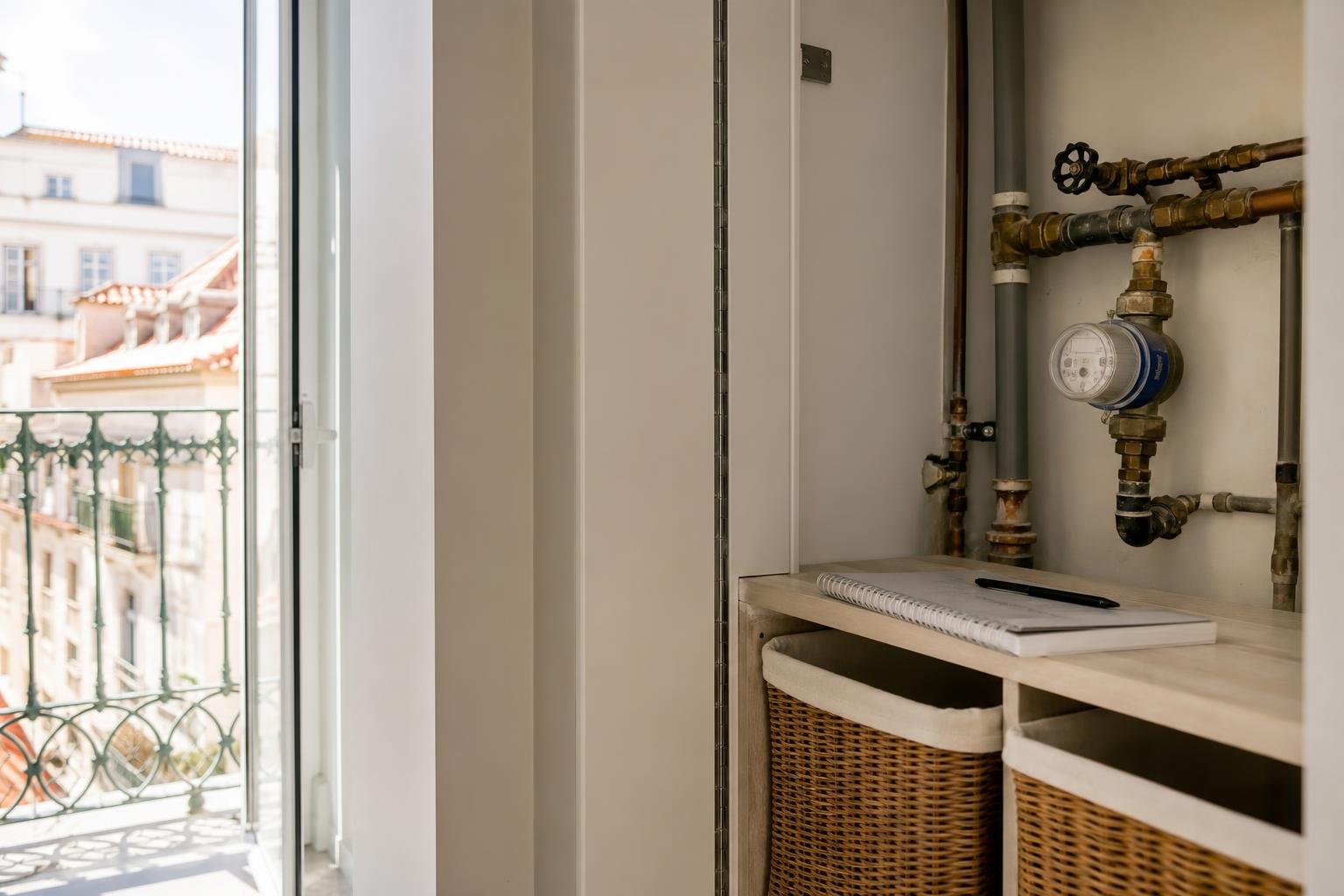
- Concealed work should be recorded. Photographs of pipes, cables and supports are useful after walls and floors close.
- Variations affect more than price. A late change can alter drawings, orders, sequencing and several trades.
- Ventilation is part of comfort. Insulation and airtightness improvements must be coordinated with moisture control and fresh air.
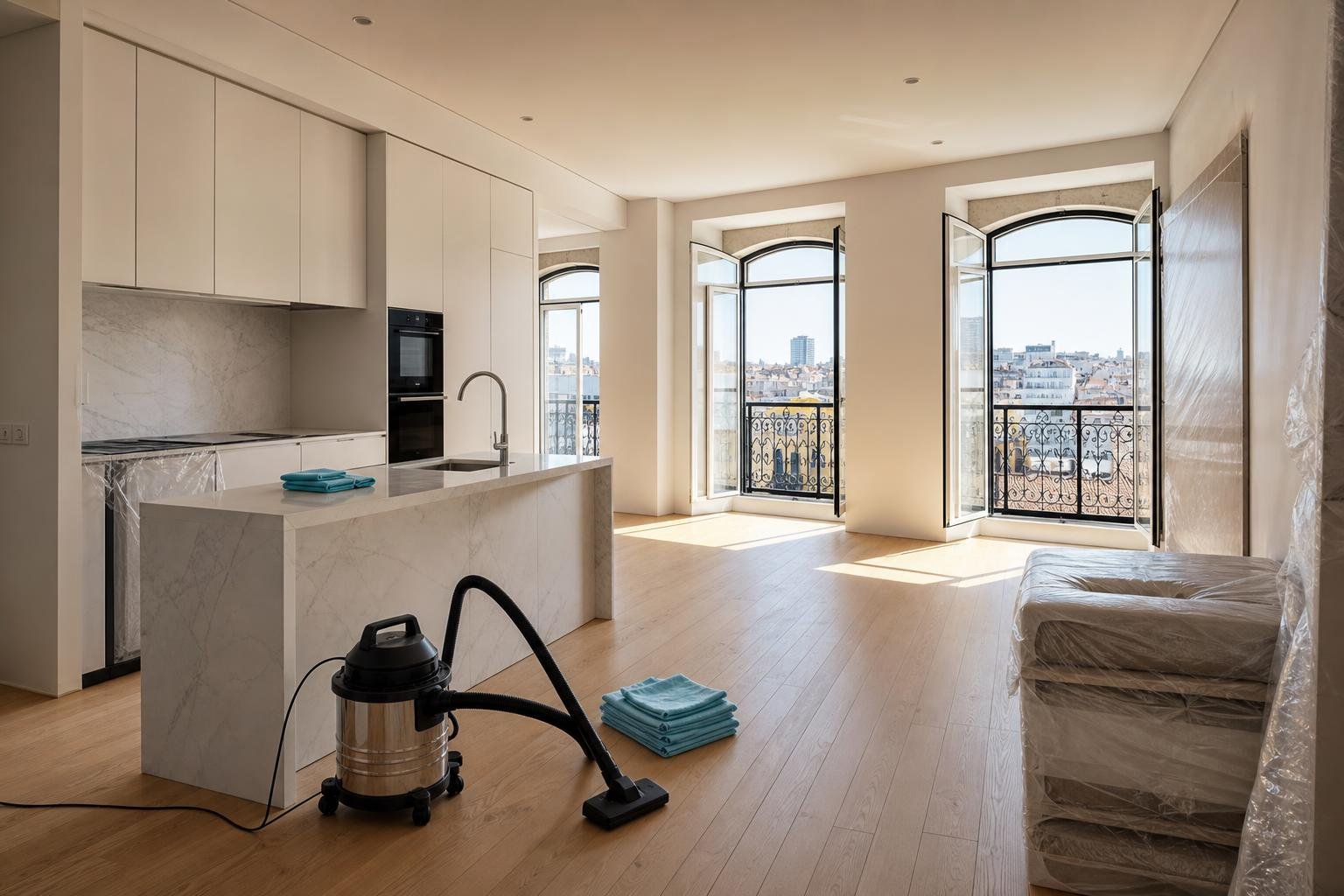
- A snagging list is normal. The important issue is whether defects are documented, prioritised and corrected before handover.
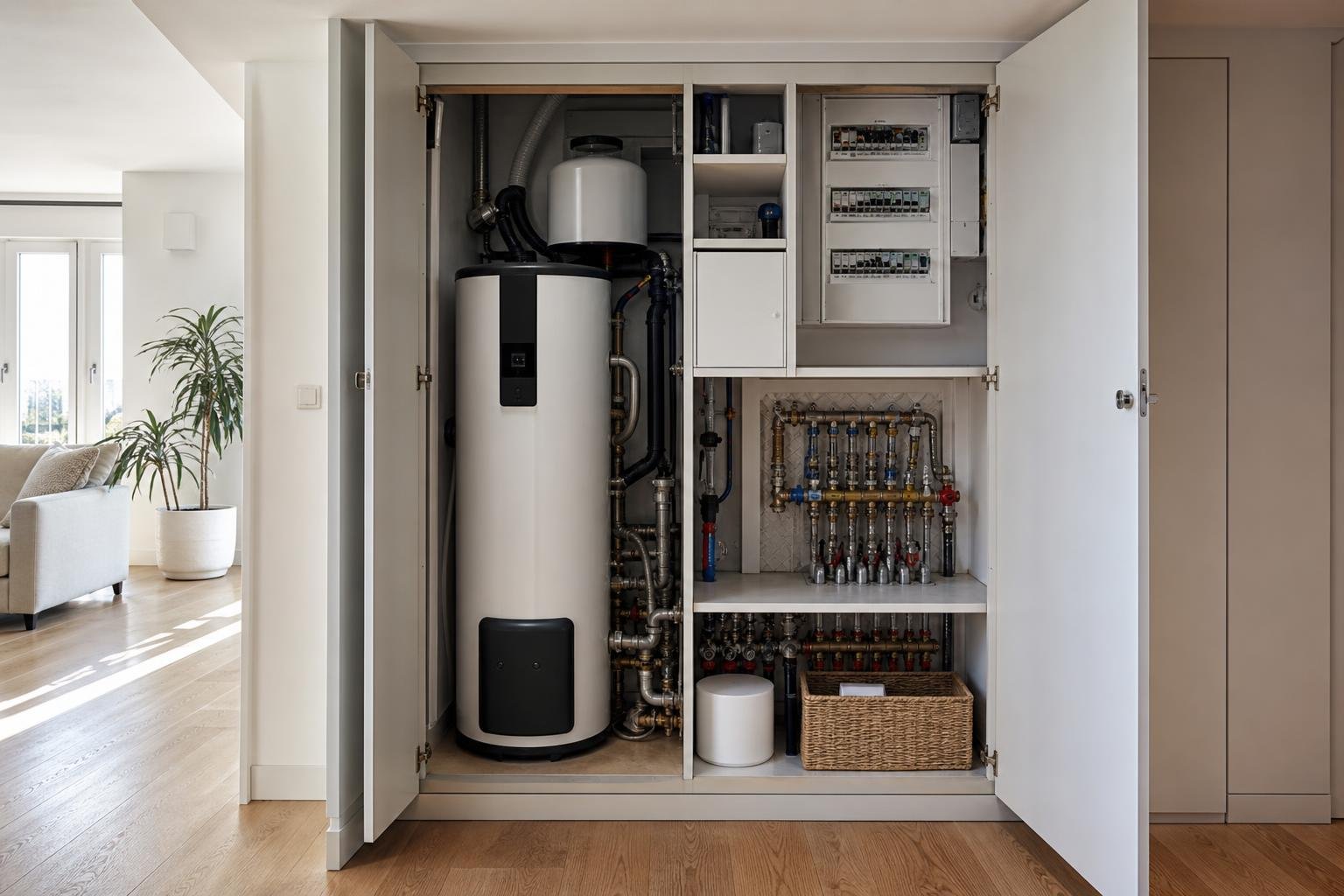
- Maintenance starts at design stage. Accessible valves, replaceable components and cleanable finishes reduce future disruption.
How to use these facts
Define the brief, inspect the property, coordinate the design and agree how decisions will be recorded before construction begins. A clear process reduces uncertainty and gives each trade the information needed to work correctly.
Every property is different, so structural, electrical, plumbing or regulatory questions should be reviewed by an appropriately qualified professional.

Obra Lisboa


Let's Work Together
·
Let's Work Together
·
Let's Work Together
·
Let's Work Together
·
Let's Work Together
·
Let's Work Together
·
Let's Work Together
·
Let's Work Together
·
Let's Work Together
·
Let's Work Together
·
Let's Work Together
·
Let's Work Together
·