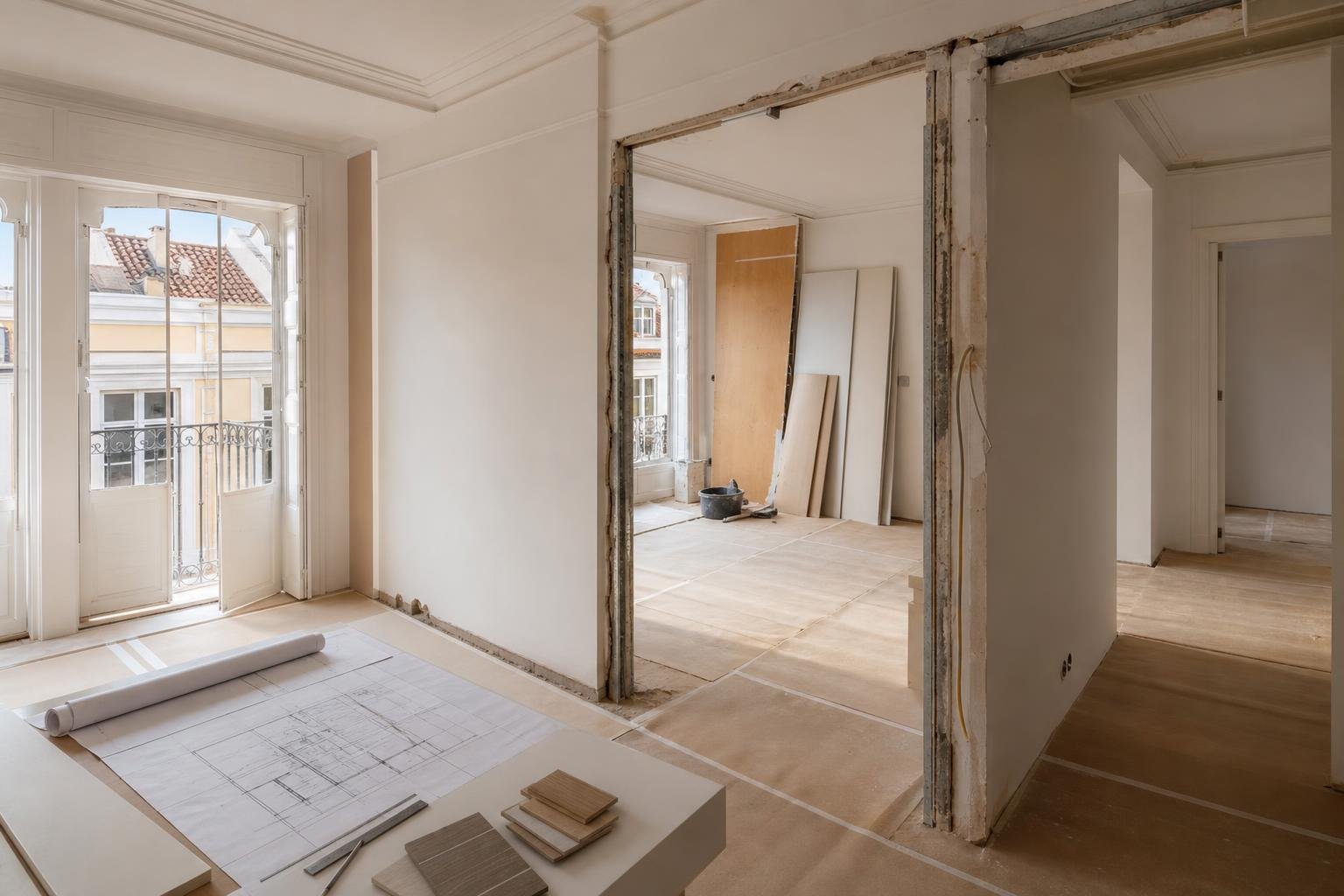
A renovation often starts with an apparently simple task: opening a suspended ceiling, replacing a panel near a boiler, drilling into a service wall or taking down an old roof. In buildings constructed before Portugal banned the use and sale of asbestos in 2005, that task deserves one prior question: could this material contain asbestos?
This does not mean treating every renovation as an emergency. According to the Portuguese Directorate-General of Health guidance on asbestos, material that is in good condition, non-friable and not subject to direct disturbance generally presents a lower risk. The situation changes when it is cut, drilled, broken, sanded or removed. At that point, invisible fibres may be released into the air. This guide sets out practical decisions for a home in Lisbon or elsewhere in Portugal; it does not replace assessment by suitably qualified specialists.
1. Where asbestos may be found in a home
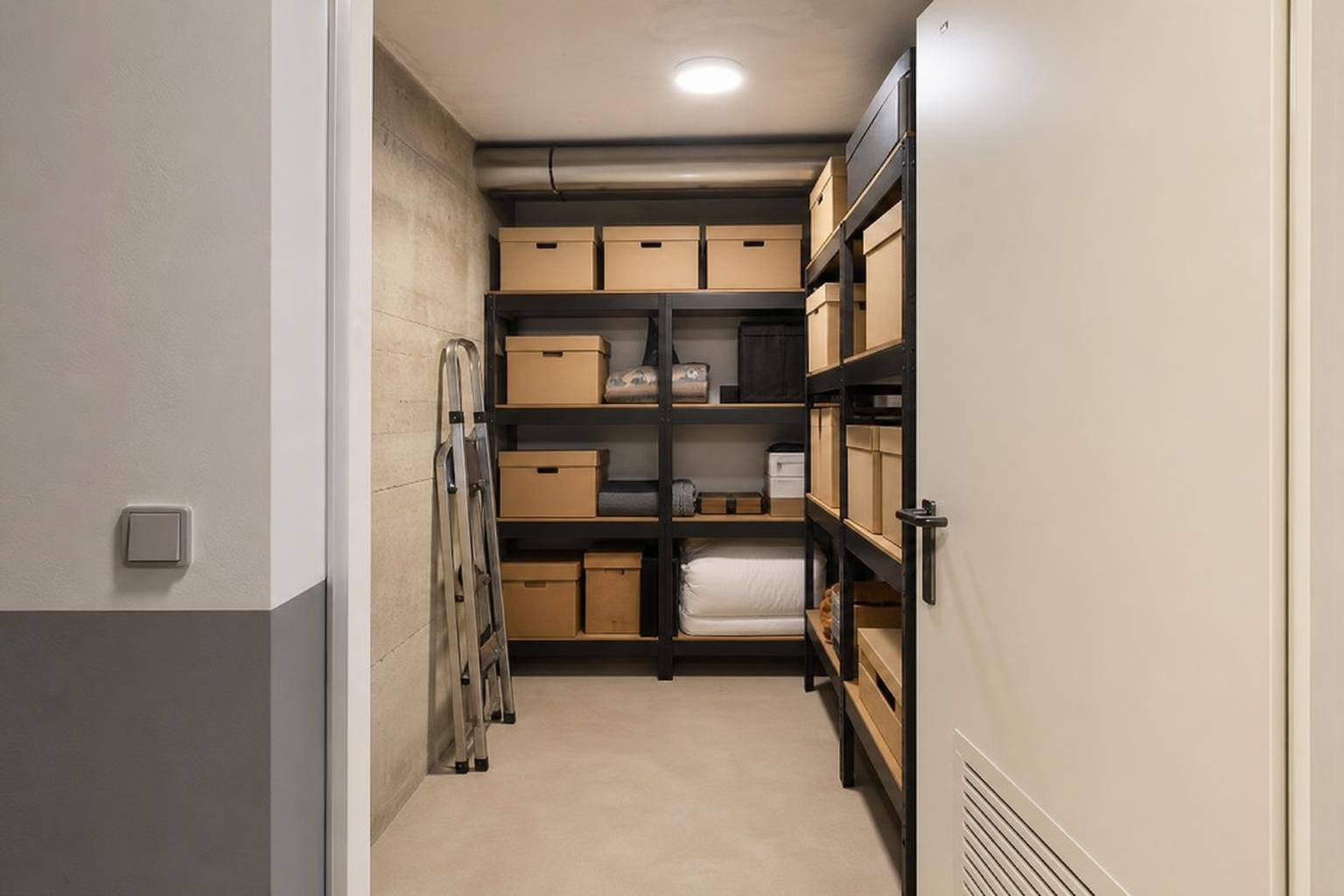
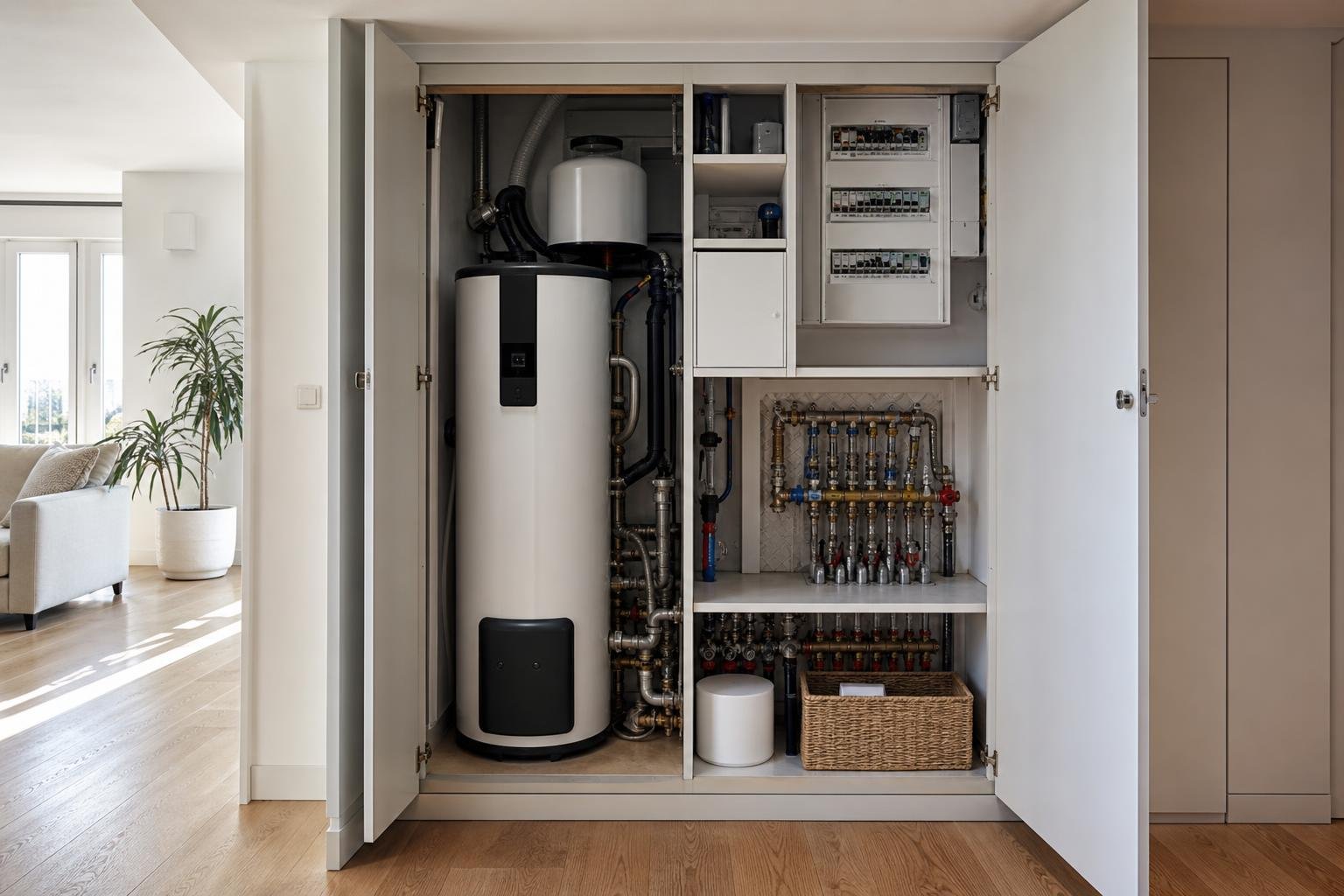
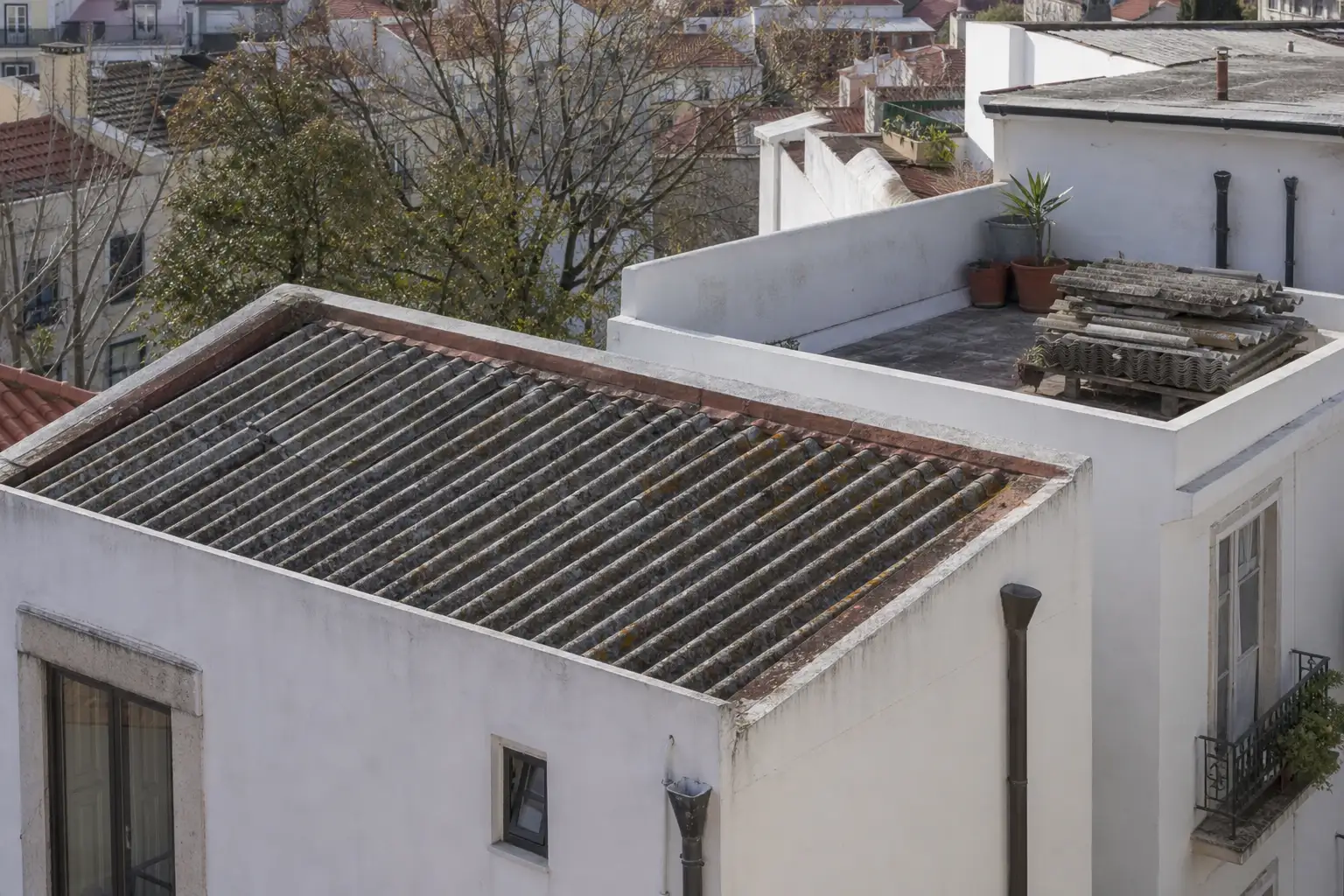
Asbestos was widely used because it resisted fire, heat and moisture. In an older home, the concern is therefore not limited to familiar corrugated fibre-cement sheets. Look carefully at roofs, outbuildings, storage rooms, gutters, wall and ceiling linings, thermal-protection boards, ducts, hot-water pipe insulation and older heating equipment.
A grey, rigid or fibrous-looking product does not prove that asbestos is present. Nor does the age of the property. These are simply reasons to include the material in the pre-renovation survey. Portugal’s Ordinance No. 40/2014 lists examples of building elements where asbestos may occur and requires the project owner to identify and characterise materials presumed to contain it before work begins.
- Build this check into the initial survey, before accepting final quotations.
- Photograph suspect elements without cleaning, scraping or dismantling them.
- Mark their location on drawings or in a room-by-room list.
2. What not to do when you suspect asbestos
The worst response is to try to confirm it yourself. Do not snap off a sample with pliers, drill into it to “see what is inside”, sand it, sweep dry dust or use a domestic vacuum cleaner. Those actions can break up the material and spread particles through the room, on clothing and into circulation areas.
If a panel is already deteriorated, with cracks, broken edges or powdery areas, keep people and pets away, do not deliberately create airflow through the space and stop the work that might disturb it. The health authority notes that cutting, drilling and breaking substantially increase the likelihood of fibre release. Its guidance on safe handling of asbestos-containing materials also stresses that fibres cannot be seen with the naked eye and that removal of installed materials should be carried out by a specialist company.
Pausing a task for a day or two is nearly always easier than trying to decontaminate a renovation already under way.
3. Confirm first: inspection, sampling and laboratory analysis
The practical route is to separate suspicion from confirmation. Ask a competent provider to assess the element, determine whether a sample is needed and, where appropriate, send it for laboratory analysis. Confirmation should not rely on photographs, online forums or the material’s appearance.
When requesting proposals, describe the location, access conditions, condition of the material, approximate extent and planned work. Removing one intact board from a storage space is not the same as dealing with an extensive, damaged roof above occupied rooms. The assessment should also address whether the material is friable, whether parts of the home must be vacated and how unaffected rooms will be protected.
Keep the report, photographs and laboratory result with the renovation records. They guide the immediate decision and explain why a particular area was isolated, removed or left untouched.
4. Remove it, encapsulate it or leave it untouched?
Not every suspect material needs to be removed immediately. If it is intact, protected and outside the scope of the work, leaving it undisturbed and recording its presence may be the appropriate route. However, if the renovation requires cutting, demolition, drilling or exposing that element, the decision must be revisited before work proceeds.
Where there is a likelihood of exposure, current guidance published by the Portuguese health authority gives priority to removal over other forms of handling. The right solution still depends on the assessment and the proposed work method. Covering deteriorated material without resolving loose fixings, water ingress or future access needs may simply postpone the problem.
Set out the decision for each element in writing: retain without intervention, encapsulate to a technical specification or remove. That clarity should appear in the work plan, quotation and construction sequence. A well-planned renovation deals with hidden risks before selecting finishes.
5. What to require from the contractor
A sound proposal should describe the work boundary, protection and signage, removal method, packaging, transport, waste destination, cleaning and final checks. The rules governing asbestos-containing construction and demolition waste are specific; do not accept a vague line item for “rubble removal”.
Also establish who will undertake each stage. The IMPIC register for private-works contractor licences can be used to check companies holding an alvará. This check does not replace reviewing the proposal, but it helps confirm the company’s identity and supports a more informed appointment.
- Request the company’s identification, tax number and site manager.
- Confirm who will test, remove and transport the material.
- Require evidence that waste will be sent to an authorised destination.
- Avoid undocumented payments and informal collection in an unmarked vehicle.
6. Waste, cleaning and restarting the renovation
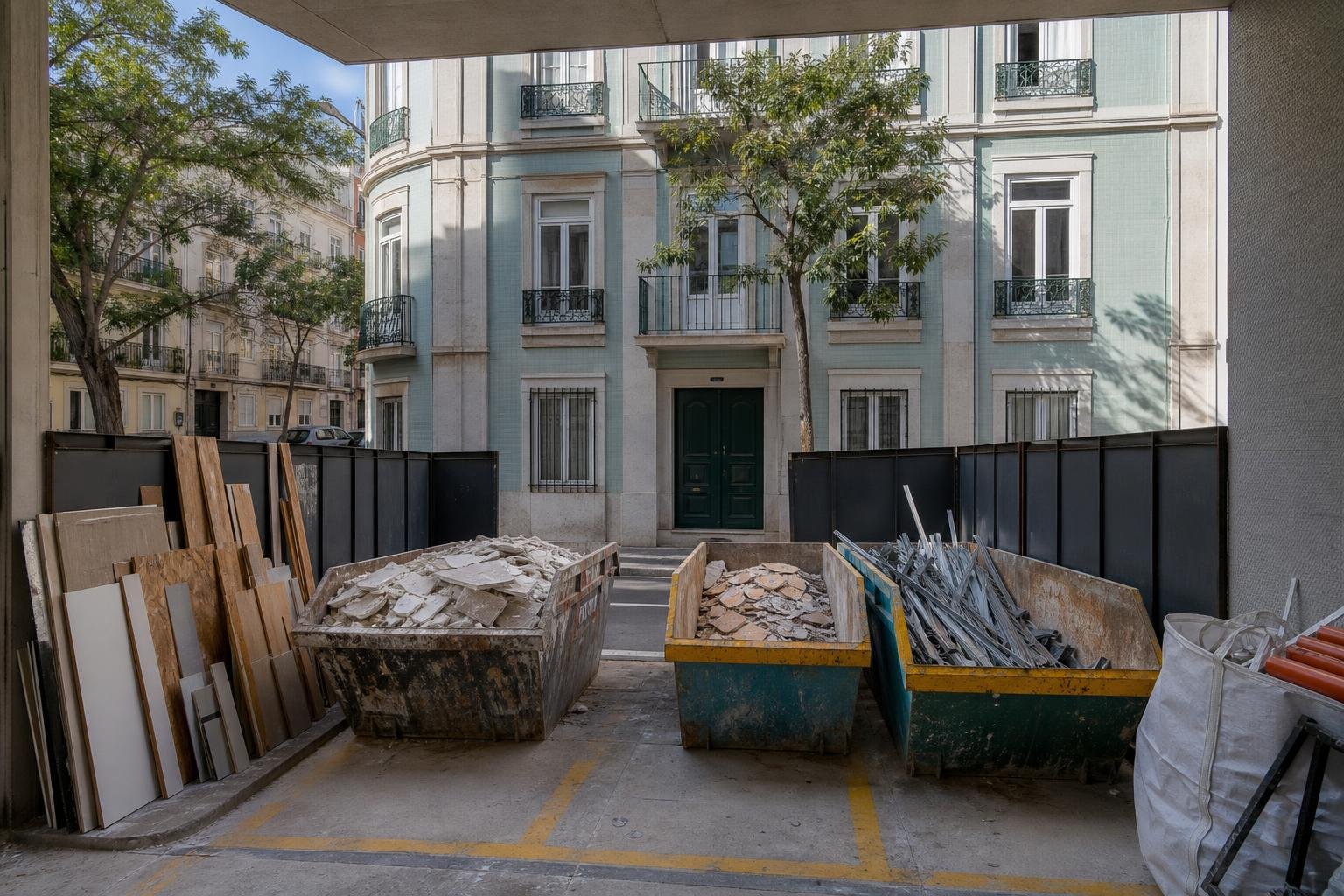
Asbestos-containing waste must not be mixed with timber, plasterboard, ceramic debris or ordinary demolition bags. Ordinance No. 40/2014 sets out requirements for the removal, packaging, transport and management of this waste in order to reduce exposure for workers, residents and the environment. Wherever technically possible, materials should be kept intact rather than needlessly broken into pieces.
Before restarting the renovation, confirm that the area has been released in line with the agreed procedure, the waste has left the site and no pieces, dust or potentially contaminated tools remain in shared spaces. In an apartment building, tell the condominium about schedules, routes and protective measures: lifts, stairwells and entrances should not become extensions of the worksite.
For the wider logistics, see our guide to renovation waste in Lisbon. The purpose is not needless paperwork; it is ensuring that necessary work does not leave a hidden risk behind a new wall.
If your renovation involves older building elements, include a check for suspect materials in the first survey. Obra Lisboa can help structure the work, access arrangements and decision sequence before demolition begins.
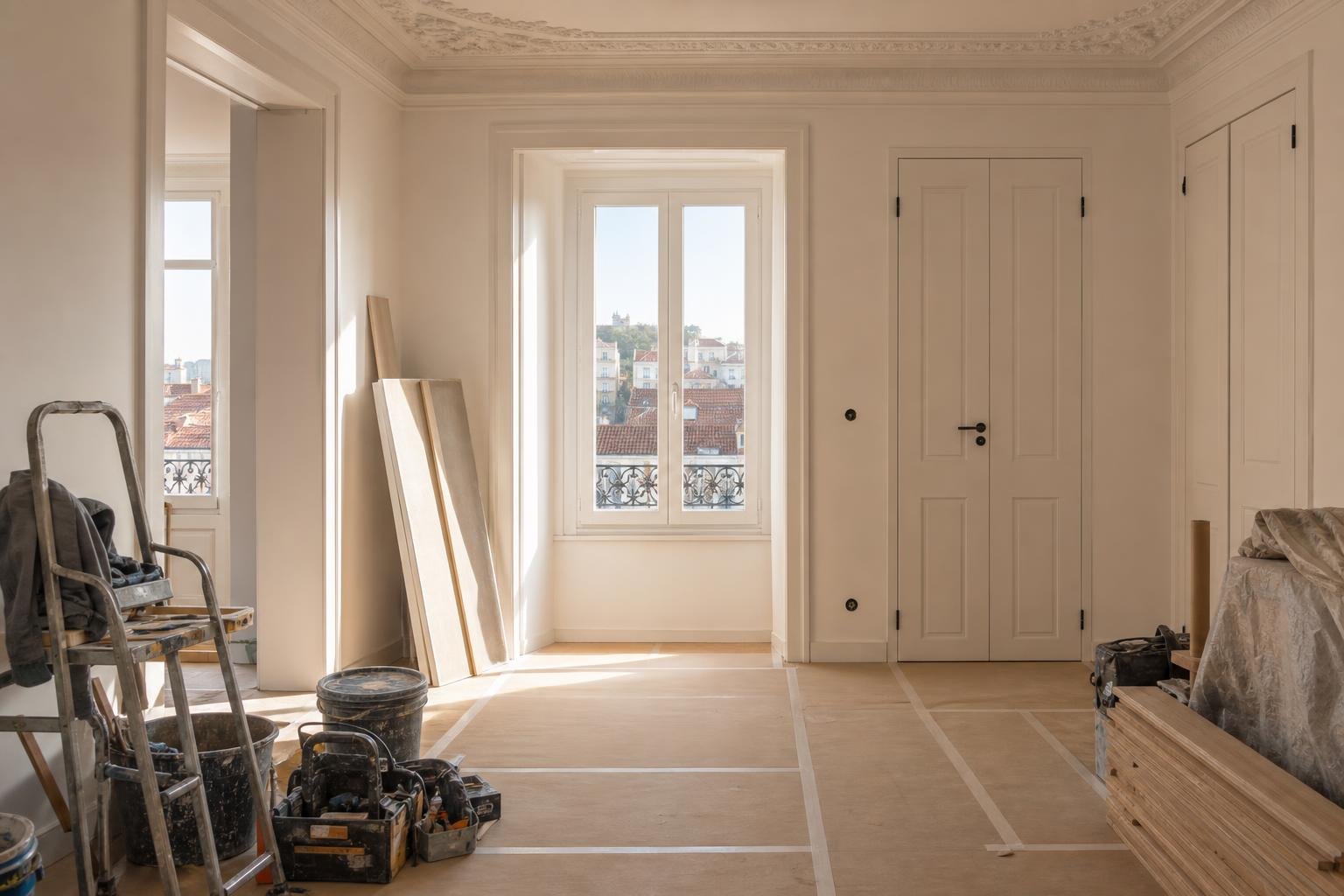
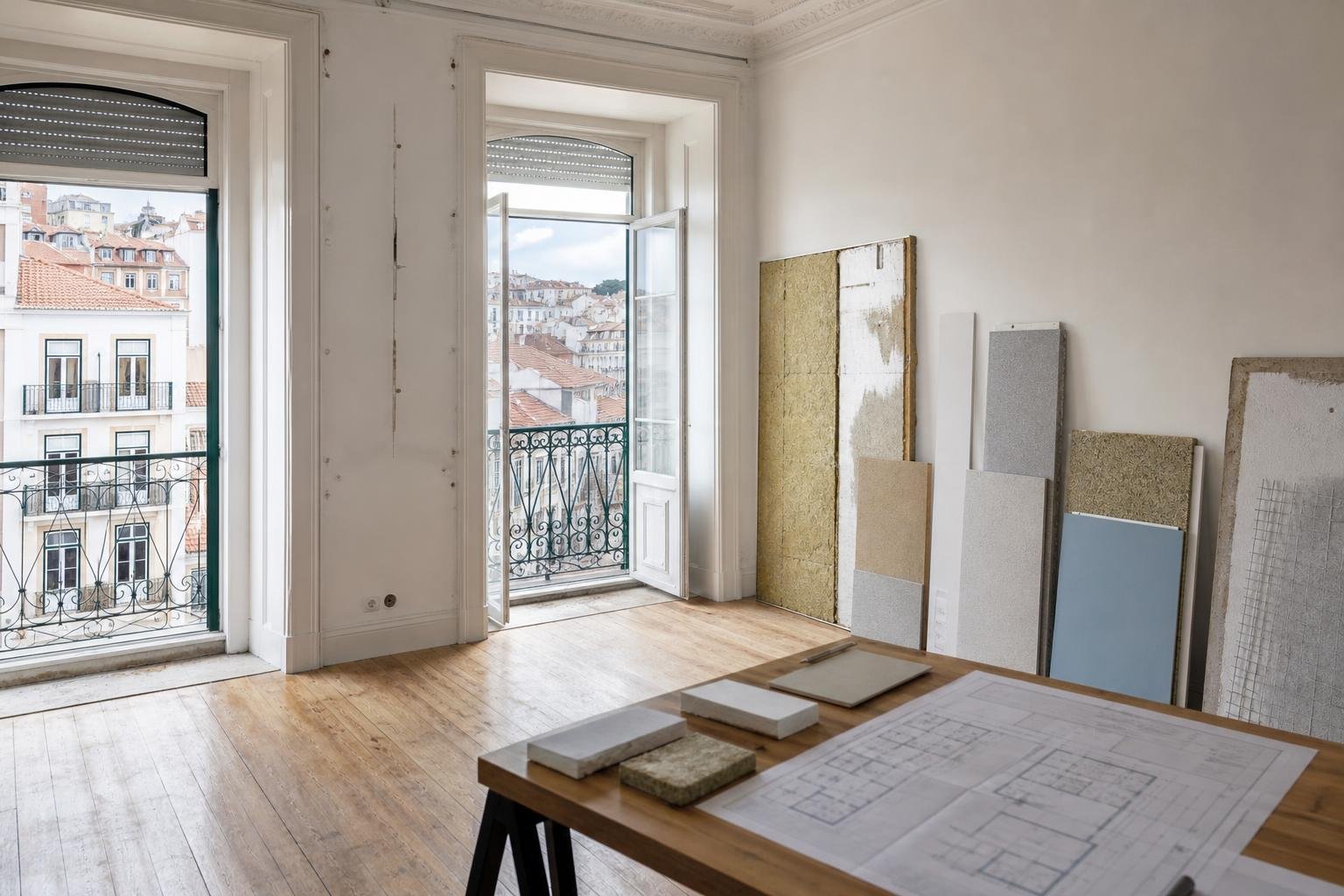
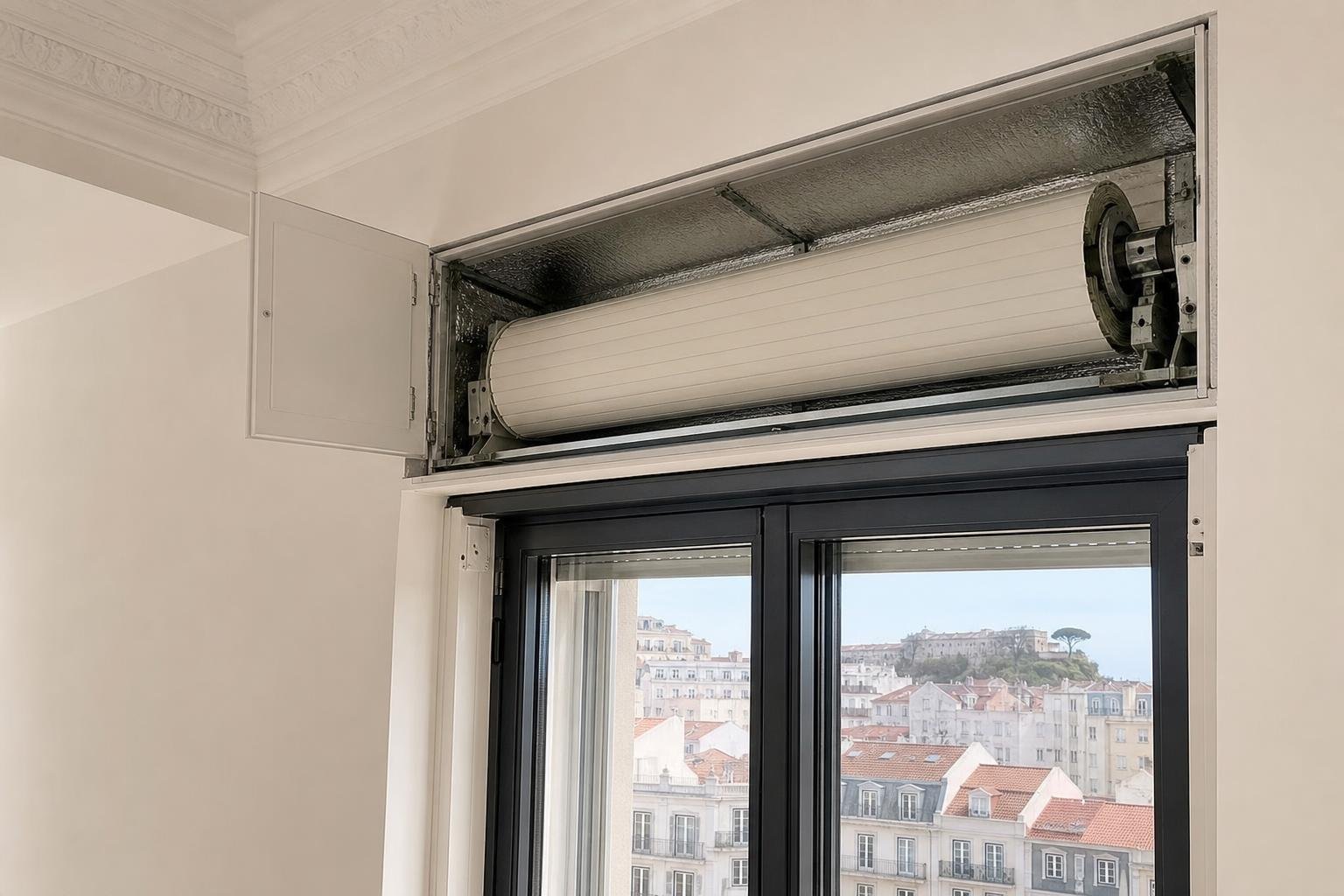
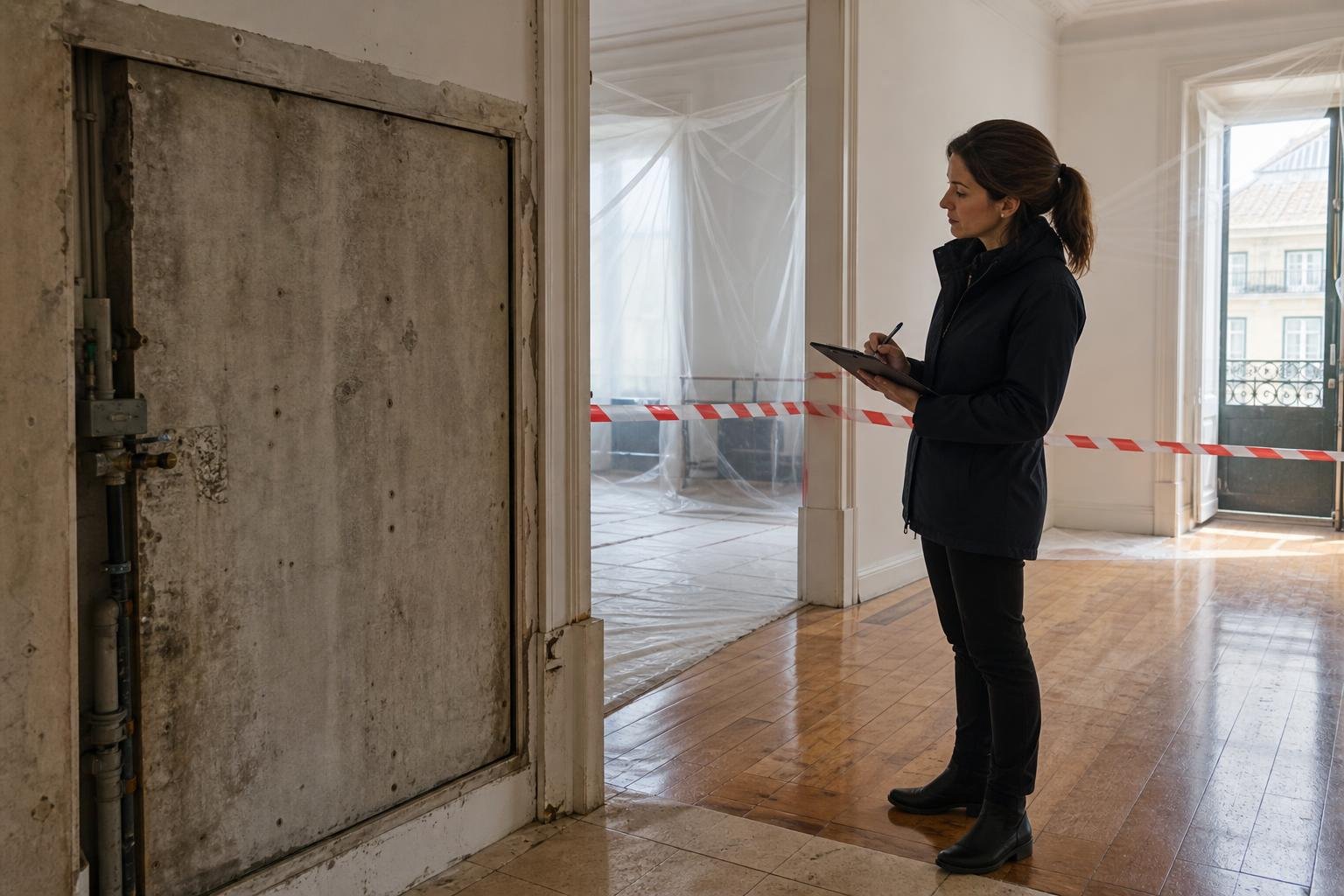
AI-generated editorial image; it does not depict an Obra Lisboa project.

Obra Lisboa