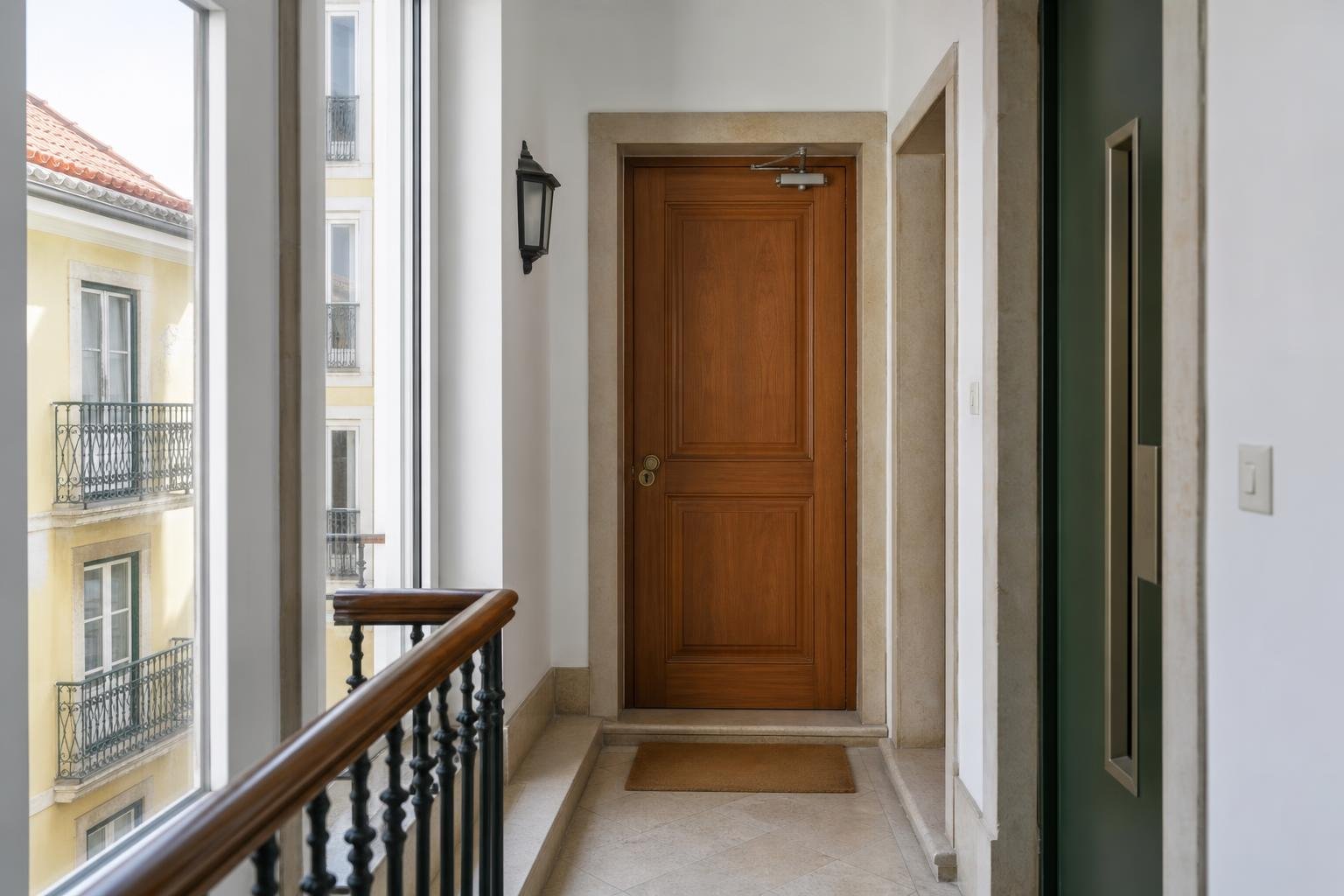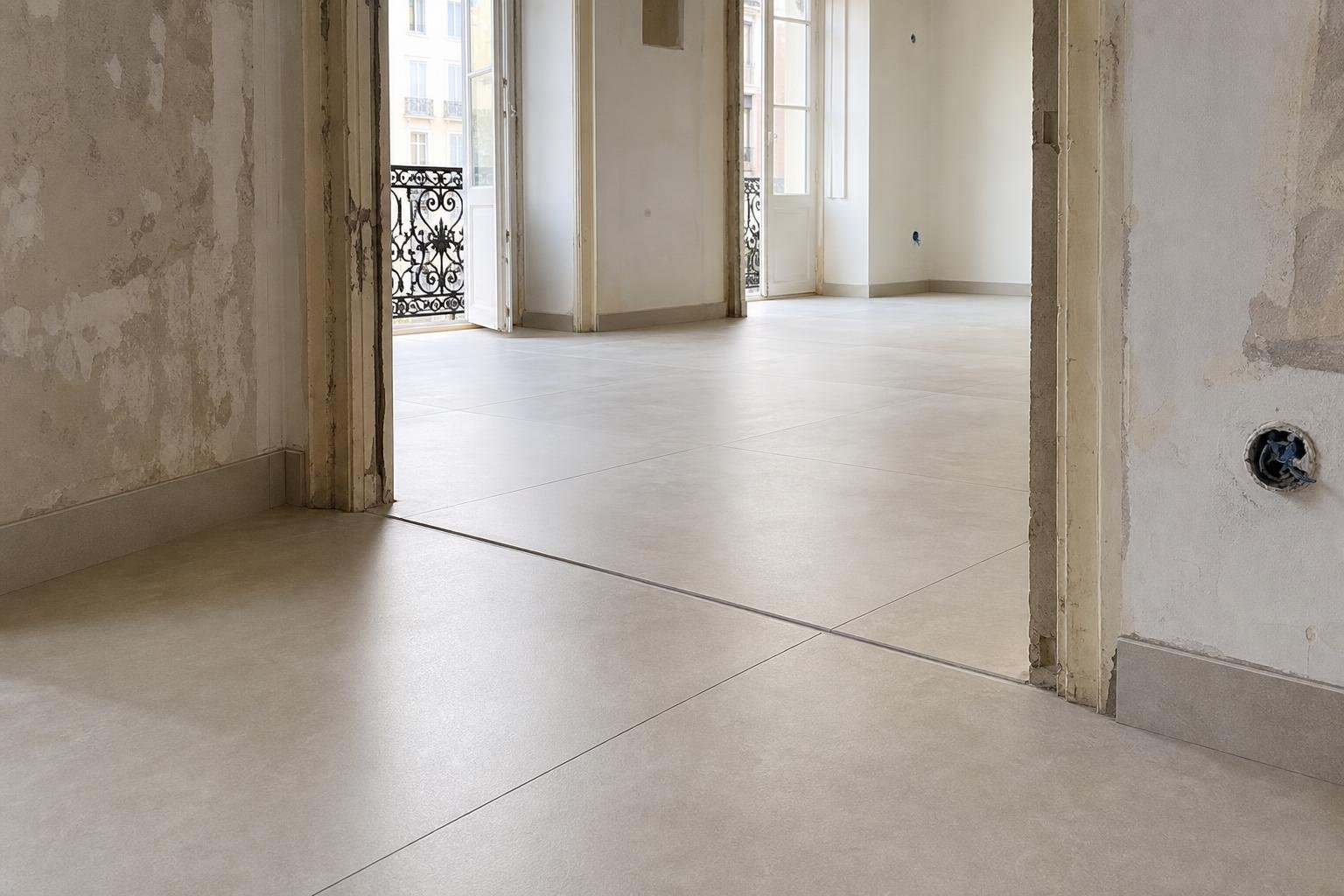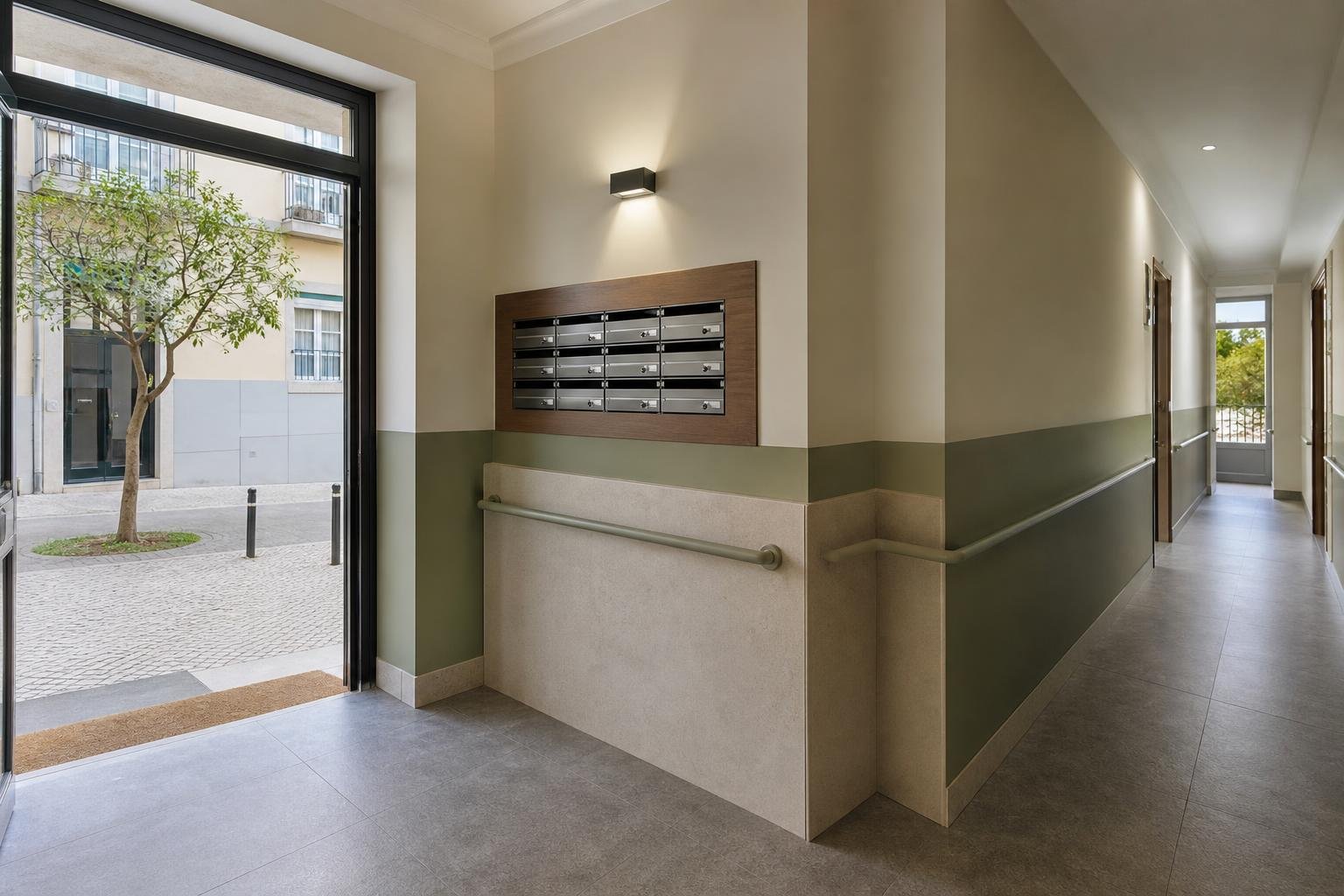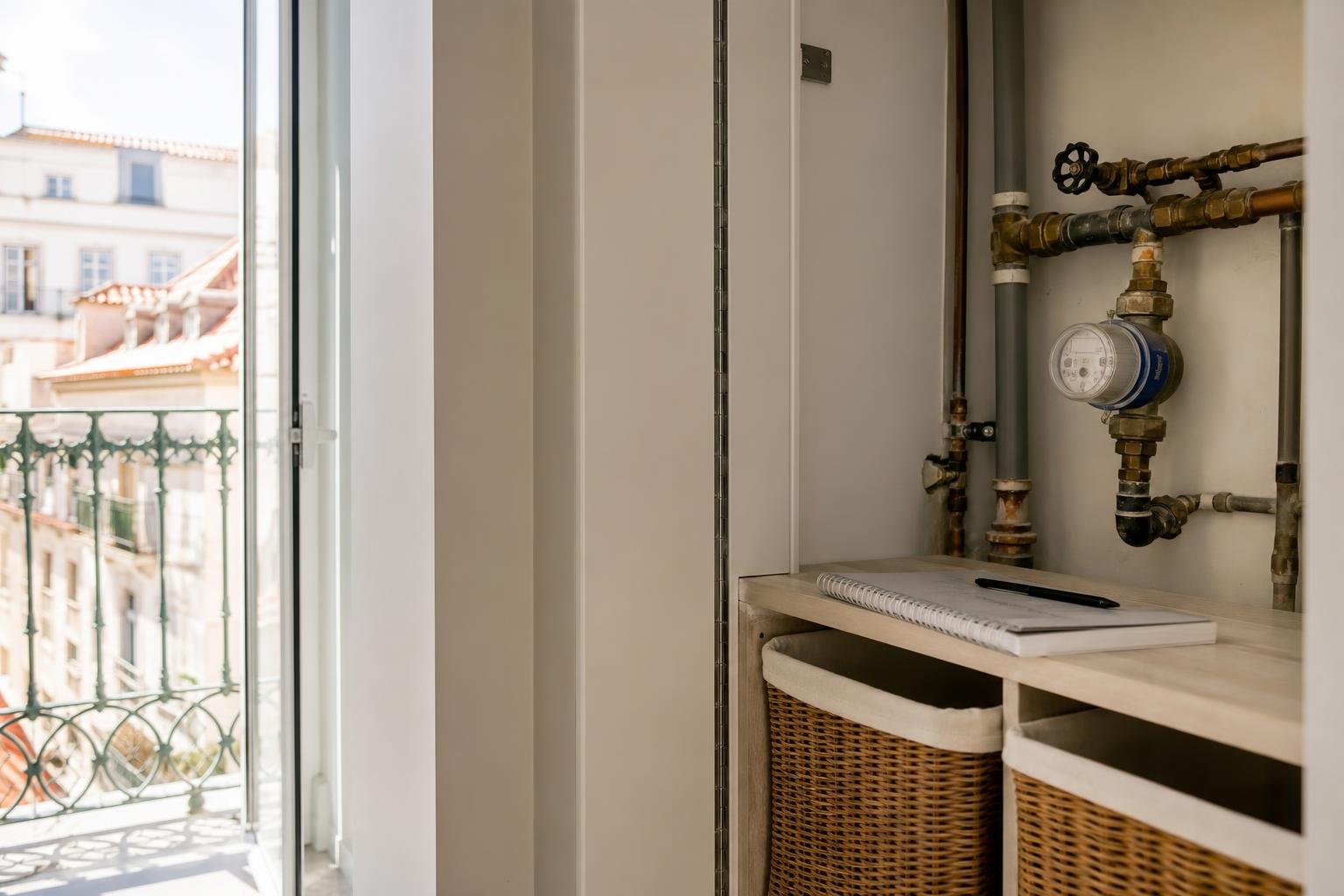

An old cabinet door can give a kitchen, hallway or bedroom in a Lisbon flat the scale and character that new off-the-shelf furniture often lacks. Yet it should not be kept merely because it is old. Warped panels, excessive gaps, failing paint, persistent odours or unsalvageable hardware can make daily use frustrating.
A sound decision separates what can be repaired from what only looks repairable. Before ordering new fronts, inspect the carcasses, timber, fittings, dimensions and ventilation. This makes it possible to retain what works, adapt what has value and replace only what constrains the renovation.
Inspect the cabinet interior before judging the doors
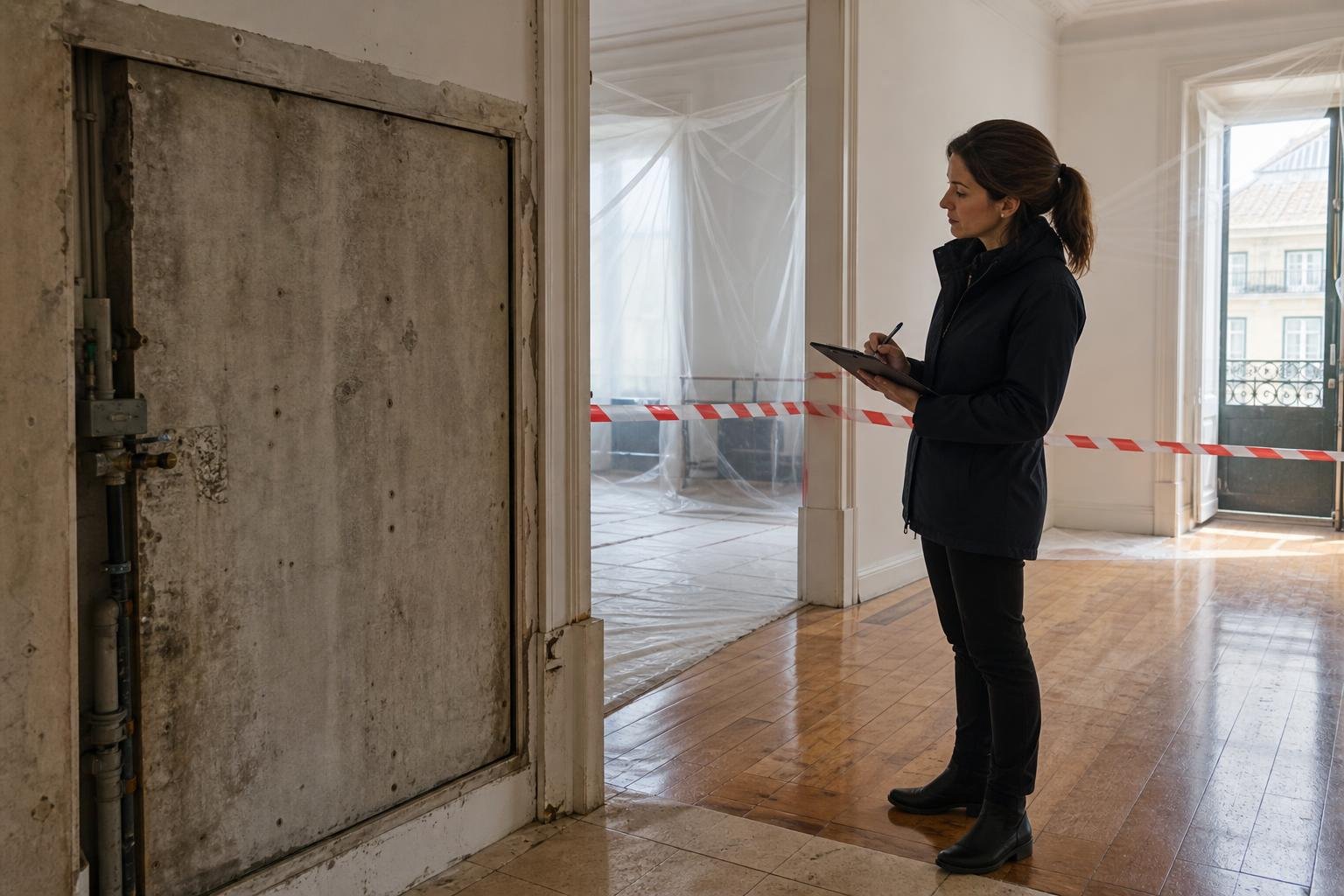
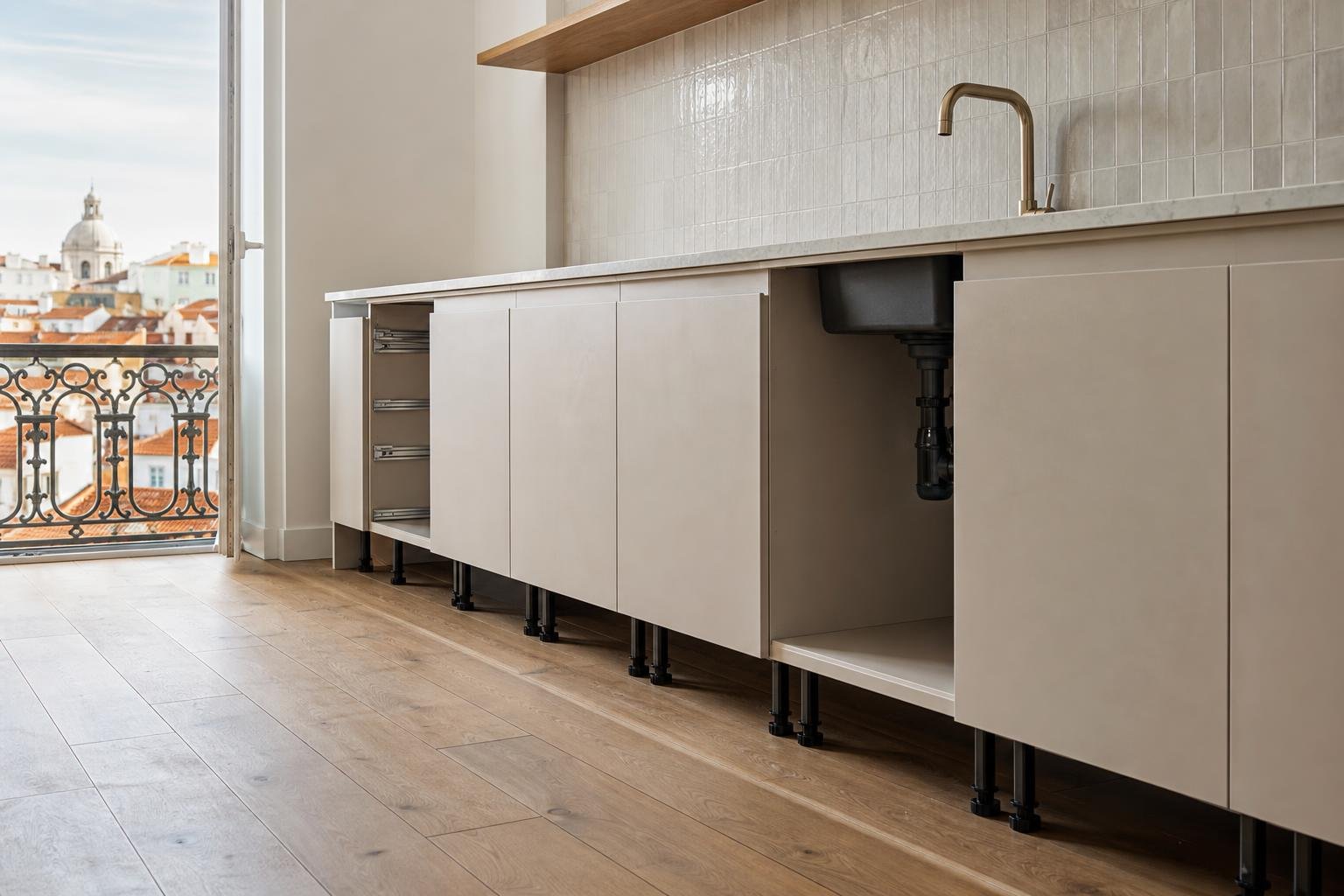
Open every door and inspect the cabinet carcass. An attractive front cannot compensate for swollen backs, damp-damaged shelves or side panels that no longer hold hinges. Look for staining beneath the sink, failed plinths, enlarged screw holes, evidence of wood-boring insects and doors that rub because the unit itself has moved.
Try a basic check: remove the door, place it on a flat surface and see whether it rocks; then check whether it remains square and has enough sound timber for replacement hardware. Where the carcass is sound, an old door may be worth restoring even if its paint and handles are not. Where it is not, solve the underlying leak, condensation or installation defect before spending money on finishes.
Moisture and furnishings affect indoor air. The Portuguese health authority’s indoor-air guidance identifies construction materials and furniture as possible pollution sources, while excessive humidity can encourage condensation and mould.
When restoration is worth the effort
Restoration is particularly worthwhile where doors are solid timber, have well-made mouldings, retain proportions that would be costly to reproduce or form part of a coherent set with interior doors, skirting or windows. Minor splits, tired paint, rusty hinges and dated handles are not, on their own, reasons to discard them.
The work may involve controlled stripping, local consolidation, regluing joints, timber inserts, easing edges and applying a compatible paint or varnish. The aim is not to erase every mark; it is to stabilise the piece and make it useful. A door with modest irregularities can still feel distinctive. A door that will not close, jams drawers or allows water into a wet area needs more than cosmetic work.
For certain alteration applications involving buildings covered by Lisbon’s municipal heritage inventory, the city requires a full photographic survey of existing architectural, decorative and furniture elements. Check the municipal documentation list for alteration and demolition works before removing older items that may be relevant.
Adapt the design without pretending everything is original
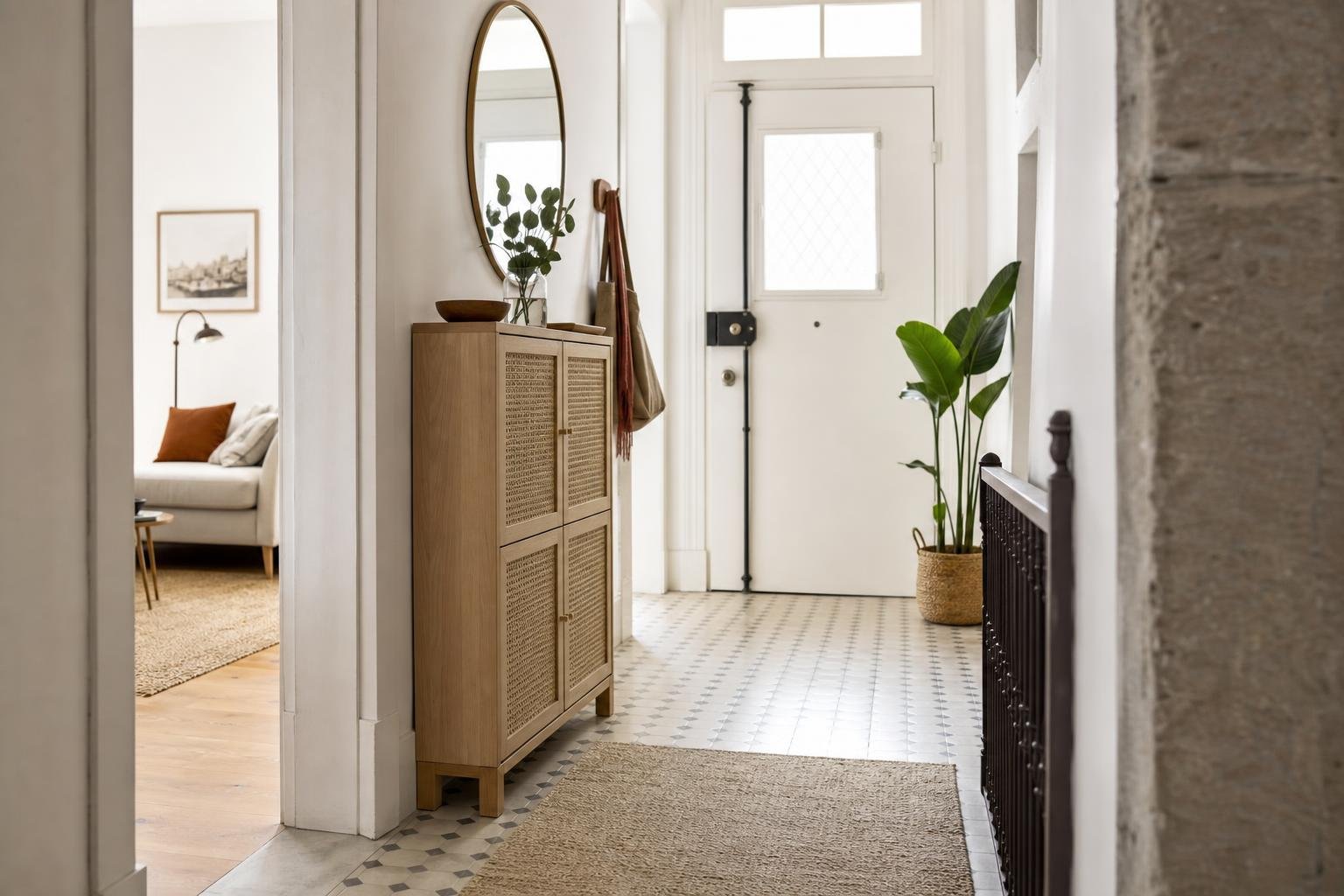
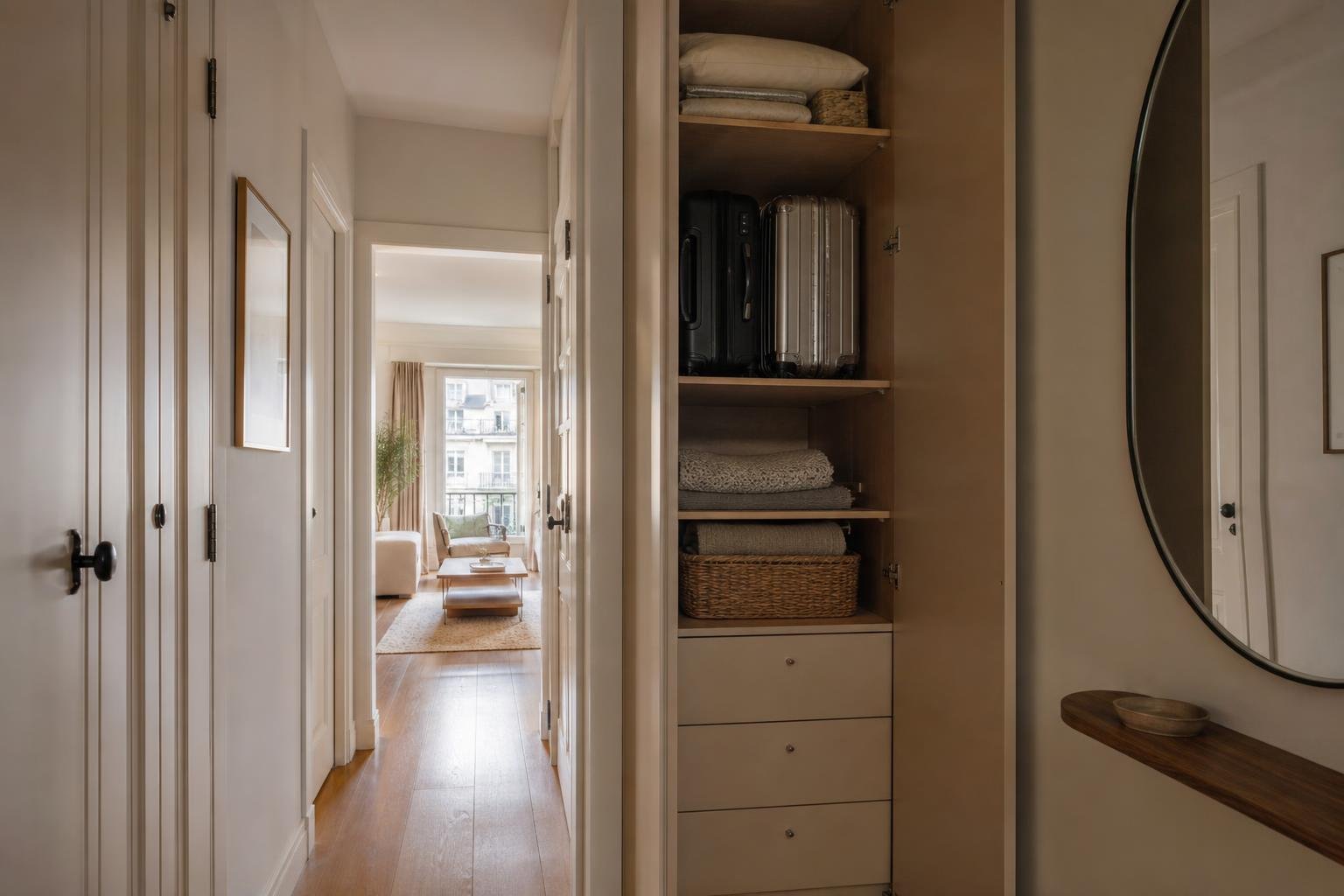
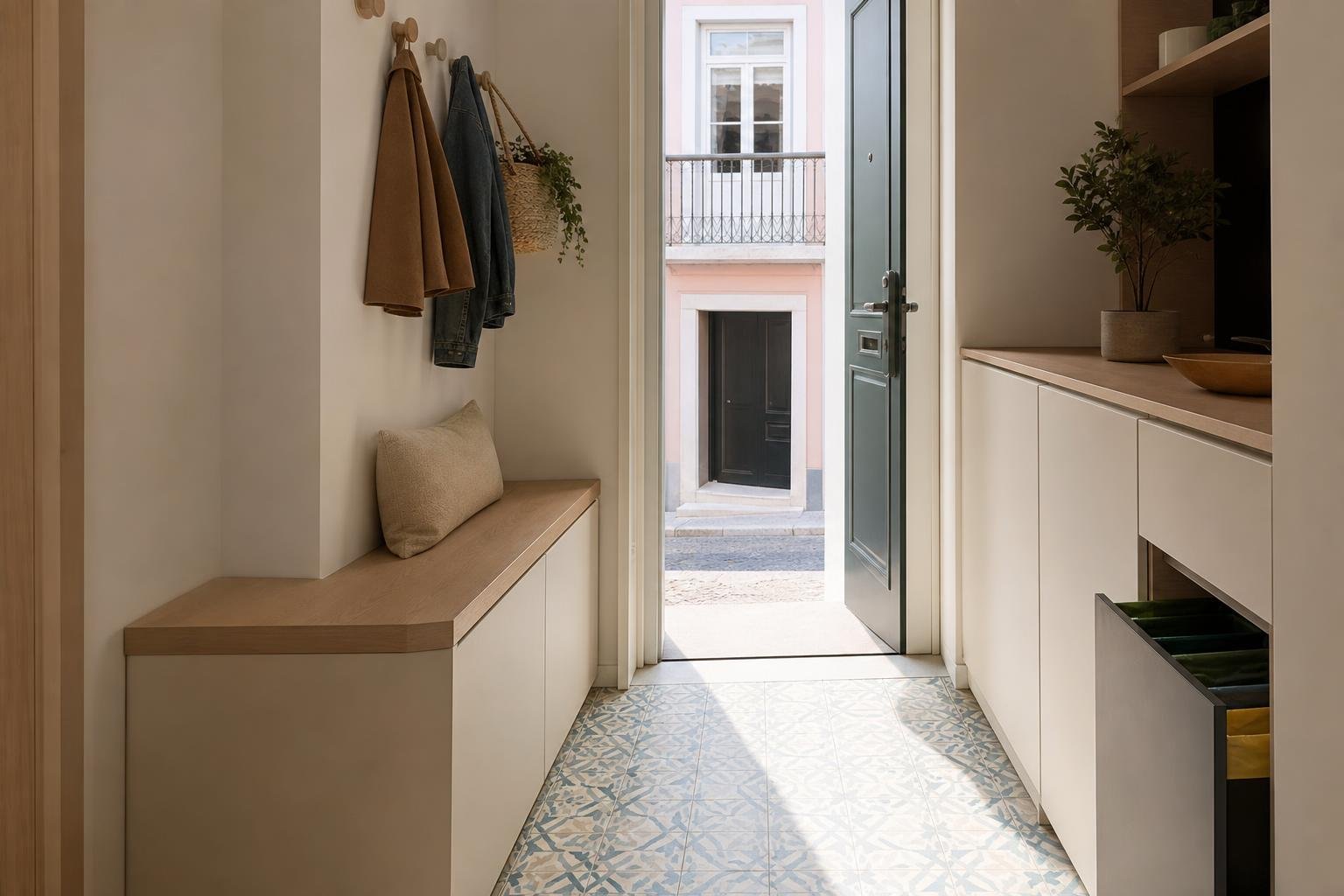
Keeping doors does not mean retaining a kitchen or wardrobe exactly as it was. Two or three distinctive fronts can be preserved while the remaining units are rebuilt in a simpler language. In a narrow hall, for example, restored doors may be fitted to a new entrance cupboard if thicknesses, clearances and opening movement are properly planned.
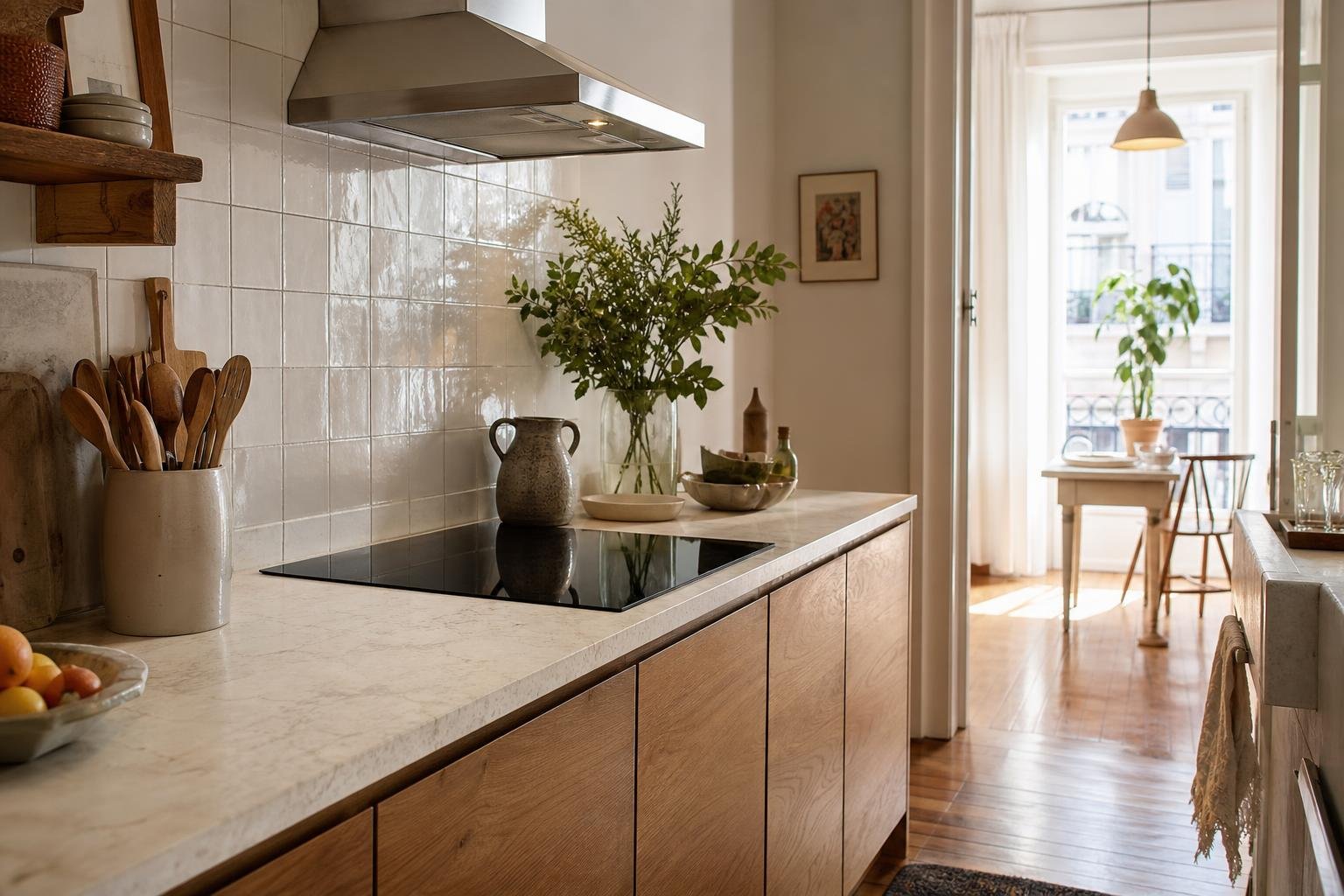
Another approach is to use original doors on high-level or less frequently used cabinets and specify new, plain, hard-wearing fronts beside the sink, dishwasher or cleaning area. This concentrates restoration spending where it will last. Do not, however, combine too many profiles, colours and handle styles: the difference should read as deliberate, not improvised.
Link the choice to circulation and storage rather than appearance alone. Obra Lisboa’s guide to built-in wardrobes in a renovation is useful for checking access, workable depths and areas that should not be blocked by an open door.

New hardware can change everyday use
Many restoration projects disappoint because unsuitable hardware is retained. Worn hinges cause sagging; overly strong catches pull on delicate mouldings; poorly positioned handles force an awkward grip. Take a removed door to the supplier, or provide dimensions, thickness, existing hole positions and approximate weight to whoever is specifying the fittings.
Not every old door will accept concealed hinges without losing too much material or changing the back excessively. A high-quality surface-mounted hinge, accurately aligned and discreetly finished, is sometimes the more honest option. In homes with children, older residents or tight circulation, consider restrictors and soft closing without sacrificing full opening.
If handles are being changed, first verify the existing hole centres. Filling and redrilling is possible, but can show through pale timber or translucent finishes. For practical sizing and ergonomics, see how to choose kitchen cabinet and wardrobe handles.
Paint, varnish or expose the timber?
Finish should respond to the location. In a dry pantry, a washable low-emission paint can renew the doors without concealing every detail. In a kitchen, areas exposed to steam and splashes require more thorough preparation: grease removal, sanding, suitable primer and full drying times.
If you intend to expose bare timber, make a small test area first. Old paint layers may conceal mixed species, repairs or staining that cannot be made uniform. An opaque colour is sometimes the most balanced way to retain an original door while integrating repair work. Ventilate during and after the work; the health authority recommends renewing indoor air daily and keeping air grilles and vents clear in its indoor-air good-practice sheet.
Clear signs that replacement is safer
Replacement may be the better choice where there is deep water damage, crumbly timber, recurring mould contamination, distortion that prevents closing, or a door too heavy for the existing cabinet structure. It can also be justified when a new use requires ventilation, technical access or water resistance that the old piece cannot provide.
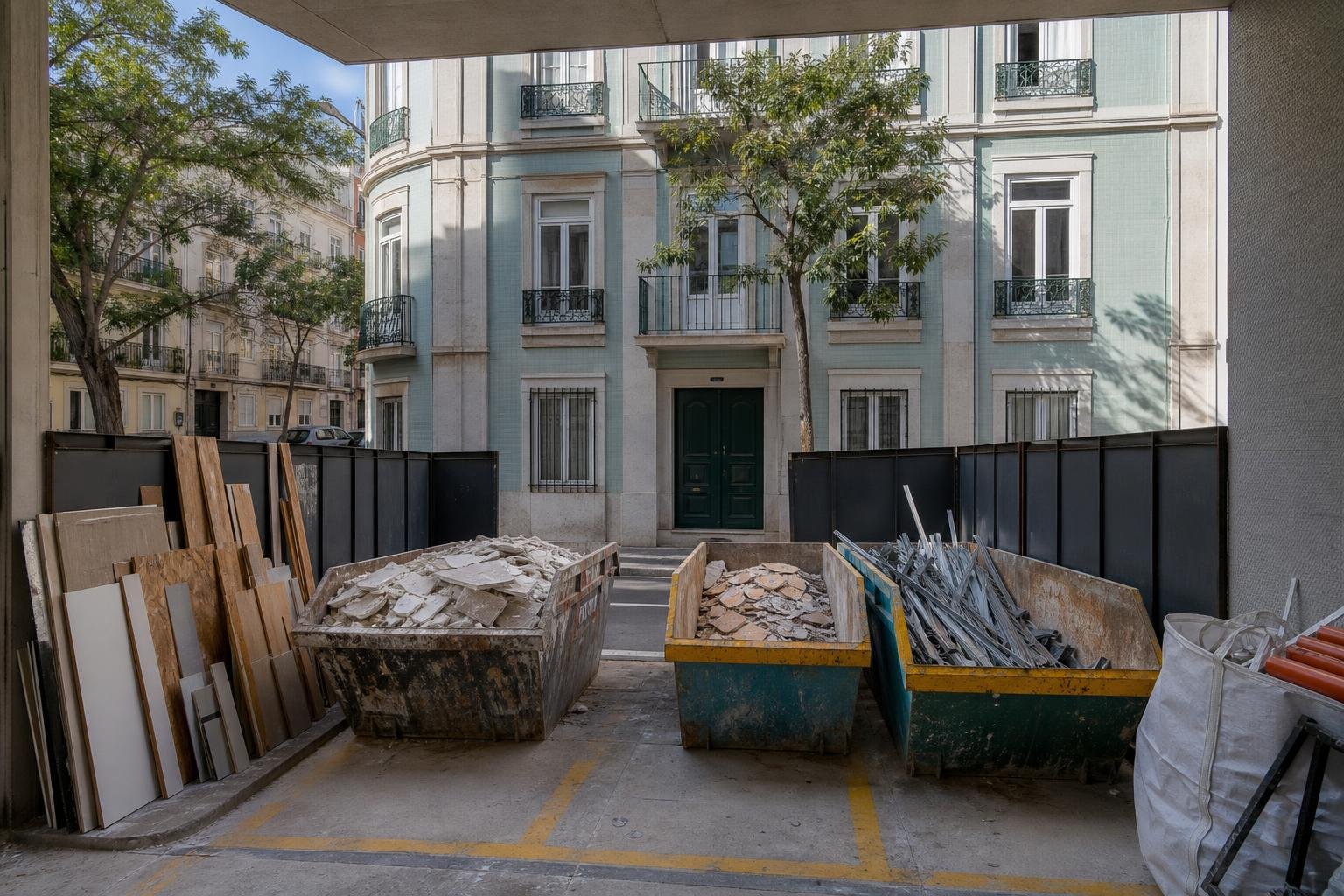
Do not discard items without recording them. Photograph doors, labels, hardware and dimensions; set aside reusable pieces before demolition begins. A door may not return to its original cabinet but could become a decorative panel, pantry front or side table, provided the material is in a safe condition.
The best answer is rarely “keep everything” or “replace everything”. Define what each door must do every day, then choose an intervention proportionate to that demand.
If you are renovating a Lisbon apartment and want to decide what to preserve before ordering new cabinetry, Obra Lisboa can help structure the survey, technical priorities and work sequence.
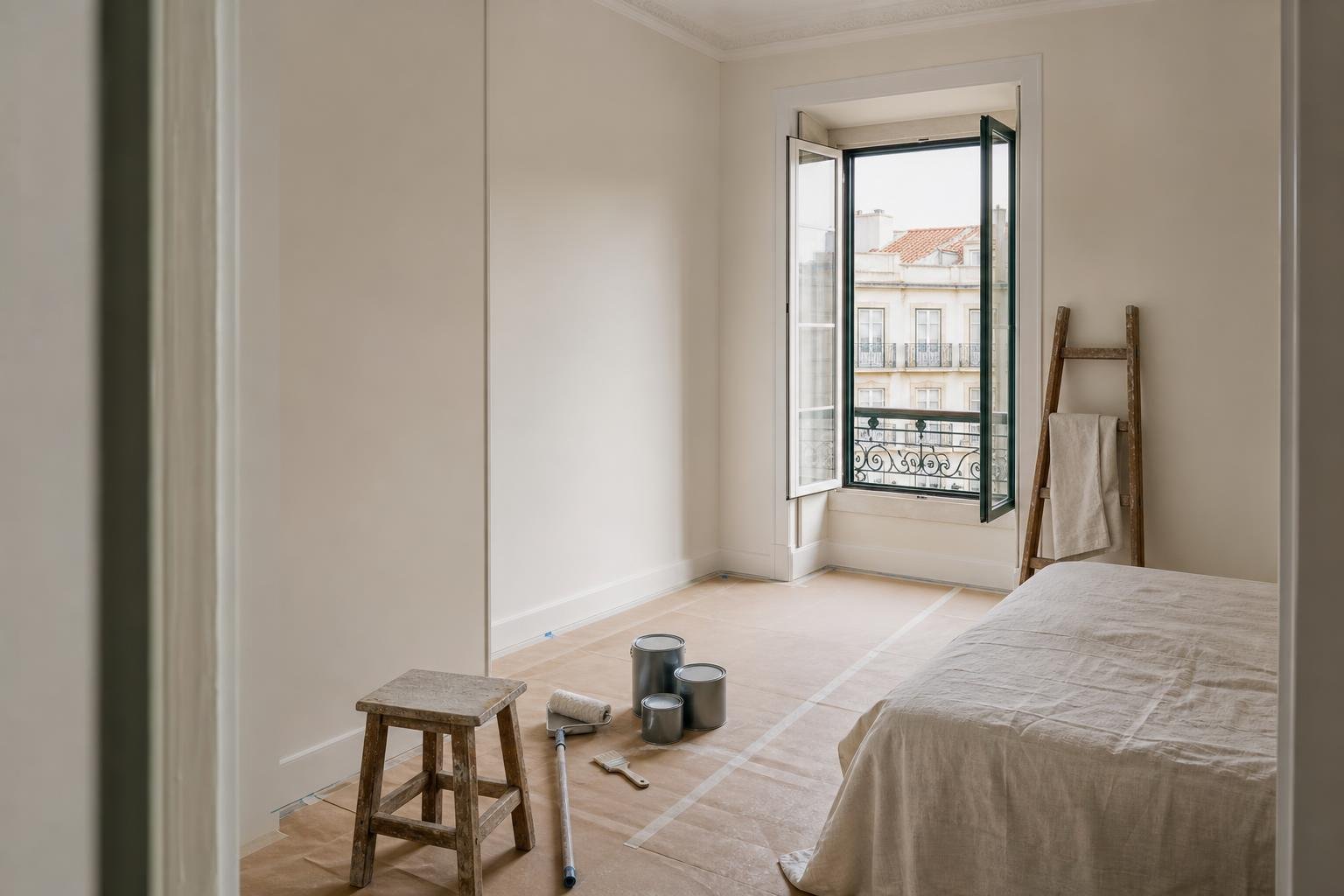
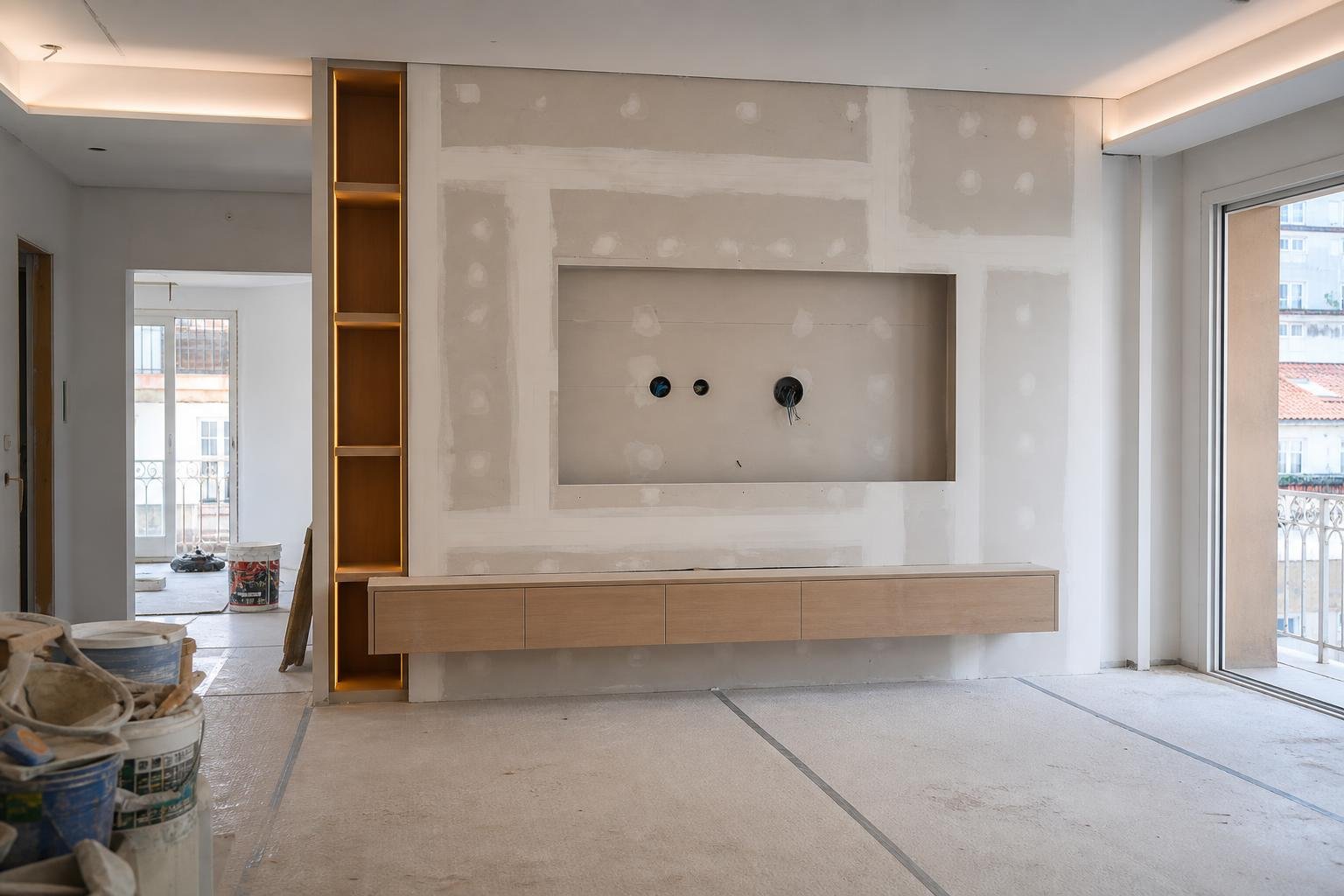
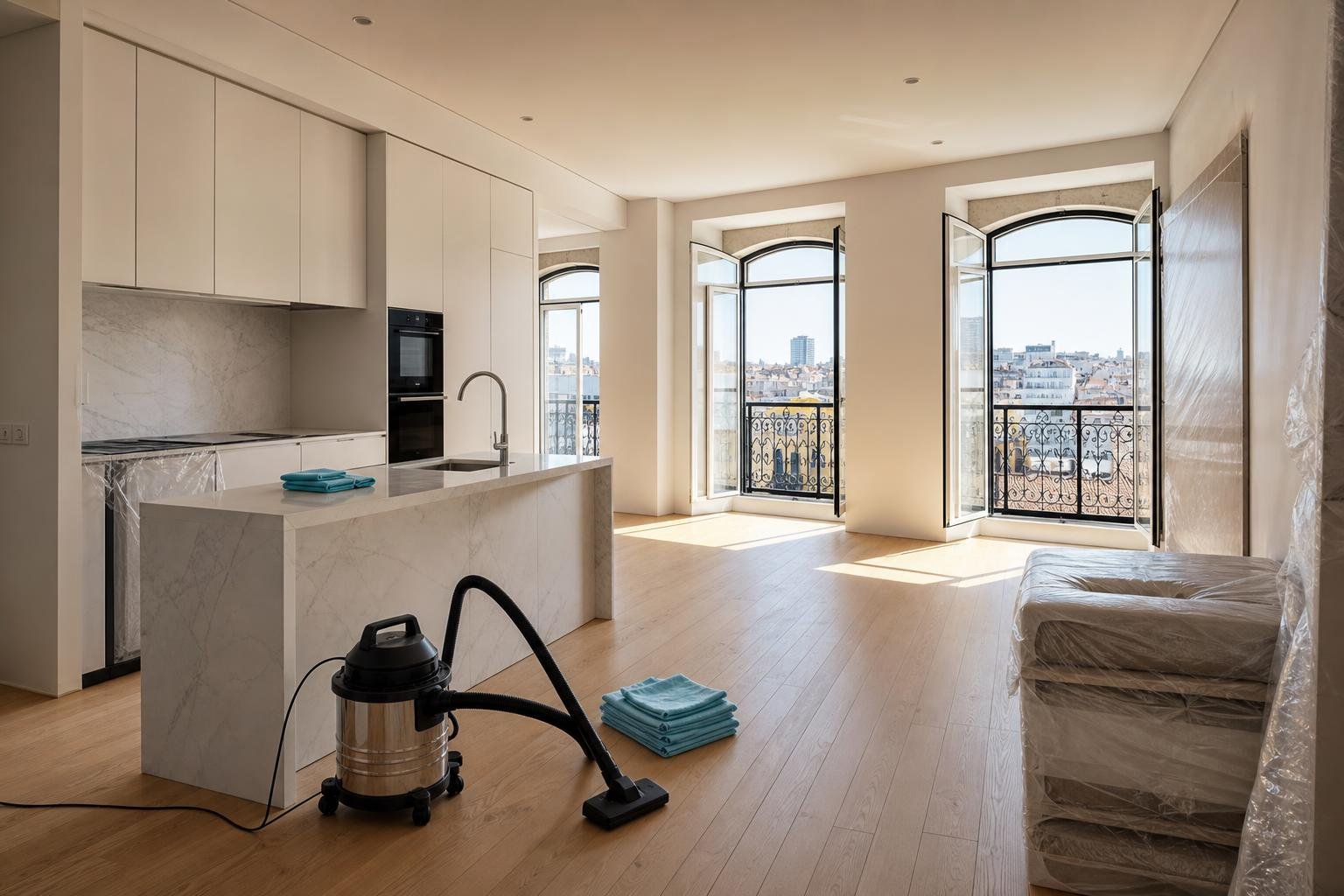
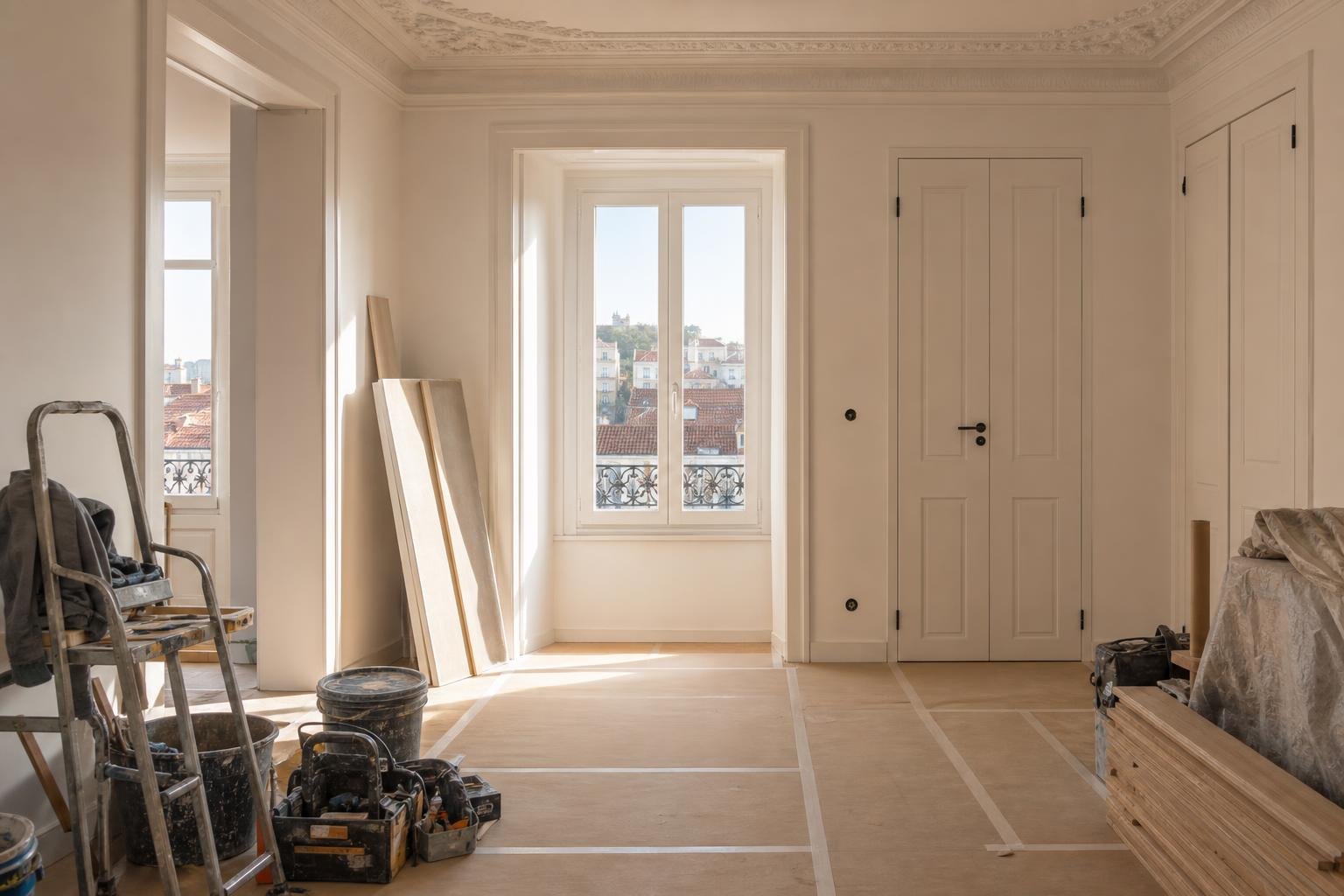
AI-generated editorial image; it does not depict an Obra Lisboa project.

Obra Lisboa