
In an older apartment, skirting boards look like a minor detail until they are removed. The room suddenly loses its finish, walls appear flatter or cheaper, and the meeting points between floor, door frames and plaster stop making visual sense. In Lisbon homes, where plaster walls, timber floors, hydraulic tiles and uneven lines often coexist, replacing skirting boards without a clear approach can turn a modest job into a string of obvious patches.
The right answer is not always to keep everything, nor is it to replace everything with white MDF. First establish what is there: solid or veneered timber, painted or varnished finish, a plain or moulded profile, surface wear or damage caused by moisture, insects, leaks or harsh cleaning. This guide sets out a useful order of work: diagnose, retain what still has value, select compatible materials and install them without concealing issues that should have been solved first.
Tell ordinary wear from genuine damage
Vacuum marks, furniture scuffs, layers of paint and chipped corners do not automatically justify wholesale replacement. A pine or softwood skirting board may remain structurally sound even when its finish is tired. Run a hand along it, press near the floor and look for hollow areas, soft timber, persistent dark staining, fresh holes or separation from the wall. Also check whether the issue repeats near windows, kitchens, bathrooms or external walls: in those locations, the skirting board may simply be revealing a moisture problem.
Do not conceal signs of a leak with sealant, filler or a new length of board. Portugal’s public health authority advises dealing with moisture problems as soon as they appear and ventilating during activities that release vapour, including cleaning, laundry and bathing. Read the DGS guidance on indoor air before closing a wall or finishing skirting beside a damp-prone area.
With an old timber floor, also establish whether the sound comes from the boards underfoot, the skirting, or both. A loose piece may creak as timber moves; loose floorboards require a wider assessment of the floor. For a joined-up approach, see our guide to old wooden floors in Lisbon apartments.
When repair preserves more than replacement
Repair is often the better choice where enough original skirting remains sound, where the profile would be difficult to reproduce, or where its height and moulding contribute to the room’s character. Carefully lifting salvageable sections before walls are scraped or floors are lifted allows them to be reused in less exposed areas, incorporated into repairs or used as a template for new lengths.
Small losses can be repaired with timber inserts of the same, or similarly behaving, species, glued and levelled before painting. Avoid filling deep voids with excessive filler: it may look acceptable on handover day, but it responds differently to impacts and timber movement. On moulded profiles, a straightforward reproduction based on a full sample is usually quieter visually than mixing sleek modern boards with old detailing.
This selective approach aligns with Lisbon’s rehabilitation guidance, which values repair and the reuse of sound timber rather than indiscriminate replacement. The city’s guidance on repairing and strengthening older floors is a useful reference for treating existing building elements with care.
- Photograph every wall before removal begins.
- Number reusable lengths on their reverse side.
- Keep one complete sample to copy the height, thickness and profile.
- Choose the paint colour after a test area, not from a catalogue alone.

Choose a material for the room, not for the sample board
Solid timber remains a strong choice for living rooms, corridors and bedrooms where future repair matters and a traditional timber floor is part of the interior. It can take local sanding, small inserts and repainting. It does, however, need dry timber, proper wall preparation and an installation detail that allows for natural movement.
Moisture-resistant MDF can work in dry, regular interiors, particularly for a painted, contemporary profile. It is not a solution for concealing a damp wall, and it should not be exposed to repeated wet cleaning. In kitchens, laundry areas and entrances, consider materials more tolerant of water, such as high-quality PVC, ceramic coordinated with the floor, or timber kept away from possible leaks and properly protected by its finish.
There is a visual decision too. A tall skirting board can balance generous ceilings and old doors; in a low bedroom, an overly heavy profile draws attention to limited height. Do not choose from a short sample alone. Ask for a length of roughly one metre, hold it against the wall and assess it in daylight, beside the flooring and frames. If the work includes thermal upgrades or replacement windows, place this detail within a wider strategy; ADENE’s overview of energy efficiency in buildings explains the importance of renovation measures, while skirting should still remain accessible and should not interfere with wall ventilation or finishing details.
Prepare walls and floors before fitting
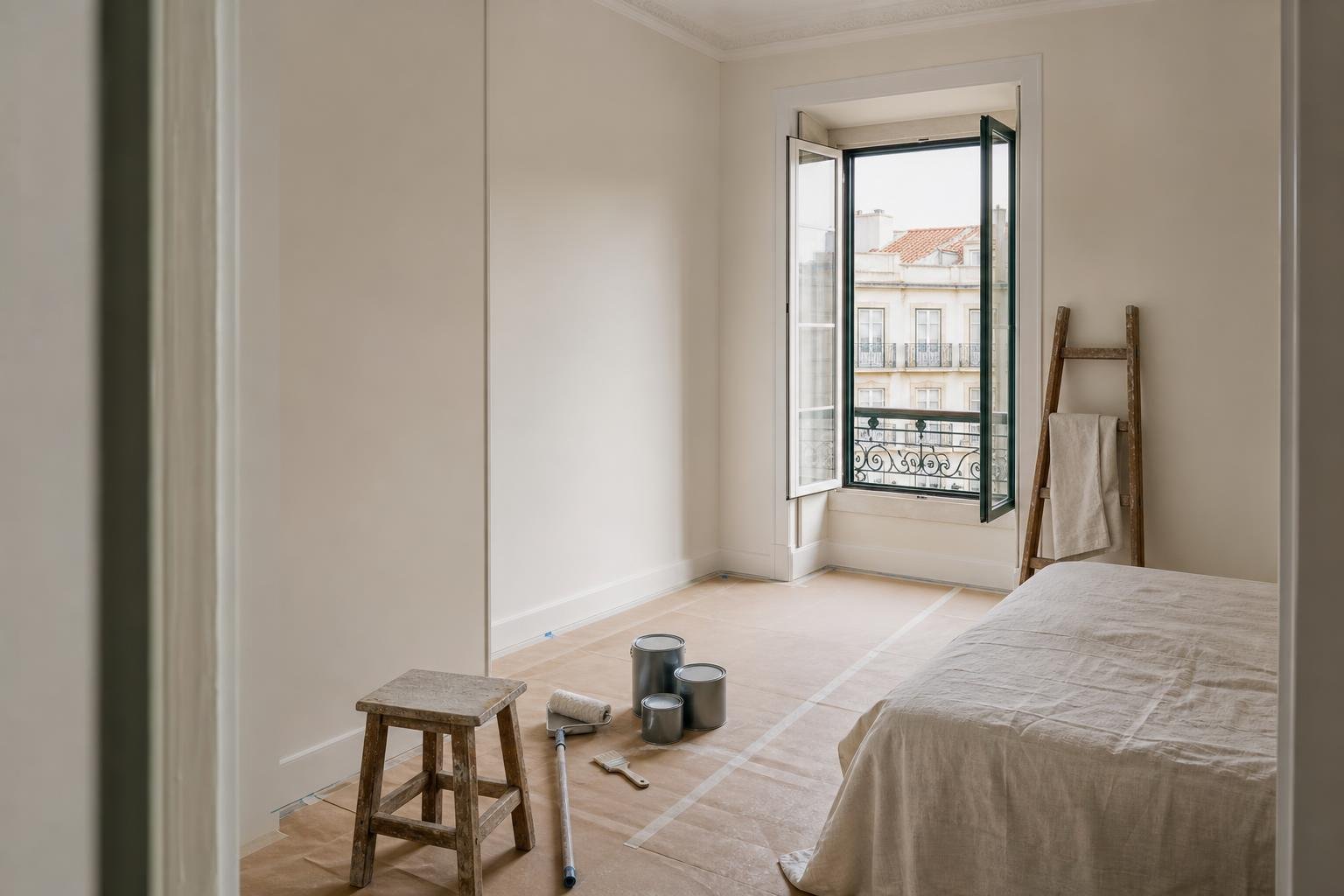
Skirting boards do not correct poorly prepared walls. Before fitting them, remove loose material, address cracks once their cause is understood, vacuum the wall-to-floor junction and ensure no remaining tasks will wet or damage the new pieces. If decorating is still ahead, agree the sequence. In many cases, primer and a first coat go on before fitting, then junctions are finished and the final coat is applied.
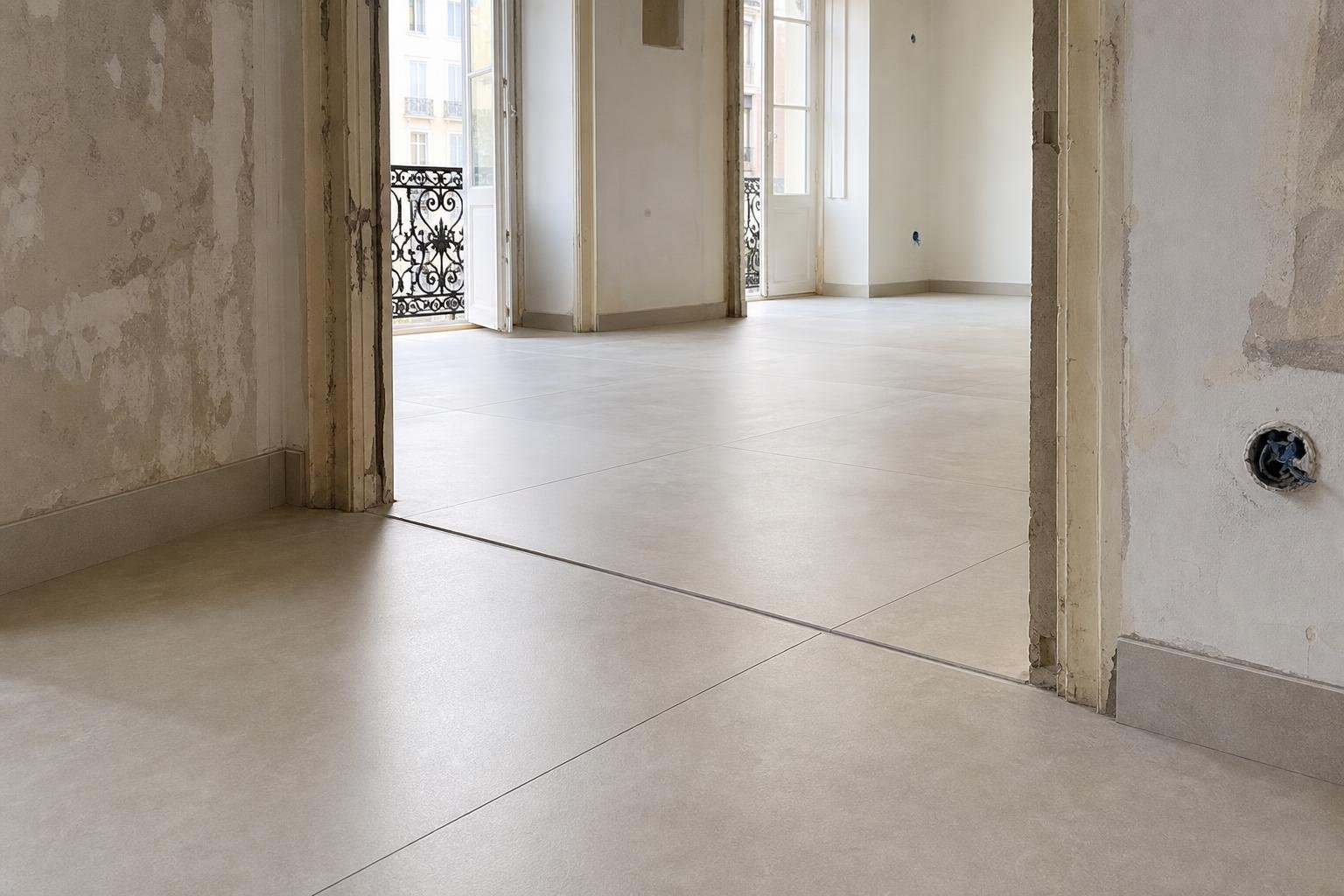
Older apartments often have walls that are not square. Forcing a rigid skirting board against a pronounced bulge builds in tension and opens joints at corners. It is better to make a local wall adjustment, create a carefully executed scribed cut or accept a narrow, even joint than to hide an irregular line with excessive sealant. The same thinking applies at thresholds, frames and fitted cupboards.
Where several trades are involved, skirting must sit in the finishing plan rather than on the last-day emergency list. An early check of low sockets, exposed pipes, rubbing doors and bespoke furniture prevents improvised cuts. For a better finishing sequence, see how to prepare interior walls before painting.
Fixing, joints and finishes: the details that remain visible
The fixing method depends on the substrate. On sound masonry, suitable adhesive may be combined with discreet mechanical fixing points; on fragile or irregular walls, the method needs to avoid pulling off plaster or creating a wavy line. Visible nails, uncovered screws and excess adhesive become even more apparent after painting, especially on pale walls.
At corners, prioritise accurately cut joints rather than a build-up of filler. Allow movement joints where different materials meet, particularly between timber and flooring. A thin, clean, paintable joint can accommodate minor variation; glossy silicone in a dry living room generally ages badly and makes later repainting harder. Near a bathroom or kitchen, sealing must match the real exposure to water and must never replace waterproofing or leak repairs.
For everyday care, use a vacuum with a soft brush attachment or a barely damp, well-wrung cloth. Abrasives, concentrated bleach and excess water shorten the life of paint and wood-based products. If old skirting is being removed, separate timber, metals and other materials instead of mixing them into general rubble. Lisbon’s municipal rules cover collection or delivery to recycling centres for certain construction and demolition waste; check the conditions in the Lisbon Waste Management Regulation.
Well-resolved skirting quietly connects walls, floors and doors instead of drawing attention to the work. If you are planning a renovation in Lisbon and want to define materials, sequences and finishing details before construction starts, Obra Lisboa can help you structure those decisions.
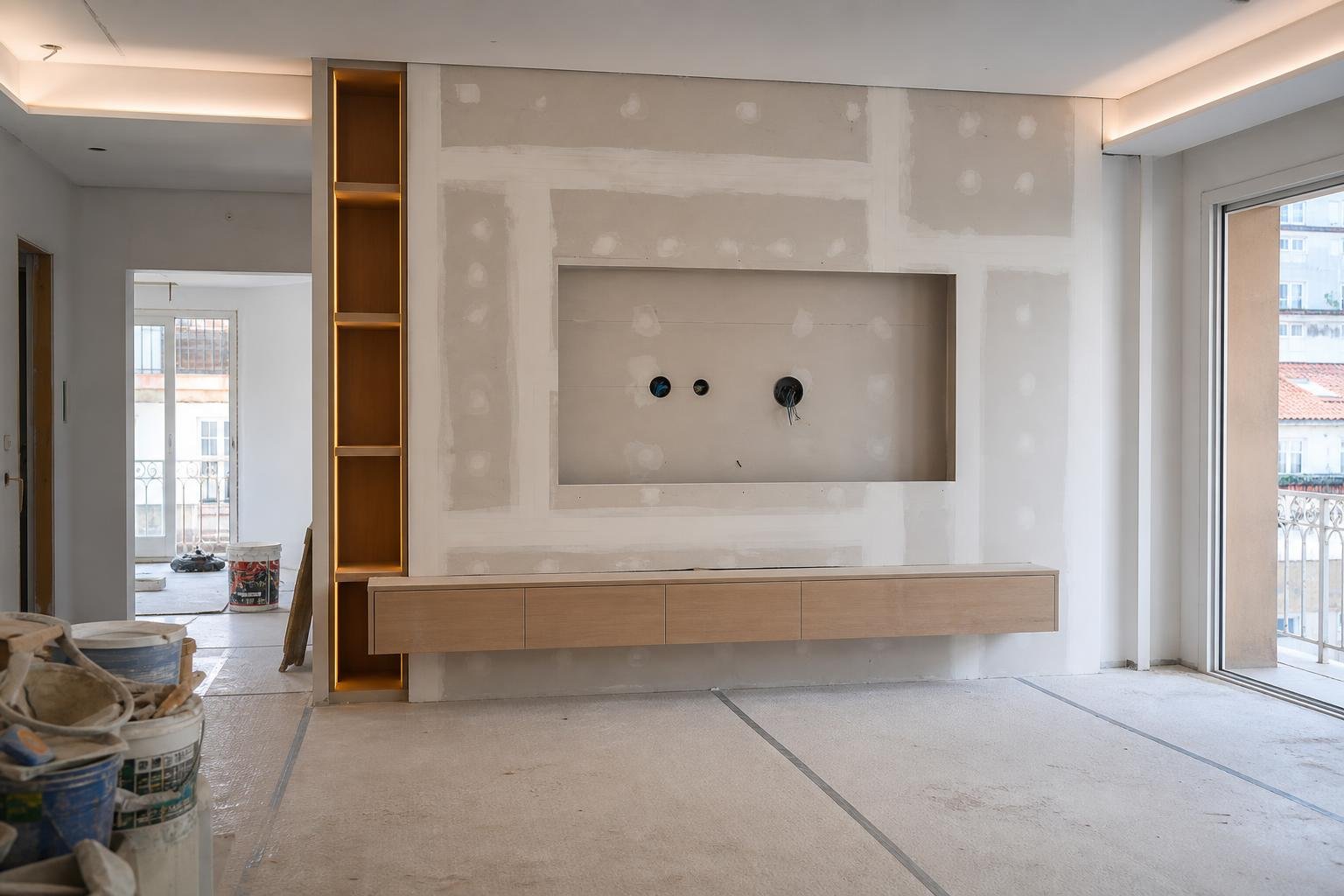
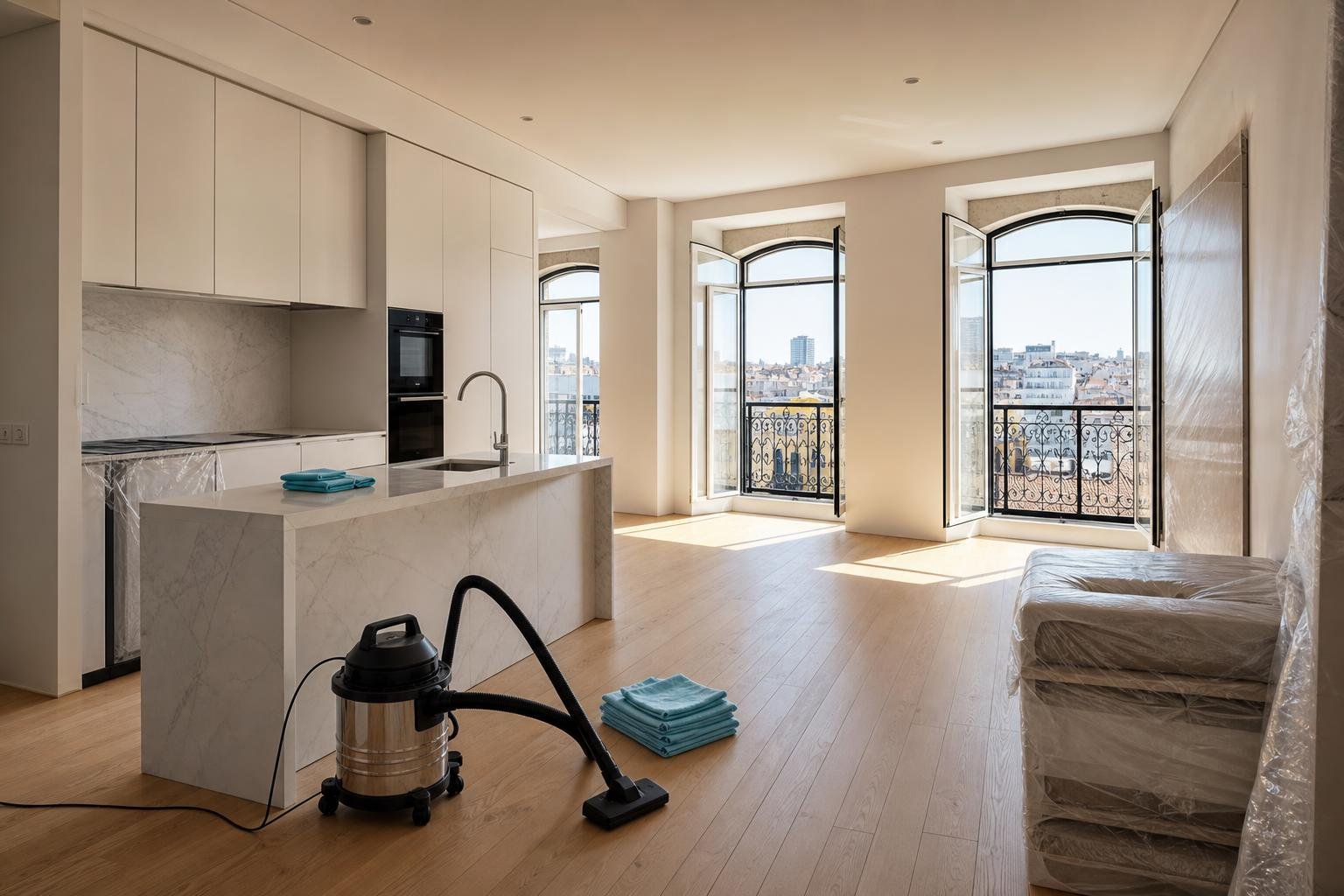
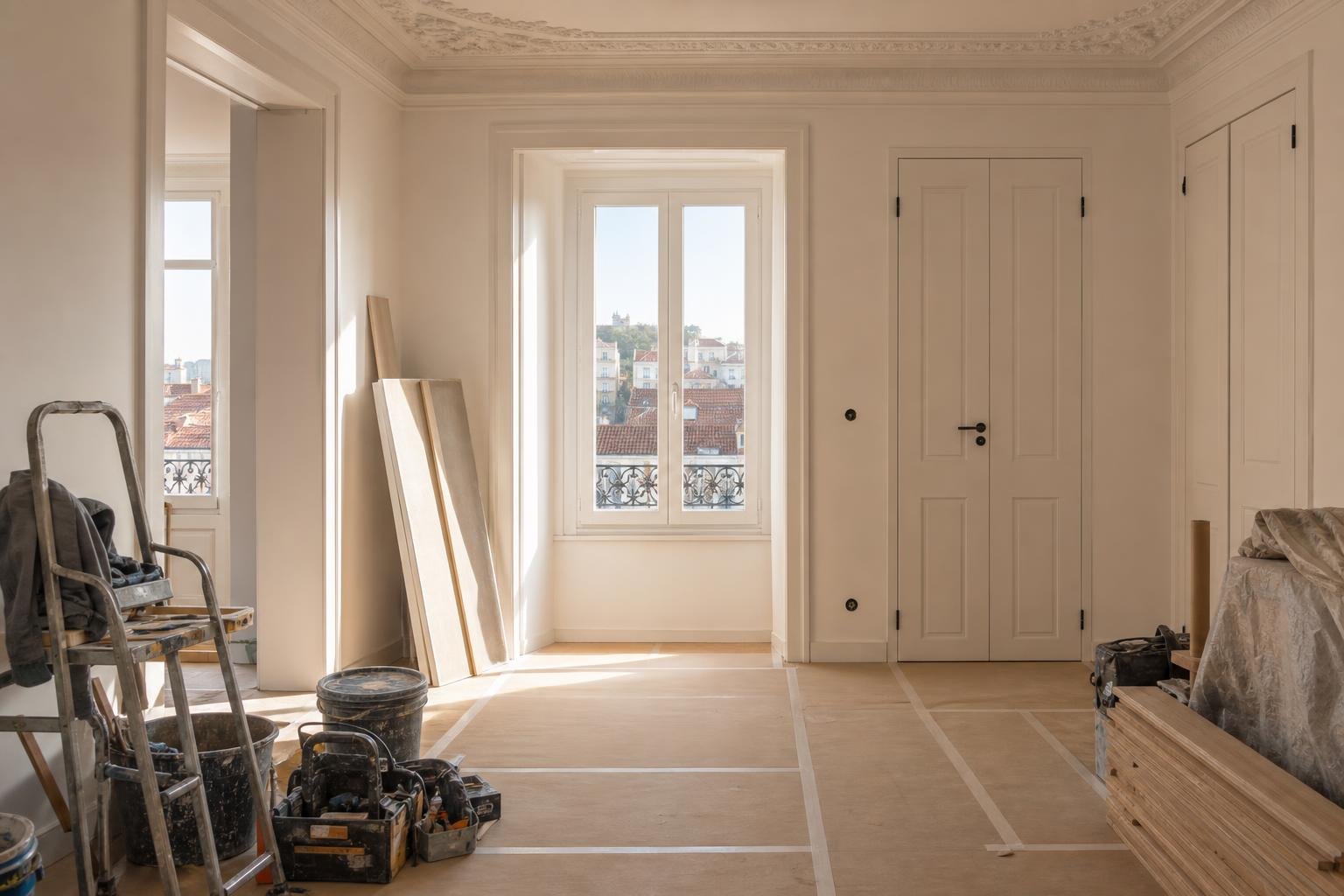
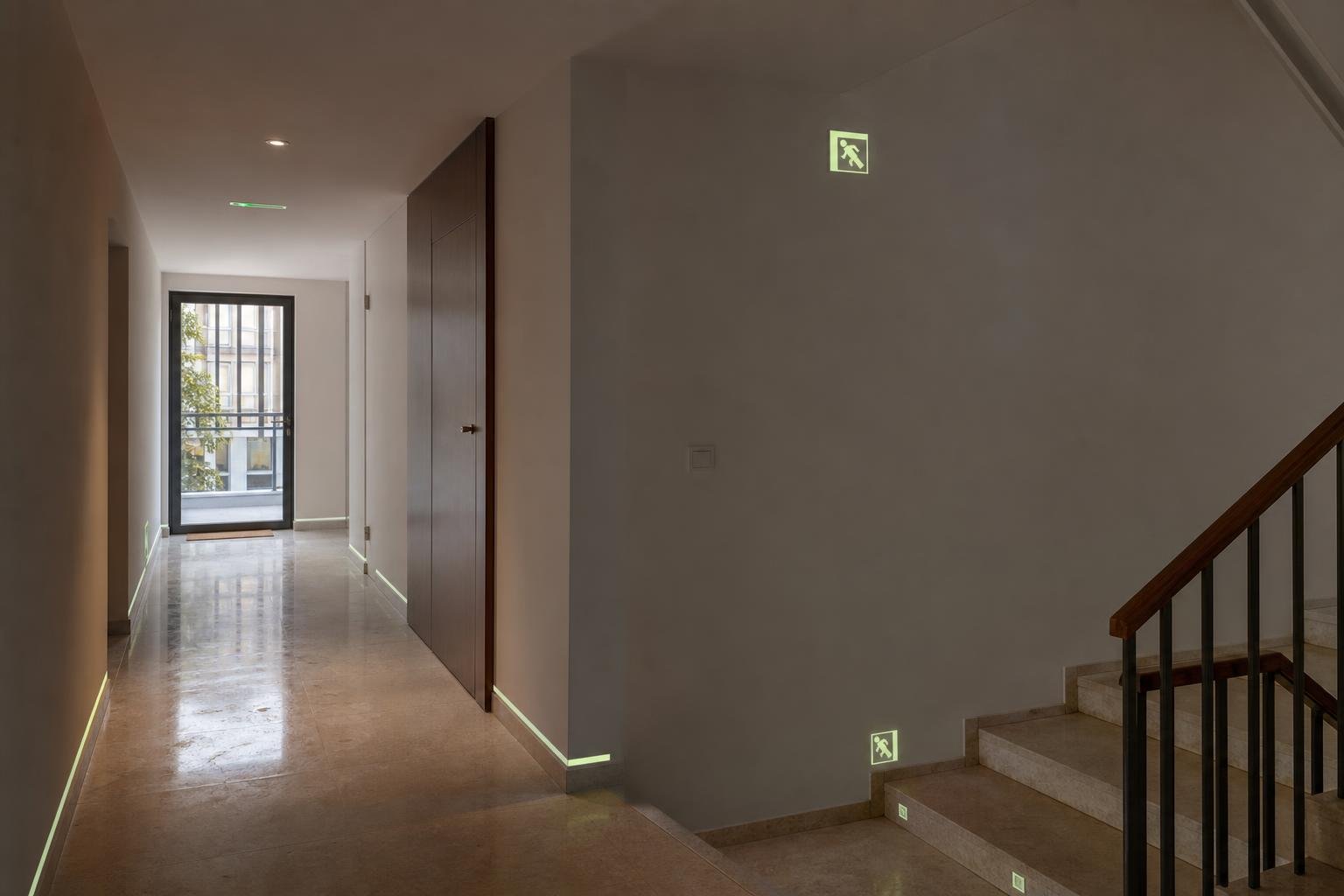
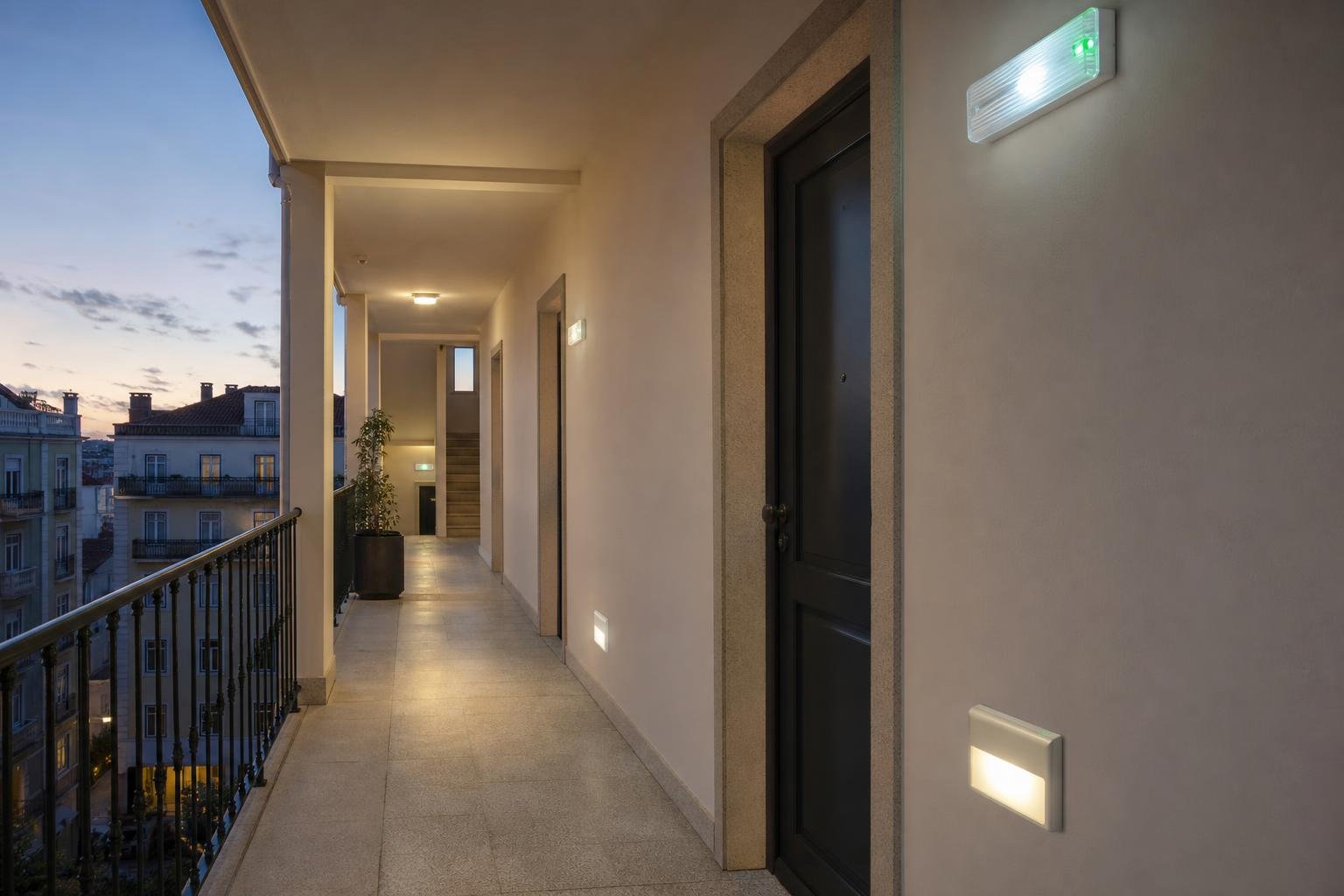
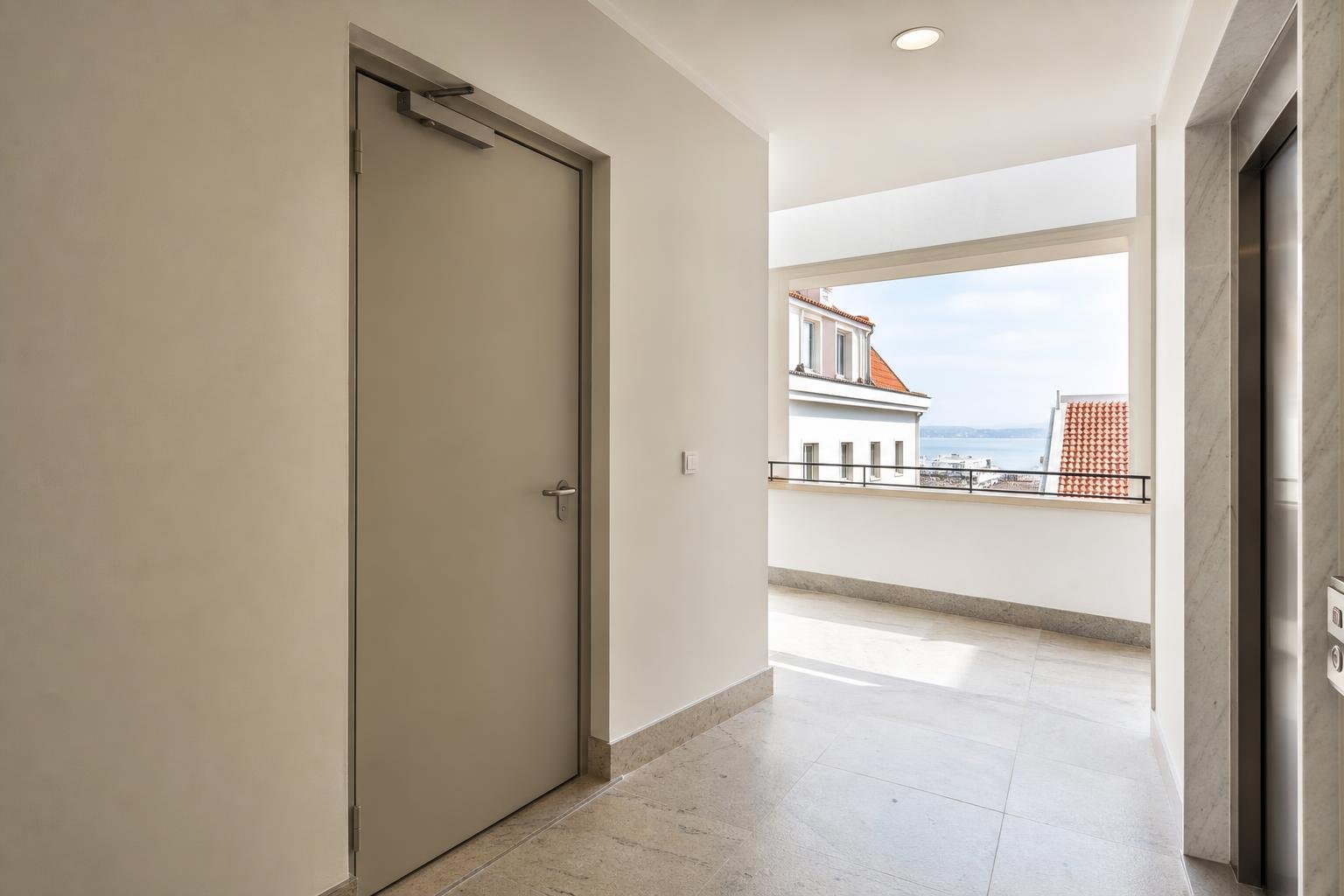
AI-generated editorial image; it does not depict an Obra Lisboa project.

Obra Lisboa