
An enclosed balcony can become one of the most rewarding areas in a home: a bright place for plants, reading, light meals or simply a calmer threshold between the apartment and the city. Yet a winter garden only works if it does not become overheated in summer, damp in winter and awkward to maintain throughout the year.
In Lisbon, orientation, wind, wind-driven rain and the condition of the building matter more than the number of pots or the style of the frames. First establish whether you are adapting an existing enclosure or closing an open balcony. Then treat ventilation, drainage, shading and maintenance access as one project. Decoration comes afterwards.
Start with permissions and the façade, not with the plants
Closing a balcony changes the appearance of a façade and may affect common parts of a building. In Lisbon, external alteration works can require urban-planning control; the municipality explains that prior communication may apply to construction, extension and alteration works, with the process properly assembled before work starts. Check the City Council guidance on prior communication for building works first.
In an apartment building, also review the condominium deed, building rules, earlier resolutions and the solutions already used by other flats. A light-looking structure can still create an inconsistent façade, complicate future repairs or cause disputes when every owner selects different profiles, colours and glazing patterns.
If the enclosure already exists, do not assume every replacement is neutral. Changing frames, removing elements, enlarging openings or altering the exterior appearance deserves technical and condominium confirmation. This is particularly important in tiled façades, protected streetscapes and buildings subject to specific planning constraints.
Keep ventilation working between the home and the enclosure
The usual mistake is to treat glazing as a lid. Once an enclosed balcony sits in front of a living room, kitchen or bedroom, it becomes a second layer between that room and the outdoors. If this layer cannot open properly, humid air is trapped, glass mists up and cold corners become vulnerable to staining.
Portugal’s Directorate-General of Health notes that excess humidity can condense on cold surfaces and encourage mould. It also identifies indoor carbon-dioxide concentration as a useful indicator of ventilation and occupancy. Read the DGS guidance on indoor air, humidity and condensation.
In practical terms, choose windows that offer meaningful, easy opening rather than a token safety position. Set a routine: open on opposite sides when conditions allow, air the space after watering many plants and do not obstruct vents, openings or internal doors with cupboards. If a kitchen is nearby, its extraction system must still do its job; an enclosed balcony is not a place to discharge cooking vapours.
Read Lisbon sunlight before choosing the glazing
A south- or west-facing balcony may be pleasant in cooler months and excessively hot in warmer ones. The effect is stronger with uninterrupted glazing, dark flooring, limited opening areas and plants placed directly against the frames. It is not wise to make this choice from an attractive reference image alone.
The Instituto Geofísico de Lisboa climate normals for 1991-2020 bring together temperature, rainfall, sunshine and wind data that help frame these decisions. Consult the IPMA climate sheet for Lisbon and ask for the actual orientation of the flat to be assessed as part of the design.
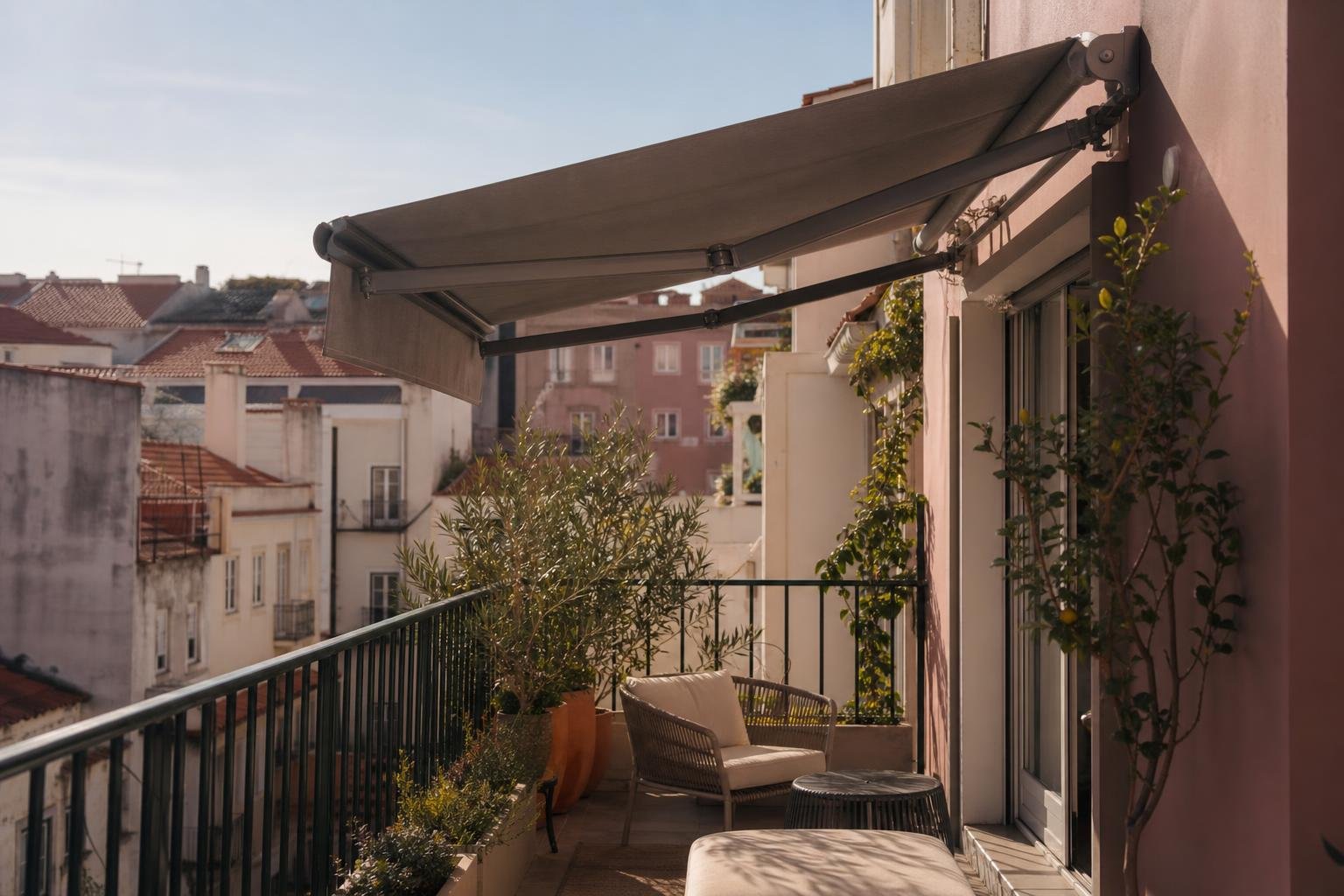
For west-facing glazing, favour adjustable external shading where it is feasible and authorised: it is more effective before solar radiation passes through the glass. For east-facing spaces, a technical internal blind can manage early glare. In every orientation, leave room to open windows without colliding with pots, drying racks or furniture.

Design water management as if this were a small outdoor area
A winter garden receives watering, soil, fallen leaves, cleaning water and, in some cases, wind-driven rain. Flooring should therefore be planned practically: where water runs, where dirt can build up and how the drain can be reached without dismantling the space.
Do not cover a drainage point with a fixed deck or a large cabinet. Keep it visible and accessible. Large pots need suitable saucers or water-retention systems, but these do not replace regular checks: standing water under a container can stain finishes, attract insects and conceal a leak.
Where the balcony sits above another home, be especially careful with seals, sill junctions and connections to the façade. If there are already signs of water ingress, blistering paint or salts, solve the cause before introducing frequent watering. For a broader maintenance framework, see our guide to building maintenance.
Choose finishes that can be cleaned, repaired and lived with
There is no need to build a greenhouse. It is more sensible to use materials that cope with temperature shifts, occasional moisture and frequent cleaning. Porcelain stoneware, appropriate ceramic finishes, protected profiles, well-finished skirtings and paint suitable for areas exposed to condensation are generally more predictable choices than poorly protected timber, standard wallpaper or exposed particleboard furniture.
Avoid boxing in walls in ways that prevent inspection of critical areas. A neat cover around a pipe, drain or window-frame junction can turn a minor issue into extensive repair work. Instead, allow for removable panels and maintenance clearances.
If the enclosure is visually connected to the living room, repeat a colour, texture or finish, but do not force total continuity. Slightly tougher flooring and raised planters can signal a wetter-use area without breaking the home’s overall composition.
Select plants, furniture and a routine you can keep
Select plants according to the available light and the time you can realistically give them. A bright but very hot enclosure needs heat-tolerant species and a shading strategy; a cool, low-light enclosure calls for less tropical ambition and closer attention to airflow. Group plants with similar watering needs to reduce overwatering.
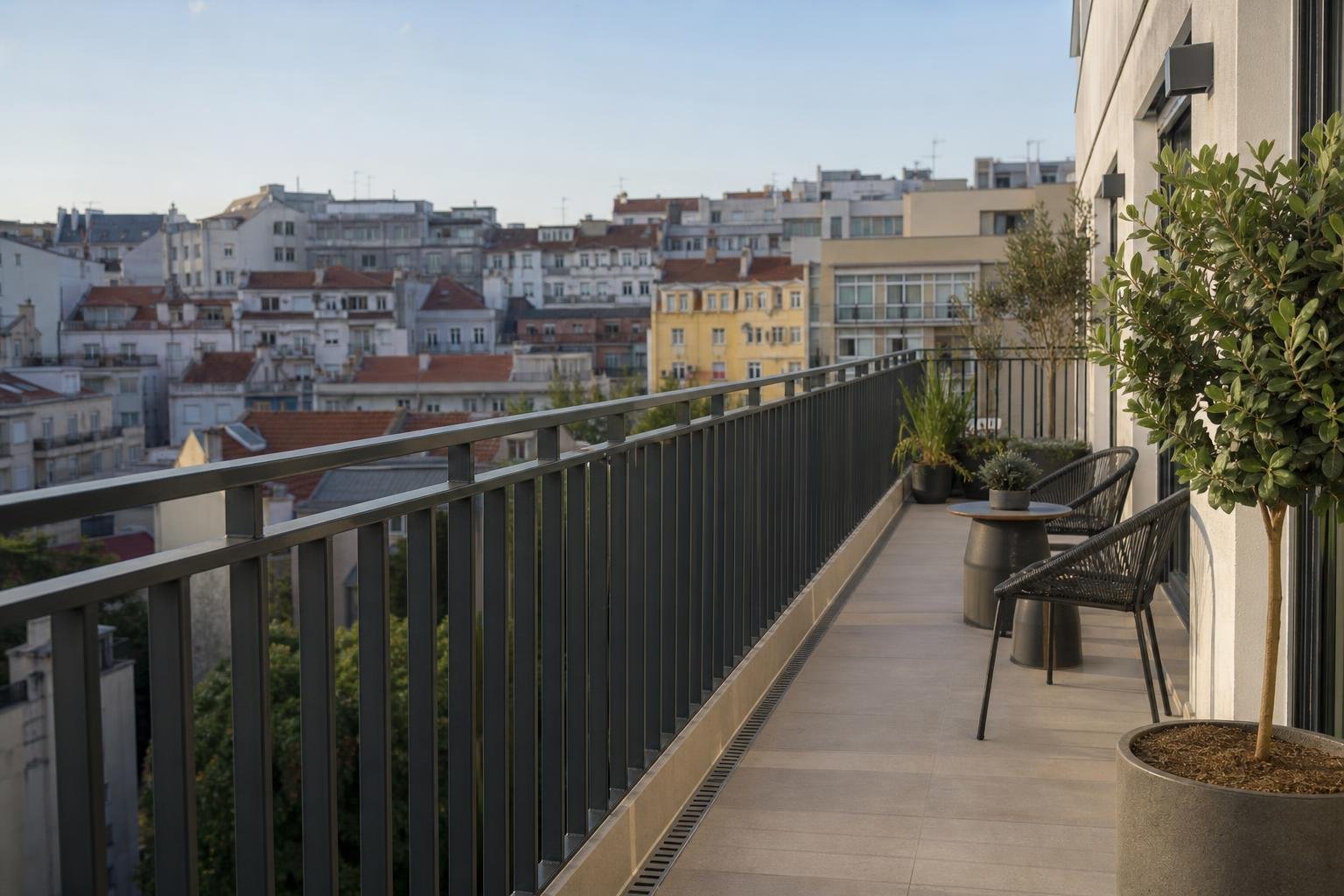
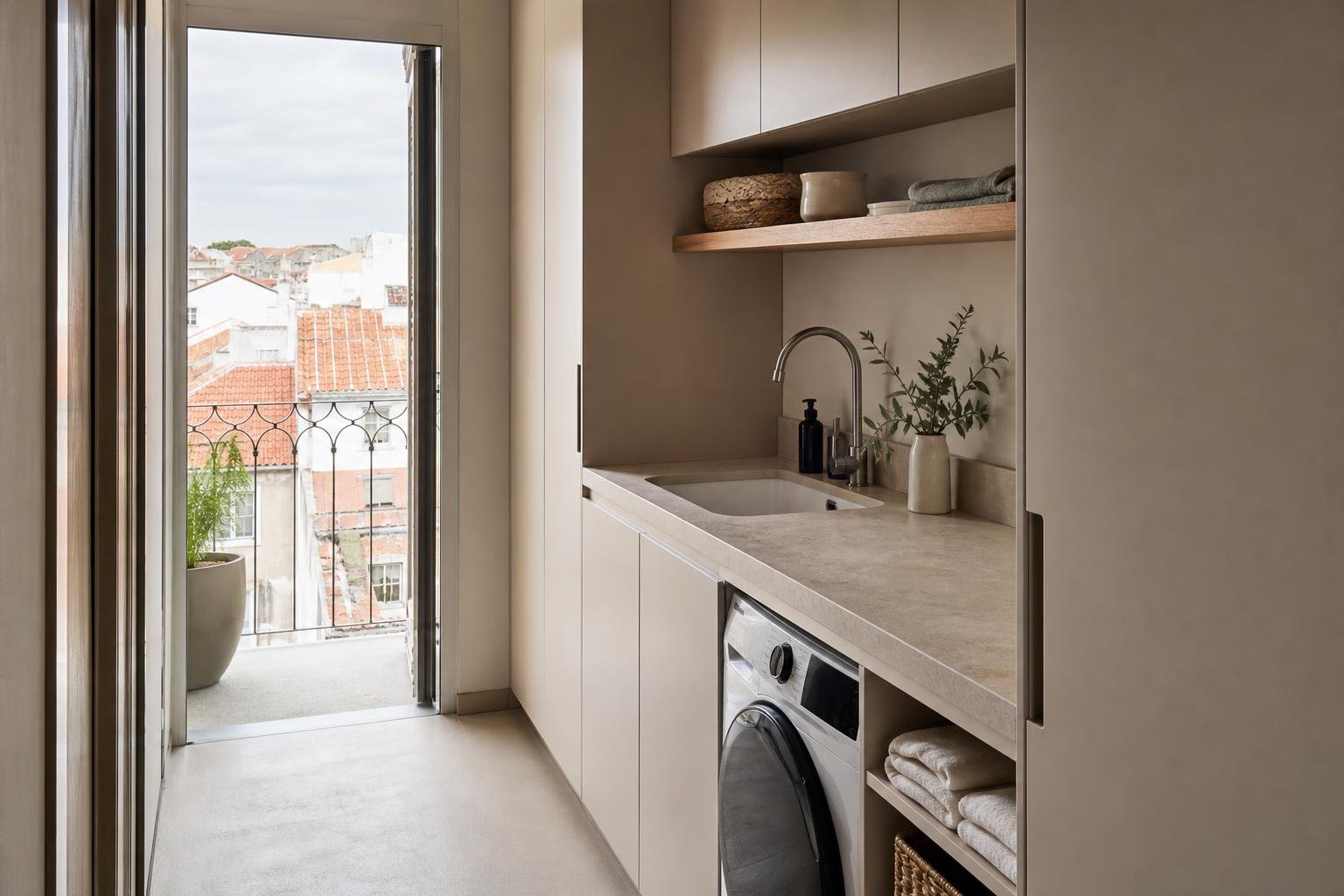
Choose furniture with legs so cleaning and air movement remain possible, and preserve a clear strip beside the glazing. A narrow bench, folding table and two or three larger plants can be more comfortable than a dense collection of pots that prevents a window opening. If you are considering a full balcony transformation, also read what to consider before enclosing a balcony.
Finally, add a monthly check to your routine: clear drains, empty saucers, clean seals, test opening leaves and look for condensation on cold days. The DGS stresses that humidity control and better ventilation are central to mould prevention; see its technical note on damp and mould.
If you want to include an enclosed balcony in a renovation without losing comfort, daylight or maintenance access, Obra Lisboa can help structure the construction decisions before finishes and planting are chosen.
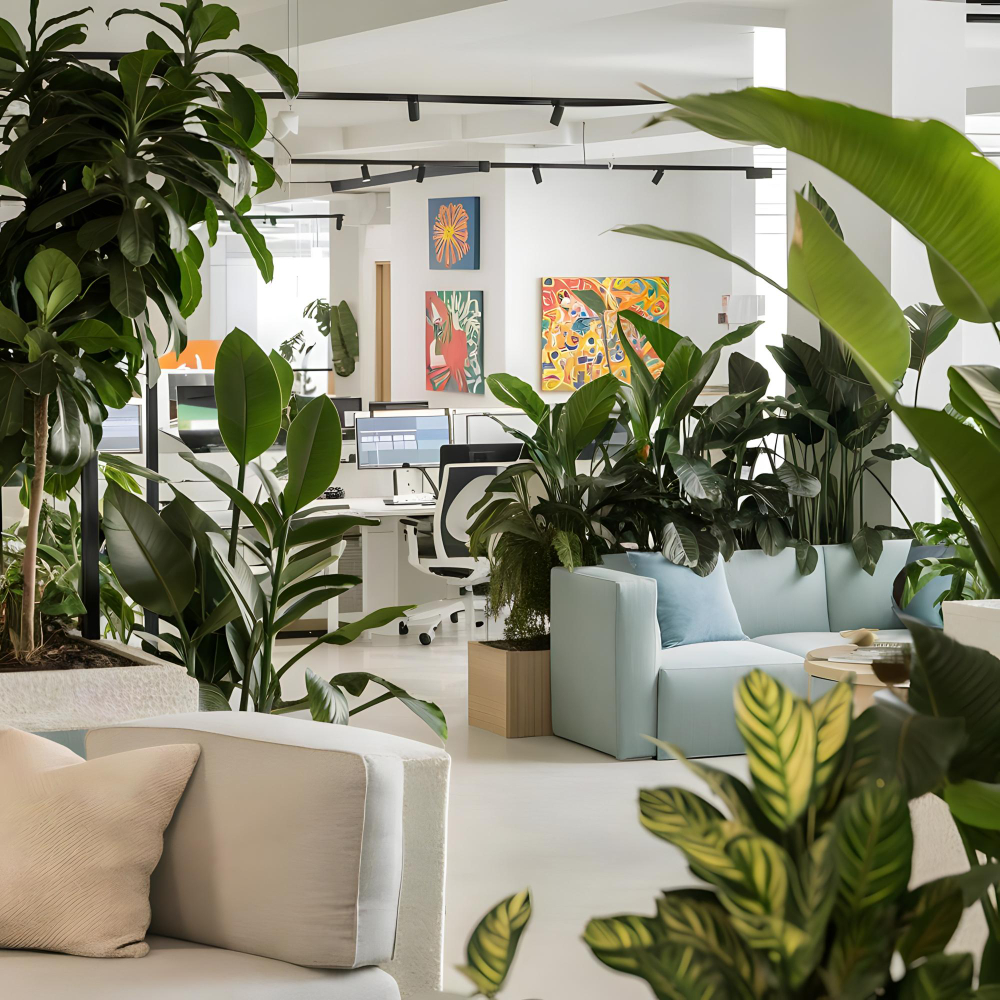
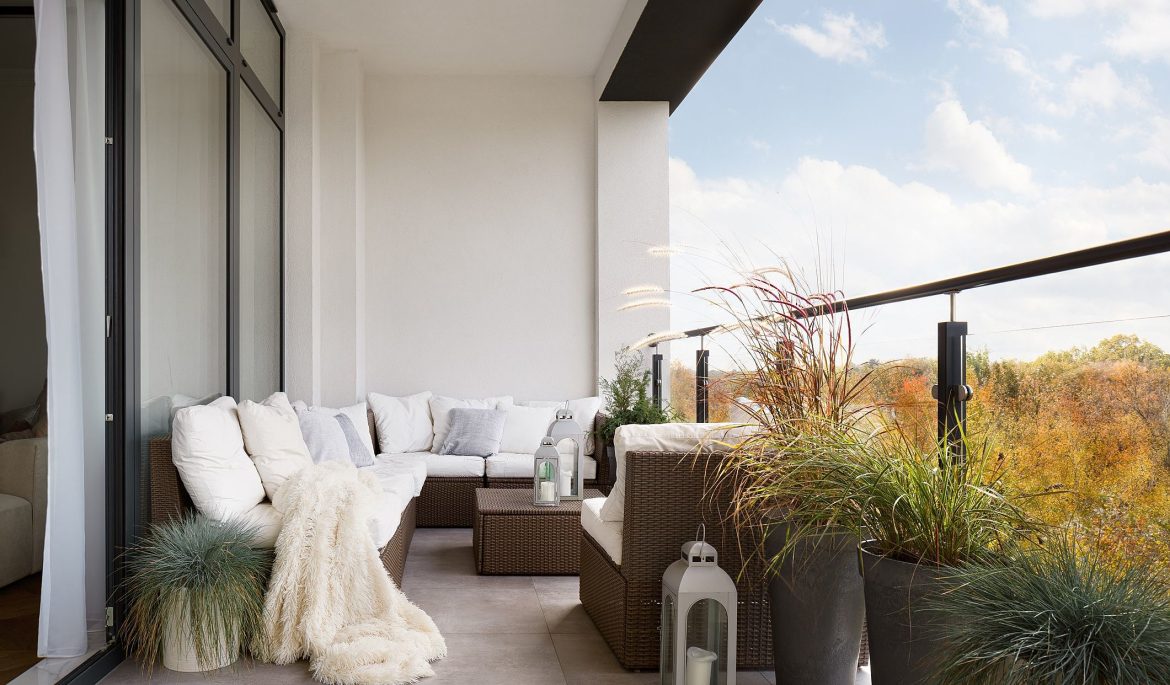
AI-generated editorial image; it does not depict an Obra Lisboa project.

Obra Lisboa