
Installing photovoltaic panels on an apartment building does not begin by choosing modules. It begins with a more useful question: which electricity use will the system serve, and who will use, fund and maintain it? In Lisbon, a roof can supply lifts, lighting and gates, several apartments, or both. It is also a shared building element exposed to wind, rain, waterproofing work and condominium rules.
Collective self-consumption allows several participants to produce and share renewable electricity. That does not make an available roof a straightforward project. The condominium decision, building condition, consumption pattern, electrical installation and possible planning requirements all need to align. This guide helps turn an early idea into a proposal that can be properly discussed before quotations are requested or a roof is occupied shortly before it needs repair.
Define the purpose: common areas, apartments, or both
There are three common starting points: supplying lifts, corridor lighting and gates; allocating output to some or all apartments; or combining both. The first route is usually more direct because there is one common meter and a clear beneficiary. The second requires agreement on participants, allocation rules and ongoing administration. The third can use generation more effectively, but only when the sharing arrangement is understood by everyone involved.
Portuguese rules allow consumers to generate individually or collectively for self-consumption, store electricity and sell surplus. Read the Decree-Law 15/2022 on the electricity system and self-consumption and the ADENE and DGEG legislative guide to self-consumption and energy communities before choosing the model.
In practical terms, collect twelve months of bills for the meters that may take part. Check daytime demand, weekends, holiday periods and permanently running equipment. Producing a large amount at midday does not automatically mean large savings: capacity should broadly match useful demand, rather than being chosen simply because the roof has spare area.
Treat the roof as shared property, not leftover space
Roofs and roof terraces are generally common parts of a building, even where one apartment has exclusive use. The Civil Code expressly identifies them as common areas, so a sound proposal starts with the deed, condominium regulations and earlier meeting minutes—not a panel brand. Review the legal text on common parts, aesthetic alterations and condominium resolutions.
Bring a complete decision to the meeting: area to be occupied, maintenance access, cable routes, inverter location, waterproofing protection, insurance, operating responsibility and the way costs will be allocated. If the scheme visibly changes the building’s appearance or needs an unusual solution, the applicable voting rules and resolution should be checked carefully with appropriate legal advice.
A vague vote to “approve solar panels” leaves open the issues that later create disagreement: who can join later, how faults are handled, what happens if the roof needs work, and who pays for removal and reinstatement.
Assess roof condition and structure before design is fixed
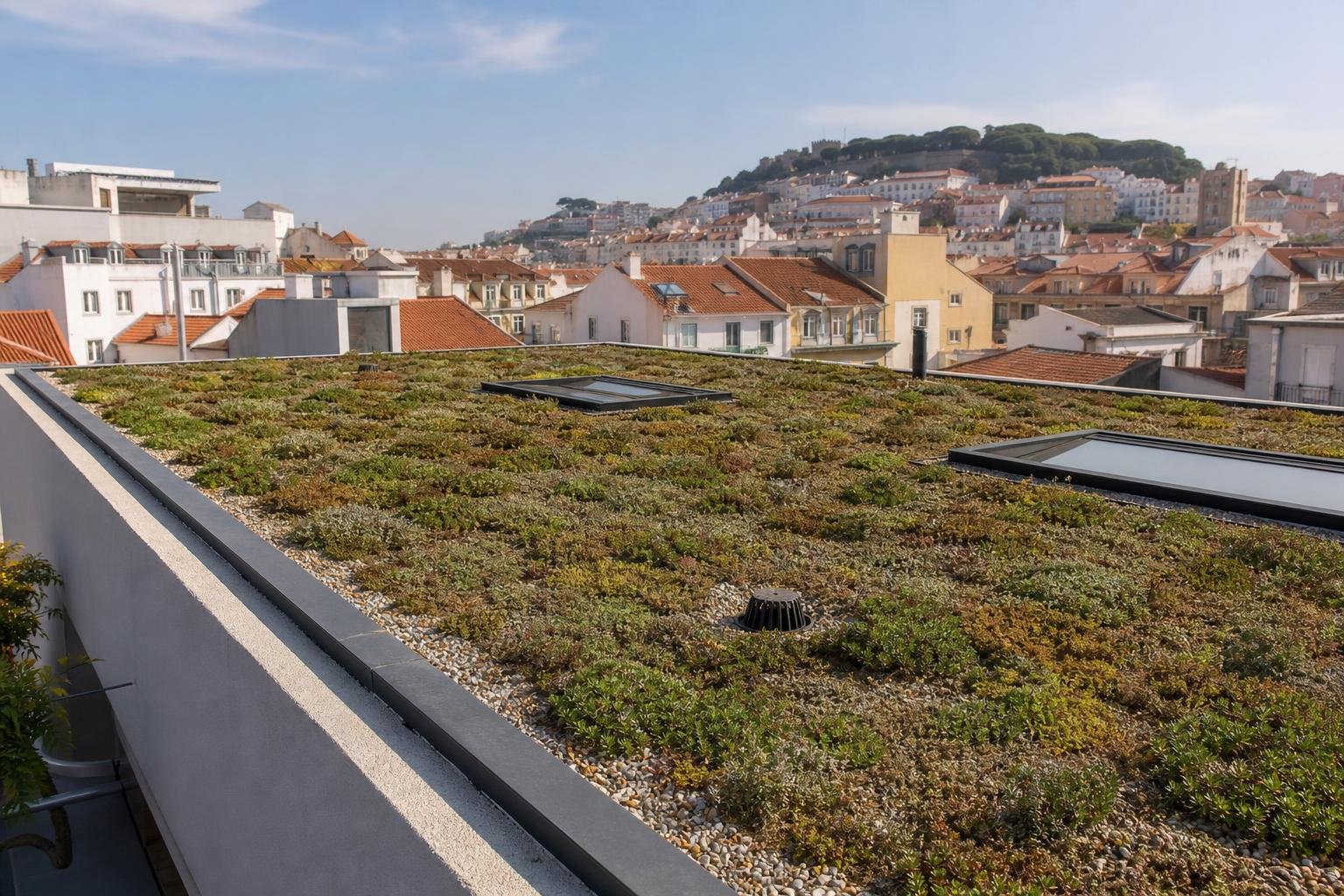
A roof with leaks, failing flashings or an approaching end of service life should not receive a permanent installation without a refurbishment plan. Removing modules and supports to repair a membrane takes time, involves work at height and creates opportunities for damage. It is usually better to coordinate waterproofing, insulation, drainage points and photovoltaics in one technical sequence.
Request an assessment covering structural capacity, permanent system loads, wind resistance, shading from chimneys and plant rooms, maintenance routes and areas that must remain clear. On pitched roofs, fastening and watertightness at every penetration matter; on flat roofs, ballast, protection layers, falls and drains matter. Do not accept penetrated supports without a waterproofing detail compatible with the existing roof system.
Allow genuine circulation space as well. A poorly placed panel can block access to a gutter, rooflight or ventilation unit. Generated electricity is visible on a bill; inaccessible maintenance usually becomes visible later, often when a leak appears.

Plan energy sharing and electrical works before signing
Collective self-consumption is not merely a rooftop power plant. It relies on metering, communications and allocation rules between participants. Decide whether percentages will be fixed or adjustable, who will act as the managing entity, what information each participant will receive, and how new members, departures or non-payment will be dealt with.
Ask for a proposal with a single-line diagram, locations for boards, protections, inverters and any batteries, plus the cable route through shared spaces. In older Lisbon buildings, the route between roof, technical stairwells, meter cupboards and garages can be more limiting than the solar area itself. Improvised runs along façades, landings or unverified service ducts are not a project solution.
If the building is also considering EV charging, heat pumps or replacement of common equipment, identify this at the outset. A coordinated approach can leave sensible capacity in boards and cable routes. For decisions inside each home, connect the proposal to an energy certificate renovation plan, rather than treating solar panels as an isolated measure.
Check Lisbon planning constraints before placing an order
The planning implications can vary with the property, visibility, roof form, location in a protected area and the type of work required. Do not assume that every panel installation is automatically exempt from prior control. Lisbon City Council explains that certain building works follow a prior-notification process and advises checking the property location and applicable planning instruments first; see its page on building works under prior notification.
For a building in a historic area, with a roof highly visible from the street or with heritage features, obtain technical and planning confirmation before committing to purchase. The point is not only to secure an administrative answer: it is to avoid a solution that harms the building’s appearance, obstructs future work or requires late changes.
Plan site logistics too. Lifting materials, scaffolding, access protection, working hours and possible use of public space affect a dense Lisbon street. A short installation remains condominium work; notify residents and protect shared areas.
Compare whole-life proposals, not just headline prices
Give every contractor the same brief: proposed capacity, expected generation and shading assumptions, equipment schedule, fixing method, electrical protections, monitoring, warranties, maintenance and exclusions. Without this comparison basis, total prices are prices for different projects.
Be wary of savings forecasts without a consumption profile, quotes that do not identify the roof or explain surplus treatment, and budgets that overlook supporting works. Cables, boards, protections, access, strengthening, local waterproofing and lifting equipment can materially change the decision.
Include an operating plan from day one: who receives alerts, how often modules and fixings are checked, how roof access is obtained, and what happens if urgent waterproofing work is needed. The same planning discipline prevents trouble in other building projects; see why construction supervision helps keep decisions, sequencing and responsibilities under control.
A good condominium solar project remains clear after installation: it produces predictably, protects the roof, allocates responsibility without ambiguity and leaves the building ready for maintenance.
If your condominium is considering roof work, Obra Lisboa can help coordinate the construction planning, access, protection of shared areas and compatibility with refurbishment, waterproofing or technical installations.
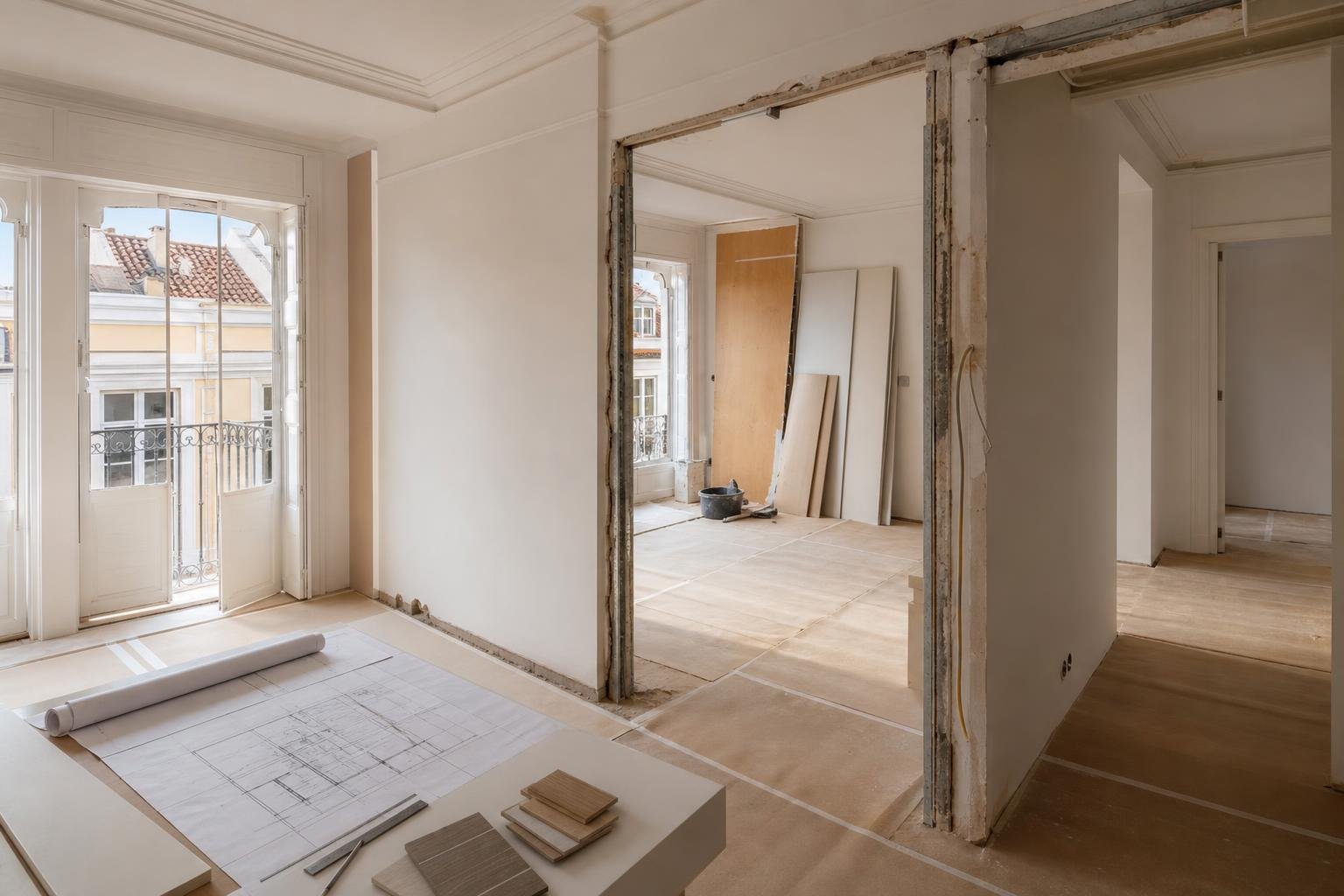
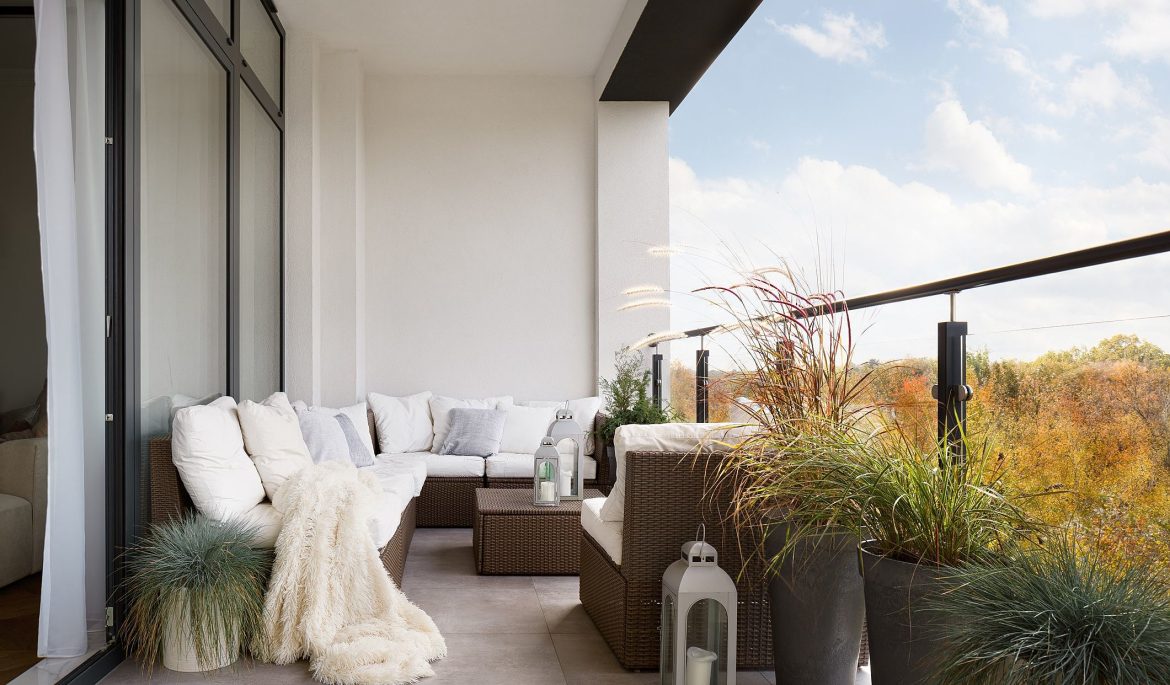
AI-generated editorial image; it does not depict an Obra Lisboa project.
Obra Lisboa