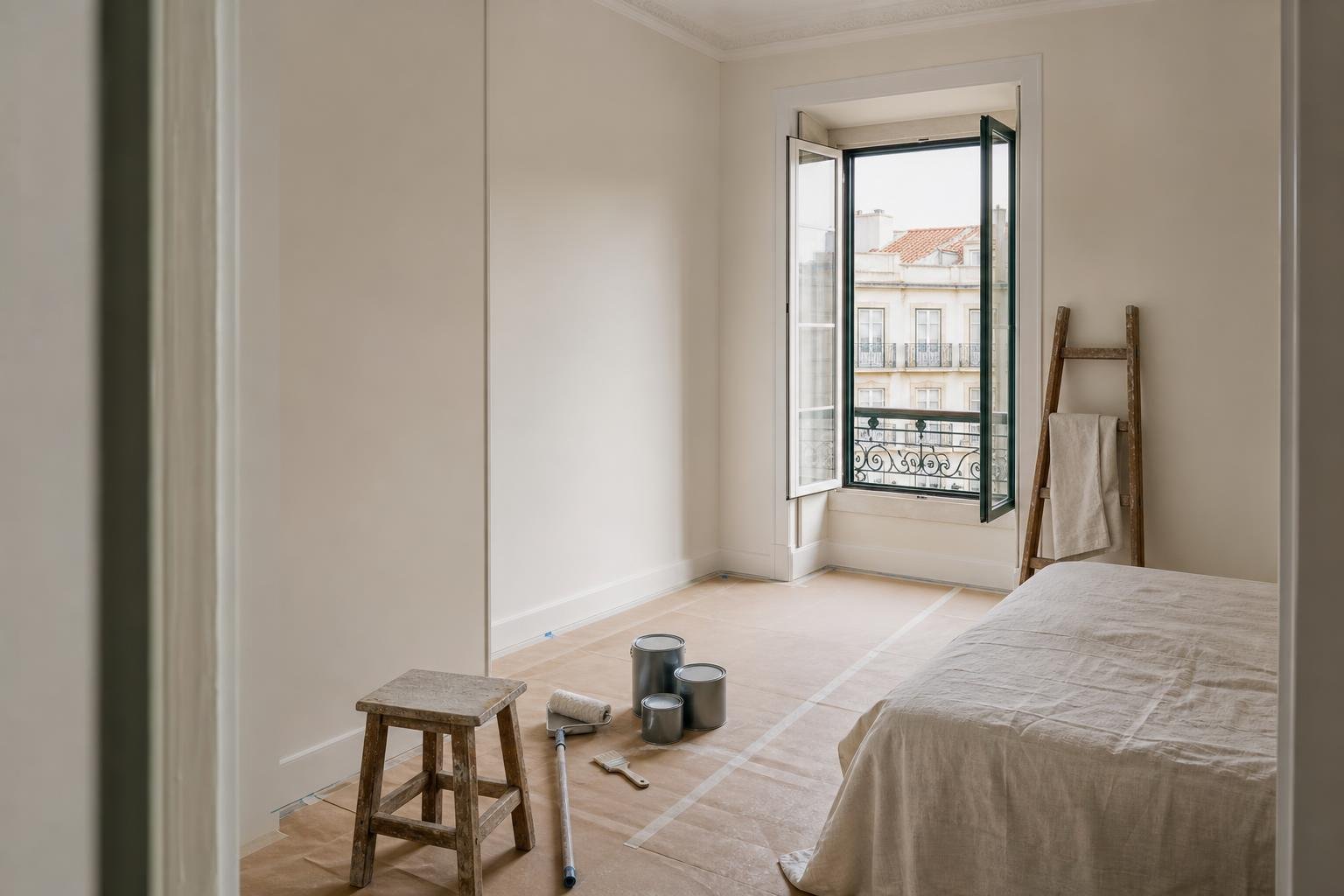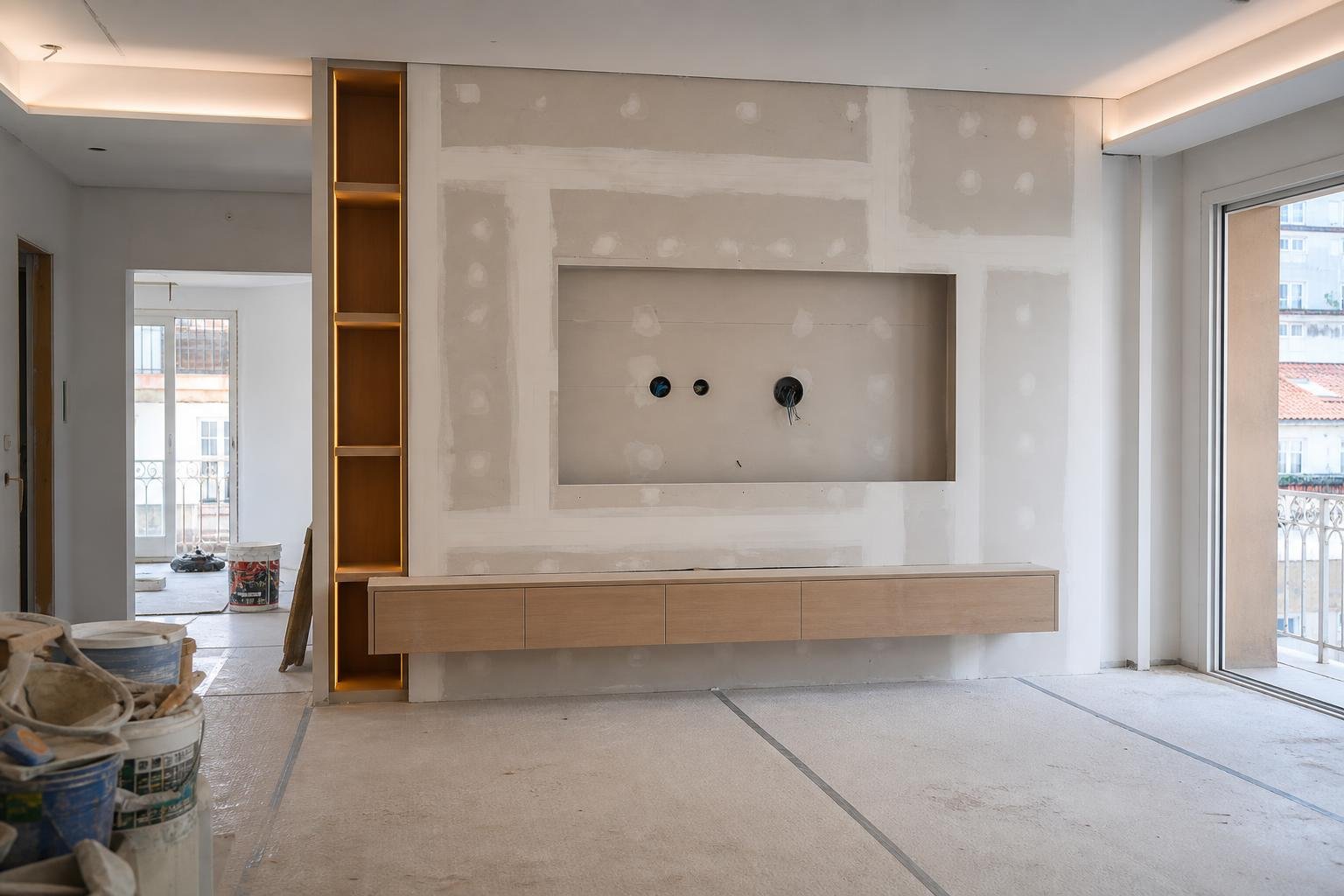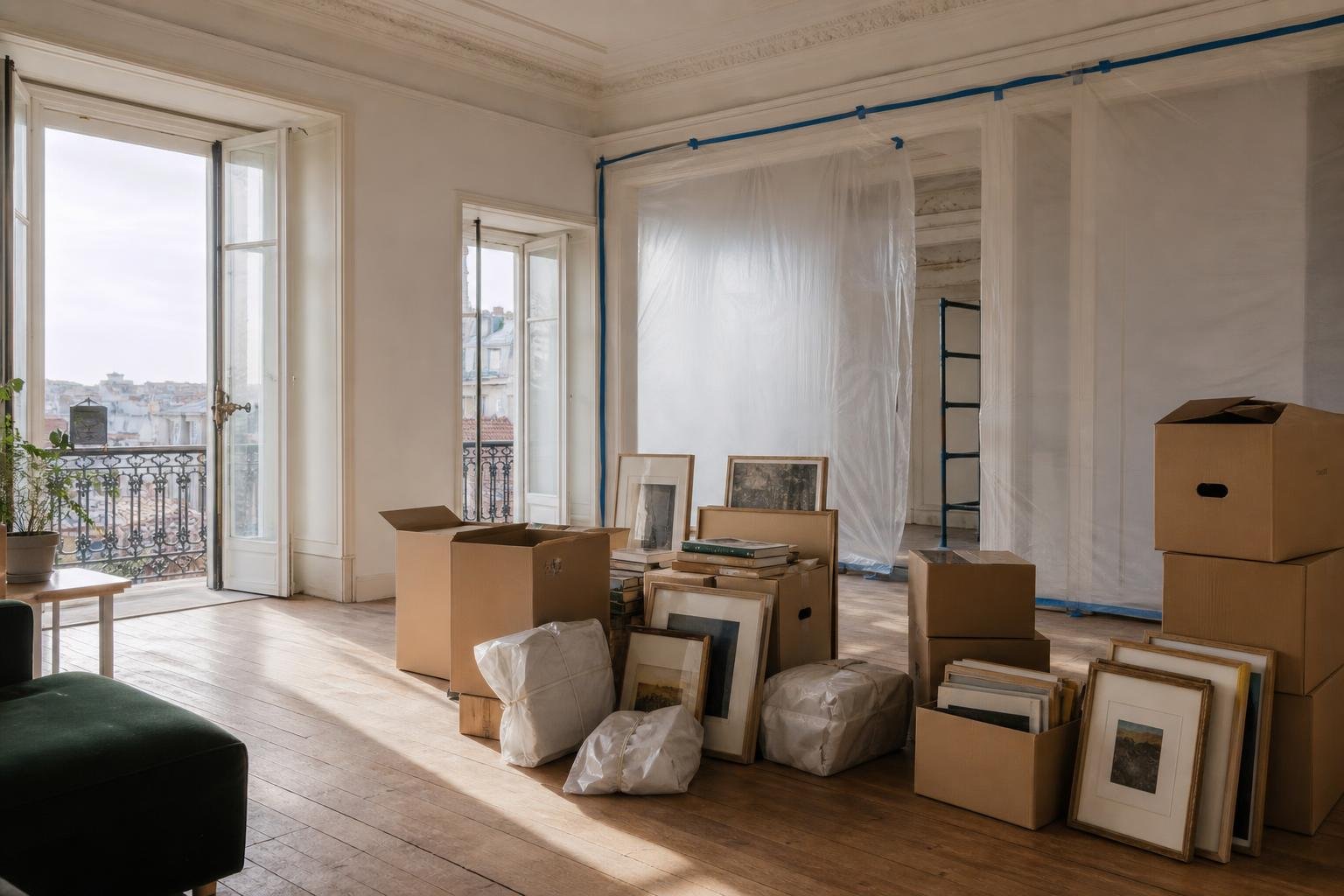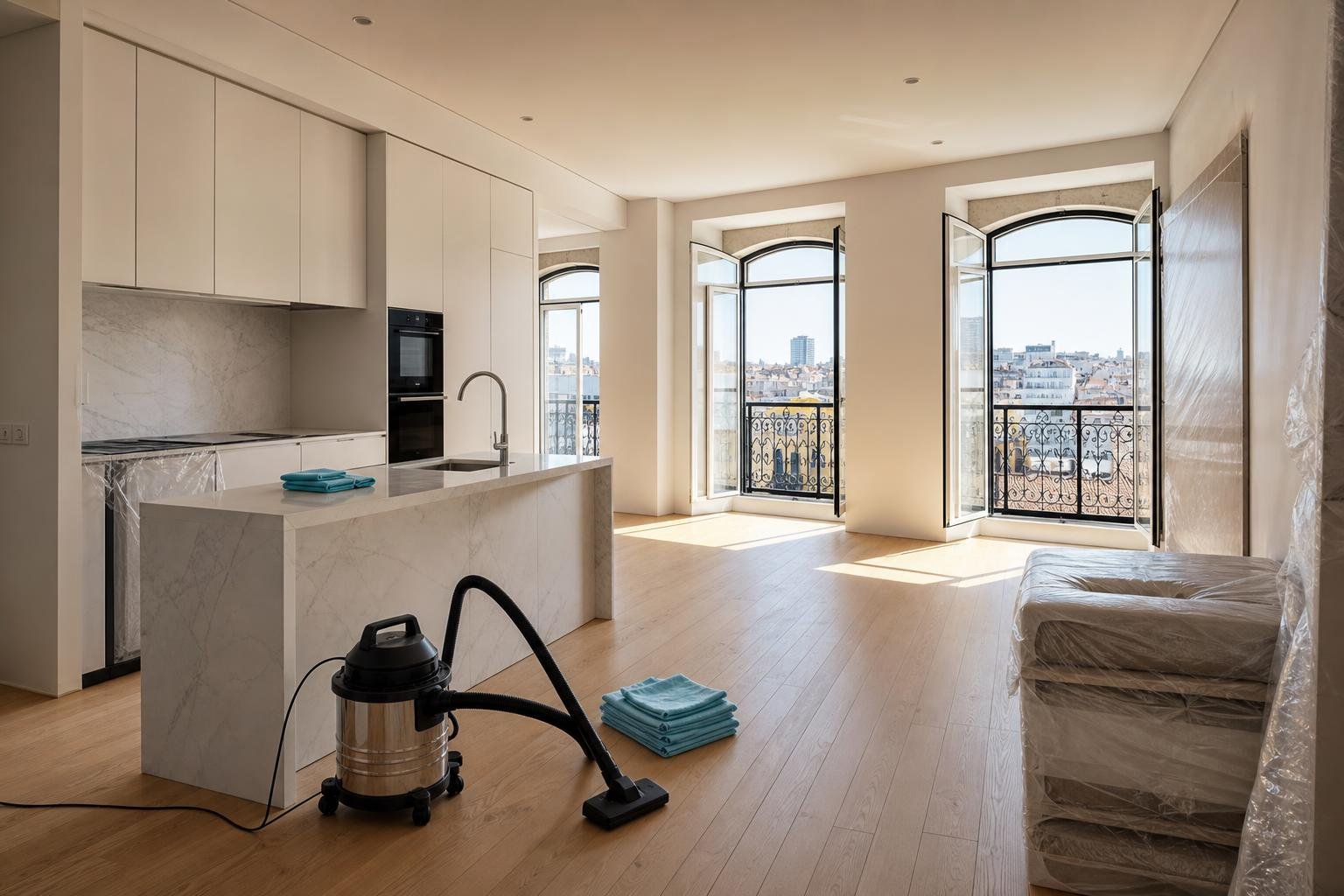

In an apartment renovation, material delivery is not a gap between trades: it is part of the work itself. A pallet left in the entrance hall, a van stopping without a plan, or plasterboard carried through an unprotected lift can delay crews, damage shared areas and create unnecessary friction with the condominium.
In Lisbon, where many buildings have narrow doors, tight staircases, small lifts and heavily parked streets, logistics should be designed before orders are placed. The aim is straightforward: every item should arrive on the right day, follow the right route and be stored where it will not obstruct circulation or be exposed to moisture, theft or damage.
This guide sets out how to organise deliveries for work in an apartment building, from the first site check to the final clean-up of the route. Where deliveries require use of pavement or roadway, municipal requirements need to be part of the programme from the outset.
Map the real route, not the ideal one
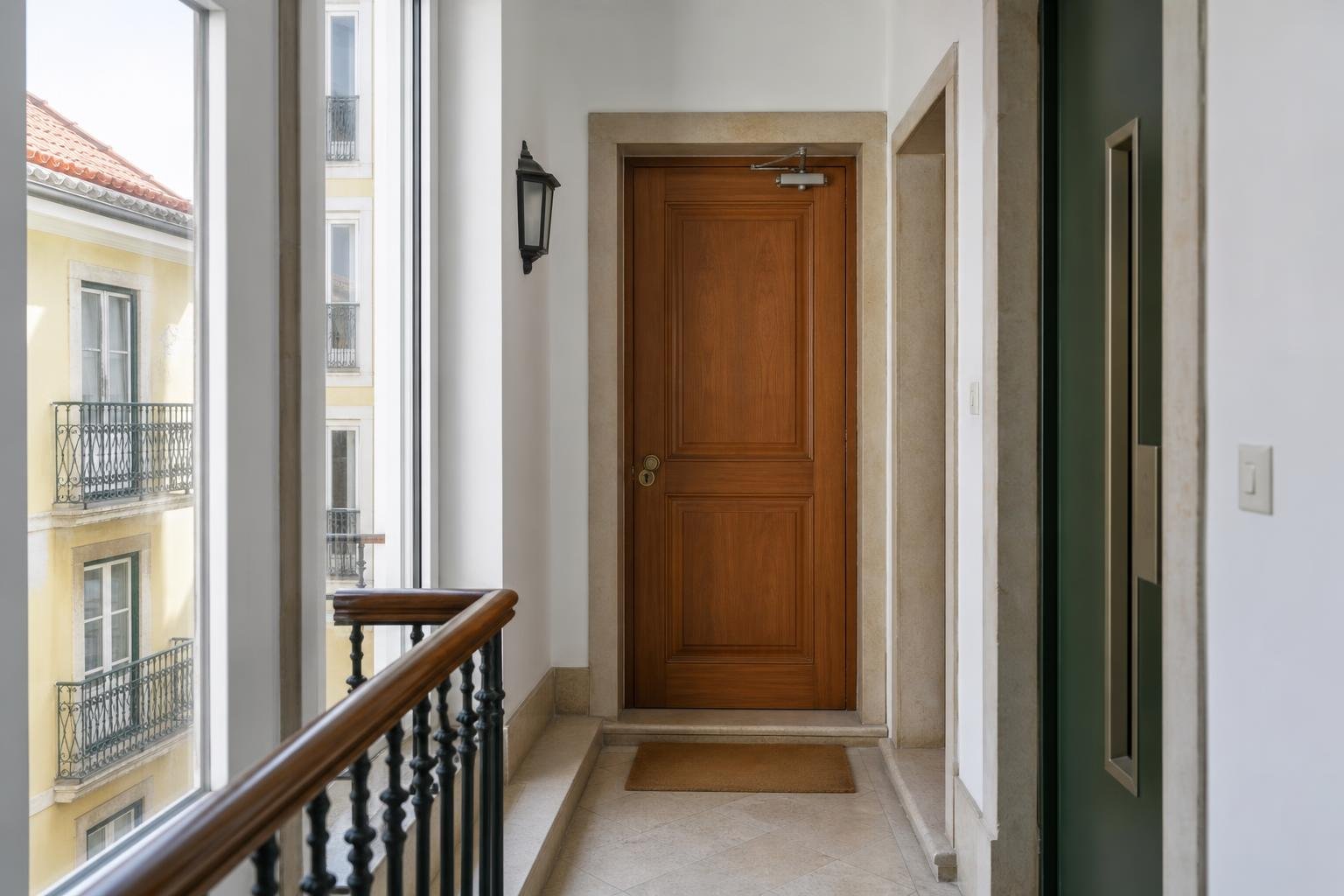
Before confirming an order, walk the route from the place where the supplier can stop to the room where the material will be used. Measure gates, landings, doors, corridors and the lift car; also check clear heights, turns and steps. A kitchen cabinet may fit in the room and still fail to get around the stairwell corner.
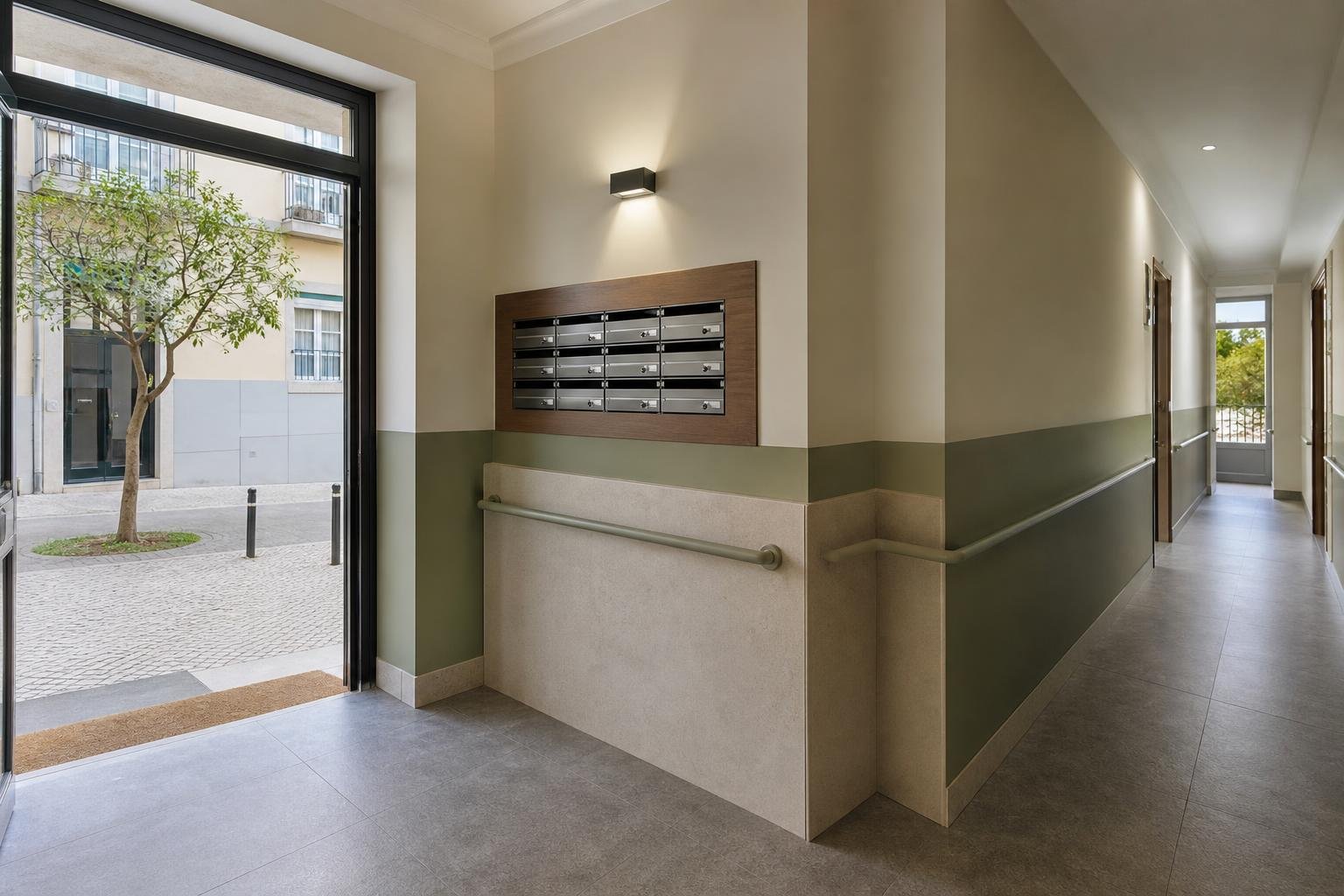
Create a short constraints list: whether the lift is available, unavoidable stairs, the need to remove packaging outdoors, weight per lift journey and areas that must remain clear. Entrance doors, letterboxes, fire equipment, electrical panels and exits are not temporary storage areas.
In older Lisbon buildings, the most efficient option may be smaller deliveries or a two-stage unloading process: first to an authorised pavement-side or support area, then indoors with a prepared handling team. Making up the process as the vehicle arrives usually means materials being placed where they should not be.
For work inside a building, displaying the expected duration and periods of greatest noise helps residents anticipate busier days. The Portuguese noise rules also state that this work may be carried out on working days from 8:00 am to 8:00 pm, except in urgent situations.
Schedule every delivery as a construction task
Do not book “delivery during the morning” when unloading needs a lift, two handlers and a quick release of the street. Agree a specific time window, a site contact who will answer the phone and a confirmation the day before. Include package dimensions, number of pallets, need for pallet truck, lifting equipment or unloading assistance, and the fact that goods cannot be left unattended.
Sequence orders around the state of the renovation. Bulky items that will be concealed later — insulation, pipes, technical boxes or boards — should arrive before ceilings and walls are closed. Tiles, sanitaryware, appliances and joinery require a drier, cleaner and more secure site. Bringing everything on the first day may sound cautious, but it increases damage risk and reduces the working area.
- 48 hours before: confirm supplier, time, access and responsible person.
- On the day: clear the route, install protection and reserve the handling team.
- After unloading: check quantities, record damaged packaging and inspect common areas.
This routine supports the wider logistics planning needed for renovation work inside buildings: less waiting time means fewer interruptions for both residents and trades.
Decide early whether the street needs a permit or occupation plan
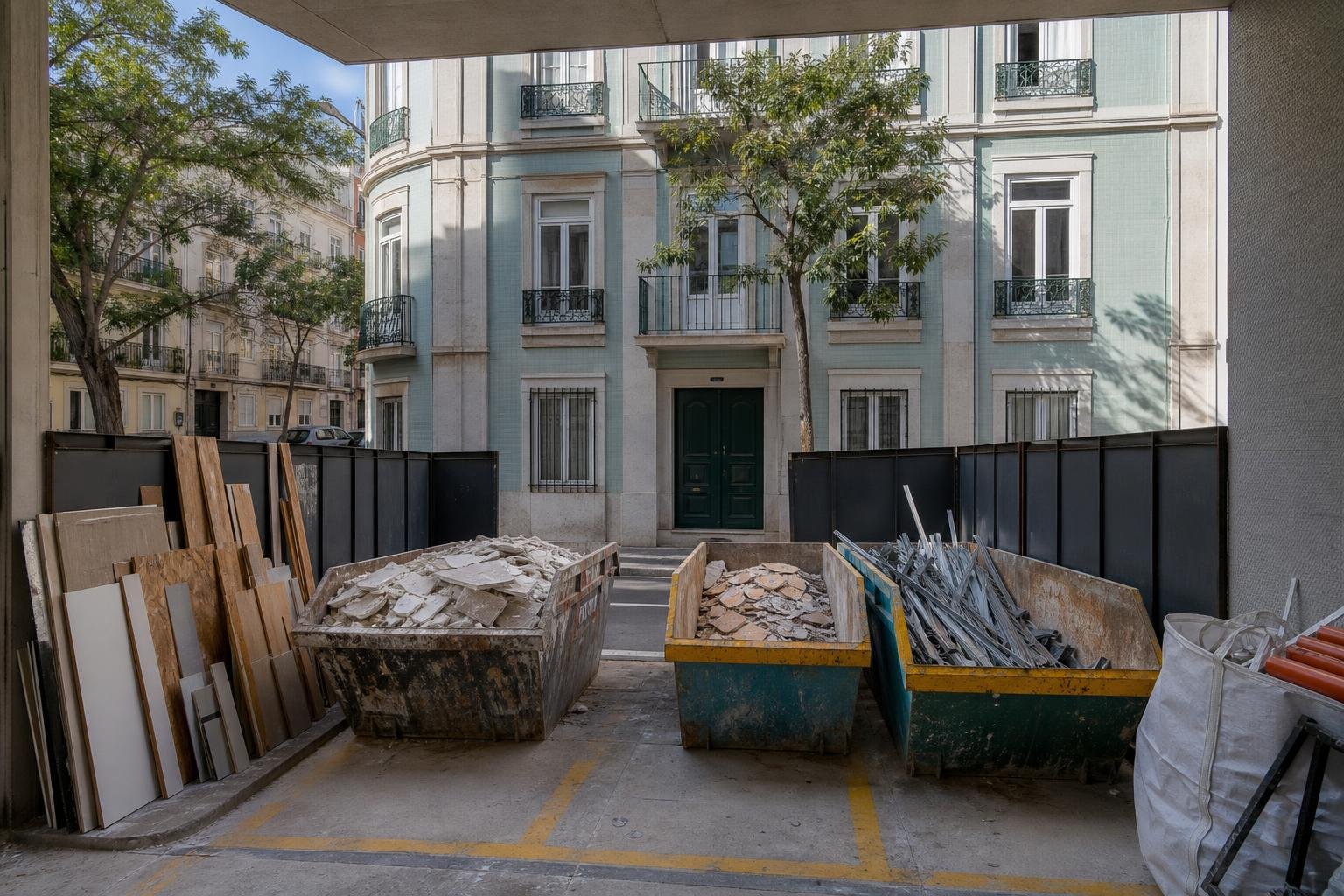
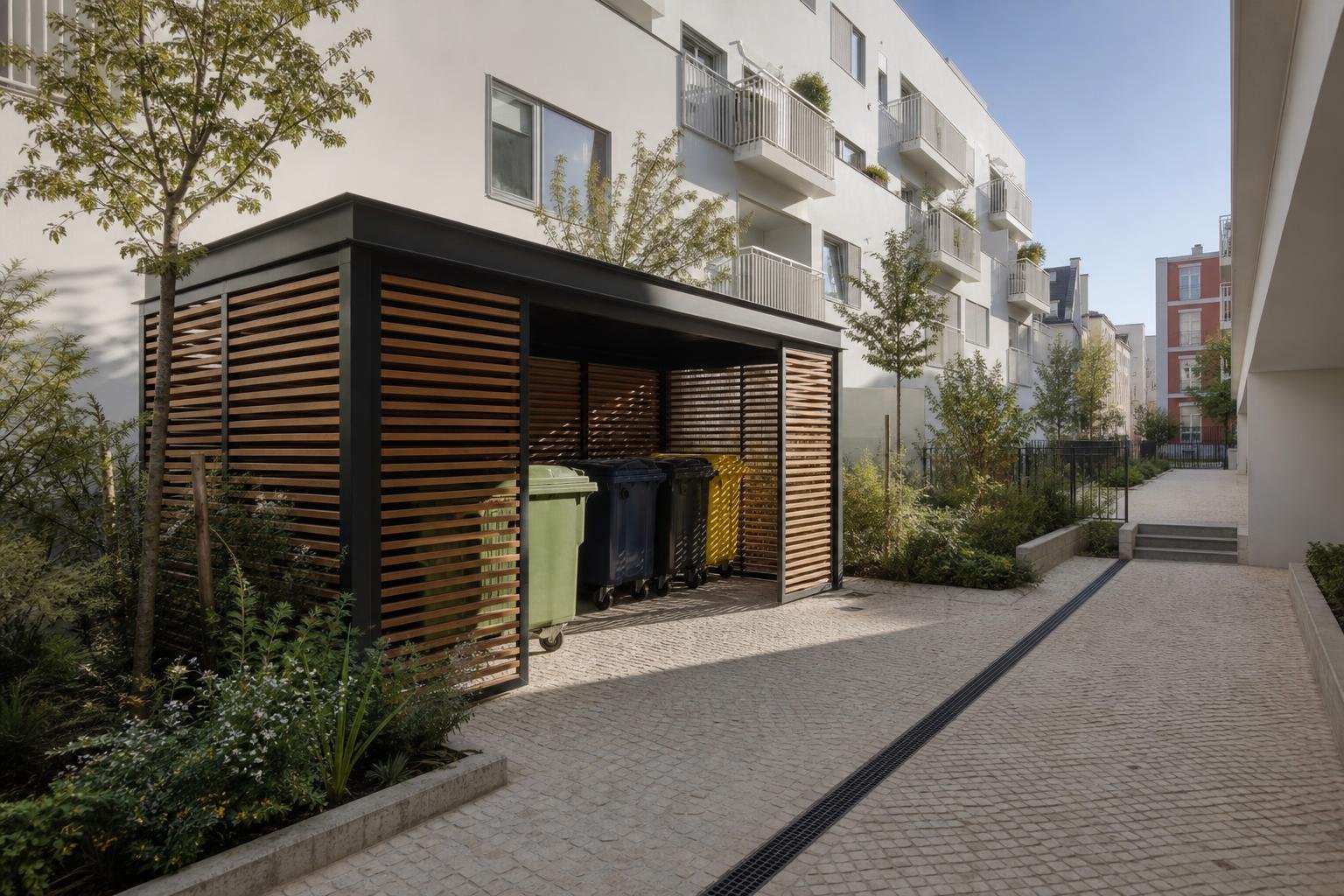
A short unloading stop is not automatically free from formal requirements. If the work needs hoarding, scaffolding, a material deposit, skip, lifting equipment or another use of public space, check the applicable procedure with Lisbon City Council. For work exempt from prior planning control, the council says that occupation with support equipment may require a licence and an occupation plan; the plan identifies pedestrian routes, barriers, support areas, vehicle access and temporary signage.
Check current conditions through the municipal page on public-space occupation for exempt works. Work subject to licensing or prior notification follows a separate process for plan approval and licence issue, described by the council under public-space occupation for works subject to prior control.
In practical terms, this means matching the delivery calendar to the authorisation. Do not arrange a crane, skip or large-volume unloading before the permitted area, period and conditions are known. Keep a fallback option for supplier delays and poor weather.

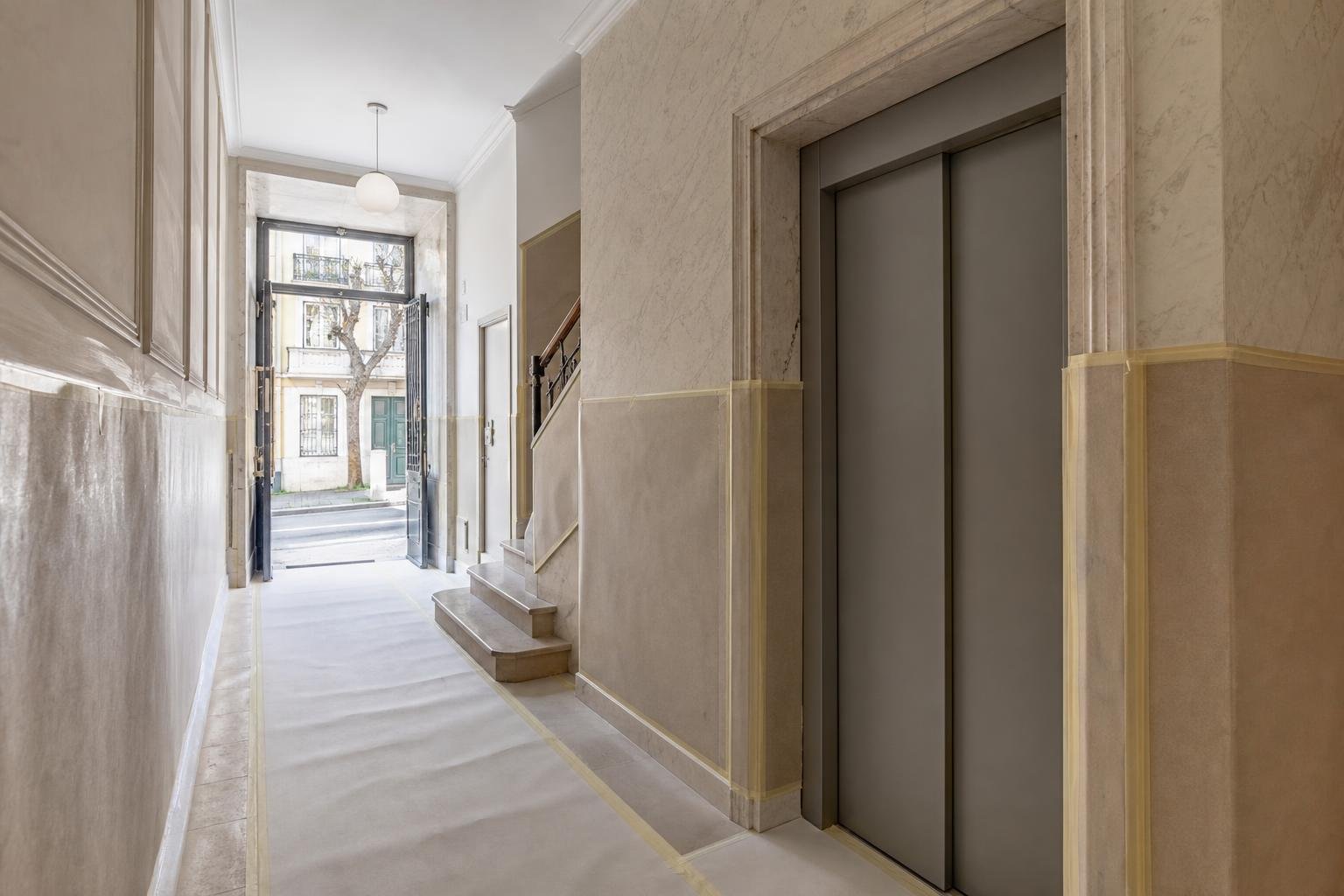
Protect the lift, stairs and thresholds before the first box arrives
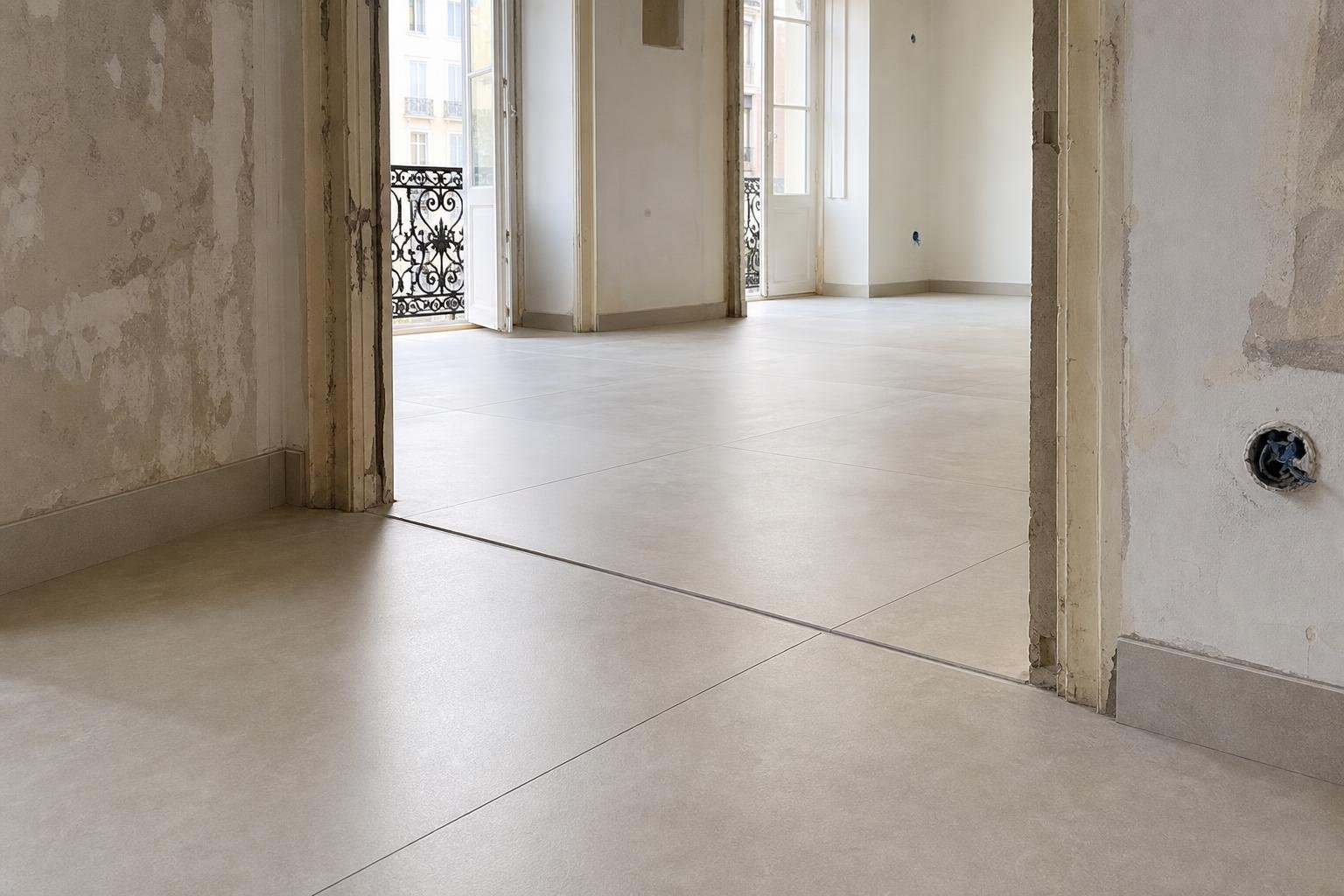
Protection should match both the material and the route. In lifts, protect walls, corners and flooring without preventing doors from closing correctly or blocking controls and ventilation. On stairs, use stable non-slip coverings and only fix solutions that will not leave residue or damage stone, timber or paint. At thresholds, avoid dragging pallets, metal sections or boards.
Assign roles: one person opens doors, one manages lift movements and one guides each load. Rushing because the delivery van is waiting is a common cause of impacts. Do not turn the entrance hall into a sorting station either: remove cardboard, plastic and film as unloading progresses, without leaving waste in shared areas.
If the condominium has its own rules for lift use, delivery times, garage access or protection of finishes, request them in writing before work starts. For this stage, see Obra Lisboa’s guide to protecting lifts and shared areas during a renovation.
Store materials by risk, not momentary convenience
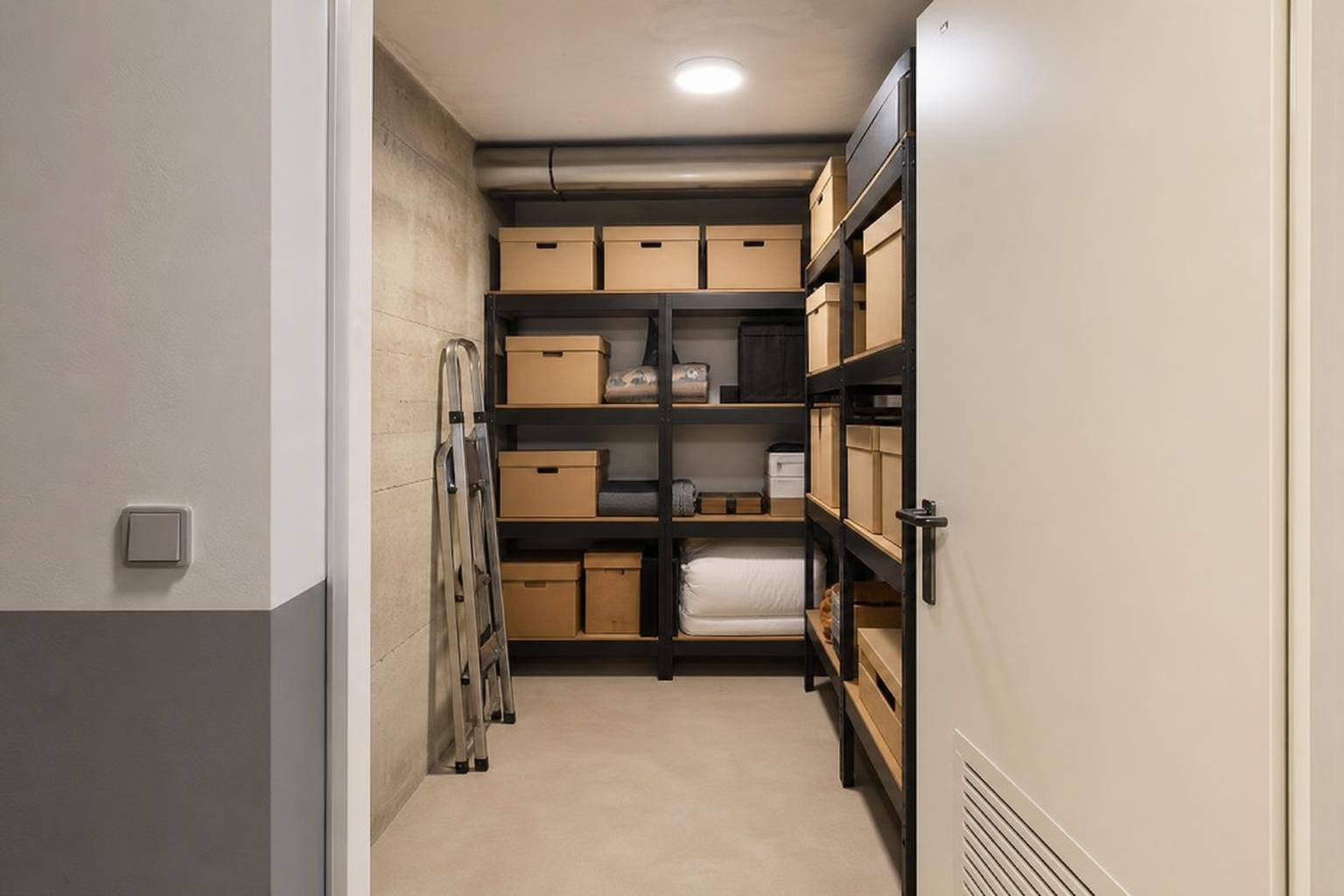
The space closest to the door is rarely the best storage space. Set aside a small receiving area and separate materials according to their vulnerability. Plasterboard, timber, doors and furniture should remain dry, supported in line with manufacturer instructions and kept away from walls showing signs of damp. Tiles and heavy bags need adequate support and considered load distribution; do not concentrate excessive weight on fragile floors or beside openings.
Store paint, adhesives, sealants and similar products in accordance with their technical information, away from heat sources and beyond the reach of children or visitors. Keep items needed in the next few days accessible, but do not open finish-material packaging too soon. A simple label with room, phase and delivery date helps prevent components being moved repeatedly until they disappear from the site.
This is not only about tidiness. A site where materials can be located makes it easier to check what arrived, spot missing items before installation and keep working and escape routes clear.
Communicate with the condominium clearly and specifically
Give advance notice for more demanding deliveries, especially where there will be intensive lift use, long items being carried or close coordination at the building entrance. A useful notice states the date, time range, responsible contact, expected duration and protective measures. Avoid promising complete silence or an exact finish time you cannot control; explain instead how disruption will be reduced and who can answer an immediate question.
This communication does not replace municipal authorisations or remove the need to follow building rules, but it prevents surprises. It is particularly valuable where residents work from home, where children or people with reduced mobility live, or where shops operate on the ground floor.
Finally, choose properly qualified contractors with suitable cover for the work being undertaken. IMPIC’s guidance on construction activity explains the role of work-accident insurance requirements. Correct documentation does not solve delivery logistics, but it helps ensure the renovation is carried out with clear responsibilities.
A well-prepared delivery protects the building and keeps renovation work moving. If you are renovating an apartment in Lisbon, Obra Lisboa can help coordinate access, work phases and practical decisions before the first delivery arrives.
AI-generated editorial image; it does not depict an Obra Lisboa project.

Obra Lisboa