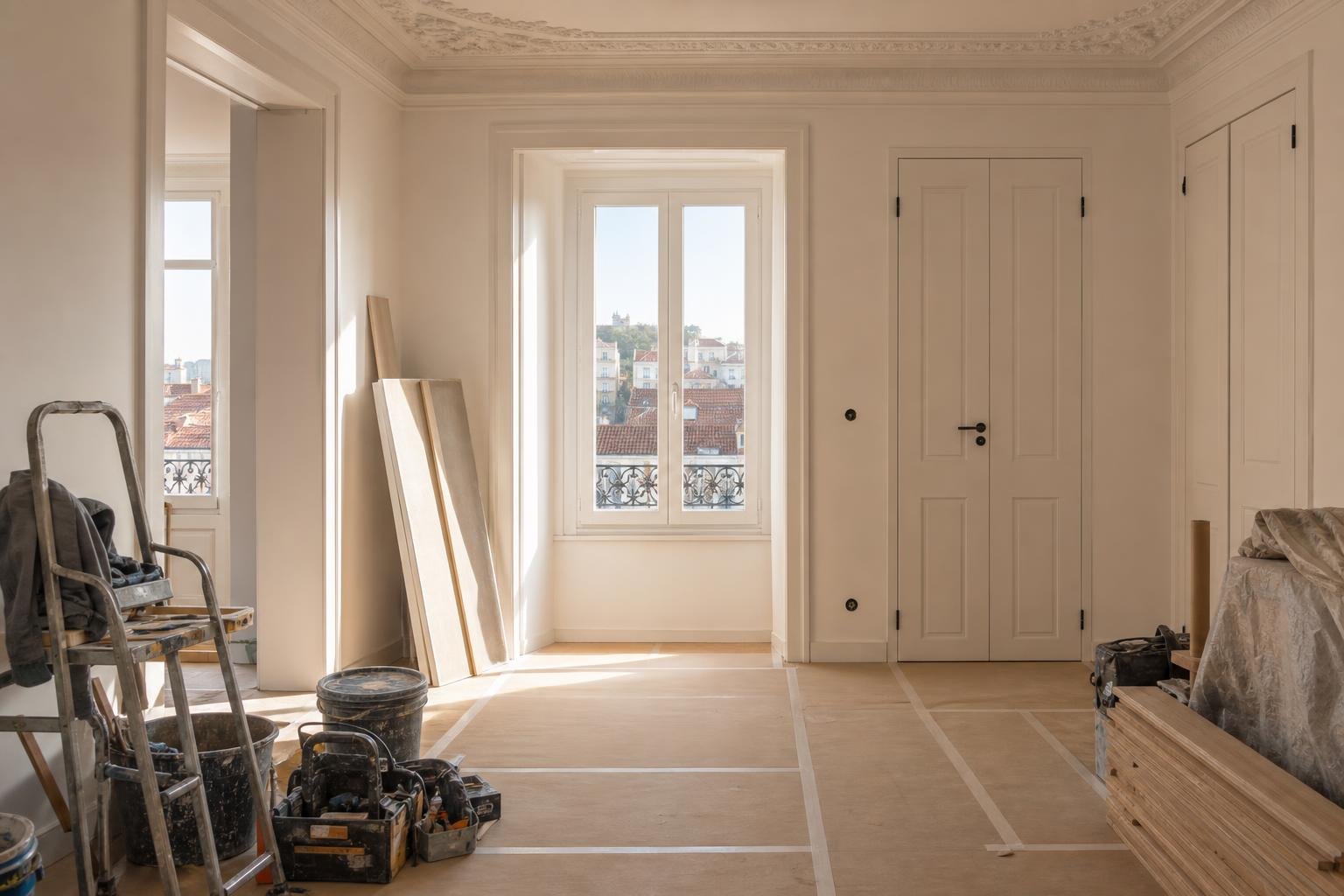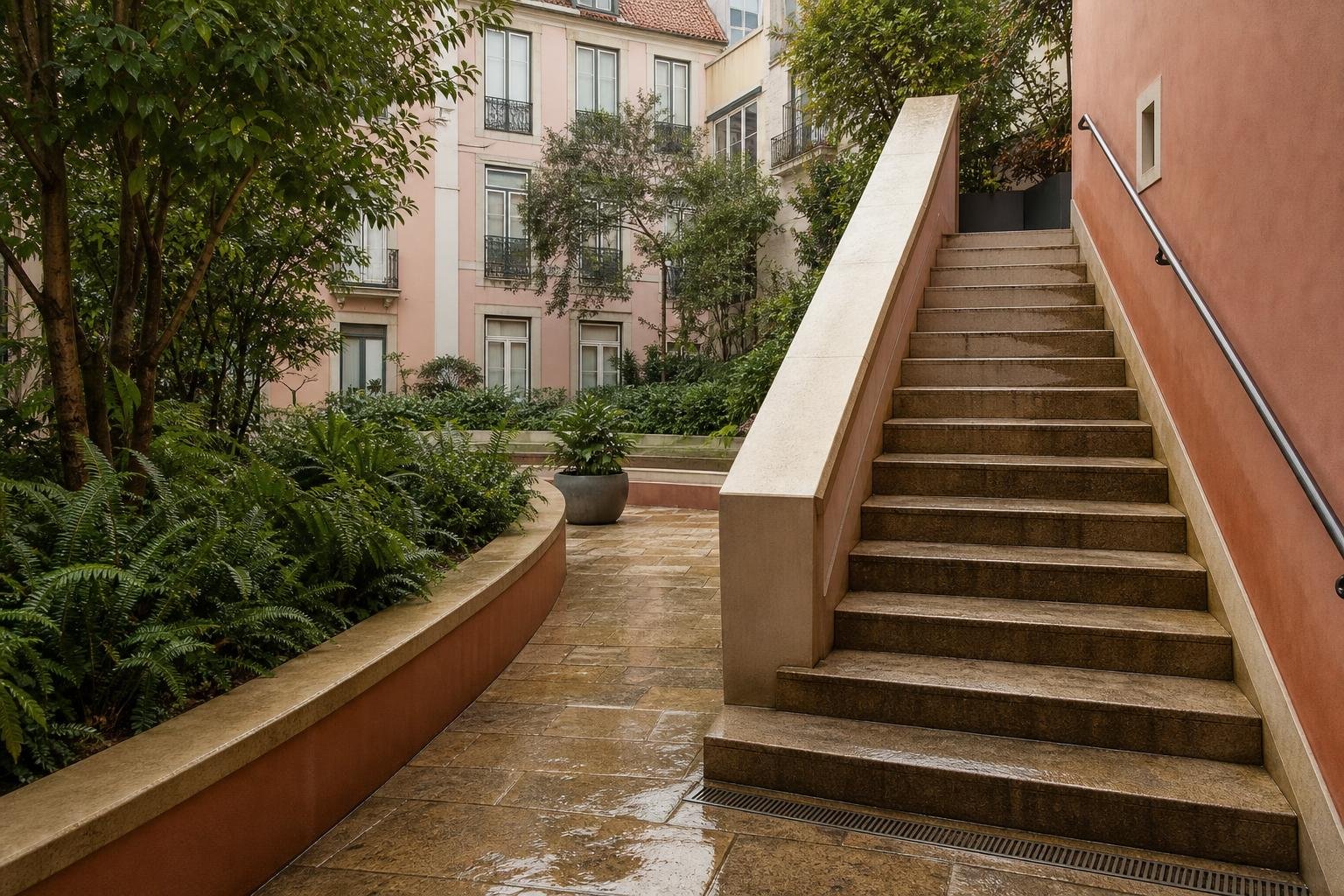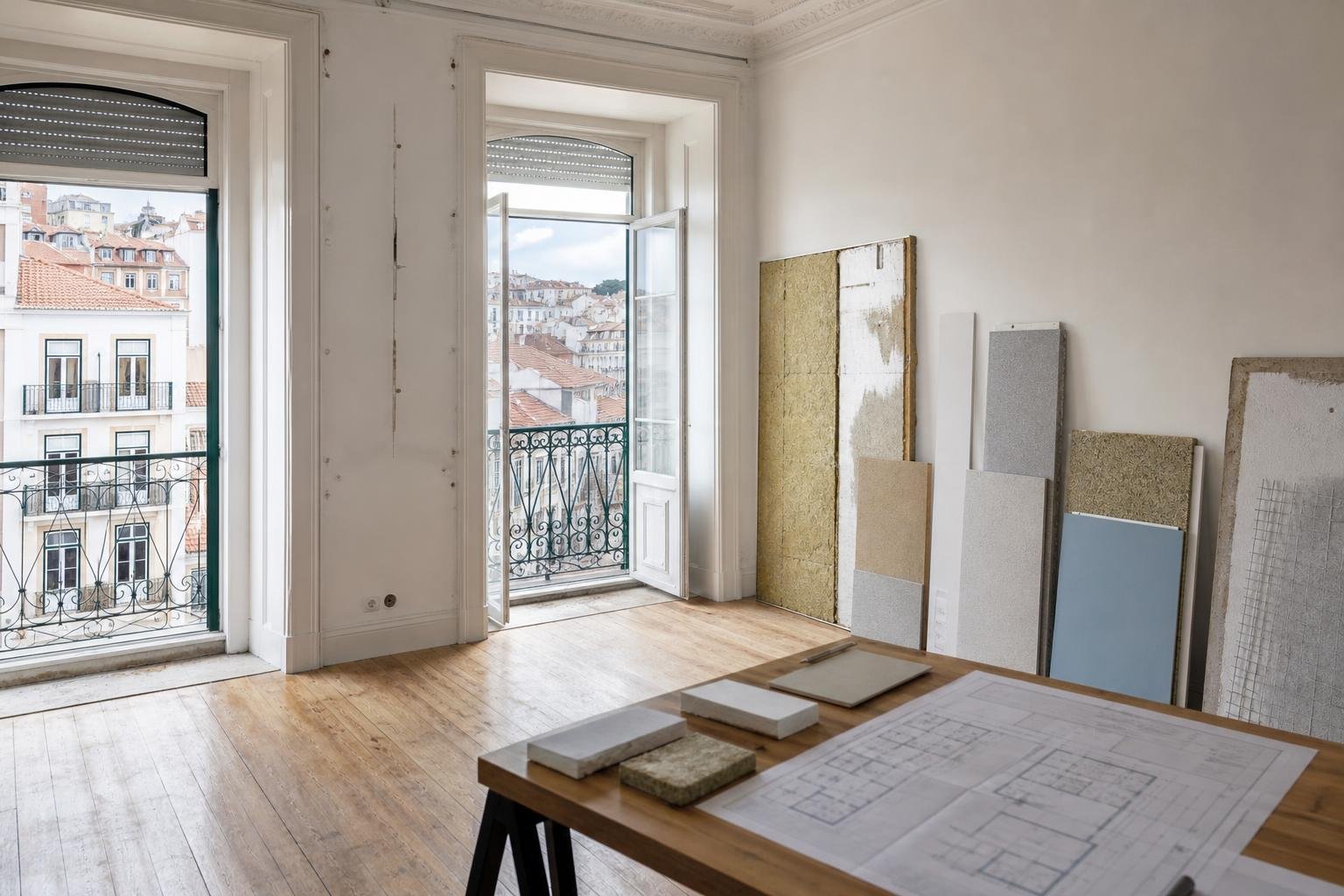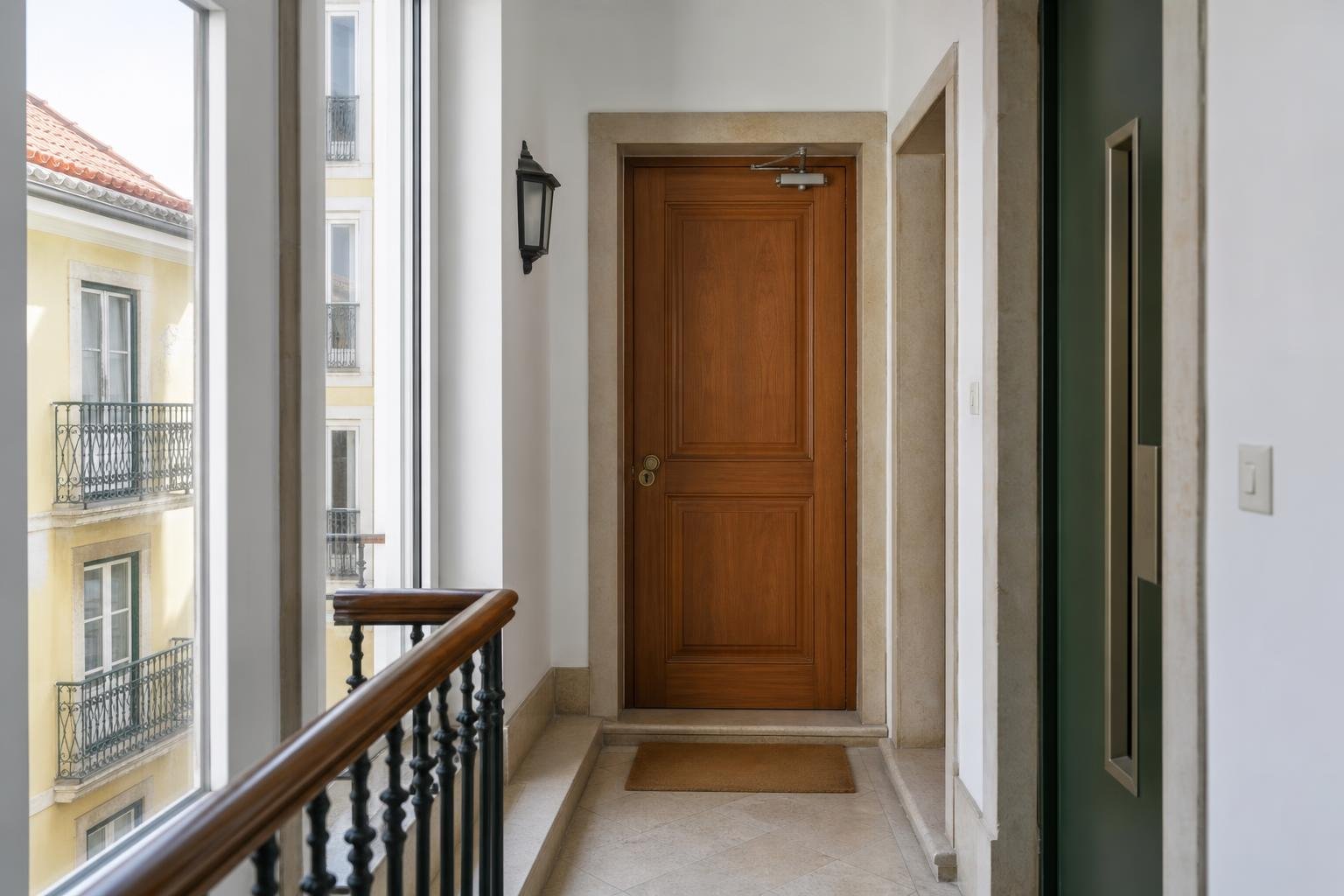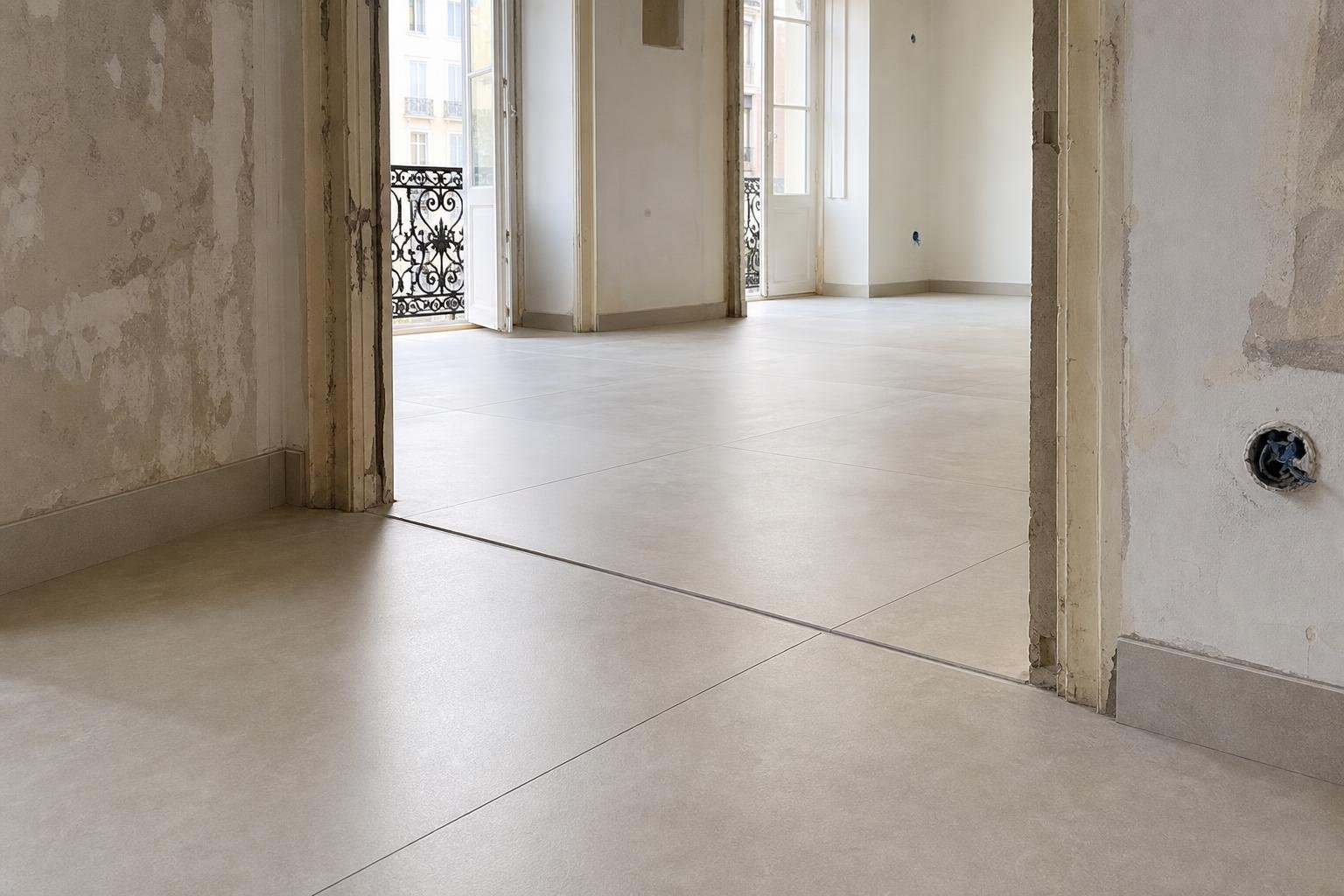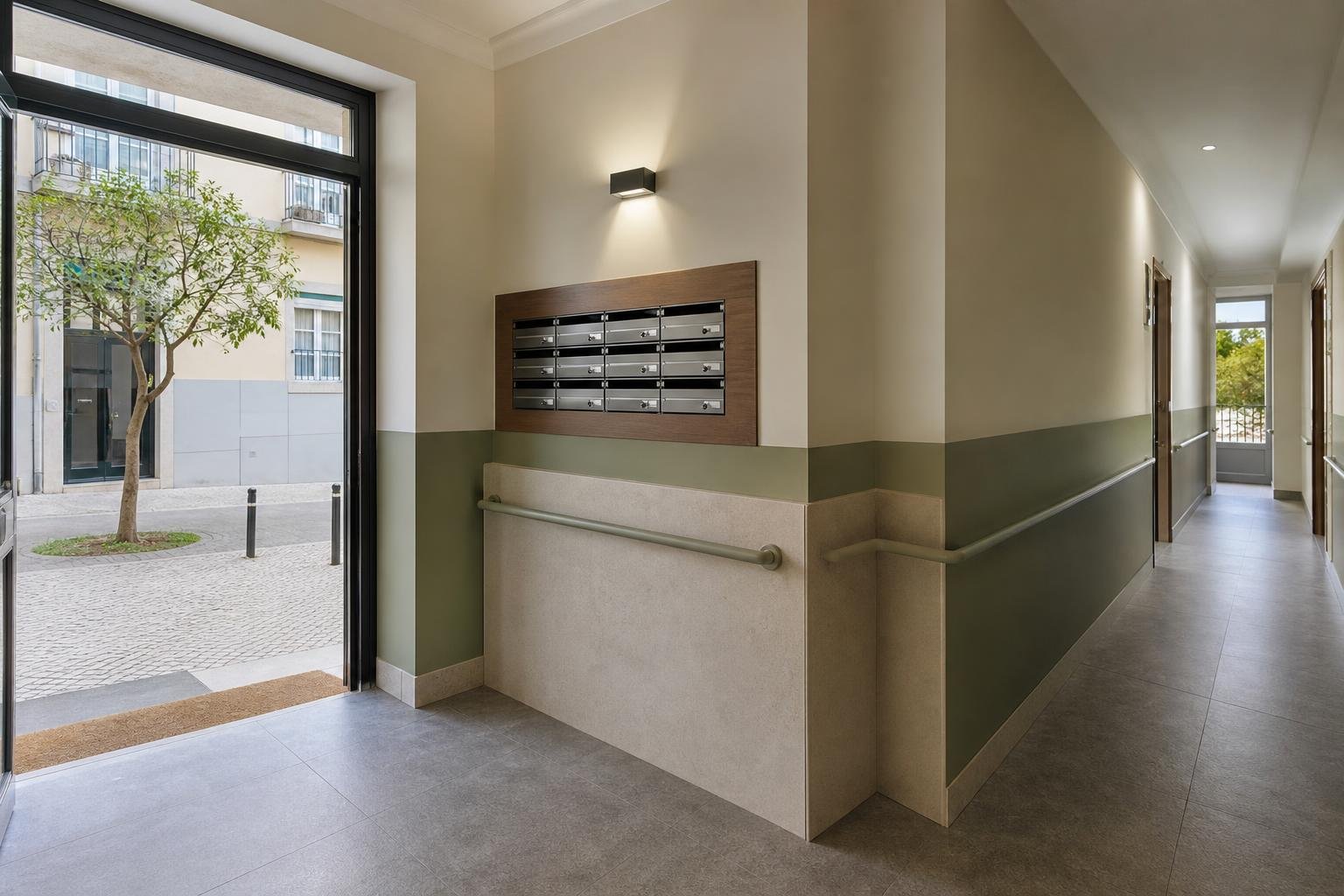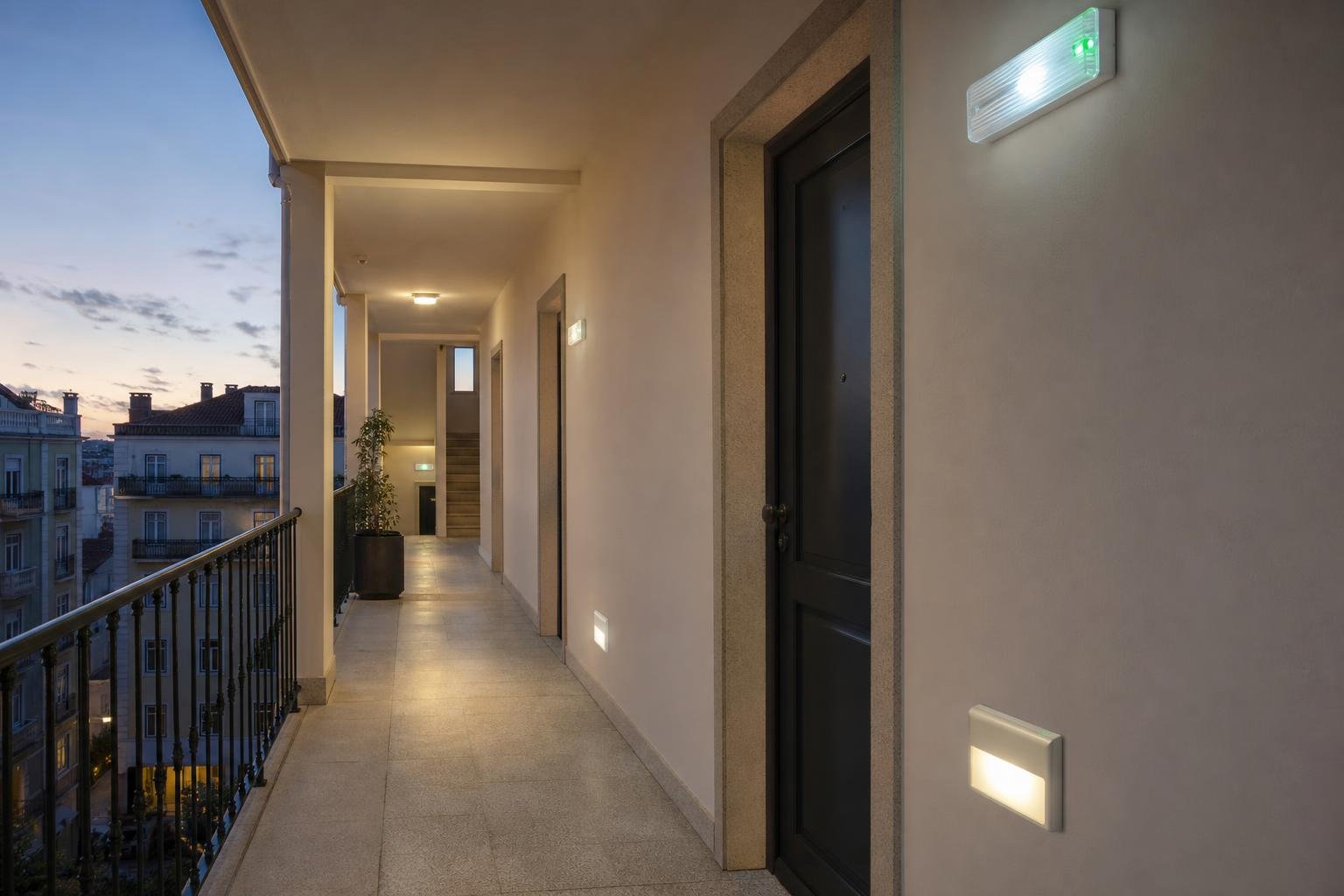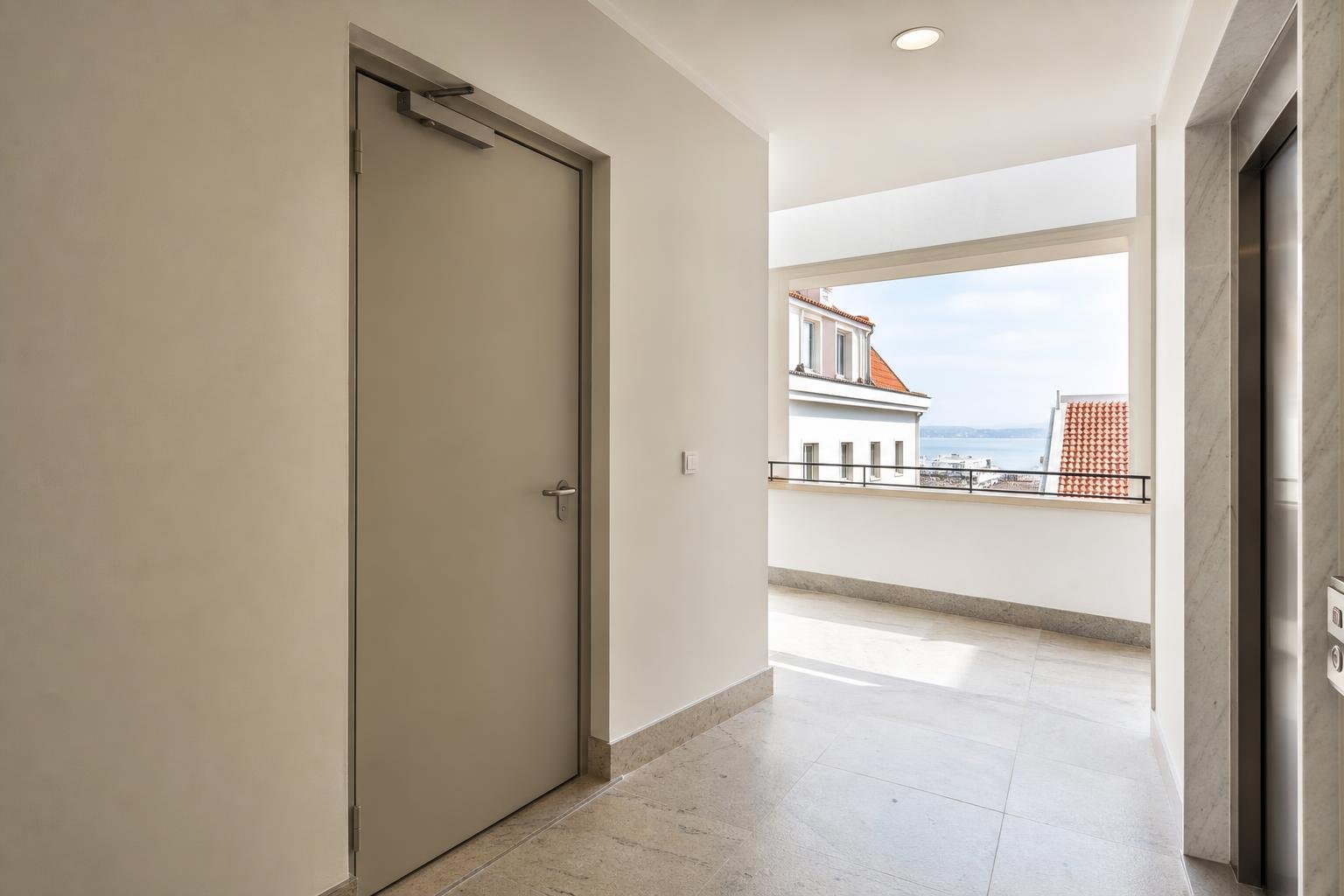
An apartment renovation may take place behind one front door, yet the first damage often happens in the lift, lobby or stairwell. A pallet can scratch a lift panel, a door can chip a skirting board while turning on a landing, and bags of rubble can block a corridor. All three create avoidable cost, delay and friction with neighbours. In Lisbon, where many buildings have narrow access routes, compact lifts and older finishes, protecting shared areas is not a last-minute detail: it is part of site logistics.
The aim is not to turn the building into a permanent worksite. It is to define a delivery route, select suitable protection, control loads and make clear who installs, checks, cleans and removes each item. This guide explains what to settle before the first delivery, while keeping temporary protection separate from any right to occupy common areas indefinitely.
Map the actual route that materials will follow
Before ordering a kitchen, tiles or plasterboard, walk the entire route from the street to the apartment door. Measure doorways, landings, turns in the stairwell, the lift cabin and its doors. Check where a van can stop without obstructing the entrance, and identify vulnerable points such as mirrors, letterboxes, rooflights, loose handrails, stone finishes or old timber details.
Knowing that a lift is available is not enough. A tall carton may fit into the cabin but be impossible to turn on the next landing. A compact load may fit physically yet exceed the load limit shown by the manufacturer. If an item cannot travel safely, decide before it arrives whether it should be dismantled, carried upstairs with appropriate handling, or delivered on another day. Improvising once the delivery is already in the lobby is one of the fastest ways to damage a shared area.
Create a dated photographic record of the initial condition, preferably with the building manager informed. This simple step helps distinguish an existing mark from renovation damage and makes it easier to select protection for each section of the route.
Agree the arrangements with the building manager first
The condominium rules may set delivery hours, lift-use conditions, cleaning requirements, temporary storage rules and the contact person for incidents. Even where work is entirely inside a private apartment, workers, tools and materials travel through areas used by everyone. Send a concise notice stating the planned start date, estimated duration, responsible contact and the days likely to involve major deliveries.
Put practical points in writing: whether the lift may carry goods, who installs the cabin protection, where packages may wait, how the escape route remains clear, and when daily cleaning happens. If the building has internal rules, read them alongside the work plan; they do not replace sensible decisions on site.
It is also worth checking the contractor in advance. The IMPIC register for private-construction contractor licences allows clients to check a company’s status. This will not solve the building logistics on its own, but it gives the owner a firmer basis for expecting an identified, accountable and prepared team.
For a wider look at organising renovation work in occupied buildings, see Renovation Work Inside Buildings: The Hidden Logistics Maze.
Use protection that cushions impacts without creating hazards
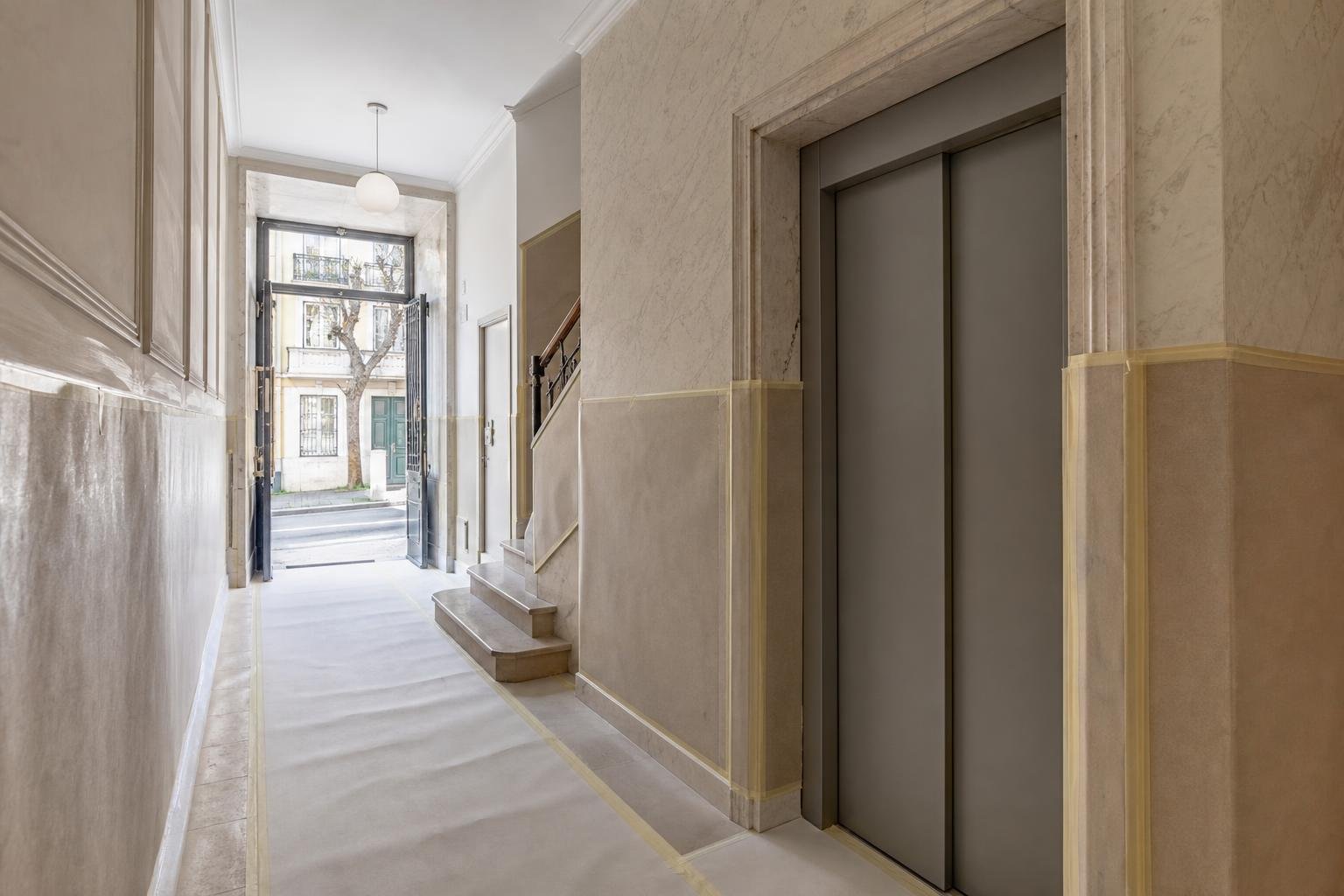
Effective protection is continuous at contact points, stable underfoot and removable without leaving adhesive marks, damp or staining behind. In a lift, it should shield vulnerable walls and, where required, the floor, without covering controls, ventilation, lighting, sensors, signs or door operation. Lightweight reusable panels, secured properly, are generally more reliable than loose cardboard propped against the walls.
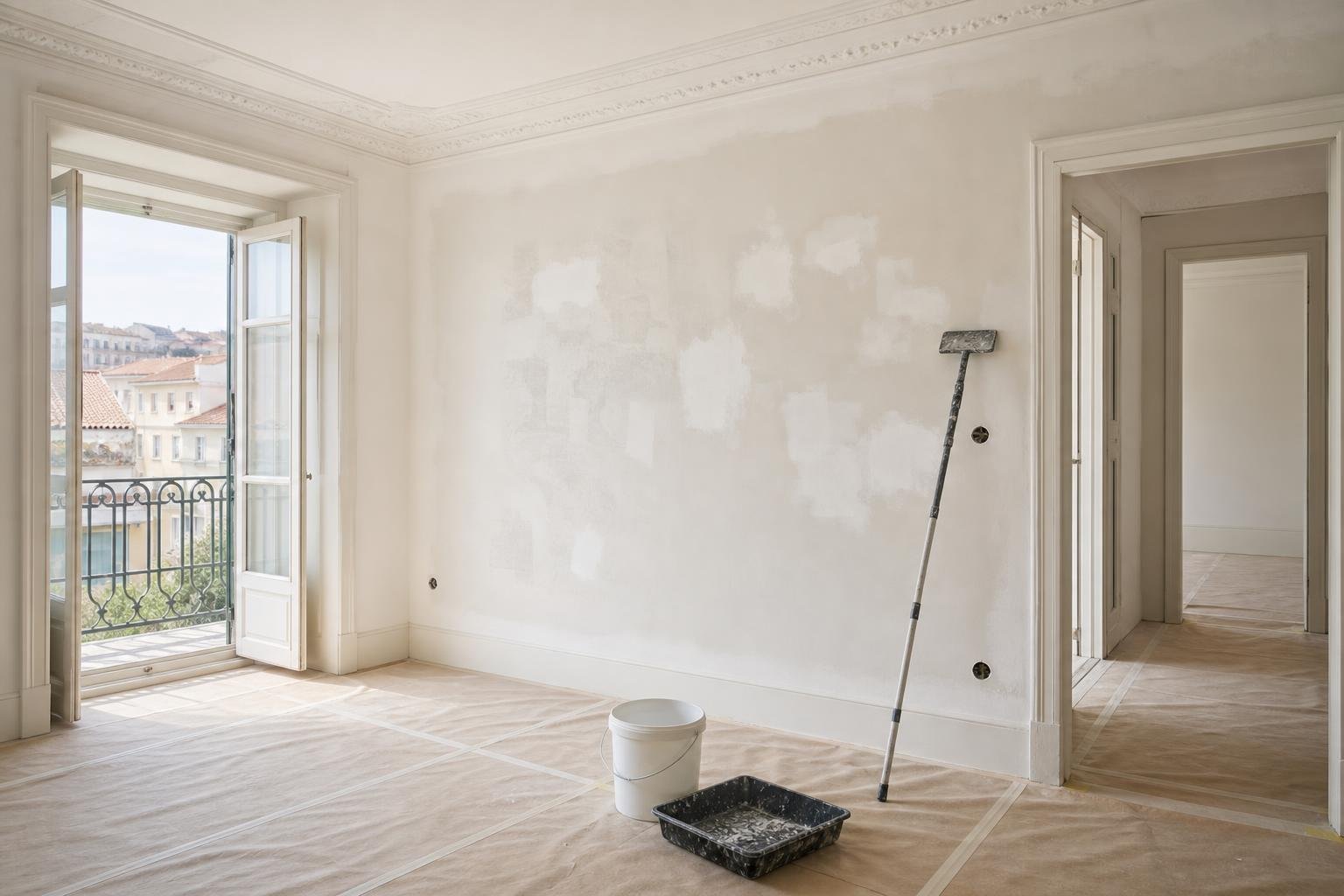
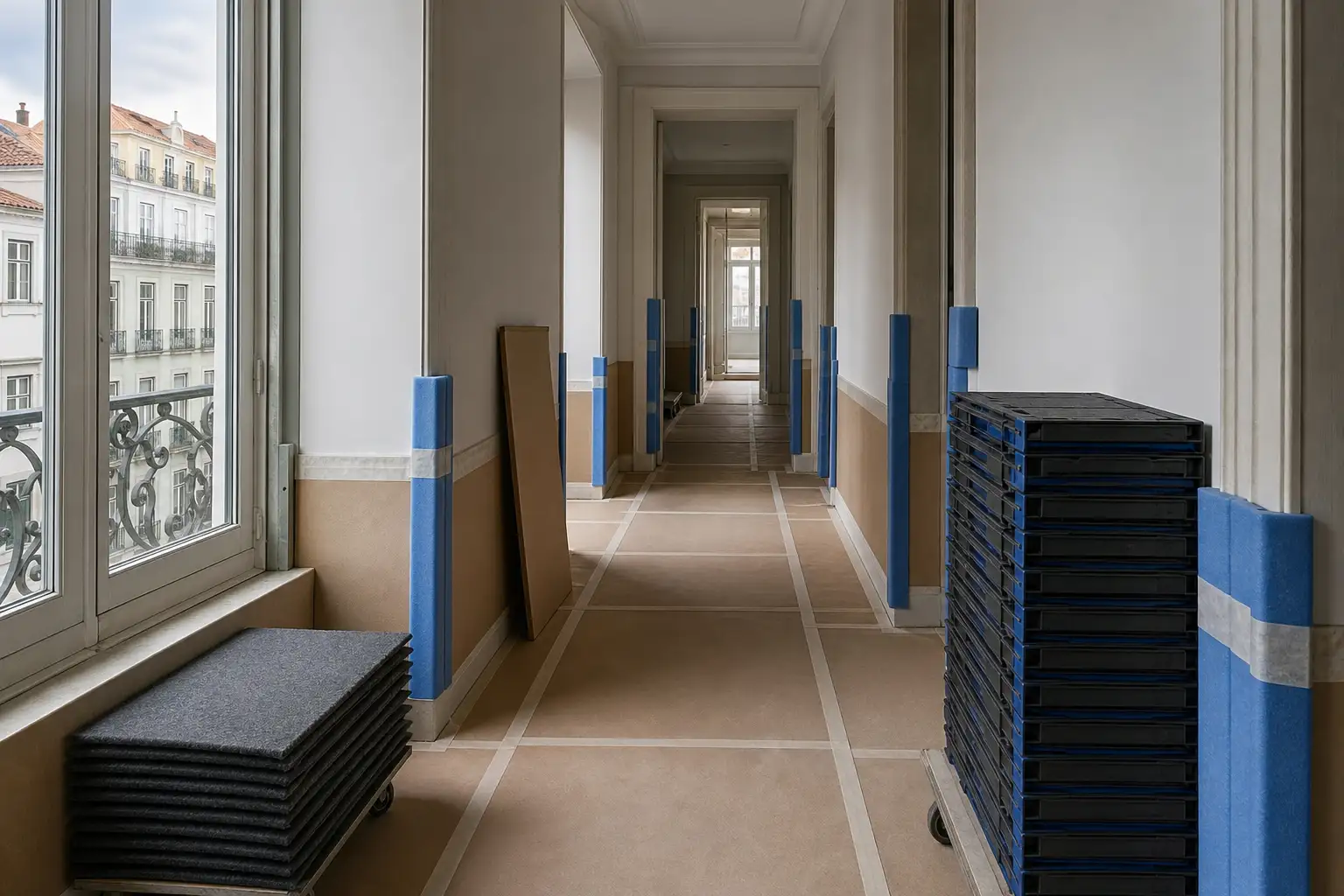
On corridors and landings, protect corners, door frames, handrails and floors first. A cushioning layer beneath rigid boards can reduce minor impacts; on timber, polished stone or traditional patterned tile, avoid aggressive tape and materials that trap moisture. Protection must not curl at the edges, slide, or reduce the clear passage excessively.
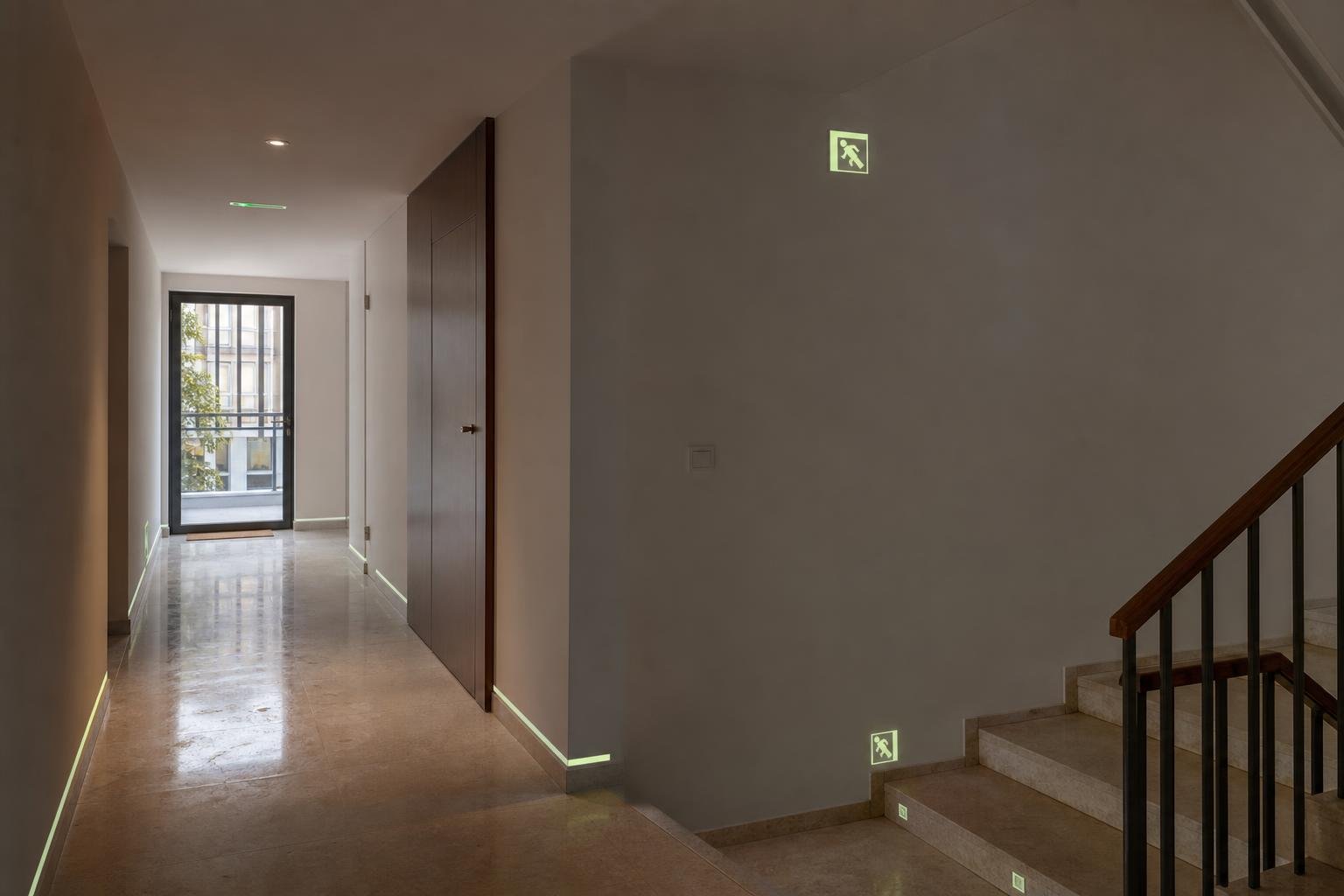
Do not cover every surface indiscriminately. Too much protection can hide level changes, create trip points and make cleaning harder. Limit it to the areas genuinely used for transport, while keeping fire extinguishers, electrical cabinets, fire doors and safety signs visible. Temporary Floor Protection During Renovation offers further guidance on matching materials and installation sequence to the existing finish.
Treat the lift as a limited transport resource, never as storage
A lift should move goods, not hold them. Schedule deliveries in batches, assign someone to accompany awkward loads and remove packaging as quickly as possible. Boxes left in the lobby “for only half an hour” tend to remain there when another supplier arrives or the team needs time to unpack.
Do not move items with exposed sharp edges, torn bags or loose tools. Internal doors, metal profiles and worktops should travel wrapped and secured; paints, adhesives and other liquids need to remain sealed and upright. If there is a risk of dripping or dust, preparation should happen inside the apartment or in a specifically authorised area, never beside letterboxes or the lift entrance.
Set one clear rule: each delivery must leave the route as unobstructed as it found it. That includes removing plastic, cardboard, tape and damaged pieces of temporary protection. This discipline lowers the risk of falls, prevents the building from feeling taken over by the renovation and makes a multi-week project easier for residents to live alongside.
Plan street use, skips and collections as a separate task
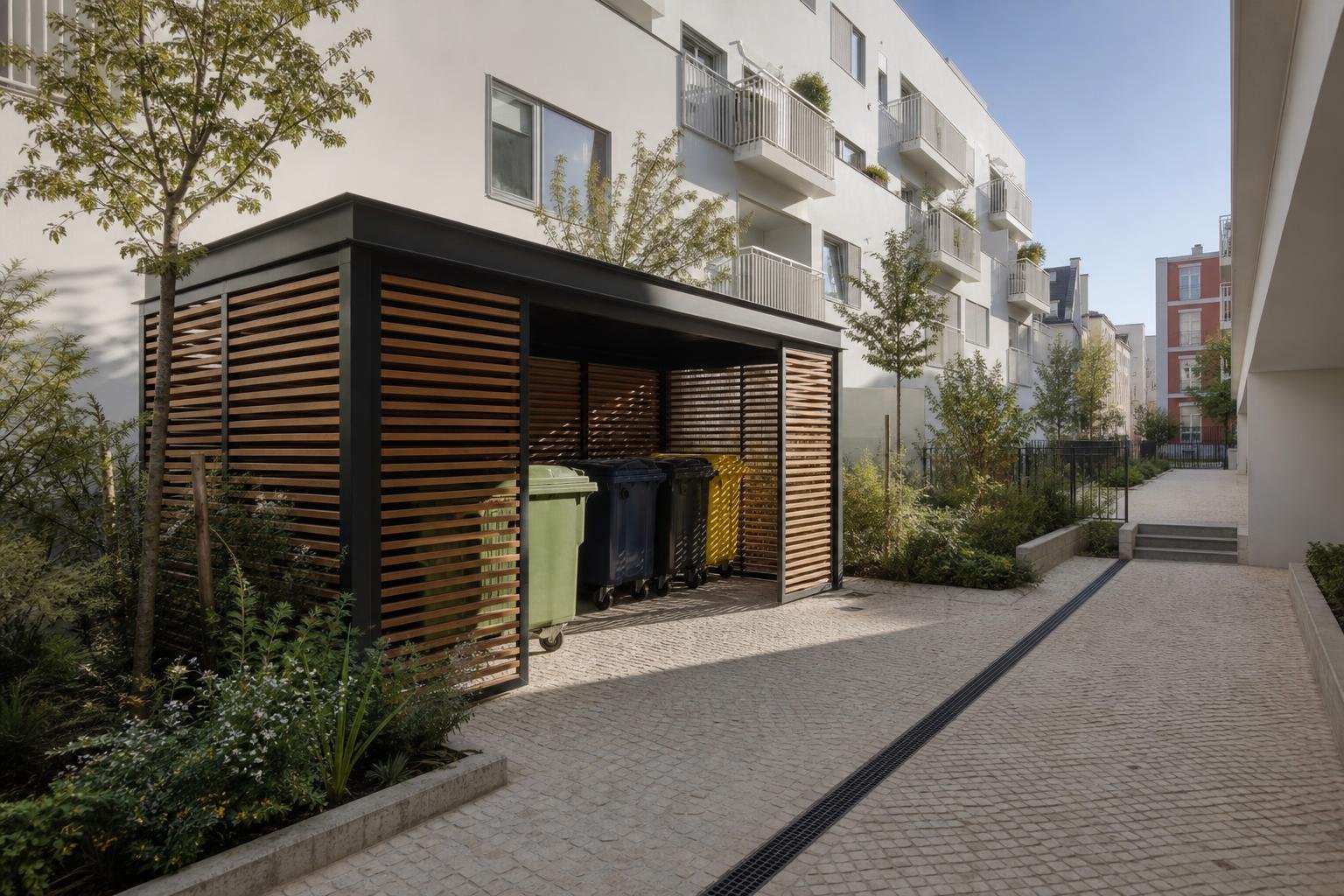
Protecting common areas does not solve the outside logistics. Where a renovation needs a skip, material storage, scaffolding or other equipment on the street, separate municipal procedures may apply. In Lisbon, even internal works exempt from planning control may require a licence to occupy public space. The city’s guidance explains that the occupation plan must address matters including pedestrian routes, barriers, equipment, signs and scheduling. Check the rules on public-space occupation for works exempt from prior planning control before booking a delivery or waste collection.
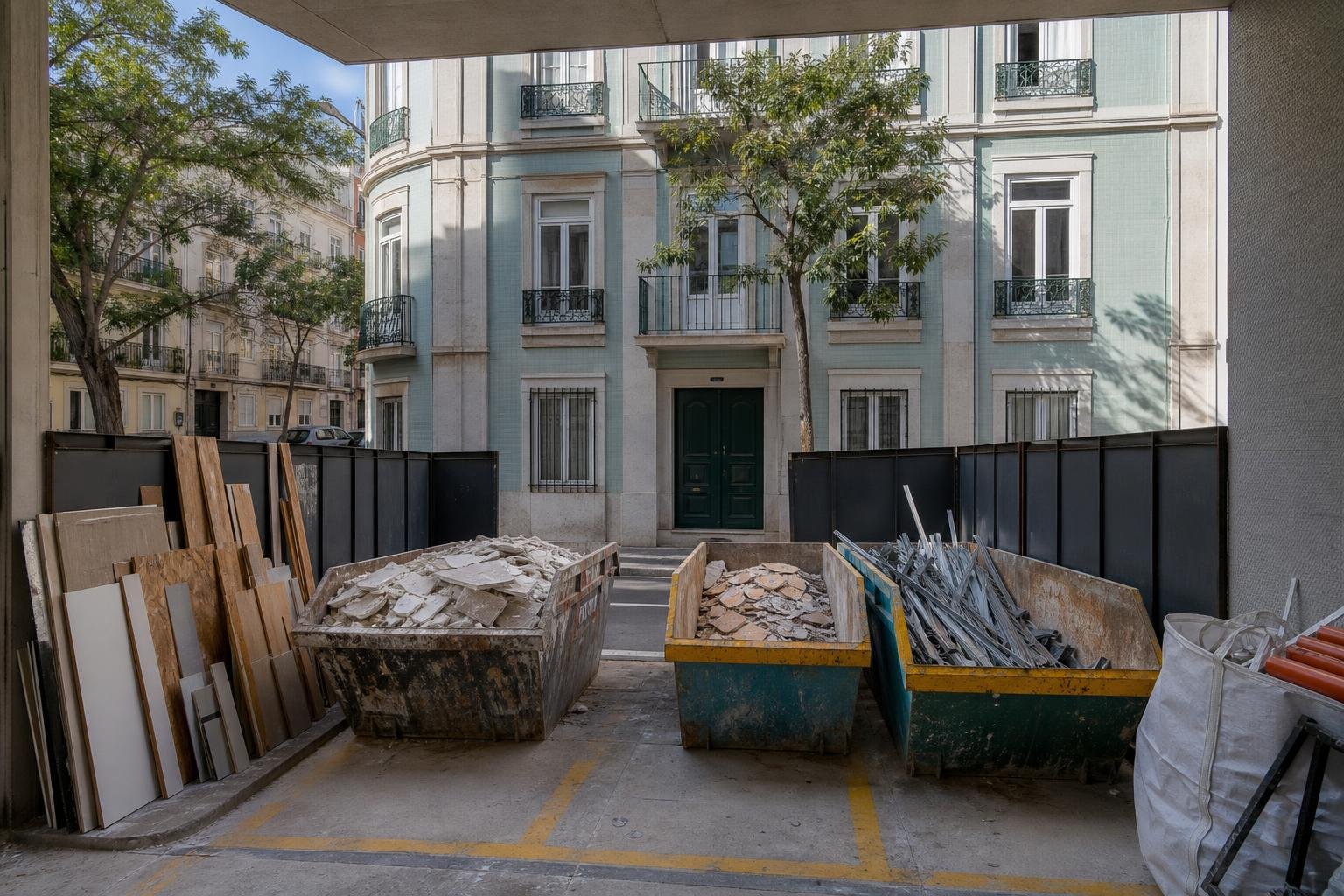
Do not use the building entrance as a substitute for a skip that has not yet arrived. Rubble bags, pallets and equipment must not occupy circulation areas, doors or emergency access. Plan a collection window, confirm the equipment capacity and keep the carrier’s contact details readily available in case the schedule changes.
If the renovation will generate waste, read Renovation Waste in Lisbon: How to Plan Sorting, Removal and Street Occupation for a practical approach to sorting, removal and use of the street.
Finish each day with a short, factual inspection
At the end of each working day, walk through the lift, lobby, stairs and pavement approach again. Look for lifting corners, broken boards, moisture trapped below coverings, accumulated dust, obstructions, fresh marks and doors that no longer open freely. Five minutes each day can resolve a minor problem before it becomes a disputed repair between the condominium, contractor and apartment owner.
Keep photos of the protection in place, particularly before heavy deliveries. If an incident occurs, report it early, record what happened and agree how reinstatement will be handled. Trying to conceal damage or delaying the conversation rarely reduces conflict.
Once the heaviest transport stage is complete, remove protection area by area, clean the finishes and compare the result with the initial record. A proper renovation handover includes returning shared spaces clean, usable and free from marks attributable to the work. It is one of the most practical ways to show respect for the building and the people who live there.
For the legal framework governing construction-business activity and contractor access, consult Law no. 41/2015 in the Diário da República.
A well-organised renovation protects the apartment and the building around it. If you are preparing work in Lisbon and want to plan routes, phases and shared-area protection before the project begins, Obra Lisboa can help structure that preparation.
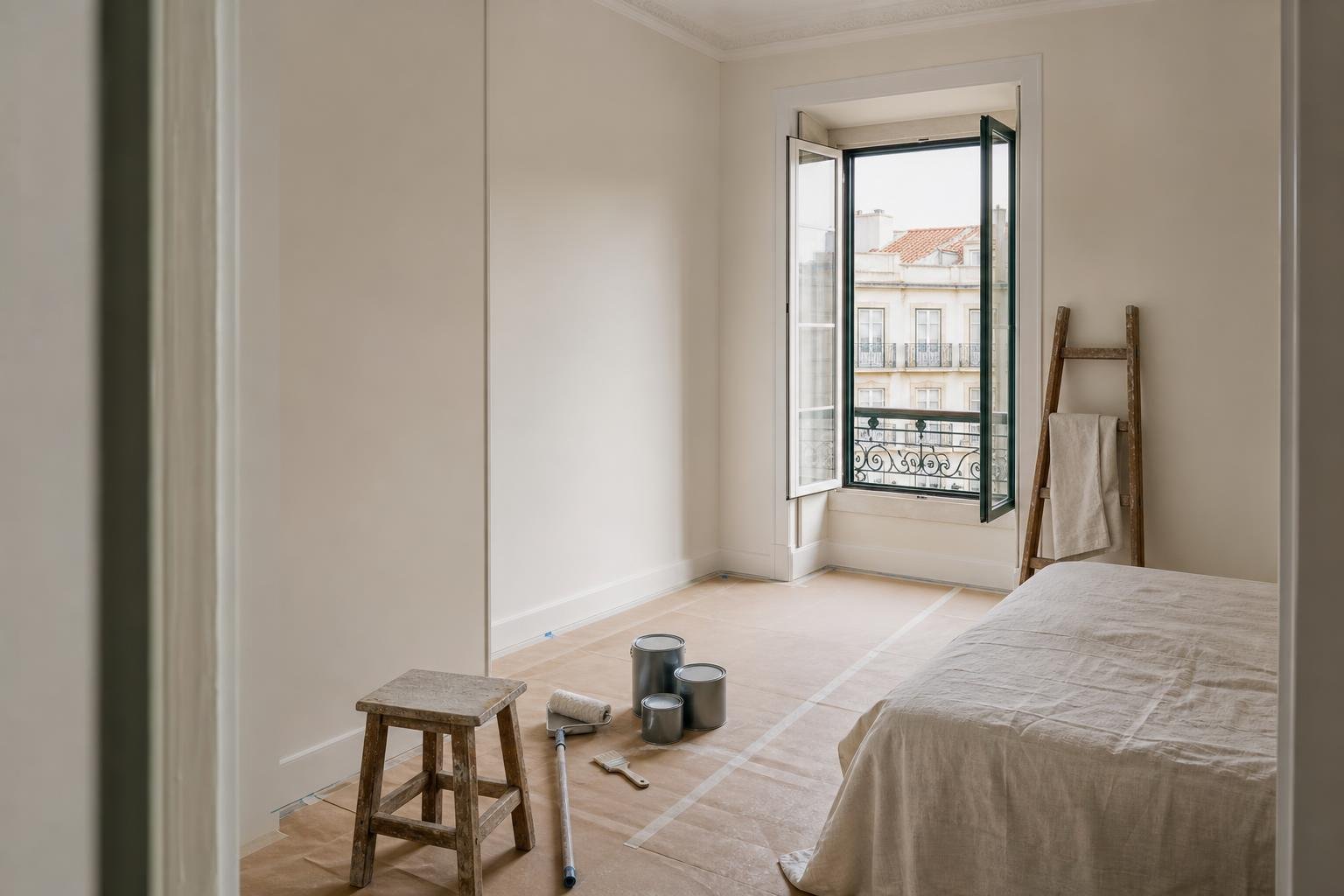
AI-generated editorial image; it does not depict an Obra Lisboa project.

Obra Lisboa