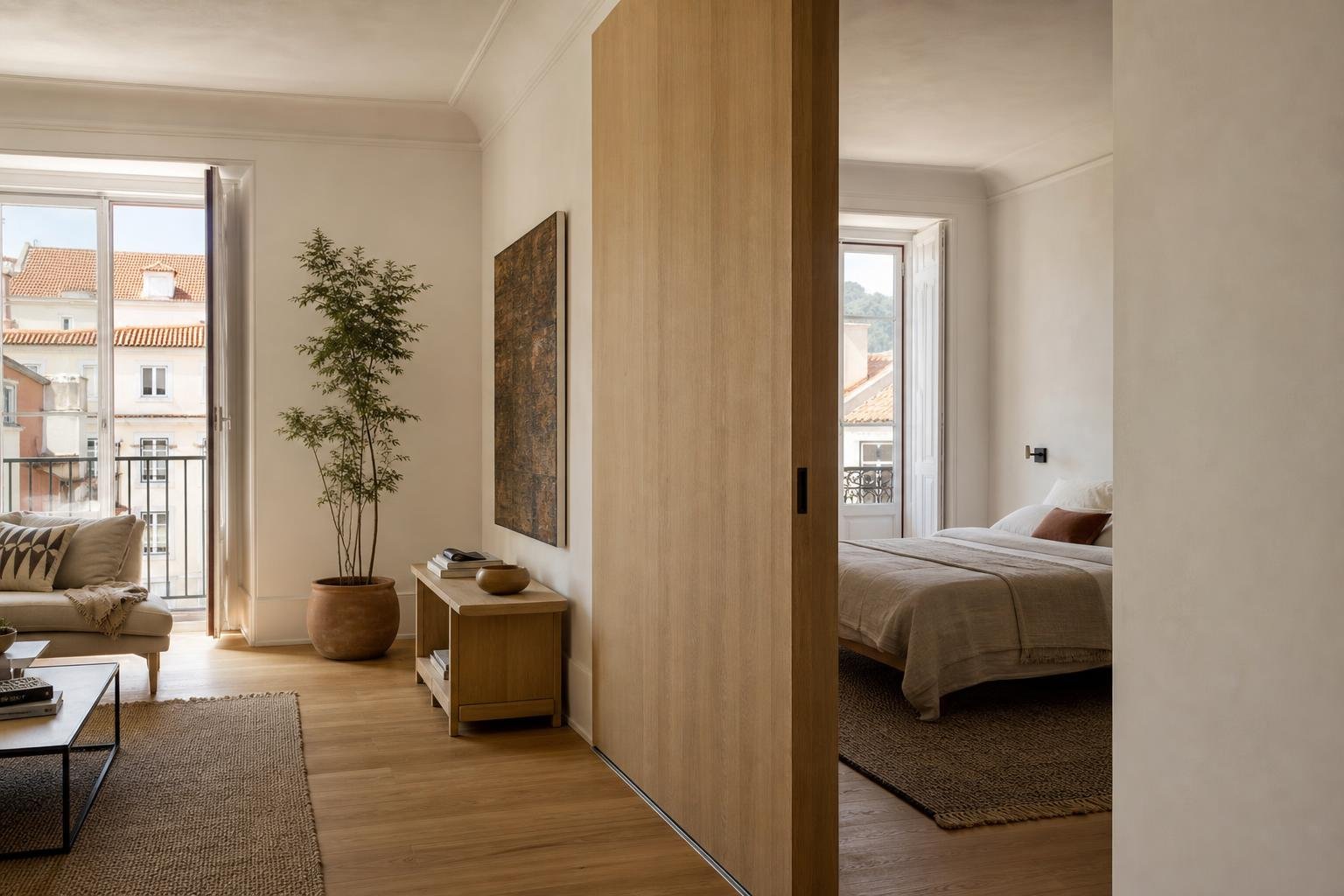
A suitcase left behind a door, above a wardrobe or in a hallway may seem harmless until it stops a drawer opening, makes cleaning difficult or turns a narrow route into an obstacle. In Lisbon apartments, where usable floor area demands deliberate choices, the best answer is rarely to find any empty gap. It is to give each item a permanent place, with access that matches how often it is used.
Before ordering joinery or closing a plasterboard wall, count the suitcases you actually own, measure them including wheels and handles, and choose storage according to weight, humidity and the circulation the home needs. The aim is not to hide everything at any cost. It is to keep the entrance, bedrooms and exits clear without creating a cupboard that is frustrating to use.
Start with an inventory, not a cabinet
Sort luggage by size and use: cabin case, medium case, large case, hard-shell case, travel bag and seasonal items such as sleeping bags or beach equipment. Measure width, depth and height in the position in which each item will be stored. A large suitcase may fit flat inside a niche but need more depth than a standard cabinet can offer; stored upright, it may require a tall shelf or a compartment with no internal divisions.
Then ask two practical questions: how many times a year does each item come out, and who has to lift it? Heavy cases used rarely can occupy the high zone. A weekend case should sit between hip and shoulder height, without requiring boxes or bed linen to be moved first. Leave a small clearance around it so the case can be removed without scraping doors, hinges or cabinet fronts.
- Record external measurements, including wheels, handles and covers.
- Decide whether cases will be empty, nested inside one another or partly filled.
- Do not design a niche around one suitcase only: the next one may have a different shape.
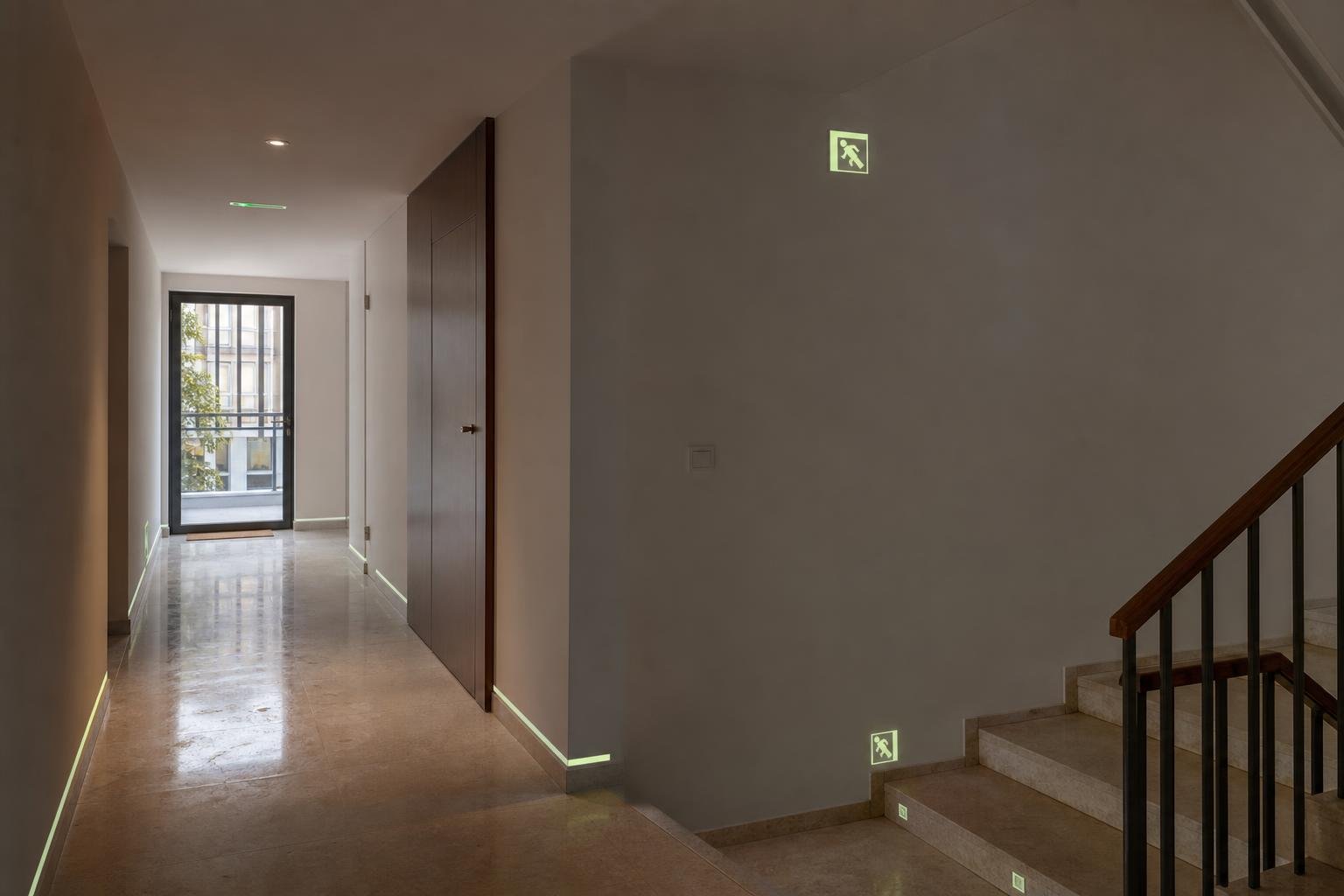
Keep hallways, entrances and escape routes usable
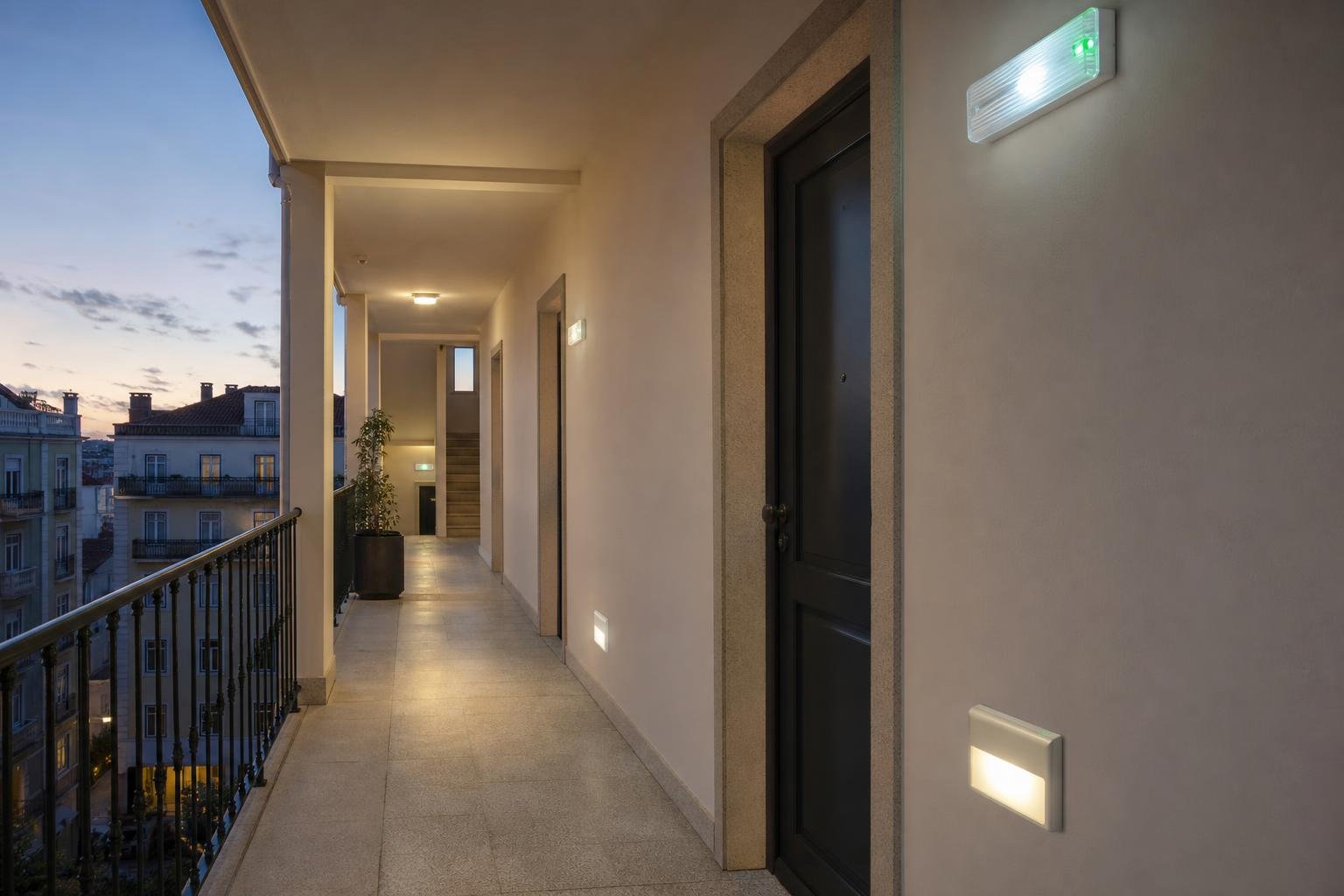
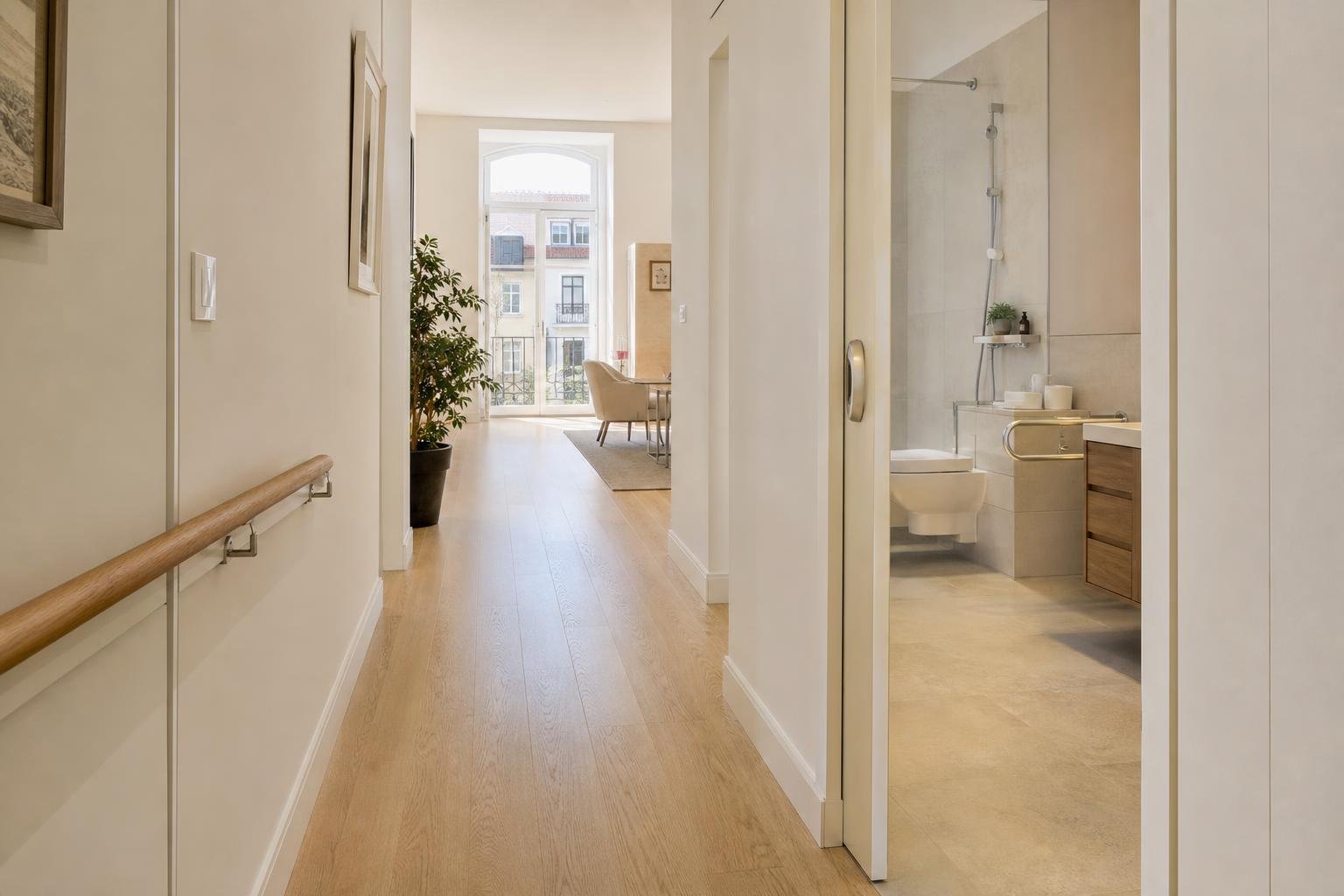
A hallway should not become permanent temporary storage. Even in a small apartment, routes to bedrooms, the kitchen and the front door need to remain obvious and free of protruding objects. This matters especially where children, people with reduced mobility or anyone using a pushchair, walking stick or other support lives in the home.
Portugal’s accessibility framework for residential buildings sets technical conditions for access and circulation in the situations it covers. It does not replace project-specific advice for an existing apartment renovation, but it is a useful reference against treating pinch points as normal. Do not base a layout on a case that only “fits” when nobody walks past. If a door opens into the storage zone, check its swing as well as the ability to leave the home without moving objects.
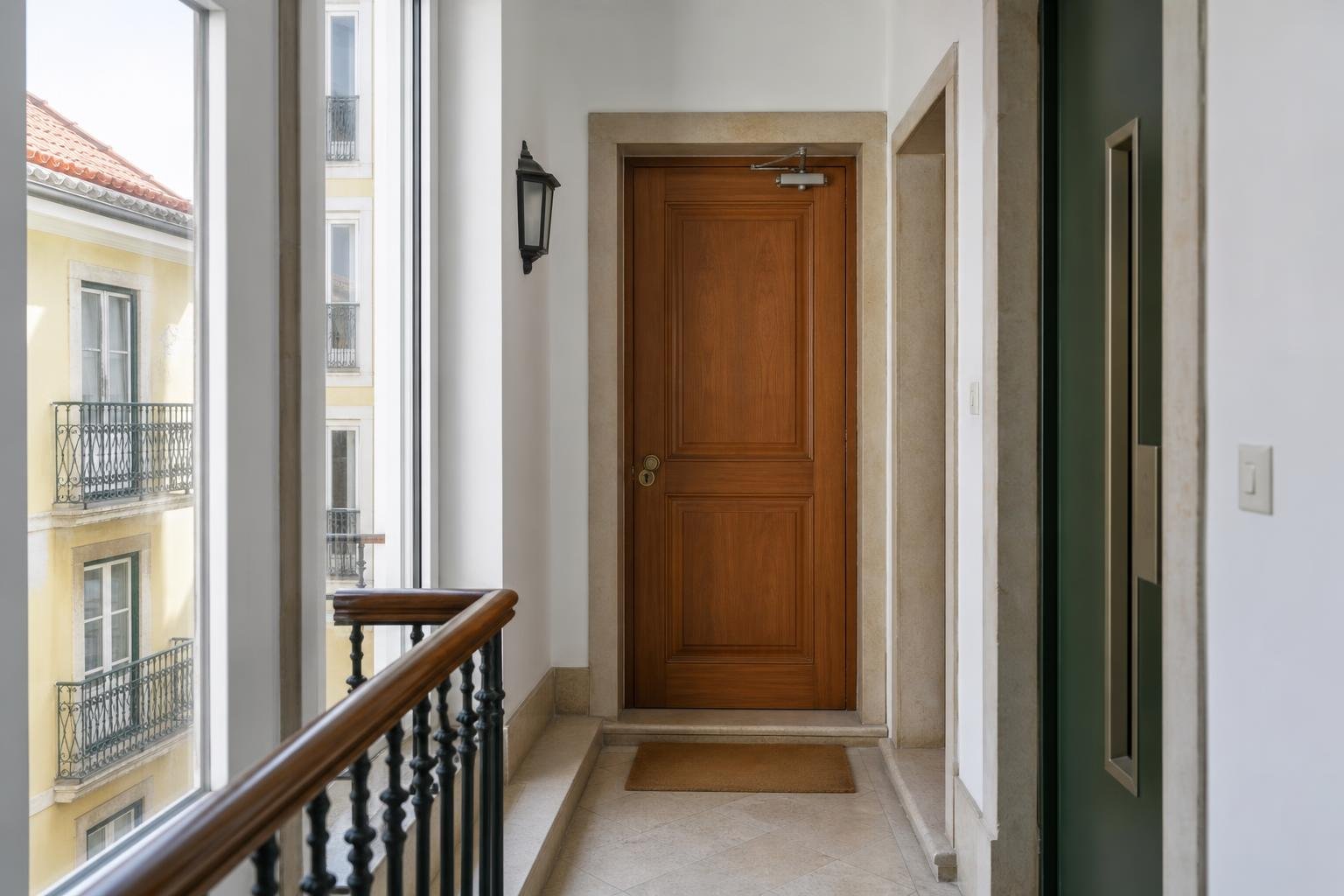
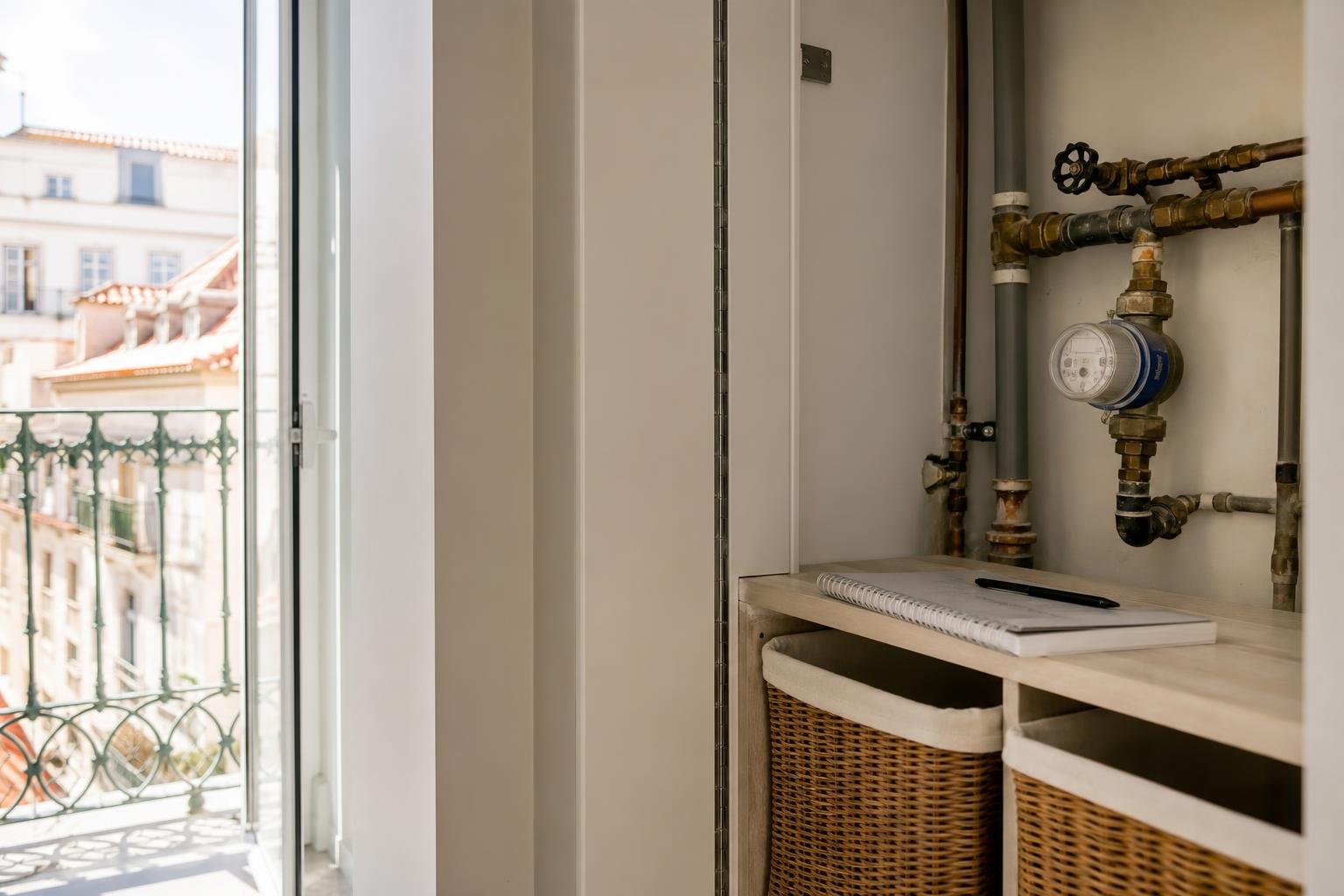
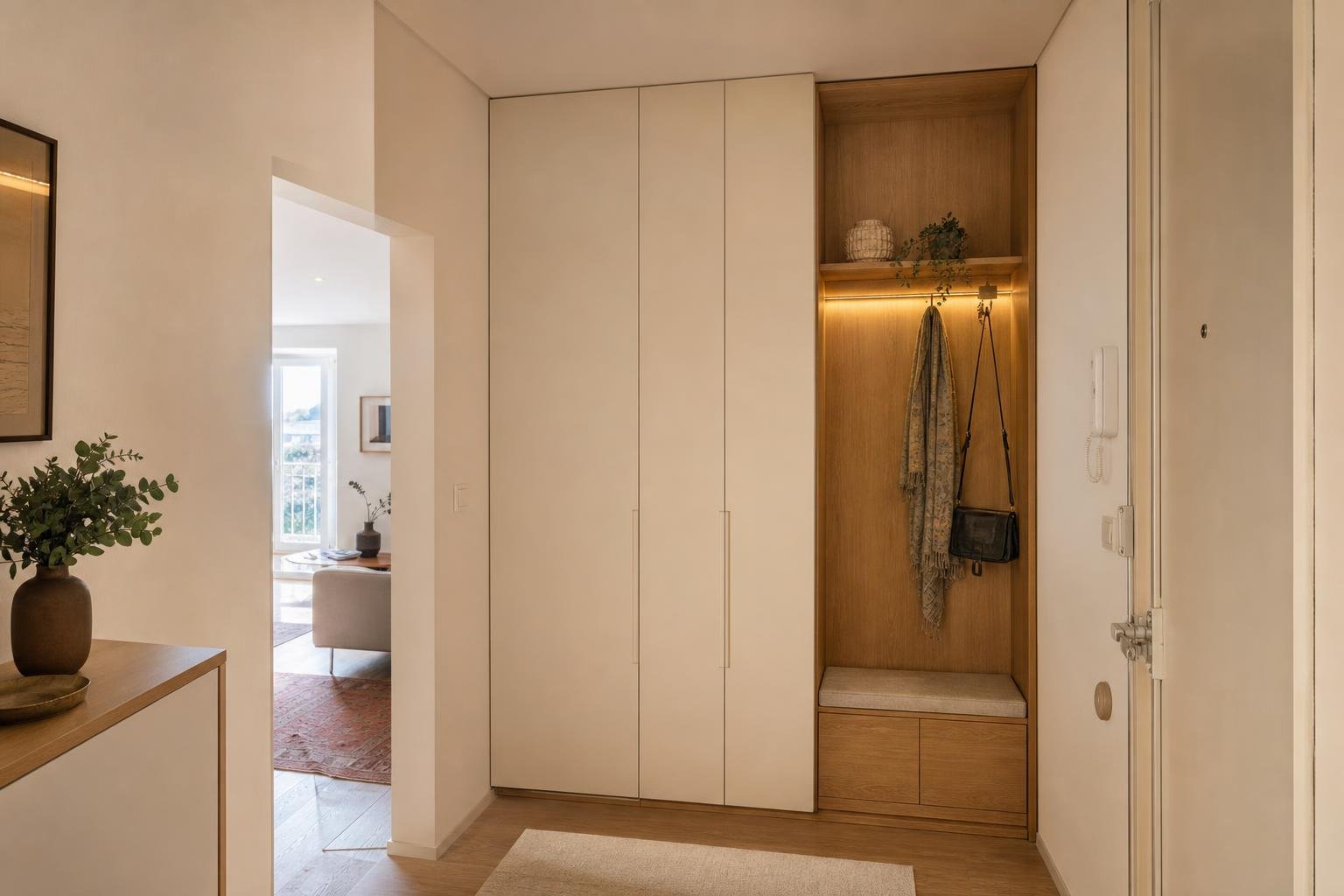
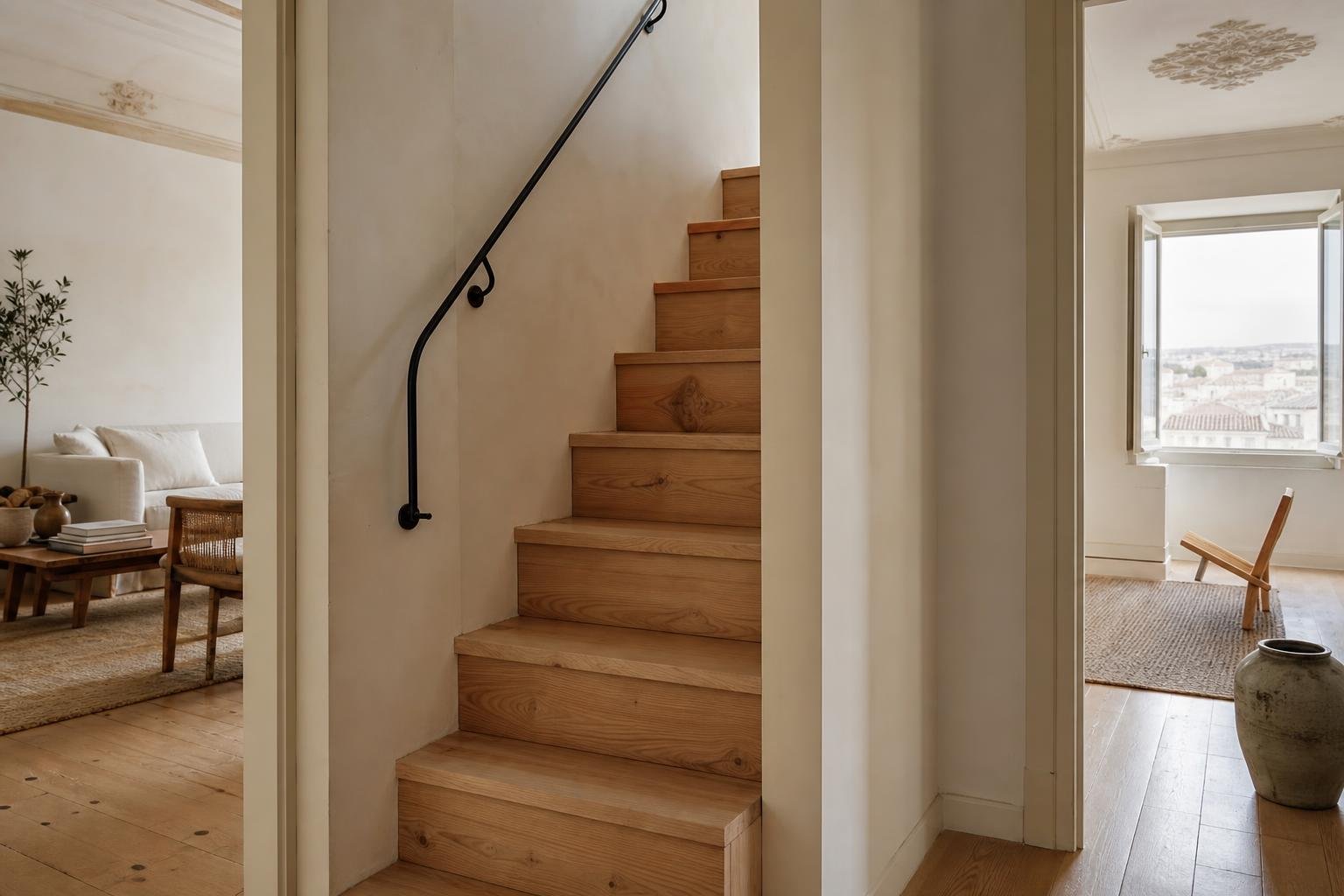
In older Lisbon buildings, narrow entrance halls and apartment doors close to the landing make this review even more important. A discreet cabinet near the entrance can work well, but only if its depth does not narrow the route or obstruct electrical panels, meters or technical access points.
Choose the location by use and weight
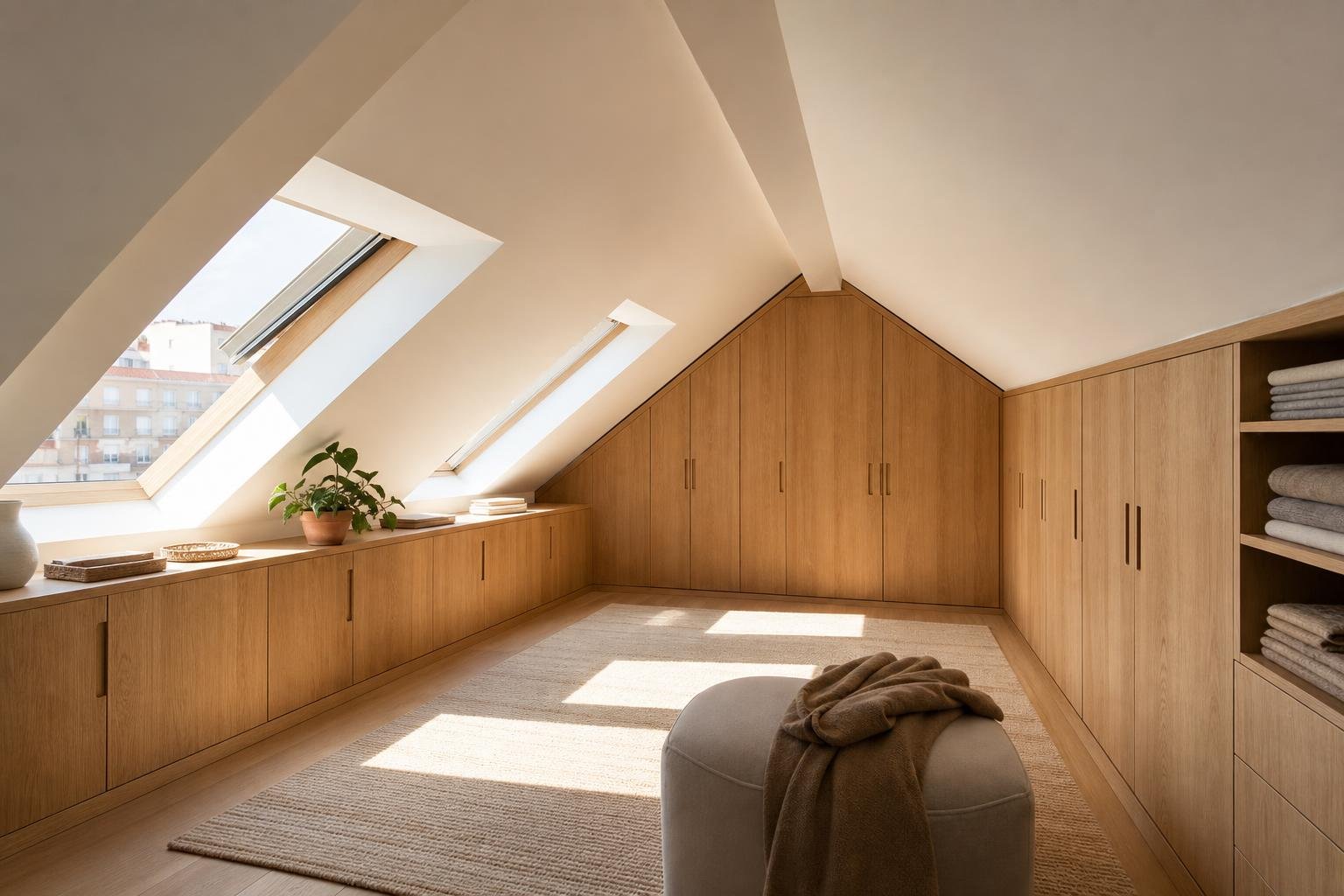
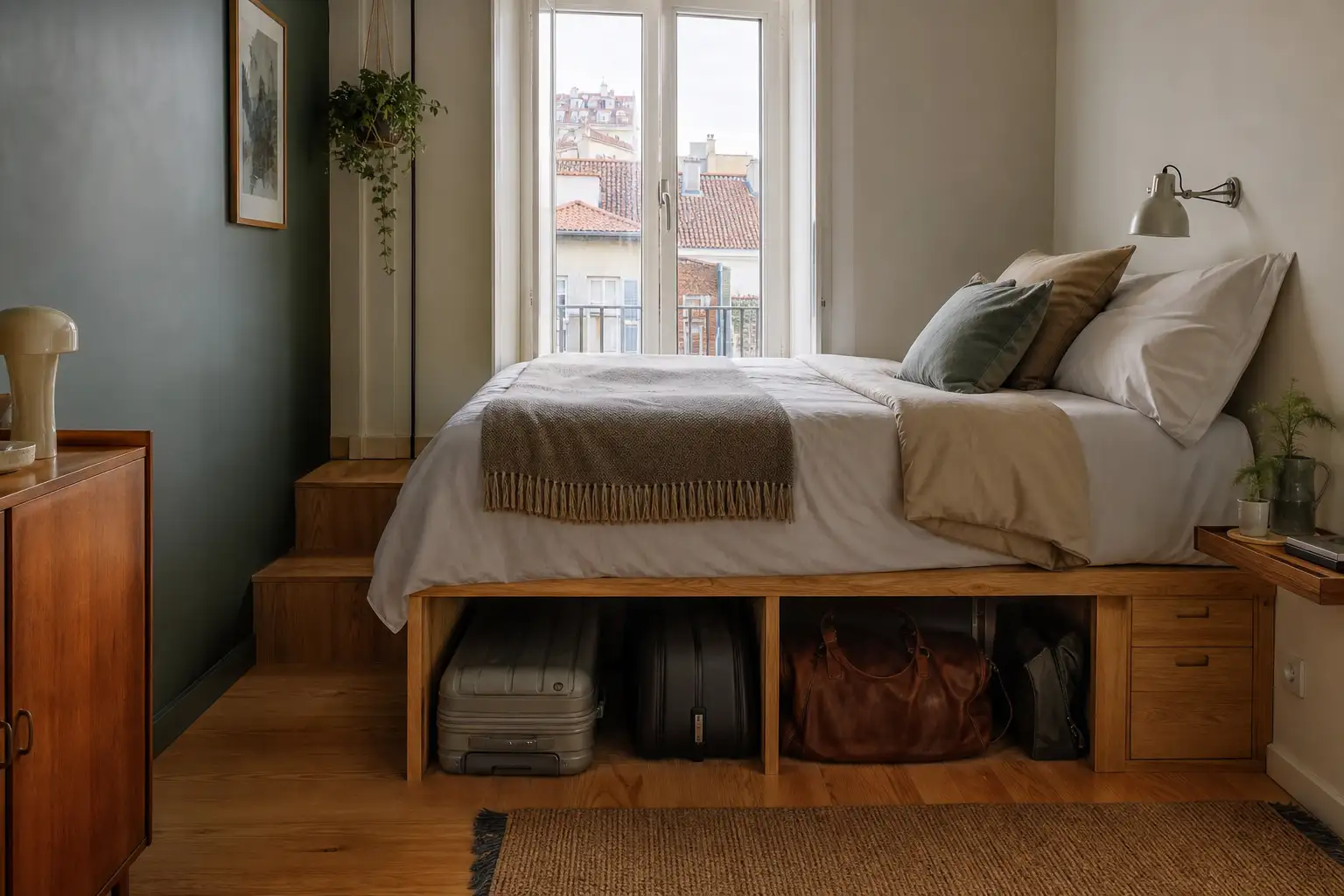
Four locations can work particularly well when they are properly sized. The first is the top of a wardrobe: suitable for light or nested luggage, provided the shelf is strong and the cases can be taken down safely. The second is the wardrobe base, useful for cabin luggage only when it does not take away essential room for shoes or drawers. The third is a bed with drawers or a lift-up base, as long as the volume is protected from dust and can be reached without trying to raise a heavy mattress alone.
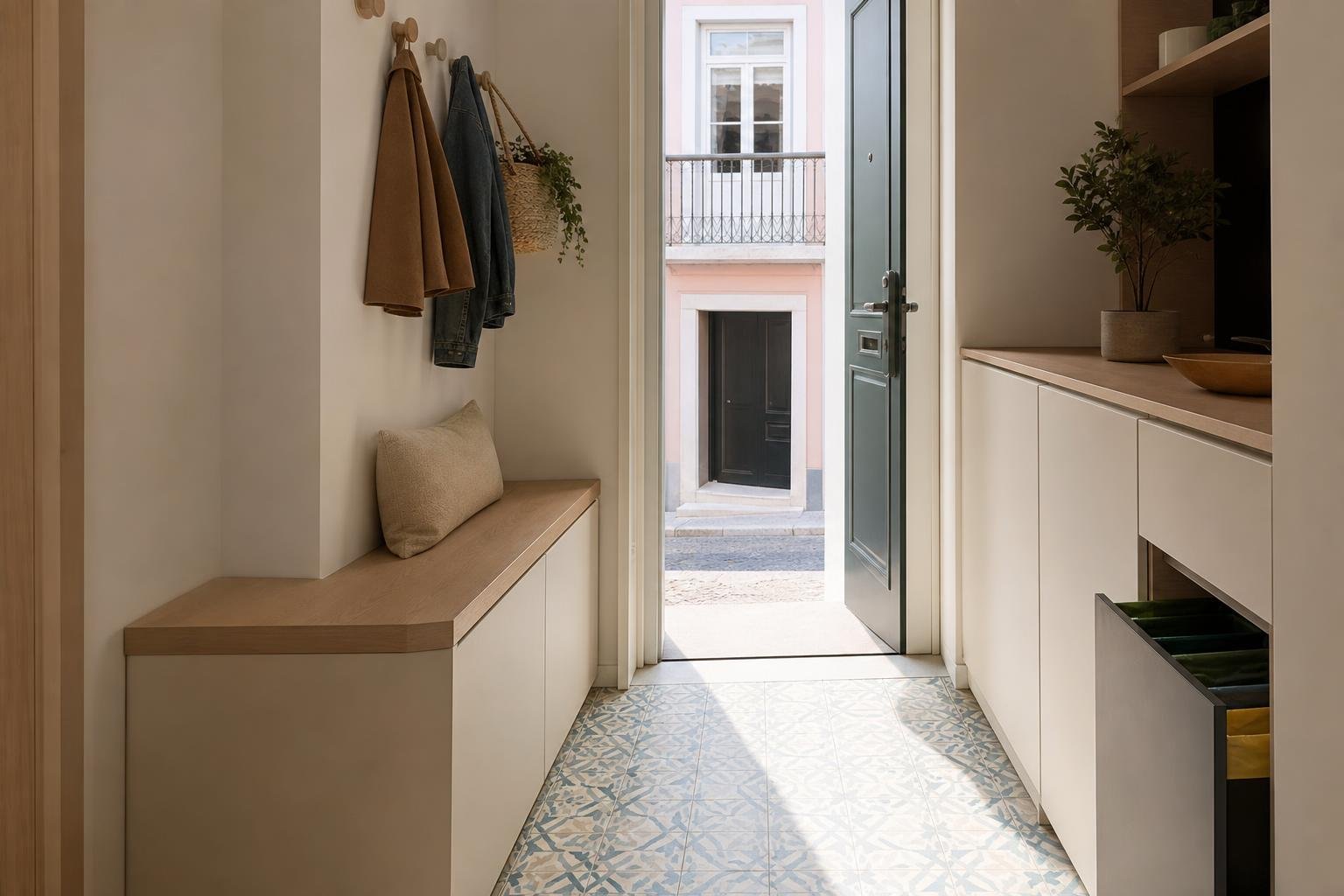
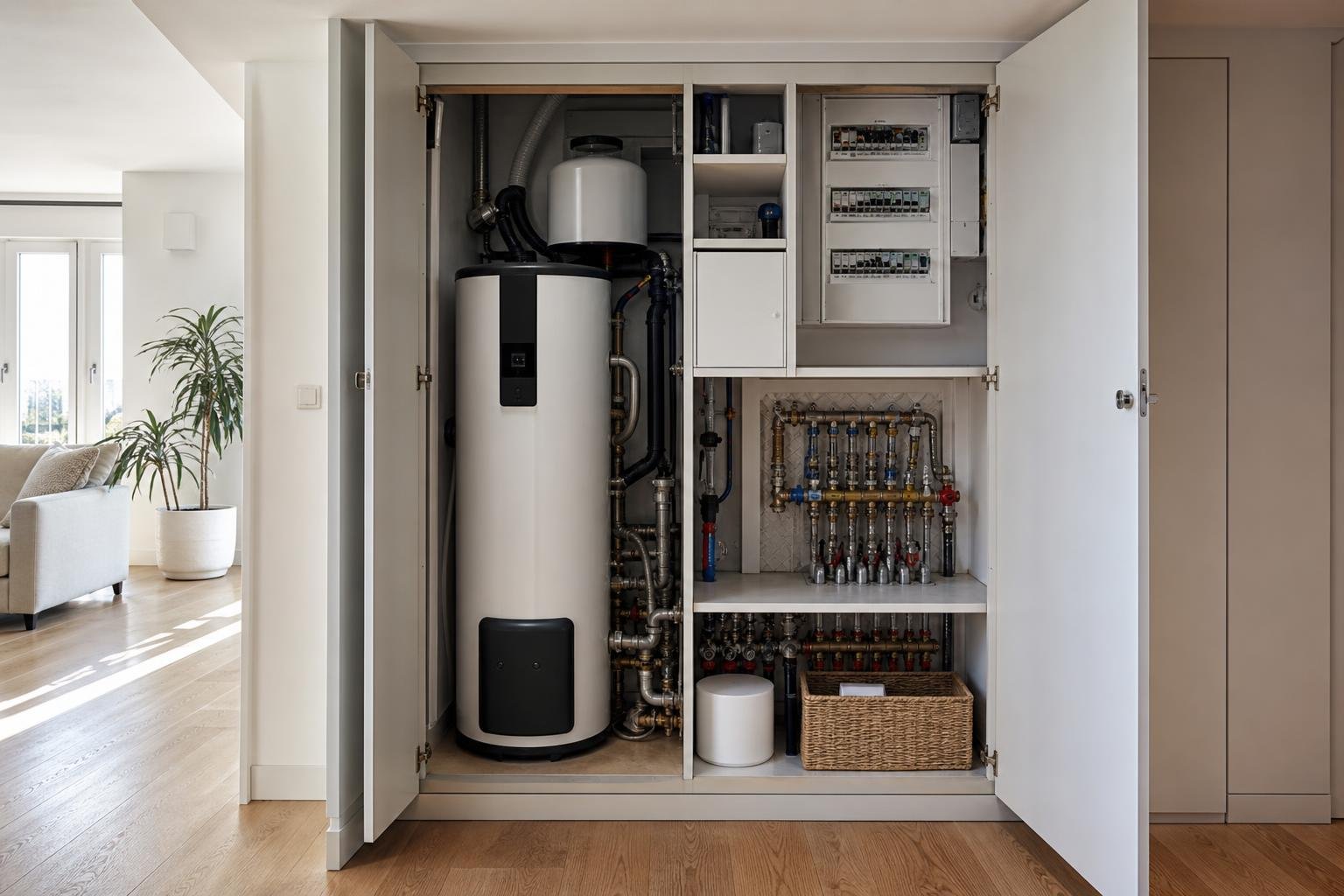
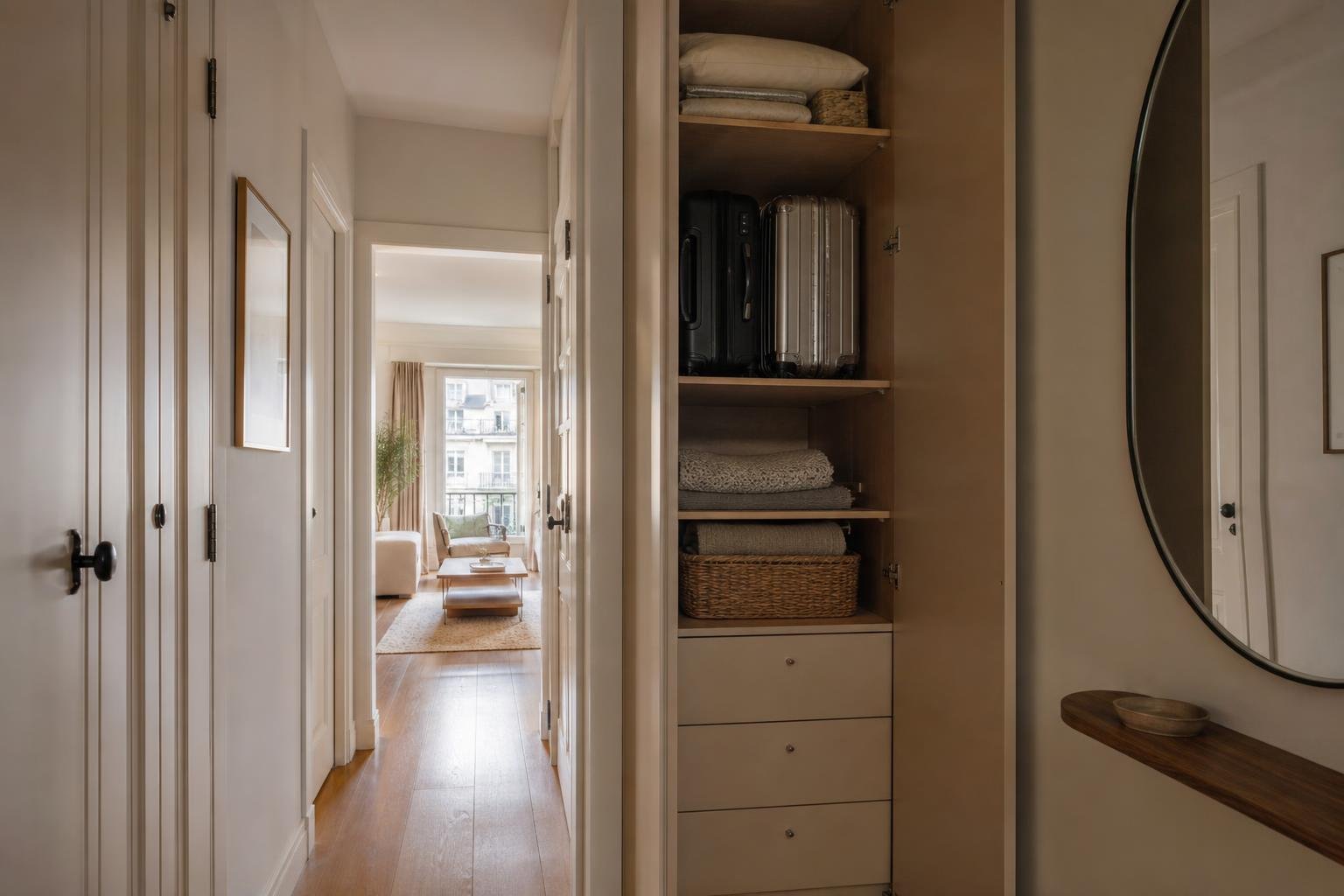
The fourth is a tall cabinet in the entrance hall or a generously sized circulation area. It can combine luggage, a vacuum cleaner and seasonal items, but needs a clear internal layout. For a useful overview of depth, doors and access when planning joinery, see built-in wardrobes in a renovation.
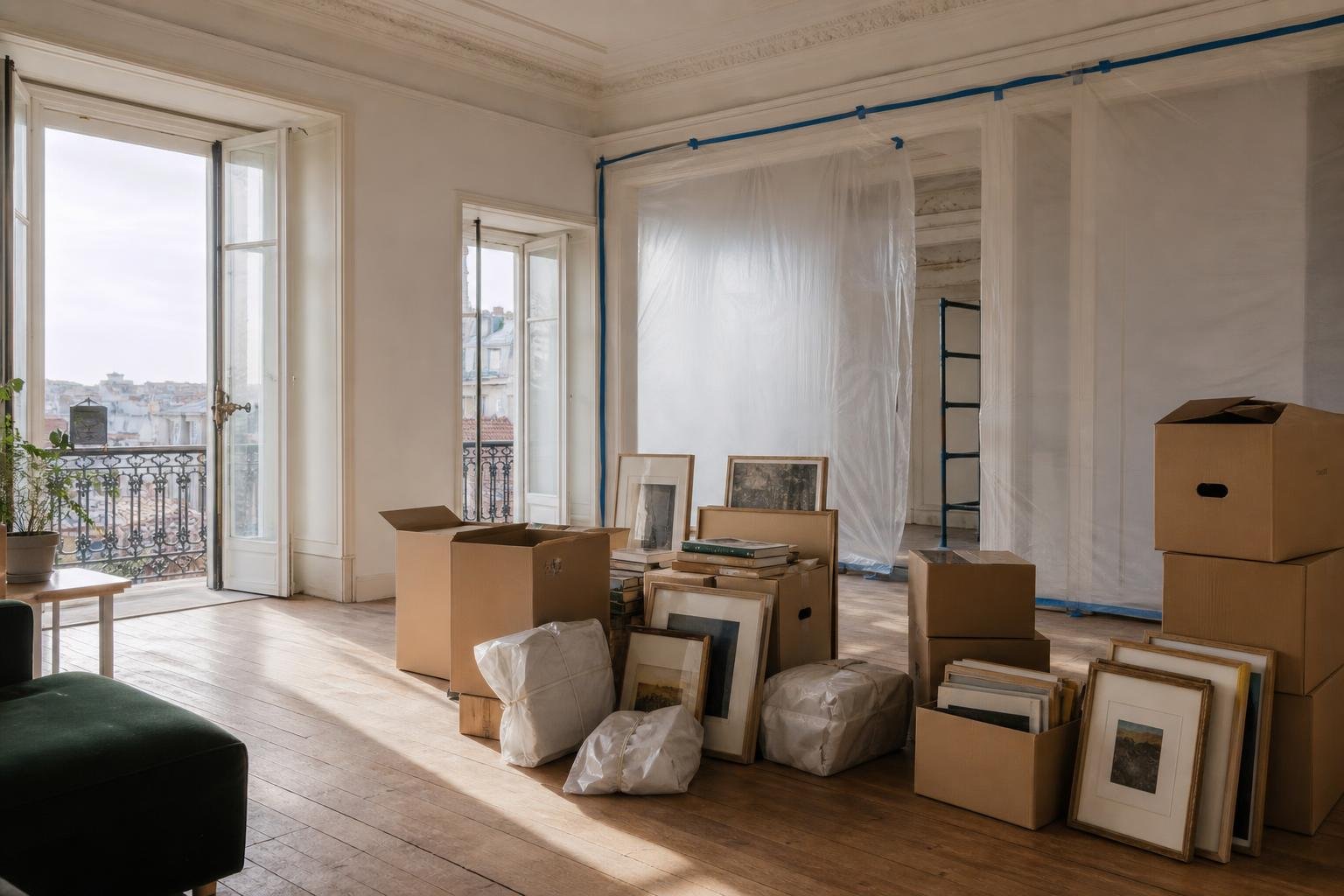
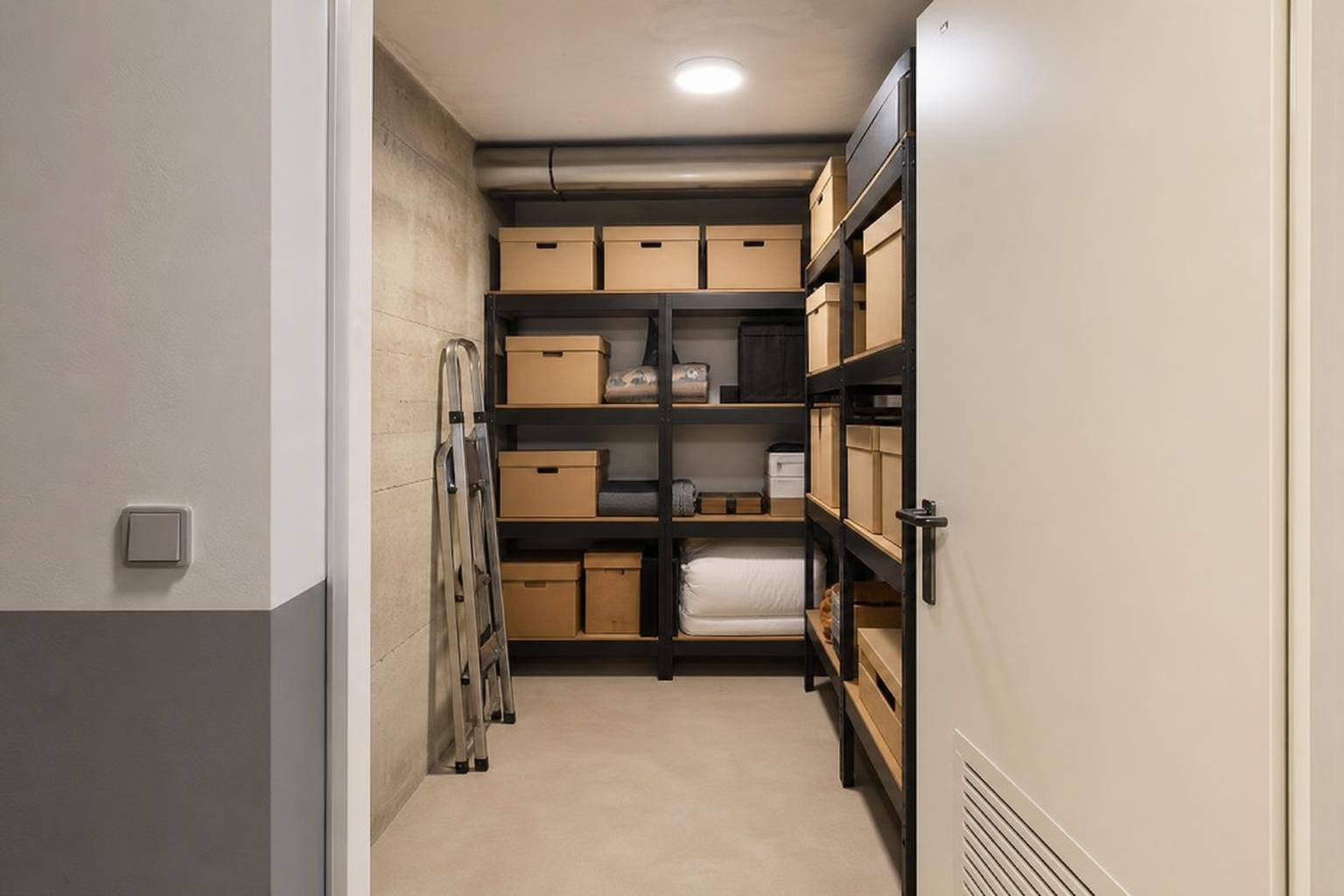
Avoid putting heavy volumes on unstable upper units, shelves without adequate support or suspended ceilings. Do not automatically treat the building’s storage room as an extension of the flat either: check its permitted use, moisture conditions and security before moving luggage, boxes or sensitive belongings there.
Design the cupboard for retrieval, not merely for fitting items in
An effective luggage cupboard needs fewer subdivisions than a clothing wardrobe. Rather than filling the unit with fixed shelves, keep at least one open vertical area for tall cases and specify adjustable shelves so the arrangement can adapt over time. Hinged doors give a full view of the interior; sliding doors save swing space but reduce the accessible width at any one time.
Use washable surfaces at the base and avoid storing luggage directly on raw timber or carpet, particularly when a suitcase may return wet from a journey. A removable tray, raised base or thin technical mat makes cleaning easier. For stacked luggage, place the heaviest case at the bottom and choose breathable covers instead of fully sealed plastic bags.
If the idea involves altering walls, adding fixed storage in the hall or affecting common building elements, check the framework before work begins. Lisbon’s page on building works under prior communication makes clear that the nature of the intervention and the property affect the applicable procedure. Do not assume that internal work never needs technical review or condominium coordination.
Do not conceal damp, odours or ventilation problems
Luggage is often stored for months at a time. In a cabinet against a cold wall, a basement or a poorly ventilated enclosed balcony, it can retain a musty smell and transfer moisture to clothing, leather and papers left inside. Before blaming the suitcase, look for signs in the compartment: condensation, marks, distorted skirting boards, a persistent odour or corroded fittings.
The Portuguese Directorate-General of Health recommends daily home ventilation and additional ventilation during moisture-producing activities such as cooking, bathing, washing and drying clothes. For luggage storage, this leads to a straightforward rule: do not close a cupboard against a wall with active damp, and do not cover existing air grilles with boxes or panels. Resolve leaks or condensation first; invest in the cabinet afterwards.
After a wet trip, let suitcases dry and air out before storing them. Remove food, toiletries that could leak and damp clothing. A small label inside the cabinet showing the last cleaning date can stop useful storage from becoming a forgotten deposit.
Use renovation work to solve two needs at once
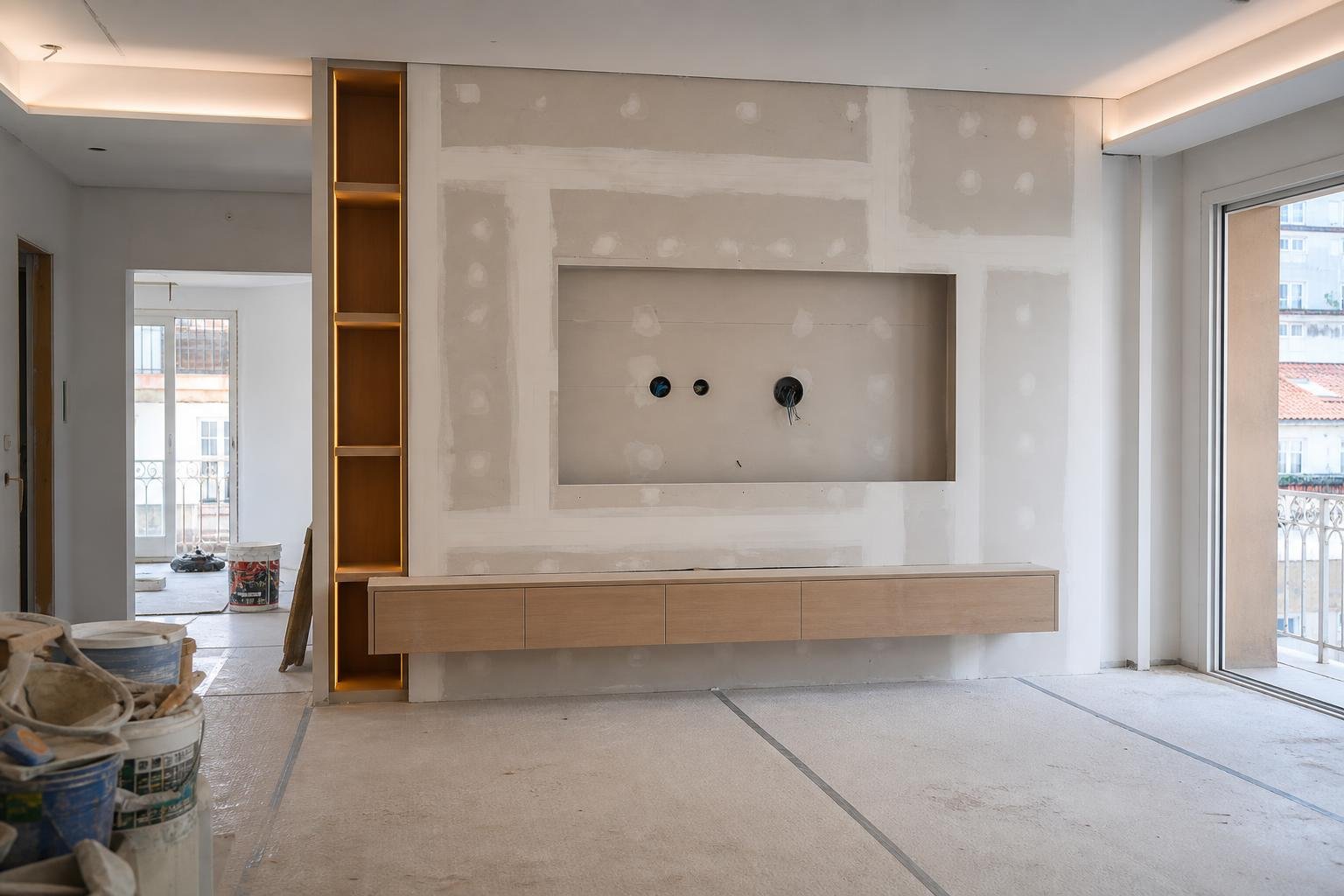
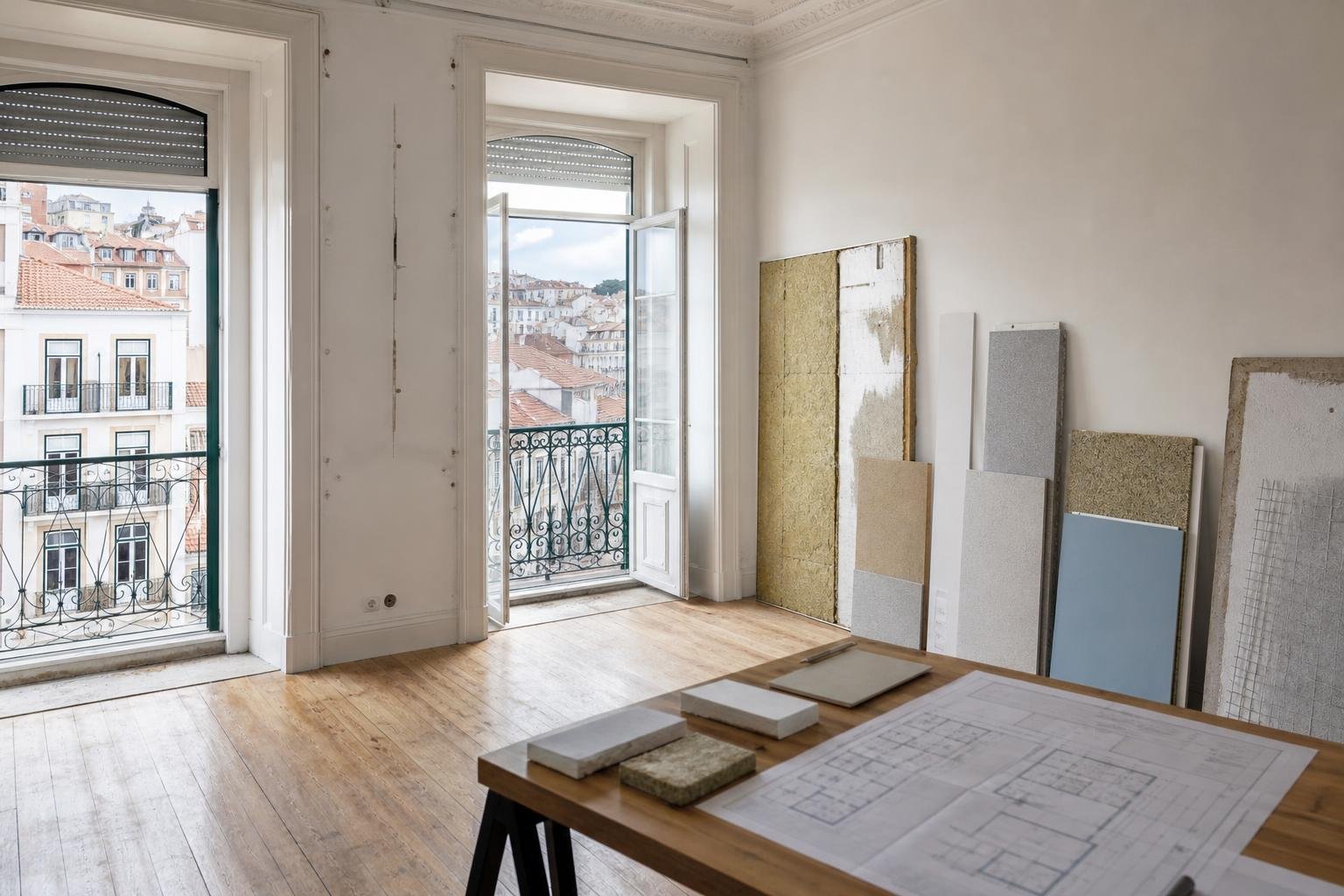
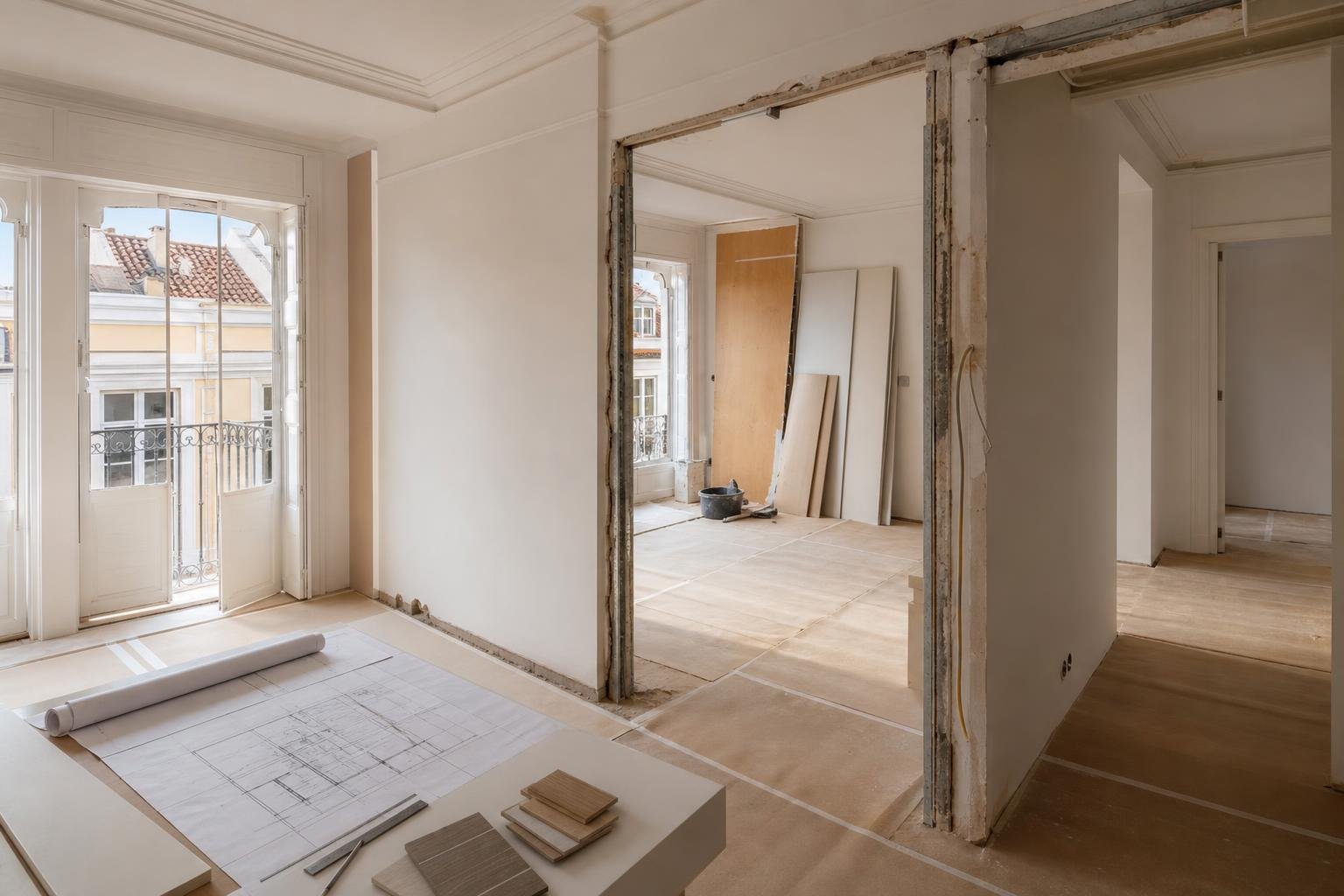
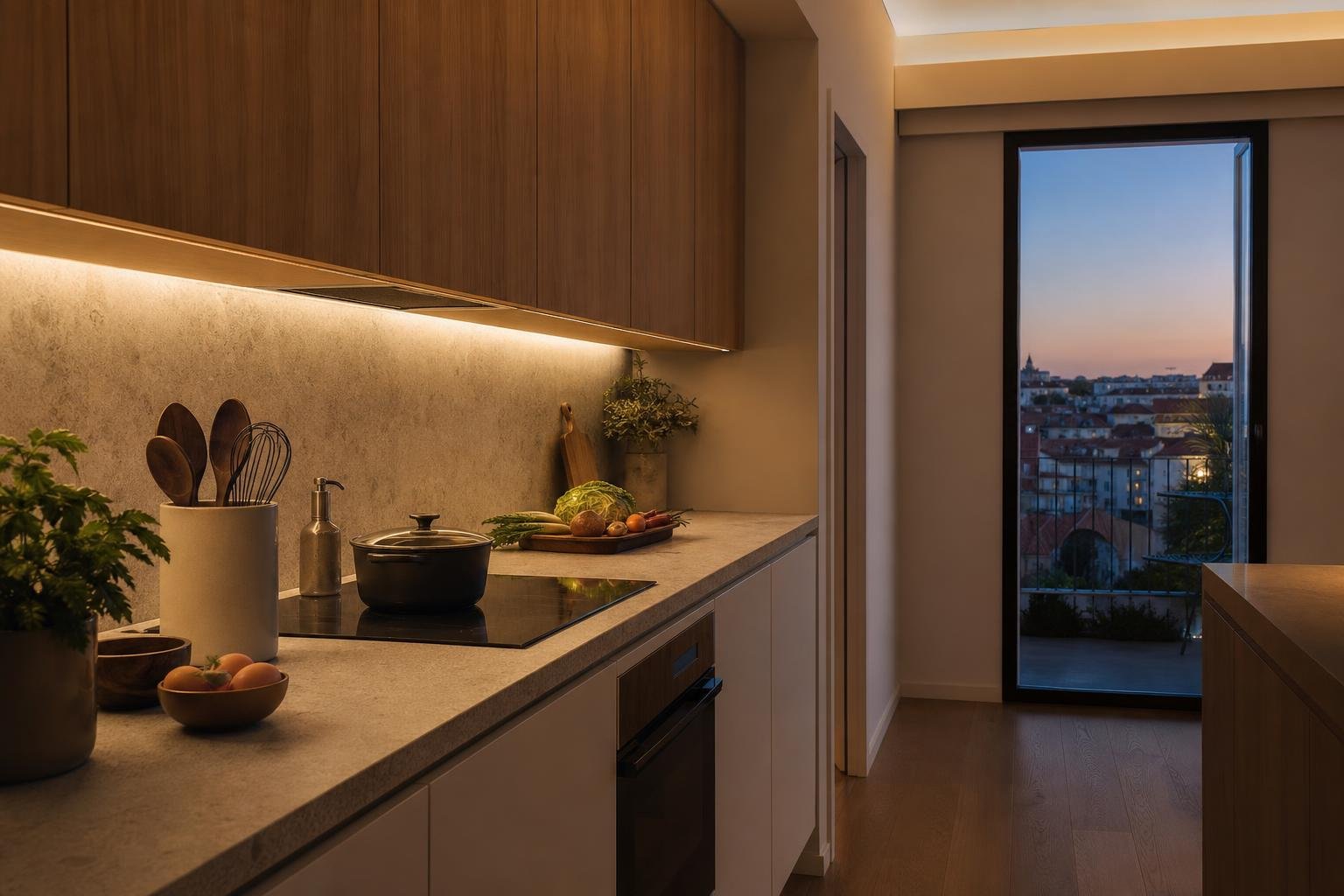
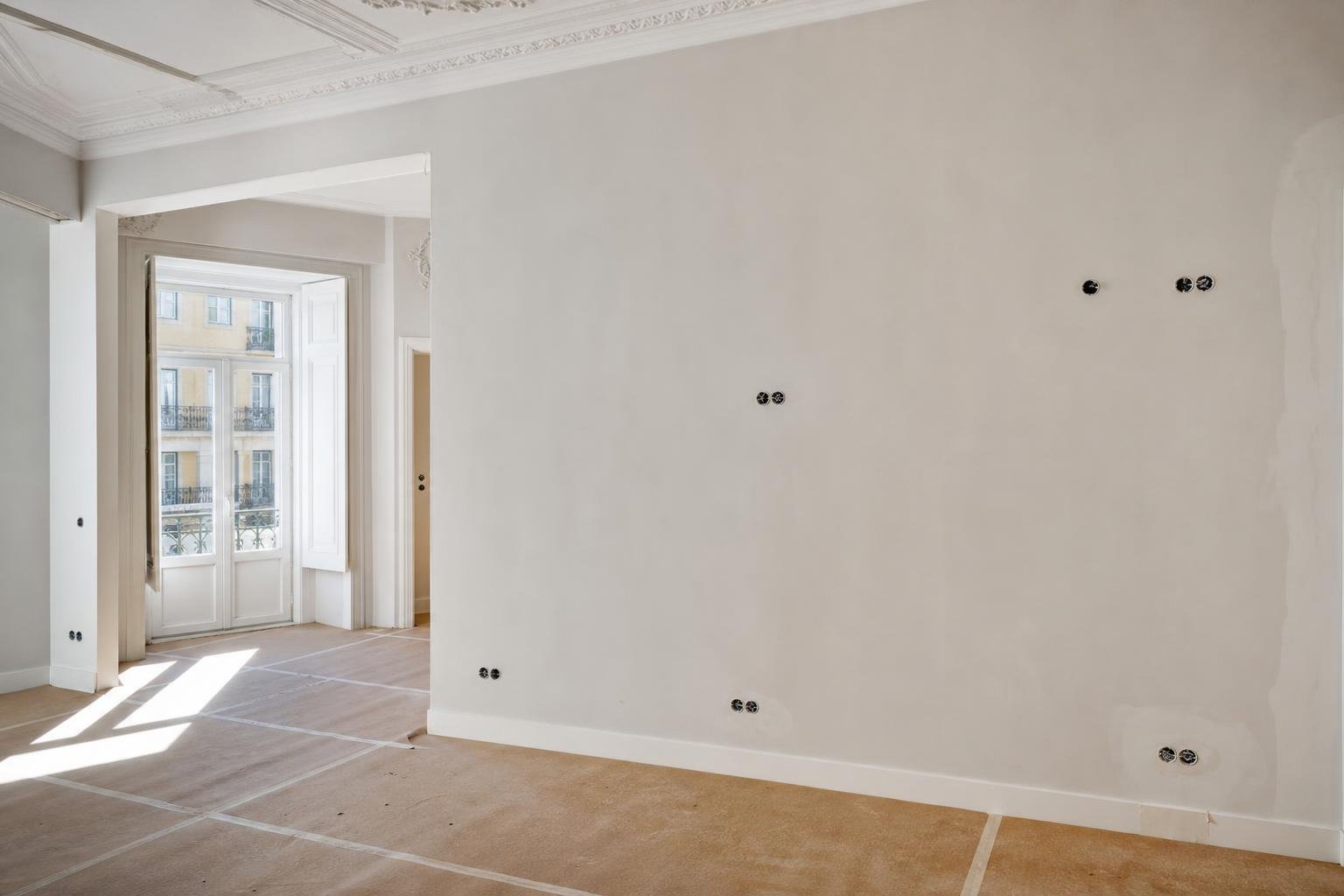
When a home is being renovated, luggage storage can stop being an isolated item and become part of a larger decision: an entrance wardrobe, made-to-measure bed, laundry cabinet or corridor unit. The key is to coordinate dimensions, outlets, doors, skirting and technical access before finishes are closed up. An outlet hidden behind a suitcase, a door that hits a handle or an electrical panel with no access quickly cancels out the cabinet’s usefulness.
In a compact bedroom, the volume beneath the bed can be valuable. In a two-bedroom home with a generous hall, a well-designed entrance cabinet is often easier to use. If freeing up bedroom floor area is the priority, compare this choice with other approaches in our guide to making better use of space in a small home.
The final rule is simple: luggage should come out and go back without disrupting the household. If you must move furniture, climb onto an unstable stool or cross a hallway around stacked objects, the storage solution is not finished yet.
Planning a renovation and want storage designed into the layout from the start? Obra Lisboa can help coordinate cabinetry, circulation and construction details so that each square metre has a clear purpose.
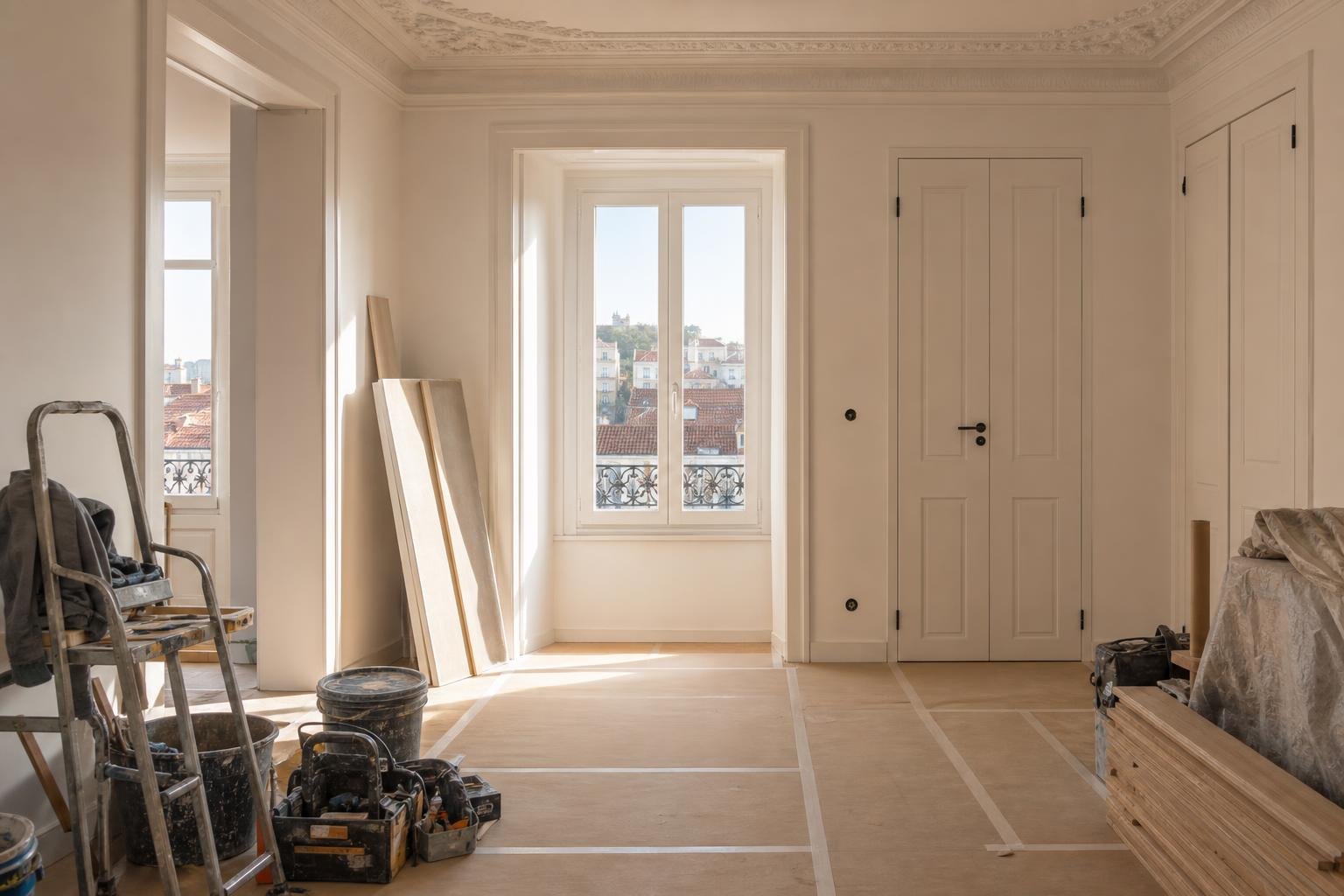
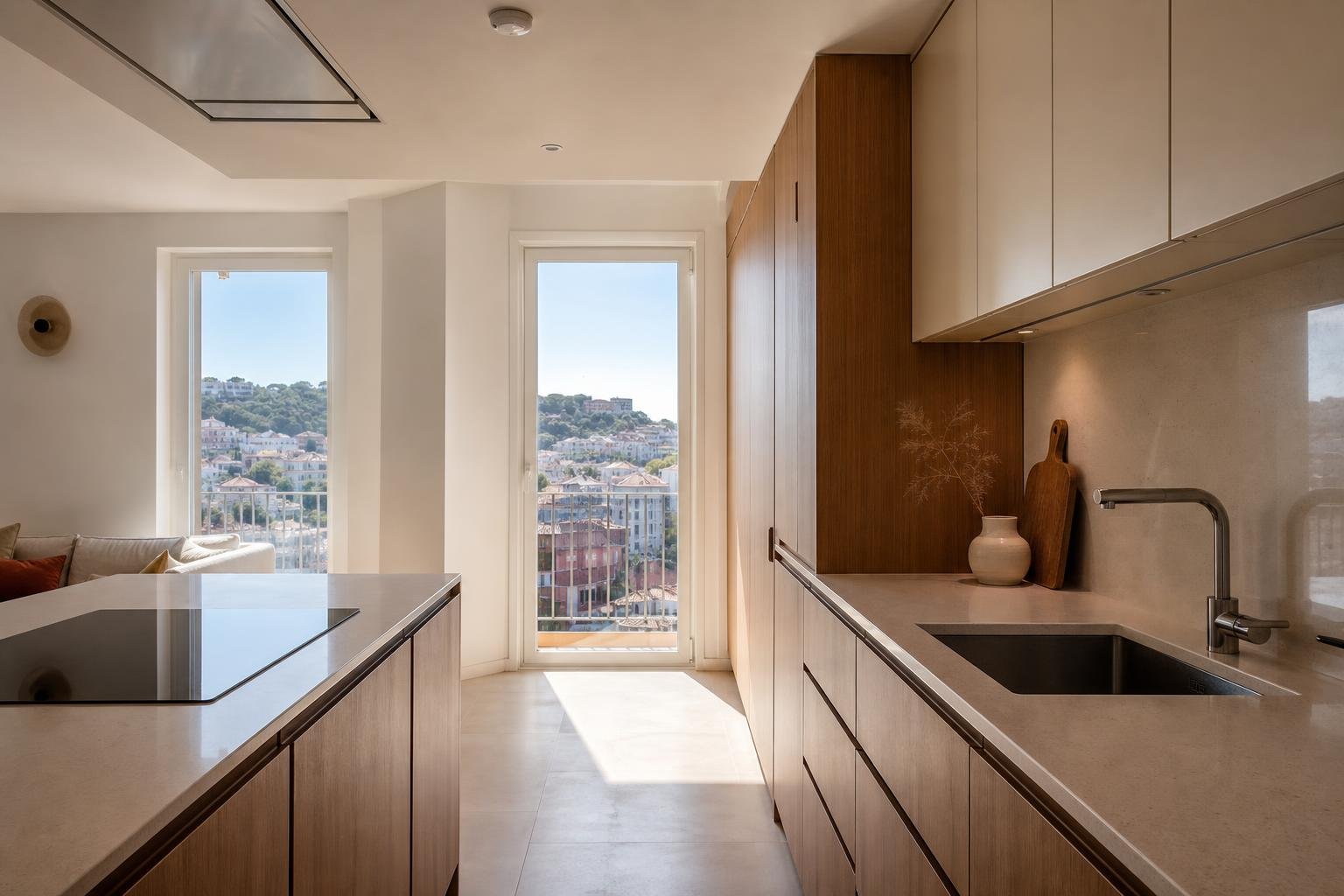
AI-generated editorial image; it does not depict an Obra Lisboa project.

Obra Lisboa