
In a Lisbon apartment, drying laundry indoors is often a practical necessity: there may be no usable balcony, outdoor drying may not be allowed, rain may last for days, or there simply is not time to wait for sunshine. The issue begins when the room used for drying starts holding steam, a persistent smell and water on the glazing. This is not only an appearance issue. The Portuguese Directorate-General of Health notes that excess humidity can cause condensation on cold surfaces and encourage mould.
The answer is not to stop doing laundry or to leave every window open for hours, especially on a cold, wet day. It is to reduce moisture at source, create a predictable path for air and prevent a drying rack from turning a bedroom, hallway or living room into a permanent laundry zone. This guide explains where to dry clothes, how to ventilate, and which signs separate an adjustable household routine from a building defect.
Start by understanding the moisture load
A full load of freshly washed clothes brings water into the home. As that water evaporates, it settles on the coldest surfaces: single glazing, old metal frames, external corners, walls behind furniture and poorly insulated ceilings. That is why the issue may appear far from the drying rack. The Portuguese health authority identifies inadequate ventilation, building characteristics and moisture as relevant factors in household mould, in its technical guidance on damp and mould.
Before buying equipment, observe the pattern for two weeks. Note where laundry dries, how long it takes, which windows collect water and whether the smell is strongest inside cupboards. This sequence is revealing: condensation only after washing points to excess vapour; a stain that grows even when no laundry is drying may indicate a leak, water ingress or thermal bridge requiring its own diagnosis.
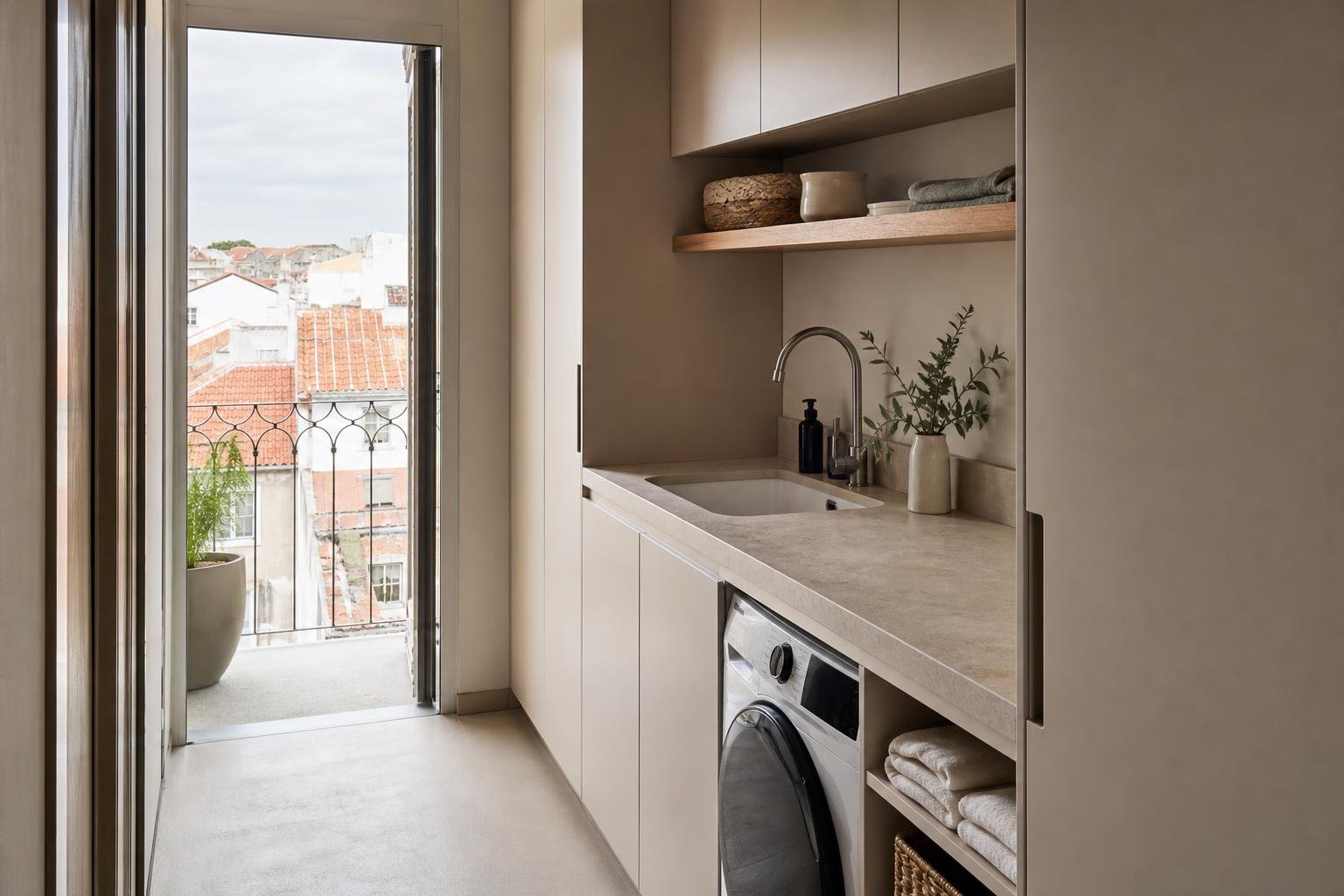
In a one-bedroom flat, do not turn the bedroom into an improvised laundry room. Overnight, closed doors, breathing and damp clothes all add moisture to the same air volume. A utility area, a well-ventilated kitchen or a bathroom with effective extraction is usually easier to control, provided the rack does not obstruct circulation, doors or escape routes.
Choose the room for airflow, not simply empty floor space
The best location is not always the largest room. Look for a room where air can be renewed without chilling the entire home and where clothes will not sit against external walls, curtains or furniture. An enclosed balcony can work, but only if it has genuine ventilation; a sealed balcony with cold frames and little air exchange can build condensation very quickly.
In a kitchen, keep the rack away from the cooking area. Cooking adds vapour and particles to the air, while fabrics absorb smells readily. In a bathroom, do not treat a decorative grille as extraction: check whether there is a fan, whether it works and whether air has somewhere to exit. Indoor air quality includes ventilation, temperature and humidity, as set out in the ADENE glossary entry on indoor air quality.
Avoid three common positions: a rack tight against glazing, clothes laid over radiators and garments hung on internal doors. The first cools the surface and encourages droplets; the second may dry fabric quickly at the surface but leaves moisture in the room and can create local overheating; the third blocks movement between rooms without creating a ventilation strategy.
- Leave a gap between the drying rack and walls.
- Spread garments apart instead of layering towels and sheets.
- Keep a safe, clear route to windows and through the room.
Ventilate briefly, purposefully and more than once
Ventilation is not the same as leaving a window slightly open all day. When outdoor conditions allow, it is usually more effective to make short, full air changes, creating a through-draft between openings on different sides or between a window and a door to a ventilated area. Do this when drying begins, then repeat it once the clothes have started releasing moisture.
In Lisbon, conditions change considerably through the year. The 1991–2020 climate normals for Lisbon/Instituto Geofísico published by IPMA are a useful reminder to consider monthly temperature and rainfall rather than use exactly the same routine in winter and summer. On a very humid day or during persistent rain, opening a window may not solve everything; reduce the amount of laundry per load and use suitable mechanical support instead.
If the bathroom has an extractor fan or the home has mechanical ventilation, use it in accordance with the system instructions and keep grilles clean and unobstructed. Never cover air inlets or outlets just to eliminate draughts. In renovation work, ventilation is part of the factors considered for comfort, defect prevention and efficiency under the Portuguese energy-performance rules for residential buildings.
Remove water before it reaches the air
The most economical way to manage indoor moisture is to remove more water in the washing machine. Where the fabric allows it, choose a higher spin speed and avoid overfilling the drum: an overloaded load spins less effectively and reaches the rack much wetter. Shake shirts, towels and bedding before hanging them. Tight folds retain water and extend the period in which the room remains humid.
Sort washing by thickness. Wash towels, sheets and technical fabrics separately from light clothing when you need to dry indoors. This avoids having a full rack in place for two days because of a few heavy items. Open buttons, pockets and cuffs; turn garments inside out only where that protection is genuinely needed, because it can slow drying.
A dehumidifier can help in a small enclosed room, but it does not replace fixing water ingress, removing mould or providing missing ventilation. Select one for the room volume, provide safe drainage or empty its tank, and manage doors and windows according to the manufacturer’s operating guidance. If you use a tumble dryer, establish whether it is condenser or vented and plan its installation without improvised hoses, extension leads or connections to shared grilles.
Protect vulnerable walls, windows and furniture
Keep the drying rack away from external walls, particularly where there are old stains, blistered paint or a cold feel to the touch. Move sofas, headboards and wardrobes away from these walls too: still air behind furniture creates a zone where condensation can go unnoticed until mould appears. Do not rest damp clothes on upholstered chairs, timber doors or cabinets.
Once laundry is dry, wipe visible droplets from glazing and window frames, including the lower tracks. This is not a structural repair; it is a straightforward step that stops repeated water exposure from reaching seals, timber and plaster finishes. If condensation appears every day throughout the home, it is worth reviewing window airtightness and insulation as well. For that wider assessment, see Obra Lisboa’s guide to replacing windows during a Lisbon renovation.
Do not paint over an active stain simply to conceal it. First establish whether it is caused by indoor vapour, water entering through the façade, a plumbing leak or rising damp. Different solutions applied to the wrong cause only postpone the issue and may trap water within building materials.
Know when this is no longer a household-routine issue
Some signs justify a technical assessment: mould that returns after cleaning and ventilation; local stains that worsen with rain; loose paint or plaster; a strong smell inside wardrobes; damp flooring beside a wall; or visible water with no clear relation to laundry. In these cases, stop drying clothes in that area and find the source before closing walls, installing finishes or replacing furniture.
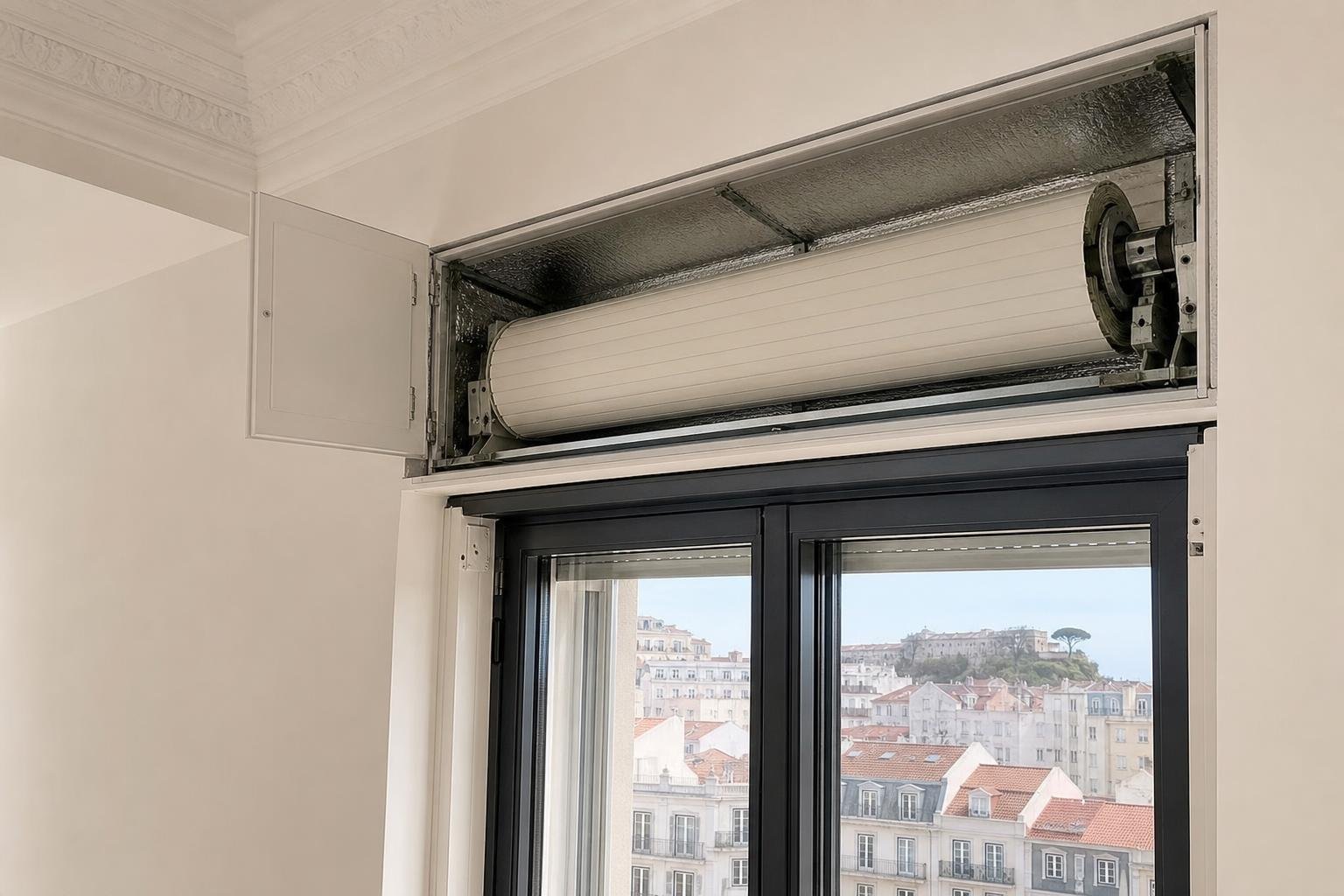
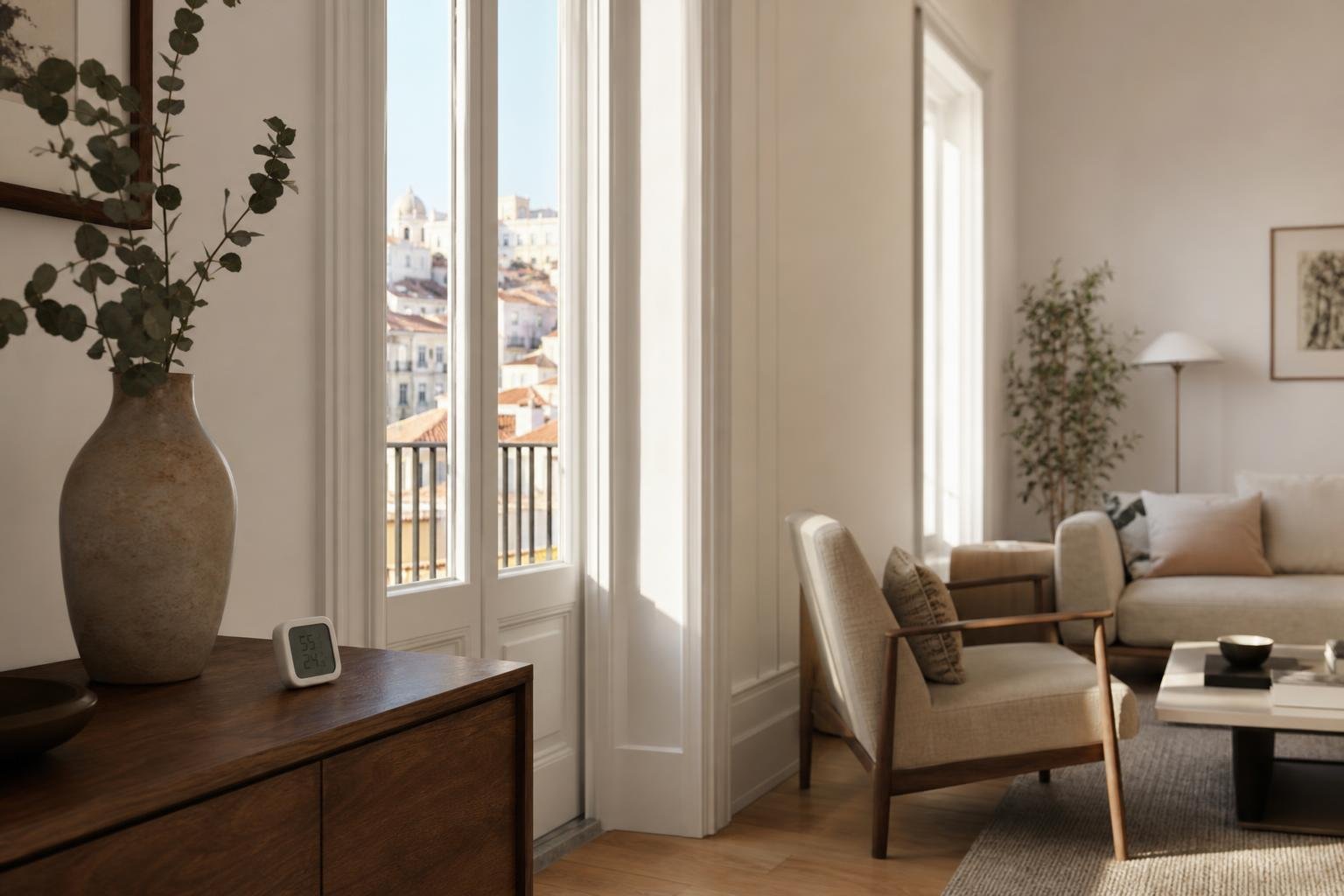
In an apartment building, the cause may lie in a neighbouring flat, a service riser, the roof, the façade or a shutter box. Dated photographs, notes on when the stain appears and regular humidity readings help establish a pattern without jumping to conclusions. Obra Lisboa’s guide to using a hygrometer at home and identifying the source of humidity can help you interpret those observations.
Indoor drying works best as part of a simple home routine: smaller loads, effective spinning, a defined drying location, air renewal and attention to cold surfaces. If the home remains damp despite that routine, the priority is no longer the drying rack but the building’s performance. For deeper renovation decisions, ventilation in renovated homes should be planned alongside windows, insulation and everyday use.
If you are planning a renovation and want to resolve condensation, ventilation or a laundry area without creating new problems, Obra Lisboa can help turn everyday requirements into a clear, coordinated work plan.
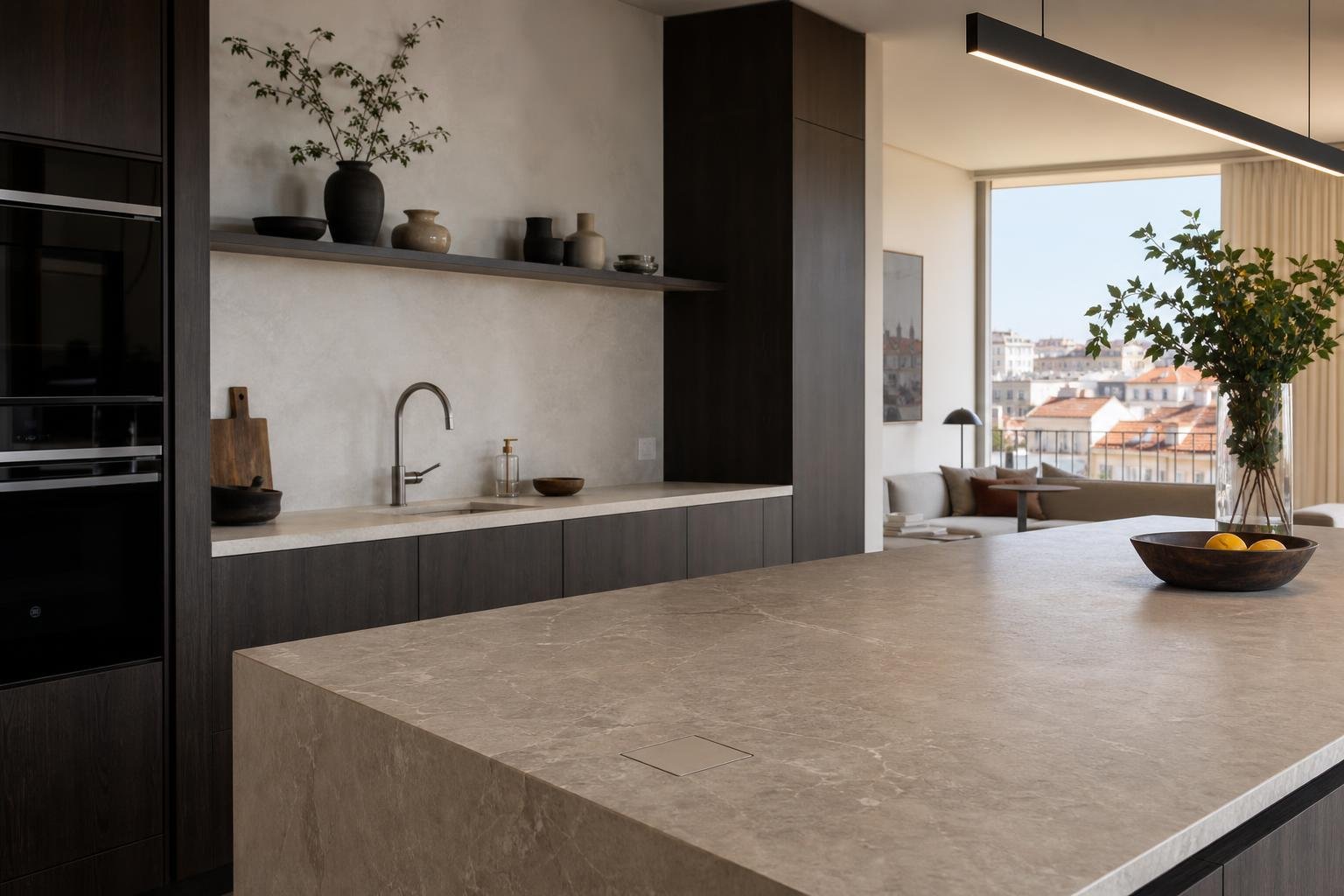
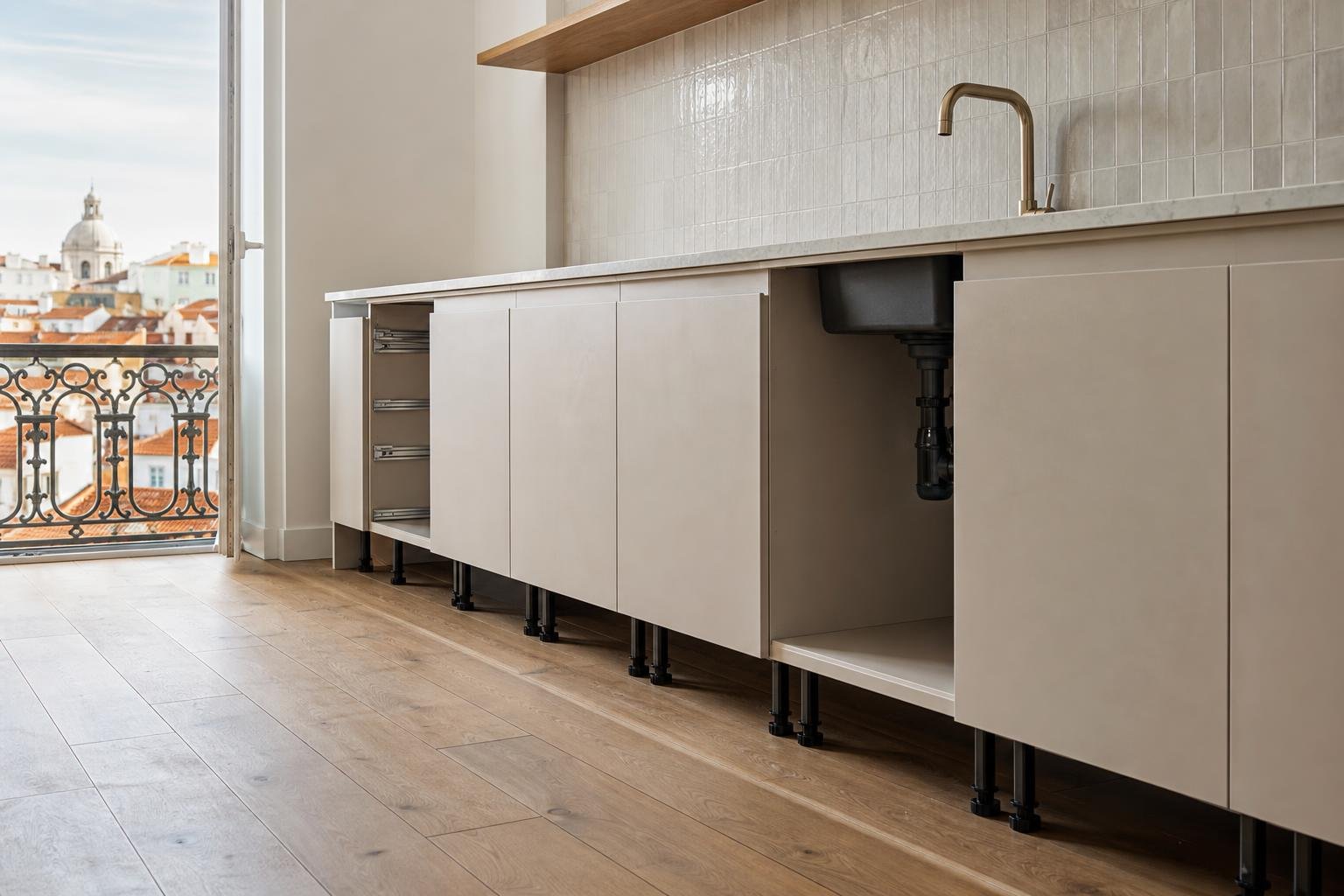
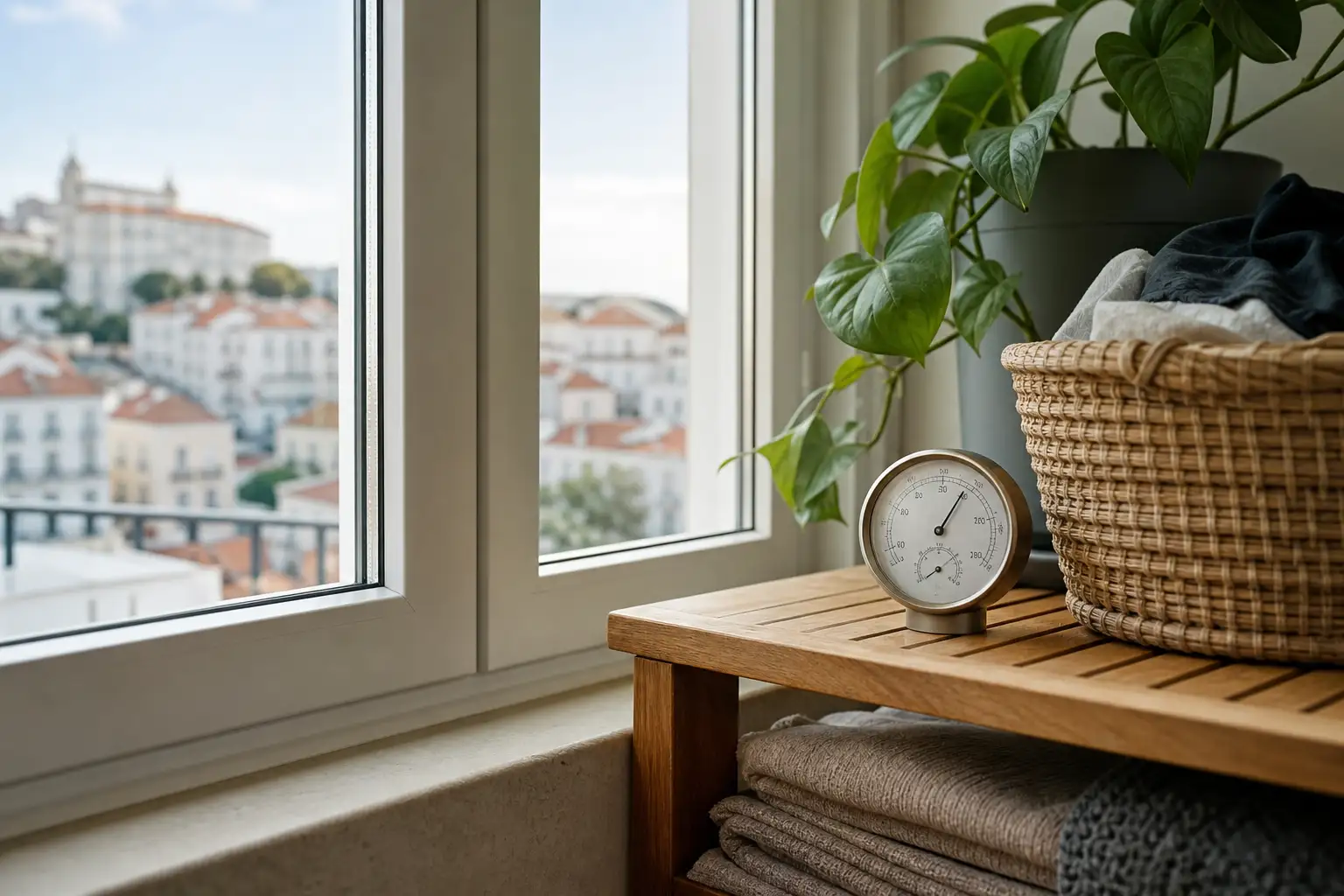
AI-generated editorial image; it does not depict an Obra Lisboa project.

Obra Lisboa