
In a small pantry, lighting rarely fails because there is not enough wattage. It fails because the light sits behind the person opening the door, deep shelves cast shadows, or the switch is difficult to find in the dark. The effect is familiar: forgotten packets at the back, duplicate shopping, poorly read labels and storage that feels smaller than it really is.
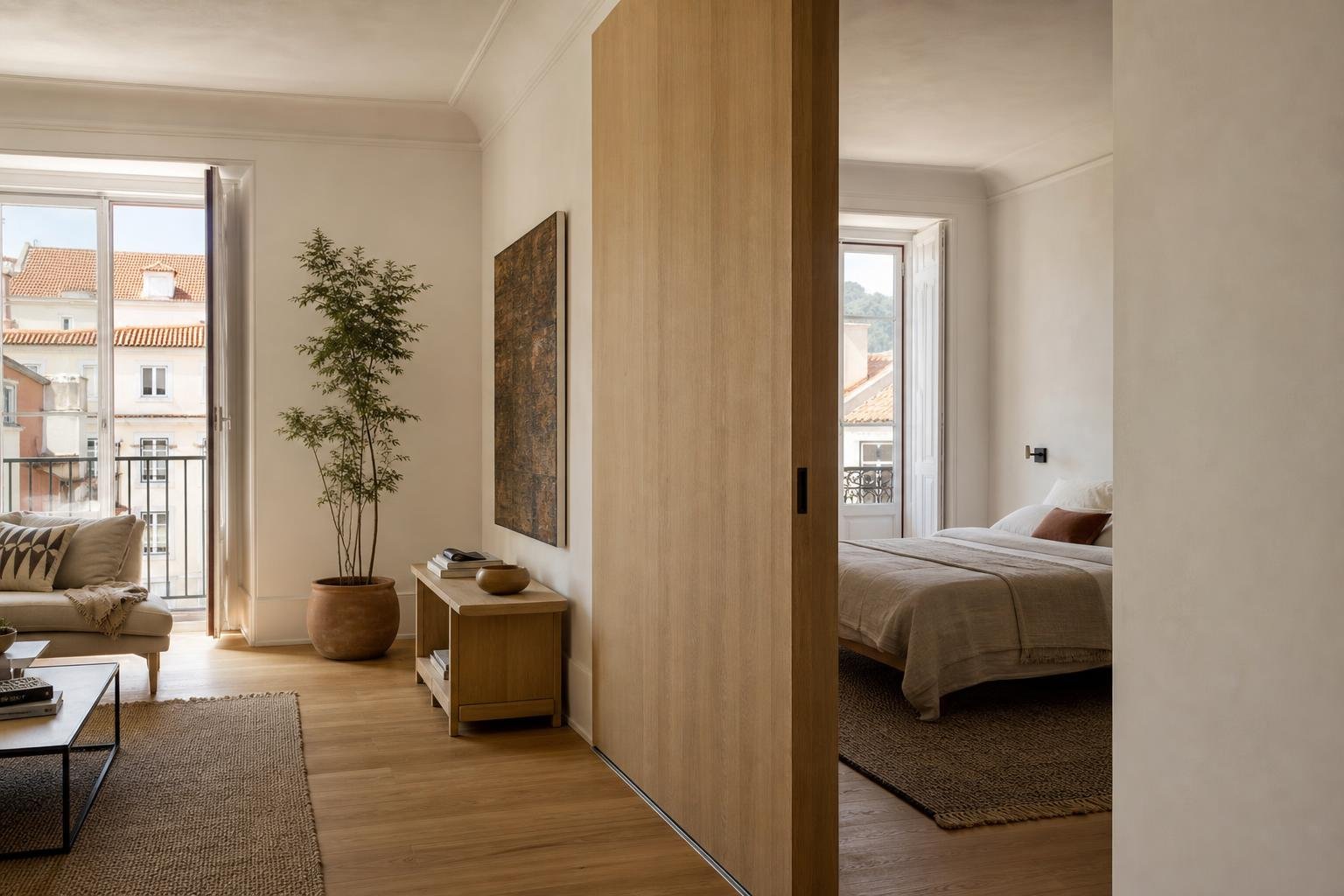
In Lisbon apartments, a pantry may be a tall cupboard beside the kitchen, a converted enclosed balcony or an internal niche without a window. It is worth designing the lighting at the same time as the cabinetry, doors and electrical points. The right decision is not simply to fit a ceiling lamp; it is to light the contents, keep controls intuitive and allow maintenance without dismantling furniture.
Start with everyday use, not the fitting
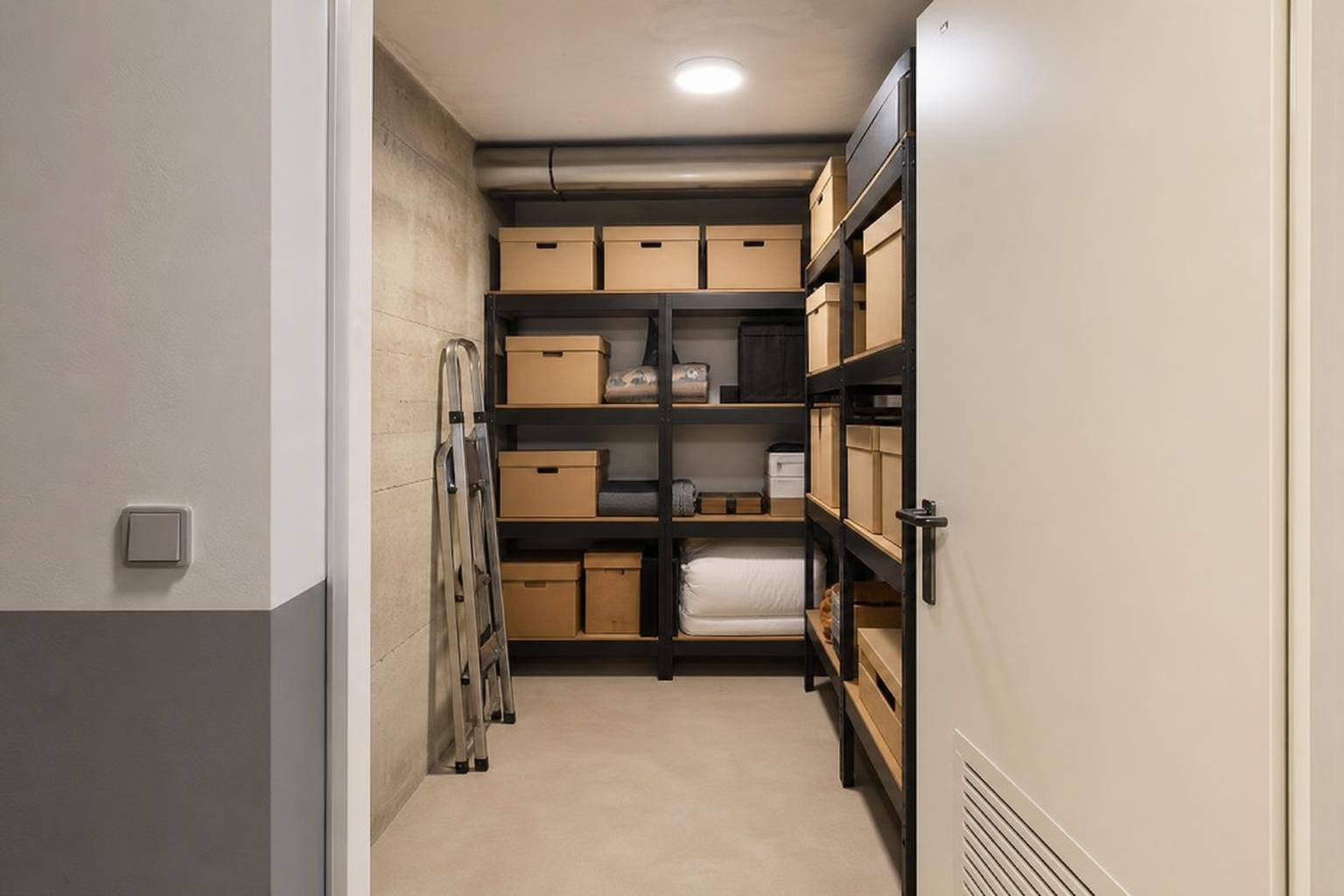
First make a straightforward map of what the pantry will hold: daily food, bulk supplies, small appliances, bottles, baking trays or cleaning products. A shelf where labels need to be read needs even front light; a route into the space needs safe orientation; a cupboard for cleaning products needs to be easy to inspect while remaining safe around children.
The Portuguese Directorate-General of Health advises good lighting in every room as a fall-prevention measure. In a pantry, this means avoiding a single light point that leaves the threshold, corners or floor in shade. Where there is a step, an inward-opening door or a change in floor level, treat entrance lighting as a safety feature rather than a finishing touch.
Set out three simple lighting jobs: general light when entering, direct light on the shelves used most often and, where needed, maintenance light inside a technical cupboard. This prevents a decorative fitting from being expected to solve every task.
Put light on the shelves, not only on the ceiling
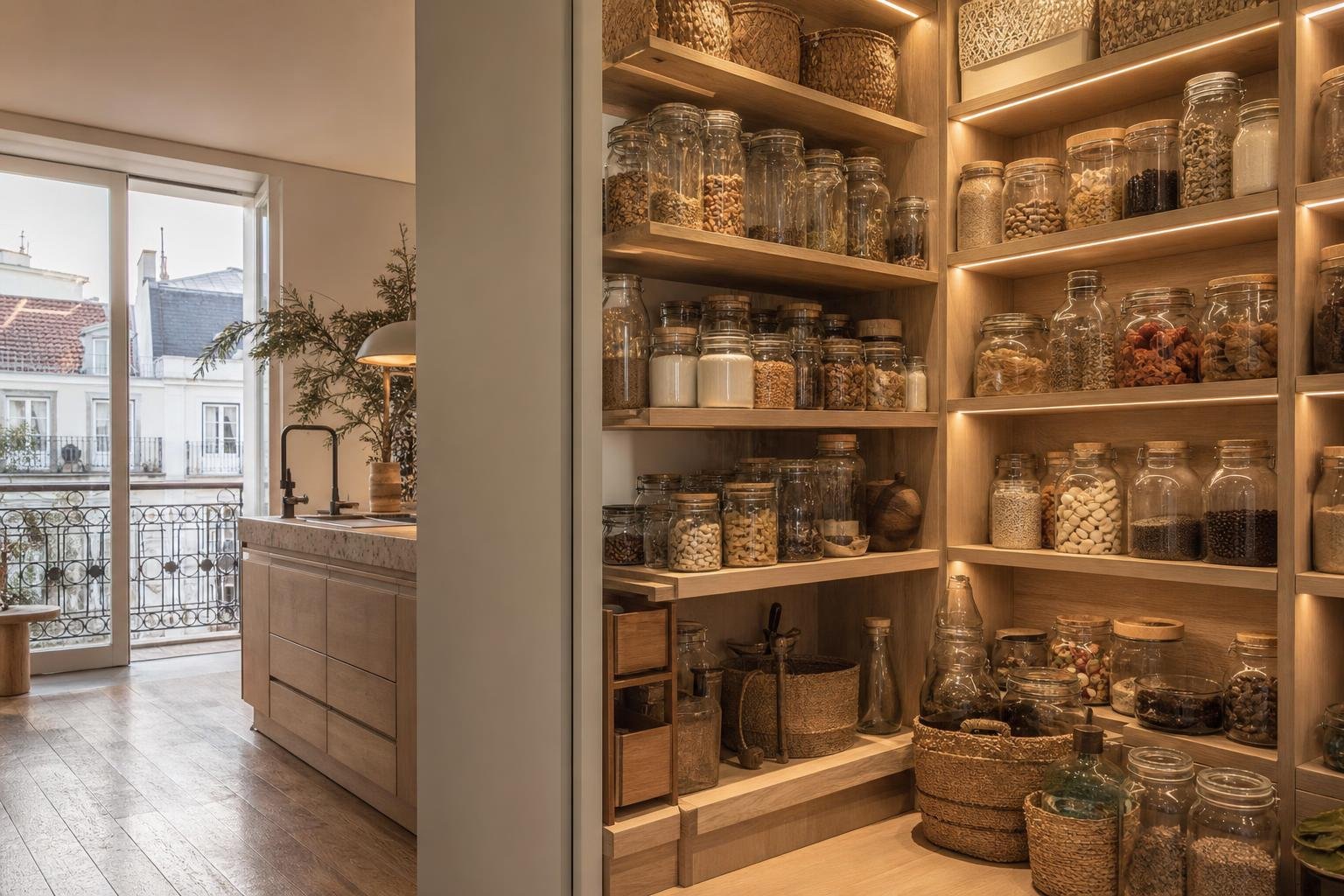
A central ceiling fitting can work in a broad, low pantry, but it is rarely enough for a tall narrow cupboard or deep shelving. The front edge of each shelf blocks some of the light from above; that is why products at the back disappear visually even when the room itself feels bright.
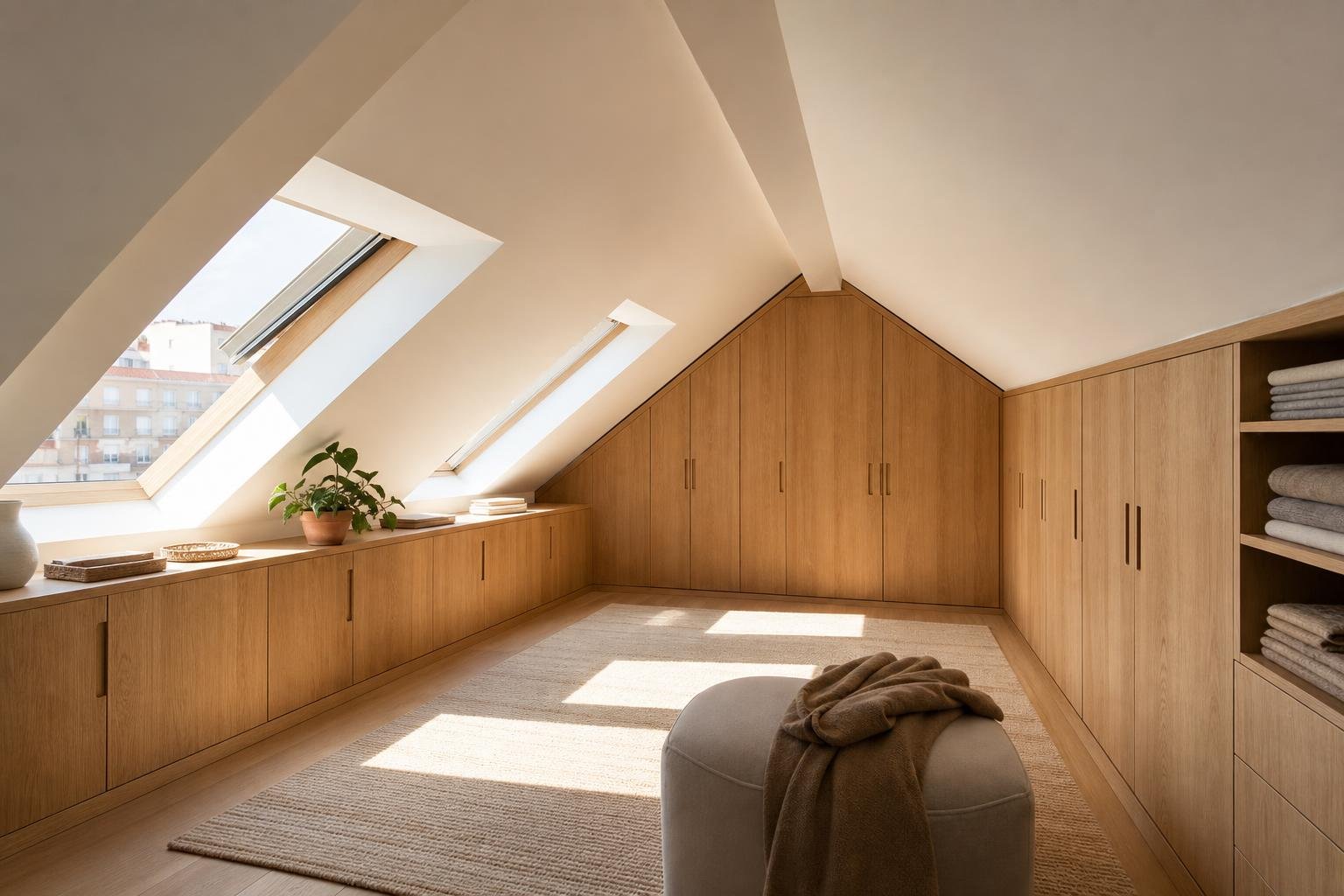
In tall units, an LED strip housed in a diffuser profile along the underside of the front shelf edge can light the shelf below effectively. In cupboards with doors, lighting can run vertically at the side or behind the front frame, provided it does not glare into the user’s eyes. Avoid exposed strip tape fixed directly to chipboard: it gathers dust, handles heat less well and makes a tidy repair harder.
For food storage, neutral-white light usually makes labels and packaging colours easier to distinguish without making the space look cold. Consistency matters more than chasing a supposedly perfect colour temperature. ADENE highlights efficient LED lighting; in a frequently used but short-stay area, well-distributed LED light with sensible control normally matters more than simply increasing output.
Choose sensors that make daily life easier
The best pantry sensor is not necessarily the most elaborate one. With hinged doors, a magnetic contact or microswitch can turn the light on when the door opens and off when it closes. In an open pantry, a presence sensor can be useful, as long as its shut-off delay is not so short that the light goes out while shopping is being put away.
Consider how the household moves. A motion sensor may not detect someone standing still to read labels; a very sensitive presence sensor may activate when someone passes in the hallway. In an enclosed pantry cupboard, door-operated lighting is normally the most predictable option. In an open recess, a conventional switch placed at the entrance, possibly combined with a sensor, may be the better choice.
Do not hide a sensor behind bottles, inside an overcrowded shelf or directly above a source of kitchen steam. Keep a manual way to control the light where appropriate: it is useful during cleaning, longer organising sessions and faults. The technical documentation published in Portugal’s official gazette recognises occupancy and daylight controls as relevant to lighting efficiency. At home, the goal is simpler: reduce wasted operating time without making the space annoying to use.

Coordinate shelf depth, heights and shadows before ordering cabinetry
Lighting improves a poorly planned pantry, but it cannot correct shelves that are difficult to reach or impossible to see into. Before the design is fixed, measure the large items you genuinely buy: cereal boxes, bottles, food processors, trays and paper supplies. Then leave enough clearance to pick things up without scraping the light fitting or door.
Very deep shelves encourage a second row of forgotten items. Where they are unavoidable, use pull-out baskets, trays or clearly separated categories. Put light, occasional items on upper shelves; products that must be read quickly at mid-height; and heavy bottles or bulk supplies lower down. Setting the shelf front back slightly from the light can reduce shadowing while protecting the profile from knocks.
A useful companion to this layout is our guide to planning a small apartment pantry. Also consider ventilation: fittings should not be buried in inaccessible boxes, and food storage should not be pressed against a wall that shows signs of damp.
Plan the electrical installation and maintenance access
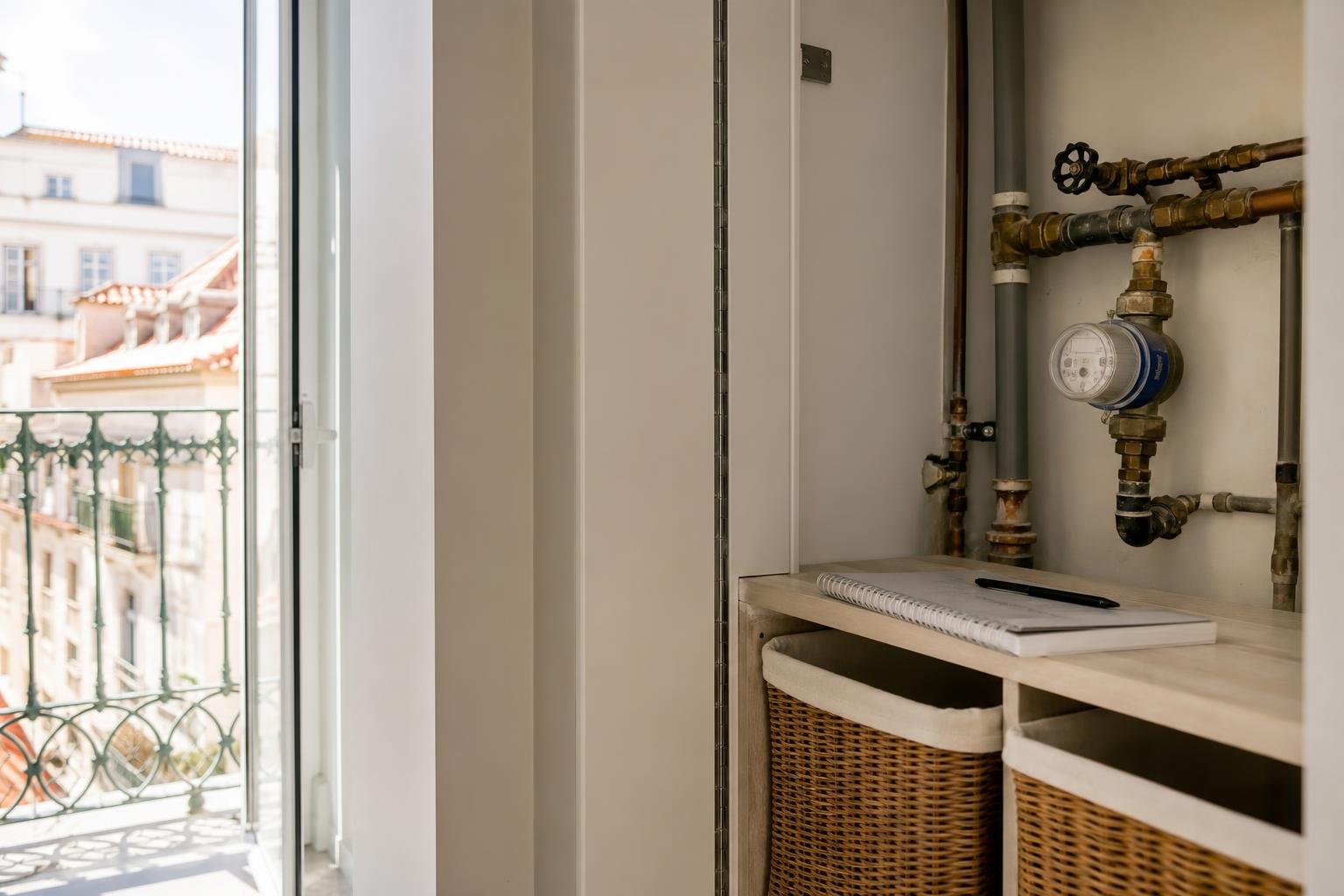
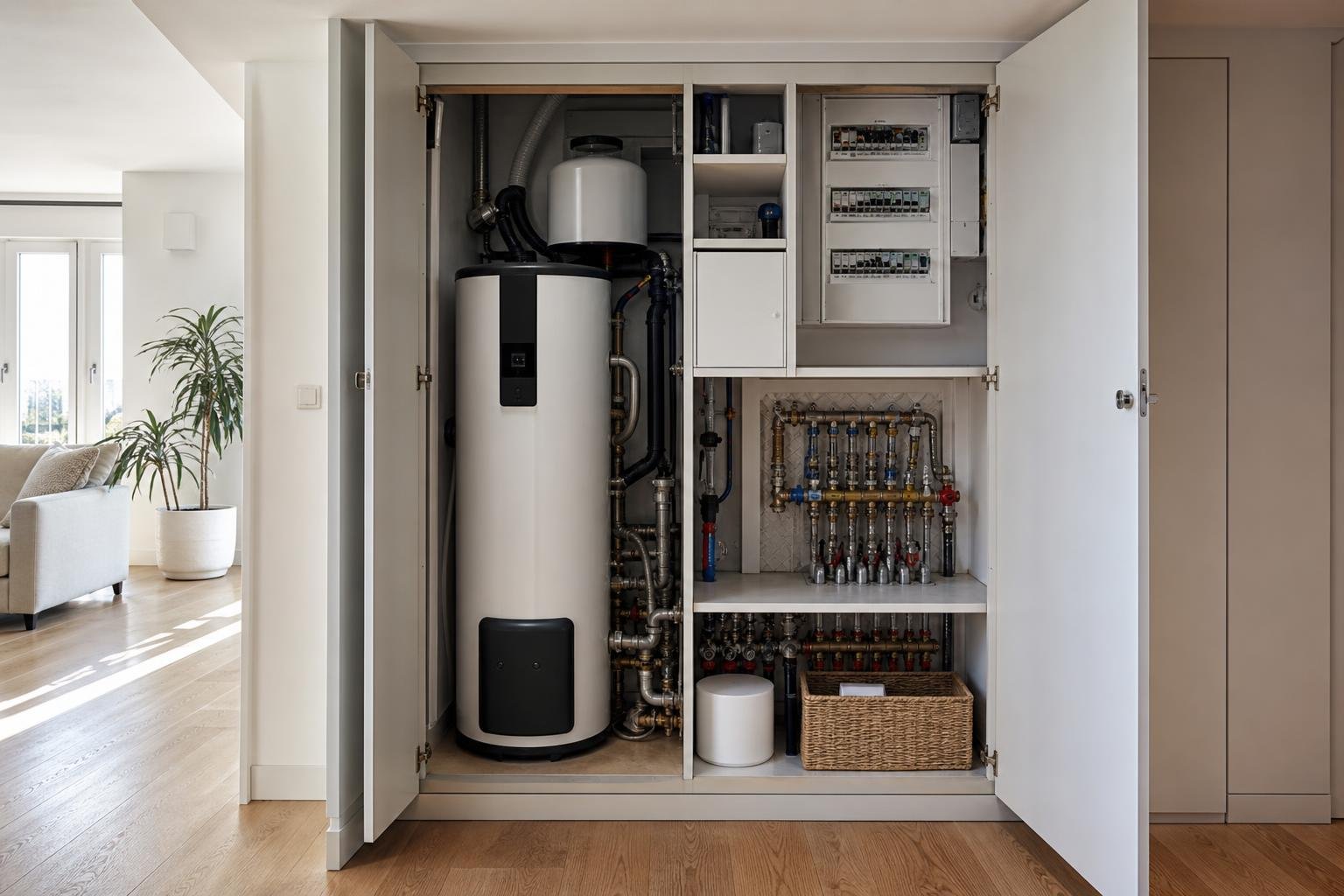
Decide where the driver or power supply will sit before the cabinetry is made. It should be accessible, ventilated and away from any area where a water leak could reach it. Hiding everything behind a fixed panel may look neat at handover, but it turns a small replacement into unnecessary building work.
Ask for cable routes, profiles, sensors and connection points to be included in the working drawings. Electrical runs must not clash with hinges, runners, adjustable-shelf holes or wall fixings. If the pantry includes appliances, confirm socket and circuit requirements with a qualified professional; cupboard lighting should never be improvised from concealed extension leads.
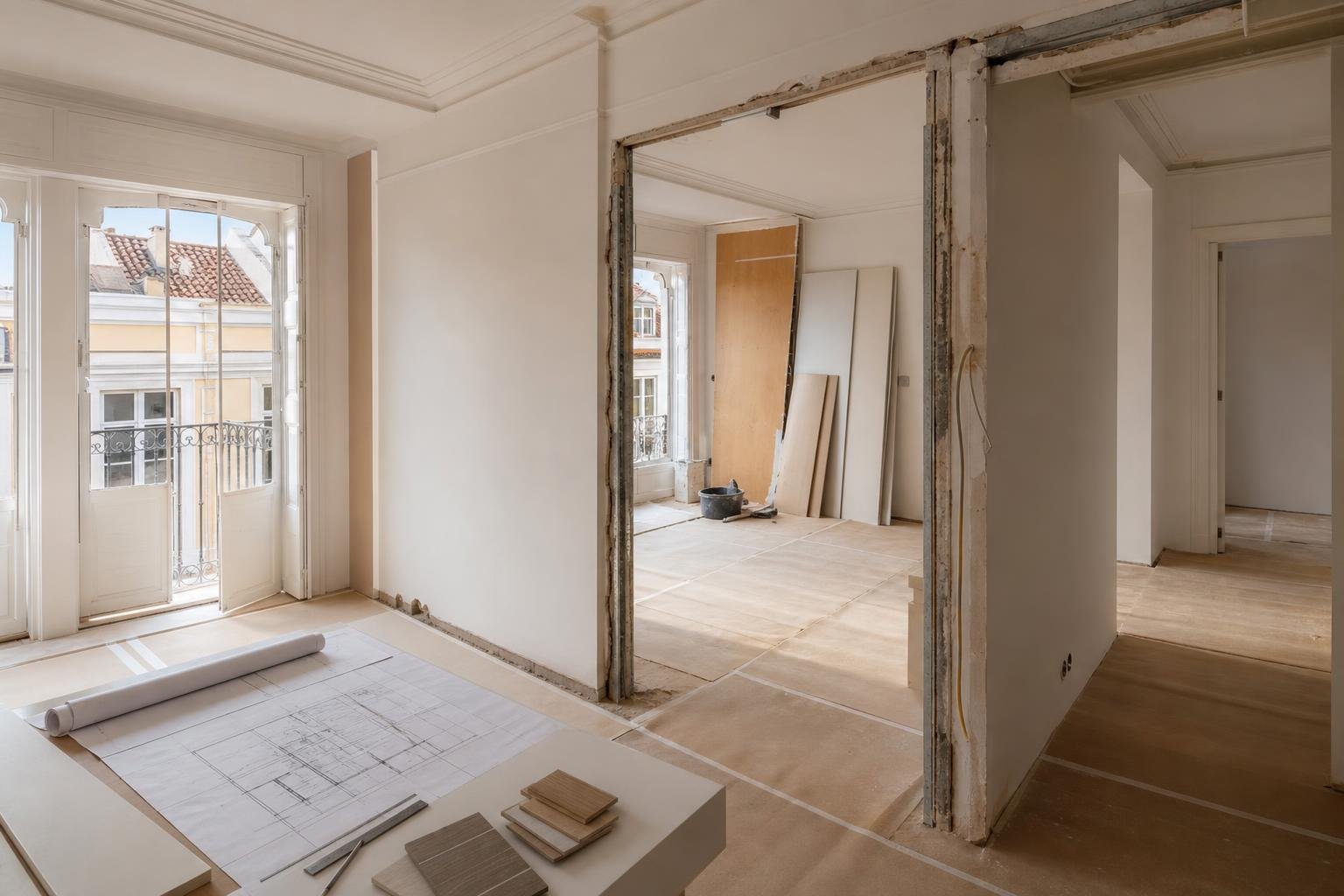
If the work changes external elements, shared building parts or forms part of a larger project, check the applicable process. Lisbon City Council’s guidance on building works and prior communication explains that some urban operations require formal documentation. For a simple internal lighting improvement, the practical priority is different: keep the installation safe, accessible and documented for future work.
Use a short checklist before signing off
Before considering the pantry finished, test it with the rest of the home lighting switched off. Open the door with your hands full, find an item at the back of every shelf and lift a bottle from the lower zone. If there are strong shadows, glare on shiny packaging or areas that still require a torch, adjust the position before final finishes are completed.
- Check that the control works at the entrance and is not hidden by the open door.
- Read labels on high, middle and low shelves without moving boxes around.
- Test the sensor delay while putting shopping away for several minutes.
- Check that profiles and cables are protected from knocks and routine cleaning.
- Keep component references and the power supply location for future maintenance.
Thoughtful pantry lighting reduces everyday household friction: you can see what you have, shop more deliberately and keep the space easy to use. When it forms part of a renovation, coordinate it early with socket and switch planning and with the final cabinetry layout.
Planning a pantry as part of a Lisbon renovation? Obra Lisboa can help coordinate cabinetry, lighting and electrical work so the practical details are resolved before walls are closed and units are ordered.
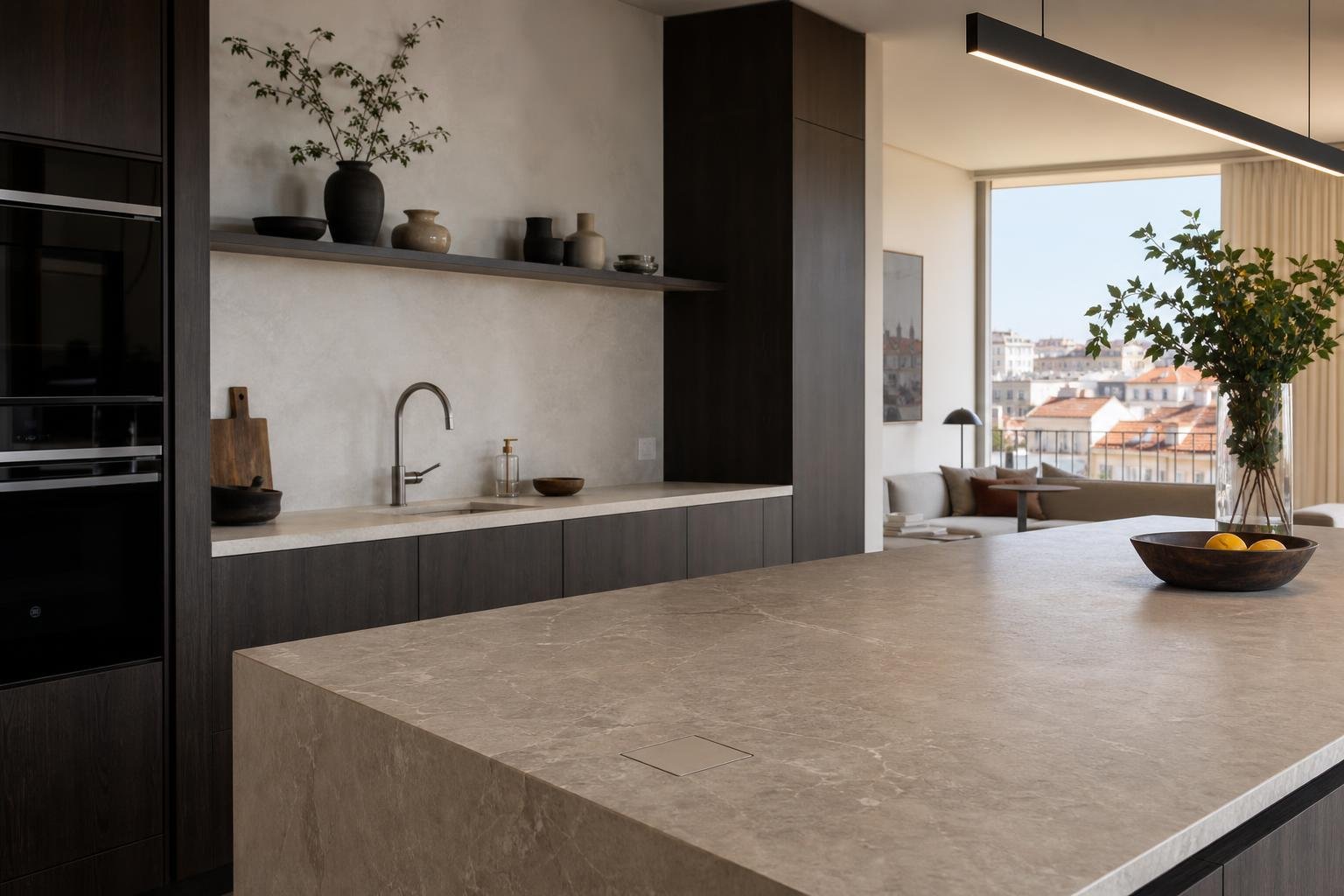
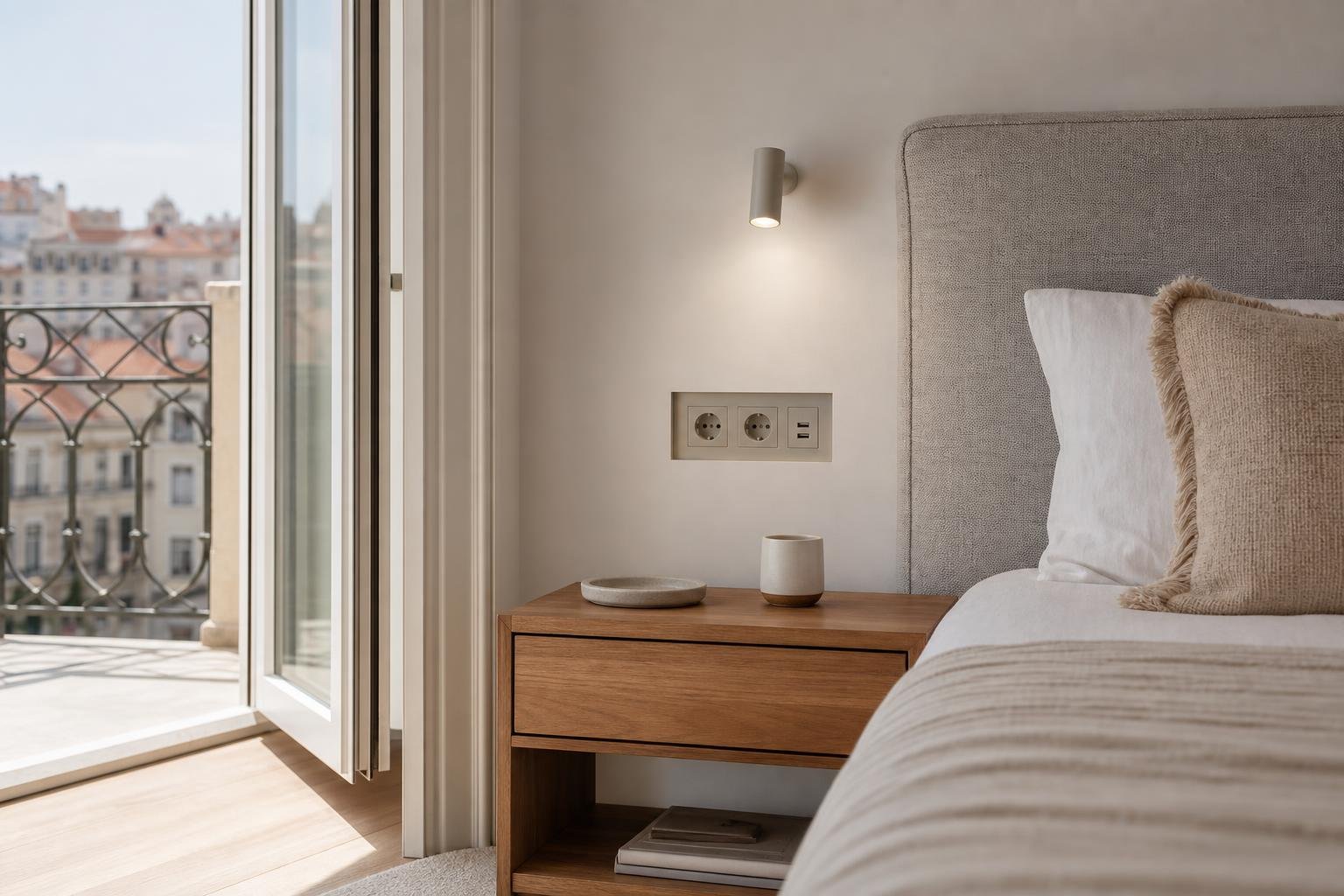
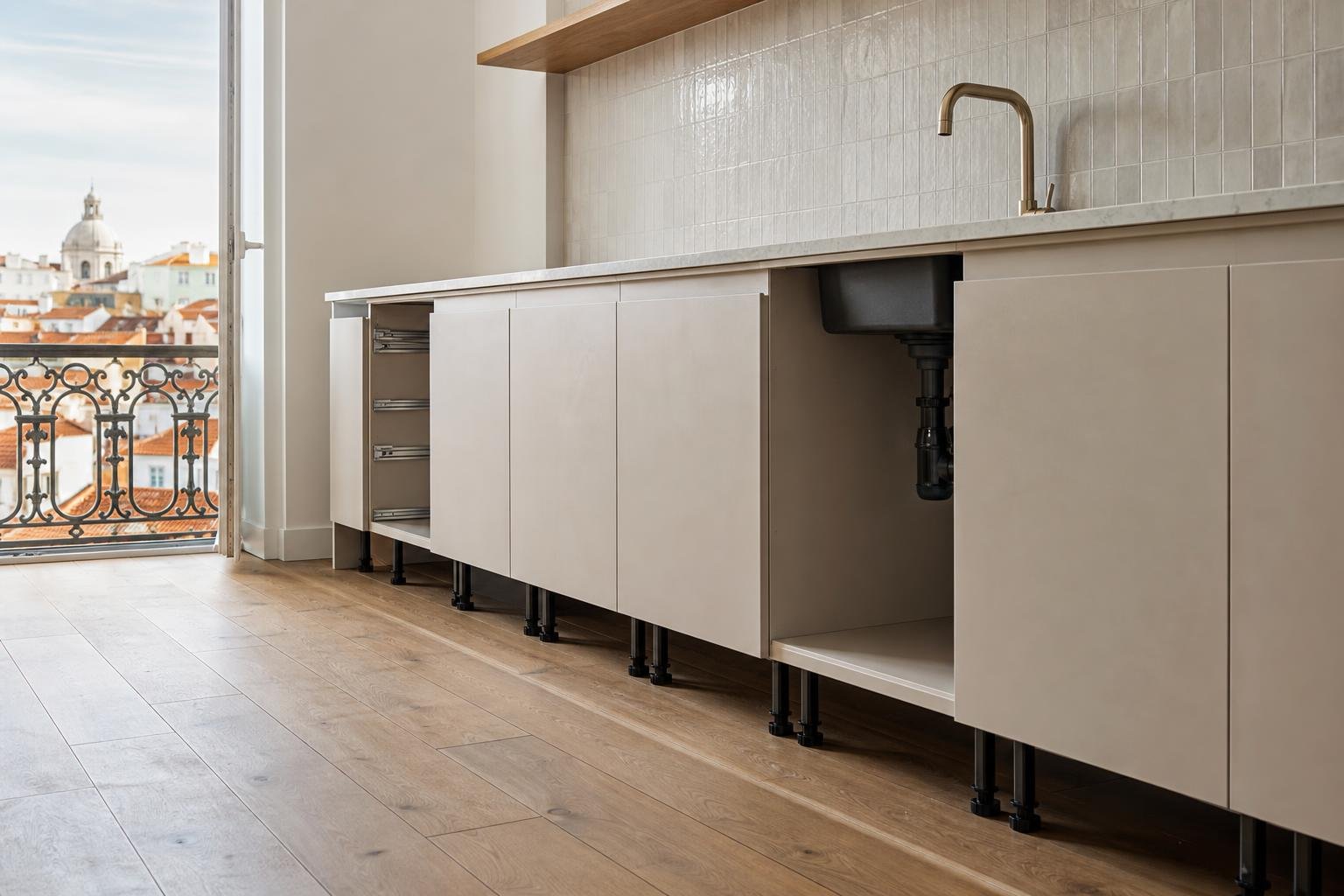
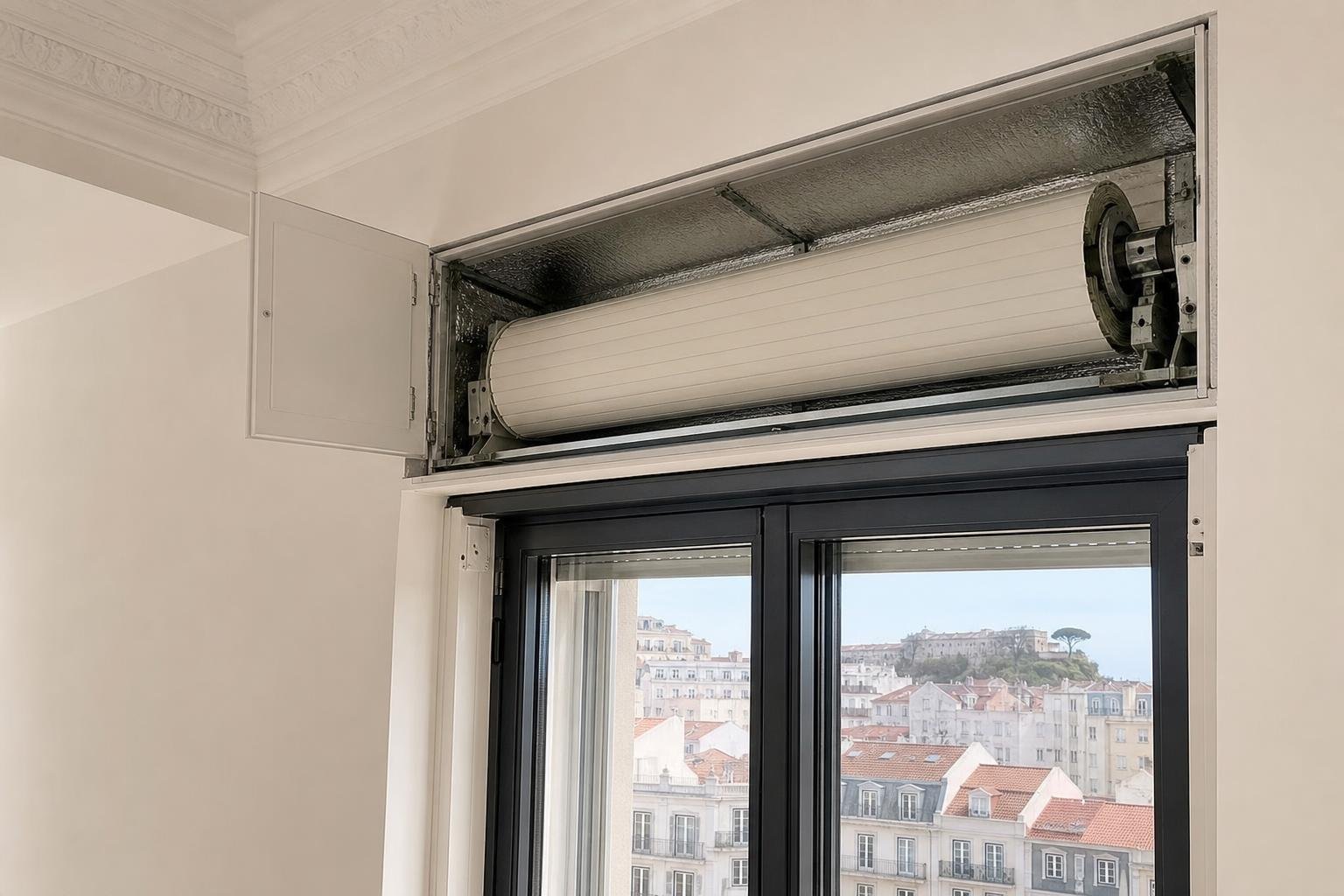
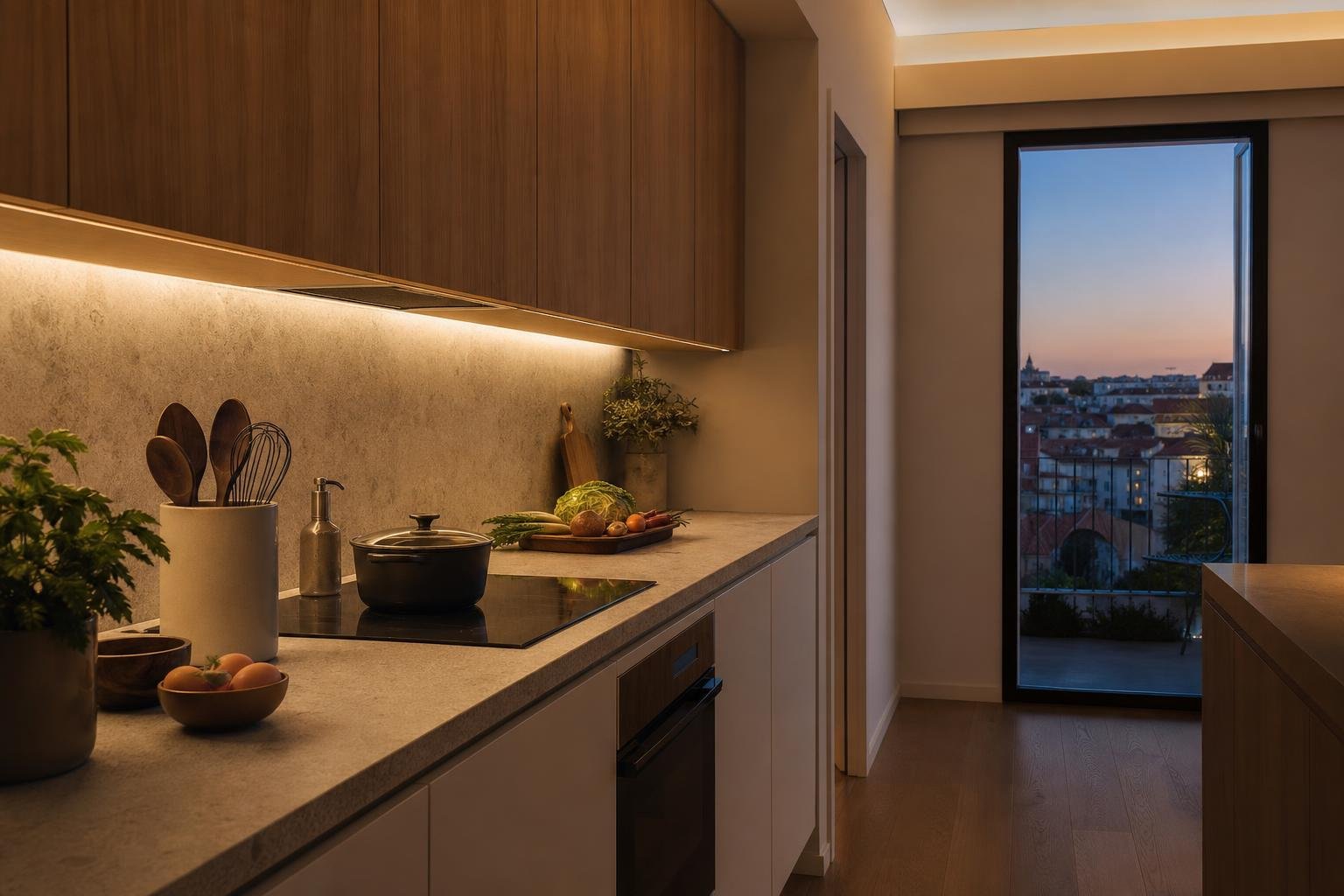
AI-generated editorial image; it does not depict an Obra Lisboa project.

Obra Lisboa